Where to Eat in Granada: Best Restaurants & Tapas Bars
Granada, Spain has one of Europe's most distinctive food cultures: order a drink and a free tapa arrives automatically. This guide covers the free tapas system in full, the best neighborhoods to eat, what dishes to prioritize, and the restaurants worth booking in advance.
Tickets & tours
Live prices and dates from our booking partner. If you book, we may earn a commission at no extra cost to you.
TL;DR
- Granada's free tapas culture is real and still thriving in 2026: one drink (beer, wine, or soft drink) = one free tapa chosen by the bar, typically worth €3–5.
- Expect to pay €1.80–€3.00 per drink at local bars; a proper evening of bar-hopping across 3–4 bars costs around €12–20 per person and replaces dinner.
- The best tapas neighborhoods are Realejo, Calle Navas (stick to the side streets), and the university area around Gran Vía — not the immediate Alhambra surroundings.
- For sit-down dining, book ahead on weekends — Granada restaurants typically run two services: lunch 12:30–16:00 and dinner 20:30–24:00.
- See our complete free tapas guide and what to eat in Granada for dish-by-dish breakdowns.
How Granada's Free Tapas System Actually Works
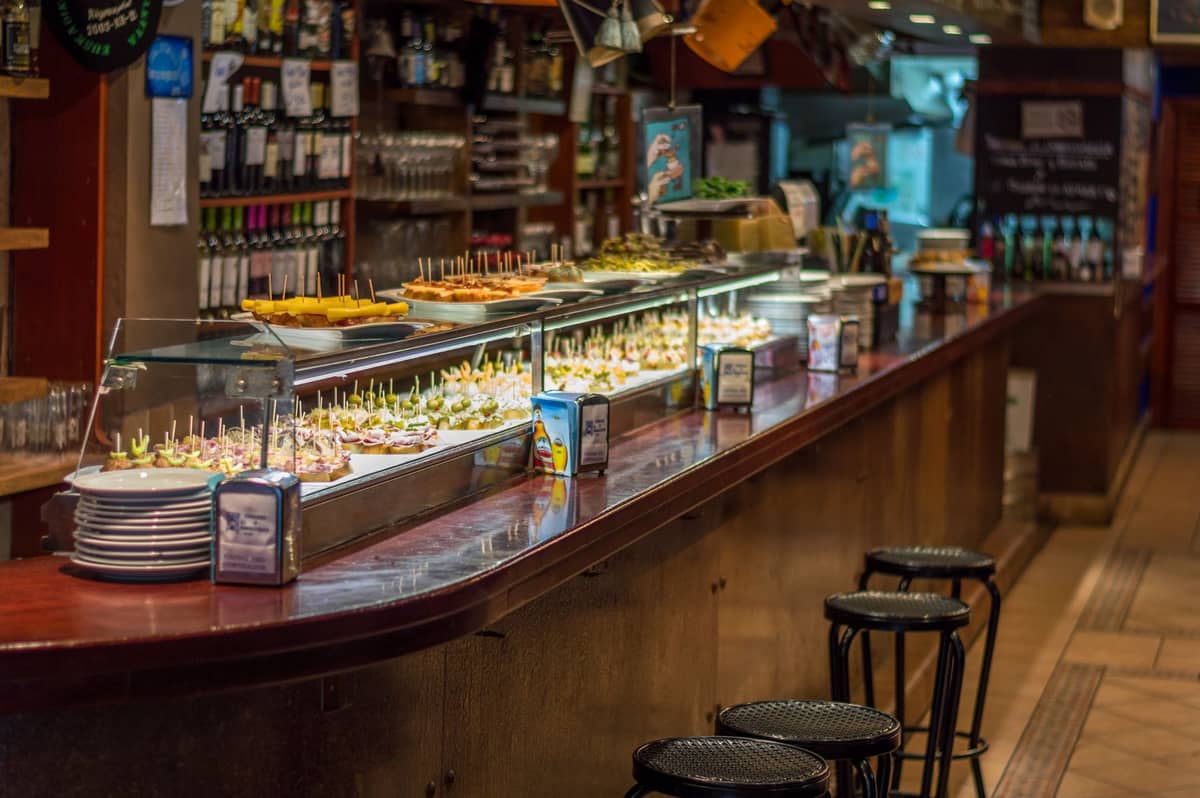
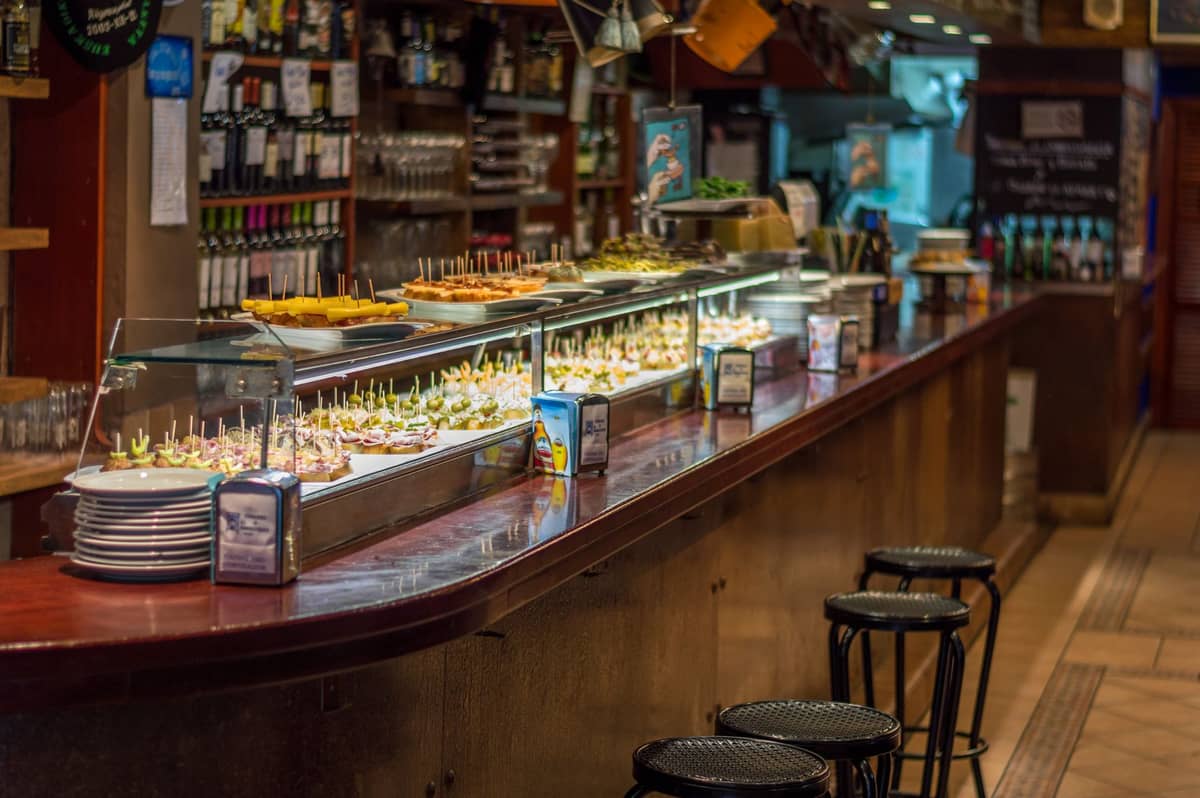
Granada is one of the last cities in Spain where the free tapas tradition operates at scale and without conditions. At a traditional neighborhood bar, ordering any qualifying drink — a caña (small draft beer), a glass of house wine, a tinto de verano, or even a soft drink — triggers a free tapa chosen by the kitchen. You don't ask for it, you don't pay for it, and there is no minimum spend beyond the drink itself.
The tapa is not a bowl of chips or a few olives. Across most local bars, it arrives as a proper small plate: a slice of tortilla, a portion of migas, a stewed meat dish, croquetas, or whatever the bar is cooking that day. The value is real — the equivalent paid dish would cost €2–3 in a sit-down restaurant. Order two drinks, get two tapas. Move to another bar, repeat. By the end of a four-bar crawl, you have eaten the equivalent of dinner.
⚠️ What to skip
Not all bars in Granada participate. In heavily touristed areas — parts of Calle Navas near the cathedral, or anywhere within 200 meters of the Alhambra entrance — bars may charge separately for food, serve only bread, or offer a paid-tapas menu. If you don't see locals at the bar, walk another street.
A few rules the system runs on, which many visitors get wrong. First, the bar chooses the tapa — you do not select it. Some bars rotate through a weekly menu; others serve the same house specialty every day. Second, the tapa arrives with most cold drinks, but not with coffee, tea, or cocktails. Stick to beer, wine, tinto de verano, or a soft drink if you want the free plate. Third, standing at the bar is faster and often means better tapas — table service works, but staff prioritize bar customers during busy periods.
What to Eat: Key Dishes in Granada
Granada's cuisine reflects its geography: the city sits at around 700 meters above sea level, with the Sierra Nevada behind it and the fertile Vega plain in front. The food is hearty, meat-forward, and less coastal than you'd expect from an Andalusian city. You'll encounter dishes that don't appear on menus in Seville or Málaga.
- Pionono A small rolled sponge cake soaked in syrup and topped with toasted cream — the signature sweet of the Granada area, originally from the town of Santa Fe. Every pastry shop in the city centre sells them.
- Remojón Granadino A salad of salt cod, orange segments, black olives, and onion with olive oil. Sharp, briny, and unlike anything else on the Andalusian coast.
- Migas Fried breadcrumbs cooked with garlic, chorizo, and sometimes bacon or sardines. A staple tapa in inland Andalusia, and often what arrives with your first drink at a proper local bar.
- Plato Alpujarreño A mountain plate: fried egg, morcilla (blood sausage), chorizo, and ham, often served with potatoes. Filling and direct, sourced from the villages of Las Alpujarras south of the city.
- Tortilla Sacromonte A local variation on the Spanish omelette made with lamb brains, offal, and vegetables. Increasingly rare on menus — if a bar offers it, it's worth ordering as a paid racion.
- Habas con Jamón Broad beans stewed with Jamón Serrano and garlic. A spring dish when done seasonally, though available year-round from frozen.
For a thorough breakdown of Granada's regional dishes, ingredients, and where to find specific plates, the full Granada food guide covers everything from breakfast pastry shops to Alpujarran charcuterie.
Best Neighborhoods to Eat in Granada
Where you eat in Granada matters as much as what you order. The city's food culture is concentrated in a few specific areas, and the quality drops sharply in the most photographed tourist corridors.
The Realejo neighborhood, the former Jewish quarter south of the cathedral, is arguably the best area for a tapas crawl. The streets around Campo del Príncipe concentrate a cluster of traditional bars where locals genuinely eat. Prices here are at the lower end of the scale — €2–2.50 per drink — and the tapas tend toward proper cooked food rather than snacks. The square itself, Campo del Príncipe, fills up on warm evenings and has a strong local-to-tourist ratio.
The university district, running along Gran Vía de Colón and spreading into the streets around the Faculty of Law and the Facultad de Filosofía, is where Granada's student population eats. Drinks here can be as low as €1.80 with a tapa, and the bars stay open later than most. It is not a scenic area, but the value is consistently higher than in the tourist centre. The nearby Alcaicería area attracts more visitors, so use it as a visual stop rather than a dining destination.
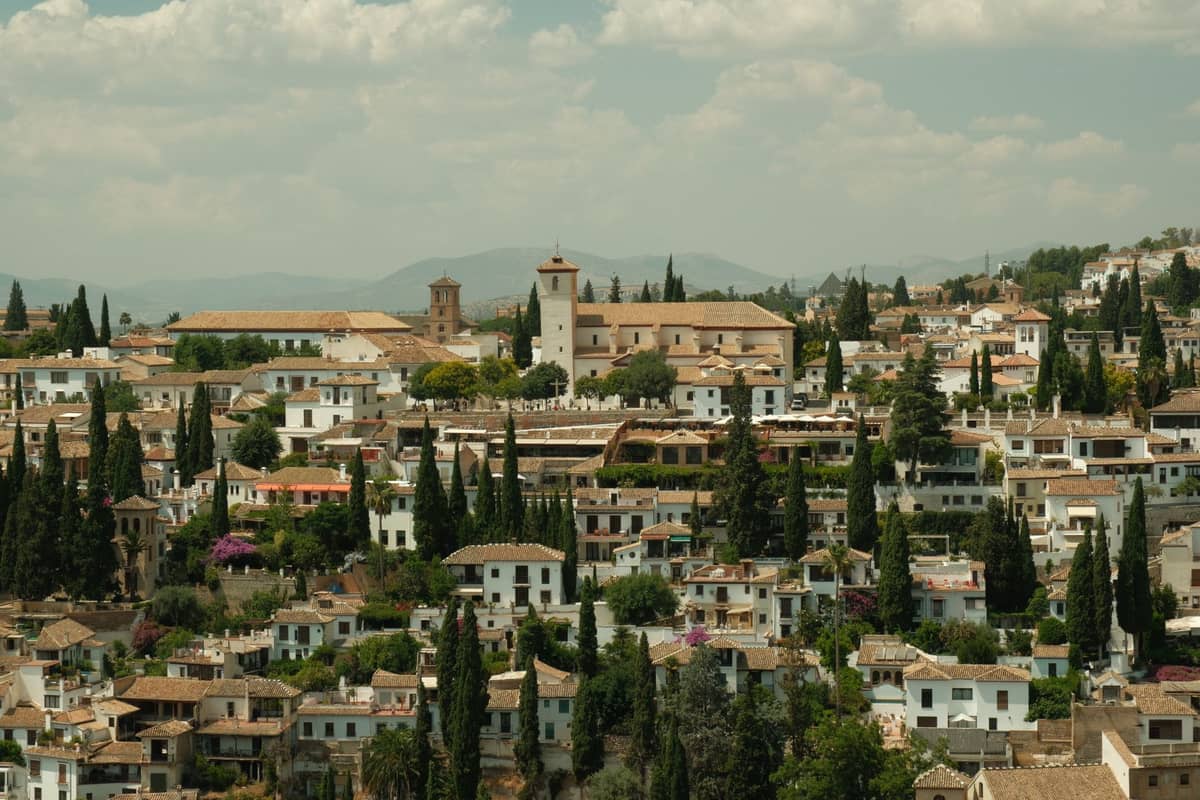
The Albaicín has spectacular views and some genuinely good restaurants, but most are table-service sit-down places rather than tapas bars. Expect higher prices and a more tourist-facing experience. Worth it for a proper dinner with views from the Mirador de San Nicolás area, but not for casual tapas.
💡 Local tip
The best way to find a good tapas bar: look for chalkboard menus in Spanish only, a noisy interior with locals standing at the bar, and a TV showing football. If the menu has photos and English translations on a laminated card, keep walking.
Timing, Hours, and How to Structure Your Eating Day
Granada runs on Spanish meal times, which means schedules that can feel extreme if you're not used to them. Lunch is the main meal of the day and runs from approximately 14:00 to 16:00 — heading to a restaurant at 12:30 will often mean an empty room and a staff that isn't quite ready. Dinner doesn't begin in earnest until 21:00, and on weekends the street-level tapas bars don't hit peak activity until 22:00 or later.
For tapas specifically, the two serious windows are 13:30–15:30 (local workers doing a lunchtime beer-and-tapa run) and 20:30–23:00 evenings. Friday and Saturday nights from 21:00 onward are the busiest, with university students and local families both out in force. If you want to experience the full atmosphere of Granada's tapas culture, come on a Thursday or Friday evening and plan two to three hours of bar-hopping.
Most sit-down restaurants run split service: a lunch sitting from around 12:30–16:00 and an evening sitting from 20:30–24:00. Outside these windows, most kitchens are closed. Booking ahead for weekend dinners is advisable at any restaurant with a reputation — many Granada restaurants list reservations through their own websites or major booking platforms. For casual tapas bars, walk-in is the norm and reservations are neither accepted nor expected.
✨ Pro tip
If you're visiting the Alhambra on a morning ticket, plan your lunch for 14:00 in the Realejo rather than eating immediately outside the Alhambra gates. The bars at the Alhambra exit charge tourist prices and the food quality doesn't justify it. It's a 15-minute walk downhill to significantly better options.
Budget, Mid-Range, and Splurge: What to Expect at Each Level
Granada is genuinely affordable by Western European standards, but the range is wide. Understanding what you're paying for at each level prevents frustration and sets realistic expectations.
- Budget (€10–20 per person for a full evening) The tapas bar circuit covers this entirely. Three to four bars, two drinks each, produces six to eight tapas — a complete dinner. Stick to the university district or Realejo. Drinks run €1.80–3.00 each. No tipping obligation, though rounding up on the bill is common practice.
- Mid-range (€25–45 per person) A sit-down restaurant in the Albaicín or Centro with a full meal: starter, main, dessert, and a bottle of house wine shared between two people. Quality at this price point is generally high — Granada restaurants don't need to inflate prices because the tourist volume isn't as extreme as Seville or Barcelona.
- Splurge (€60–100+ per person) Granada has a small fine-dining scene concentrated around restaurants with creative takes on Andalusian and Moorish-influenced cuisine. Tasting menus in this range exist, though the city doesn't have Michelin-starred restaurants in the volume of larger Andalusian cities. For genuine luxury dining experiences, expect to book well ahead on weekends.
Traveling on a tight budget? Granada rewards it more than almost any comparable Spanish city. The Granada budget travel guide has a full breakdown of free and low-cost options across food, attractions, and transport.
Practical Tips Before You Eat
Tipping in Granada follows Spanish norms rather than UK or US conventions. Service is included in the bill at restaurants, and tipping is discretionary — not tipping is not considered rude. At tapas bars, rounding up to the nearest euro or leaving small change is standard. At sit-down restaurants, 5–10% is appreciated for good service but never expected. Never feel pressured by a server who lingers near the table when the bill arrives.
Tap water in Granada is safe to drink by Spanish national standards. Ordering agua del grifo (tap water) at a restaurant is perfectly acceptable and saves money. Some restaurants will bring a jug of tap water automatically; others will default to bottled unless you specify. If you're bar-hopping, drinking a soft drink every other round keeps the tapas coming without the alcohol accumulating — the system applies equally to refrescos (soft drinks) as to beer or wine.
For vegetarians, the free tapas system is occasionally challenging — many classic Granada tapas involve pork or meat by default, and the bar chooses the dish. Dedicated vegetarian restaurants exist in the city centre, particularly around the Albaicín and near the university. The free tapas guide includes notes on which areas and bar types tend to offer more plant-based options.
ℹ️ Good to know
Granada's food culture is year-round. Summer weekends (July–August) are busy with domestic Spanish tourists, which keeps quality high at local bars. The university academic year (October–June) means student areas are livelier and cheaper during term time. December is quieter overall but locals still eat out — see the guide to Granada in December for what's open and what's worth it.
FAQ
Are tapas really free in Granada?
Yes, at traditional neighborhood bars, one drink equals one free tapa with no additional charge. The catch is that this applies to beer, wine, tinto de verano, and soft drinks — not coffee or cocktails — and the bar chooses the tapa, not you. In heavily tourist-facing areas near the Alhambra or on main pedestrian streets, bars may charge separately. Look for places with a local crowd at the bar as a quality signal.
What is the best area to eat tapas in Granada?
The Realejo neighborhood (particularly around Campo del Príncipe) and the university district along and around Gran Vía de Colón offer the best combination of price, quality, and authentic atmosphere. The Albaicín has good sit-down restaurants but fewer traditional tapas bars. Avoid the immediate streets around the Alhambra entrance for food.
How much does a tapas evening cost in Granada?
A realistic budget for a full tapas evening across 3–4 bars, with 2 drinks per bar, is €12–20 per person. Each drink runs €1.80–3.00 at local bars and comes with a free tapa. That produces 6–8 food plates over the course of an evening, which functions as a complete dinner.
Do I need to book restaurants in Granada in advance?
For sit-down restaurants, especially on Friday and Saturday evenings, booking a day or two ahead is advisable. Casual tapas bars are walk-in only. Most restaurants publish reservations through their own websites or booking platforms. Lunch service (14:00–16:00) is easier to walk into than dinner.
What are the must-eat foods specific to Granada?
Prioritize pionono (the local rolled sponge cake), remojón granadino (salt cod and orange salad), migas (fried breadcrumbs with chorizo), plato alpujarreño (a mountain meat plate), and habas con jamón (broad beans with cured ham). Tortilla Sacromonte — a local offal-based omelette — is increasingly rare but worth seeking out if you spot it on a menu.
Tickets & tours
Live prices and dates from our booking partner. If you book, we may earn a commission at no extra cost to you.
Planning a trip? Discover personalized activities with the Nomado app.