Granada on a Budget: How to Visit Granada, Spain for Less
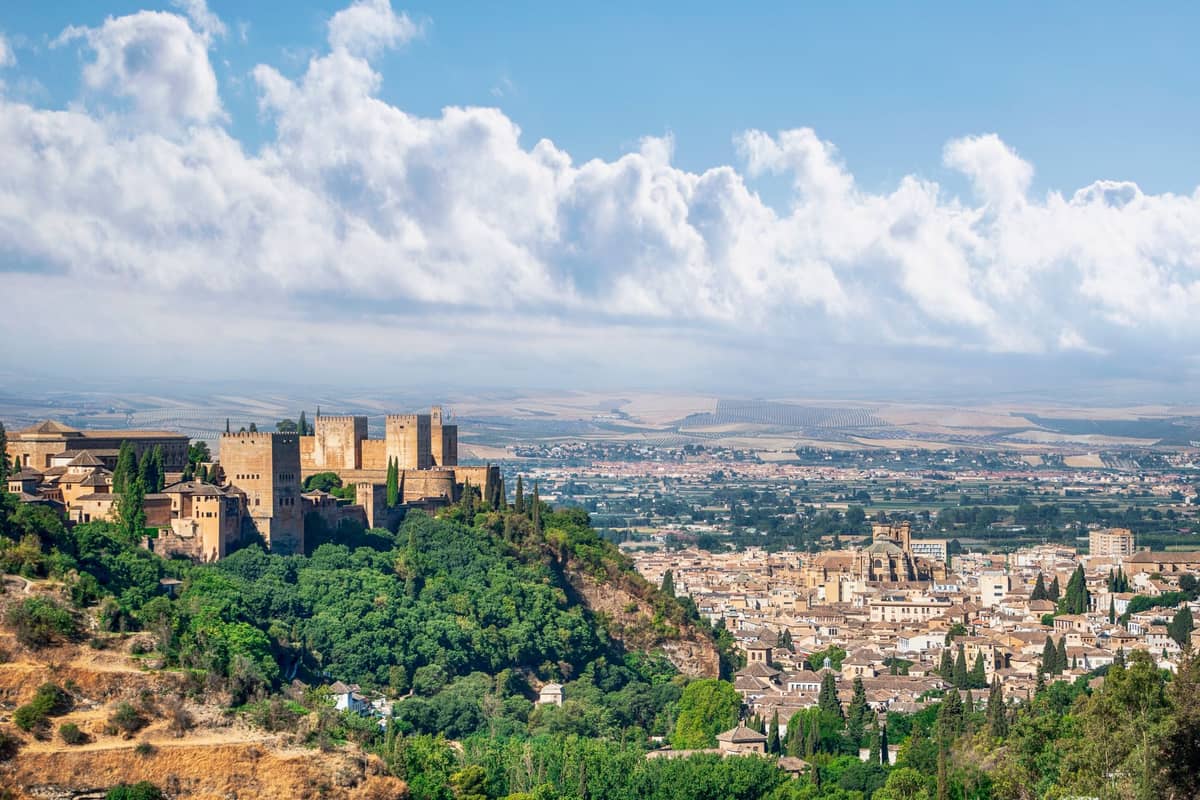
Granada is one of the most affordable cities in Spain — if you know how the system works. This guide breaks down free tapas, Alhambra ticket pricing, tourist passes, free attractions, and the best times to visit for lower costs and smaller crowds.
Tickets & tours
Live prices and dates from our booking partner. If you book, we may earn a commission at no extra cost to you.
TL;DR
- Granada's free tapas culture means three or four drinks with food costs around €6–10 per person — practically a full meal.
- The Alhambra general daytime ticket costs around €22.27 including the online fee — book on the official site to avoid reseller markups. See our Alhambra tickets guide for the full breakdown.
- The Granada Card bundles major site entries plus public transport — worth it if you plan to visit several paid attractions in 48–72 hours.
- Dozens of attractions are completely free: the Cathedral exterior, Albaicín viewpoints, Sacromonte walks, and the historic city centre.
- Shoulder season (late September to mid-October, or April to mid-May) offers lower accommodation prices and thinner crowds. More detail in our best time to visit Granada guide.
Why Granada Is One of Spain's Best-Value Cities

Granada sits at around 738 metres above sea level in Andalusia, roughly 15–18 km from its airport (GRX). It has a population of around 233,000, which gives it the infrastructure of a proper city without the inflated prices of Madrid or Barcelona. Most of the historic centre is compact and walkable, public transport is cheap, and the city has an embedded tradition — unusual anywhere in Spain — of serving free food with every drink order.
That free tapas custom is not a gimmick or a tourist promotion. It is the standard in traditional bars across the city, and understanding how it works is the single most effective budget tool available to any visitor. Three or four rounds of drinks, each with a tapa included, can replace lunch or dinner entirely for around €6–10 per person. The food comes without ordering and without tipping expectations — service is generally considered included in Spanish restaurant bills, and tipping is discretionary.
ℹ️ Good to know
The free tapas custom is specific to Granada. In Seville, Málaga, and most other Spanish cities, tapas are ordered and paid separately. If a bar in Granada charges you extra for a tapa that arrived with your drink, that is unusual — most traditional neighbourhood bars do not do this.
Free and Low-Cost Things to Do
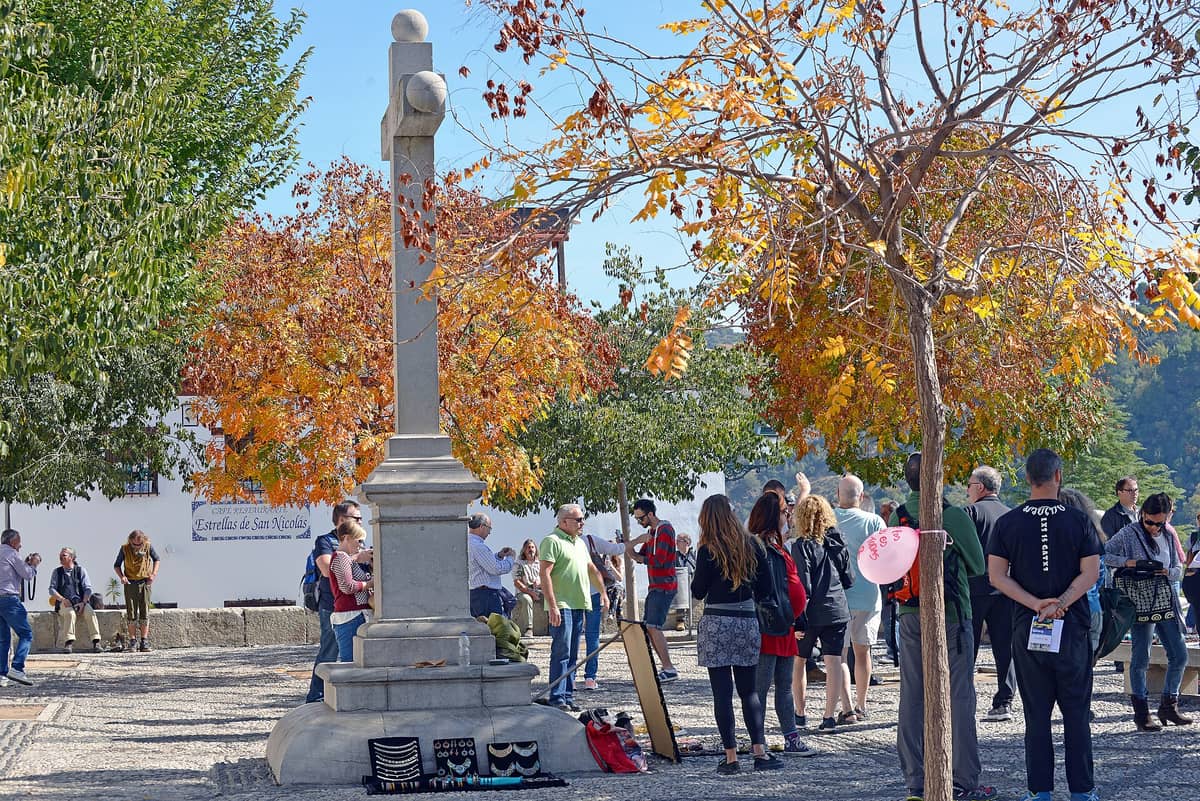
Granada has a substantial amount of sightseeing that costs nothing. The Mirador de San Nicolás in the Albaicín delivers one of the most photographed views of the Alhambra and costs exactly zero euros to visit. The narrow medieval streets of the Albaicín neighbourhood itself are free to walk, and the area rewards slow exploration — carved doorways, small plazas, and whitewashed walls that look much as they did centuries ago.
The Sacromonte hillside is another free district to explore on foot. Its cave-house architecture, the panoramic walk along the Camino del Sacromonte, and the views toward the Generalife are all accessible without paying. For a fuller picture of the neighbourhood, the Museo del Sacromonte charges a modest entry fee and is worth considering, but the walk alone justifies the trip.
- Mirador de San Nicolás Best viewpoint of the Alhambra, free, open all day. Crowded at sunset — arrive 30 minutes early for a good spot.
- Albaicín walking routes Free to explore. The UNESCO-listed street layout dates from the medieval Islamic period. Wear flat-soled shoes on the cobblestones.
- Sacromonte walk Free hillside walk with Alhambra views. Best in the morning before tour groups arrive.
- Corral del Carbón A 14th-century Nasrid caravanserai — one of the oldest buildings in Granada and free to enter during opening hours.
- Granada Cathedral exterior and surrounding streets The exterior and the Alcaicería market area are free to walk. The Cathedral interior charges entry; check current prices on-site.
- Campo del Príncipe A central square in the Realejo neighbourhood, free, and surrounded by tapas bars — a natural base for evening drinks.
- Parque de las Ciencias Granada's science museum charges for indoor exhibits but some outdoor areas and temporary sections have free access. Good option if visiting with children.
For a comprehensive list of no-cost activities, the free things to do in Granada guide covers viewpoints, churches, markets, and parks in detail. The free tapas Granada guide maps the best neighbourhoods for the drink-and-tapa custom, with specific bar recommendations.
Alhambra Tickets: What You Actually Pay and How to Save
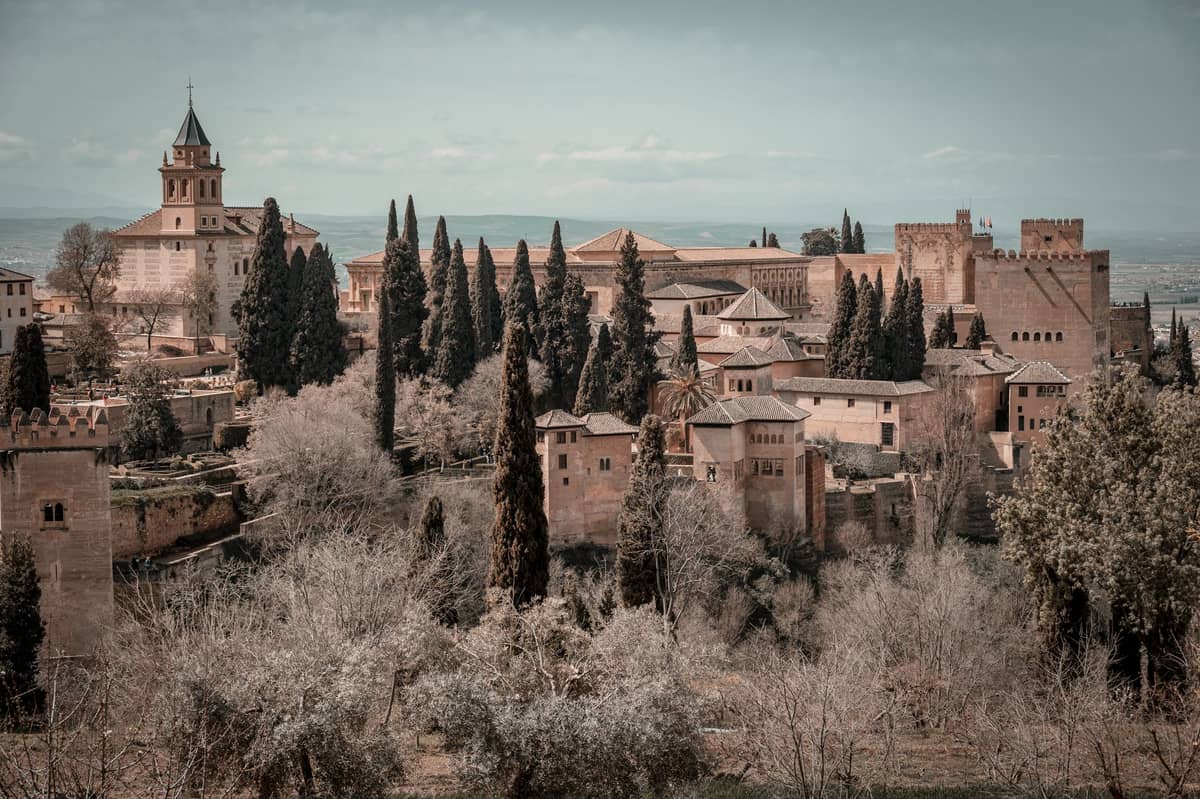
The Alhambra is the one paid attraction in Granada that almost everyone visits, and it is worth being precise about pricing. The general daytime ticket (covering the Nasrid Palaces, Alcazaba, and Generalife) currently costs around €22 including the online booking fee as of 2026–2026. Buying in person at the ticket office is possible but the site sells out weeks in advance during peak season, so online is effectively the only reliable option.
- General daytime ticket (Nasrid Palaces + Alcazaba + Generalife) Around €22.27 including online fee. This is what most visitors buy.
- Gardens and Generalife only (no Nasrid Palaces) Around €12.73. A reasonable option if the palace tickets are sold out — the gardens are genuinely worth visiting independently.
- Night visit to Nasrid Palaces Around €12.73. Atmospheric, fewer people, but you see less detail in low light.
- Night visit to Generalife gardens Around €8.48. Good low-cost option in summer when evenings are warm.
- Dobla de Oro combined ticket Around €30.48 by day, €23.06 at night. Combines Alhambra with Andalusí monuments such as El Bañuelo, Corral del Carbón, Casa de Horno de Oro, and Palacio de Dar-al-Horra. Casa de Zafra is a separate municipal interpretation centre and is not included. Good value if you plan to visit those ticketed sites anyway.
- Children under 12 Free, but a named ticket must still be reserved in advance. Missing this step means children may be refused entry.
⚠️ What to skip
Third-party resellers sometimes appear cheaper at first glance but add booking fees on top of the official price. Always check the official Patronato de la Alhambra website first. Some resellers also sell 'skip the line' passes that do not guarantee the Nasrid Palaces time slot — which is the main event. Verify exactly what is included before purchasing from any non-official source.
Reduced tickets apply to EU residents aged 65 and over, holders of the European Youth Card, visitors with a recognised disability of at least 33%, and members of officially recognised large families. You will need to show relevant documentation at the entrance gate. These concessions are not always visible on booking aggregator sites, which is another reason to book directly.
The Granada Card: Is It Worth Buying?
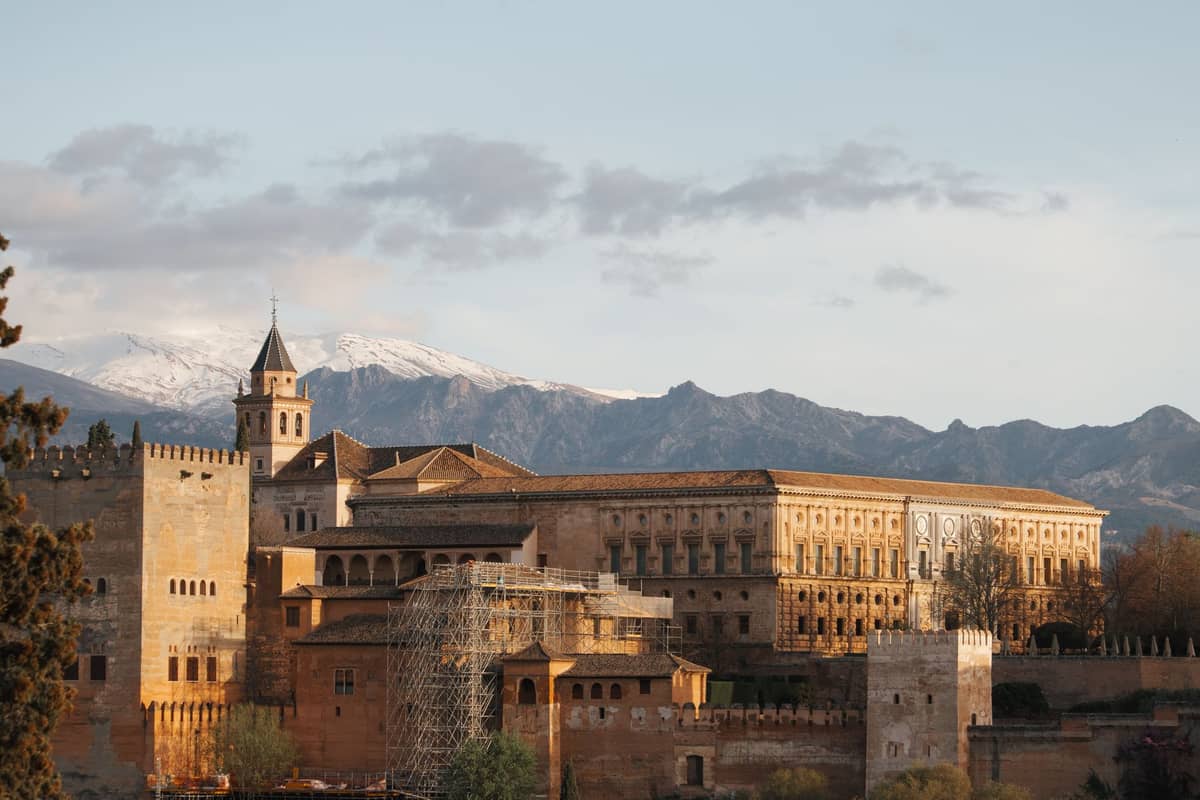
The Granada Card is a city tourist pass offered by the Ayuntamiento de Granada, available in 24-hour, 48-hour, 72-hour, and Jardines (gardens-only) versions. It bundles entry to major sites including Alhambra options, plus urban public transport. The bus pass component is loaded onto a physical travel card that you collect and activate at a ticket machine after purchasing the pass online.
Whether it pays off depends entirely on your itinerary. If you plan to visit the Alhambra plus two or three other paid sites within 48–72 hours, the maths usually works in your favour. If you are doing one paid attraction and otherwise sticking to free sights and tapas bars, the card adds cost rather than removing it. Calculate the individual ticket prices for everything you plan to visit before deciding — the pass is not automatically a saving.
✨ Pro tip
The Granada Card Jardines version, which covers the Alhambra gardens and Generalife but not the Nasrid Palaces, is worth considering if the palace time slots are already sold out. The gardens are genuinely impressive and far less crowded than the palace interior.
Budget Accommodation: Where to Stay Without Overspending
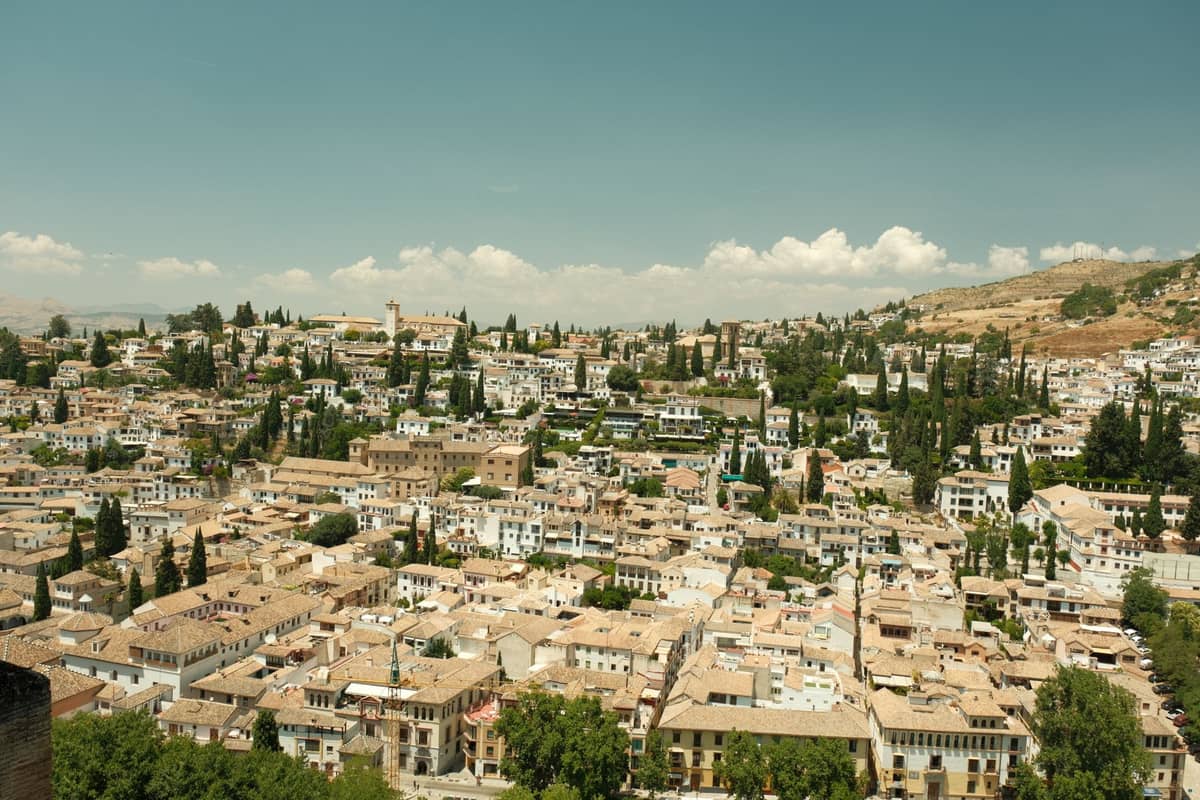
Granada has accommodation options at every price point, but location matters for budget travellers. Staying in the Albaicín or Sacromonte is atmospheric but often involves cobblestone climbs with luggage and taxi costs if arriving late. The area around the city centre (Centro and Realejo) gives walkable access to most sights and the best tapas bar concentration. Full neighbourhood breakdowns are in the where to stay in Granada guide.
Hostels in Granada's centre typically offer dorm beds from around €18–30 per night, depending on season. Budget guesthouses and small hotels (hostales and pensiones) range from approximately €45–75 for a double room outside peak periods. Prices spike significantly during Semana Santa (Holy Week, dates vary by year), Corpus Christi, and the summer months of July and August. The lowest rates tend to appear in November to February, excluding the Christmas and New Year period.
When to Visit for the Best Value
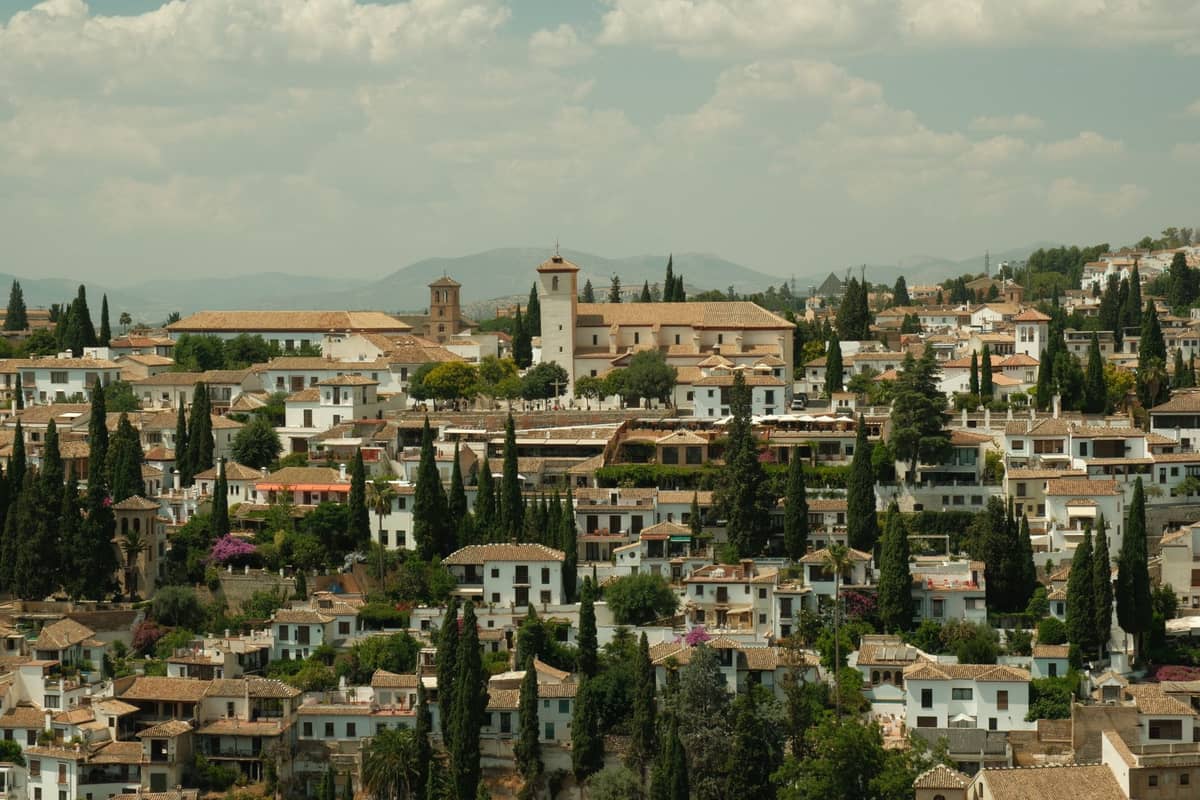
Granada's climate is Mediterranean with strong continental influence — the city sits at 738 metres, which means hotter summers and colder winters than coastal Andalusia. July and August see maximum temperatures frequently in the low to mid‑30s °C, and while this is the driest period of the year (July averages just a few millimetres of rain), the heat makes sightseeing uncomfortable and accommodation prices peak.
The sweet spots for budget travellers are late September to mid-October (daytime highs around 22–28°C, low rainfall, noticeably fewer crowds after the summer rush) and April to mid-May (highs around 22–27°C, some spring rainfall possible, but manageable). Both windows offer significantly better accommodation rates than summer and a more relaxed Alhambra booking situation, though you should still book the Alhambra at least two weeks ahead during these periods.
December to February is Granada's quietest and cheapest period for accommodation. Temperatures are cold — January averages a high of around 13–14°C and a low close to 1°C — but the city functions normally, the tapas bars are full of locals rather than tourists, and Alhambra tickets are easier to obtain. If you can tolerate cold mornings and the possibility of rain, winter is genuinely good value. The Sierra Nevada ski resort is also operational from roughly December to April, which adds an option if you want to combine the city with a day on the slopes.
💡 Local tip
Avoid visiting during Semana Santa unless you specifically want to experience that event. Hotel prices in Granada double or triple during Holy Week, and the Alhambra is booked out months in advance. If you are flexible on dates, the week immediately after Semana Santa often has good prices and uncrowded streets.
Getting Around Granada Without Spending Much

The central areas of Granada — the Albaicín, Realejo, Cathedral district, and the Alhambra hill — are all within walking distance of each other. For most visitors, the city is walkable enough that transport costs are minimal. When you do need transport, Granada has a municipal bus network (Transportes Rober) and a Metro light rail serving the wider metropolitan area. Bus fares are low; exact current prices should be verified at the operator's website before travel. For getting from the airport (GRX) to the city centre, the airport bus is the most economical option at a fixed per-journey fare — taxis are more convenient but significantly more expensive. Full transport options are covered in the getting around Granada guide.
Ride-hailing apps including Uber and Cabify operate in Granada, offering a middle ground between taxis and public transport. Uber and Cabify prices vary dynamically — check the app for current estimates. For getting to Granada from elsewhere in Spain, trains (RENFE) and long-distance buses are both options; the getting to Granada guide covers routes from Madrid, Seville, and other major cities with approximate journey times and costs.
FAQ
Is Granada cheap to visit compared to other Spanish cities?
Yes, Granada is generally cheaper than Madrid, Barcelona, and Seville. The free tapas custom is the most notable advantage — a drink costs €1.80–3 and includes food, which dramatically reduces meal costs. Accommodation and transport are also more affordable than Spain's larger cities, particularly in the shoulder and winter seasons.
Can you visit the Alhambra for free?
The Alhambra is not free for most visitors. The general daytime ticket costs around €22 including the online booking fee. Children aged 3–11 enter free on most standard visits but still need a reserved named ticket. Some partial areas may have different access rules — check the official Patronato de la Alhambra website for current terms. The surrounding gardens and exterior walls can be seen without a ticket from viewpoints like the Mirador de San Nicolás.
What is the cheapest time of year to visit Granada?
November through February (outside Christmas and New Year) offers the lowest accommodation prices and the easiest Alhambra ticket availability. The weather is cold — expect lows near freezing in January — but the city is functional and the tapas bars are lively. If cold weather is a concern, late September to mid-October is the next best value window, with pleasant temperatures and post-summer price drops.
Is the Granada Card worth it?
It depends on your itinerary. If you plan to visit the Alhambra plus two or three other paid sites within 48–72 hours, it typically pays off. If you are focused on free sights, walking the Albaicín, and tapas bars, it will likely cost you more than buying individual tickets. Add up the individual entry prices for everything you actually plan to visit before deciding.
Do you need to tip in Granada restaurants and bars?
Tipping is not obligatory in Spain — service is generally considered included in restaurant bills. Rounding up the change or leaving a small tip (1–2 euros) for good service is common but entirely discretionary. In tapas bars, most locals do not tip routinely. You will not cause offence by not tipping, and you should not feel pressured to do so.
Tickets & tours
Live prices and dates from our booking partner. If you book, we may earn a commission at no extra cost to you.
Planning a trip? Discover personalized activities with the Nomado app.