What to Eat in Granada: A Local Food & Dishes Guide
Granada's food culture runs much deeper than free tapas. This guide covers the city's signature dishes, seasonal specialties, best markets, and practical tips for eating well in one of Andalusia's most distinctive culinary cities.
Tickets & tours
Live prices and dates from our booking partner. If you book, we may earn a commission at no extra cost to you.
TL;DR
- Granada's signature dishes include tortilla del Sacromonte, remojón granadino, habas con jamón, and olla de San Antón.
- The free tapas custom is real and generous, but it represents only one layer of a much richer local food culture.
- Mercado de San Agustín, near the Cathedral, is the main central market — open Monday to Saturday, roughly 9:00–15:00. See our guide to where to eat in Granada for restaurant recommendations by neighborhood.
- Piononos (small sponge cakes soaked in syrup and cream) are the city's most iconic sweet — buy them fresh, not vacuum-packed.
- Spring brings habas con saladillas for San Cecilio Day; winter brings the hearty olla de San Antón in January.
Granada's Food Identity: More Than Free Tapas
Ask most visitors what they know about eating in Granada, Spain, and the answer is usually the same: free tapas with every drink. That custom is genuine and worth experiencing, but it has overshadowed a distinct local cuisine that predates the tapas bars by centuries. Granada sits at around 738 metres above sea level, flanked by the Sierra Nevada mountains and close to the fertile lowlands of the Vega. This geography produces a pantry unlike the rest of Andalusia: mountain legumes, cured pork from the highlands, fresh produce from the valley floor, and a culinary heritage that blends Moorish, Jewish, and Castilian influences in dishes you will not find replicated anywhere else. For a deeper look at Granada's Moorish heritage and how it shaped the city's identity, that context matters as much at the table as it does at the Alhambra.
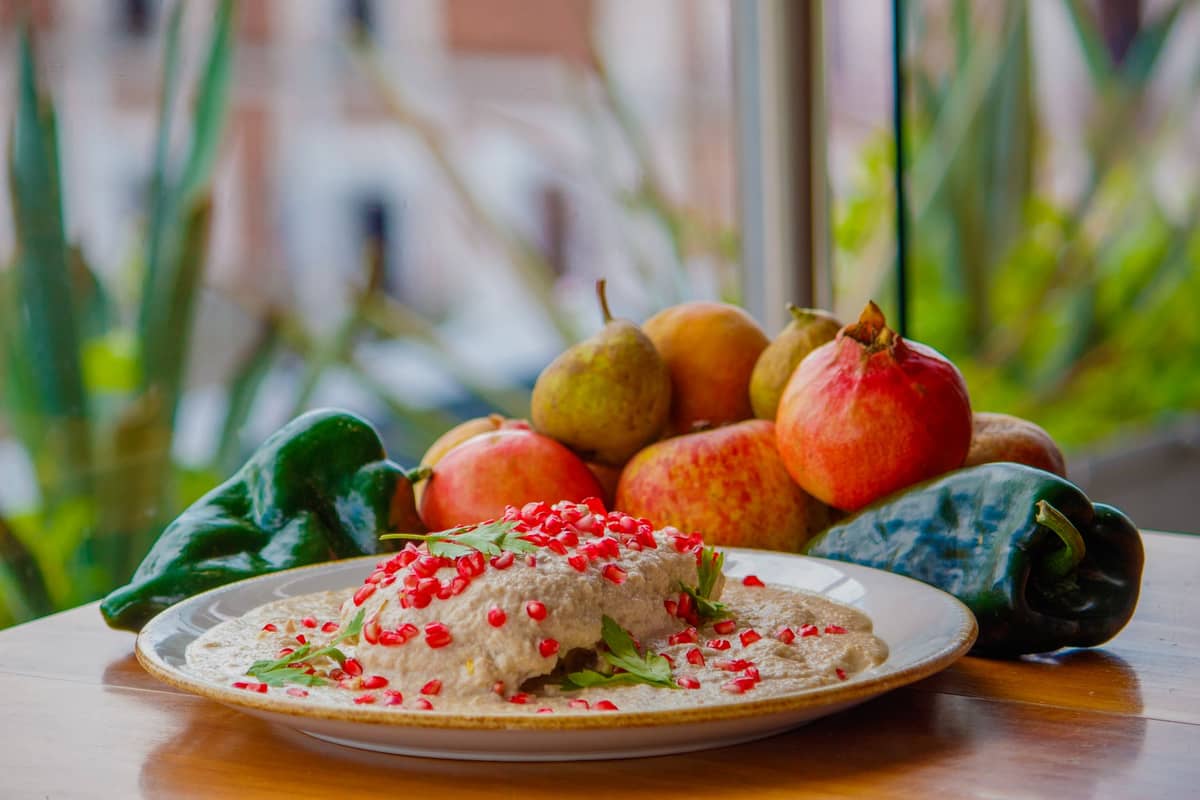
The City of Granada's own gastronomy guide lists tortilla del Sacromonte, remojón granadino, habas con jamón, and olla de San Antón as the four cornerstone dishes of local cuisine. Each one tells a story about the city's terrain, its history, and its agricultural calendar. None of them are particularly expensive or difficult to find if you know where to look. What they require is a willingness to move beyond the tourist-facing tapas circuit and sit down for a proper meal.
The Essential Dishes You Need to Try
- Tortilla del Sacromonte Not a potato omelette but a rich, dense frittata made with lamb's brains, sweetbreads, and vegetables. It originates in the Sacromonte quarter and is traditionally associated with Day of the Cross celebrations. The flavour is earthy and robust. It is not for everyone, but trying it once is the point.
- Remojón Granadino A cold salad of salt cod, segmented oranges, olives, spring onions, and hard-boiled egg, dressed with olive oil. The combination of sweet citrus and briny fish is a Moorish inheritance and one of the most refreshing starters you can order in spring or early summer.
- Habas con Jamón Broad beans slow-cooked with cured Serrano ham, garlic, and olive oil. The version eaten in Granada uses smaller, more tender beans than the Sevillian equivalent. Particularly good in February and March when the beans are young and the skins are still thin.
- Olla de San Antón A winter stew of dried beans, pork ribs, blood sausage, and pig's ear, traditionally eaten around January 17th (San Antón's feast day). If you visit in January, many traditional restaurants will have it on the menu as a daily special.
- Choto al ajillo Young kid goat braised with garlic, white wine, and herbs. Common in the mountain villages surrounding Granada and increasingly available in the city itself. Richer and more gamey than lamb, it pairs naturally with the local Montefrío cheese.
- Plato alpujarreño A plate of fried eggs, blood sausage, chorizo, and potatoes originally from the Alpujarras villages south of the Sierra Nevada. It is a filling, no-nonsense dish that doubles as a late lunch or early dinner. Find it at bars in the Realejo and Centro neighbourhoods.
ℹ️ Good to know
Many of Granada's signature dishes, including tortilla del Sacromonte and olla de San Antón, are seasonal or tied to specific feast days. If your visit falls in January, spring (February–April), or around Corpus Christi, ask your restaurant what is currently in season rather than ordering from a fixed menu.
The Free Tapas Custom: How It Actually Works
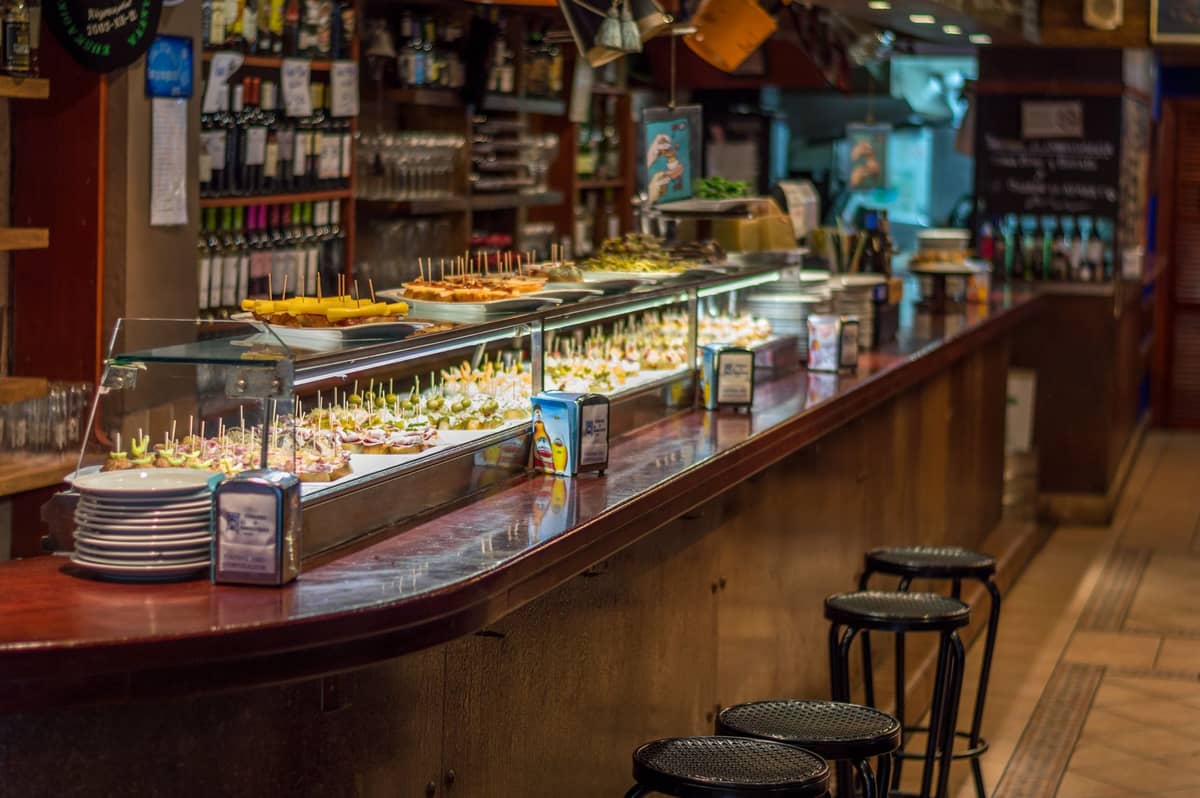
Granada is one of a shrinking number of Spanish cities where bars bring a free tapa with every drink ordered. The system is straightforward: order a beer, wine, or soft drink and a small plate arrives alongside it. Order another round and a different tapa arrives. The portions have grown over decades as bars compete for regulars. In some establishments, especially around Calle Navas and the area near the Granada Cathedral, a single round for two people can amount to a substantial snack. This is not a myth inflated by travel writing — it is a documented local custom that the city actively promotes as part of its identity.
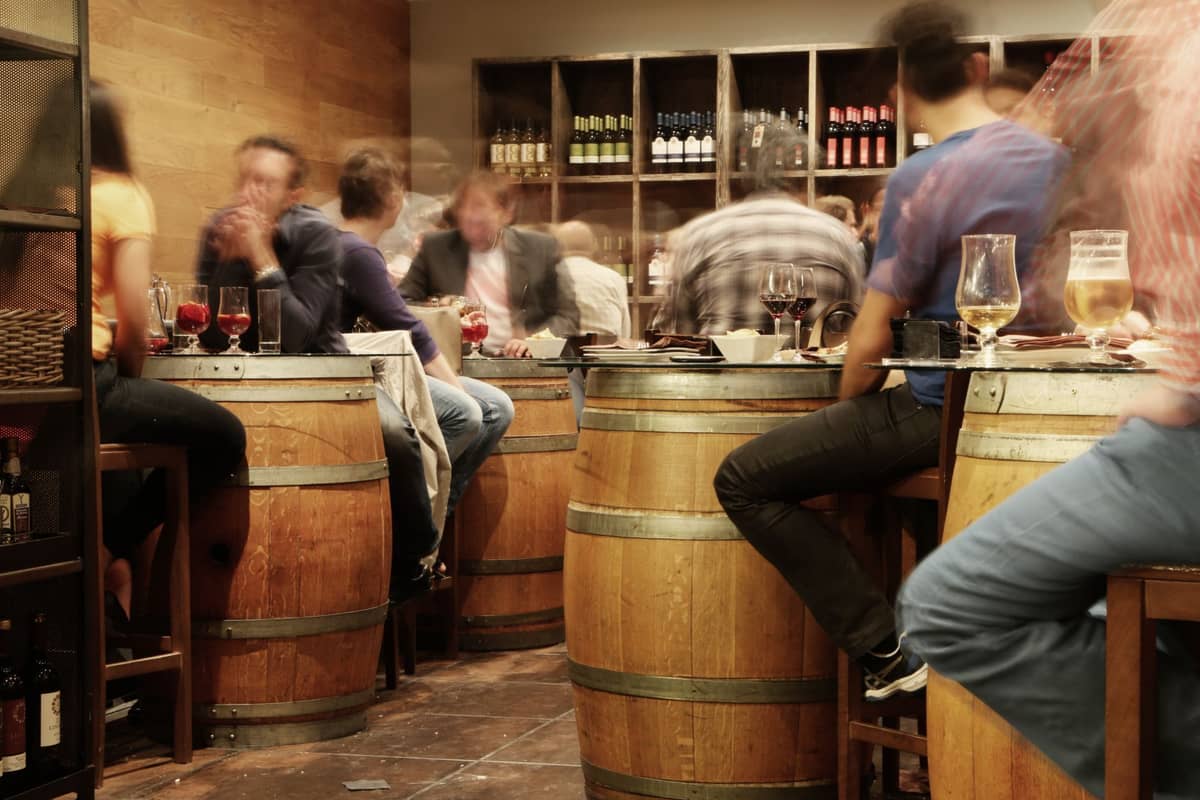
That said, the quality varies enormously. Bars near major tourist attractions tend to serve generic tapas: a slice of tortilla, some patatas bravas, or a small serving of salted crisps. The more interesting tapas come in bars frequented by locals, typically a few streets back from the main squares. The neighbourhoods of Realejo, the university area around Gran Vía, and the lower Albaicín all have bars where the tapa reflects genuine local cooking rather than convenience food plated up for passing trade.
💡 Local tip
You cannot choose your tapa at most traditional bars — the kitchen decides. If you have dietary restrictions, ask before ordering. Vegetarian-friendly tapas exist but are not the default. Some bars will accommodate requests, but do not assume it.
For a structured introduction to the tapas scene, food tours running roughly two to three hours cover four to five stops and typically cost around €49–€71 per person depending on the operator and inclusions. These are useful for first-time visitors who want local context alongside the food. See the free tapas Granada guide for a full breakdown of which neighbourhoods to target and when.
Granada's Sweet Side: Piononos and Traditional Desserts
The pionono is Granada's most exported sweet and one of the few pastries in Andalusia that originated in a specific location: the town of Santa Fe, about 14 kilometres west of the city. A pionono is a small cylinder of sponge cake soaked in sugar syrup, filled with cream, and topped with a caramelised layer. The originals from the Casa Ysla bakery in Santa Fe are the benchmark. In Granada city, you will find them in most pastry shops and at the Mercado de San Agustín, but the quality difference between a freshly made pionono and a vacuum-packed supermarket version is significant. Buy them the same day you eat them.
- Piononos Syrup-soaked sponge cylinders with cream, caramelised on top. The defining Granada sweet. Buy fresh from a reputable pastry shop.
- Gachas Granaínas A thick porridge made from roasted flour, olive oil, and anise, sweetened and sometimes served with honey. A winter comfort dish with Moorish roots.
- Torrijas Bread soaked in milk and egg, fried and sweetened with honey or sugar. Traditional during Semana Santa but available year-round in most traditional pastry shops.
- Cuajada de Carnaval A set milk pudding associated with the pre-Lent Carnival period. Less common than the others but worth seeking out in February if you visit then.
- Roscos de Loja Ring-shaped fried dough pastries from the nearby town of Loja, sold in Granada's markets and bakeries. Less sweet than they look and extremely easy to eat in quantity.
Where to Buy Local Food: Markets and Specialist Shops
The Mercado de San Agustín is the main central market, located just north of the Cathedral on Calle Cristo de Bahía. The ground floor stalls sell fresh produce, meat, fish, and cheese Monday to Saturday, roughly 9:00 to 15:00. A separate bar and gourmet area on an upper level operates longer hours and is a good option for a mid-morning breakfast or a glass of wine alongside local charcuterie. The market is not primarily a tourist destination, which is part of its appeal. You will find stalls selling jamón from the Alpujarras, fresh habas in season, and local cheeses from the surrounding sierra at reasonable prices.
For cured meats and cheese specifically, the Alpujarras region produces some of the best jamón serrano in Andalusia. The town of Trevélez sits at over 1,400 metres and has a protected denomination for its air-cured ham. In Granada city, several specialist shops near the Alcaicería and along Calle Mesones stock Trevélez jamón alongside local sausages and mountain cheeses. Prices for a quality whole leg vary widely but a 250g vacuum pack of sliced jamón makes a practical and genuinely delicious souvenir.
⚠️ What to skip
The Alcaicería, the old silk market near the Cathedral, now sells mainly souvenirs and tourist goods. A few shops there do sell local food products but shop around and compare prices — some stalls charge significantly more than nearby supermarkets or the Mercado de San Agustín for the same jamón brands.
Seasonal Eating and Food Festivals in Granada
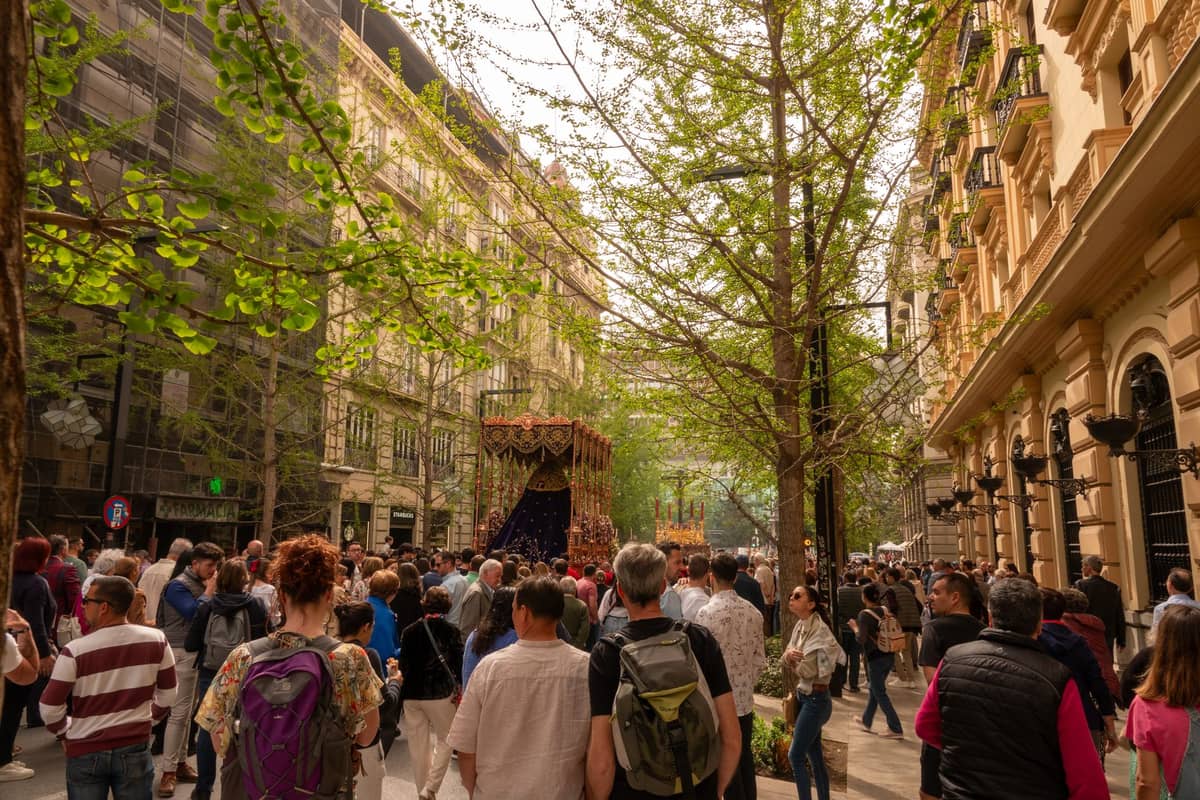
Granada's food calendar follows both the agricultural cycle and the religious calendar in ways that visitors rarely anticipate. January 17th, the feast of San Antón, is when olla de San Antón appears on menus across the city. The dish is as much a community ritual as a meal. February brings Carnaval sweets including cuajada and the first of the season's habas. The feast of San Cecilio, Granada's patron saint, falls in early February and is associated with habas con saladillas, a simple plate of broad beans eaten with saladilla bread (a local flatbread with seeds). Semana Santa in spring brings torrijas, which are found at every corner bakery for several weeks.
Summer in Granada is hot, with July and August regularly reaching above 35°C. The food adjusts accordingly: cold salads like remojón become more common, gazpacho and salmorejo appear on most menus, and the evening meal shifts later. September and October bring the grape harvest in the surrounding Vega and cooler evenings that make sitting outside for a long dinner genuinely pleasant again. If you are planning your trip around food specifically, spring (April–May) and autumn (September–October) offer the most varied seasonal produce and the most comfortable eating conditions. The best time to visit Granada guide covers the full seasonal picture including festivals, crowds, and climate.
Practical Tips for Eating Well in Granada
Meal times in Granada follow Spanish norms: lunch runs from roughly 14:00 to 16:00 and is the main meal of the day. Dinner starts no earlier than 21:00 and busy restaurants often do not fill up until 22:00. If you arrive at a restaurant at 19:30 expecting a full evening service, you may find the kitchen is not ready. Adjust your expectations or use the gap between lunch and dinner for a cold drink and a tapa at a bar.
Budget-wise, a menú del día (set lunch menu with starter, main, dessert, and drink) at a local restaurant typically costs €10–€14. This is the best value eating option in Granada and an opportunity to try properly cooked traditional food without the tourist markup. Evening eating at traditional tapas bars costs almost nothing beyond the price of your drink if you stick to the free tapas system. For a more structured food experience, cooking classes are available for around €49–€71+ per person. The Granada on a budget guide has more detail on keeping food costs down across a full trip.
Service is generally included in Spanish restaurant bills, and tipping is discretionary rather than expected. Rounding up the bill or leaving a small amount for good service is common but never obligatory. At tapas bars, nobody expects a tip. At sit-down restaurants for a longer meal, 5–10% is a reasonable gesture if the service was attentive.
FAQ
Do all bars in Granada give free tapas?
Most traditional bars do, but it is not legally required. The custom is strongest in bars catering to locals. Some newer, more design-focused bars charge for food separately. As a rule, if a bar has a chalkboard menu and locals at the counter, it is likely following the free tapas tradition.
Where can I try tortilla del Sacromonte in Granada?
Several traditional restaurants in the Sacromonte and Albaicín neighbourhoods keep it on the menu, particularly around the Camino del Sacromonte. It is also listed on menus in the Centro. Ask specifically for 'tortilla del Sacromonte' rather than 'tortilla española' — they are completely different dishes.
Is Granada food suitable for vegetarians?
Partially. The free tapas system is heavily meat-oriented, and many traditional dishes include jamón or offal. That said, remojón granadino (without the egg for vegans), gazpacho, fresh salads, and vegetable sides are widely available. Vegetarian restaurants exist in the university area and Realejo. It requires some navigation but is not difficult.
What is the best market to visit for local food in Granada?
Mercado de San Agustín, near the Cathedral, is the most central and practical option for visitors. It opens Monday to Saturday from around 8:00 to 15:00. For a wider range of produce including mountain products from the surrounding province, it is worth visiting early in the morning when the stalls are fully stocked.
Where can I buy piononos in Granada?
Most pastry shops (pastelerías) in the city centre sell piononos. For the most authentic version, the originating bakery is Casa Isla in Santa Fe, about 14 kilometres from Granada — worth the trip if you have transport. In the city, buy from a pastry shop rather than a supermarket, and eat them the same day for the best texture.
Tickets & tours
Live prices and dates from our booking partner. If you book, we may earn a commission at no extra cost to you.
Planning a trip? Discover personalized activities with the Nomado app.