Granada Nightlife: Best Bars, Clubs & Late-Night Spots (2026 Guide)
Granada's nightlife runs later than almost anywhere else in Spain, fueled by a large student population and a culture that treats midnight as a warm-up. This guide covers the best neighborhoods for drinks, which clubs deliver, what things actually cost, and how to avoid the classic tourist mistakes.
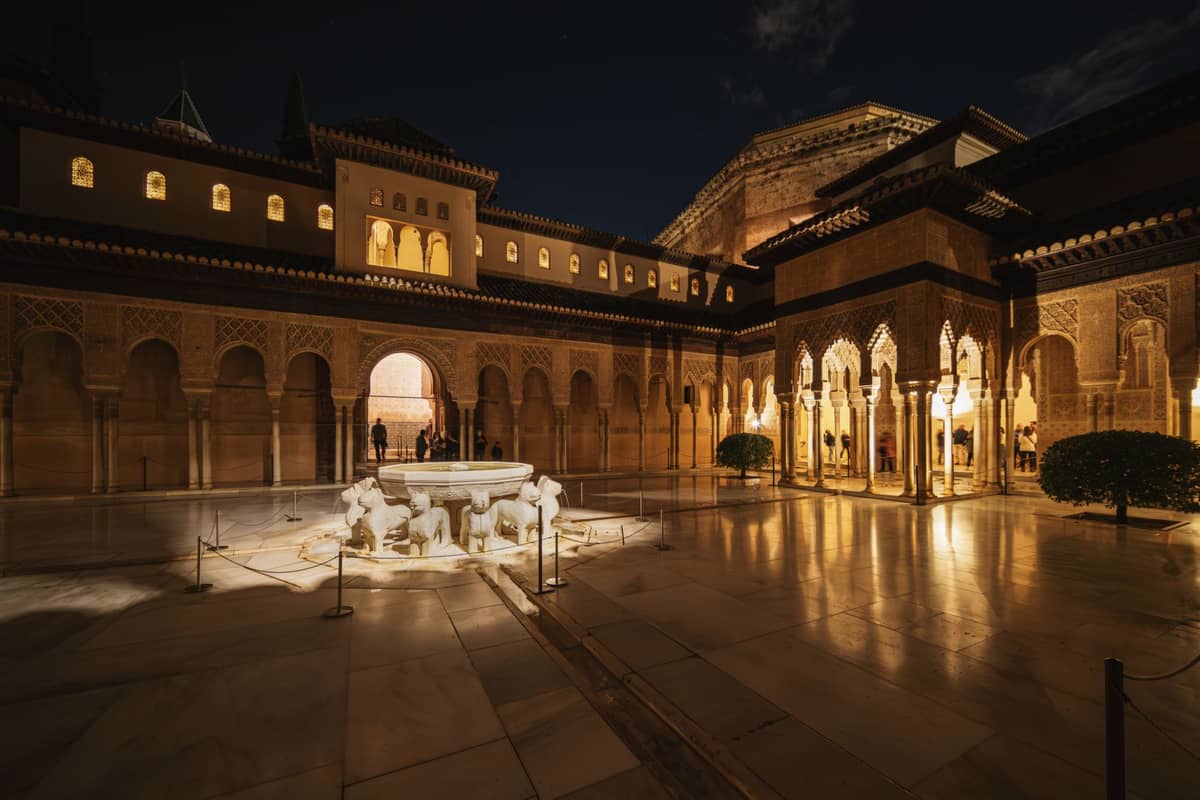
Tickets & tours
Live prices and dates from our booking partner. If you book, we may earn a commission at no extra cost to you.
TL;DR
- Granada nightlife starts late: bars peak around 23:00, clubs don't fill up until 02:00–03:00.
- The main nightlife zones are Centro (Calle Elvira, Plaza Nueva) and Realejo–San Matías. Both are walkable from each other.
- Free tapas with drinks is real, but only in tapas bars during the early evening. Check our free tapas in Granada guide for the best spots.
- Club entry runs €8–15, usually including one drink. Drinks inside cost €5–8 for spirits.
- Nightclubs are legally permitted to stay open until 06:00 on weekdays and 07:00 on weekends and the night before public holidays.
How Granada Nightlife Actually Works
Granada, Spain operates on a nocturnal schedule that surprises most visitors from northern Europe or North America. Dinner at 21:00 is normal. The first round of drinks happens around 22:00–23:00. Clubs open their doors at midnight but remain largely empty until well past 01:00. Peak crowd in a Granada club is typically 03:00–04:00, and things wind down around 05:00–06:00. If you arrive at a club at midnight expecting a party, you'll be standing in a near-empty room with overpriced drinks and confused staff.
This rhythm is shaped by two forces: Spanish cultural habits and a university population of over 60,000 students. The Universidad de Granada is one of Spain's oldest and largest, and its students keep the late-night economy alive, especially between October and June. Outside of term time, specifically July and August, some student-oriented bars dial back their hours or shut outright. The summer trade shifts toward outdoor terraces and festival events rather than enclosed clubs.
⚠️ What to skip
Don't show up at a Granada club before 01:00 expecting atmosphere. You'll pay entry for an empty room. Use the early hours for tapas bars and a walk through the Albaicín instead.
The Best Neighborhoods for a Night Out
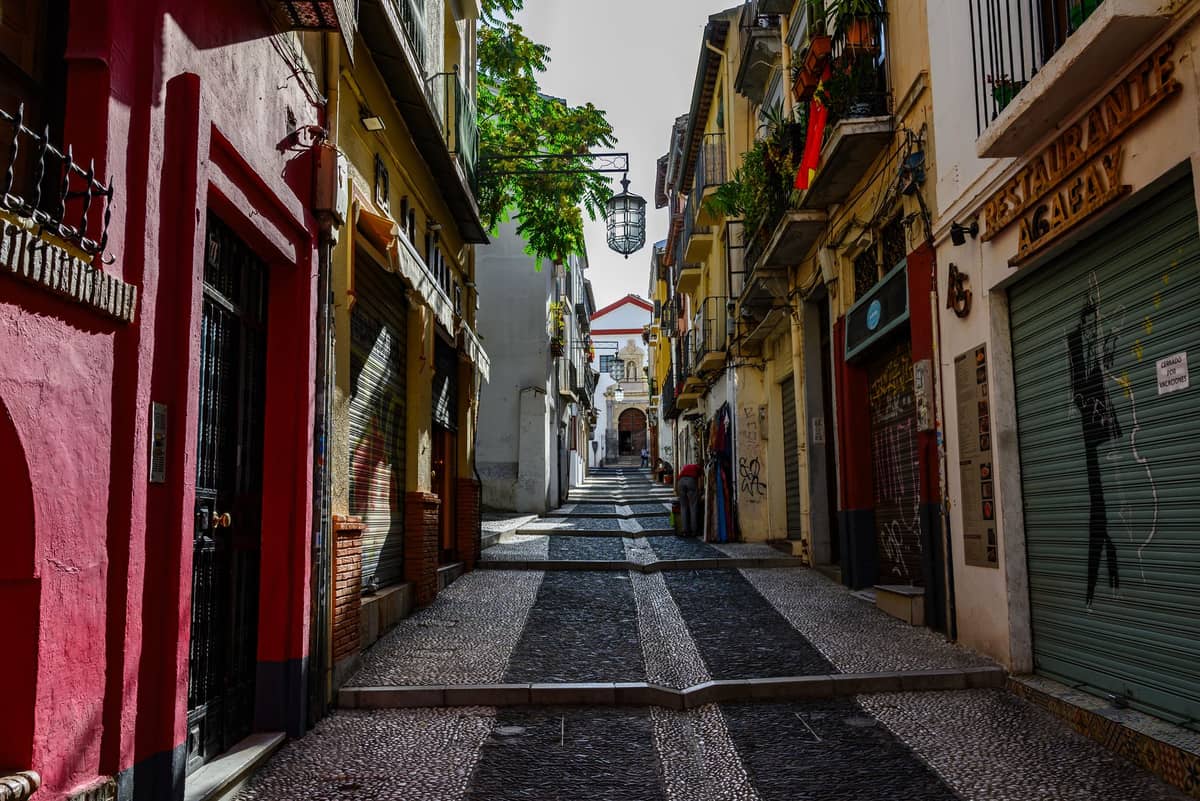
Granada's nightlife geography is compact. The two main zones, Centro and Realejo, are about a 10-minute walk apart and can realistically be covered in a single evening. The Albaicín and Sacromonte offer a different, more atmospheric experience earlier in the evening, with cave bars and flamenco venues that wind down earlier than the club scene.
- Centro (Calle Elvira & Gran Vía) The backbone of Granada's bar scene. Calle Elvira runs from Plaza Nueva toward the Albaicín and is lined with bars ranging from student dives to craft beer spots. This is where most pre-club drinking happens from 22:00 onward. Busiest Thursday through Saturday.
- Realejo–San Matías The former Jewish quarter, now Granada's most concentrated late-night zone. Campo del Príncipe square anchors the southern end with its terrace bars. The surrounding streets hold a dense cluster of pubs, cocktail bars, and small clubs. Locals consider this the more 'authentic' alternative to the tourist-heavy Centro strip.
- Plaza Nueva & Calle Navas Central squares with a mix of tourist bars and local spots. Calle Navas is a dedicated tapas street and excellent for the 20:00–23:00 window before moving on. Less nightclub-focused, more for long tapas sessions.
- Sacromonte Cave flamenco venues and a handful of atmospheric bars carved into the hillside. The experience here is unique and worth doing, but it's not a late-night club destination. Most venues here close around 02:00.
Bars Worth Your Time: The Early Evening to Midnight Window
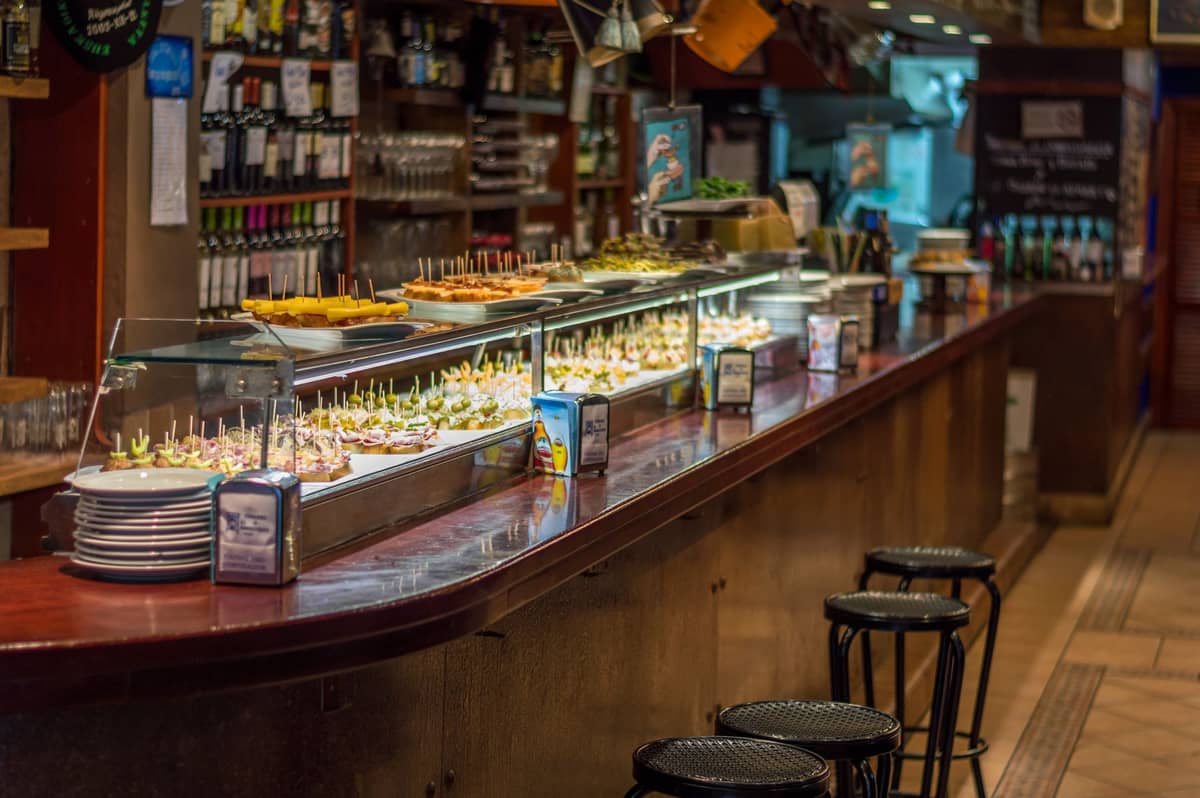
Granada's free tapas culture is real, but it operates in a specific window and context. When you order a drink at most traditional tapas bars, the bartender brings food alongside it, no charge. This typically means a small portion: a slice of tortilla, a few olives, a mini-montadito, or a small plate of whatever the kitchen has running. The system works between roughly 19:00 and 23:00 at bars focused on this tradition. It does not apply in cocktail bars, Irish pubs, or nightclubs.
Calle Navas is the most tourist-accessible tapas street, but it's not overrated: the quality is genuine and the variety good. For a more local experience, the streets around Campo del Príncipe in Realejo are better. Plaza de la Trinidad in Centro is another local favorite, surrounded by small bars where a beer or glass of wine costs €2–3 and the tapas are simple but honest.
💡 Local tip
Order a caña (small draft beer) rather than a larger beer to cycle through more tapas stops. Each new drink usually means a new tapa, so the goal is volume of stops, not volume of alcohol.
For craft beer specifically, Granada has developed a small but solid scene over the past decade. Several bars around Calle Elvira stock Andalusian craft beers alongside Spanish standards. If you're after cocktails, the Realejo area has a concentration of cocktail bars with decent technique and prices around €8–10 per drink, which is reasonable by Spanish urban standards.
Clubs and Late-Night Venues: What to Expect
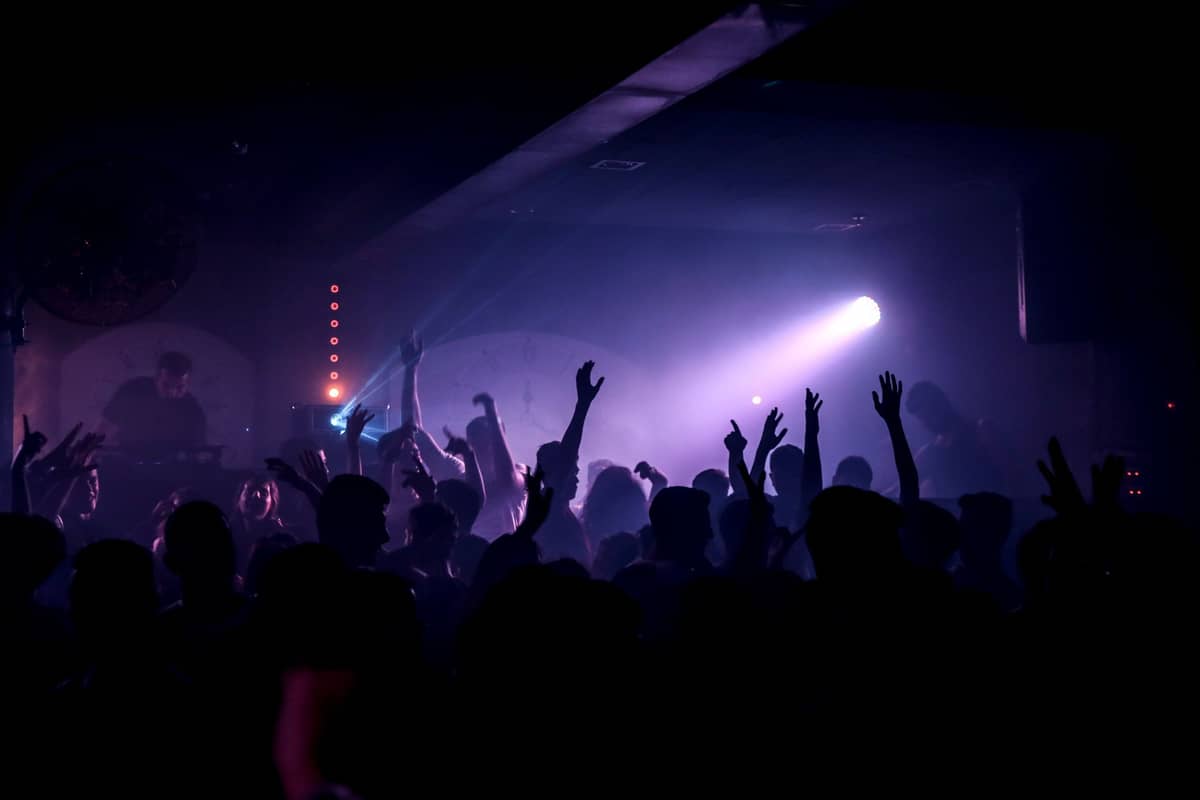
Granada's club scene is mid-sized but well-established. The city has enough venues to support different music tastes without being overwhelming. Electronic music, Spanish pop (known as 'música de baile'), reggaeton, and mainstream commercial tracks all have their dedicated nights and rooms. Most clubs operate Thursday through Saturday, with some extending to Sunday and Wednesday for student nights.
Industrial Copera is the most well-known larger venue, associated with electronic music and occasional live acts. It operates on the outskirts of the city center, which means you'll need a taxi or ride-hailing app to get there. Mae West, located inside the Centro Comercial Neptuno shopping complex, is a multi-room club that has operated for years and attracts a mixed crowd. Both venues publish their schedules and ticket options through official websites and social media. Checking those directly before arrival is the only reliable way to know what's happening on a specific night.
- Typical entry fee: €8–12, usually including one drink voucher
- Bigger headline nights or special events: up to €15
- Drinks inside: €5–8 for a spirit with mixer, €4–6 for bottled beer
- Flyers at bars or app-based discount codes can reduce or eliminate entry fees
- Legal closing time: 06:00 on weekdays, 07:00 on weekends and the night before a public holiday, plus about 30 minutes to clear the venue
- Peak crowd inside: 03:00–04:00; largely empty before 01:30
✨ Pro tip
Look for flyers being distributed outside bars on Calle Elvira and around Plaza Nueva from 22:00 onward. Many clubs send promoters with guest-list access or free entry cards for that same night. It takes 30 seconds to get on a list and can save you €10.
Flamenco and Live Music: A Different Kind of Late Night
Granada has one of Spain's strongest flamenco traditions, and Sacromonte is the geographical heart of it. The flamenco shows in Sacromonte happen in cave venues carved into the hillside, giving them an atmosphere that purpose-built theaters can't replicate. Shows typically begin around 21:30–22:00 and run for about 75–90 minutes. Prices for tourist-oriented shows usually fall in the €25–35 per person range, which is steep, but the setting is genuinely dramatic. Book in advance, especially from April through October.
For a more authentic and less expensive flamenco experience, look for peñas flamencas: private clubs open to the public on certain evenings where working flamenco artists perform for a local audience. These are harder to find without local knowledge, but worth seeking out. Our complete guide to flamenco in Granada covers both the tourist-facing shows and the more local alternatives with specific venue recommendations.
Live music outside of flamenco is scattered across the city. Several bars in Centro program small jazz, blues, or indie acts from around 22:00. These are usually free or low-cost (€3–5 at the door) and end by midnight, making them a good option before moving to clubs. Check local listings platforms and venue social media for current schedules, as programming changes weekly.
Practical Logistics: Getting Around and Getting Home
The nightlife zones in Granada are walkable from the historic center. If you're staying in Centro, Albaicín, or Realejo, you can reach most bars on foot. Clubs on the periphery, including Industrial Copera, require transport. Granada's Metro de Granada light rail stops running around 23:00 most days and around 02:00 on Friday, Saturday and the eve of public holidays, so it shuts down before the club scene peaks; taxis and ride-hailing apps (Uber and Cabify both operate in Granada) are the practical options for late-night travel.
Taxi availability at 04:00–05:00 on a Saturday can be tight. Pre-booking a return trip or using an app before you leave the club is the sensible approach. For those on a tighter budget, Granada on a budget has transport cost breakdowns and strategies for keeping the night affordable. Shoes matter more than people expect: the Albaicín and Sacromonte streets are uneven cobblestones, and heels are genuinely impractical after a few drinks.
Granada sits at about 738 meters above sea level, which means evenings can be significantly cooler than the afternoon, even in summer. A light jacket in spring and autumn is not optional. In winter (December through February), nighttime temperatures regularly drop near or below zero. The city's nightlife doesn't slow much for cold weather, but dressing appropriately for the walk between venues makes the evening considerably more comfortable.
ℹ️ Good to know
Granada's nightlife is at its peak volume during the university term (October to June). July and August shift the scene toward outdoor terraces and festival events. If you're visiting specifically for the club scene, avoid mid-August when many student bars reduce hours or close temporarily.
FAQ
What time do clubs open and close in Granada?
Clubs typically open their doors around midnight but remain quiet until 01:30–02:00. Peak time is 03:00–04:00. Under Andalusian regional regulations, clubs can stay open until 06:00 on weekdays and 07:00 on weekends and the eve of public holidays, plus about 30 minutes to clear the venue. Individual clubs may close earlier depending on the night and season.
Is the free tapas culture real in Granada bars?
Yes, but it applies specifically to traditional tapas bars, mostly during the early evening (roughly 19:00–23:00). When you order a drink, a small tapa comes with it at no extra cost. This does not apply in cocktail bars, tourist pubs, or nightclubs. The tradition is strongest in the Realejo area and around Plaza de la Trinidad.
How much does a night out in Granada cost?
A realistic budget for a full night out: €15–25 for the tapas-and-drinks phase (multiple bars, 3–5 drinks with free food), €8–15 entry to a club (usually including one drink), and €5–8 per drink inside the club. Total for a full night including transport: €40–60 per person. Using flyer discounts and staying in the tapas zone can bring this down considerably.
Where is the best area to stay for Granada nightlife?
Centro is the most practical base: you're within walking distance of Calle Elvira, Plaza Nueva, and the Realejo zone. The Albaicín is atmospheric but requires navigating steep, dark cobblestone streets late at night. If you want convenience over character, a hotel on or near Gran Vía de Colón puts you 5–10 minutes on foot from most bars and the start of the club crawl routes.
Is Granada nightlife safe?
Granada is generally a safe city for nightlife. The main concern in crowded bar areas is petty theft: keep phones in front pockets and don't leave bags unattended. The Sacromonte cave area is worth visiting but can feel isolated very late at night; go earlier in the evening or with a group. Emergency services in Spain: 112 (general), 091 (national police), 092 (local police).
Tickets & tours
Live prices and dates from our booking partner. If you book, we may earn a commission at no extra cost to you.
Planning a trip? Discover personalized activities with the Nomado app.