Hidden Gems in Granada: 18 Off-the-Beaten-Path Places Worth Finding
Granada rewards curious travelers who look beyond the Alhambra queues. From a free 13th-century royal pavilion buried in a municipal building to a panoramic hilltop hermitage above the cave district, these are the places that most visitors walk straight past.
Tickets & tours
Live prices and dates from our booking partner. If you book, we may earn a commission at no extra cost to you.
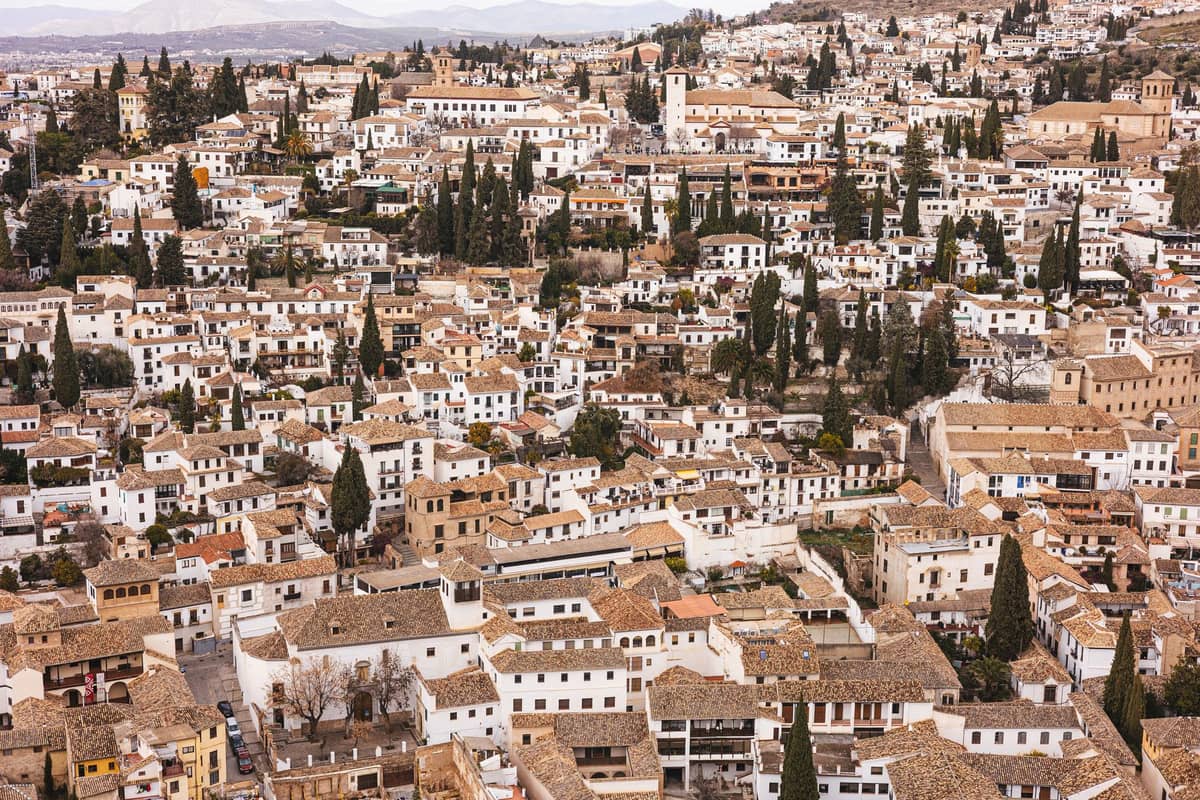
Most people come to Granada for the Alhambra, and rightly so. But the city has a habit of hiding its best surprises in plain sight: an 11th-century Zirid hammam that predates the Nasrid palace complex by two centuries, terraced gardens where peacocks wander freely, a composer's house preserved exactly as he left it. The Albaicín and Sacromonte hills alone contain more undiscovered history than most European cities can offer in total. This guide focuses on the places that rarely appear in package-tour itineraries but consistently impress the travelers who seek them out. For a broader overview of the city, see our guide on things to do in Granada, and if you're working with a tight budget, the free things to do in Granada guide covers several of these same spots in more detail.
Nasrid Architecture You Can Visit Without an Alhambra Ticket
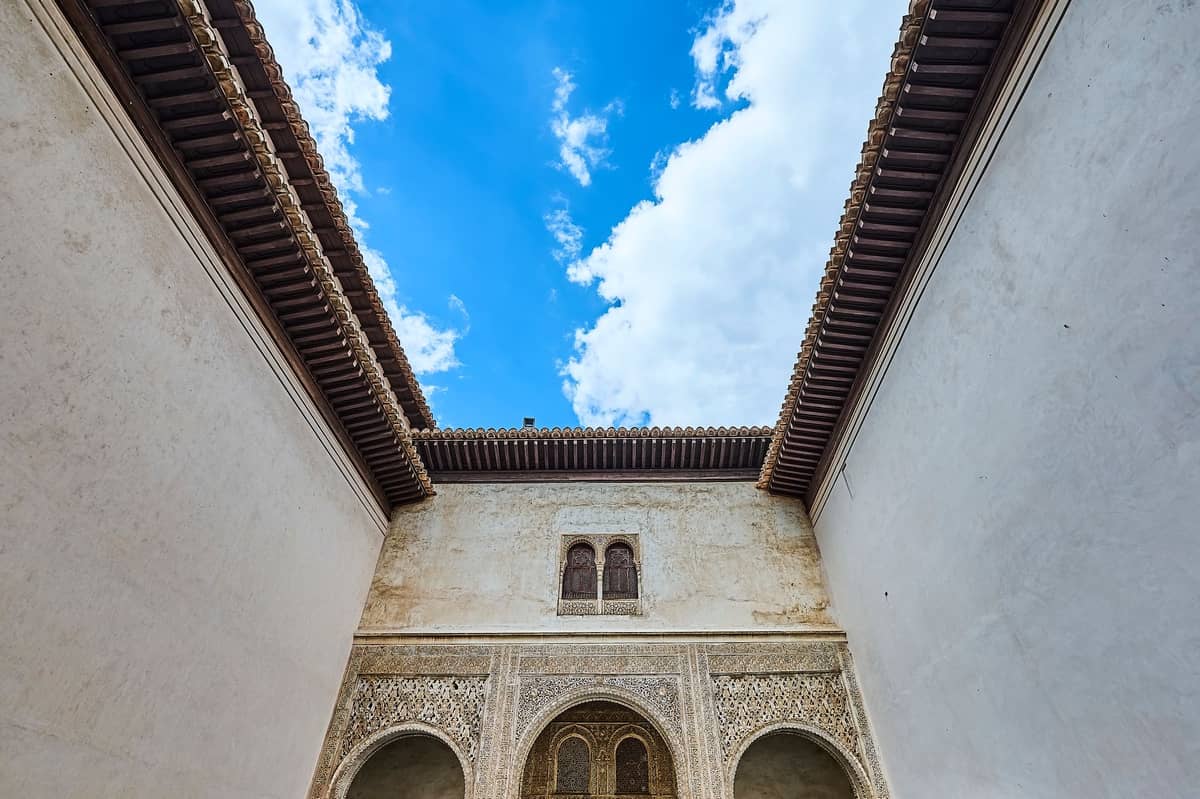
The Alhambra gets all the attention, but Granada's Nasrid legacy extends well beyond its walls. Several remarkable medieval structures survive in the city centre and the Albaicín, most of them free to enter and rarely crowded. These are the places where you can stand inside 13th- and 14th-century Islamic architecture with virtually no one else around. For context on the broader Moorish heritage of the city, the Granada Moorish heritage guide is worth reading before you go.
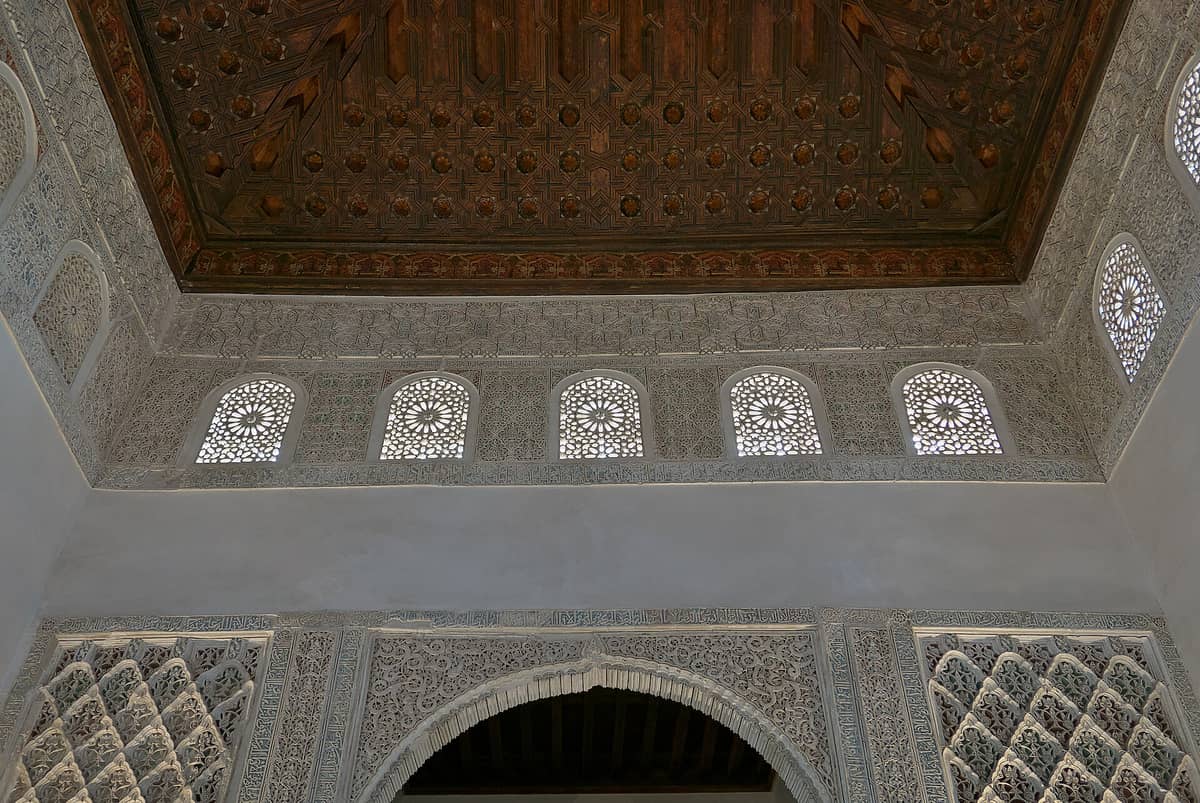
1. Find the Secret 13th-Century Palace Hidden in a Municipal Building
Few visitors know this late 13th-century Nasrid royal pavilion exists. It survives inside a council building near the city centre, featuring intricate stucco decoration that rivals the Alhambra. Entry is often free or low-cost and crowds are almost nonexistent.
Explore1. Find the Secret 13th-Century Palace Hidden in a Municipal Building
Few visitors know this late 13th-century Nasrid royal pavilion exists. It survives inside a council building near the city centre, featuring intricate stucco decoration that rivals the Alhambra. Entry is often free or low-cost and crowds are almost nonexistent.
Explore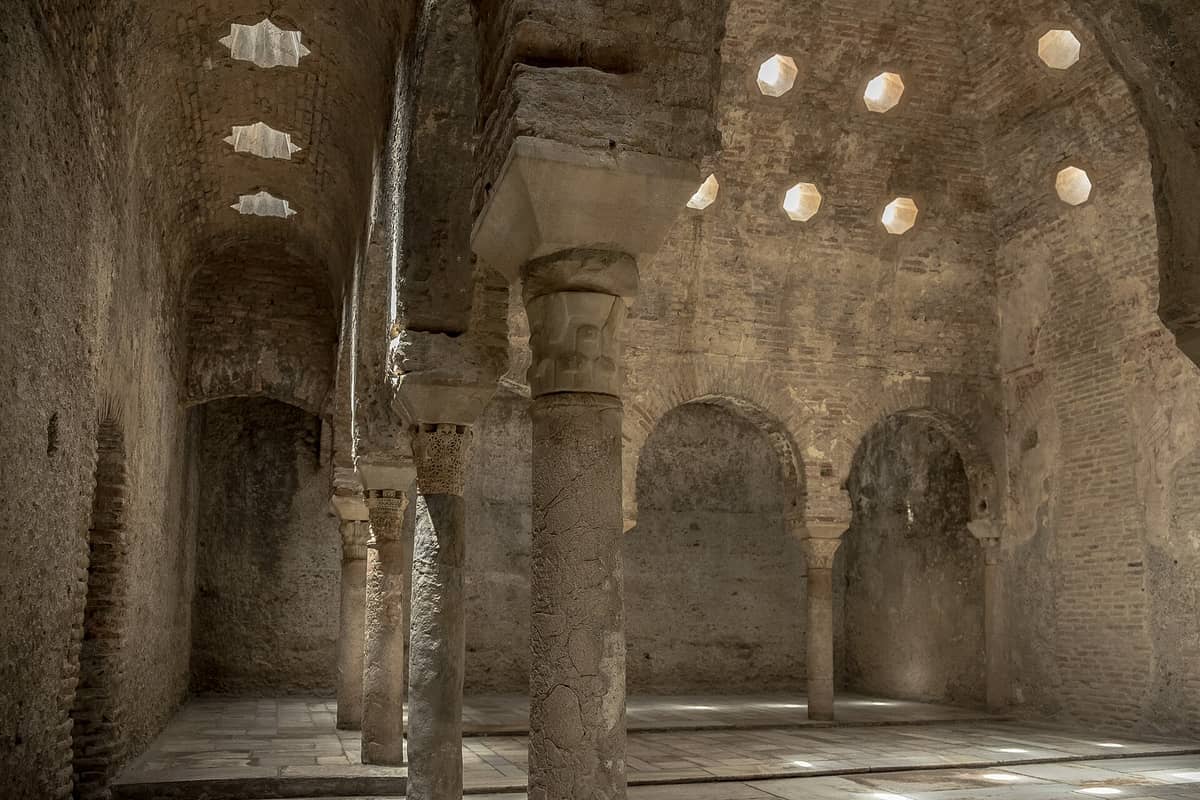
2. Walk Through Granada's Best-Preserved 11th-Century Hammam
El Bañuelo is an 11th-century Zirid hammam, predating the Nasrid Alhambra by two centuries. The star-shaped skylights and horseshoe arches are largely intact. It sits along the Carrera del Darro and is ticketed on weekdays (often via the Monumentos Andalusíes pass), yet most visitors walk straight past it.
Explore2. Walk Through Granada's Best-Preserved 11th-Century Hammam
El Bañuelo is an 11th-century Zirid hammam, predating the Nasrid Alhambra by two centuries. The star-shaped skylights and horseshoe arches are largely intact. It sits along the Carrera del Darro and is ticketed on weekdays (often via the Monumentos Andalusíes pass), yet most visitors walk straight past it.
Explore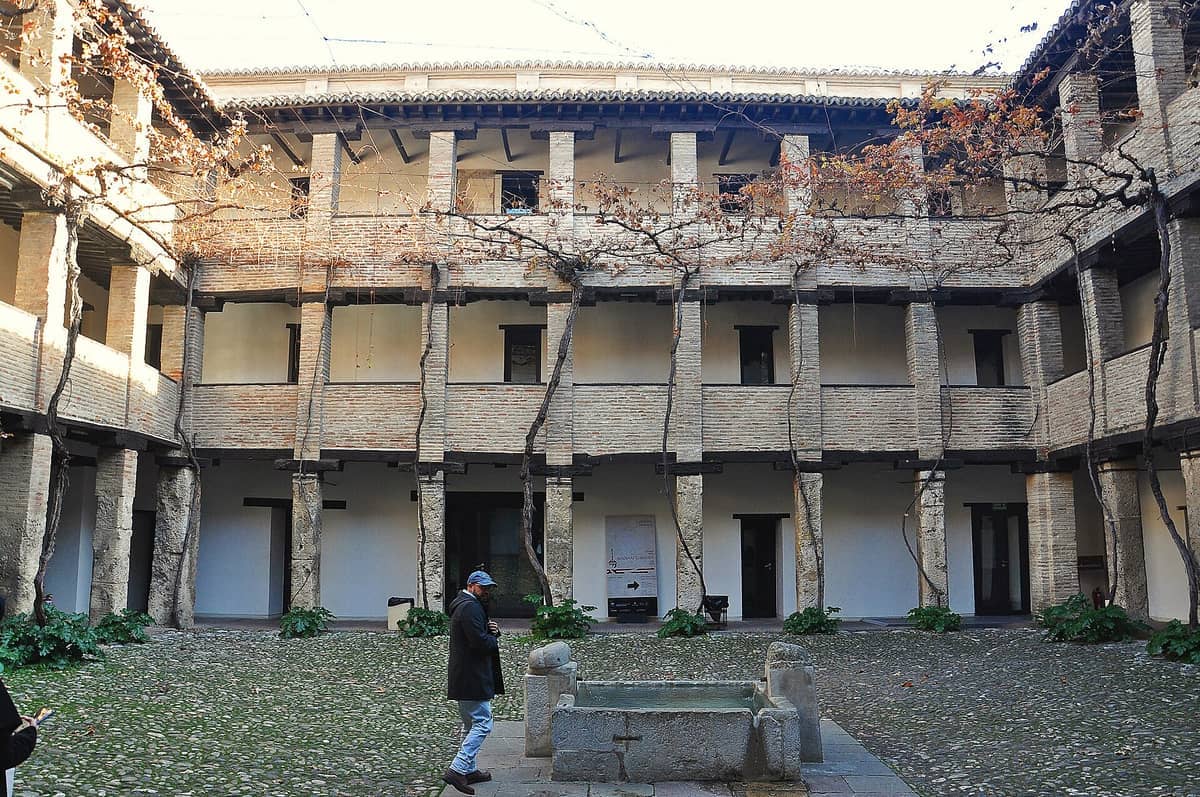
3. Step Inside a 14th-Century Caravanserai in the City Centre
The Corral del Carbón is Granada's finest Nasrid building outside the Alhambra complex, a merchants' inn with a beautiful horseshoe arch entrance dating from around 1336. It's free to enter, used as a cultural venue, and sits a five-minute walk from the Cathedral.
Explore3. Step Inside a 14th-Century Caravanserai in the City Centre
The Corral del Carbón is Granada's finest Nasrid building outside the Alhambra complex, a merchants' inn with a beautiful horseshoe arch entrance dating from around 1336. It's free to enter, used as a cultural venue, and sits a five-minute walk from the Cathedral.
Explore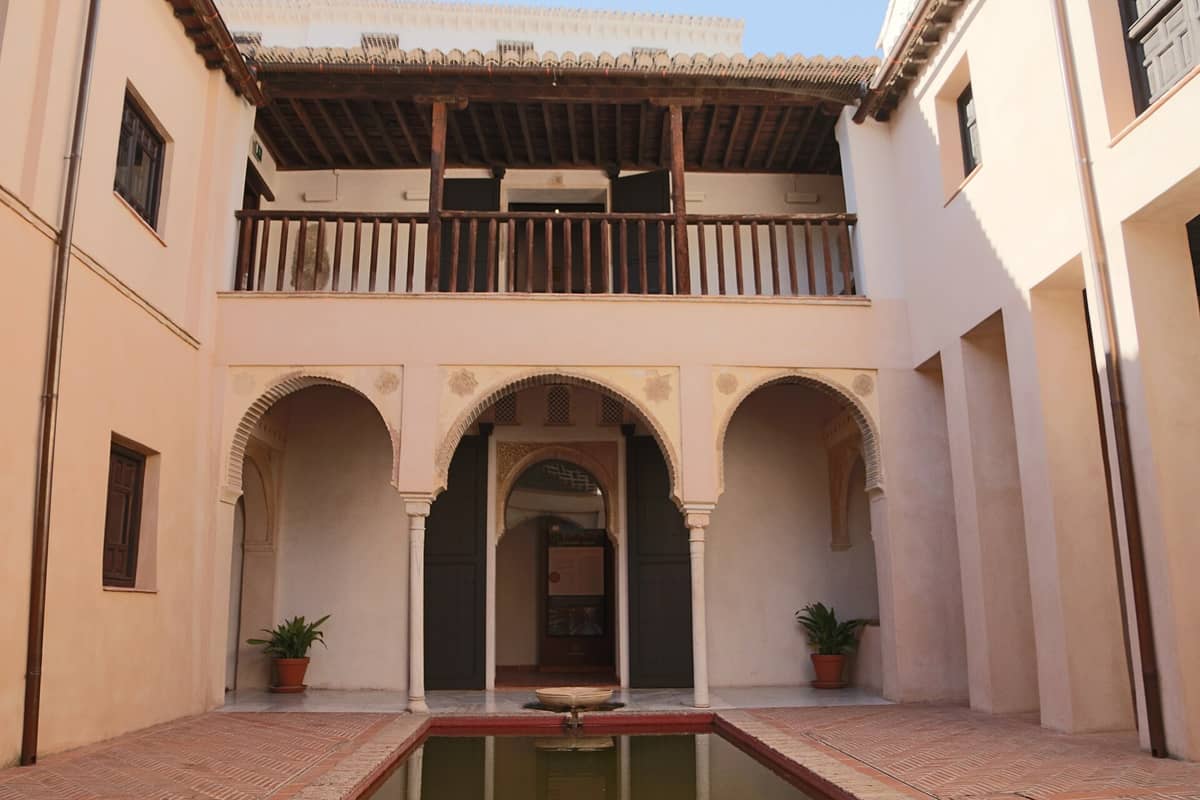
4. Visit a Restored Nasrid House in the Heart of the Albaicín
This 14th-century townhouse has been carefully restored to show how wealthy Nasrid families lived. The central courtyard with its reflecting pool is a calm, photogenic space. It functions as an interpretation centre for Albaicín history and sees a fraction of the footfall of the Alhambra.
Explore4. Visit a Restored Nasrid House in the Heart of the Albaicín
This 14th-century townhouse has been carefully restored to show how wealthy Nasrid families lived. The central courtyard with its reflecting pool is a calm, photogenic space. It functions as an interpretation centre for Albaicín history and sees a fraction of the footfall of the Alhambra.
ExploreViewpoints and Hilltop Walks Most Tourists Miss
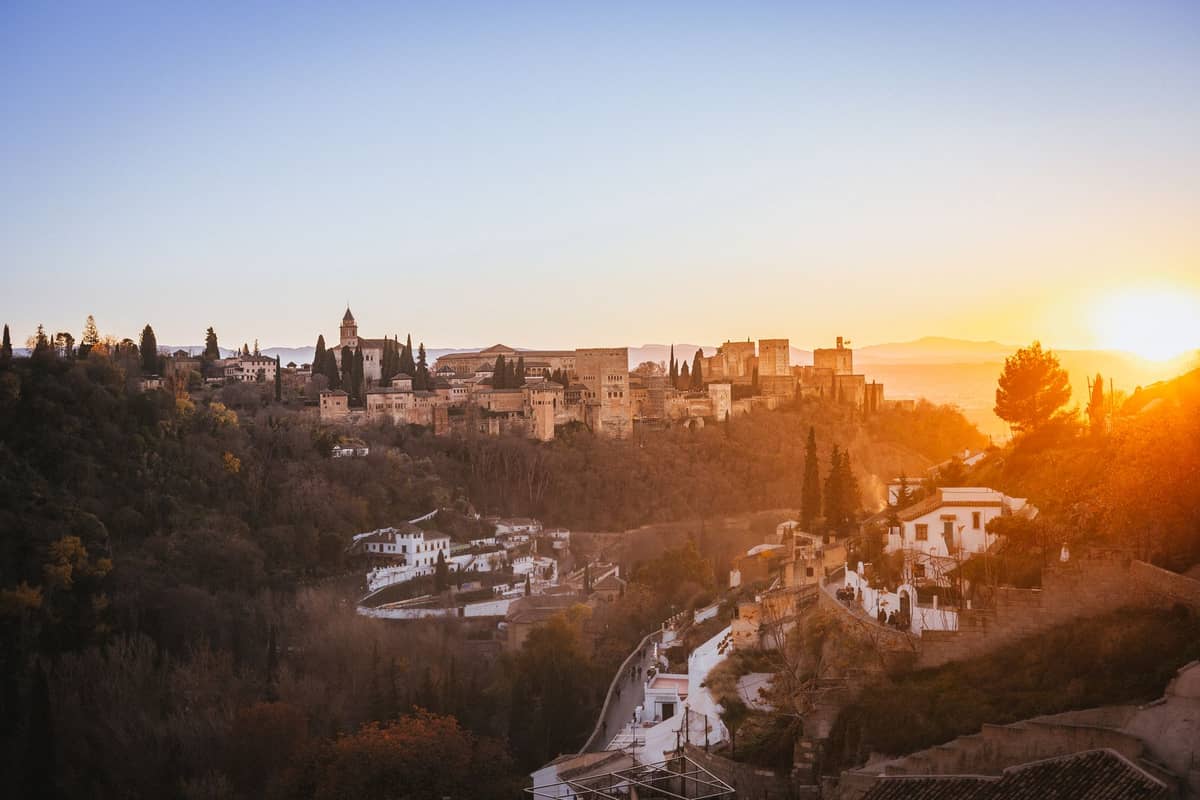
The Mirador de San Nicolás has become so famous it now requires crowd management at sunset. But Granada's hills offer multiple alternatives with equal or better views and a fraction of the visitors. The Granada viewpoints guide covers all of these in depth, but the three spots below are the ones that consistently reward the extra effort.
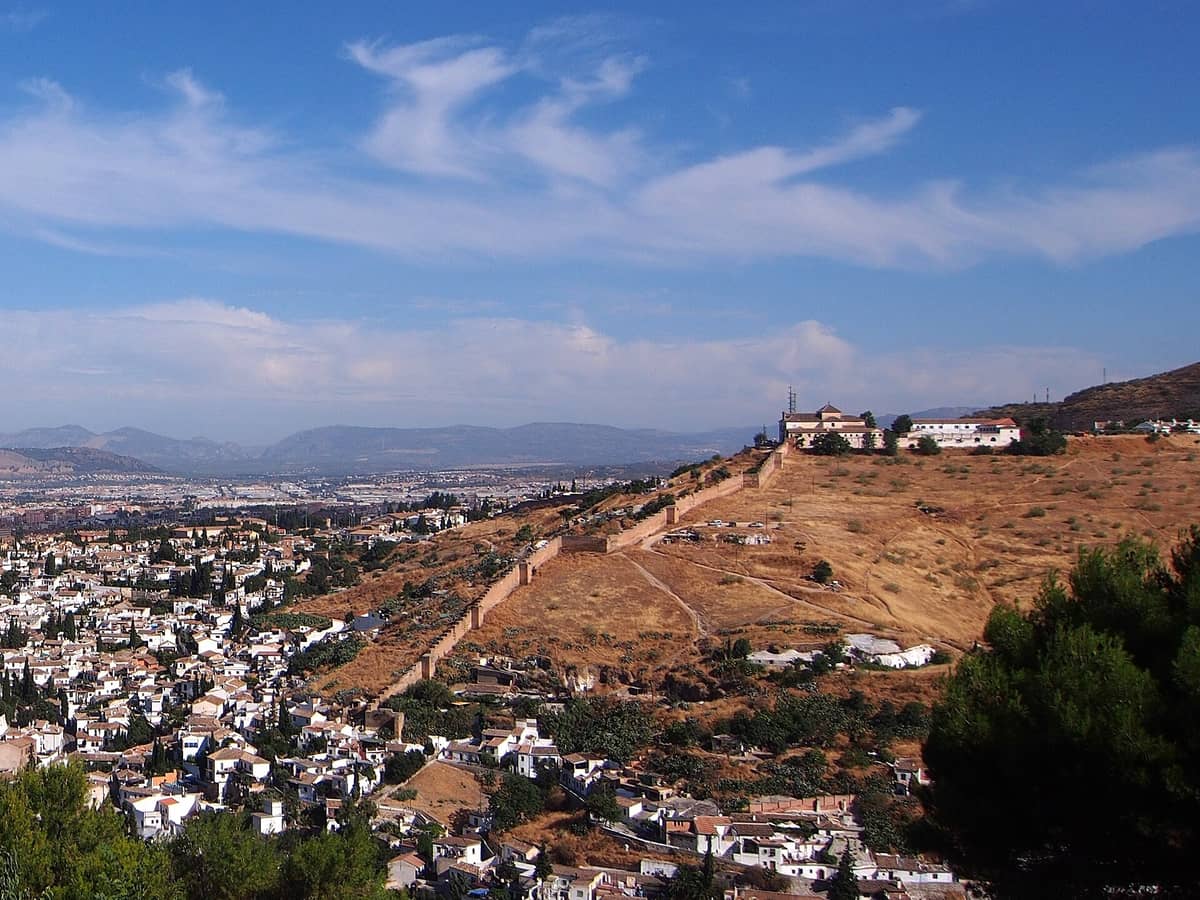
5. Climb to the Highest Viewpoint in Granada for a 360-Degree Panorama
This small hermitage at the top of the Sacromonte hill is Granada's most expansive viewpoint, taking in the Alhambra, the Albaicín rooftops, the vega plain, and the Sierra Nevada in one sweep. The walk up through the cave district is part of the experience.
Explore5. Climb to the Highest Viewpoint in Granada for a 360-Degree Panorama
This small hermitage at the top of the Sacromonte hill is Granada's most expansive viewpoint, taking in the Alhambra, the Albaicín rooftops, the vega plain, and the Sierra Nevada in one sweep. The walk up through the cave district is part of the experience.
Explore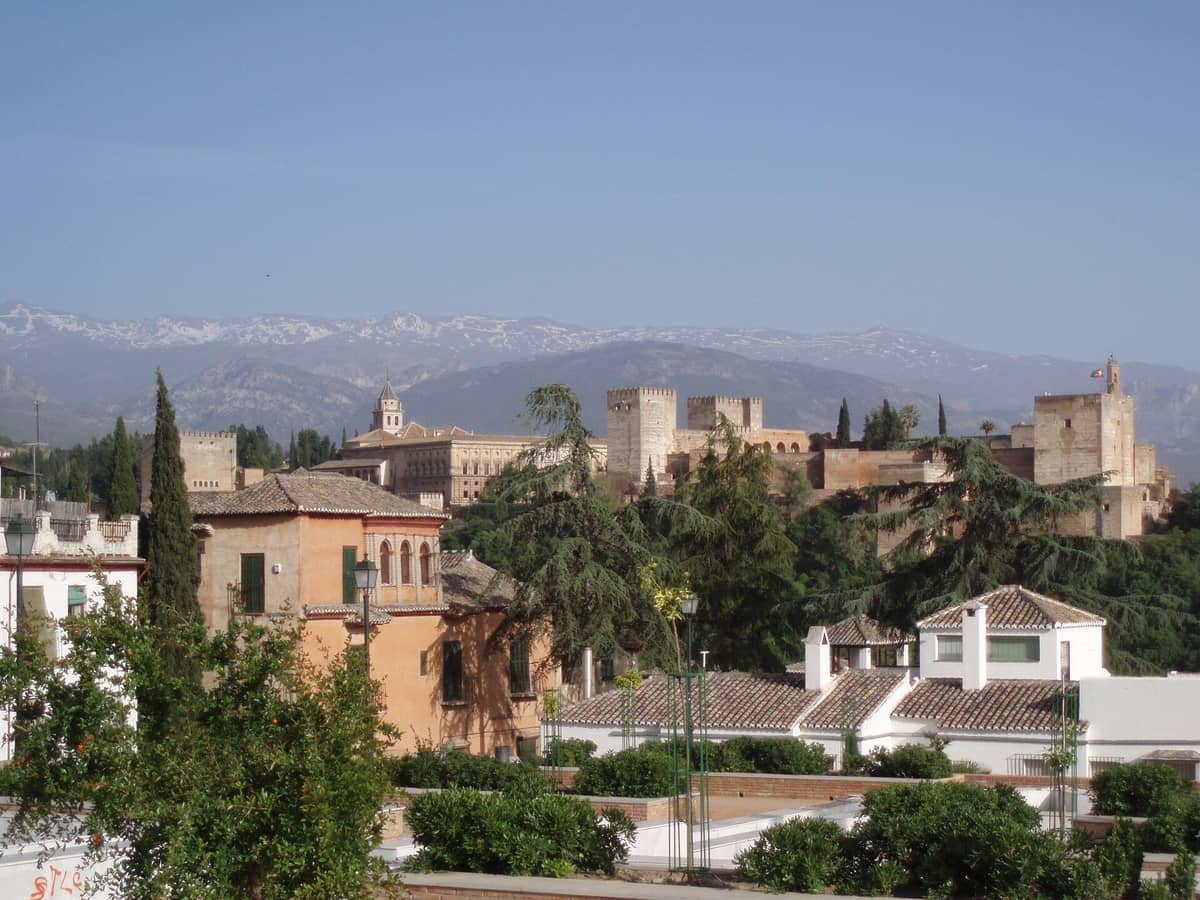
6. Watch the Alhambra at Sunset from a Locals' Viewpoint
San Cristóbal sits in the upper Albaicín and delivers excellent views of the Alhambra and the city's rooftops. It's popular with neighbourhood residents but rarely draws tourist crowds, making it far more peaceful than San Nicolás at golden hour.
Explore6. Watch the Alhambra at Sunset from a Locals' Viewpoint
San Cristóbal sits in the upper Albaicín and delivers excellent views of the Alhambra and the city's rooftops. It's popular with neighbourhood residents but rarely draws tourist crowds, making it far more peaceful than San Nicolás at golden hour.
Explore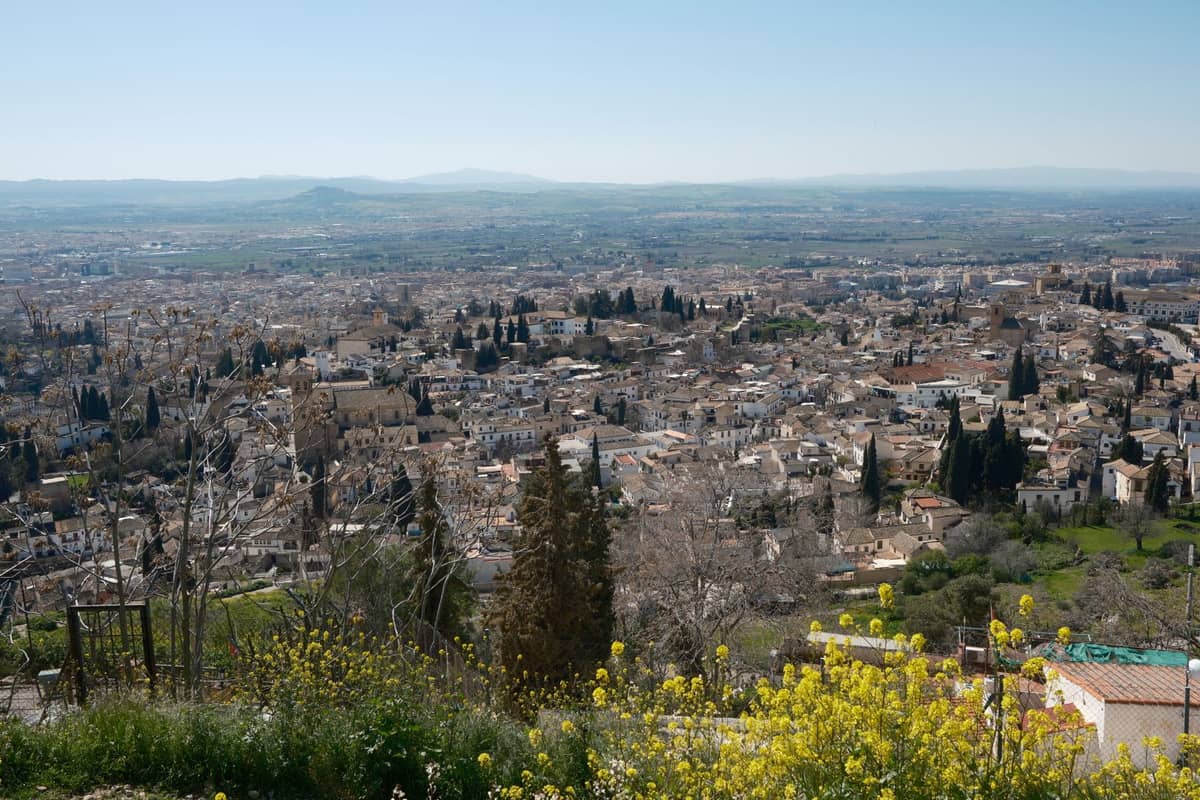
7. Earn the Best Panorama in Granada with a Steep Sacromonte Walk
The approach through the whitewashed cave district is half the point. At the top, you get a genuine 360-degree view: Alhambra to the south, Albaicín below, Sierra Nevada to the east. Go on a weekday morning to have the terrace almost to yourself.
Explore7. Earn the Best Panorama in Granada with a Steep Sacromonte Walk
The approach through the whitewashed cave district is half the point. At the top, you get a genuine 360-degree view: Alhambra to the south, Albaicín below, Sierra Nevada to the east. Go on a weekday morning to have the terrace almost to yourself.
ExploreGardens, Estates, and Green Spaces Worth Seeking Out
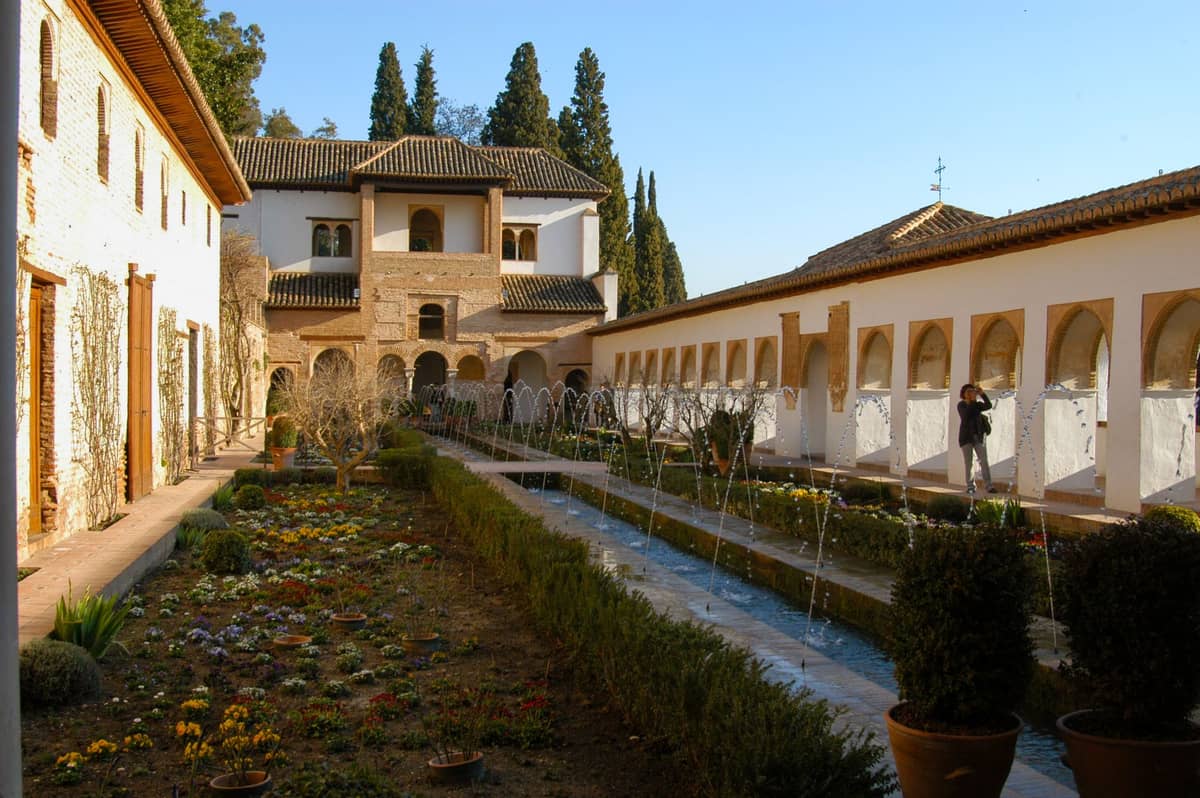
Granada has two extraordinary garden estates on the Alhambra Hill that most visitors walk past without a second glance, focused entirely on reaching the palace complex. Both reward a slower pace and a detour from the main tourist circuit.
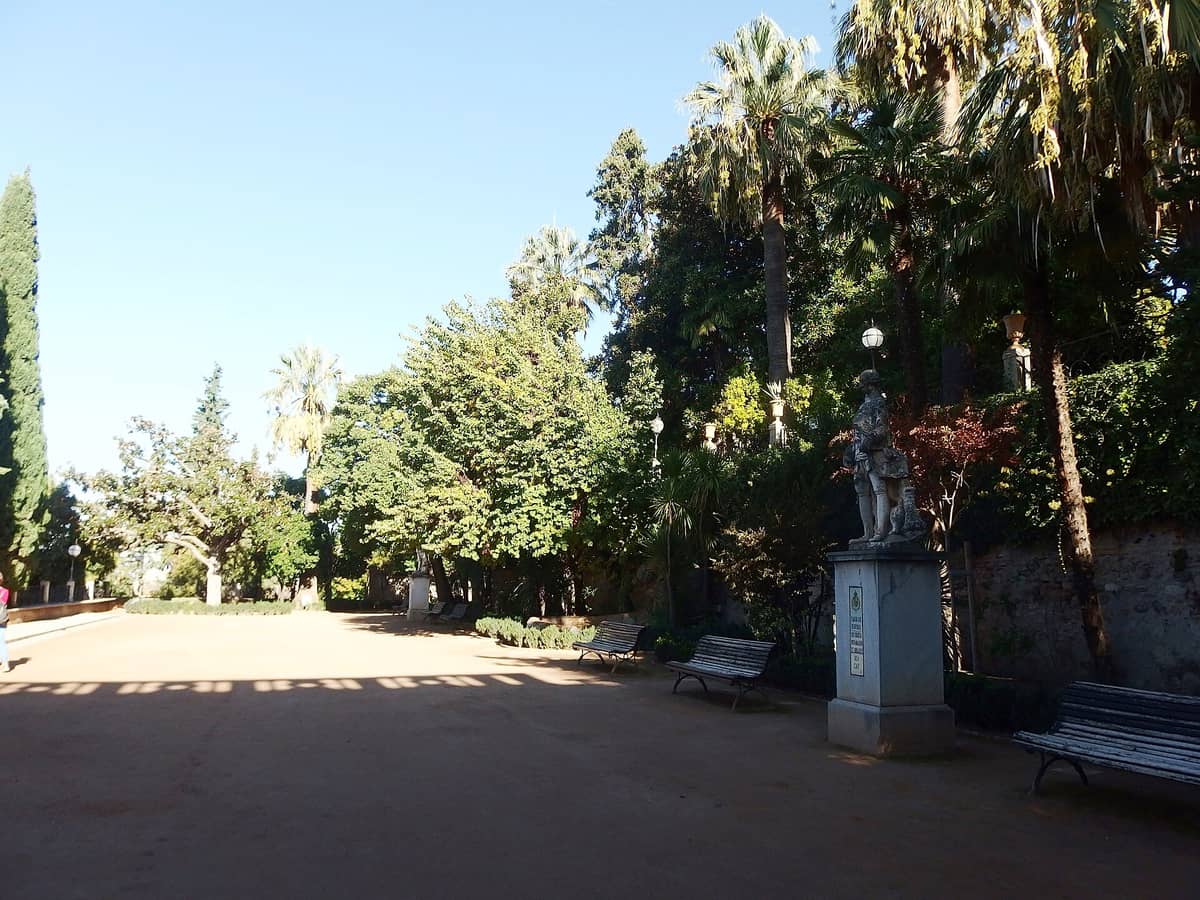
8. Wander Free Through a Romantic 19th-Century Garden Estate
Carmen de los Mártires is a five-minute walk from the Alhambra entrance but feels like a different world: peacocks, fountains, a small lake, and terraced gardens in English, French, and Moorish styles. Entry is free; summer hours extend into the evening.
Explore8. Wander Free Through a Romantic 19th-Century Garden Estate
Carmen de los Mártires is a five-minute walk from the Alhambra entrance but feels like a different world: peacocks, fountains, a small lake, and terraced gardens in English, French, and Moorish styles. Entry is free; summer hours extend into the evening.
Explore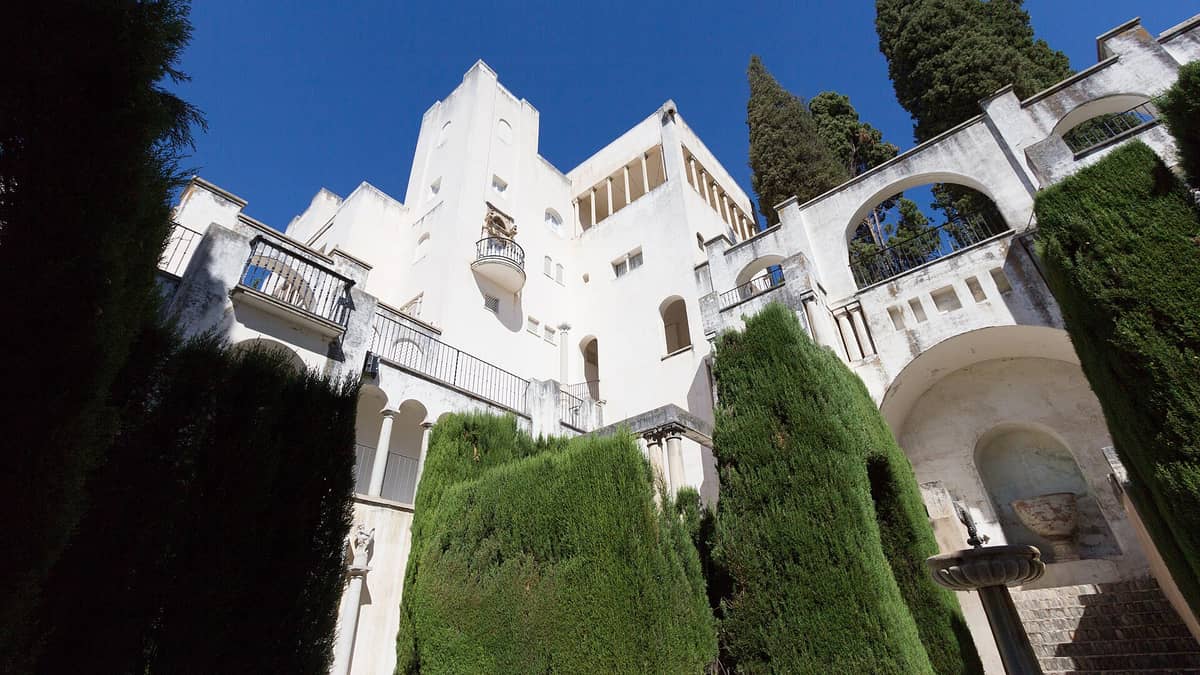
9. Explore a Painter's Extraordinary Terraced Carmen on the Alhambra Hill
Designed by Granada painter José María Rodríguez-Acosta in the early 20th century, this carmen is an architectural puzzle: Neo-Baroque facades, cave-like studio spaces, terraced gardens, and an archaeological museum. Visits are guided and numbers are limited.
Explore9. Explore a Painter's Extraordinary Terraced Carmen on the Alhambra Hill
Designed by Granada painter José María Rodríguez-Acosta in the early 20th century, this carmen is an architectural puzzle: Neo-Baroque facades, cave-like studio spaces, terraced gardens, and an archaeological museum. Visits are guided and numbers are limited.
ExploreMuseums and Cultural Sites Off the Standard Route
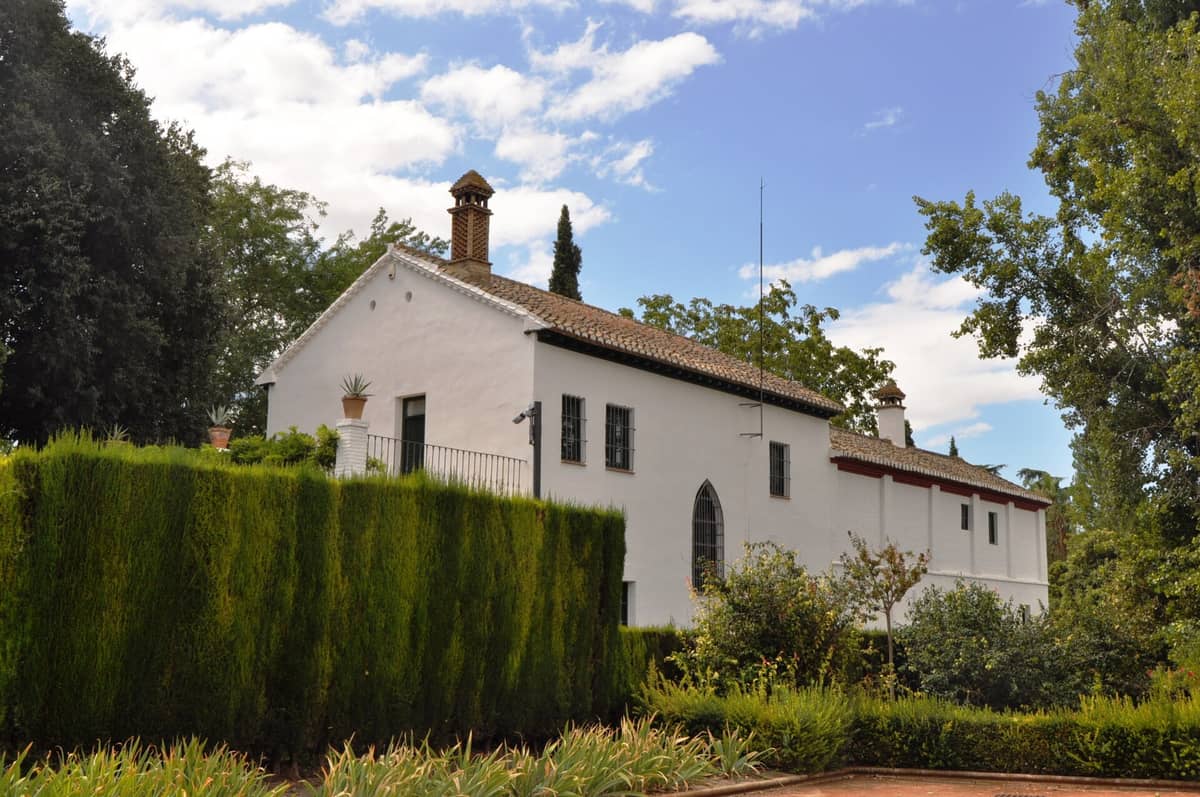
Granada's museum scene extends well beyond the Capilla Real and the Alhambra collections. The city has several small, specialist institutions that offer genuinely different perspectives on its history and culture, from the composer's study on the hill to an open-air ethnographic museum carved into a Sacromonte hillside.
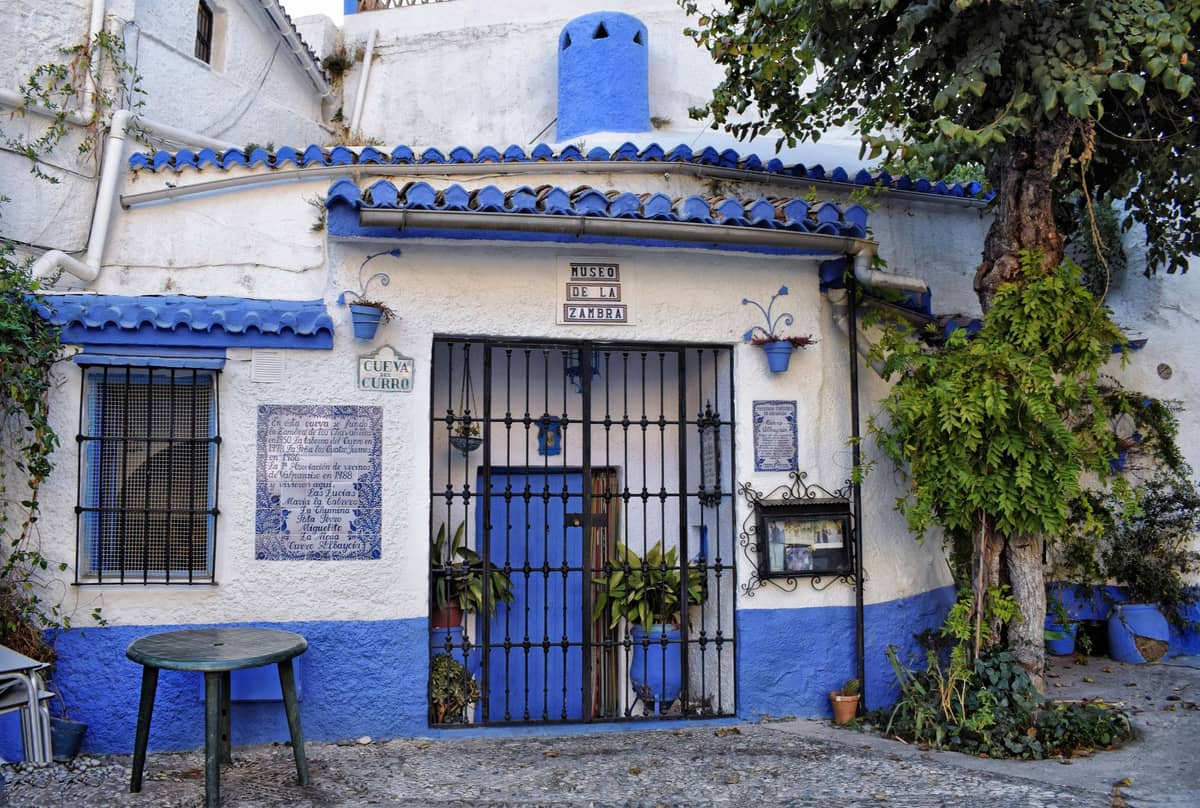
10. Learn the Real History of Sacromonte's Cave-Dwelling Community
This open-air museum occupies authentic cave dwellings on the Sacromonte hillside and documents the daily life, crafts, and flamenco traditions of Granada's Romani community. The views across to the Alhambra and Albaicín from the terraces are exceptional.
Explore10. Learn the Real History of Sacromonte's Cave-Dwelling Community
This open-air museum occupies authentic cave dwellings on the Sacromonte hillside and documents the daily life, crafts, and flamenco traditions of Granada's Romani community. The views across to the Alhambra and Albaicín from the terraces are exceptional.
Explore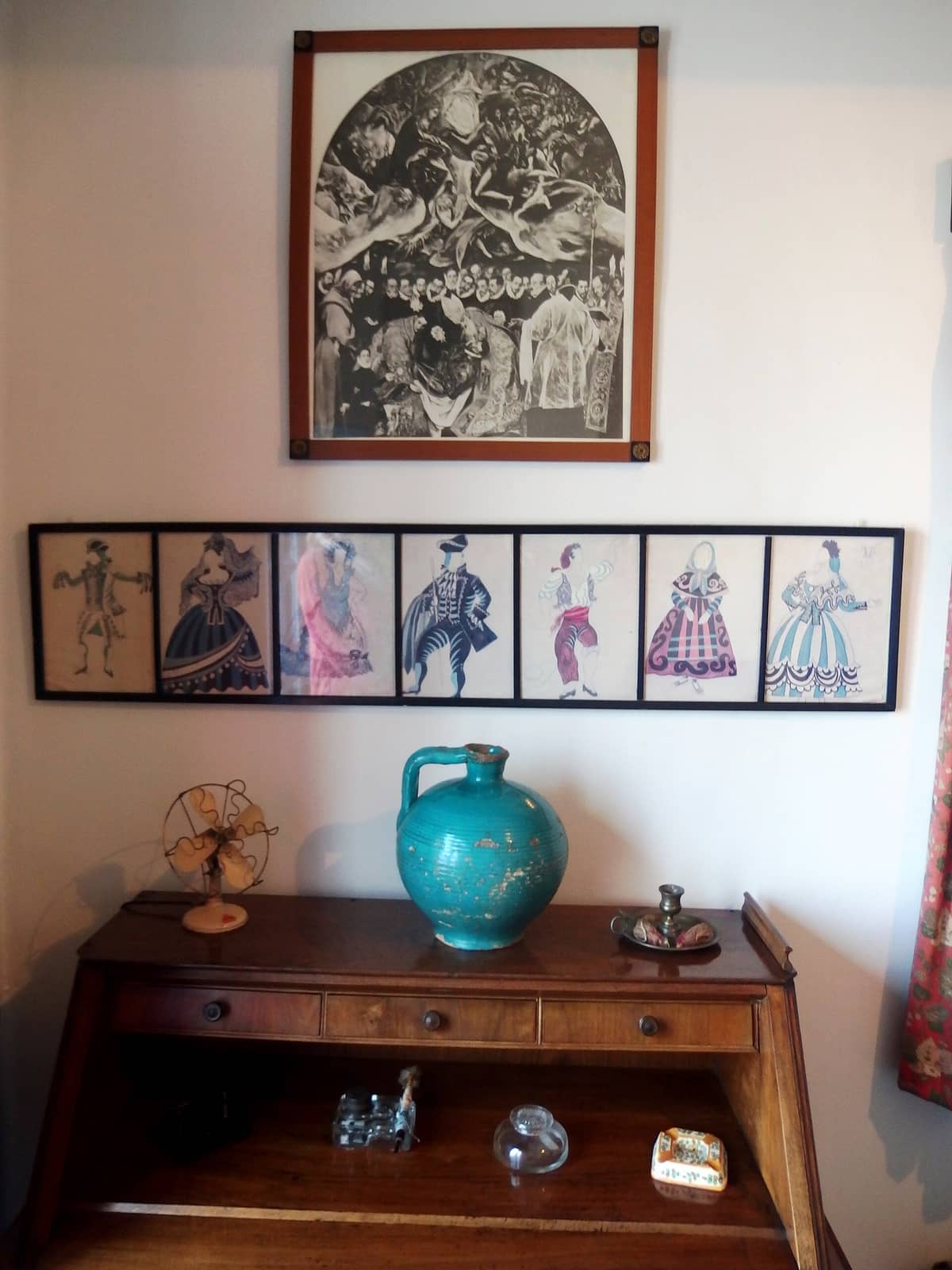
11. Step Inside the Preserved Home of Spain's Greatest 20th-Century Composer
Manuel de Falla lived in this modest house on the Alhambra Hill from 1921 to 1939. It's preserved with his piano, books, and personal belongings exactly as he left them. The visit is short but unusually intimate for a composer's house museum.
Explore11. Step Inside the Preserved Home of Spain's Greatest 20th-Century Composer
Manuel de Falla lived in this modest house on the Alhambra Hill from 1921 to 1939. It's preserved with his piano, books, and personal belongings exactly as he left them. The visit is short but unusually intimate for a composer's house museum.
Explore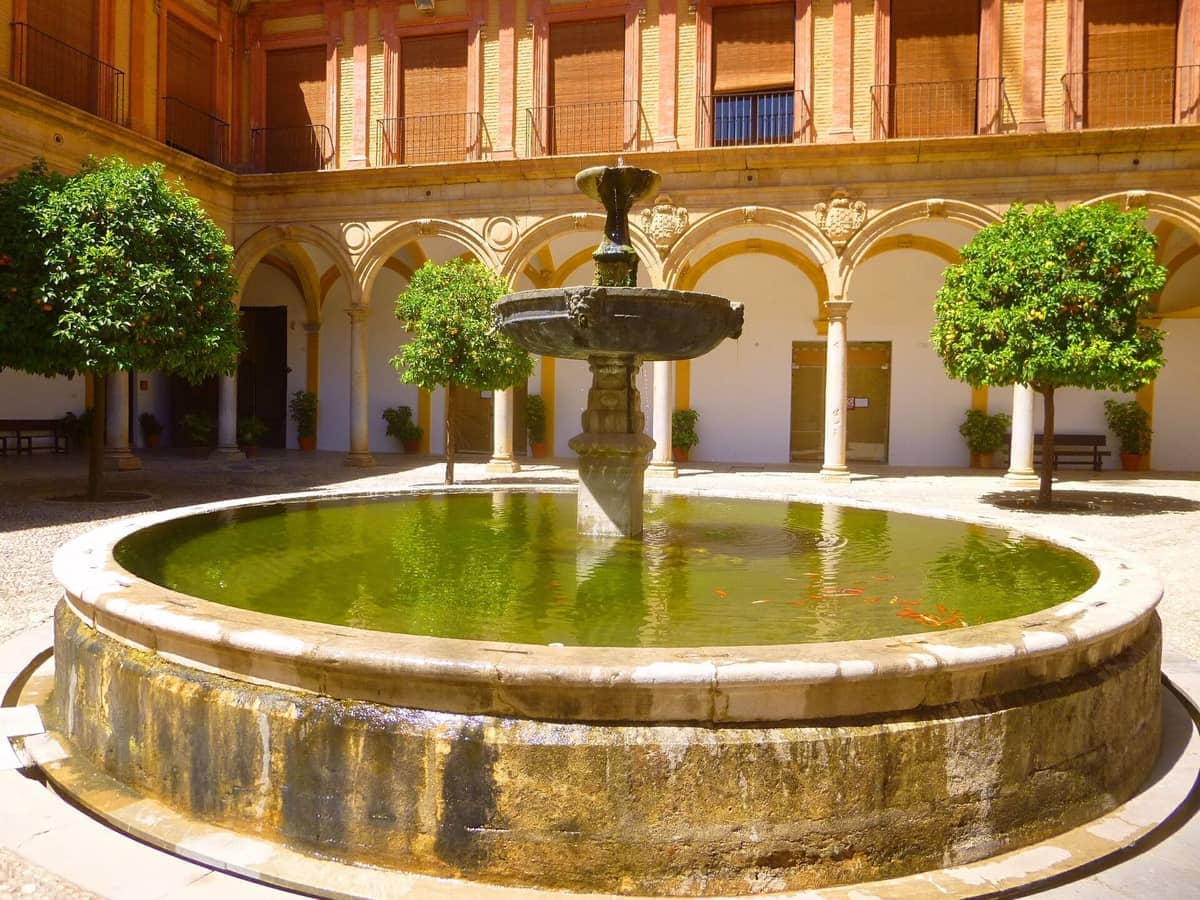
12. Tour the 17th-Century Abbey Built Over Granada's Holy Caves
The Sacromonte Abbey sits above the cave district and is entirely separate from the flamenco venues below. Guided tours take you through the underground catacombs where early Christian martyrs were said to have been found, the art collection, and its hilltop terrace with city views.
Explore12. Tour the 17th-Century Abbey Built Over Granada's Holy Caves
The Sacromonte Abbey sits above the cave district and is entirely separate from the flamenco venues below. Guided tours take you through the underground catacombs where early Christian martyrs were said to have been found, the art collection, and its hilltop terrace with city views.
Explore✨ Pro tip
The Sacromonte Abbey and Carmen de los Mártires can be combined in a half-day walk from the Alhambra Hill without needing an Alhambra ticket. Check the official abbey or diocese pages for current opening hours before you go. A weekday visit is usually quieter.
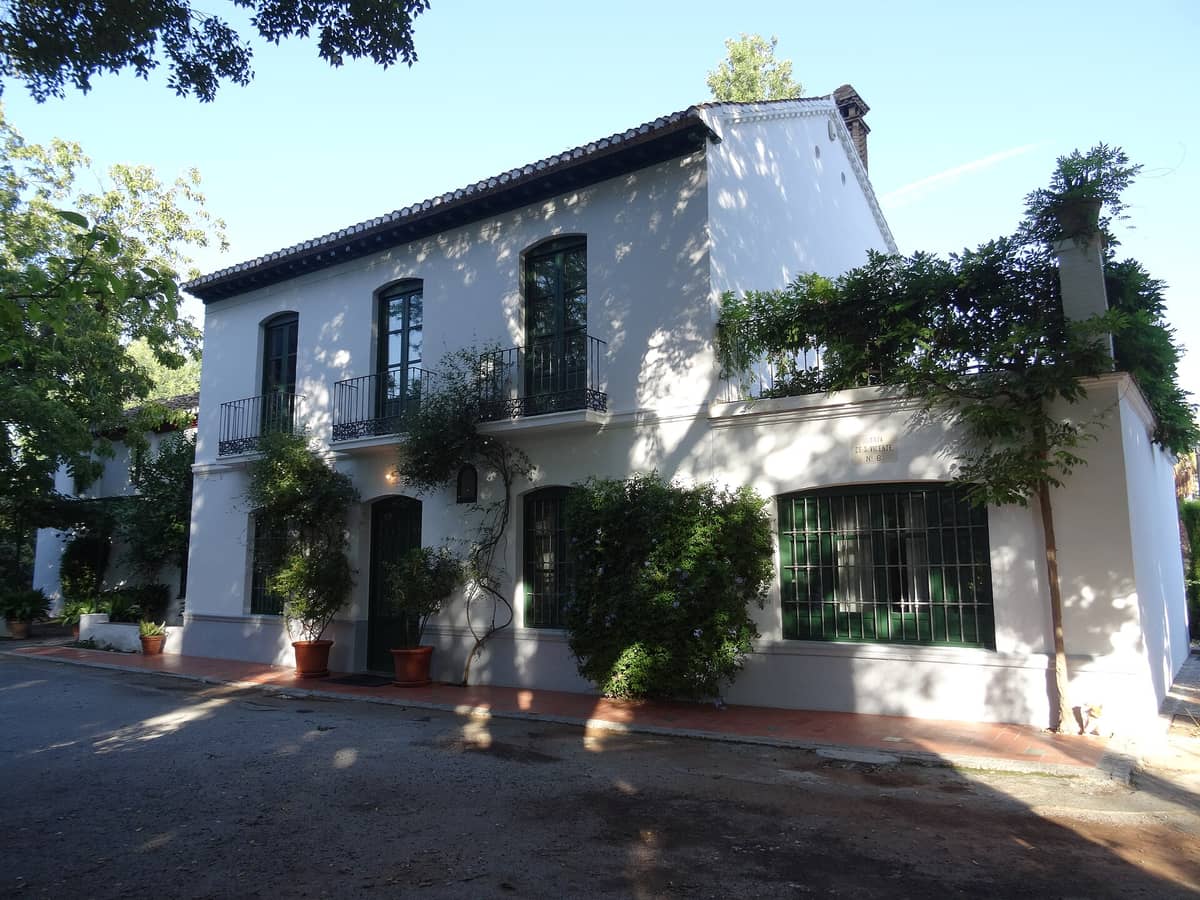
13. Visit Federico García Lorca's Family Home in a City-Centre Park
The Lorca family spent summers here throughout the 1920s and 30s, and the house is preserved as it was when they lived in it. The surrounding public park is pleasant for a break, and the museum contextualises why Lorca remains so central to Granada's identity.
Explore13. Visit Federico García Lorca's Family Home in a City-Centre Park
The Lorca family spent summers here throughout the 1920s and 30s, and the house is preserved as it was when they lived in it. The surrounding public park is pleasant for a break, and the museum contextualises why Lorca remains so central to Granada's identity.
Explore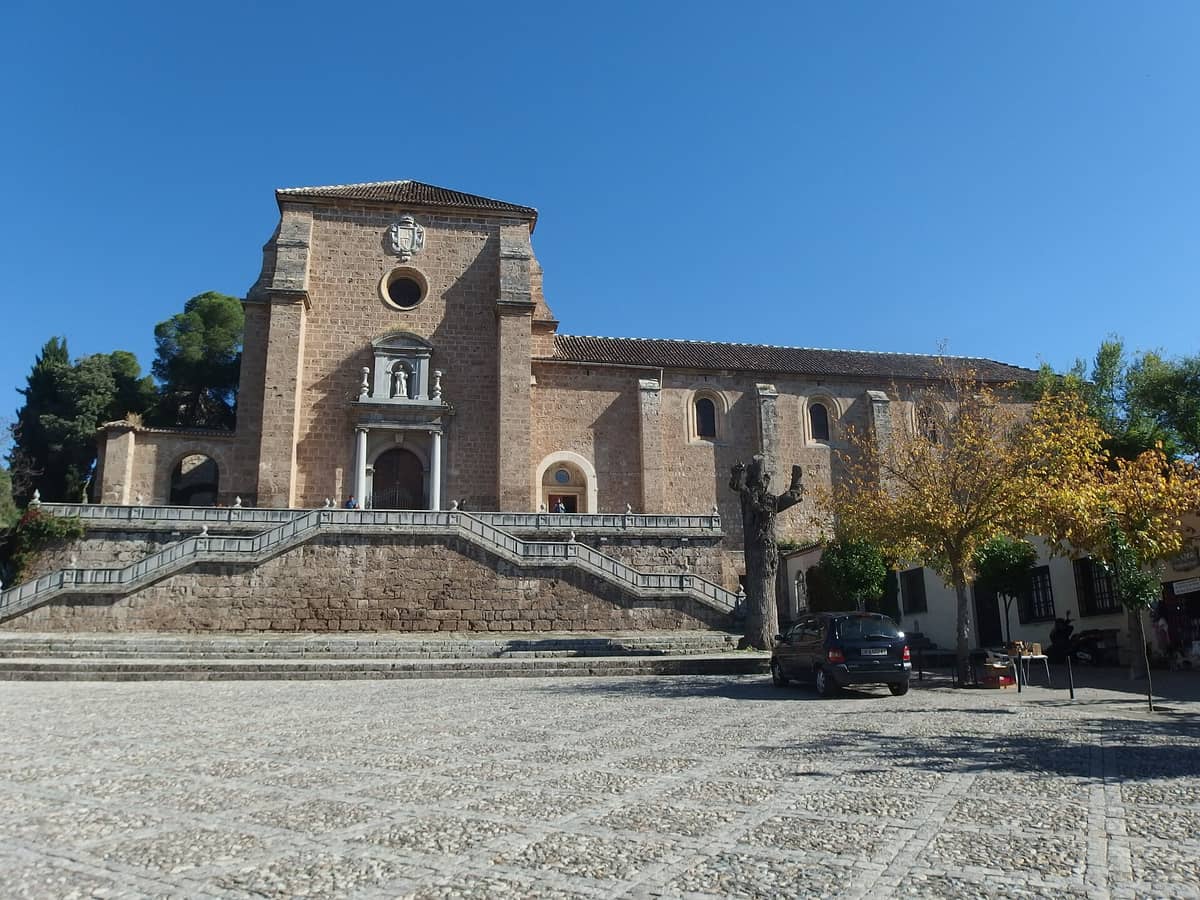
14. See the Most Exuberant Baroque Interior in Andalusia
The Cartuja monastery sits near the university campus, away from the tourist centre, but its sacristy is extraordinary: a riot of gilded marble, stucco, and tortoiseshell inlay that out-decorates almost anything else in southern Spain. Allow 45 minutes and go without expectations.
Explore14. See the Most Exuberant Baroque Interior in Andalusia
The Cartuja monastery sits near the university campus, away from the tourist centre, but its sacristy is extraordinary: a riot of gilded marble, stucco, and tortoiseshell inlay that out-decorates almost anything else in southern Spain. Allow 45 minutes and go without expectations.
Explore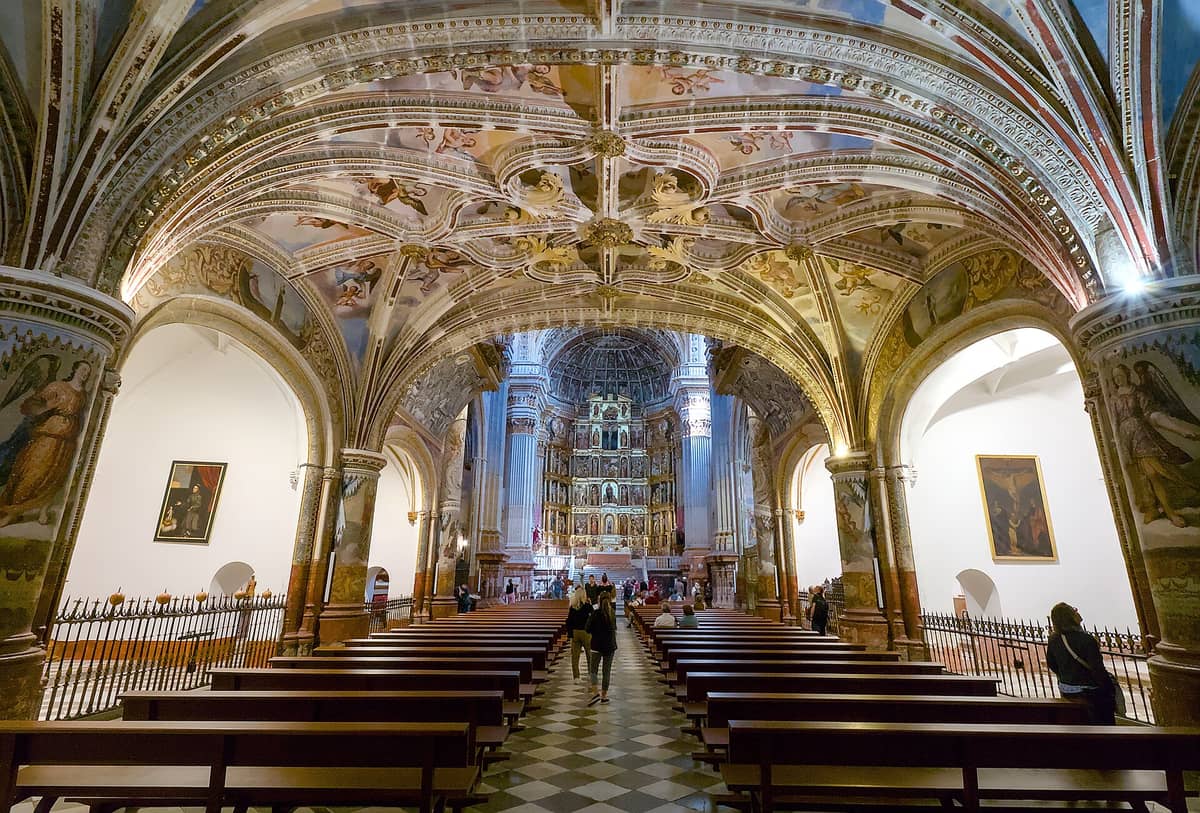
15. Discover a Gilded Renaissance Church That Almost Nobody Visits
Granada's first post-Reconquista monastery has a two-storey cloister and a high altar covered in gilded sculpture that fills the entire east wall of the church. It's a short walk from the Capilla Real but sees a tiny fraction of the visitors, even on busy days.
Explore15. Discover a Gilded Renaissance Church That Almost Nobody Visits
Granada's first post-Reconquista monastery has a two-storey cloister and a high altar covered in gilded sculpture that fills the entire east wall of the church. It's a short walk from the Capilla Real but sees a tiny fraction of the visitors, even on busy days.
ExploreAuthentic Neighbourhoods and Cultural Experiences
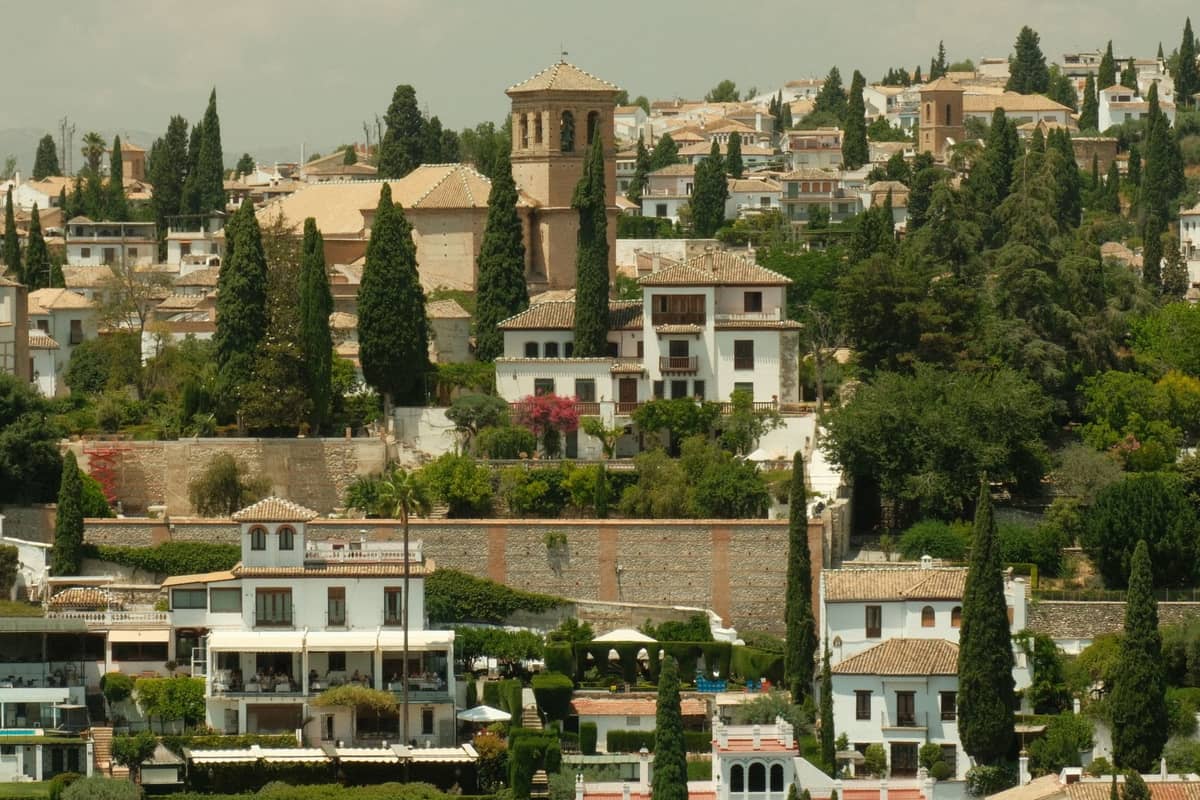
Two of Granada's most rewarding experiences involve simply being in the right place at the right time: wandering the Realejo's squares in the early evening, or watching zambra flamenco in a cave that has hosted the same tradition for centuries. The flamenco in Granada guide explains the difference between the authentic cave tablaos and the more commercial shows, which matters considerably when choosing where to book.
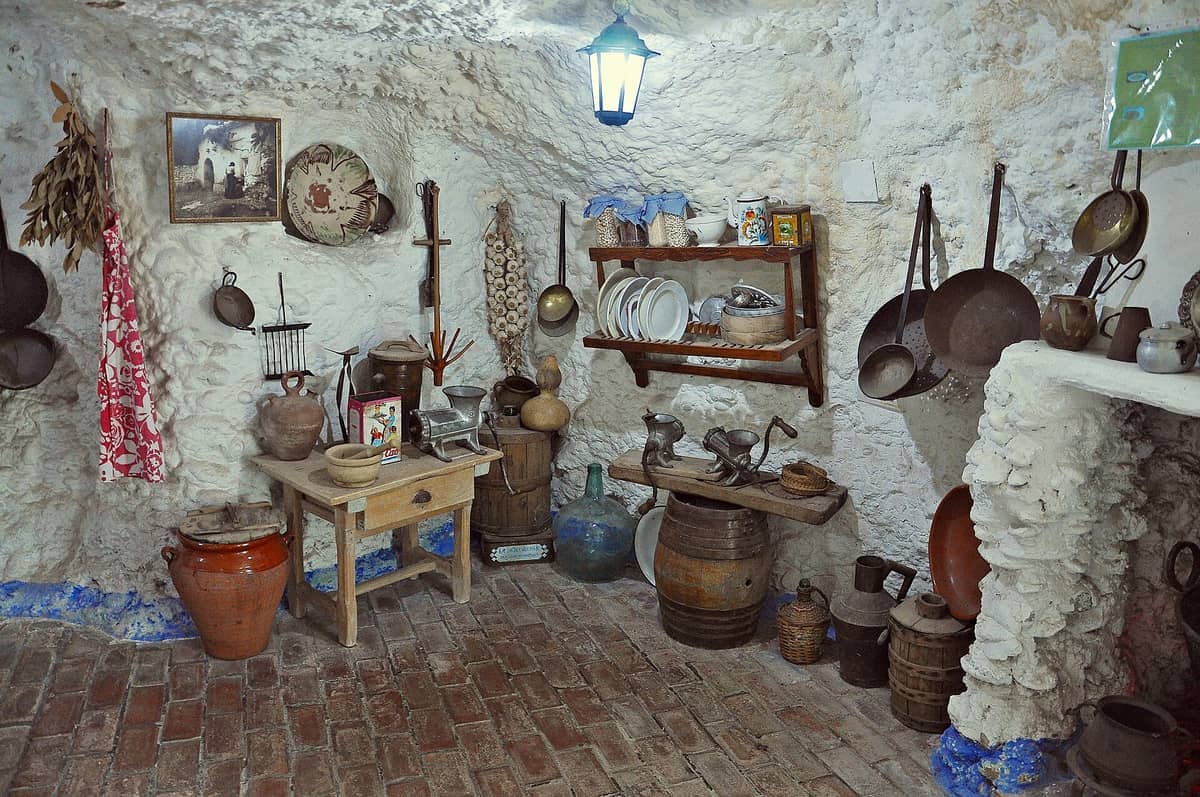
16. Walk the Whitewashed Cave Dwellings Where Granada's Romani Community Has Lived for Centuries
The cave houses of Sacromonte are still lived in, not a reconstruction or museum. Walking the Camino del Sacromonte in the morning, when tour groups haven't yet arrived, gives you a genuine sense of how this hillside community has shaped Granada's identity.
Explore16. Walk the Whitewashed Cave Dwellings Where Granada's Romani Community Has Lived for Centuries
The cave houses of Sacromonte are still lived in, not a reconstruction or museum. Walking the Camino del Sacromonte in the morning, when tour groups haven't yet arrived, gives you a genuine sense of how this hillside community has shaped Granada's identity.
Explore
17. Watch Zambra Flamenco in the Caves Where It Was Born
The cave tablaos of Sacromonte offer a fundamentally different experience from theatre-style flamenco shows: low ceilings, candlelight, and performers who are often from families that have danced here for generations. Book a small venue for the most intimate experience.
Explore17. Watch Zambra Flamenco in the Caves Where It Was Born
The cave tablaos of Sacromonte offer a fundamentally different experience from theatre-style flamenco shows: low ceilings, candlelight, and performers who are often from families that have danced here for generations. Book a small venue for the most intimate experience.
Explore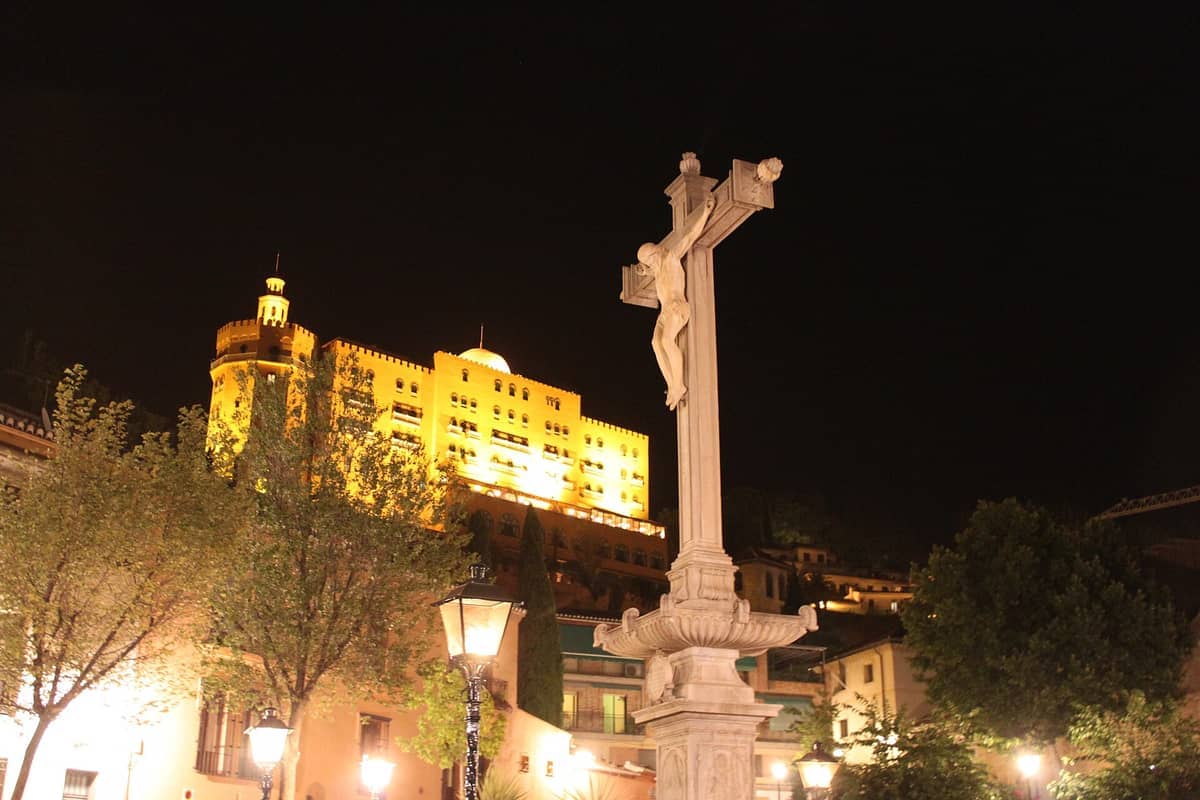
18. Join Locals for an Evening in the Realejo's Favourite Square
Campo del Príncipe is the social heart of the former Jewish quarter, a large square lined with terrace bars where Granada residents gather from around 8pm onwards. It's an easy walk from the Alhambra and gives a more authentic picture of local evening life than the tourist centre.
Explore18. Join Locals for an Evening in the Realejo's Favourite Square
Campo del Príncipe is the social heart of the former Jewish quarter, a large square lined with terrace bars where Granada residents gather from around 8pm onwards. It's an easy walk from the Alhambra and gives a more authentic picture of local evening life than the tourist centre.
Explore
19. Browse Granada's Central Market for Local Cheeses and Alpujarras Produce
The covered market next to the Cathedral is where Granada's chefs and households shop. Local cheeses, cured meats from Trevélez, seasonal vegetables, and Alpujarras honey are all here. Go before noon on a weekday when it's at its liveliest.
Explore19. Browse Granada's Central Market for Local Cheeses and Alpujarras Produce
The covered market next to the Cathedral is where Granada's chefs and households shop. Local cheeses, cured meats from Trevélez, seasonal vegetables, and Alpujarras honey are all here. Go before noon on a weekday when it's at its liveliest.
ExploreNatural Escapes Close to the City
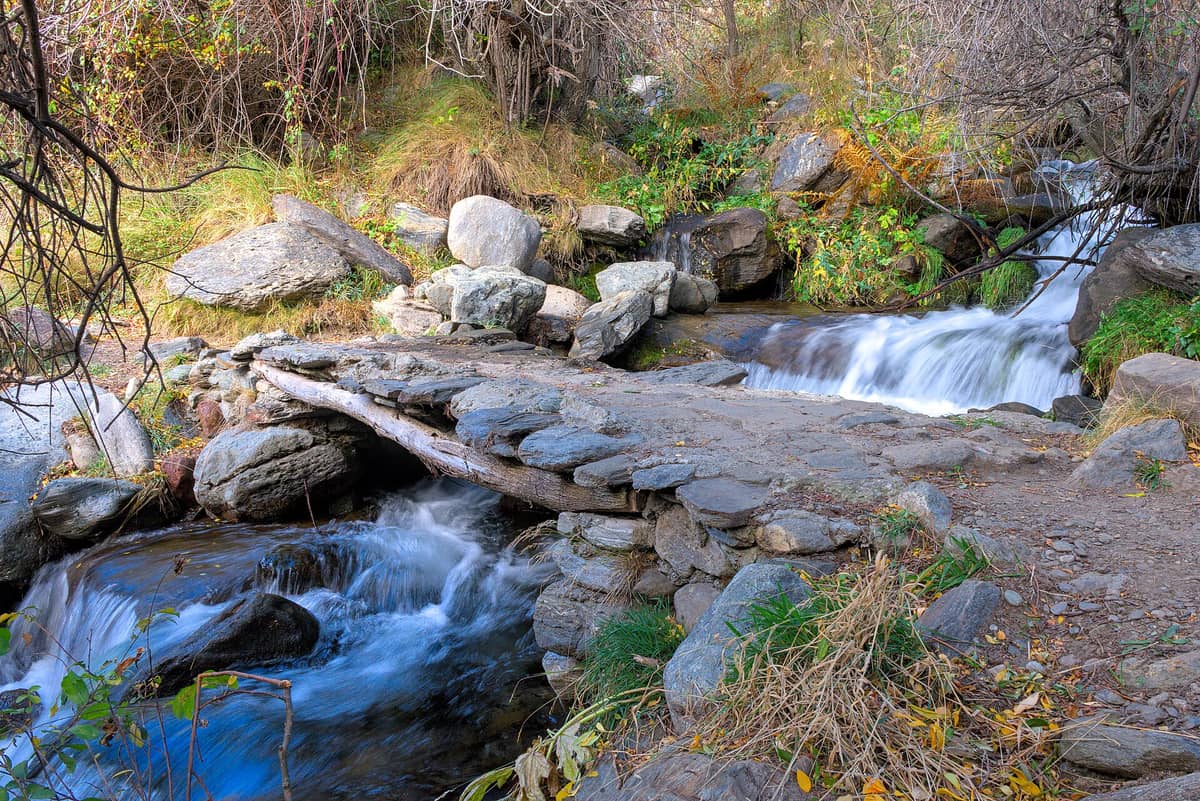
Granada's position at the foot of the Sierra Nevada means dramatic natural landscapes are accessible within 20 to 45 minutes of the city centre. These two options require no specialist equipment and can be done as half-day trips. For more walking options, the hiking near Granada guide covers routes at all difficulty levels.
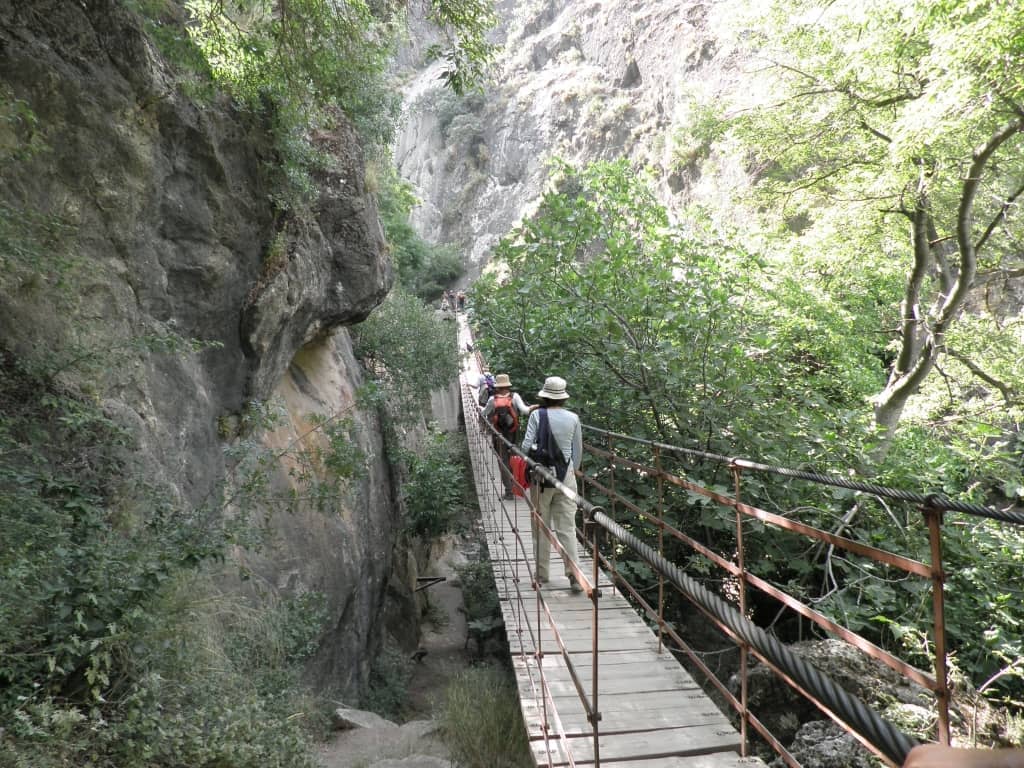
20. Hike Through a Dramatic Gorge Just 20 Minutes from the City Centre
The Monachil gorge trail follows a river through narrow rock passages and over hanging bridges, with waterfalls audible for most of the route. It takes around two to three hours at a relaxed pace and requires nothing more than comfortable shoes and water.
Explore20. Hike Through a Dramatic Gorge Just 20 Minutes from the City Centre
The Monachil gorge trail follows a river through narrow rock passages and over hanging bridges, with waterfalls audible for most of the route. It takes around two to three hours at a relaxed pace and requires nothing more than comfortable shoes and water.
Explore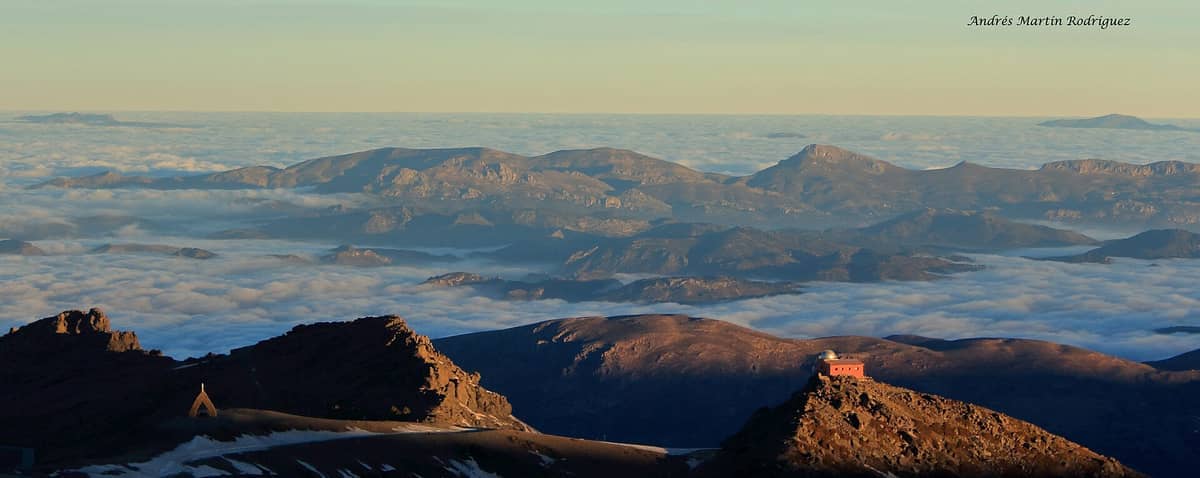
21. Drive to 2,500 Metres for Views Across Southern Spain
Hoya de la Mora is a high-altitude plateau in the Sierra Nevada accessible by road, serving as the main trailhead for summits including Veleta. Even without hiking, the drive up and the views across the vega plain and the Mediterranean coastline on a clear day are extraordinary.
Explore21. Drive to 2,500 Metres for Views Across Southern Spain
Hoya de la Mora is a high-altitude plateau in the Sierra Nevada accessible by road, serving as the main trailhead for summits including Veleta. Even without hiking, the drive up and the views across the vega plain and the Mediterranean coastline on a clear day are extraordinary.
Explore💡 Local tip
The road to Hoya de la Mora is seasonal and subject to closure in winter due to snow. Check conditions with the Sierra Nevada resort before driving up between November and April.
FAQ
What are the best free hidden gems in Granada?
Several of Granada's lesser-known highlights are free or low-cost: the Baños Árabes El Bañuelo (an 11th-century Zirid hammam on the Carrera del Darro; ticketed on weekdays), the Corral del Carbón (a 14th-century caravanserai near the Cathedral), the Carmen de los Mártires gardens on the Alhambra Hill, and the Cuarto Real de Santo Domingo (a late 13th-century Nasrid pavilion; free on Sundays, small fee other days). Several of these have free or reduced Sunday entry and are rarely crowded.
Which viewpoints in Granada are less crowded than Mirador de San Nicolás?
The Mirador de San Cristóbal in the upper Albaicín offers comparable views of the Alhambra with far fewer visitors. The Ermita de San Miguel Alto on the Sacromonte hill provides the highest and most panoramic view in the city, including the Sierra Nevada and the vega plain, and sees a fraction of San Nicolás's footfall.
Is the Sacromonte Abbey worth visiting?
Yes, particularly if you're already exploring the Sacromonte area. The guided tour takes you through the underground catacombs, the collegiate church, and an art collection, and the hilltop location offers city views. It's separate from the cave flamenco venues. Check the official abbey or diocese pages for current hours before visiting; some areas may be closed for restoration.
Are there any hidden Nasrid buildings in Granada outside the Alhambra?
Several survive. The Cuarto Real de Santo Domingo is a late 13th-century Nasrid royal pavilion hidden inside a municipal building near the city centre. El Bañuelo is an 11th-century Zirid hammam on the Carrera del Darro (ticketed on weekdays). The Corral del Carbón is a 14th-century Nasrid caravanserai near the Cathedral. The Casa de Zafra is a restored 14th-century Nasrid house in the Albaicín and a separate municipal centre. Several of these are free on Sundays or otherwise low cost to visit.
What off-the-beaten-path day trips can I do from Granada?
The Monachil gorge (Los Cahorros) is 20 to 30 minutes by car and offers an accessible gorge hike through narrow rock passages and over hanging bridges. The Hoya de la Mora plateau in the Sierra Nevada is reachable by road and provides extraordinary high-altitude views. For a full rural day trip, the white villages of Las Alpujarras are the most distinctive landscape in the Granada province.
Tickets & tours
Live prices and dates from our booking partner. If you book, we may earn a commission at no extra cost to you.
Planning a trip? Discover personalized activities with the Nomado app.