Huerta de San Vicente: Inside Federico García Lorca's Granada Home
The Huerta de San Vicente is the family summer house where Federico García Lorca wrote some of his most celebrated works, now preserved as a house-museum inside Parque Federico García Lorca in the Ronda district. At just 3 euros for adults, it is one of Granada's most intimate and undervisited cultural sites, offering a rare window into the private world of Spain's most beloved 20th-century poet.
Quick Facts
- Location
- Calle Virgen Blanca s/n, Parque Federico García Lorca, 18004 Granada (Ronda district, near the city centre)
- Getting There
- Walkable from the city centre; multiple urban bus lines stop near the park. No metro station directly adjacent.
- Time Needed
- 45 to 90 minutes for the house and garden
- Cost
- Adults 3 €; children (6–12), students (under 26) and pensioners 1 €; free on non-holiday Tuesdays (verify current policy before visiting)
- Best for
- Literature lovers, Lorca fans, history travellers, quiet afternoon visits
- Official website
- http://www.huertadesanvicente.com
What Is the Huerta de San Vicente?
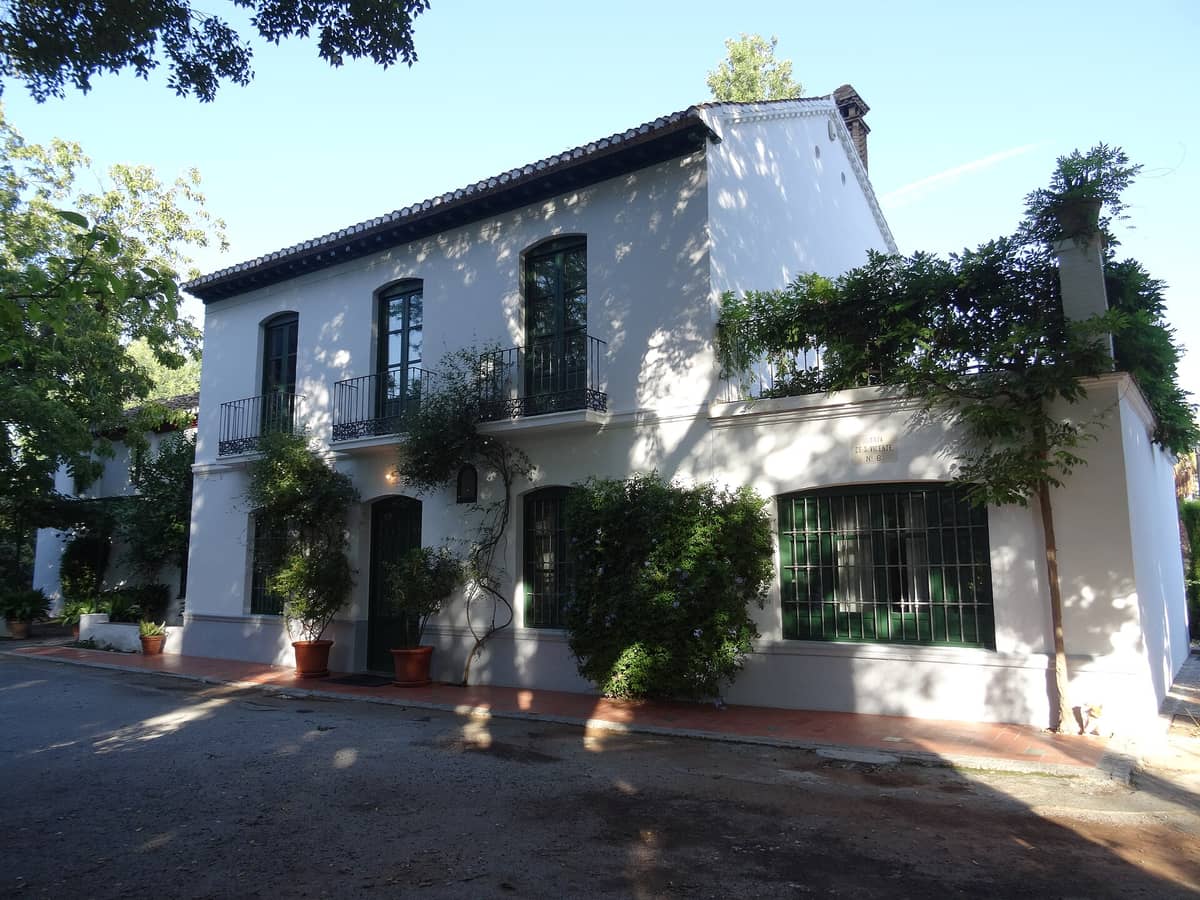
The Huerta de San Vicente is the preserved family home of Federico García Lorca, the Granada-born poet and playwright who is widely considered one of the defining literary voices of 20th-century Spain. The Lorca family used this whitewashed country house as their summer residence from 1926 onwards, and it was here that Federico wrote the Romancero Gitano, Bodas de Sangre, and Yerma, among other major works. Today it operates as a house-museum comparable in spirit to Manuel de Falla's nearby residence, though with a literary rather than musical focus.
The house stands inside Parque Federico García Lorca, a public green space in the Ronda neighbourhood that was formerly the orchard and farmland surrounding the property. What was once a rural huerta on the edge of the city is now an urban park, but the house itself has been carefully restored to reflect its appearance during the years Lorca lived and worked there. The furniture, manuscripts, photographs, and personal objects on display are the real draw.
ℹ️ Good to know
Opening hours vary significantly by season: roughly 10:00–16:30 in winter, and 09:00–14:30 in summer, with no afternoon session from June to mid-September. The museum is closed on Mondays. Always confirm current hours directly with the museum at +34 958 849 112 or via the official website before visiting.
The House: What You Actually See Inside
The interior is modest in scale, which is part of its appeal. This was not an aristocratic mansion but a comfortable middle-class summer home, and that ordinariness makes the connection to Lorca feel immediate rather than ceremonial. Rooms are laid out much as they were during the family's occupancy: a piano that Federico played sits in one room; a writing desk occupies another. The walls carry family photographs and reproductions of manuscripts. The smell of old wood and whitewashed plaster is constant throughout.
The guided tour, which is the standard way to visit, moves through the ground floor and takes roughly 45 minutes. The guide explains not just the objects but the context: the poet's relationship with Granada, his creative process, the political atmosphere of 1930s Spain. Non-Spanish visitors should check whether English-language tours are available on their intended visit date, as this can vary.
Upstairs access and the full layout of the house depend on any ongoing conservation work, so conditions may differ slightly from one visit to the next. The experience rewards anyone who arrives having read at least one of Lorca's works: the rooms make more sense when you can picture him sitting in them writing the Gypsy Ballads or rehearsing La Barraca theatre company scripts.
Tickets & tours
Live prices and dates from our booking partner. If you book, we may earn a commission at no extra cost to you.
Alhambra guided tour in Italian
From 49 €Instant confirmationFree cancellationAlhambra guided group tour with Nasrid Palaces and Generalife Palace
From 40 €Alhambra guided tour with Carlos V Palace, Generalife and Alcazaba
From 35 €Alhambra and Generalife skip-the-line private tour
From 65 €Instant confirmation
The Garden and the Park
Before or after the house tour, the surrounding Parque Federico García Lorca is worth at least twenty minutes of unhurried walking. The park is genuinely pleasant: rose beds, mature trees providing shade, and a general atmosphere of quiet that is unusual this close to the city centre. On weekday mornings it is largely empty. On weekend afternoons, local families use it heavily, which changes the mood entirely.
The garden immediately around the house retains some of the original planting character of a traditional Andalusian huerta, with fragrant flowers and shaded pathways. Photography is straightforward here. The park's central lawn provides a clear view of the house facade, a clean white building with green shutters that photographs well in the soft morning light. For more structured walks through Granada's green spaces and viewpoints, the Granada viewpoints guide covers several complementary destinations nearby.
Historical and Cultural Context
Federico García Lorca was born in 1898 in Fuente Vaqueros, a village outside Granada, but the city shaped him profoundly. He studied at the University of Granada, absorbed its Moorish heritage, its music, and its cante jondo traditions, and returned repeatedly throughout his life. The Huerta de San Vicente became his primary creative space in Granada during the late 1920s and early 1930s, a period of extraordinary artistic productivity.
Lorca was killed in August 1936, at the beginning of the Spanish Civil War. He was taken from Granada and shot by Nationalist forces; his body has never been definitively located. The house was occupied after the war and fell into disrepair. It was eventually restored and opened as a museum in 1995. Visiting it carries an emotional weight that goes beyond literary tourism: this is a place where both creative life and violent death intersect with the broader history of 20th-century Spain. For those interested in Granada's deeper cultural layers, the Granada Moorish heritage guide and the guide to Granada's lesser-known sites both provide useful background.
Best Time to Visit and How the Experience Changes
The museum draws a small but steady stream of visitors throughout the year, and crowd pressure is almost never a problem here the way it is at the Alhambra. The biggest practical consideration is seasonal hours: in summer (roughly June to mid-September) the museum operates only in the morning and closes by early afternoon, which means you need to plan accordingly. In summer heat, the shaded park and the cool interior of the house both feel genuinely refreshing.
Spring and autumn offer the most comfortable outdoor conditions: the garden is at its best in April and May, with roses in bloom and temperatures in the low-to-mid twenties. Winter visits are quieter still, and the afternoon opening hours during the colder months (roughly October to May) give more scheduling flexibility. Granada's climate and the best months to plan a visit are covered in detail in the best time to visit Granada guide.
💡 Local tip
Tuesday is the free admission day (non-holidays only). If you are in Granada on a Tuesday and have any interest in Lorca, this is the easiest cultural stop you can make. Combine it with a walk through Parque Federico García Lorca and the surrounding Arabial area before or after.
Practical Walkthrough: Getting There and What to Bring
The museum sits inside Parque Federico García Lorca in the Arabial area, southwest of the historic centre, and is accessed from Calle Virgen Blanca. It is walkable from much of the city centre; do not confuse it with the Realejo district, which lies closer to the Alhambra hill. The walk from the Cathedral area takes around 15 to 20 minutes on mostly flat terrain.
Several urban bus lines stop in the vicinity, though routes and stops are subject to change; check with Transportes Rober for current information. There is no reason to take a taxi for this particular visit unless you are coming from a distant neighbourhood or have mobility concerns.
Wear comfortable shoes: the park paths are paved and level, and the house interior involves no significant stairs for the main tour areas. Bring water in summer. The museum does not have an on-site café, so plan your visit around nearby options in the Arabial area or city centre.
⚠️ What to skip
This is a guided-tour-only museum, not a free-roaming exhibition. The standard visit lasts around 30–45 minutes, and if you arrive just before a tour departs, you may need to wait for the next slot. The pace of the tour is unhurried, but arriving at least 15 minutes before your intended start time is advisable, especially during peak tourist months.
Who Will Enjoy This, and Who Might Not
The Huerta de San Vicente is a rewarding stop for anyone with genuine curiosity about Spanish literature, the 1930s cultural scene, or the personal circumstances of Lorca's life and death. You do not need to be a scholar, but some prior familiarity with the poet, even just having read one poem or seen one of his plays, transforms the visit from an ordinary house tour into something considerably more resonant.
Travellers who approach the visit cold, with no prior context, may find it pleasant but not especially compelling. The exhibition is modest in scale and does not have the theatrical or interactive presentation of larger literary museums. Children under about ten years old are unlikely to find it engaging unless they are particularly curious or already have family context for who Lorca was. Those primarily interested in Granada's Moorish and Islamic heritage will find this less directly relevant than the Albaicin or the Alhambra, though the two categories of interest are not mutually exclusive.
Insider Tips
- Pick up a copy of Lorca's Romancero Gitano (Gypsy Ballads) before visiting. Even reading two or three poems beforehand changes what you see in the rooms where they were written.
- The park itself is free to enter at any time during daylight hours. If the museum is closed or full, a walk through the garden around the house exterior still gives you a sense of the property's scale and character.
- Tuesday free admission is well known among locals but under-publicised to tourists. The trade-off is that locals tend to visit more on Tuesdays, so it may be marginally busier than a paid weekday visit.
- Morning visits in summer are non-negotiable since the museum closes by early afternoon. Arrive close to opening time (9:00 in summer) to get the first or second tour slot and avoid any wait.
- If you are combining this with a broader literary or cultural itinerary, the house sits in the Arabial area beside Parque Federico García Lorca, southwest of the historic centre — not in the Realejo. A walk through the park before or after the museum visit is the natural pairing.
Who Is Huerta de San Vicente (Casa-Museo Federico García Lorca) For?
- Literature and poetry enthusiasts, especially those with interest in 20th-century Spanish writers
- History travellers interested in the Spanish Civil War and its cultural dimensions
- Visitors looking for a quiet, affordable, and genuinely moving cultural experience away from the major monument crowds
- Couples or solo travellers who want an unhurried afternoon or morning visit in a calm green space
- Anyone completing a broader cultural tour of Granada that already includes the Alhambra and cathedral
Nearby Attractions
Other things to see while in Realejo:
- Campo del Príncipe
Campo del Príncipe is the beating social heart of Granada's Realejo neighbourhood, a wide, flat plaza ringed by tapas bars and shaded terraces where locals outnumber tourists. Free to enter at any hour, it shifts from a quiet morning coffee spot to a lively evening gathering place, with a Sunday flea market rounding out its weekly rhythm.
Planning a trip? Discover personalized activities with the Nomado app.