Luxury Granada: Best Hotels, Experiences & Fine Dining
Granada rewards those who plan carefully and spend wisely. This guide covers the finest hotels near the Alhambra, the best Michelin-recognized restaurants in the city, private cultural experiences, and the practical logistics that separate a smooth luxury trip from an expensive disappointment.
Tickets & tours
Live prices and dates from our booking partner. If you book, we may earn a commission at no extra cost to you.
TL;DR
- Book Alhambra tickets at tickets.alhambra-patronato.es up to 90 days in advance — the Nasrid Palaces slot sells out weeks ahead in spring and autumn.
- The Hotel Alhambra Palace is the most iconic upscale property, but the Parador de Granada — inside the Alhambra grounds — offers an experience that no other hotel in the city can match. See our full neighborhood-by-neighborhood hotel guide for more options.
- Granada has 11–12 Michelin-listed restaurants; book weekend tables at Faralá and similar venues at least two to three weeks in advance.
- Spring (April–May) and autumn (September–October) are the best seasons for luxury visits: daytime highs around 22–27°C, fewer sold-out windows, and easier Alhambra ticket availability compared with peak summer.
- Tip in restaurants and taxis at your discretion — service charges are generally included and tipping is not obligatory in Spain.
Why Granada Works for a Luxury Trip
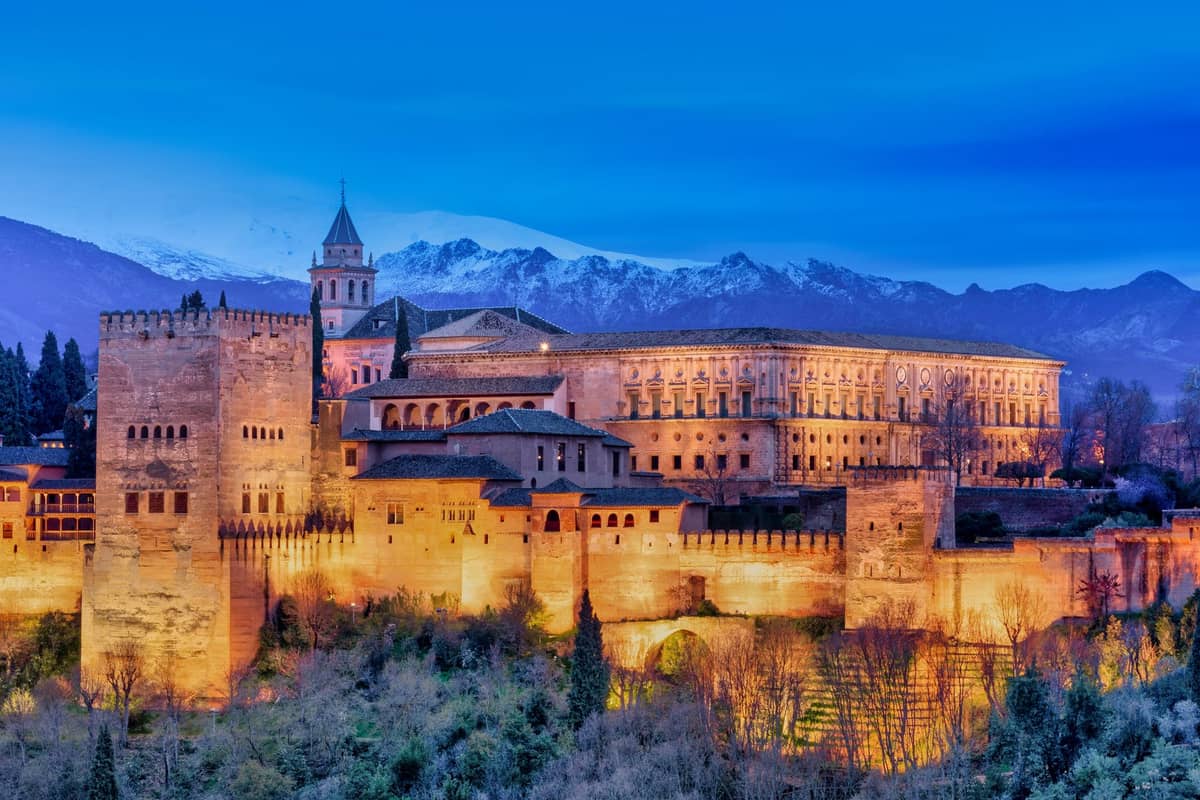
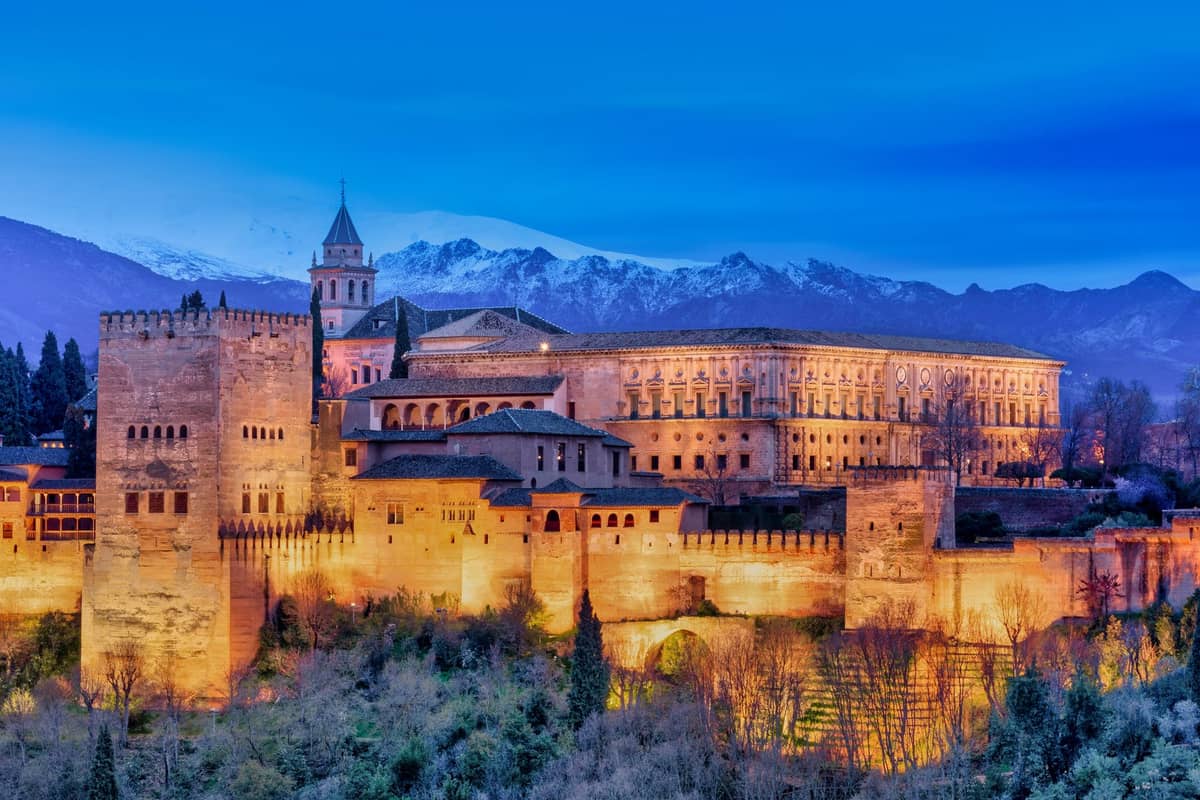
Granada sits at around 738 metres above sea level in Andalusia, Spain, with the Sierra Nevada rising to the south and the Alhambra fortress-palace dominating the eastern skyline. Its population of roughly 233,000 keeps it compact enough to walk between major sites, yet large enough to sustain genuinely sophisticated hotels and restaurants. That combination — monument-city scale with proper infrastructure — is what makes Granada Spain worth the attention of travellers who want more than a beach resort.
The Alhambra is the centrepiece, and honestly, every luxury itinerary here should be built around it. The Nasrid Palaces inside the complex are considered the finest surviving example of Moorish palatial architecture in Europe. When you add the Generalife gardens, the Alcazaba fortress, and the Palace of Charles V, you are looking at a half-day minimum and a full day if you want to absorb it without rushing.
⚠️ What to skip
The single most common mistake luxury travellers make in Granada: arriving without Alhambra tickets. The Nasrid Palaces operate on timed entry and capacity is capped daily. During spring (April–May) and the main autumn window (September–October), slots sell out 3–6 weeks in advance. Book at tickets.alhambra-patronato.es before you book your hotel, and verify current prices and hours on the official site before publishing or travelling.
Where to Stay: Luxury Hotels in Granada
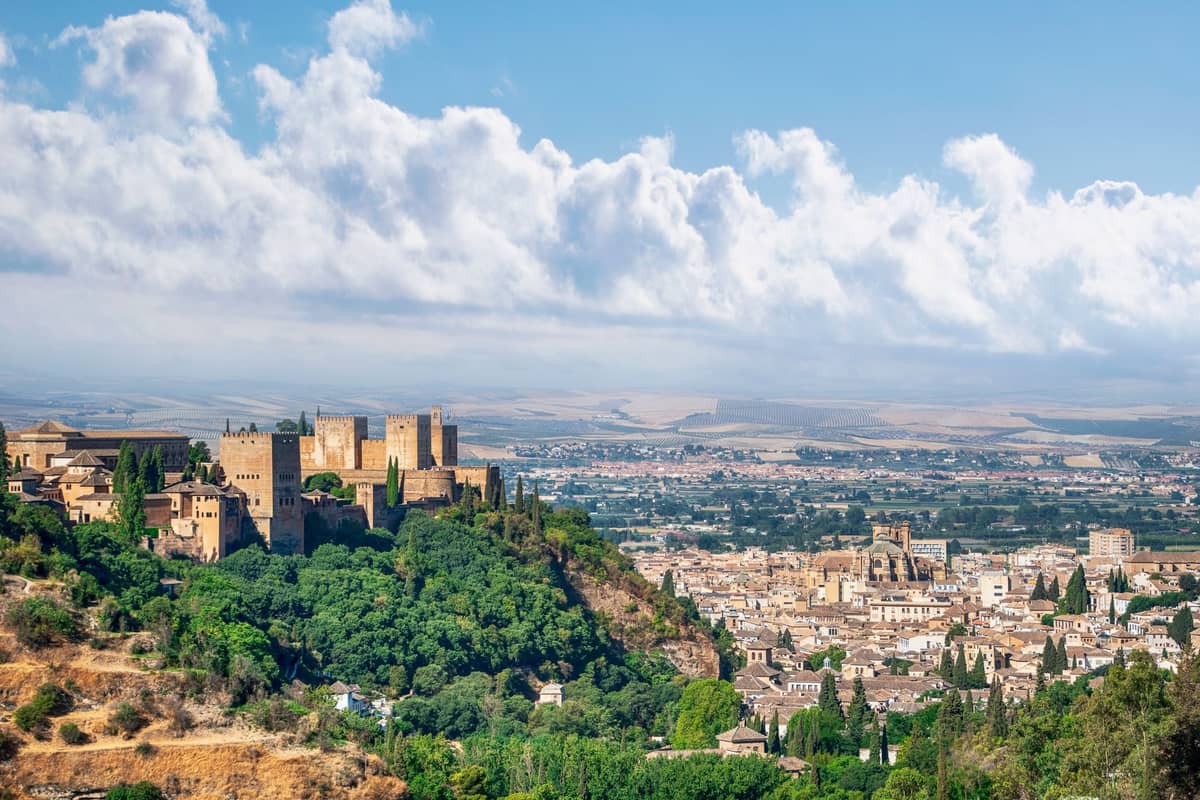
Granada's high-end accommodation market is small but distinctive. You are choosing between staying inside or directly adjacent to the Alhambra grounds, settling in the historic Albaicín quarter, or opting for a central city base with easy access to everything. Each option involves a trade-off.
- Parador de Granada The only hotel inside the Alhambra perimeter, occupying a converted 15th-century convent within the monument grounds. After day visitors leave, guests have near-silence and extraordinary views. Rooms and rates vary significantly by season — book early. This is the top pick for anyone who wants the full immersive experience of sleeping within a UNESCO World Heritage site.
- Hotel Alhambra Palace A landmark neo-Moorish property dating from 1910, positioned on the Alhambra hill with panoramic views over the city and the Vega plain. It is five minutes on foot from the Alhambra entrance, has a proper spa, and its terrace bar at sunset is one of the better vantage points in the city. A solid choice for those who want a grand hotel feel without the premium of being inside the monument itself.
- Boutique hotels in the Albaicín The Albaicín quarter — a UNESCO-listed historic neighbourhood with medieval street layout and Moorish-era heritage — has a small number of boutique carmenes (traditional walled houses with gardens). These offer intimacy, rooftop terraces with Alhambra views, and a genuinely local experience. The trade-off: narrow lanes mean no car access to the door, and the walk from central restaurants or nightlife is steep.
- Central / Realejo district hotels The former Jewish quarter (Realejo) and the area around the cathedral and Gran Vía offer 4- and 5-star properties with easier logistics for restaurant-hopping and evening plans. You lose the Alhambra-adjacent magic, but gain flat streets and proximity to the city's better dining addresses.
✨ Pro tip
If your budget allows only one splurge, spend it on a night at the Parador de Granada rather than on a room upgrade elsewhere. The experience of the Alhambra grounds at dusk and dawn, without tour groups, is genuinely irreplaceable. Book the Parador and your Alhambra tickets on the same day — both require advance planning and the two should align.
For a deeper breakdown of neighbourhoods and what each area actually feels like to stay in, including the Albaicín and Realejo, the Granada accommodation guide covers pricing tiers, logistics, and what type of traveller each area suits.
Fine Dining and Michelin-Recognized Restaurants
Granada's fine dining scene is concentrated rather than sprawling. The Michelin Guide currently lists around 11–12 restaurants in Granada and its immediate surroundings — enough for a well-fed 3–4 night stay, but not so many that choosing is overwhelming. The city's culinary identity sits at the intersection of Moorish-influenced spicing, Andalusian seafood brought up from the coast, and a local produce culture anchored by the Vega de Granada agricultural plain.
Faralá holds a Michelin star and is among the most reservation-intensive restaurants in the city. Tables for weekend dinners fill two to three weeks in advance; for Friday or Saturday evenings in April, May, or October, booking a month ahead is safer. The restaurant focuses on creative Andalusian cooking with rigorous technique — it is not a tourist-facing tapas experience, and that is the point.
- Book Michelin-listed restaurants the moment you confirm your travel dates — do not leave it until you arrive.
- Lunch service (la comida, typically 14:00–16:00) is often easier to book than dinner and frequently offers better-value tasting menus.
- Several top addresses are in the Albaicín or just below the Alhambra hill — factor in the uphill walk or a taxi if you are dining in the evening.
- Granada's free tapas culture (order a drink, receive a tapa) does not apply at fine dining establishments; it is a feature of casual bars and mid-range restaurants.
- Tipping is discretionary. Rounding up or leaving 5–10% for excellent service is appreciated but not expected in the way it is in the US or UK.
If you want to understand the full food landscape before committing to reservations, the Granada food guide covers local dishes, market recommendations, and where the city's best neighbourhood restaurants are hiding — useful context even for luxury travellers who want to balance one Michelin dinner with a genuinely local lunch.
Premium Cultural Experiences Beyond the Alhambra
The Alhambra dominates any Granada itinerary, but the city has enough cultural depth to fill three or four days without repetition. For a luxury framing, the goal is access and timing: private guided tours, early-morning or night visits, and experiences that the general crowd misses.
Night visits to the Alhambra operate separately from daytime access and are ticketed differently. The night visit to the Nasrid Palaces (verify the current official price at tickets.alhambra-patronato.es) transforms the space: candlelit corridors, smaller groups, and a completely different atmospheric register. The night visit to the Generalife gardens (€8.48 separately — verify on the official site) is worth considering if you are visiting in summer when the gardens are in full form. Both require advance booking through the official Patronato site.
Flamenco in Granada has a specific tradition rooted in the cave venues of Sacromonte. A performance at one of the established Sacromonte flamenco caves — particularly with a small group or private booking — is a very different experience from watching a show in a dedicated theatre. The setting, with cave walls and no stage, creates an immediacy that larger venues can't replicate. Private tours of Sacromonte with a cultural guide who can explain the Roma heritage and musical history add genuine context.
- Private Alhambra guided tour A licensed guide hired privately (separate from the entrance ticket) can significantly deepen your visit to the Nasrid Palaces, explaining the Arabic inscriptions, garden hydraulics, and architectural symbolism that most self-guided visitors walk past. Several accredited guide associations operate in Granada — book through your hotel concierge or a reputable tour operator.
- Hammam experience Granada has Arab bath (hammam) facilities that trace their concept back to the city's Moorish period. A private session at one of the upmarket hammam operators — with oil massage and reserved pool time — is well suited to a rest day between heavy sightseeing. The Bañuelo, the surviving 11th-century Arab bath near the Albaicín, is worth seeing even if you don't use it.
- Sierra Nevada day or overnight The Sierra Nevada ski resort is around 30 km from Granada city centre. In winter (roughly December to April, snow permitting), it offers the unusual possibility of skiing in the morning and visiting Moorish monuments in the afternoon. In summer, the high-altitude plateau above 2,500 metres provides dramatic hiking with views to the Mediterranean on clear days.
ℹ️ Good to know
The Generalife daytime gardens are included in the General Day ticket (€22.27) and in the Gardens / Generalife / Alcazaba ticket (€12.73). Night gardens tickets are €8.48. Night visits to the Nasrid Palaces and night visits to the Generalife are sold as separate products with separate booking windows. If you want both the daytime complex and a night visit, you need two separate reservations. Verify current pricing and availability at tickets.alhambra-patronato.es before booking.
Seasonal Timing and When to Book
Granada has a Mediterranean climate with significant continental influence at altitude. Summers are hot and dry, with July and August regularly exceeding 35°C during the day. Winters are cool, with January average highs around 14°C and night-time temperatures close to freezing. The Alhambra hill adds wind in winter. None of this is insurmountable, but it shapes how you plan.
Spring (April–May) and autumn (September–October) are the optimal windows for luxury visits. Daytime temperatures sit between 22°C and 27°C, evenings are pleasant, the light is exceptional for the Alhambra's tile work and gardens, and outdoor dining is comfortable. These are also the busiest windows, so Alhambra tickets and restaurant bookings require the most lead time.
Winter visits, particularly November through February, offer shorter booking lead times for both the Alhambra and restaurants, lower hotel rates, and a much quieter city. The Alhambra in winter light has its own quality. The trade-off is cold evenings and a narrower window of comfortable outdoor time. December in Granada specifically works well for the Christmas atmosphere in the historic centre, and the Sierra Nevada season often begins by mid-December. See also the best time to visit Granada for a month-by-month breakdown.
💡 Local tip
If you are planning around a specific Alhambra night visit, note that night visit slots are far fewer than daytime slots and can sell out even further in advance than the daytime general admission. Check the Patronato site as soon as your travel dates are confirmed, and if the night you want is already sold out, adjust your hotel dates before finalising the rest of the trip.
Getting There and Getting Around Comfortably

Granada is served by Federico García Lorca Granada-Jaén Airport (IATA: GRX), located around 15–18 km from the city centre in the municipality of Chauchina. Flight connections are improving but remain limited compared with Malaga or Seville; many travellers fly into Malaga and take the direct bus or rent a car. The Malaga to Granada journey by bus takes approximately 2 hours and connects at the Granada bus station.
From GRX airport, a regular bus connects to central Granada at a fixed fare (verify current timetables and fares at AENA or the operator's site before travelling). Taxis operate from a regulated stand with fixed or metered fares. Uber and Cabify operate in Granada, subject to Spanish VTC regulations — check the apps at time of travel. For full transport options including the RENFE train connections and the Metro de Granada light rail, see the getting to Granada guide and the getting around Granada guide.
Within the city, the practical reality of luxury travel in Granada is that several key sites require walking on steep, uneven cobblestone streets — particularly the Albaicín and the Alhambra hill. If mobility is a concern, factor this into hotel choice: staying on the Alhambra hill or taking taxis to the Albaicín entrance is more practical than staying in the centre and walking up. Granada's historic lanes were not built for rolling luggage or high heels, and no amount of budget changes that.
FAQ
How far in advance do I need to book Alhambra tickets for a luxury visit?
During peak season (April–May and September–October), book 4–6 weeks in advance to be safe — the Nasrid Palaces timed entry slots are the first to sell out. Night visit slots go even faster. In winter (November–February), 1–2 weeks is often sufficient, but there is no reason to wait. Book at tickets.alhambra-patronato.es, which opens sales 90 days ahead. Never pay a premium resale price — if the official site is sold out, adjust your dates.
What is the best luxury hotel in Granada?
The Parador de Granada — inside the Alhambra grounds — offers an experience no other Granada hotel can match: you are sleeping within a UNESCO World Heritage site, in a converted 15th-century convent, after day visitors have left. For those who want a grand hotel feel with a central location and Alhambra views, the Hotel Alhambra Palace on the hill is the next best option. Boutique carmenes in the Albaicín suit travellers who prioritise intimacy and rooftop views over full-service hotel amenities.
How many Michelin-starred restaurants does Granada have?
The Michelin Guide lists around 11–12 restaurants in Granada and its immediate surroundings (including Bib Gourmand and Michelin-starred entries). The number changes with each annual guide release, so check the current Michelin site for the most accurate count. Faralá is among the most prominent starred addresses. Book well in advance, especially for weekend evenings.
Is Granada expensive compared with other Spanish cities?
At the luxury end, Granada's top hotels and restaurants are priced comparably with Seville or Cordoba rather than Madrid or Barcelona. The unique factor is the Alhambra: the Parador commands a premium for its location that is not purely about room quality. One genuine advantage of Granada over other Andalusian cities is the free tapas culture at casual bars — even on a luxury trip, you can eat very well at lunch for very little, which creates useful budget flexibility for where you splurge at dinner.
Can I combine a luxury Granada trip with a Sierra Nevada ski trip?
Yes, and it is one of Granada's genuinely distinctive selling points. The Sierra Nevada ski resort is around 30–32 km from the city, with ski season typically running from approximately December to April depending on snowfall. Several tour operators offer private transfers. The combination of skiing in the morning and visiting Moorish monuments in the afternoon is unusual in Europe and works logistically if you are based in Granada for 3–4 nights. See the Sierra Nevada skiing guide for season dates, piste information, and transfer options.
Tickets & tours
Live prices and dates from our booking partner. If you book, we may earn a commission at no extra cost to you.
Planning a trip? Discover personalized activities with the Nomado app.