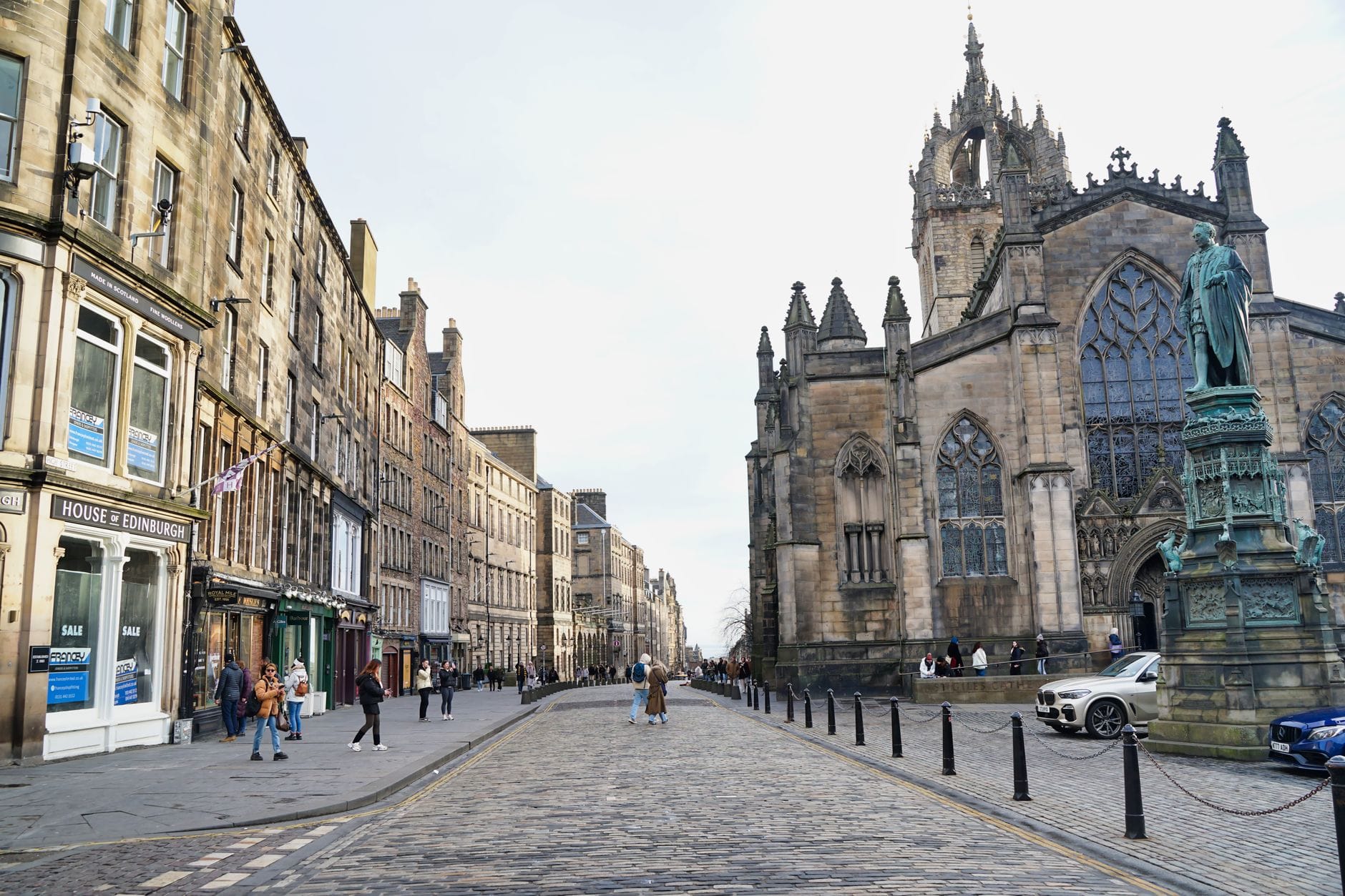
The Old Town is Edinburgh's medieval heart, running along a volcanic ridge from Edinburgh Castle down to the Palace of Holyroodhouse. Packed with Category A listed buildings, narrow closes, and centuries of layered history, it is part of the combined Old and New Towns UNESCO World Heritage Site and remains the cultural and geographic center of the Scottish capital.
Edinburgh's Old Town is one of Europe's most intact historic urban landscapes, a district where the street plan still strongly reflects its medieval origins and the architecture rises in dramatic layers above a network of underground vaults. From the esplanade of Edinburgh Castle to the gates of Holyrood Palace, every block along the Royal Mile carries the weight of Scottish history.
Orientation: Where the Old Town Sits
The Old Town occupies a long volcanic ridge running roughly east to west through the centre of Edinburgh. Castle Rock anchors the western end, rising sharply above the surrounding landscape. From there, the ridge slopes steadily downhill for about a mile toward Holyrood Park and the grounds of the Palace of Holyroodhouse, giving the district its defining geography: a single dramatic spine with everything else falling away on either side.
The backbone of the Old Town is the Royal Mile, which is not one street but four main consecutive sections: Castlehill, Lawnmarket, High Street, and Canongate, with Abbey Strand forming a short continuation at the lower end. To the north, the land drops steeply to Princes Street Gardens and Edinburgh Waverley station. To the south, it falls into the Cowgate valley before rising again toward the Southside and Southside and Newington. The Grassmarket sits in a hollow below the Castle's southern flank, connected to the Royal Mile by a series of steep closes and the Victoria Street curve.
The Old Town conservation area boundary runs broadly from Edinburgh Castle and Princes Street Gardens in the north and west, around to Calton Hill and Calton Road in the east, with the Cowgate marking the southern edge. The Canongate district, which sits at the lower, eastern end of the Royal Mile, has its own distinct character and is sometimes treated as a separate area, though it remains firmly part of the Old Town's historic fabric.
The Old Town connects directly to the New Town via the North Bridge and the Waverley steps, and to the Holyrood area via the lower end of the Royal Mile. The contrast between the two UNESCO-listed districts is immediate and architectural: the Old Town is organic, compressed, and vertical; the New Town is gridded, airy, and horizontal.
Character and Atmosphere
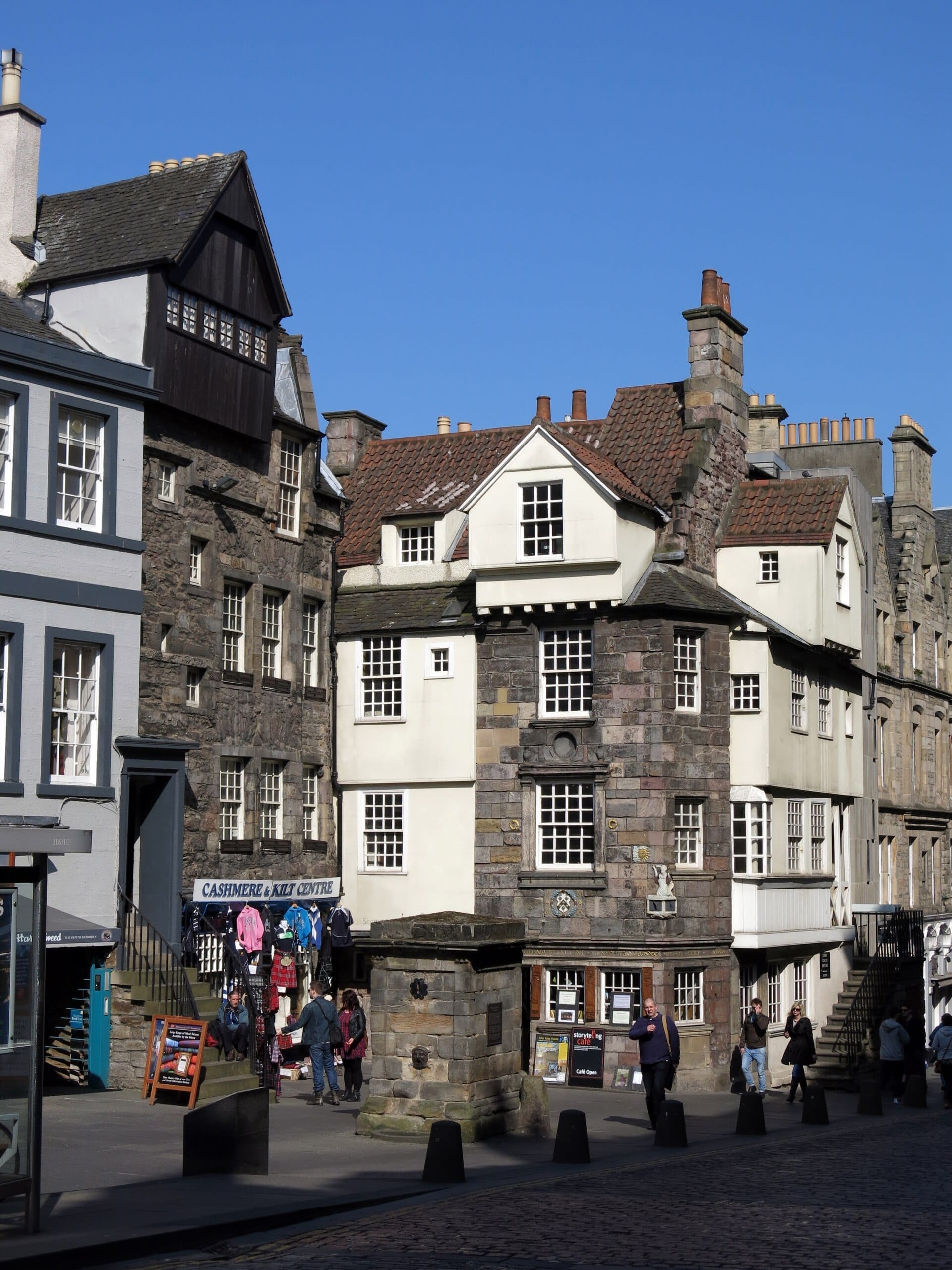
The Old Town operates on a different rhythm from the rest of Edinburgh. The upper Royal Mile, from the Castle Esplanade down to St Giles' Cathedral, is heavily visited throughout the day and can feel overwhelmingly touristic between 10am and 5pm in summer. Souvenir shops occupy many of the ground-floor units along Lawnmarket and the upper High Street, and tour groups cluster around the major entrances. If that's the full picture you have in mind, it's worth knowing that the Old Town is also much more than this strip.
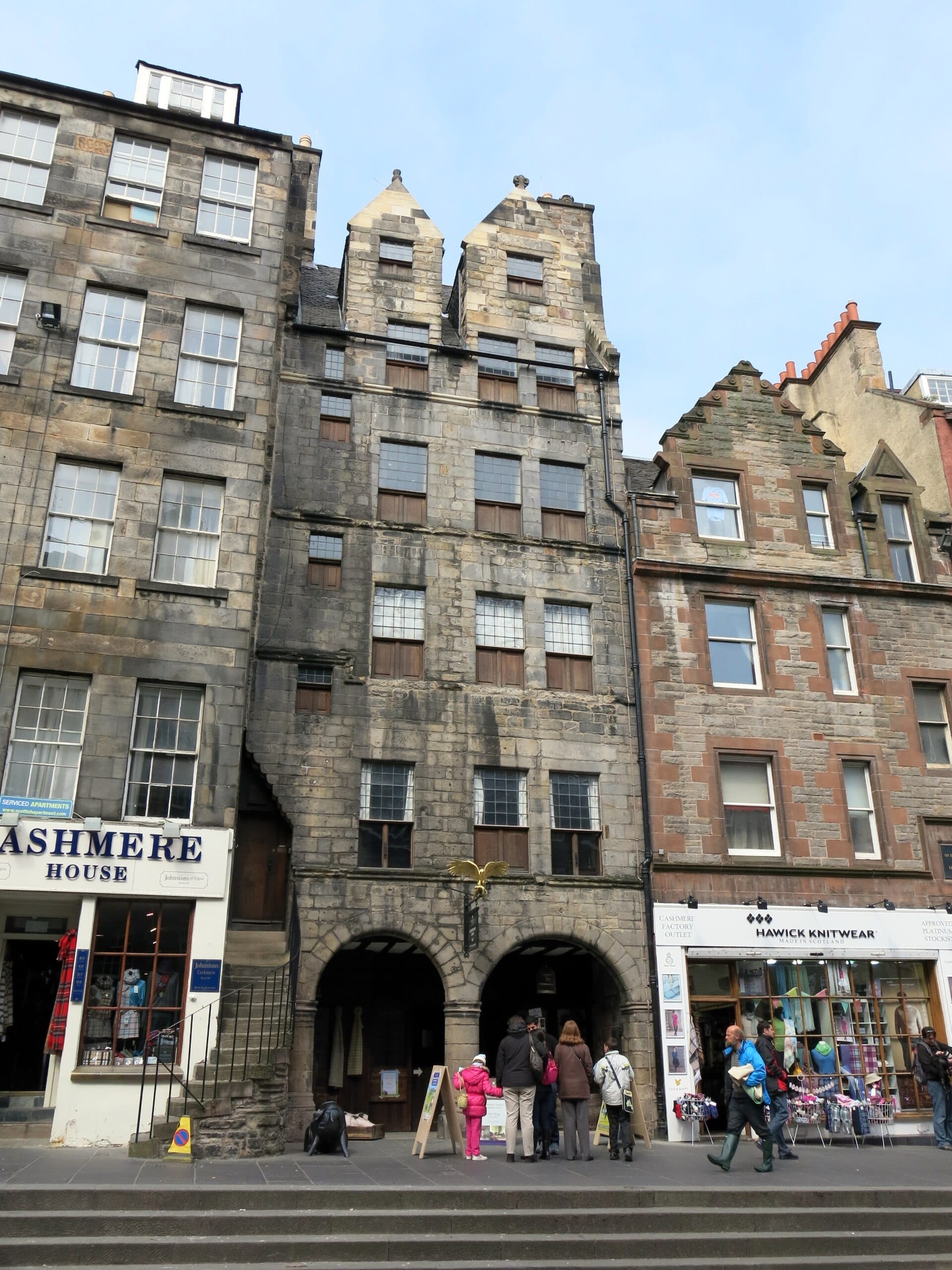
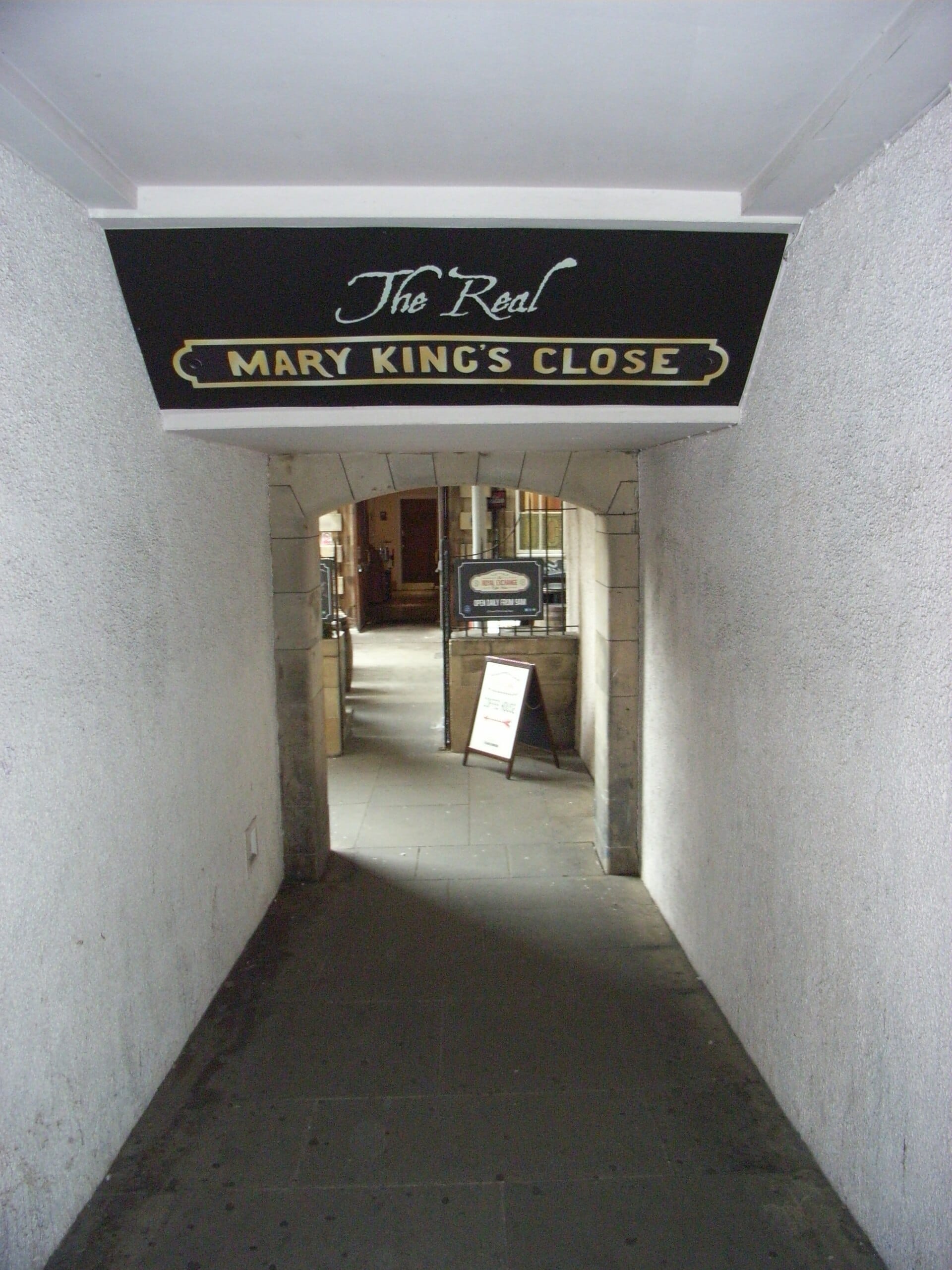
Step into any of the closes that slot between the buildings along the Royal Mile and the atmosphere shifts immediately. Closes like Anchor Close, Brodie's Close, or Mary King's Close run at right angles to the main street, often plunging sharply downhill and opening into courtyards that feel completely removed from the crowds a few steps away. The tenements here rise five, six, sometimes seven storeys, blocking the light and creating deep shadows even at midday. The stonework is dark grey sandstone, darkened further over the centuries by rain and soot.
Morning is the best time to get a sense of what the Old Town is actually like to inhabit. Before 9am, the Royal Mile belongs mostly to residents, delivery vans, and the occasional jogger. The light comes in low from the east, catching the uneven cobblestones of the Canongate and the upper floors of the tenements in a soft, horizontal glow. The smell is coffee and bread from the cafes opening on Victoria Street. By late afternoon, especially in summer, the streets are at full capacity.
After dark, the Old Town splits into two very different scenes. The Grassmarket and Cowgate are Edinburgh's primary nightlife corridors, with bars ranging from traditional Scottish pubs to student-heavy clubs. This part of the Old Town is loud on weekend nights, and the Cowgate in particular runs narrow and dark. It's not dangerous in any absolute sense, but it's worth being aware if you're booking accommodation nearby and expecting quiet evenings.
💡 Local tip
For a quieter experience of the Old Town, walk down through the closes from the Royal Mile toward the Cowgate in the morning, or explore the Canongate end of the Royal Mile, which stays calmer than the upper sections even during peak tourist season.
What to See and Do
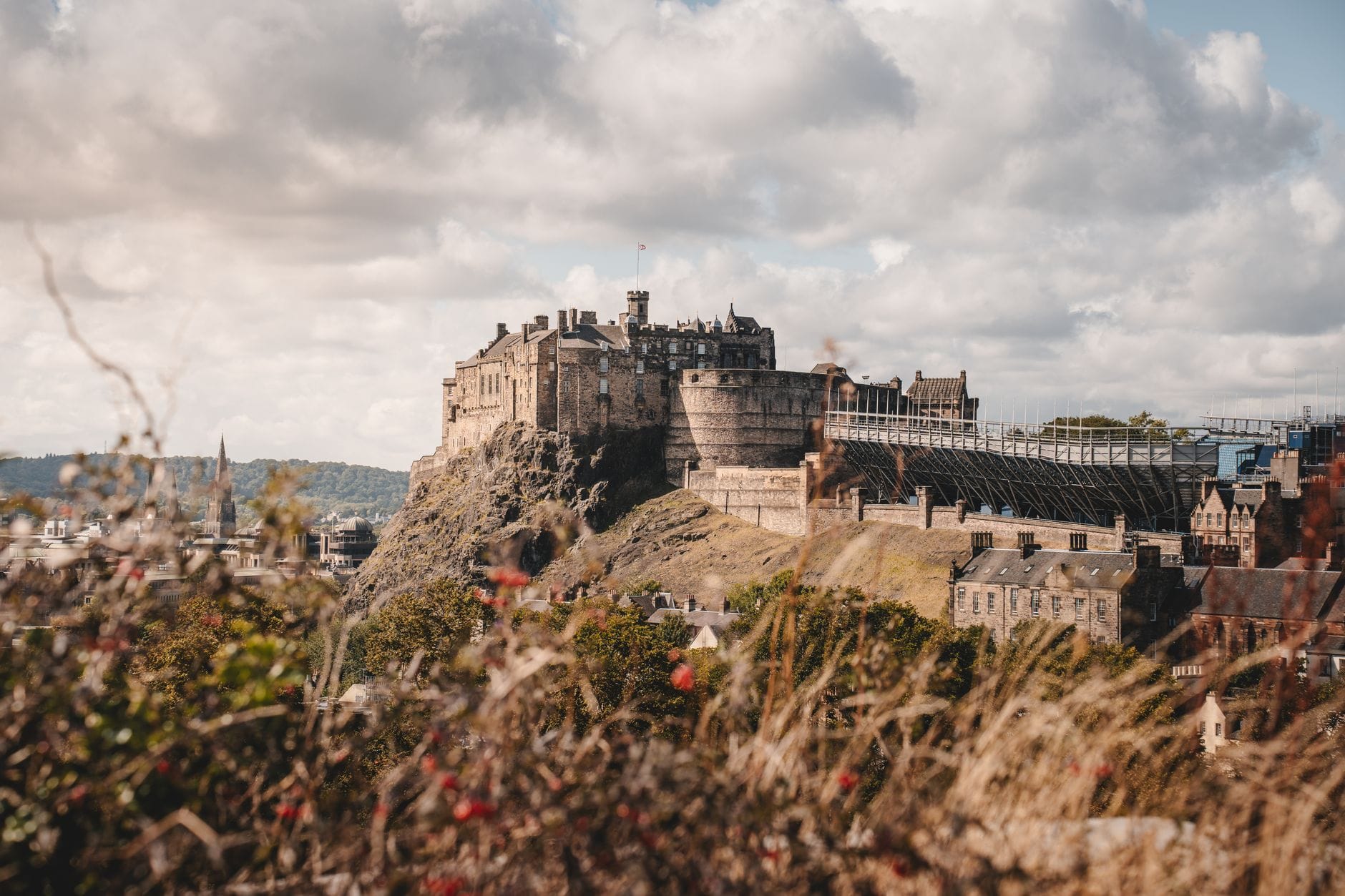
The obvious starting point is Edinburgh Castle, which dominates the skyline from almost every angle in the city. The castle grounds contain the Scottish Crown Jewels, the Stone of Destiny, and the National War Museum of Scotland. Queues can be long in summer and entry is not cheap, so booking in advance is strongly recommended. The views from the Esplanade and the castle walls are among the best in the city, looking north across the New Town and south toward the Pentland Hills.
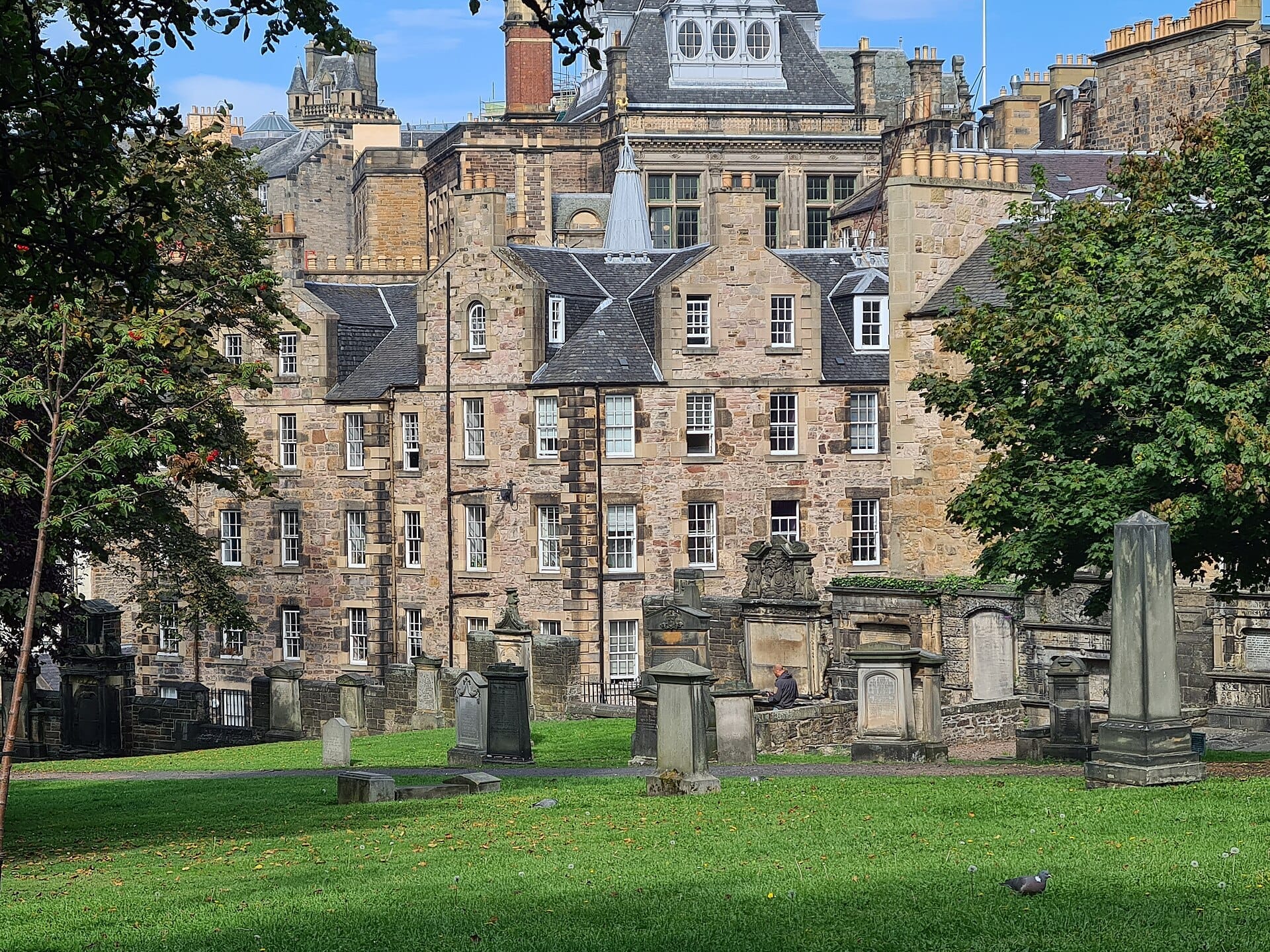
Partway down the Royal Mile, St Giles' Cathedral is one of Edinburgh's most significant medieval buildings, with sections dating back to the 14th century. Entry is free and the interior is worth serious time, particularly the Thistle Chapel, which is an extraordinary piece of Gothic Revival craftsmanship tucked into the south-east corner. Just off Candlemaker Row / George IV Bridge, a short walk from the Royal Mile, Greyfriars Kirkyard is one of Edinburgh's most atmospheric spaces, the churchyard that inspired many of the names in the Harry Potter series and contains some of the most elaborate funerary monuments in Scotland.
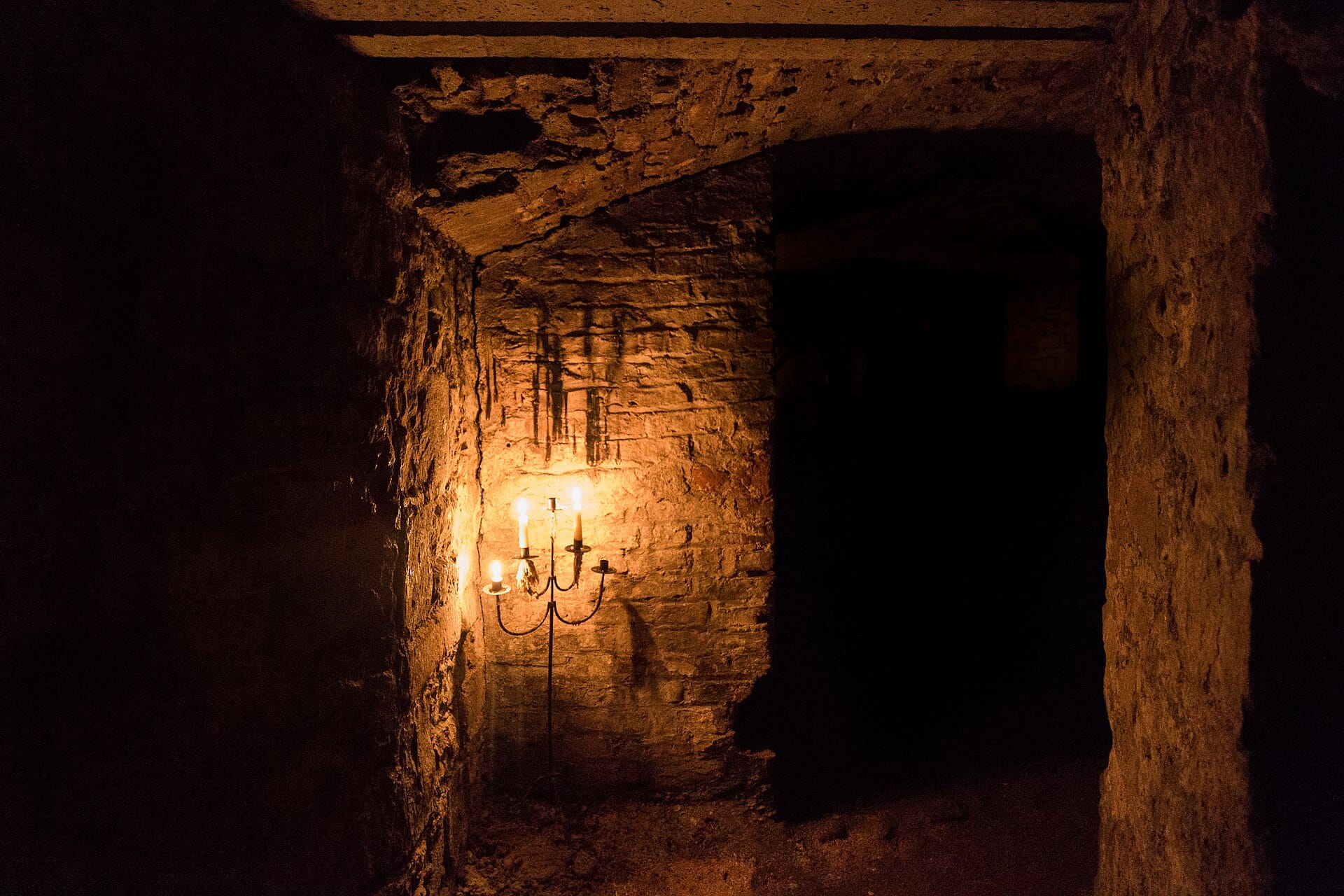
For history beneath the surface, The Real Mary King's Close offers guided tours through buried street-level buildings sealed beneath the Royal Mile since the 17th century. It's one of the more genuinely interesting underground attractions in the city, mixing solid historical content with atmospheric storytelling. Similarly, the Edinburgh Vaults beneath the South Bridge offer another layer of the city's subterranean history, accessible through various tour operators.
At the foot of the Royal Mile, the Palace of Holyroodhouse is the official Scottish residence of the monarch and contains some genuinely impressive state apartments and historic rooms, including those associated with Mary Queen of Scots. Adjacent to the palace, Dynamic Earth is a science attraction covering the geological history of the planet, well suited to families. From the Holyrood end of the Royal Mile, the Scottish Parliament building, completed in 2004 to a design by Enric Miralles, is architecturally striking and offers free tours when parliament is in recess.
Edinburgh Castle: the city's defining landmark, with the Crown Jewels and panoramic views
St Giles' Cathedral: free entry, outstanding medieval and Victorian interior
Greyfriars Kirkyard: historic churchyard with elaborate monuments and strong atmospheric pull
The Real Mary King's Close: underground guided tours through sealed 17th-century streets
Palace of Holyroodhouse: the official royal residence at the foot of the Royal Mile
Scottish Parliament: architecturally bold, with free public access and guided tours
Victoria Street: curved, brightly painted street connecting the Grassmarket to the Lawnmarket
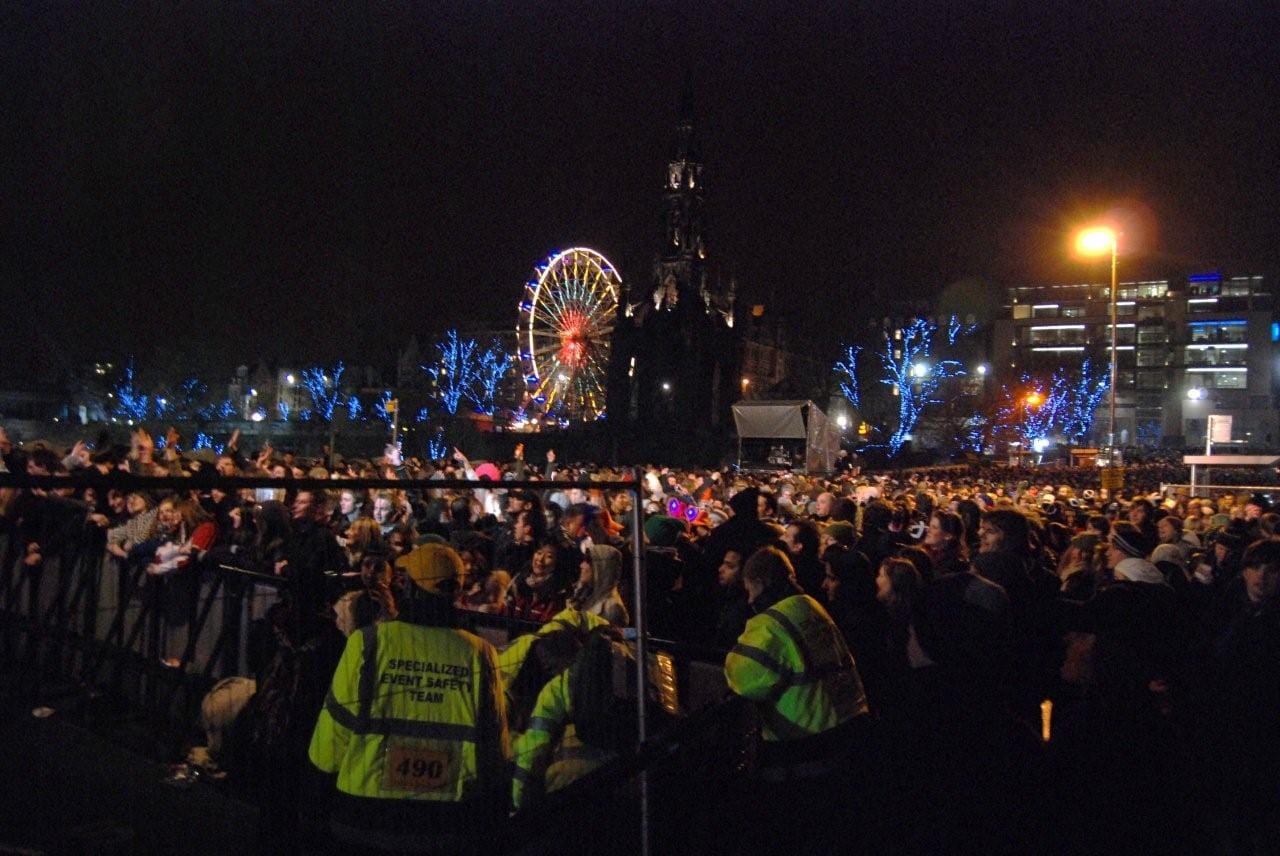
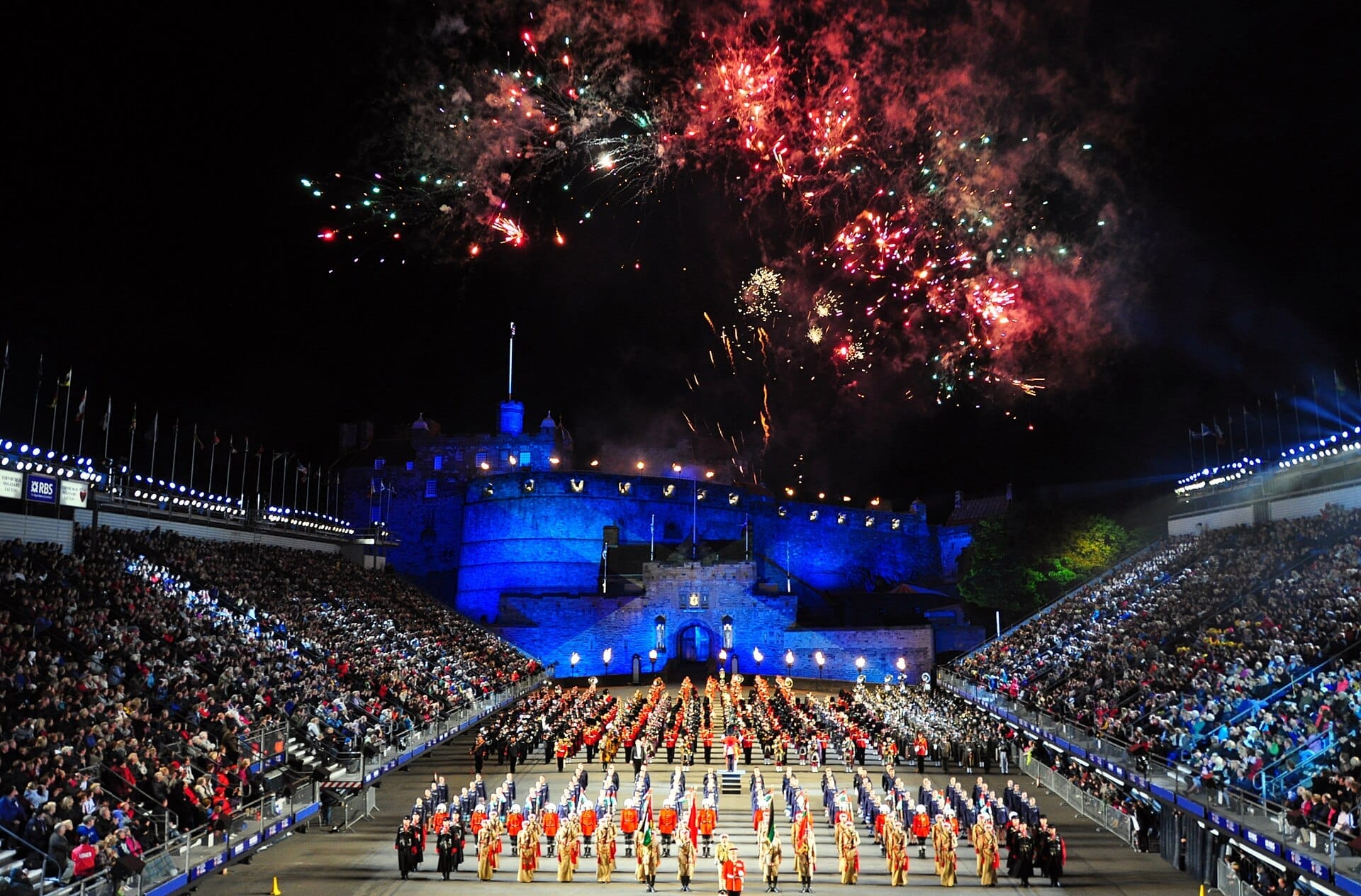
The Old Town is also where Edinburgh's biggest annual events take place. The Royal Edinburgh Military Tattoo is performed on the Castle Esplanade every August, and the Edinburgh Festival Fringe uses venues across the Old Town and beyond, transforming the neighbourhood for the entire month.
Eating and Drinking
The Old Town's food scene is divided fairly clearly between the heavily touristic Royal Mile strip and the more interesting options that sit just off it. Along the main road, particularly from Castlehill to the upper High Street, the restaurants lean heavily on Scottish cliché, tartan branding, and tourist pricing. You can eat well here, but you have to be more selective.
Victoria Street and the Grassmarket offer a noticeably better range. The curved Victorian shopfronts of Victoria Street house independent cafes, wine bars, and restaurants that attract a local clientele alongside visitors. The Grassmarket square itself is lined with pubs and restaurants in converted historic buildings, and tends to be livelier and more enjoyable than the upper Royal Mile's dining options. Cowgate adds another layer after dark, with bars that stay open late and a distinctly younger, student-heavy crowd.
The Old Town is not Edinburgh's strongest neighbourhood for serious food, at least not relative to Leith or Stockbridge. But it does have genuine strengths: good whisky bars with serious selections, a number of traditional Scottish pubs where the food is honest and the atmosphere unaffected, and a growing number of independent cafes tucked into closes and side streets that reward exploration.
⚠️ What to skip
Many restaurants immediately adjacent to Edinburgh Castle and the top of the Royal Mile charge premium prices for average food. Walk at least to the High Street section or down toward Canongate before settling on somewhere to eat. The further east you go along the Royal Mile, the less tourist-inflated the pricing tends to be.
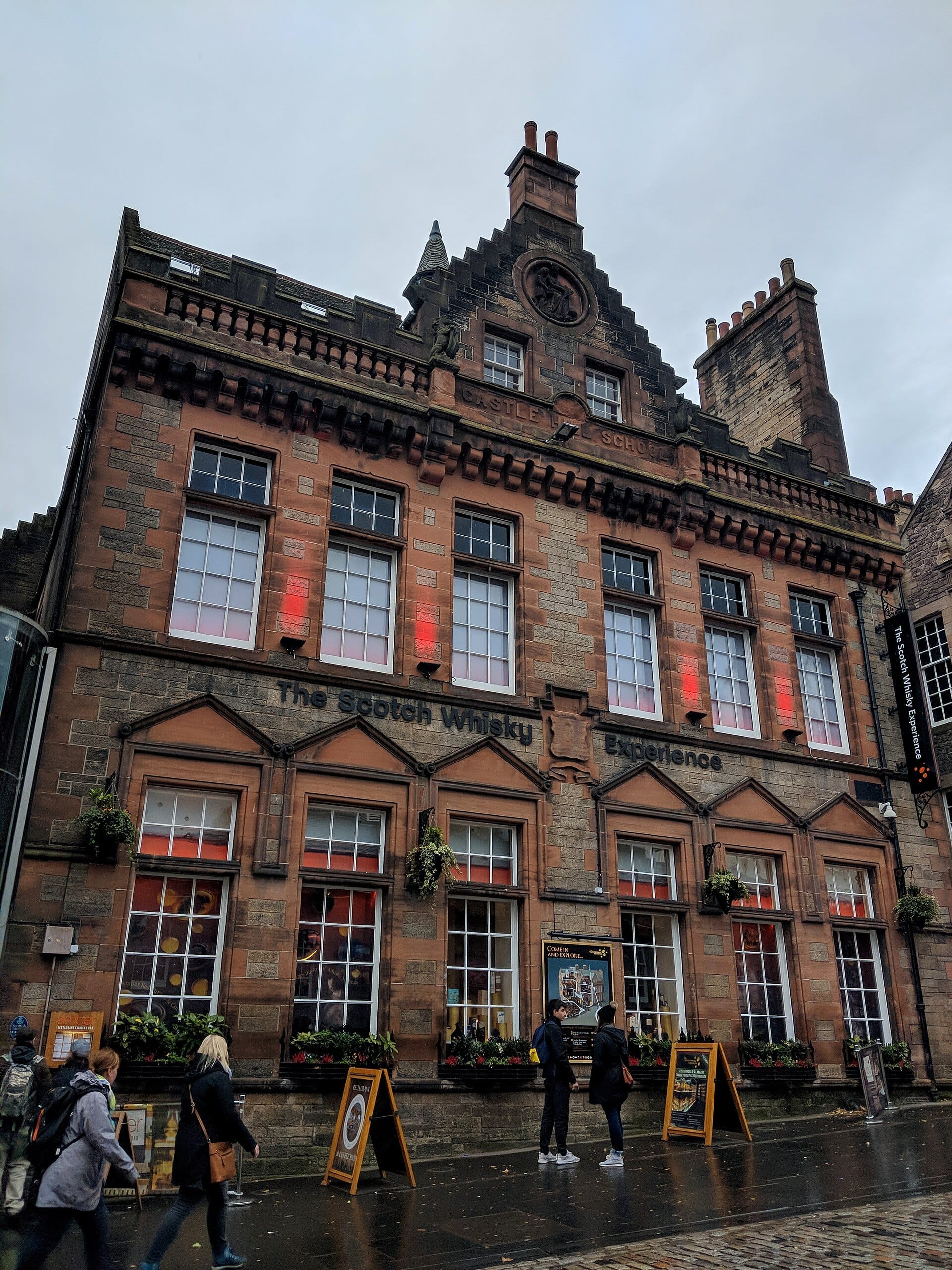
For whisky specifically, the Scotch Whisky Experience at the top of the Royal Mile is a thorough introduction to Scotch production and tasting, with a large collection of bottles and guided experiences at various price points. Several independent whisky bars along the Royal Mile and in the Grassmarket also offer serious selections without the entry fee.
Getting There and Around
Edinburgh Waverley, the city's main railway station, sits directly below the Old Town on the northern side. From Waverley, the Old Town is accessible either via the Waverley steps up to Princes Street and then across the North Bridge, or through the Market Street exit, which brings you directly to the lower edge of the Old Town. The walk from Waverley to the Castle Esplanade takes roughly 15 to 20 minutes on foot, uphill all the way along the Royal Mile.
Lothian Buses runs extensive services across Edinburgh, with several routes serving stops along the Royal Mile and on the bridges connecting Old Town to New Town. The city's tram line runs north of the Old Town, with the nearest central stops at St Andrew Square and on Princes Street, both within a 10-minute walk of the upper Royal Mile. From Edinburgh Airport, the tram runs directly to St Andrew Square, making the Old Town accessible without a taxi.
The Old Town is fundamentally a walking neighbourhood. The Royal Mile is a straightforward linear walk, but the closes, stairs, and changes in level make it impractical for anyone with mobility limitations in places. Driving into the Old Town is not advisable: parking is very limited, several streets are pedestrianised or restricted, and the cobbled surfaces and narrow lanes are not designed for easy car navigation.
ℹ️ Good to know
The Old Town sits on a hill, and the gradient from the Castle down to Holyrood is noticeable. If you walk the Royal Mile from top to bottom, returning uphill on foot is tiring. Many visitors take a bus back up or return via a different, flatter route along the Cowgate and back up Victoria Street.
For those arriving from the airport, the tram journey to the city centre takes approximately 30 minutes and drops you within walking distance of the Old Town. Full details on connections are covered in the getting around Edinburgh guide.
Where to Stay
Staying in the Old Town puts you at the centre of everything historic in Edinburgh. The trade-off is noise, particularly around the Grassmarket and Cowgate, and the fact that the surrounding streets are heavily visited for much of the day. For a broader overview of accommodation options across the city, the Edinburgh accommodation guide covers all major neighbourhoods in detail.
The upper Royal Mile, from the Castle to St Giles', has several large hotels occupying historic buildings, including some of the most impressive hotel interiors in the city. These tend to be at the premium end of the market. Mid-range and budget options cluster toward the lower Canongate end and in the streets south of the Royal Mile toward the Cowgate.
The Canongate and Holyrood end of the Royal Mile is a better choice for light sleepers and anyone who values some separation from the main tourist corridor. It's still within easy walking distance of every major attraction but sits just outside the busiest section of the Old Town. The Grassmarket is lively and well-located but expect noise until at least 1am on weekends.
The Old Town is an excellent base for first-time visitors to Edinburgh who want to be close to the historic core and don't mind paying a premium for location. Repeat visitors often prefer the quieter character of Stockbridge or the Southside for accommodation, while still spending most of their time in the Old Town during the day.
Practical Tips and Honest Drawbacks
The Old Town is at its most congested in August, when the Edinburgh Festival Fringe brings hundreds of thousands of additional visitors to the city. The Royal Mile becomes difficult to walk quickly at peak times, street performers take over every available space, and accommodation prices reach their annual maximum. If you're visiting specifically for the Fringe, it's worth staying in the Old Town for the atmosphere. If you're not, August is a complicated time to visit this neighbourhood.
The Old Town's cobbled streets are visually striking but require sensible footwear. Heels are a bad idea on the closes and stairs, and the surfaces can be slippery when wet, which in Edinburgh is a realistic possibility at any time of year. The best time to visit Edinburgh guide covers seasonal conditions in detail, but the general rule is: layer up, bring a waterproof, and plan for rapid weather changes regardless of what the forecast says.
Petty theft can occur in very crowded tourist areas, as in any major city. The Old Town's busiest sections, particularly around the Castle and the Lawnmarket, see large enough crowds that the usual precautions apply: keep bags zipped and in front of you, and be aware of your surroundings in tight crowds. The area is well-policed and incidents are not disproportionate to a district of this visitor volume, but it is worth being alert.
TL;DR
The Old Town is Edinburgh's historic core and the essential starting point for any visit to the city, running along the Royal Mile between Edinburgh Castle and the Palace of Holyroodhouse.
Best for: first-time visitors, history and architecture enthusiasts, those wanting to be at the centre of Edinburgh's cultural events and festivals.
Be aware: the upper Royal Mile is heavily touristic and overpriced in places; noise from the Grassmarket and Cowgate nightlife can be significant on weekend nights.
Getting around: walkable but hilly; Edinburgh Waverley station is immediately adjacent, and Lothian Buses and the tram provide onward connections across the city.
The closes, underground vaults, and streets south of the Royal Mile reward exploration beyond the main tourist corridor and give a more complete picture of what the Old Town actually is.
Three days is the ideal amount of time to explore Edinburgh's core. This itinerary covers the Royal Mile, Arthur's Seat, New Town, Leith, and everything in between — structured day by day so you make the most of every hour.
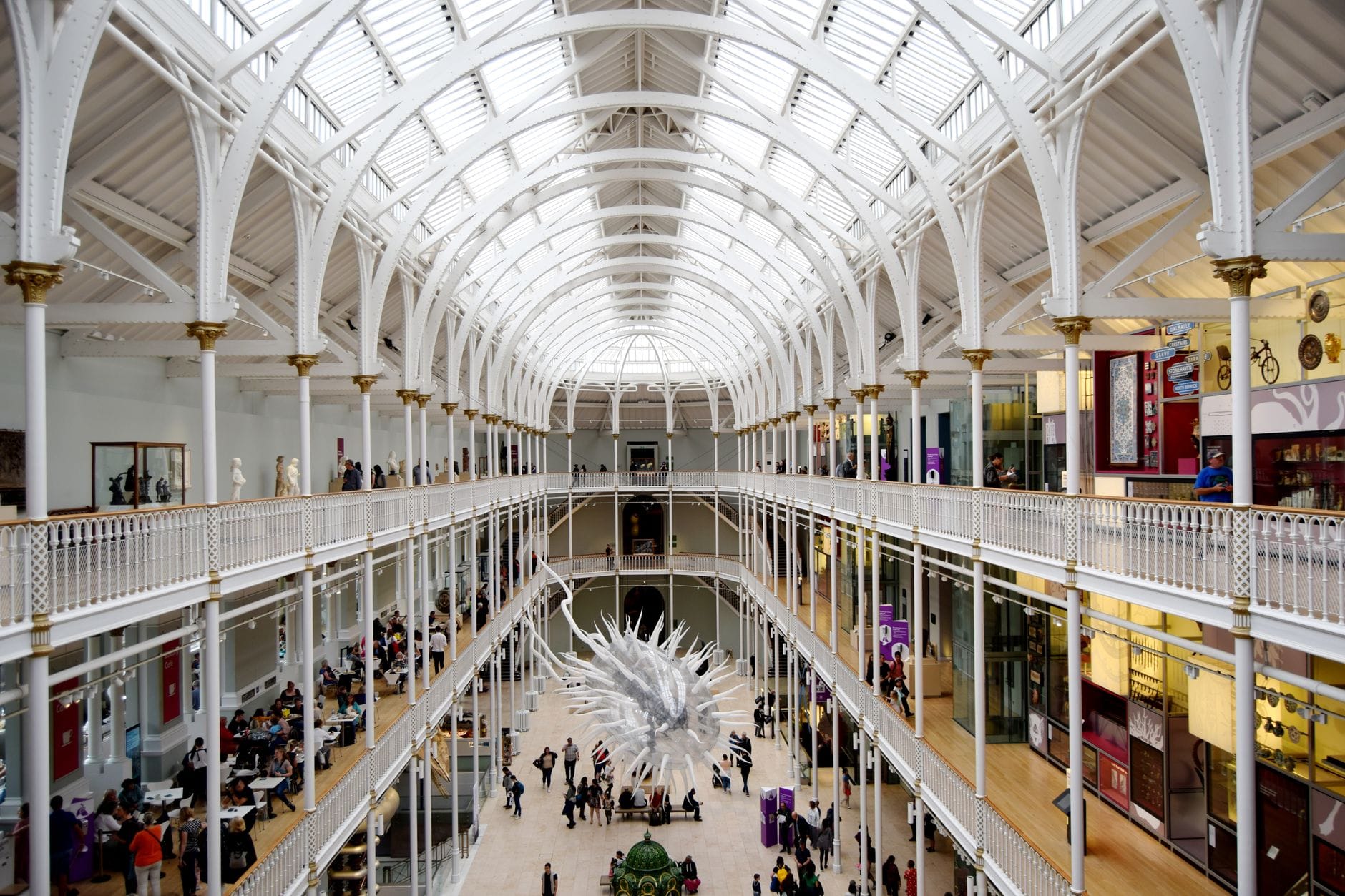
Edinburgh stands out when it comes to museums. Many of the city's finest collections are completely free, covering Scottish history, fine art, medical oddities, and everything in between. This guide covers the best museums in Edinburgh, grouped by theme, with practical advice on what's worth your time.
Edinburgh is a city that rewards visitors in every season, but the right time to go depends entirely on your priorities. This guide breaks down weather, crowd levels, festival dates, and price patterns so you can pick the visit that suits you, not the crowds.
Edinburgh is one of Europe's most dramatic cities to look at, and luckily most of its best viewpoints are free. This guide covers every major panorama in the city, from the summit of Arthur's Seat to a little-known staircase that frames the castle perfectly.
Edinburgh sits at the centre of one of Europe's most rewarding travel regions. Within a few hours in any direction, you can reach Highland glens, medieval university towns, royal castles, and coastal wildlife reserves. This guide breaks down the best day trips from Edinburgh by transport, cost, and realistic time commitment.
Edinburgh Airport (EDI) is the main gateway into Scotland's capital, sitting around 13 km west of the city centre. This guide covers how to get into Edinburgh quickly and affordably, what to expect on arrival, and how to plan around peak-period delays.
Edinburgh's Christmas market is one of the UK's largest festive events, spreading across multiple city-centre locations from mid-November through early January. This guide covers dates, opening hours, what costs money, where to go, and how to get the most out of your visit.
Edinburgh's food scene runs deeper than tourist menus on the Royal Mile. This guide covers the essential Scottish dishes, where to eat them by neighbourhood, what things actually cost, and how to avoid the common traps that catch first-time visitors.
Edinburgh is one of Europe's most naturally romantic cities, with castle silhouettes, candlelit closes, and wild hilltops all within walking distance of each other. This guide covers the best experiences for couples, from dramatic viewpoints and atmospheric history tours to gin distilleries and peaceful riverside walks.
The Edinburgh Festival Fringe is the world's largest performing arts festival, taking over Scotland's capital every August with thousands of shows across hundreds of venues. This guide covers everything from buying tickets and choosing venues to booking accommodation and navigating the city during peak season.
Edinburgh has one of the darkest, most layered histories of any city in Europe, and it shows. This guide covers the underground vaults, haunted kirkyard, and eerie historic sites that make Edinburgh's ghost tour scene genuinely compelling, with practical advice on where to go and what to expect.
J.K. Rowling wrote much of the Harry Potter series in Edinburgh's Old Town cafés, and the city's medieval streets, graveyards, and Gothic architecture left a clear mark on the wizarding world. This guide covers every key location, the best guided and self-guided tour options, and the myths worth ignoring before you go.
Edinburgh rewards those who look beyond the Royal Mile. From a cobbled mews that stops people in their tracks to a medieval castle with almost no queue, these are the spots locals love and most visitors miss entirely.
August is Edinburgh's most extraordinary and most chaotic month. The city hosts the world's largest performing arts festival, a spectacular military tattoo, and an internationally renowned arts programme, all at once. This guide covers what to expect, how to plan, and how to avoid the common pitfalls.
December transforms Edinburgh into one of Europe's most atmospheric winter destinations. From the Christmas market in Princes Street Gardens to the multi-day Hogmanay festival welcoming the New Year, this guide covers every event, practical detail, and local tip you need to make the most of a winter visit.
Edinburgh stands out for luxury travel. From landmark 5-star hotels along Princes Street to Michelin-starred restaurants in Leith, this guide covers where to stay, eat, and what to do when budget is not the constraint.
Edinburgh's nightlife is more layered than most visitors expect. This guide covers where to drink, dance, and catch live music across the city's main districts — from the medieval streets of Cowgate to the Georgian bars of George Street — with practical timing advice, venue picks, and seasonal warnings.
Edinburgh has a reputation for being expensive, but a large share of its best attractions are completely free. This guide breaks down real costs for accommodation, food, transport, and sightseeing — with practical advice on where to spend and where to save.
Edinburgh rewards even a single day with extraordinary depth. This itinerary moves you through the Old Town's greatest hits, up to the best viewpoints, and into the New Town for a final flourish — structured so you can adapt it to your pace, the weather, and whether you want history, views, or both.
Edinburgh's best shopping isn't on Princes Street. From Victoria Street's art-filled boutiques to Stockbridge's independent collective, this guide covers every area worth your time and money, plus the markets, practical tips, and honest warnings that other guides skip.
The journey from Edinburgh to Inverness covers around 155 miles through some of Scotland's most dramatic scenery. This guide breaks down every transport option — train, bus, car, and more — with practical advice on fares, timings, and how to make the most of the route.
Two great Scottish cities, 50 miles apart and connected by one of the UK's most frequent rail links. This guide breaks down exactly what each city does better, where your money goes further, and whether you actually need to choose at all.
Edinburgh is one of Europe's most walkable cities, with a compact Old Town, dramatic volcanic landscapes, and centuries of history packed into every close and wynd. This guide covers the best walking tours in Edinburgh, from guided ghost walks through the underground vaults to self-guided routes along the Royal Mile, Water of Leith, and beyond.
Edinburgh is one of Britain's great family destinations, with a compact Old Town full of hands-on museums, free green spaces, and enough drama and history to keep kids genuinely hooked. This guide covers the best activities for families, from rainy-day museum classics to outdoor adventures on an extinct volcano.
Edinburgh stands out for free attractions. World-class national museums, sweeping hilltop viewpoints, royal parks, historic kirkyards, and free-entry galleries mean you can spend several full days in the city without spending a penny on entry fees. This guide covers the best of them.
Edinburgh is one of Europe's most walkable capital cities, but knowing when to walk, when to catch a bus, and when to splash out on a taxi makes a real difference. This guide covers every transport option in the city, from Lothian Buses and the tram line to airport transfers and cycling, with practical advice on what to use and what to skip.
Edinburgh is one of Europe's great walking cities, with an ancient volcano, dramatic crags, riverside paths, and rolling hills all within reach of the city centre. This guide covers the best hikes and walks in and around Edinburgh, from a 30-minute stroll to a full-day hill walk in the Pentlands.
The London to Edinburgh train route is one of Britain's great rail journeys, covering about 393 miles in as little as 4 hours. This guide covers journey times, realistic ticket prices, the best booking strategies, and exactly what to expect when you arrive in Scotland's capital.
Edinburgh packs more into one city than almost anywhere in Britain: a medieval castle, royal palaces, world-class free museums, volcanic hilltops, and one of the planet's most famous festivals. This guide cuts through the noise with prices, booking advice, seasonal tips, and honest opinions on what's worth your time.
Choosing where to stay in Edinburgh shapes your entire trip. This guide breaks down every major neighbourhood by character, price range, and practicality, so you can book with confidence rather than guesswork.