Edinburgh in August: Your Complete Festival Season Guide
August is Edinburgh's most extraordinary and most chaotic month. The city hosts the world's largest performing arts festival, a spectacular military tattoo, and an internationally renowned arts programme, all at once. This guide covers what to expect, how to plan, and how to avoid the common pitfalls.
Tickets & tours
Live prices and dates from our booking partner. If you book, we may earn a commission at no extra cost to you.
TL;DR
- Edinburgh in August is dominated by festival season: the Fringe, the International Festival, and the Royal Edinburgh Military Tattoo all run simultaneously.
- The Edinburgh Festival Fringe runs 7–31 August 2026 across 300+ venues, with average ticket prices just over £13 and around 530 pay-what-you-can shows. See our Edinburgh Fringe guide for the full breakdown.
- Book accommodation at least 3-6 months in advance. Prices double or triple during peak festival weeks (mid to late August).
- Edinburgh weather in August is mild but unpredictable: expect 15-18°C on average, with rain possible any day. Pack layers.
- Not everything costs a fortune. Many excellent Fringe performances are free, and half of International Festival tickets cost £30 or less.
What Edinburgh in August Actually Looks Like
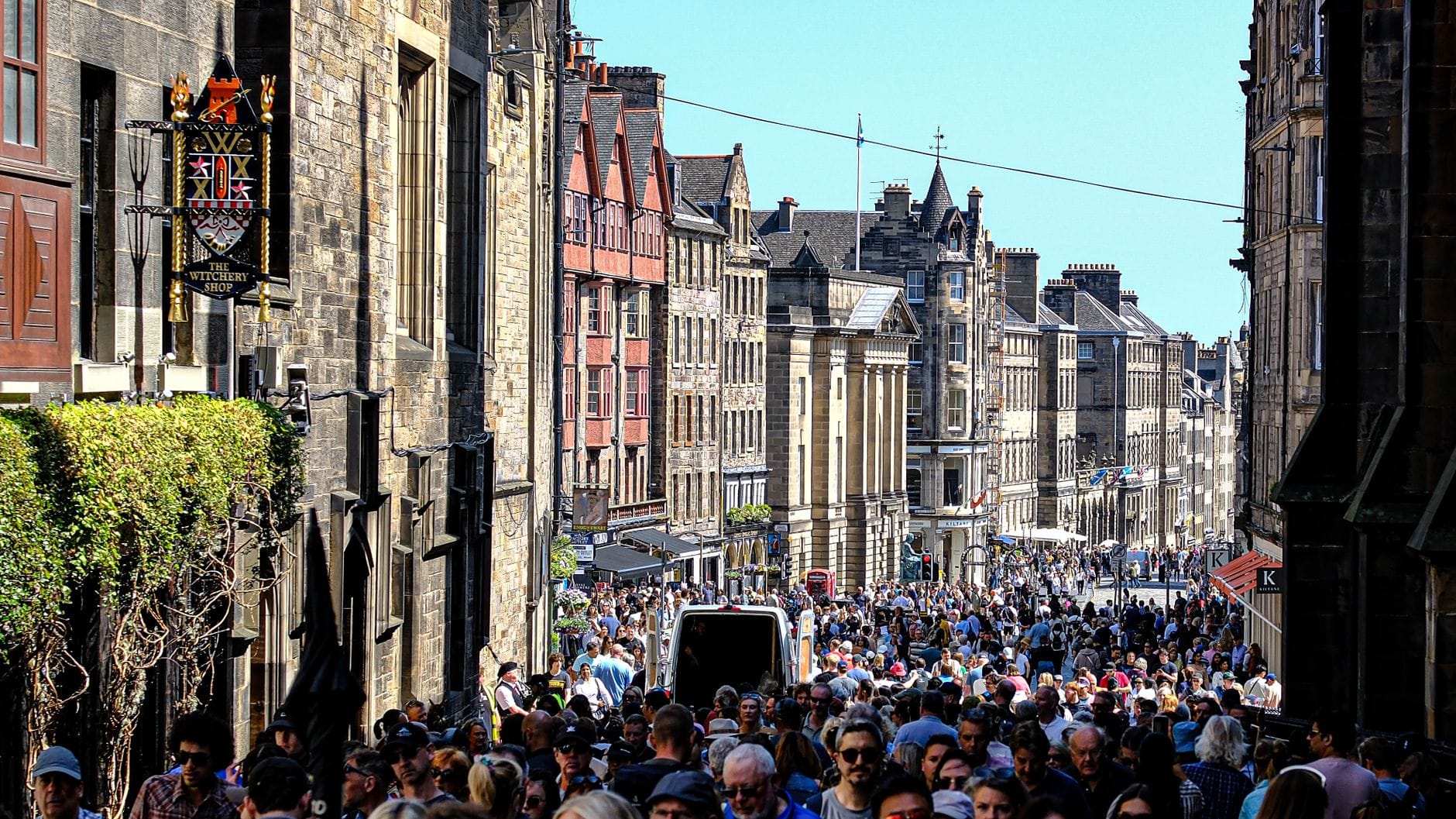
Edinburgh's population sits around 530,000, but August brings an estimated 400,000+ additional visitors into the city over the course of the month. The Royal Mile transforms into an open-air stage. Every pub, courtyard, and converted church becomes a venue. Street performers, flyerers, and queuing theatregoers fill the pavements from mid-morning until well past midnight. If you've visited Edinburgh at any other time of year, August will feel like a different city entirely.
The key thing to understand is that 'Edinburgh Festival' is not a single event. It's a shorthand for a cluster of separate festivals that happen to share the same city and calendar slot. The Edinburgh Festival Fringe, the Edinburgh International Festival, the Royal Edinburgh Military Tattoo, the Edinburgh International Book Festival, and the Edinburgh Art Festival all run in August, organised independently and offering very different experiences.
ℹ️ Good to know
The Fringe and the International Festival are entirely separate organisations with separate ticketing systems. Do not assume a Fringe ticket gets you into an International Festival show, or vice versa. Book each through its own official site: edfringe.com for the Fringe, eif.co.uk for the International Festival.
The Edinburgh Festival Fringe: Scale, Cost, and How to Navigate It
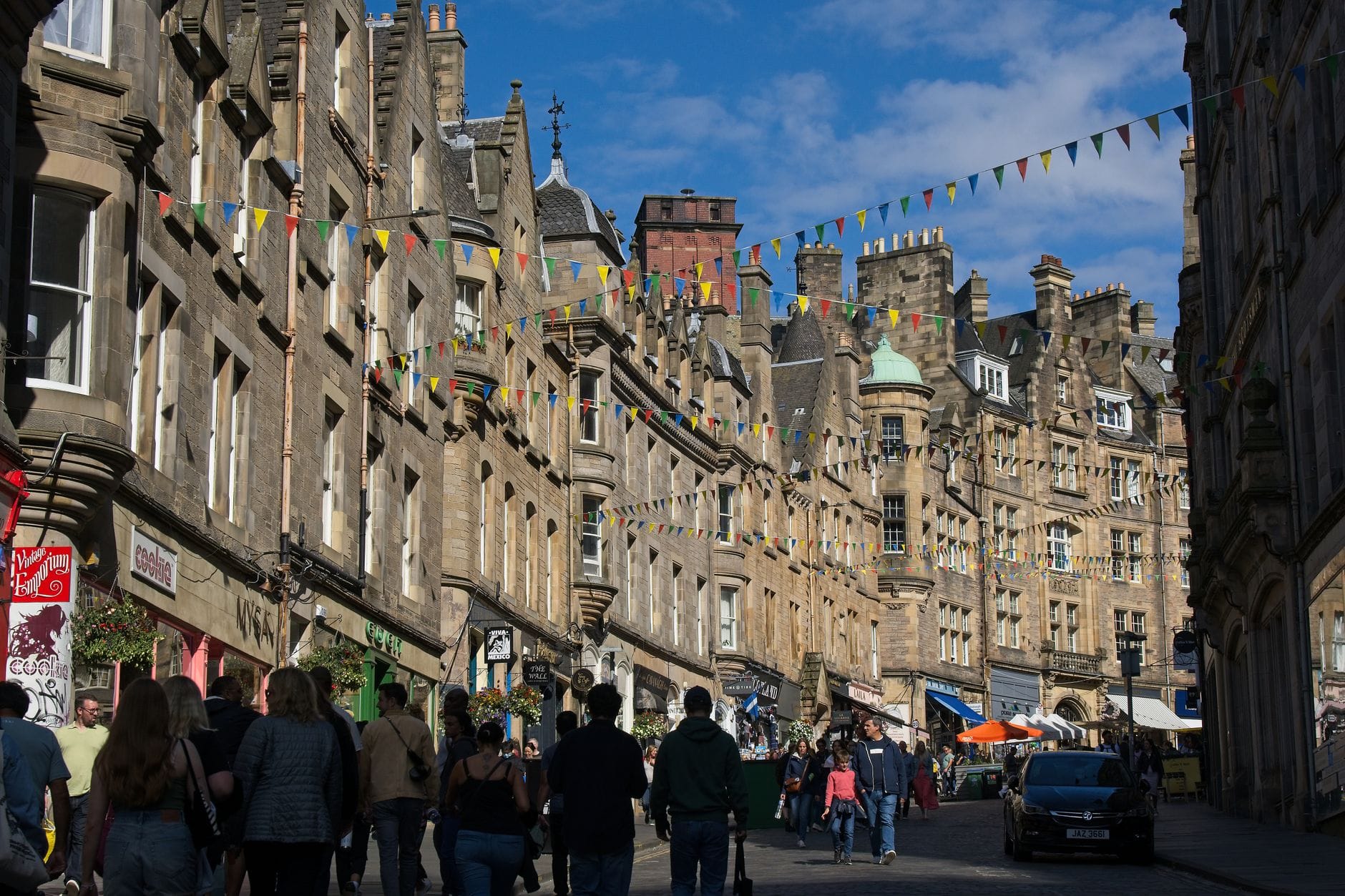
The Edinburgh Festival Fringe is the world's largest performing arts festival by number of shows, and it is genuinely unlike anything else. In 2026 it runs from 7 to 31 August across more than 300 venues, ranging from the main purpose-built theatres on Bristo Square to tiny basement rooms with 30 seats. Comedy, theatre, dance, spoken word, circus, and cabaret all appear in the programme, alongside work that defies easy categorisation.
- Average ticket price Slightly over £13, making most shows accessible without serious financial commitment.
- Pay-what-you-can shows Around 530 shows operate on a pay-what-you-can or free model, many of them genuinely high quality.
- Free Fringe The PBH Free Fringe and Free Festival run entirely free shows (bucket collection at the end). Some of the best comedy of the month appears here.
- Booking timing Early August shows get word-of-mouth buzz by the second week. If you're attending mid-to-late August, check reviews from the first few days before booking.
- Where to find listings edfringe.com is the official source. The Scotsman and The List both publish daily Fringe reviews that are worth consulting.
The sheer scale of the Fringe is both its strength and its challenge. With thousands of shows available, choice paralysis is real. A practical approach: pick two or three genres you genuinely enjoy, use the star ratings from established reviewers as a filter, and leave at least one slot each day unplanned so you can follow recommendations from people you meet. Spontaneity tends to produce the best Fringe experiences.
⚠️ What to skip
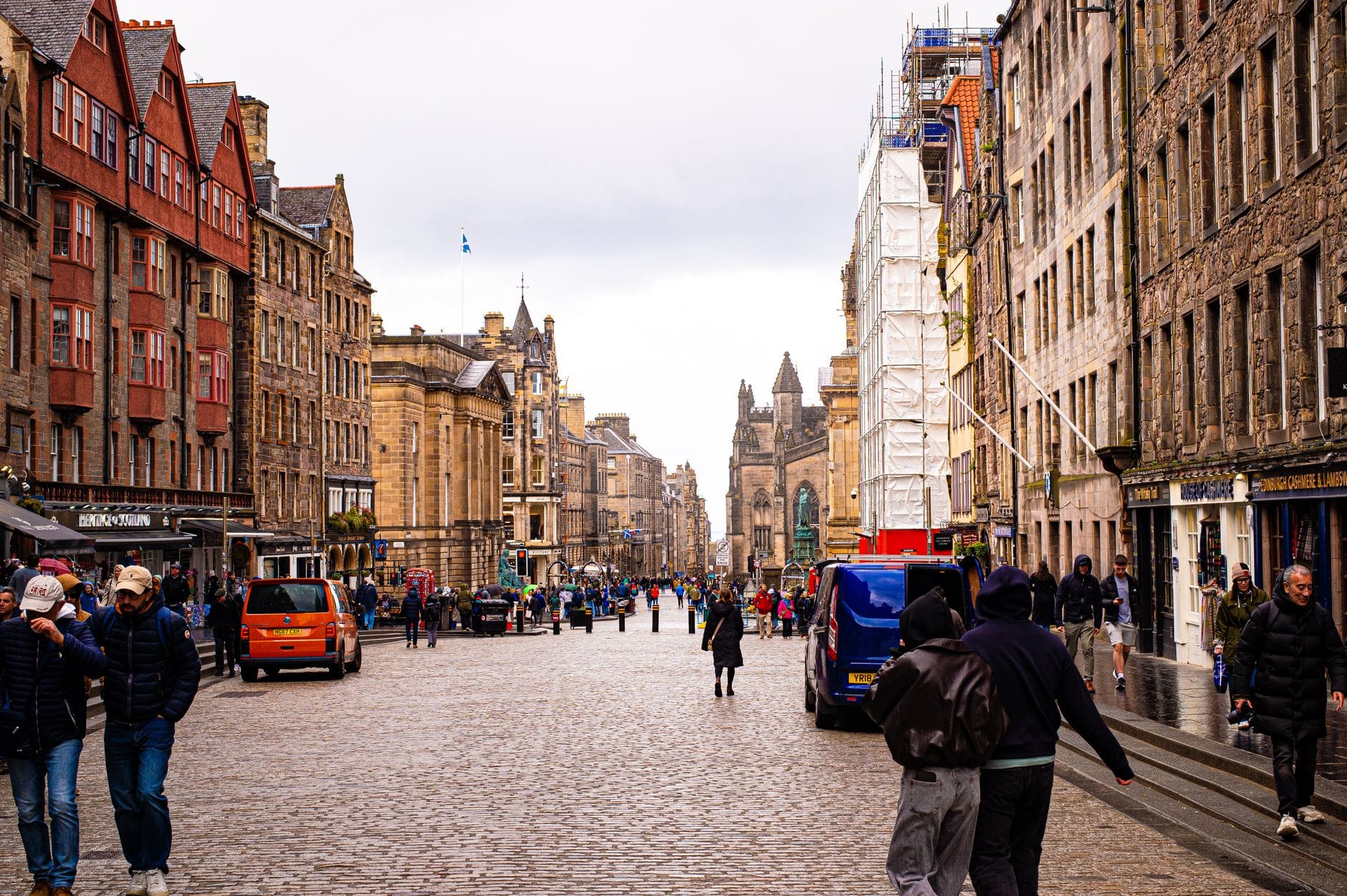
The Royal Mile during Fringe is extremely congested, particularly between 11am and 9pm. If you have an appointment, a show to catch, or somewhere to be on time, add 20-30 minutes to any journey that crosses the Old Town. The crowds are not dangerous, but they are slow.
The Edinburgh International Festival and the Military Tattoo
The Edinburgh International Festival (EIF) runs from 7 to 30 August 2026 and represents a curated, invitation-only programme of classical music, opera, dance, and theatre. Think international orchestras at Usher Hall, ballet companies from across Europe, and major theatrical productions. This is the 'official' festival that the Fringe grew up around and subsequently dwarfed in public recognition, though the EIF maintains its reputation for exceptional quality.
Pricing is more accessible than many visitors assume: half of all EIF tickets are priced at £30 or less, and a limited number of £10 tickets are available for every single performance. If you want a high-quality evening at a world-class venue without the lottery of the Fringe, the International Festival is worth serious consideration. Book early for headline events, which sell out quickly.
The Royal Edinburgh Military Tattoo takes place on the esplanade of Edinburgh Castle across most evenings in August. Massed pipe bands, military displays, international performers, and fireworks against the floodlit castle backdrop. It is unapologetically spectacular and deliberately traditional. Tickets sell out months in advance, so if this is a priority, book before anything else. Prices range from around £30 to over £90 depending on seating position and date.
✨ Pro tip
Tattoo tickets for the final Saturday show (typically the last performance of the run) are the most sought-after and sell out earliest. If you can't get Tattoo tickets, the fireworks are visible from Calton Hill and parts of the New Town for free.
Edinburgh Weather in August: What to Actually Expect
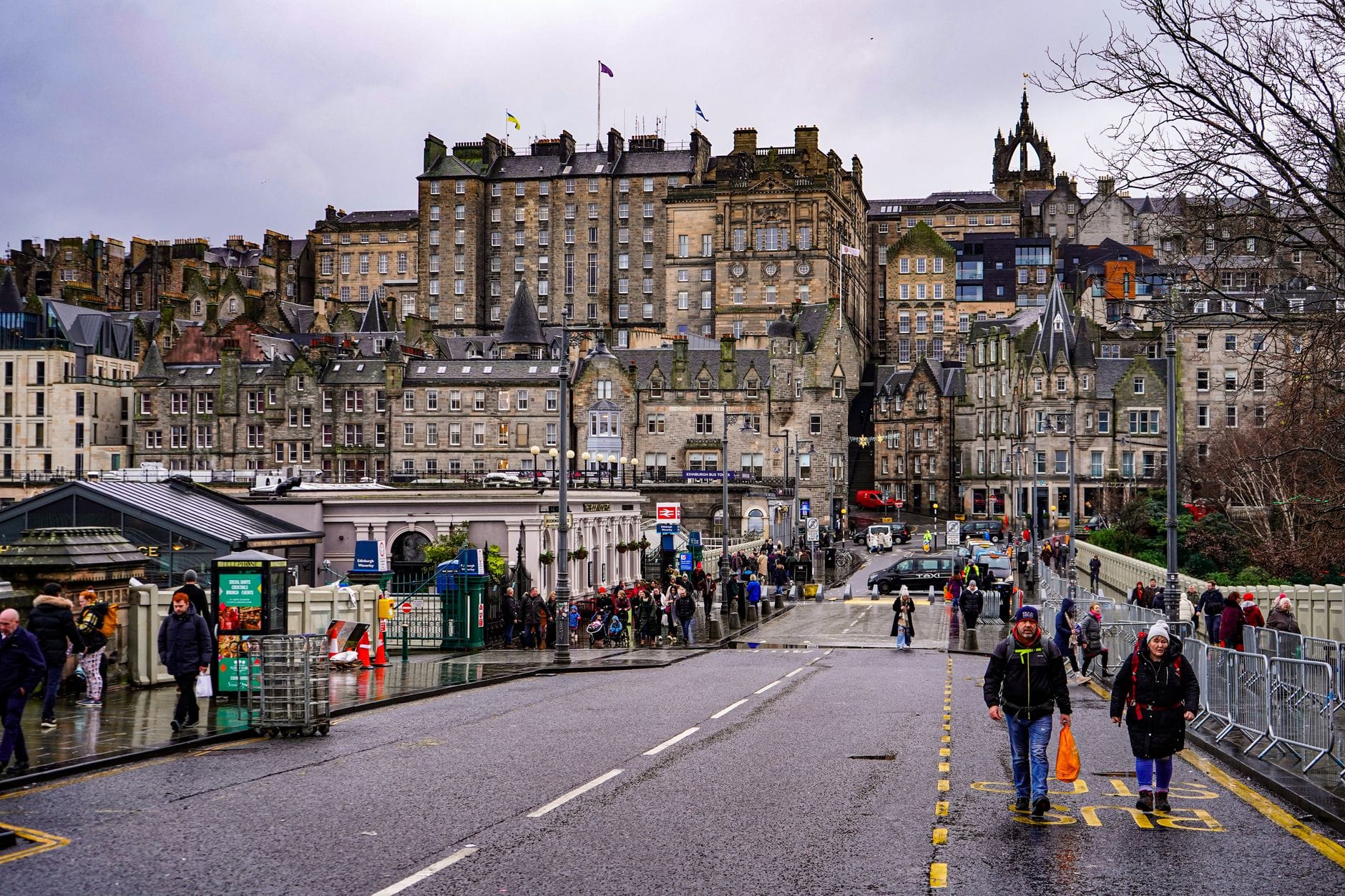
Edinburgh weather in August is the subject of persistent optimism and regular disappointment. Average daytime temperatures sit around 15-18°C, which is comfortable for walking but not warm enough for light summer clothing alone. Rain is possible on any given day, and the city's position on the east coast of Scotland means Atlantic weather systems can roll in without much warning. A sunny morning in Edinburgh can become a grey, drizzly afternoon within hours.
That said, August does produce genuinely fine days, and outdoor events like the Tattoo esplanade and free Fringe street performances can be enjoyed comfortably. The practical approach: check a short-range forecast each morning, carry a compact waterproof jacket at all times, and dress in layers. Festival venues are mostly indoors, so even a wet week can be a full and enjoyable one.
- Average high: around 18°C (64°F)
- Average low: around 11°C (52°F)
- Rainfall: possible on over half of all days, usually showers rather than sustained downpours
- Daylight: long evenings with sunset around 9pm early in the month, shortening toward 8pm by month's end
- Wind: Edinburgh is a consistently windy city; an umbrella is often more hindrance than help on exposed streets
Accommodation, Costs, and Planning Logistics
August is by far the most expensive month to visit Edinburgh. Hotel rates in the city centre during peak festival weeks (typically the third and fourth weeks of August) can be two to three times higher than the same property charges in May. Book accommodation a minimum of three months in advance, and six months if you want reasonable options at reasonable prices. For a wider view of the city's neighbourhoods and where to base yourself, the Edinburgh accommodation guide covers each area's trade-offs in detail.
Staying in Old Town puts you closest to the Fringe action but commands the highest prices and the most noise. New Town offers a slightly calmer base with good transport links, while areas like Stockbridge and Leith offer more reasonable rates with easy access to the centre by bus or on foot.
Edinburgh Airport (EDI) sits around 13 km west of the city centre. The tram runs directly between the airport and central Edinburgh, taking around 35 minutes. The Airlink 100 bus is an alternative that stops at Waverley Bridge in the heart of the city. Taxis are available but significantly more expensive. During August, travel times from the airport into the centre can be longer than usual due to increased visitor traffic, so factor that into any tight arrival schedules.
Getting around the city during August is easiest on foot in the centre, but Lothian Buses cover the wider city reliably. The guide to getting around Edinburgh covers routes, fares, and transport options in full. Driving in central Edinburgh during festival season is not recommended: parking is extremely limited and traffic around the Old Town is frequently gridlocked.
Beyond the Festivals: What Else to Do in August
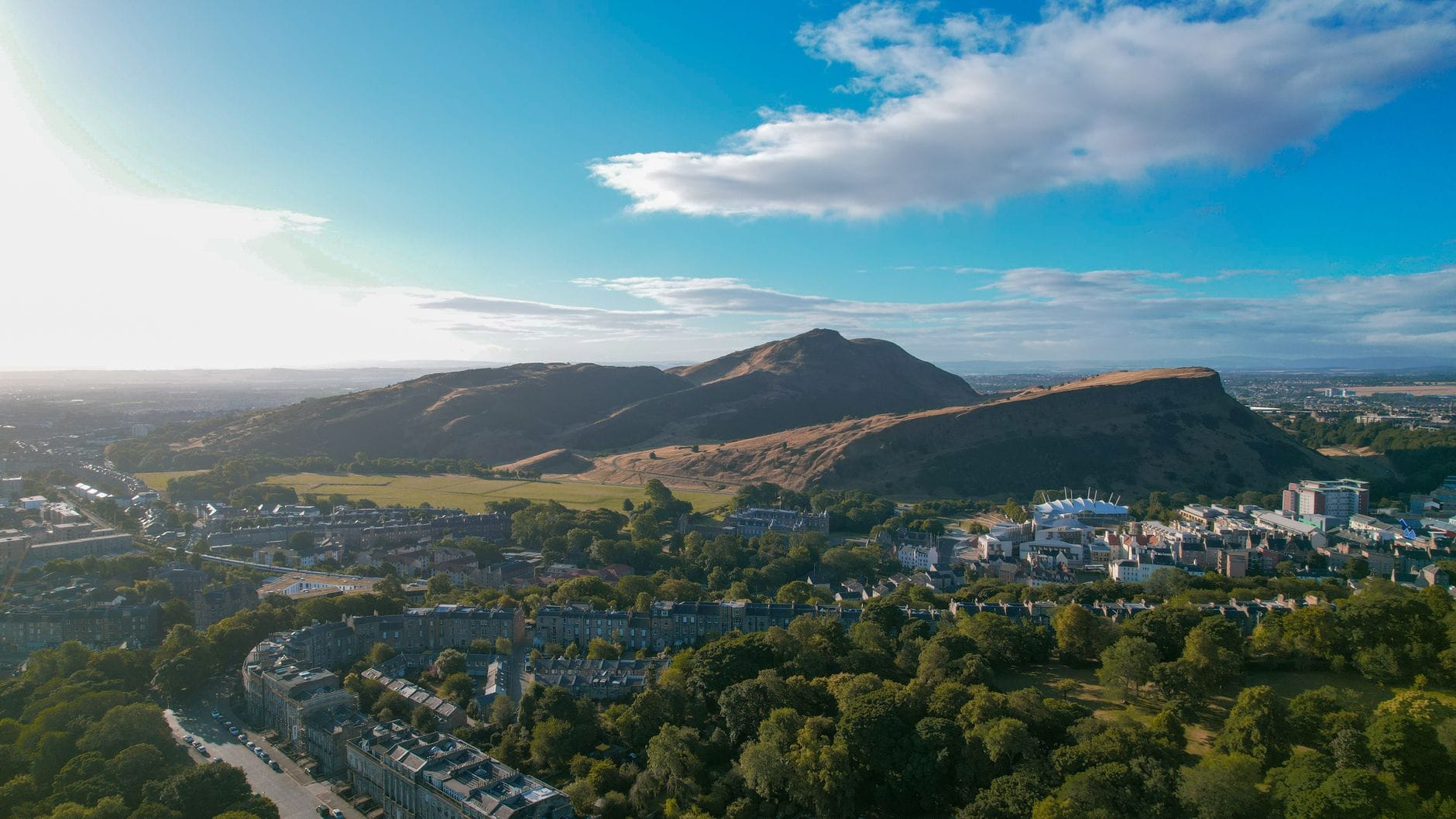
Not every visitor comes to Edinburgh in August for the festivals, and that's a legitimate choice. The city's permanent attractions are worth significant time. Edinburgh Castle dominates the skyline and is one of Scotland's most significant historical sites. Arthur's Seat, the ancient volcanic hill within Holyrood Park, offers one of the best city walks in the UK, and August's long evenings make sunset hikes genuinely rewarding.
For those who want to balance festival energy with quieter moments, the Royal Botanic Garden provides genuine calm at no entry cost, and the Water of Leith Walkway connects Balerno to Leith through a surprisingly green riverside corridor. The Scottish National Gallery on the Mound is free to enter and houses a permanent collection of genuine international quality. These options hold particular appeal on rainy August afternoons when Fringe venues are packed.
For a complete picture of the city's attractions beyond the festival circuit, the things to do in Edinburgh guide covers the full range, from historic sites to food and drink to day trips.
FAQ
What is Edinburgh weather like in August?
August in Edinburgh averages 17–18°C during the day, with cool evenings around 11°C. Rain is possible on any day, often as showers rather than sustained rainfall. Daylight lasts until around 9pm early in the month. Pack a waterproof layer and dress in adaptable layers rather than full summer clothing.
How much do Edinburgh Fringe tickets cost?
The average Fringe ticket price is usually a little over £10. However, hundreds of shows operate on a pay-what-you-can basis, and the Free Fringe offers genuinely good performances at no charge (with a bucket collection at the end). You can have a full week of Fringe on a tight budget if you plan around free and low-cost shows.
How far in advance should I book accommodation for August in Edinburgh?
At least three months in advance, ideally six months if you want good availability at reasonable prices. August is the busiest month of the year for Edinburgh by a significant margin. Hotel rates during peak festival weeks can be two to three times higher than other months.
Is the Edinburgh Fringe and the Edinburgh International Festival the same thing?
No. They are two separate organisations with different programming philosophies, venues, and ticketing systems. The Fringe is open-access: any performer can apply for a venue and stage a show. The International Festival is curated, inviting internationally recognised companies in classical music, opera, dance, and theatre. You need to book each through its own website.
Can I visit Edinburgh in August without attending any festival events?
Yes, though the city will be noticeably busier and more expensive than at any other time of year. Edinburgh's permanent attractions, parks, galleries, and restaurants are all open as normal. If your priority is sightseeing without festival crowds, May or September offer similar weather with significantly fewer visitors and lower accommodation costs.
Tickets & tours
Live prices and dates from our booking partner. If you book, we may earn a commission at no extra cost to you.
Planning a trip? Discover personalized activities with the Nomado app.