Edinburgh's New Town is one of Europe's finest examples of Georgian urban planning, a grid of grand terraces, formal squares, and wide boulevards laid out north of the Old Town from the 1760s onward. Today it serves as the city's commercial and cultural spine, anchored by Princes Street to the south and George Street at its heart. It suits travelers who want elegance, convenience, and immediate access to Edinburgh's most iconic views.
Edinburgh's New Town is a UNESCO World Heritage district of Georgian terraces, formal squares, and wide commercial streets built to a deliberate plan in the late 18th and early 19th centuries. It sits directly north of the medieval Old Town, separated by the green valley of Princes Street Gardens, and functions today as the city's retail, dining, and cultural core. No other part of Edinburgh combines this level of architectural ambition with such practical accessibility.
Orientation: Where New Town Sits in Edinburgh
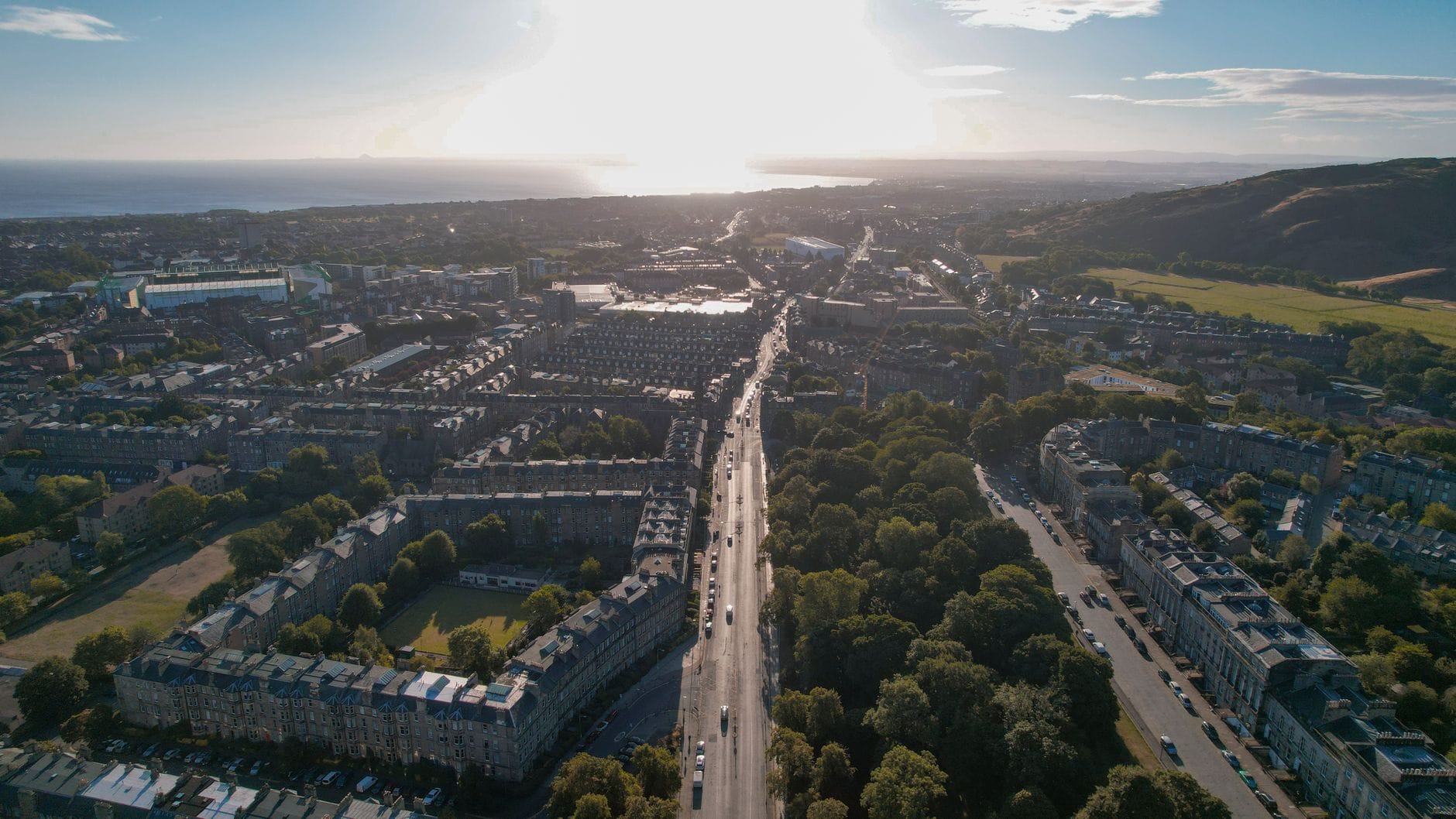
The New Town occupies the northern half of Edinburgh city centre, forming part of a wider Old and New Town World Heritage Site that extends for roughly 4.5 kilometres west to east and about 1 kilometre north to south. Its southern boundary is Princes Street, one of the most recognizable streets in Scotland, which runs along the lip of a ridge overlooking the Old Town. Walk south from any point on Princes Street and you drop into the valley gardens; walk north and the terrain rises gently through the Georgian grid before descending toward Stockbridge and the Water of Leith.
The district was laid out on a rectilinear plan, and that geometry is still immediately legible on the ground. Three principal east-west streets define its spine: Princes Street at the south, George Street in the middle, and Queen Street to the north. These are connected by a series of cross streets, with the most prominent being Frederick Street, Hanover Street, and Castle Street. The formal compositions of Charlotte Square to the west and St Andrew Square to the east bookend the original First New Town plan and give the district its confident, symmetrical character.
The New Town borders the Old Town to the south (connected via the Mound and Waverley Bridge), Stockbridge to the northwest, and the West End around Shandwick Place to the southwest. Edinburgh Waverley railway station sits just below the Princes Street ridge at the southeastern corner, making the New Town the natural arrival point for most visitors coming by train.
Character and Atmosphere
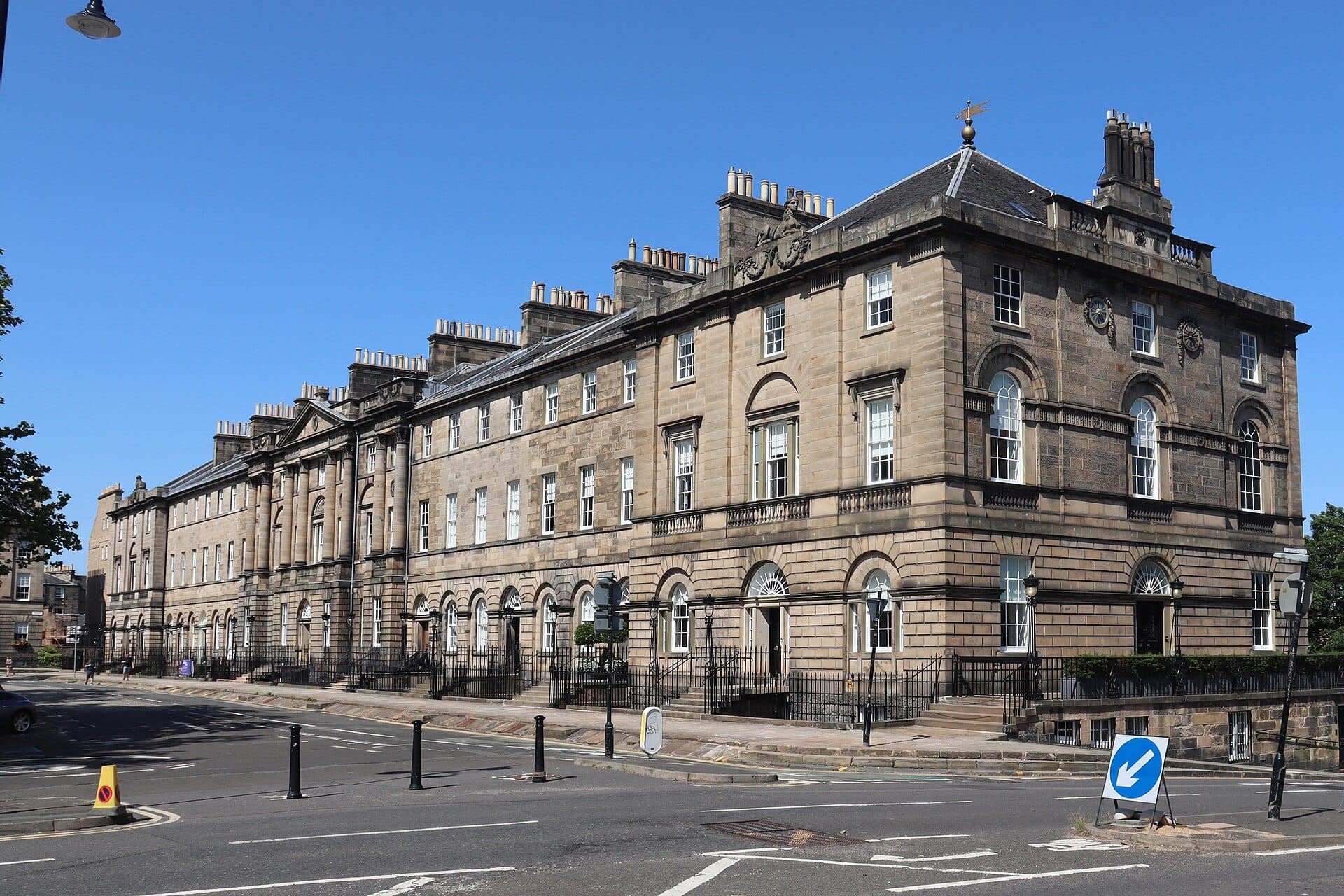
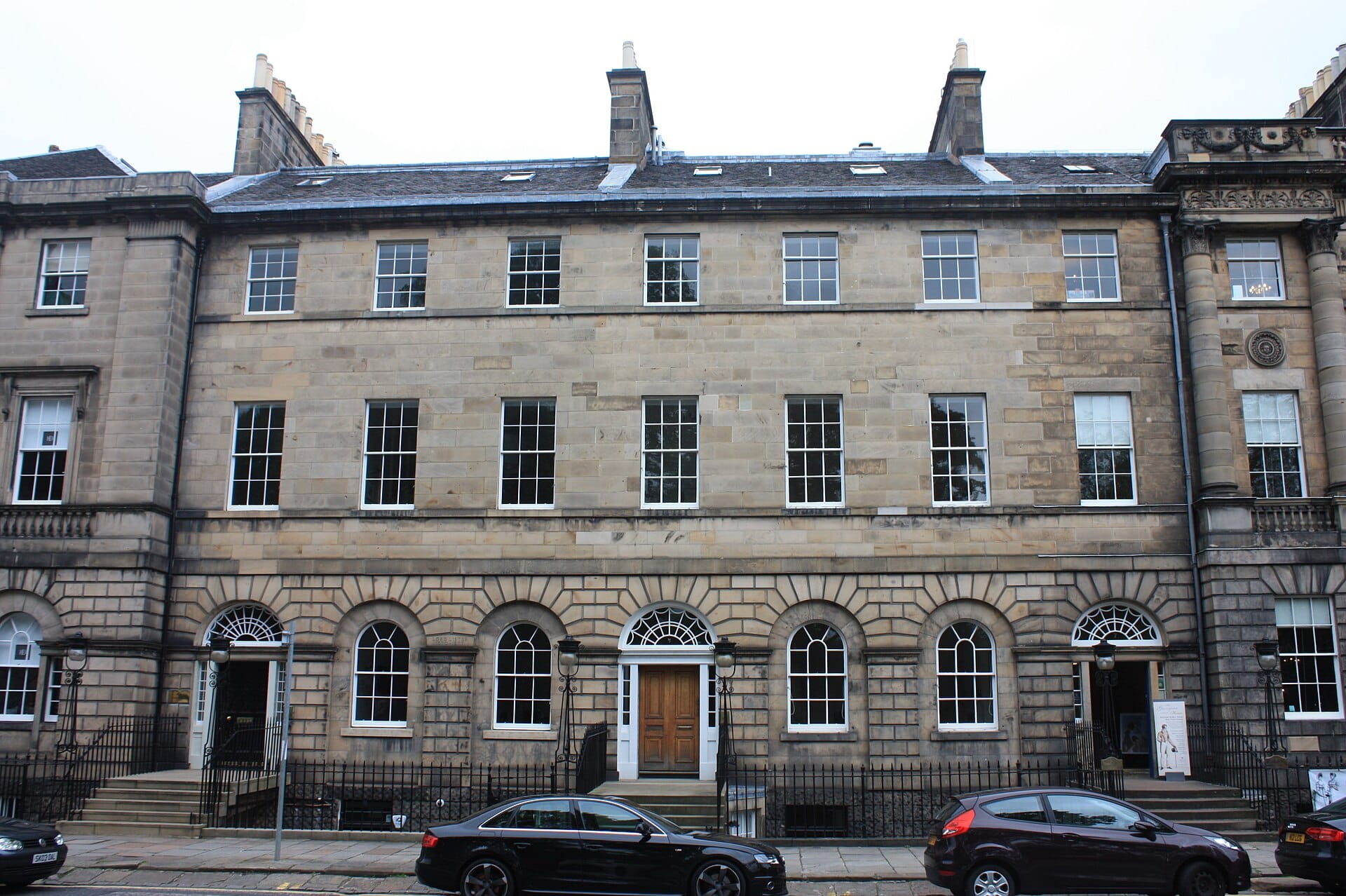
The New Town's character is shaped by its architecture before anything else. The buildings are ashlar-faced sandstone, pale grey and honey-coloured, built in consistent Georgian and neoclassical styles that create a sense of calm formality you do not find anywhere else in Edinburgh. Windows are tall and evenly spaced. Doorways have fanlit arches and black iron railings. The streets are wide enough to let the sky in, which matters on the frequent overcast days Edinburgh produces.
Early mornings on George Street are quiet and worth experiencing. The light comes in low and flat from the east, catching the stonework on the north side of the street and turning it amber. Delivery lorries idle outside restaurants, cafe shutters roll up, and the street belongs mostly to office workers heading to early starts. By nine or ten, the shift happens: the weekend brings out a leisurely brunch crowd, the weekday brings suits and shoppers. Princes Street is noisier and more commercial from the moment shops open at nine.
By afternoon, the New Town's dual identity becomes most apparent. Princes Street is dense with shoppers and tourists moving between department stores and chain retailers, camera bags and carrier bags competing for pavement space. One block north, George Street runs quieter and considerably more upmarket: cocktail bars that won't open until early evening, independent boutiques, gallery spaces, and the offices of law firms and financial institutions behind those elegant Georgian facades. The contrast between these two parallel streets is the New Town in miniature.
After dark, George Street becomes the centre of Edinburgh's upscale bar and restaurant scene. The pavements fill on warm evenings, and the stretch between Frederick Street and Castle Street in particular has a string of well-regarded bars and dining rooms. It is not rowdy in the way that Cowgate is in the Old Town, but on Friday and Saturday nights it draws a confident, well-dressed crowd. Princes Street empties of shoppers fairly early and feels windswept and quiet by nine at night.
ℹ️ Good to know
The New Town and Old Town together form Edinburgh's UNESCO World Heritage Site, designated in 1995. This status protects the architectural character of both districts and explains why new development is tightly controlled. What you see today is largely what was built between 1767 and the mid-19th century.
What to See and Do
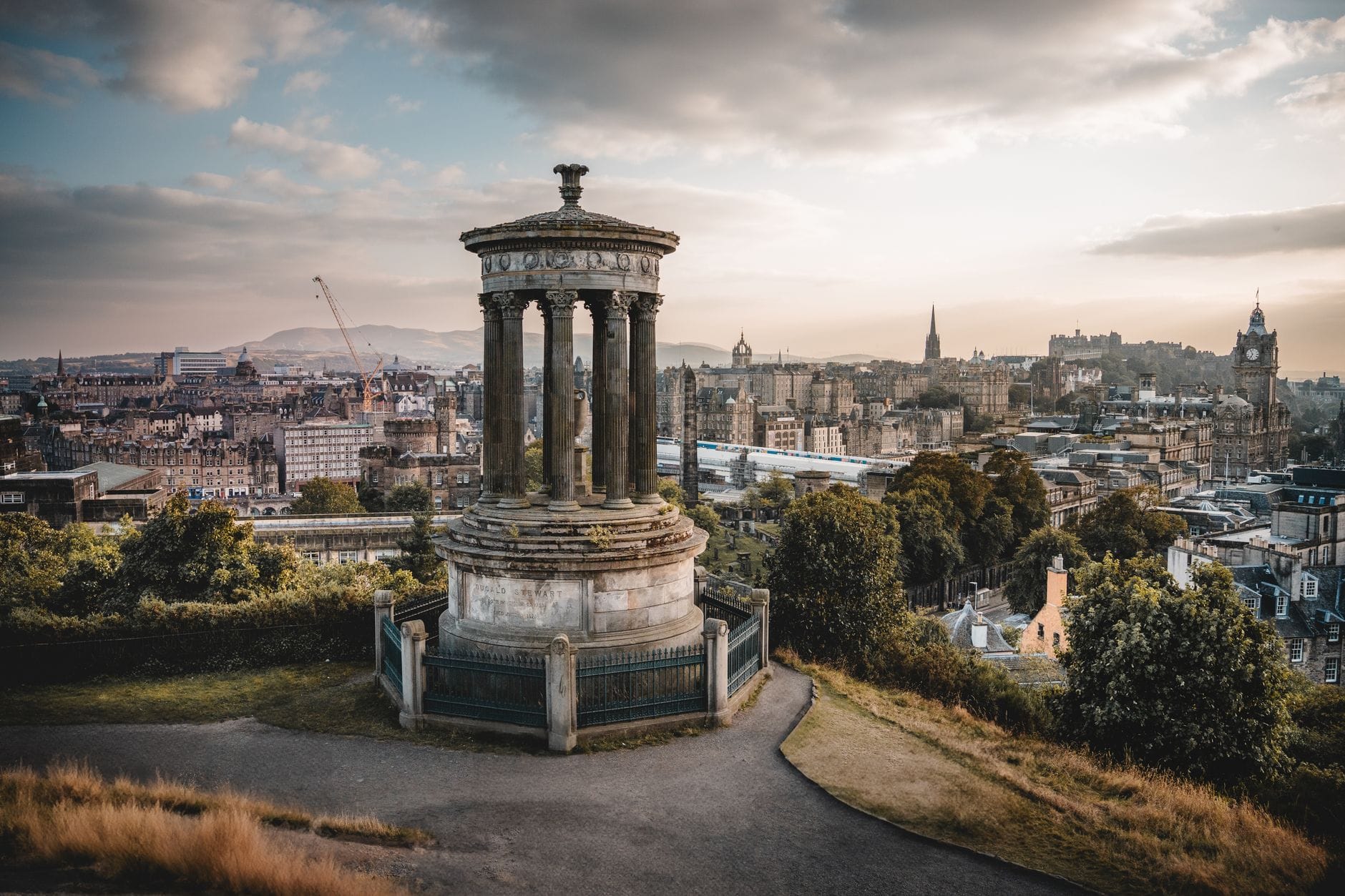
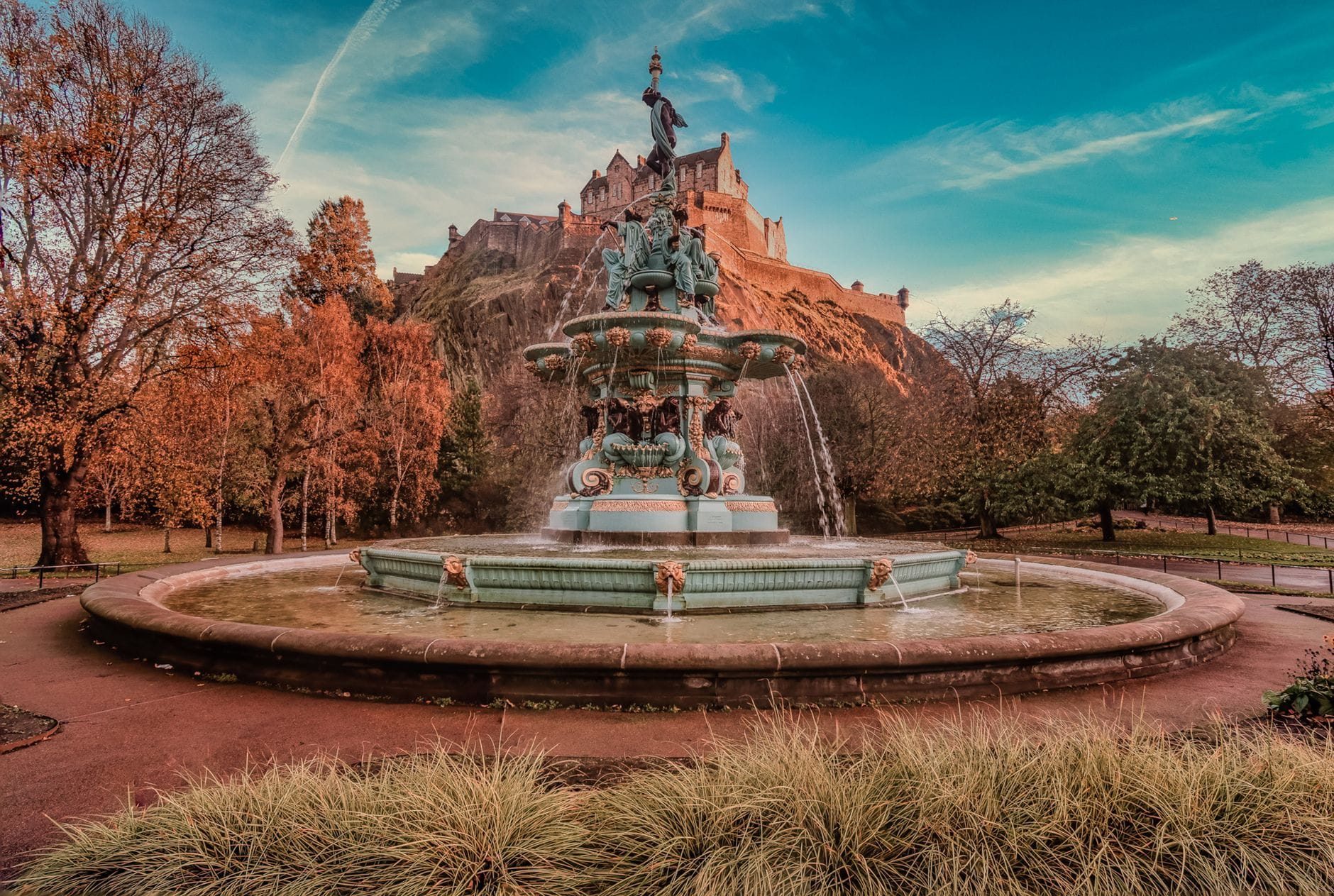
The most immediately rewarding thing to do in the New Town costs nothing: walk along Princes Street and look south. The panorama of Edinburgh Castle on its volcanic crag, with the Old Town skyline descending below it, is one of the great urban views in Europe. The best angle shifts slightly depending on where you stand, but the western end of Princes Street, where the street curves toward Lothian Road, gives the fullest view of the castle's profile.
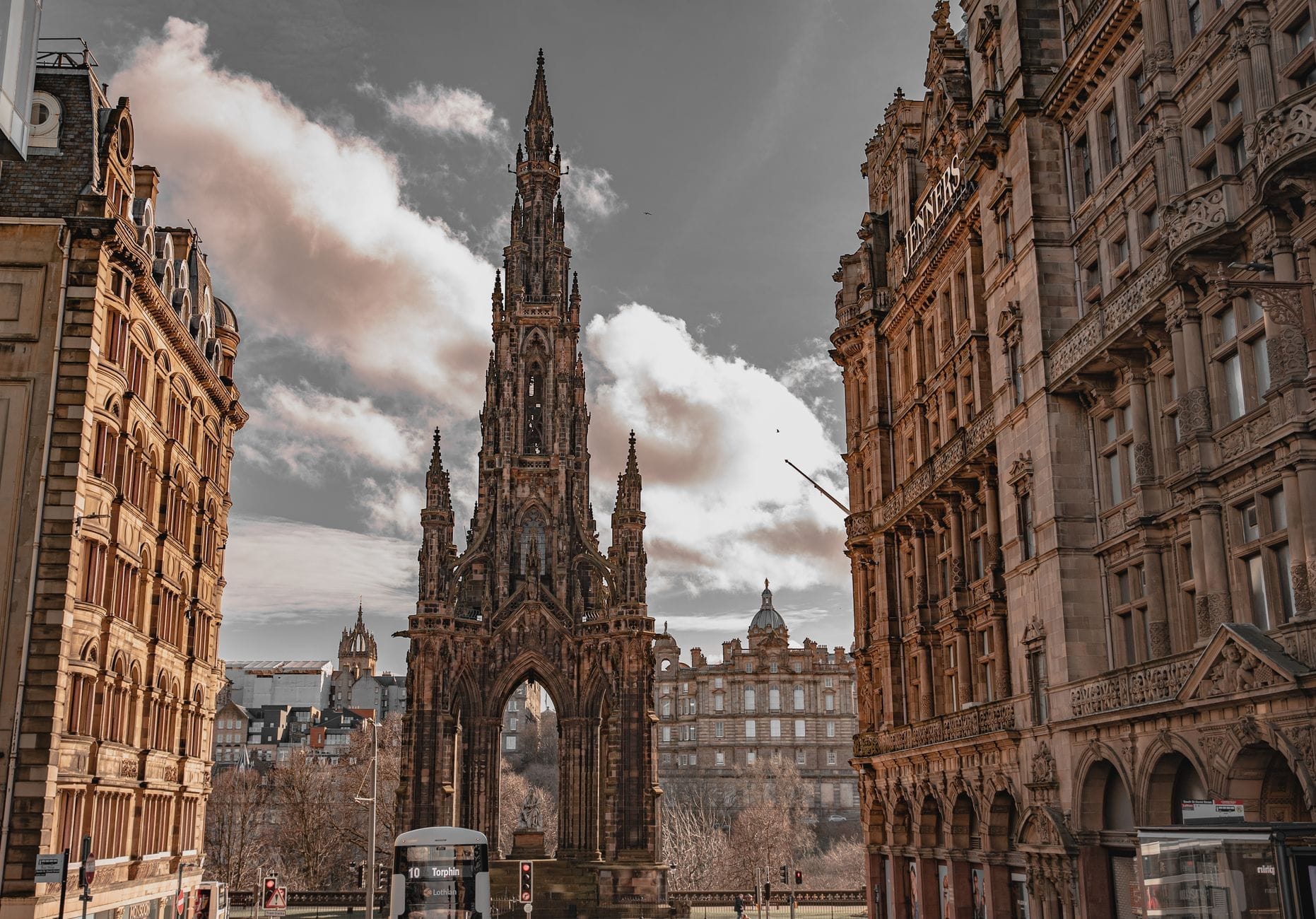
Directly below Princes Street, Princes Street Gardens occupy the valley created when the Nor Loch was drained in the 18th century. The gardens are split into east and west sections by the Mound. The western half is quieter, with tree-lined paths and benches facing the castle. The eastern section has the Ross Bandstand, the floral clock (one of the oldest in the world), and the Scott Monument, a Gothic spire commemorating Sir Walter Scott that you can climb for elevated views over the gardens and rooftops.
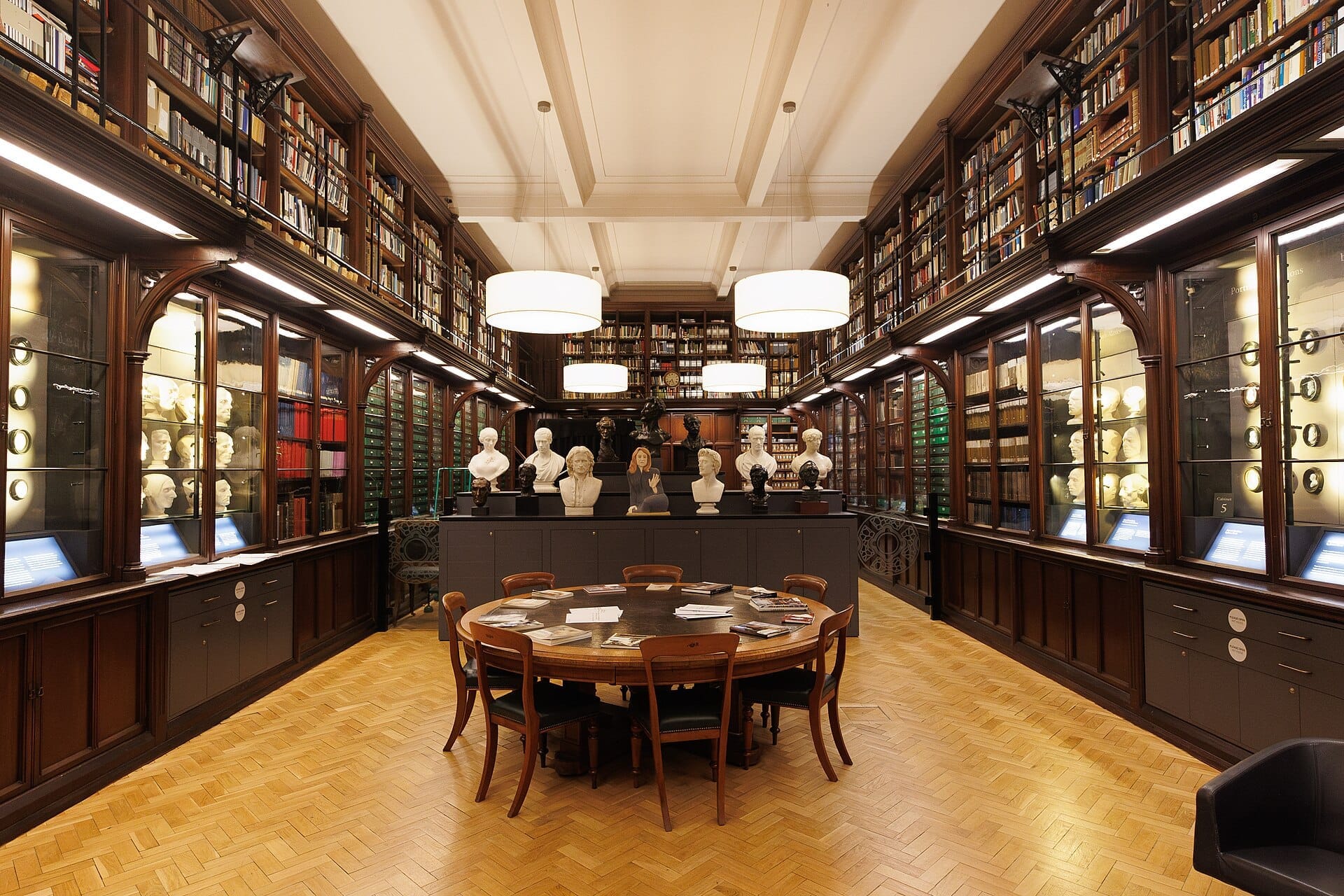
At the eastern end of Queen Street, the Scottish National Portrait Gallery is one of Edinburgh's finest free museums. The building itself, a red sandstone Victorian Gothic structure, is spectacular, and the collection inside traces Scottish history through portraits of everyone from Mary Queen of Scots to modern cultural figures. It is a serious museum, not a tourist shortcut, and deserves two or three hours.
At the western end of the New Town, Charlotte Square represents the architectural summit of the First New Town plan, designed by Robert Adam in 1791. The north side of the square is considered one of the finest examples of Georgian architecture in Britain. Within the square, the Georgian House museum (managed by the National Trust for Scotland) reconstructs how a prosperous Edinburgh family would have lived here in the late 18th century, giving real context to the streets around it.
Scott Monument: climb 287 steps for close-up views of the castle and gardens
Scottish National Portrait Gallery: free entry, on Queen Street at the eastern edge
Charlotte Square: walk the full perimeter to appreciate Adam's original facade design
Georgian House: ticketed admission, managed by National Trust for Scotland
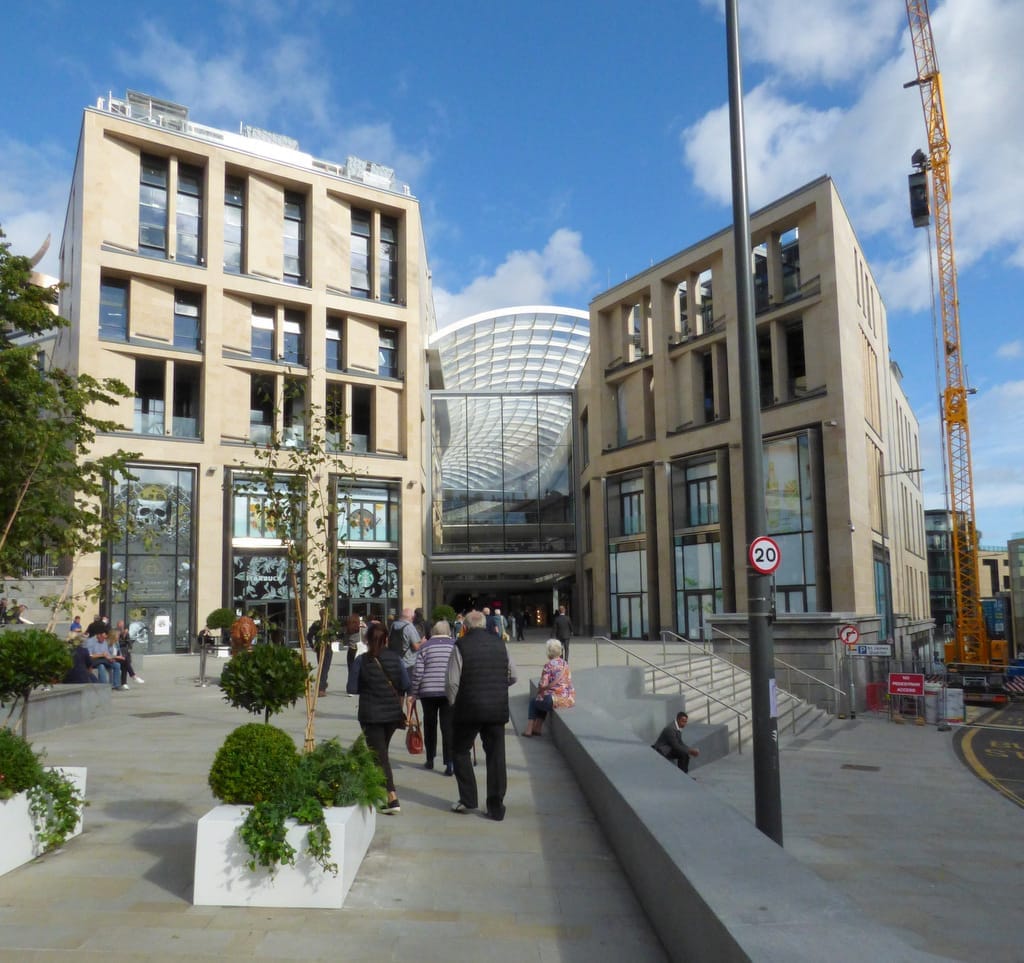
St Andrew Square: the eastern counterpart to Charlotte Square, now partly a retail and leisure space
Princes Street Gardens: the western section is the better half for a quiet walk
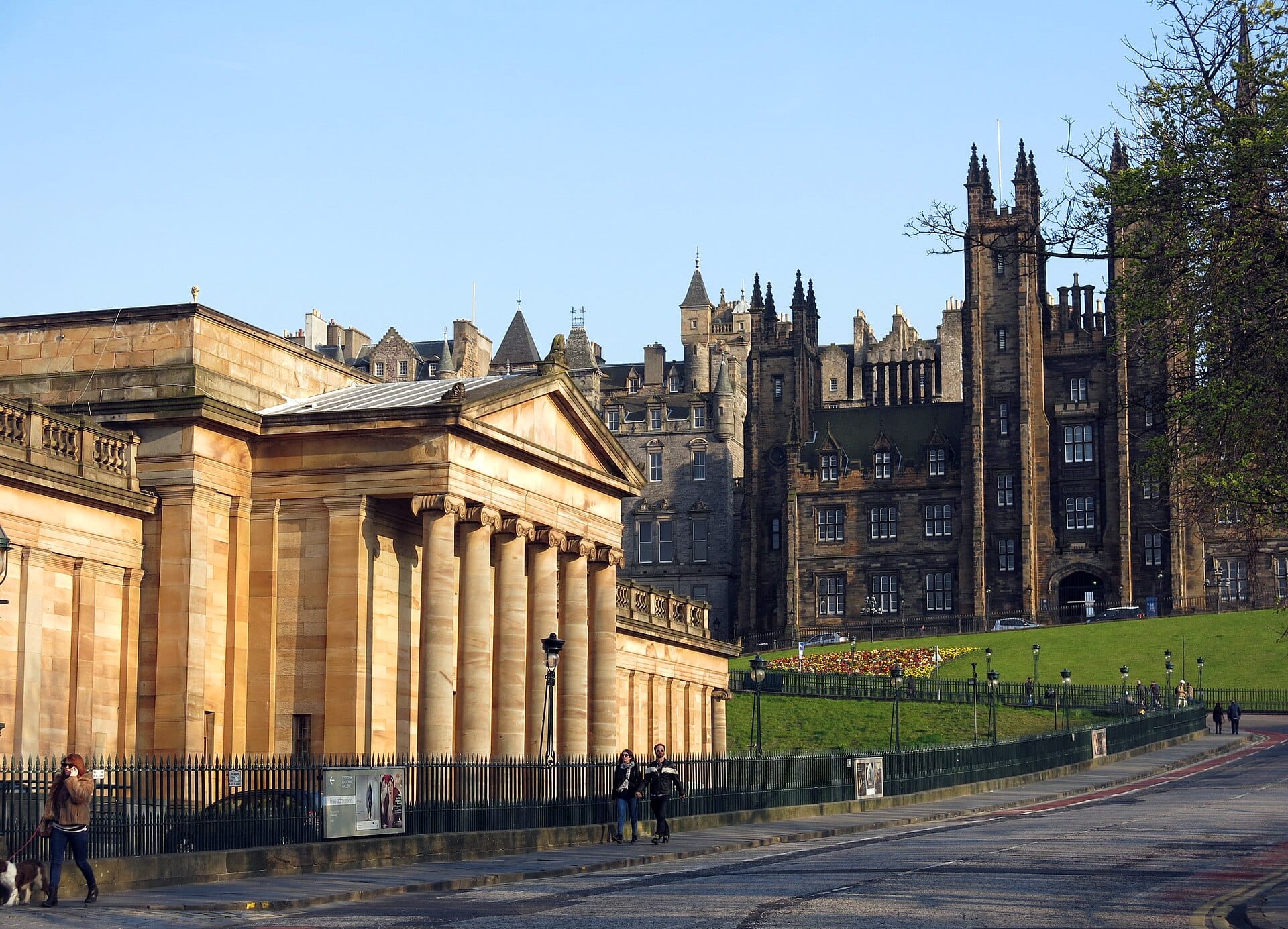
The Mound: the link road connecting New Town to Old Town, with the National Galleries at its base
The base of the Mound is also where you find the Scottish National Gallery, which holds the national collection of fine art from the early Renaissance to the post-impressionist period. Entry is free, and the collection includes works by Raphael, Titian, Velázquez, and a significant holding of Scottish art.
Eating and Drinking
The New Town food and drink scene splits fairly cleanly between the tourist-oriented Princes Street corridor and the more resident-focused streets around George Street and the lanes running north toward Queen Street. Princes Street itself has almost no independent food offer worth seeking out: it is chain restaurants, fast food, and hotel dining rooms. The moment you step onto George Street or into the side streets, the quality improves considerably.
George Street and its immediate surroundings have developed into a credible restaurant and bar strip over the past two decades. The format tends toward the polished end: cocktail bars with serious drink lists, brasseries with Scottish produce given some culinary thought, and a number of wine bars that take their lists seriously. Prices are higher here than in Leith or Stockbridge for equivalent quality, partly due to the rents the Georgian buildings command.
For coffee and daytime eating, the streets between George Street and Queen Street, particularly Thistle Street and Rose Street, offer a better range of independent options. Rose Street, running parallel and just north of Princes Street, is historically known as a pub crawl route, with a high density of bars for its length. The quality is uneven, but it rewards exploration during quieter hours. Thistle Street, one block north, skews toward independent boutiques and quieter daytime cafes.
💡 Local tip
If you want a proper lunch without tourist-strip prices, walk north to Thistle Street or into the quieter blocks east of Hanover Street. The further you get from Princes Street, the more the clientele shifts to local office workers, and menus tend to reflect that with more honest value.
For a broader picture of Edinburgh's food scene beyond the New Town, the Edinburgh food guide covers the full range across the city, including the restaurant-dense streets of Leith and Bruntsfield.
Getting There and Around
The New Town is the easiest part of Edinburgh to reach by public transport and on foot. Edinburgh Waverley station, the main national rail hub, sits at the southeastern corner of the district, directly below the eastern end of Princes Street. Trains from London, Glasgow, Aberdeen, and the rest of the Scottish rail network all terminate or stop here. The walk from the station concourse to George Street takes around ten minutes.
Edinburgh Trams run east-west along Princes Street and through St Andrew Square towards Newhaven, connecting the New Town directly to Edinburgh Airport in the west and to Newhaven in Leith to the north. The St Andrew Square tram stop, at the eastern end of George Street, is the most useful stop for exploring the New Town. Lothian Buses, the city's main bus operator, run frequent services along Princes Street and George Street from across Edinburgh, making the New Town the natural transfer hub for most cross-city journeys.
For those arriving by air, the tram from Edinburgh Airport (EDI) reaches the city centre in about 35 minutes. The Edinburgh Airport guide covers all transfer options including the Airlink express bus service. The guide to getting around Edinburgh explains how to use the tram and bus network once you are in the city.
Within the New Town itself, walking is by far the most practical way to move around. The grid layout makes navigation straightforward: Princes Street is always south, Queen Street is north, and the numbered streets (Frederick, Hanover, Castle) cross them at regular intervals. The whole First New Town footprint can be walked end to end in about 20 to 25 minutes at a leisurely pace. The Mound provides the most direct pedestrian connection south to the Old Town and the Royal Mile.
⚠️ What to skip
From 1 June 2024, most of the New Town falls within Edinburgh's Low Emission Zone (LEZ). Non-compliant vehicles face camera-enforced penalties for entering the zone. If you are renting a car or considering driving into the area, check your vehicle's compliance status before travelling. For visitors, the transit and walking options are good enough that a car is rarely necessary.
Where to Stay
The New Town is one of Edinburgh's best base locations for first-time visitors, offering walkable access to the city's main sights, excellent transit connections, and a range of accommodation from grand five-star hotels to serviced apartments in converted Georgian townhouses. The trade-off is price: the New Town is generally more expensive than staying in Leith, Stockbridge, or the Southside.
The most prestigious hotels occupy the stretch around Princes Street and Charlotte Square, taking advantage of castle views and the area's commercial prestige. George Street and its immediate surroundings have a number of boutique hotels and upper-mid range options in Georgian buildings. Serviced apartments are scattered across the grid and offer more space than standard hotel rooms, which suits families or longer stays. Budget accommodation is thin in the New Town proper; for cheaper options, the Southside or Leith are more practical.
For a detailed breakdown of where to stay across Edinburgh by budget and traveller type, see the where to stay in Edinburgh guide. The New Town suits couples, business travellers, and those on a first visit who want to be close to the main sights. It is less suited to budget travellers, large families needing space, or those who prefer a neighbourhood feel over a central location.
Practical Considerations
The New Town rewards visitors who look up. The street-level shops and cafes are ordinary in places, but the buildings above the shop fronts are remarkable, and the full force of the Georgian plan only registers when you step back and see the whole terrace. It is worth walking north to Queen Street, where the facades are less interrupted by retail signage, to get a cleaner sense of what the original district looked like.
August is the most pressured month, when the Edinburgh Festival Fringe brings hundreds of thousands of visitors into the city. The New Town does not host as many Fringe venues as the Old Town, but Princes Street and George Street become significantly more crowded, accommodation prices peak, and restaurants fill quickly. If visiting in August, book accommodation and restaurants well in advance. For more on navigating Edinburgh during the festival, the Edinburgh in August guide covers what to expect.
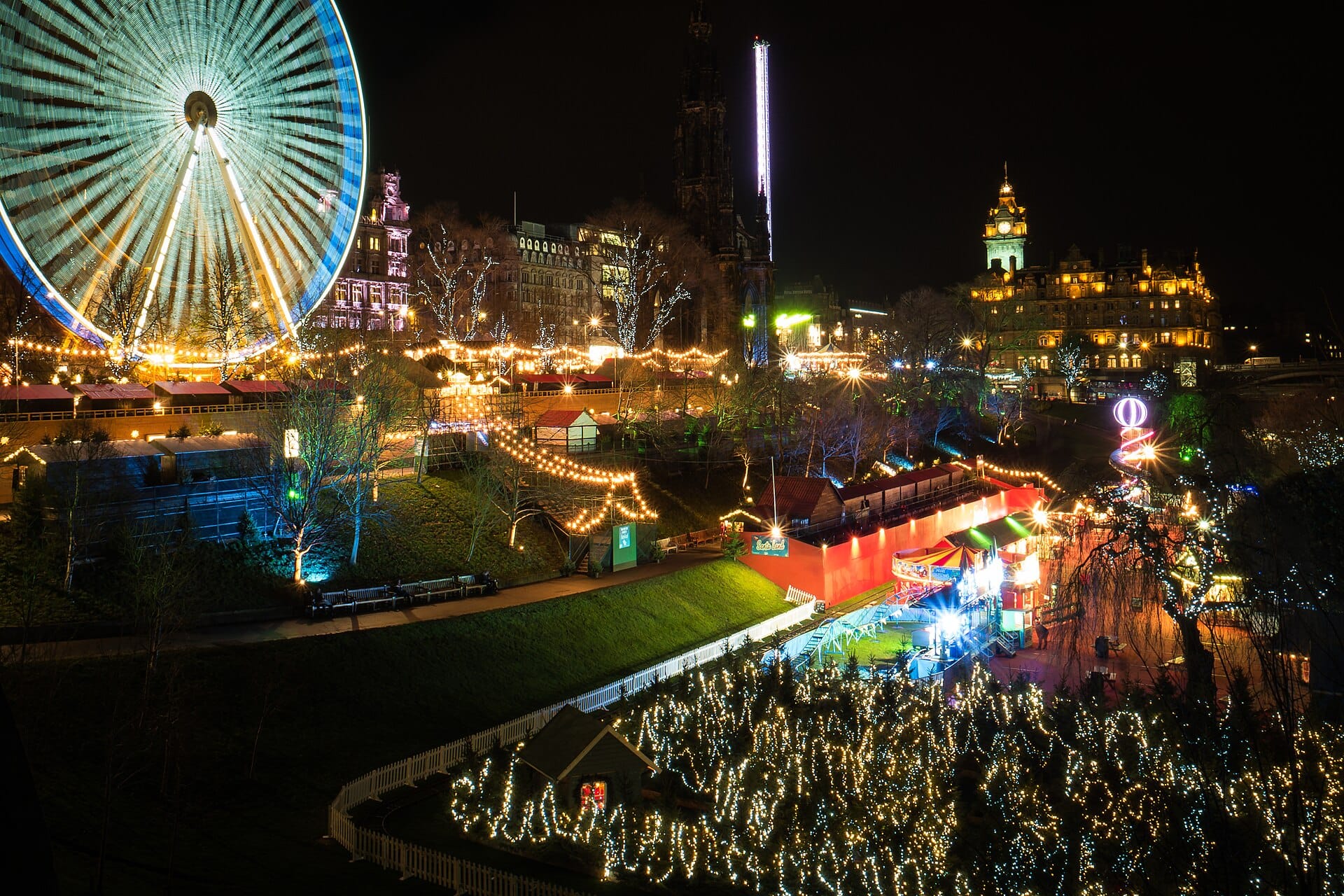
In winter, the eastern end of Princes Street hosts the Edinburgh Christmas market, which draws large crowds from November into January. The market occupies part of Princes Street Gardens and East Princes Street Gardens, and while it adds atmosphere to the area, it also creates significant congestion. The New Town's open street plan handles this better than the Old Town's closes and wynds, but patience is required on weekends.
TL;DR
The New Town is Edinburgh's Georgian set piece: planned, grand, and architecturally consistent in a way that few European city centres can match.
Best for: first-time visitors, architecture enthusiasts, shoppers, those wanting the best transit connections, and anyone who wants castle views built into their daily walk.
Key attractions include Princes Street Gardens, the Scott Monument, the Scottish National Gallery, the Scottish National Portrait Gallery, and Charlotte Square with the Georgian House.
The food and drink scene is strongest on George Street and the lanes running north toward Queen Street; avoid the Princes Street corridor for anything beyond a chain coffee.
Not ideal for budget travellers or those wanting a neighbourhood feel over a central, commercial one. Leith or Stockbridge offer more character at lower prices.
Three days is the ideal amount of time to explore Edinburgh's core. This itinerary covers the Royal Mile, Arthur's Seat, New Town, Leith, and everything in between — structured day by day so you make the most of every hour.
Edinburgh stands out when it comes to museums. Many of the city's finest collections are completely free, covering Scottish history, fine art, medical oddities, and everything in between. This guide covers the best museums in Edinburgh, grouped by theme, with practical advice on what's worth your time.
Edinburgh is a city that rewards visitors in every season, but the right time to go depends entirely on your priorities. This guide breaks down weather, crowd levels, festival dates, and price patterns so you can pick the visit that suits you, not the crowds.
Edinburgh is one of Europe's most dramatic cities to look at, and luckily most of its best viewpoints are free. This guide covers every major panorama in the city, from the summit of Arthur's Seat to a little-known staircase that frames the castle perfectly.
Edinburgh sits at the centre of one of Europe's most rewarding travel regions. Within a few hours in any direction, you can reach Highland glens, medieval university towns, royal castles, and coastal wildlife reserves. This guide breaks down the best day trips from Edinburgh by transport, cost, and realistic time commitment.
Edinburgh Airport (EDI) is the main gateway into Scotland's capital, sitting around 13 km west of the city centre. This guide covers how to get into Edinburgh quickly and affordably, what to expect on arrival, and how to plan around peak-period delays.
Edinburgh's Christmas market is one of the UK's largest festive events, spreading across multiple city-centre locations from mid-November through early January. This guide covers dates, opening hours, what costs money, where to go, and how to get the most out of your visit.
Edinburgh's food scene runs deeper than tourist menus on the Royal Mile. This guide covers the essential Scottish dishes, where to eat them by neighbourhood, what things actually cost, and how to avoid the common traps that catch first-time visitors.
Edinburgh is one of Europe's most naturally romantic cities, with castle silhouettes, candlelit closes, and wild hilltops all within walking distance of each other. This guide covers the best experiences for couples, from dramatic viewpoints and atmospheric history tours to gin distilleries and peaceful riverside walks.
The Edinburgh Festival Fringe is the world's largest performing arts festival, taking over Scotland's capital every August with thousands of shows across hundreds of venues. This guide covers everything from buying tickets and choosing venues to booking accommodation and navigating the city during peak season.
Edinburgh has one of the darkest, most layered histories of any city in Europe, and it shows. This guide covers the underground vaults, haunted kirkyard, and eerie historic sites that make Edinburgh's ghost tour scene genuinely compelling, with practical advice on where to go and what to expect.
J.K. Rowling wrote much of the Harry Potter series in Edinburgh's Old Town cafés, and the city's medieval streets, graveyards, and Gothic architecture left a clear mark on the wizarding world. This guide covers every key location, the best guided and self-guided tour options, and the myths worth ignoring before you go.
Edinburgh rewards those who look beyond the Royal Mile. From a cobbled mews that stops people in their tracks to a medieval castle with almost no queue, these are the spots locals love and most visitors miss entirely.
August is Edinburgh's most extraordinary and most chaotic month. The city hosts the world's largest performing arts festival, a spectacular military tattoo, and an internationally renowned arts programme, all at once. This guide covers what to expect, how to plan, and how to avoid the common pitfalls.
December transforms Edinburgh into one of Europe's most atmospheric winter destinations. From the Christmas market in Princes Street Gardens to the multi-day Hogmanay festival welcoming the New Year, this guide covers every event, practical detail, and local tip you need to make the most of a winter visit.
Edinburgh stands out for luxury travel. From landmark 5-star hotels along Princes Street to Michelin-starred restaurants in Leith, this guide covers where to stay, eat, and what to do when budget is not the constraint.
Edinburgh's nightlife is more layered than most visitors expect. This guide covers where to drink, dance, and catch live music across the city's main districts — from the medieval streets of Cowgate to the Georgian bars of George Street — with practical timing advice, venue picks, and seasonal warnings.
Edinburgh has a reputation for being expensive, but a large share of its best attractions are completely free. This guide breaks down real costs for accommodation, food, transport, and sightseeing — with practical advice on where to spend and where to save.
Edinburgh rewards even a single day with extraordinary depth. This itinerary moves you through the Old Town's greatest hits, up to the best viewpoints, and into the New Town for a final flourish — structured so you can adapt it to your pace, the weather, and whether you want history, views, or both.
Edinburgh's best shopping isn't on Princes Street. From Victoria Street's art-filled boutiques to Stockbridge's independent collective, this guide covers every area worth your time and money, plus the markets, practical tips, and honest warnings that other guides skip.
The journey from Edinburgh to Inverness covers around 155 miles through some of Scotland's most dramatic scenery. This guide breaks down every transport option — train, bus, car, and more — with practical advice on fares, timings, and how to make the most of the route.
Two great Scottish cities, 50 miles apart and connected by one of the UK's most frequent rail links. This guide breaks down exactly what each city does better, where your money goes further, and whether you actually need to choose at all.
Edinburgh is one of Europe's most walkable cities, with a compact Old Town, dramatic volcanic landscapes, and centuries of history packed into every close and wynd. This guide covers the best walking tours in Edinburgh, from guided ghost walks through the underground vaults to self-guided routes along the Royal Mile, Water of Leith, and beyond.
Edinburgh is one of Britain's great family destinations, with a compact Old Town full of hands-on museums, free green spaces, and enough drama and history to keep kids genuinely hooked. This guide covers the best activities for families, from rainy-day museum classics to outdoor adventures on an extinct volcano.
Edinburgh stands out for free attractions. World-class national museums, sweeping hilltop viewpoints, royal parks, historic kirkyards, and free-entry galleries mean you can spend several full days in the city without spending a penny on entry fees. This guide covers the best of them.
Edinburgh is one of Europe's most walkable capital cities, but knowing when to walk, when to catch a bus, and when to splash out on a taxi makes a real difference. This guide covers every transport option in the city, from Lothian Buses and the tram line to airport transfers and cycling, with practical advice on what to use and what to skip.
Edinburgh is one of Europe's great walking cities, with an ancient volcano, dramatic crags, riverside paths, and rolling hills all within reach of the city centre. This guide covers the best hikes and walks in and around Edinburgh, from a 30-minute stroll to a full-day hill walk in the Pentlands.
The London to Edinburgh train route is one of Britain's great rail journeys, covering about 393 miles in as little as 4 hours. This guide covers journey times, realistic ticket prices, the best booking strategies, and exactly what to expect when you arrive in Scotland's capital.
Edinburgh packs more into one city than almost anywhere in Britain: a medieval castle, royal palaces, world-class free museums, volcanic hilltops, and one of the planet's most famous festivals. This guide cuts through the noise with prices, booking advice, seasonal tips, and honest opinions on what's worth your time.
Choosing where to stay in Edinburgh shapes your entire trip. This guide breaks down every major neighbourhood by character, price range, and practicality, so you can book with confidence rather than guesswork.