Harry Potter in Edinburgh: Real Locations, Walking Tours & What's Actually Worth Seeing
J.K. Rowling wrote much of the Harry Potter series in Edinburgh's Old Town cafés, and the city's medieval streets, graveyards, and Gothic architecture left a clear mark on the wizarding world. This guide covers every key location, the best guided and self-guided tour options, and the myths worth ignoring before you go.
Tickets & tours
Live prices and dates from our booking partner. If you book, we may earn a commission at no extra cost to you.
TL;DR
- J.K. Rowling wrote much of Harry Potter in Edinburgh, finishing Deathly Hallows in Room 552 of The Balmoral Hotel on Princes Street.
- The core self-guided route runs through the Old Town, linking The Balmoral, Victoria Street, Greyfriars Kirkyard, and George Heriot's School in under 2 hours on foot.
- The Potter Trail offers a free (tips-based) 90-minute guided tour; commercial options run around £15-20 per adult.
- No Harry Potter films were shot in Edinburgh. Victoria Street inspired Diagon Alley but is not the film set. Alnwick Castle, not George Heriot's School, was used for Hogwarts exterior shots.
- Book any guided tour in advance during August and December, when Old Town streets are at their most crowded.
Why Edinburgh and Harry Potter Are Genuinely Connected
The Harry Potter connection to Edinburgh is real, not a marketing stretch. J.K. Rowling moved to the city in the early 1990s and wrote substantial portions of the series in its Old Town cafés while raising her daughter as a single parent. She finished the final book, Harry Potter and the Deathly Hallows, in 2007 in Room 552 of The Balmoral Hotel on Princes Street, marking the occasion by signing a marble bust in the room. The Balmoral still displays the plaque. This is not folklore; it is documented.
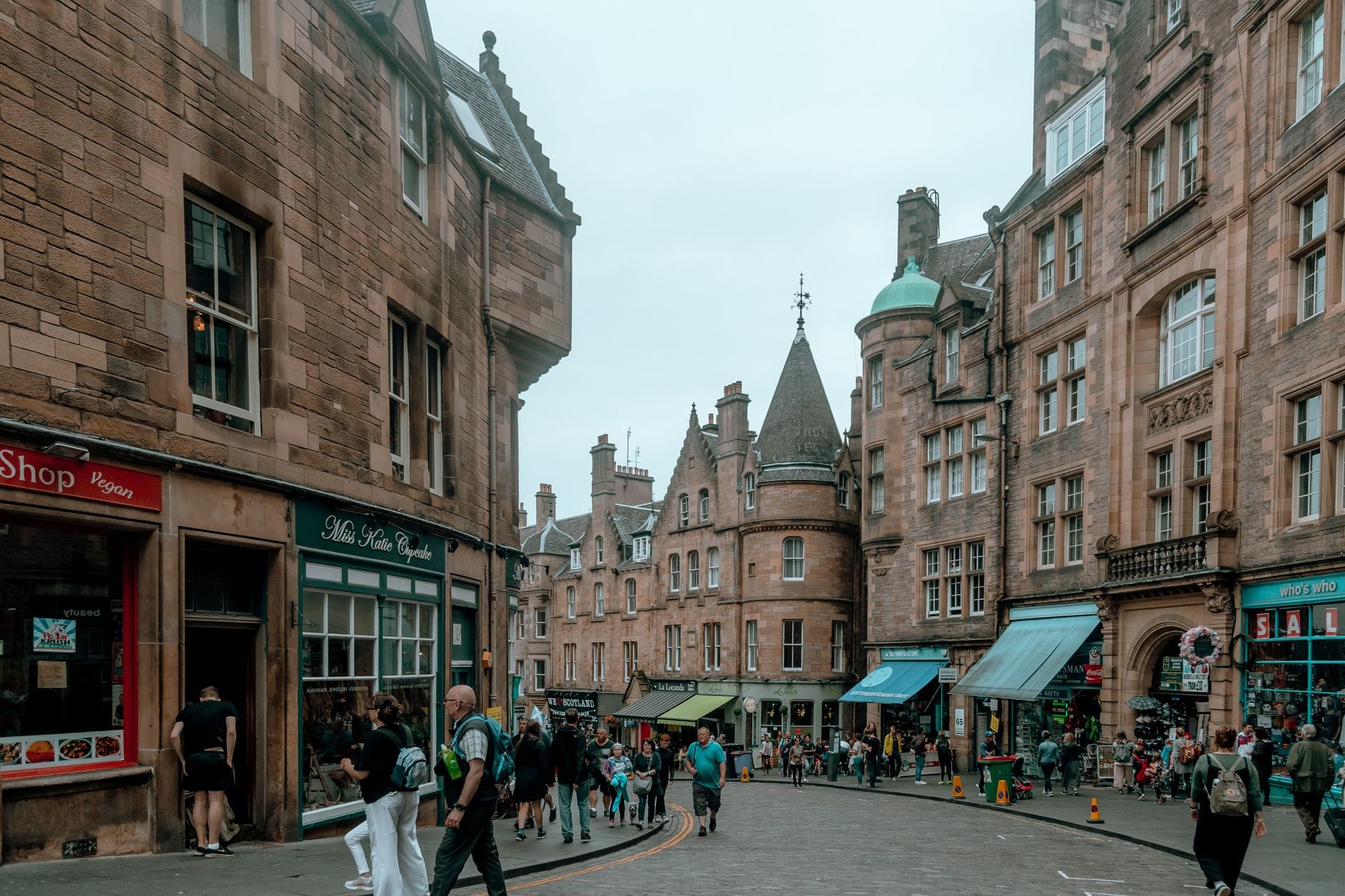
Edinburgh's physical character shaped the series in ways that are easy to see once you walk the streets. The city's medieval closes, Gothic spires, fog-draped wynds, and centuries-old graveyards all feed directly into the atmosphere of the wizarding world. If you explore the Old Town on foot, the creative logic becomes obvious. This is not a city that happens to have a Harry Potter café slapped on a wall; it is a city whose architecture and history left a traceable imprint on the books themselves.
⚠️ What to skip
Victoria Street did not appear in any Harry Potter film. The movie version of Diagon Alley was a purpose-built set, now accessible at the Warner Bros. Studio Tour near London. Edinburgh's Victoria Street is widely believed to have inspired Rowling's vision of Diagon Alley, but these are two different things. Manage expectations before you go.
The Key Harry Potter Locations in Edinburgh
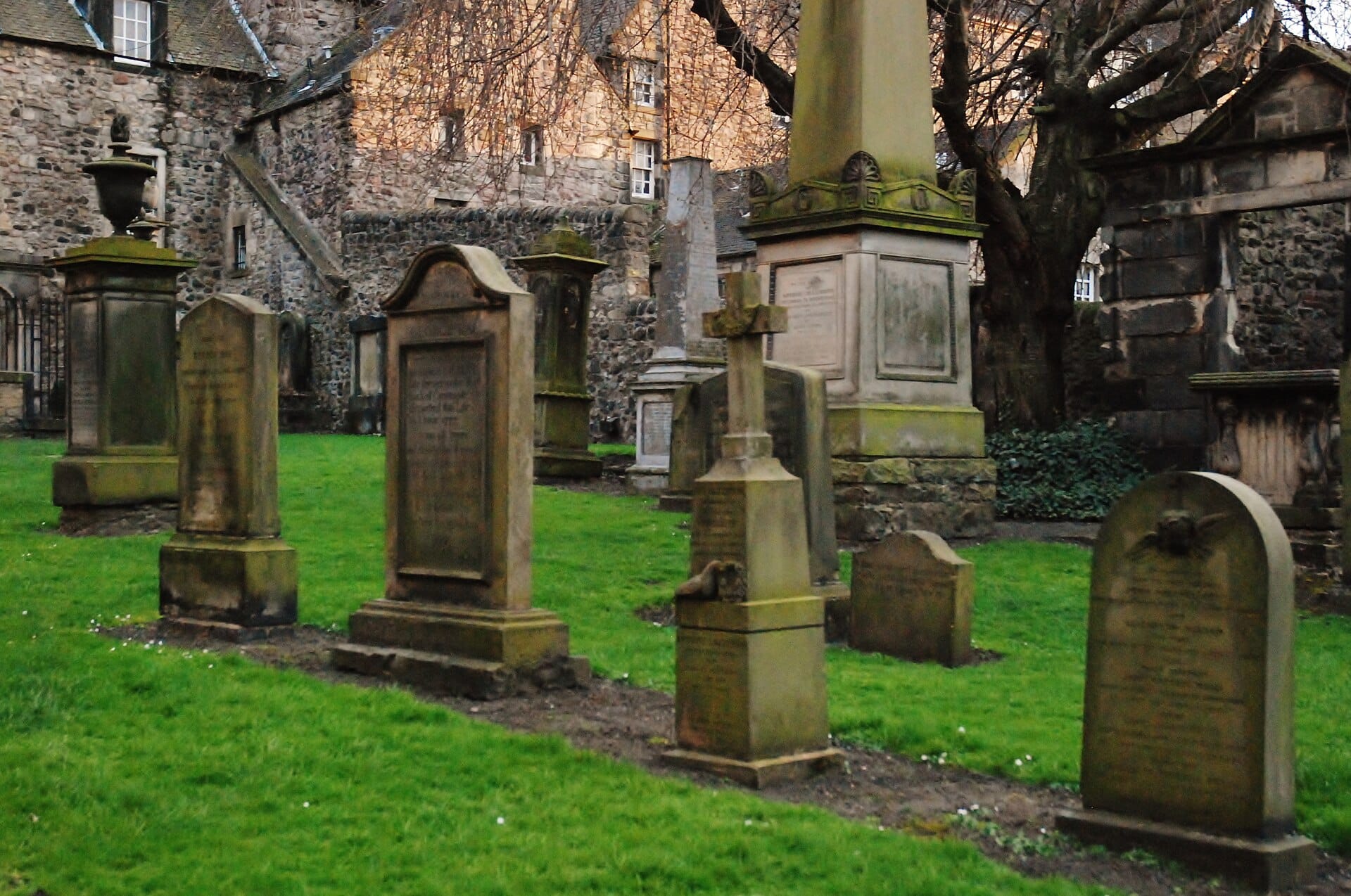
The strongest single stop on any Edinburgh Harry Potter itinerary is Greyfriars Kirkyard, the 16th-century graveyard adjacent to Greyfriars Kirk off Candlemaker Row. Rowling is believed to have drawn character names from gravestones here, with William McGonagall and Thomas Riddell among those cited most often. You can wander the graveyard for free at any time, though it draws significant crowds during peak summer months. Go early in the morning for the closest thing to a quiet visit.
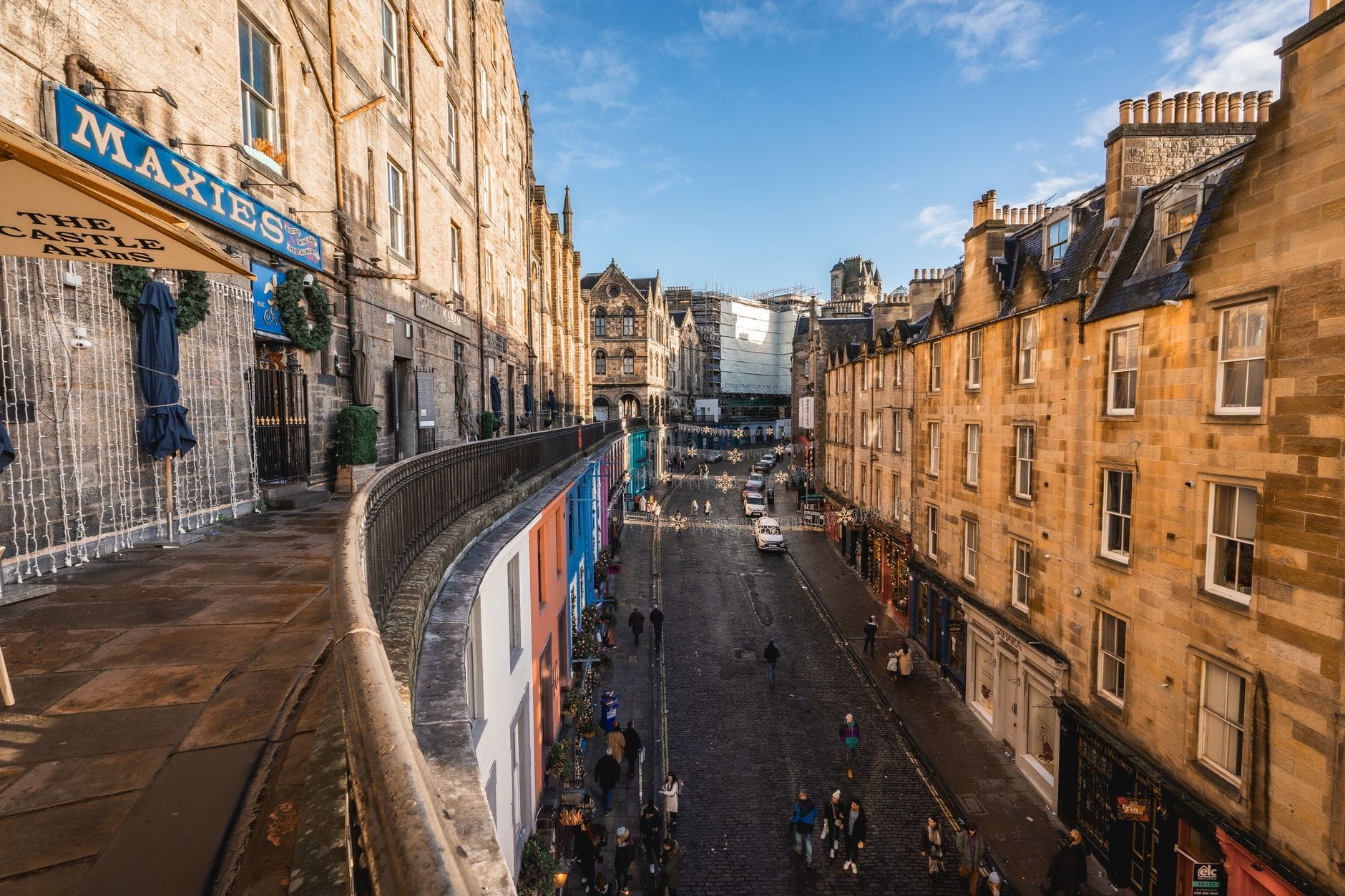
Victoria Street, a curved cobbled lane running down from George IV Bridge toward the Grassmarket, is the location most frequently compared to Diagon Alley. The arc of colorful shopfronts, the slightly steep descent, and the mix of specialty retailers do evoke something of that world. Museum Context on Victoria Street is one of the largest Harry Potter-themed shops in the city if merchandise is on your list. The Grassmarket at the bottom of the street is worth a look in its own right, an open square ringed by pubs and independent shops with a long and occasionally dark history.
George Heriot's School, visible from Greyfriars Kirkyard, is a 17th-century school building with towers, turrets, and a quadrangle that bears an undeniable resemblance to the fictional Hogwarts. Rowling could see it regularly when writing in nearby cafés. The school is a functioning secondary school and is not open to casual visitors, but the exterior is fully visible from the kirkyard wall and from Lauriston Place. It did not serve as a filming location; Alnwick Castle in Northumberland was used for Hogwarts outdoor scenes in the early films.
- The Balmoral Hotel, Princes Street Where Rowling finished Deathly Hallows in Room 552. The exterior is iconic; the room is a bookable suite if budget allows.
- Greyfriars Kirkyard Free entry. Gravestones believed to have inspired character names including McGonagall and Riddle. Adjacent to Greyfriars Bobby statue, which serves as the Potter Trail meeting point.
- Victoria Street and Grassmarket The curved street most associated with Diagon Alley in terms of visual inspiration. Several Potter-themed shops line the street.
- George Heriot's School Considered a major architectural inspiration for Hogwarts. View from Greyfriars Kirkyard; not accessible to the public.
- The Elephant House, George IV Bridge Marketed as the 'birthplace of Harry Potter.' Rowling did write here, but also in multiple other cafés. Treat the label with some skepticism.
- Nicolson's Café site, Nicolson Street One of the cafés where Rowling wrote early chapters. The original café is no longer operating under that name, but the building remains.
- Potterrow A street name that needs no explanation for fans, located south of the Royal Mile near the university area.
ℹ️ Good to know
The Elephant House received significant attention and visitor graffiti in the bathrooms over the years from fans leaving messages and tributes. The café has changed ownership and appearance over time. It is worth visiting as a working café with good views of the Castle, but its 'birthplace' label is a simplification: Rowling wrote in at least four or five Edinburgh cafés, and The Elephant House was not the first.
Guided Harry Potter Walking Tours: What to Expect
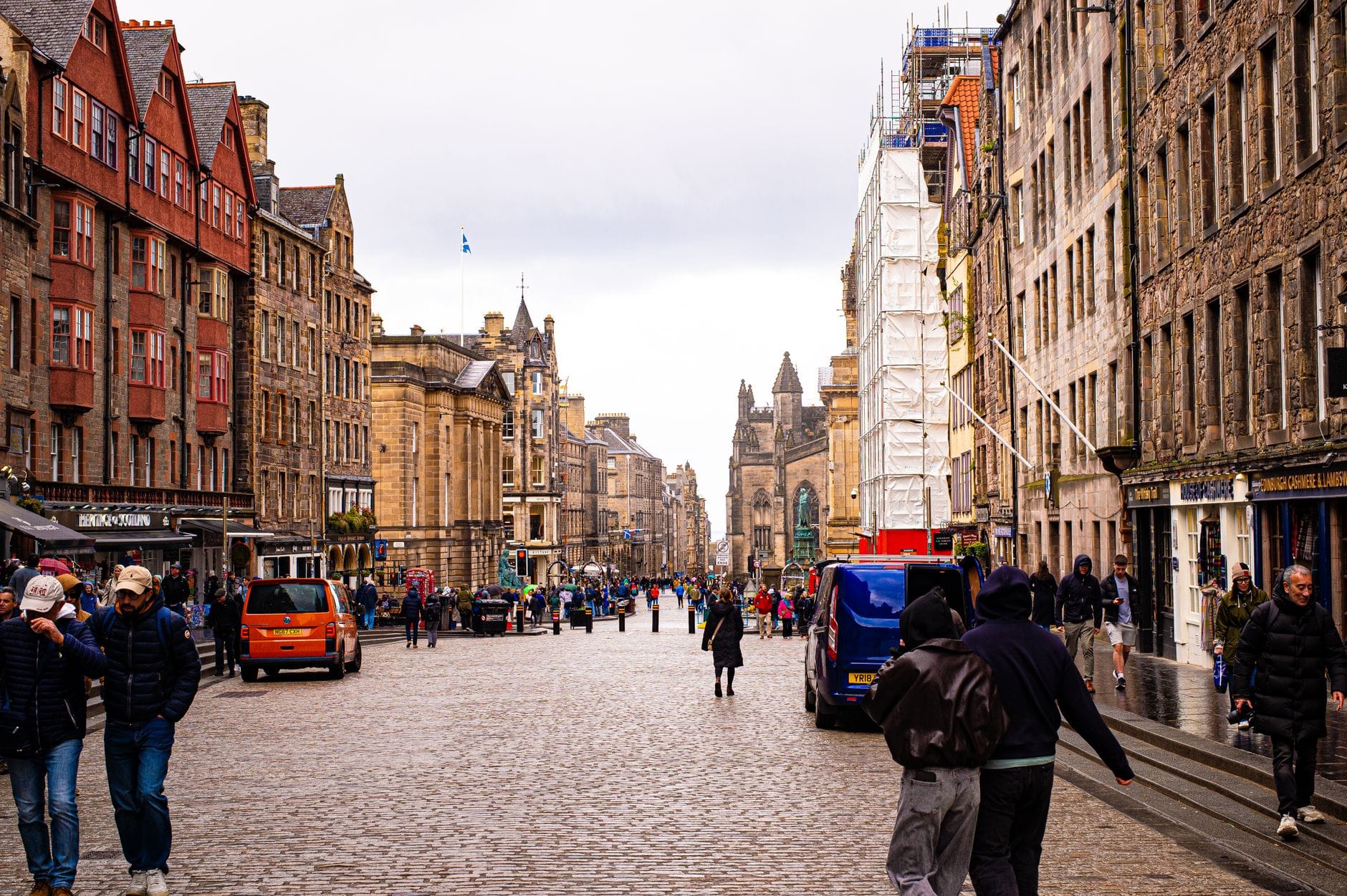
Guided tours cover similar ground to a self-directed walk but add historical context, storytelling, and local detail that is easy to miss on your own. For first-time visitors who want to understand the connections rather than just locate buildings, a guided tour is worth the time.
The Potter Trail is the best-known option and runs on a free, tips-based model. The tour lasts approximately 90 minutes, starts at the Greyfriars Bobby statue on Candlemaker Row, and ends on Victoria Terrace, the elevated walkway above Victoria Street. It covers Greyfriars Kirkyard, the school, the café sites, and the street comparisons in a logical order. Guides are typically enthusiastic and knowledgeable; tipping around £5-10 per person is standard practice. Booking is required via their official website at pottertrail.com, and spots fill up quickly during summer and festival periods.
Commercial tours running around 2 hours are available through platforms like GetYourGuide and Viator, typically priced around £15-20 per adult (verify current pricing before booking, as rates fluctuate). These often add a few additional stops and may include more structured storytelling. The Viator 'Original Harry Potter Locations Tour' meets at the William Chambers Monument on Chambers Street, near the National Museum of Scotland. Most commercial tours offer free cancellation up to 24 hours before, which is useful given Edinburgh's unpredictable weather.
✨ Pro tip
Book any Harry Potter tour at least a week in advance if you are visiting in July or August. The Edinburgh Festival Fringe runs through August and brings around 300,000 additional visitors to the city. Tours sell out, streets become very crowded, and even Greyfriars Kirkyard gets uncomfortably busy by mid-morning. The same applies to the Edinburgh Christmas Market period in December.
Self-Guided Harry Potter Walk: A Practical Route
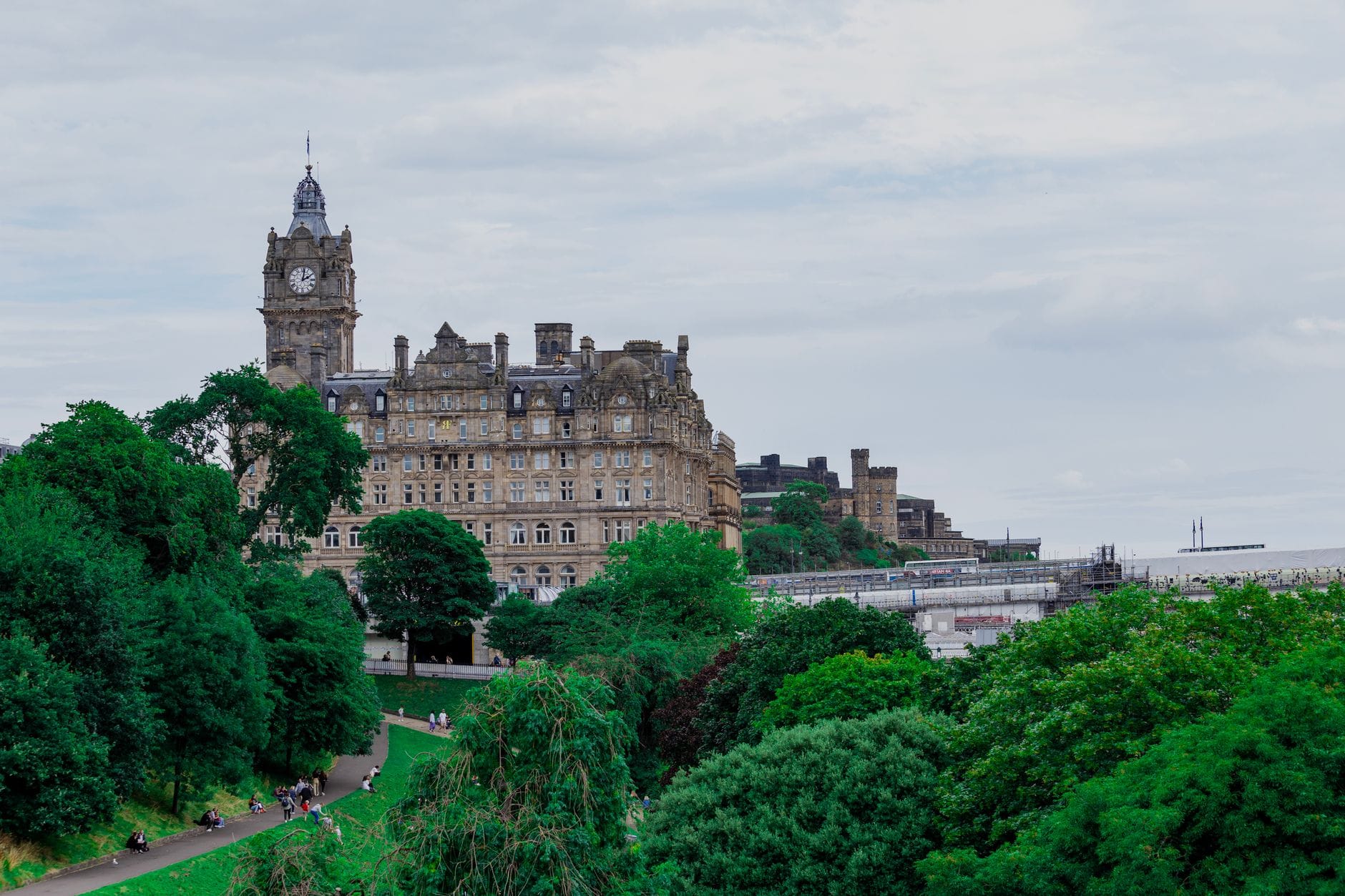
The self-guided version of this route takes roughly 90 minutes to 2 hours at a comfortable walking pace, not counting time spent inside any cafés or shops. Start at The Balmoral Hotel at the east end of Princes Street, then walk south into the Old Town via the Bridges. If you are combining this with wider sightseeing in the Old Town, it pairs naturally with a morning walk down the Royal Mile toward Holyrood.
- Start: The Balmoral Hotel, Princes Street (exterior; Room 552 plaque)
- Walk south via South Bridge to Nicolson Street (Nicolson's Café site)
- Continue to George IV Bridge: The Elephant House on your left
- Turn onto Candlemaker Row: Greyfriars Bobby statue, then Greyfriars Kirkyard
- From the kirkyard, view George Heriot's School over the south wall
- Head north on Candlemaker Row, then west to Victoria Street via the Grassmarket or George IV Bridge
- Walk Victoria Street and browse shops including Museum Context
- Finish on Victoria Terrace, the raised walkway above Victoria Street, for the best overview of the street
The cobbled streets in this area are genuinely uneven, and some sections of the route involve short steep inclines. Wear shoes with grip. Edinburgh's rain is not dramatic but it is frequent: a compact waterproof jacket is worth carrying year-round. If you want to extend the day into broader Old Town sightseeing, the Edinburgh walking tours guide covers the full range of themed and historical options across the city.
Myths, Misconceptions, and What Not to Believe
Several claims about Harry Potter and Edinburgh circulate persistently online and in tour marketing that deserve scrutiny before you plan around them.
The 'Diagon Alley' comparison: Victoria Street did not appear in any Harry Potter film. The Diagon Alley scenes were filmed at Leadenhall Market in London and on sets at Leavesden Studios. Victoria Street may have inspired Rowling's concept of a crooked wizarding shopping street, but calling it 'the real Diagon Alley' is marketing language rather than fact.
The Elephant House as sole birthplace: The café is the most famous associated location, partly because early marketing leaned on it and partly because it is still operating and visible. But Rowling has confirmed writing at Nicolson's Café (operated by her brother-in-law at the time), as well as other locations around the city. The Elephant House is one node in the story, not the whole story.
George Heriot's School versus Alnwick Castle: The school's architectural resemblance to Hogwarts is genuine and striking, especially when viewed from Greyfriars Kirkyard. But the films used Alnwick Castle in Northumberland for broomstick flying lessons and other outdoor Hogwarts scenes. Durham Cathedral also appeared as Hogwarts interior locations. If film accuracy matters to you, the school is an inspiration, not a shooting location. For Edinburgh-specific film sightseeing, the city's real cinematic credentials lie elsewhere, including its use in films like Trainspotting and The Da Vinci Code. For a broader picture of what the city offers visitors beyond the Potter trail, the complete Edinburgh things to do guide is a more reliable starting point.
Practical Tips for Planning Your Visit
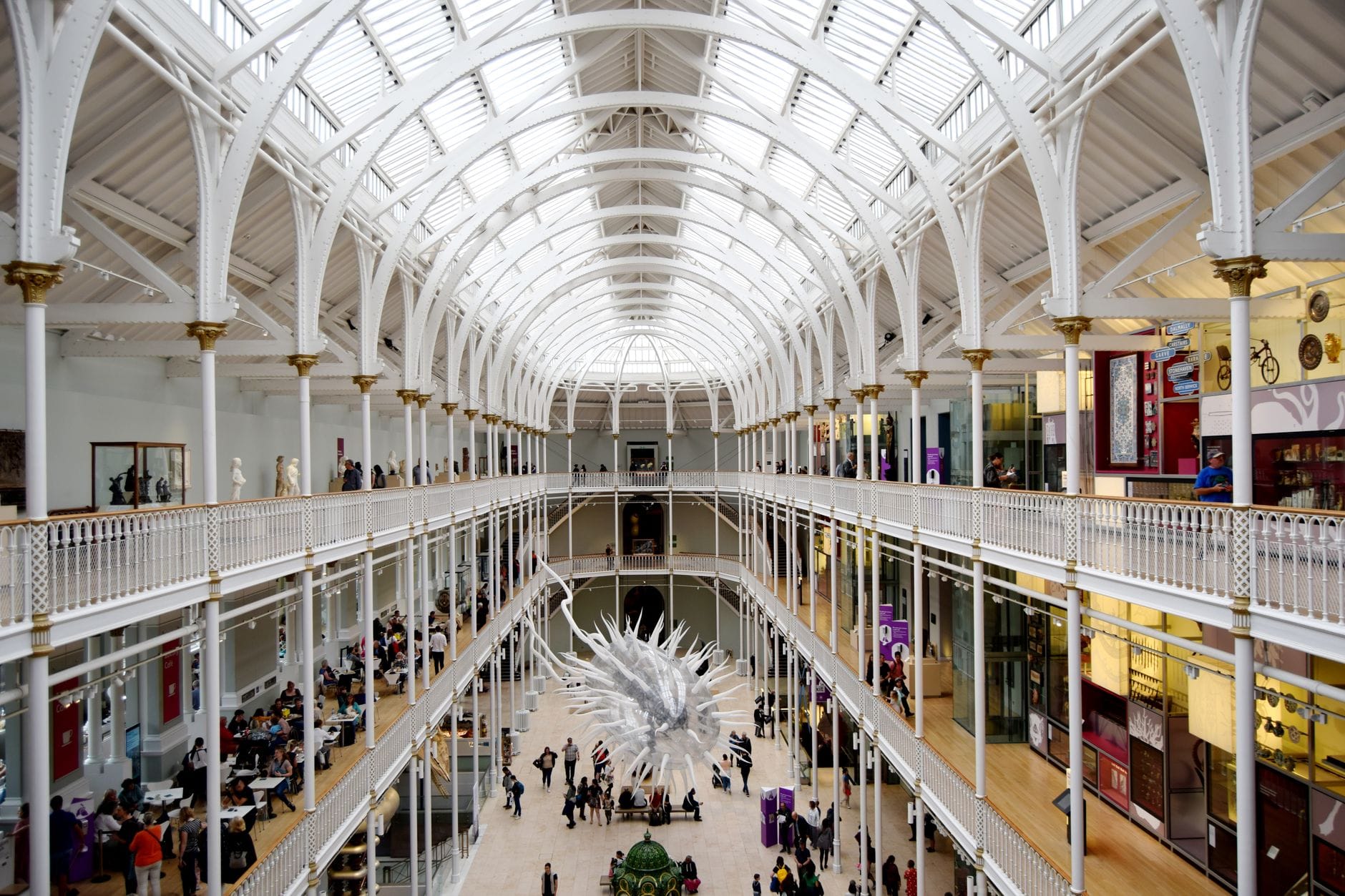
The Harry Potter walking route sits entirely within Edinburgh's Old Town, making it easy to combine with other major sightseeing. Edinburgh Castle is a 10-minute walk from Greyfriars Kirkyard, and the National Museum of Scotland on Chambers Street is free to enter and sits directly on the self-guided route. Budget at least half a day for the Potter trail alone; a full day if you are mixing it with Castle or museum visits.
Timing matters significantly in this part of the city. Greyfriars Kirkyard and Victoria Street are at their quietest before 9:30am and after 5:30pm. If you are visiting during August, read the Edinburgh in August guide before finalizing any plans: the Fringe festival transforms the Old Town entirely, and tour capacity is at its most strained. December brings similar pressure around the Edinburgh Christmas Market on Princes Street, which actually sits very close to The Balmoral.
For visitors on tighter budgets, the self-guided walk costs nothing beyond whatever you spend in shops or cafés. Greyfriars Kirkyard is free. The Potter Trail tour is free with a tip. For context on managing costs across the city more broadly, the Edinburgh on a budget guide covers the full range of free and low-cost options.
FAQ
Did J.K. Rowling really write Harry Potter in Edinburgh?
Yes. Rowling lived in Edinburgh from the early 1990s and wrote substantial portions of the Harry Potter series in several Old Town cafés, including Nicolson's Café and The Elephant House. She finished the final book, Deathly Hallows, at The Balmoral Hotel on Princes Street in 2007. The city's architecture, history, and atmosphere are widely cited as influences on the series.
Is Victoria Street really Diagon Alley?
No, not exactly. Victoria Street is believed to have visually inspired Rowling's concept of Diagon Alley, but the actual Diagon Alley film scenes were shot at Leadenhall Market in London and at purpose-built sets at Leavesden Studios. Victoria Street never appeared in any Harry Potter film. It is worth visiting on its own terms, but manage expectations about the film connection.
What is the best Harry Potter tour in Edinburgh?
The Potter Trail is the most popular option: it is free (tips-based), lasts 90 minutes, and covers the key sites in a logical route. For those who prefer a structured paid experience with more storytelling, commercial 2-hour tours available through GetYourGuide and Viator run at roughly £15-20 per adult. Either option requires advance booking during peak season.
Can you do the Harry Potter Edinburgh walk without a guide?
Yes. The self-guided route is straightforward and takes around 90 minutes to 2 hours. Start at The Balmoral Hotel on Princes Street, work south through the Old Town to Nicolson Street, George IV Bridge, Greyfriars Kirkyard, and finish on Victoria Street and Victoria Terrace. Free step-by-step guides are available from multiple travel sites. A guided tour adds context and storytelling but is not necessary.
When is the best time to visit the Harry Potter sites in Edinburgh?
Early morning on any weekday gives you the quietest experience, especially at Greyfriars Kirkyard and Victoria Street. Avoid visiting in August without advance tour bookings: the Edinburgh Festival Fringe brings hundreds of thousands of visitors and the Old Town becomes extremely crowded. December is similarly busy around the Christmas Market period. April through June and September through October offer a reasonable balance of decent weather and manageable crowds.
Tickets & tours
Live prices and dates from our booking partner. If you book, we may earn a commission at no extra cost to you.
Planning a trip? Discover personalized activities with the Nomado app.