Edinburgh vs Glasgow: Which Scottish City Should You Visit?
Two great Scottish cities, 50 miles apart and connected by one of the UK's most frequent rail links. This guide breaks down exactly what each city does better, where your money goes further, and whether you actually need to choose at all.
Tickets & tours
Live prices and dates from our booking partner. If you book, we may earn a commission at no extra cost to you.
TL;DR
- Edinburgh suits history lovers, first-time visitors to Scotland, and anyone drawn to dramatic architecture — start with the Castle and the Royal Mile.
- Glasgow is Scotland's largest city (population around 650,000), tends to be 15-25% cheaper overall, and has a stronger contemporary arts and music scene.
- The train between Edinburgh Waverley and Glasgow Queen Street runs roughly every 15 minutes and takes 50-60 minutes, with fares from around £6 on advance booking.
- Edinburgh accommodation can run 20-30% more expensive than Glasgow equivalents, especially in August when festival crowds nearly double the city's population.
- Most experienced Scotland travellers recommend visiting both cities on one trip — the distance and transport make it entirely practical, even on a short break.
The Core Difference Between Edinburgh and Glasgow
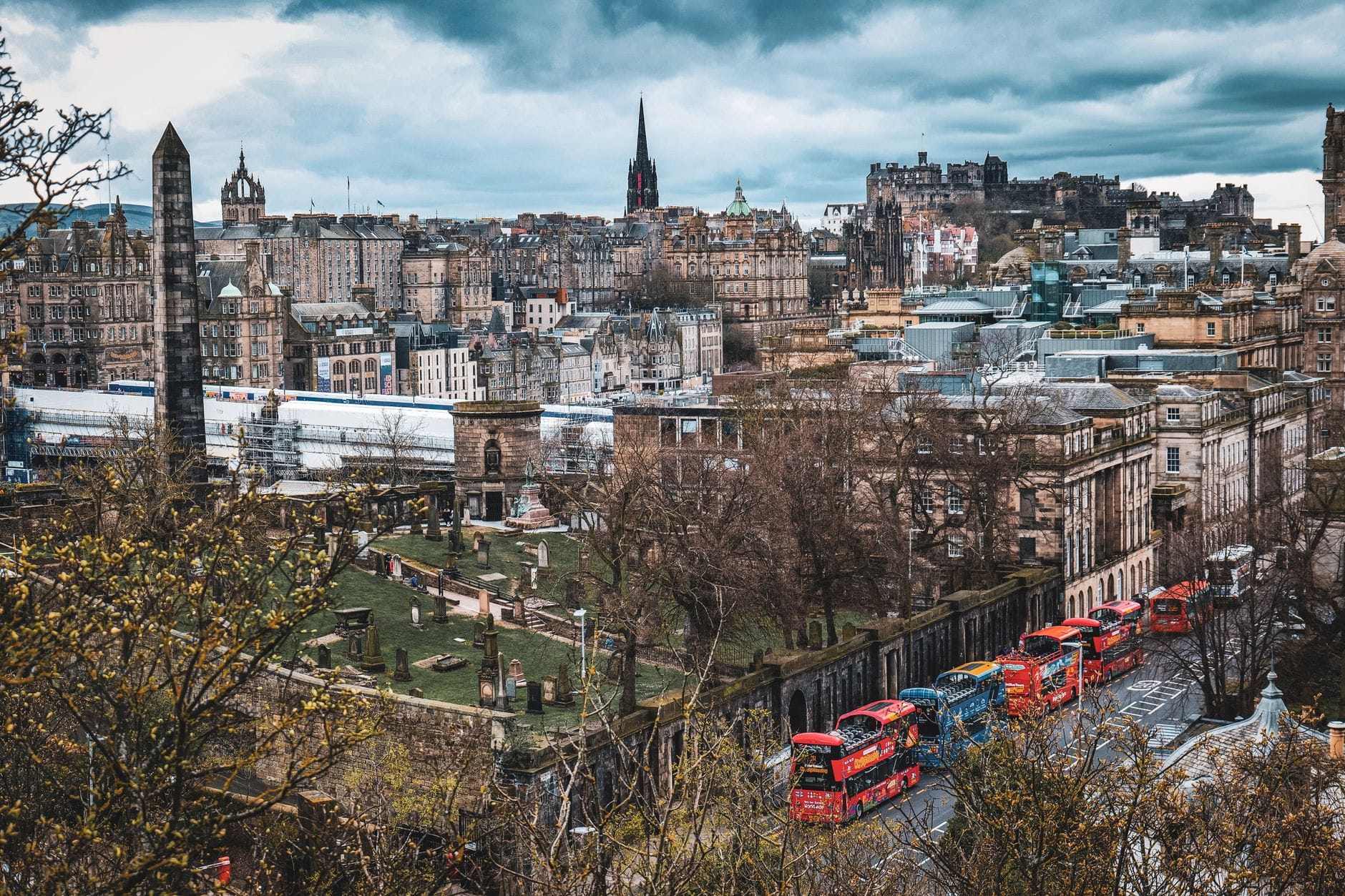
Edinburgh vs Glasgow is one of those debates that Scots have strong opinions about, but the reality for visitors is more straightforward. Edinburgh is Scotland's capital, a city built on volcanic rock with a medieval Old Town that has barely changed in outline since the 17th century. Glasgow is Scotland's largest and most economically productive city, with a character shaped by industry, immigration, and reinvention. The two cities are 50 miles apart and could not feel more different on the ground.
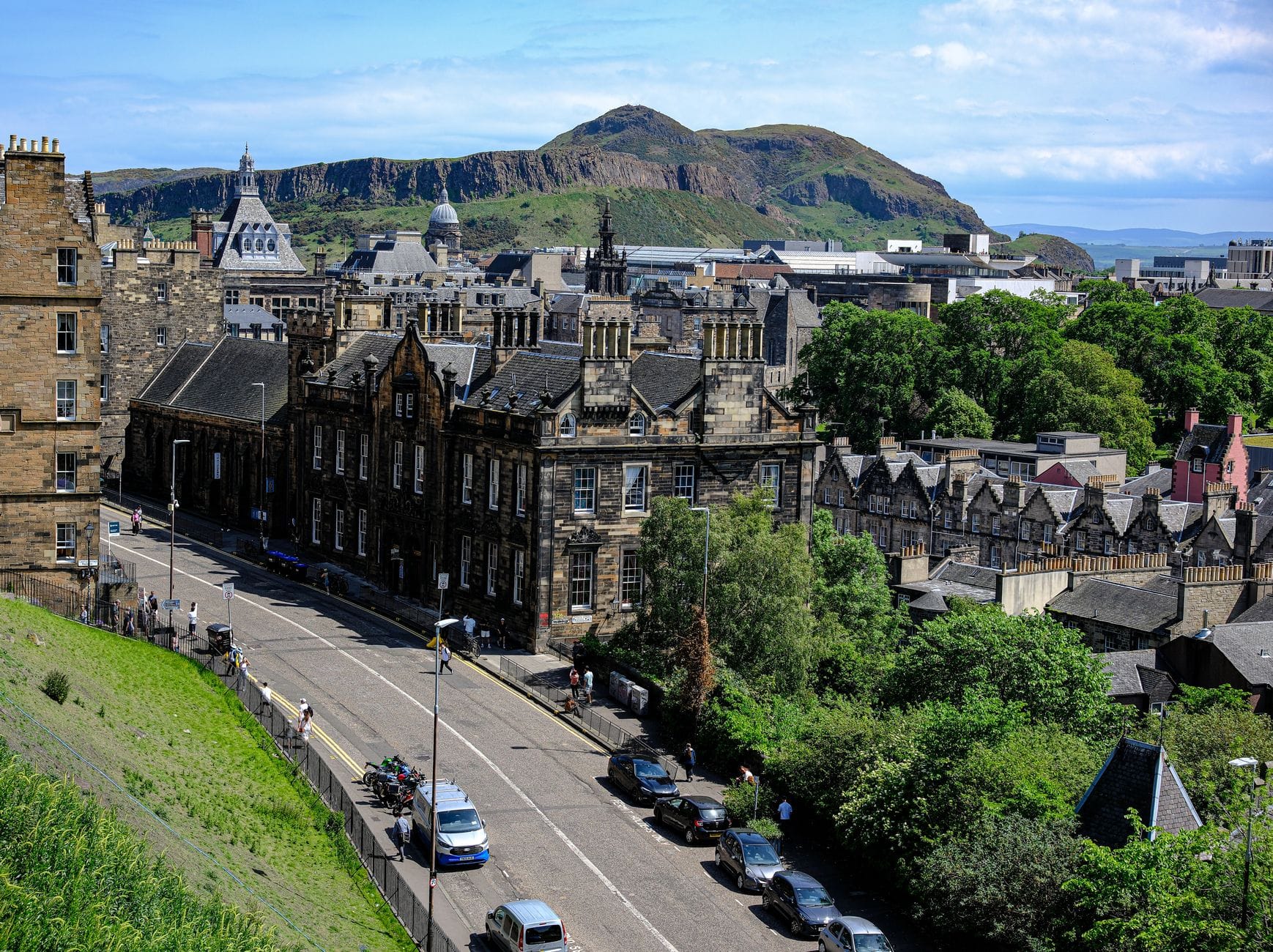
Edinburgh has a population of around 530,680 and covers 264 km². Glasgow is larger in population (around 650,300) but smaller in area (175 km²). If your benchmark for a great city trip is spectacular skylines, layered history, and world-class walking, Edinburgh wins on almost every measure. If you prioritise a thriving local culture, lower prices, and less tourist infrastructure, Glasgow has the edge. For most visitors planning a first trip to Scotland, though, the Edinburgh Castle, the Royal Mile, and Arthur's Seat alone justify basing yourself in the capital.
Edinburgh: What It Does Best
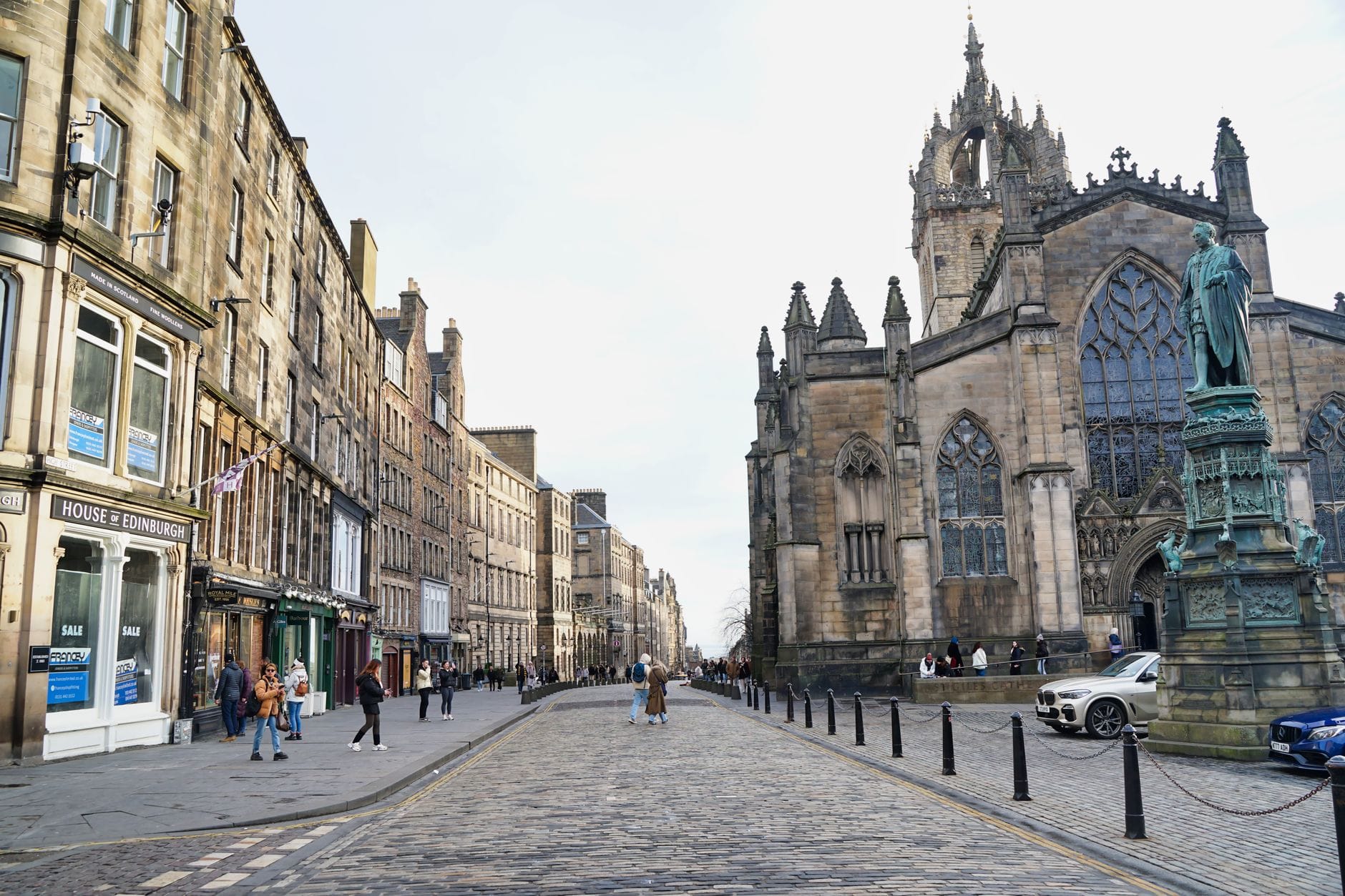
Edinburgh's greatest asset is its built environment. The Old Town and New Town together form a UNESCO World Heritage Site, and the density of significant attractions within walking distance of each other is genuinely unusual. In a single afternoon you can walk from Edinburgh Castle down the Royal Mile, stop inside St Giles' Cathedral, and reach the Palace of Holyroodhouse at the foot of the hill — all on foot, with no public transport required.
The museums are an underrated part of Edinburgh's case. The National Museum of Scotland on Chambers Street is free and genuinely world-class, covering everything from Pictish stones to Dolly the sheep. The Scottish National Gallery on the Mound holds one of the strongest collections in the UK outside London, also free. For a full breakdown, see the guide to the best museums in Edinburgh.
Edinburgh's festival calendar is unmatched by any UK city outside London. The Edinburgh Festival Fringe each August is the world's largest arts festival, running simultaneously with the Royal Edinburgh Military Tattoo and several other major events. The city transforms almost beyond recognition. If you want to experience that energy, there is no substitute — Glasgow simply does not have an equivalent. On the other hand, if you're visiting in August without festival plans and on a tight budget, you'll find prices sharply elevated and accommodation scarce. The guide to Edinburgh in August covers what to expect in detail.
- Historic attractions The Royal Mile, Edinburgh Castle, Holyroodhouse, and Greyfriars Kirkyard are all walkable from each other — no other Scottish city packs this density.
- Natural setting Arthur's Seat (an extinct volcano inside the city limits) and the Salisbury Crags offer serious walking within 20 minutes of the centre.
- Festival culture The August festival season draws over 4 million visits and remains a singular global event — plan far ahead or avoid the crowds entirely.
- Architecture The Georgian New Town grid is one of the best-preserved planned cityscapes in Europe, worth exploring even without a specific destination in mind.
Glasgow: What It Does Best
Glasgow gets unfairly compared to Edinburgh and usually comes off second. That's the wrong way to look at it. Glasgow is a different kind of city: it rewards curiosity and exploration rather than landmark-ticking. Its museums — the Kelvingrove Art Gallery and Museum, the Riverside Museum, the Gallery of Modern Art — are all free and among the best in Scotland. Its restaurant and bar scene is more diverse and arguably more affordable than Edinburgh's. Its music scene, from the legendary King Tut's Wah Wah Hut to the Hydro arena, is world-class.
Glasgow's architecture is also striking, just less famous. The Charles Rennie Mackintosh buildings scattered across the city represent some of the most significant Art Nouveau design anywhere in the world. The West End around Byres Road has a relaxed, neighbourhood feel that Edinburgh's tourist-heavy Old Town often lacks. If you're the kind of traveller who gets tired of guided tours and wants to eat and drink alongside locals rather than other visitors, Glasgow is likely to suit you better.
ℹ️ Good to know
On cost: mid-range travel budgets typically run around £250 per day in Edinburgh versus around £200 per day in Glasgow for equivalent quality accommodation, food, and entertainment. That gap widens significantly in August in Edinburgh, when demand spikes. Glasgow maintains more consistent pricing year-round.
Getting Between Edinburgh and Glasgow
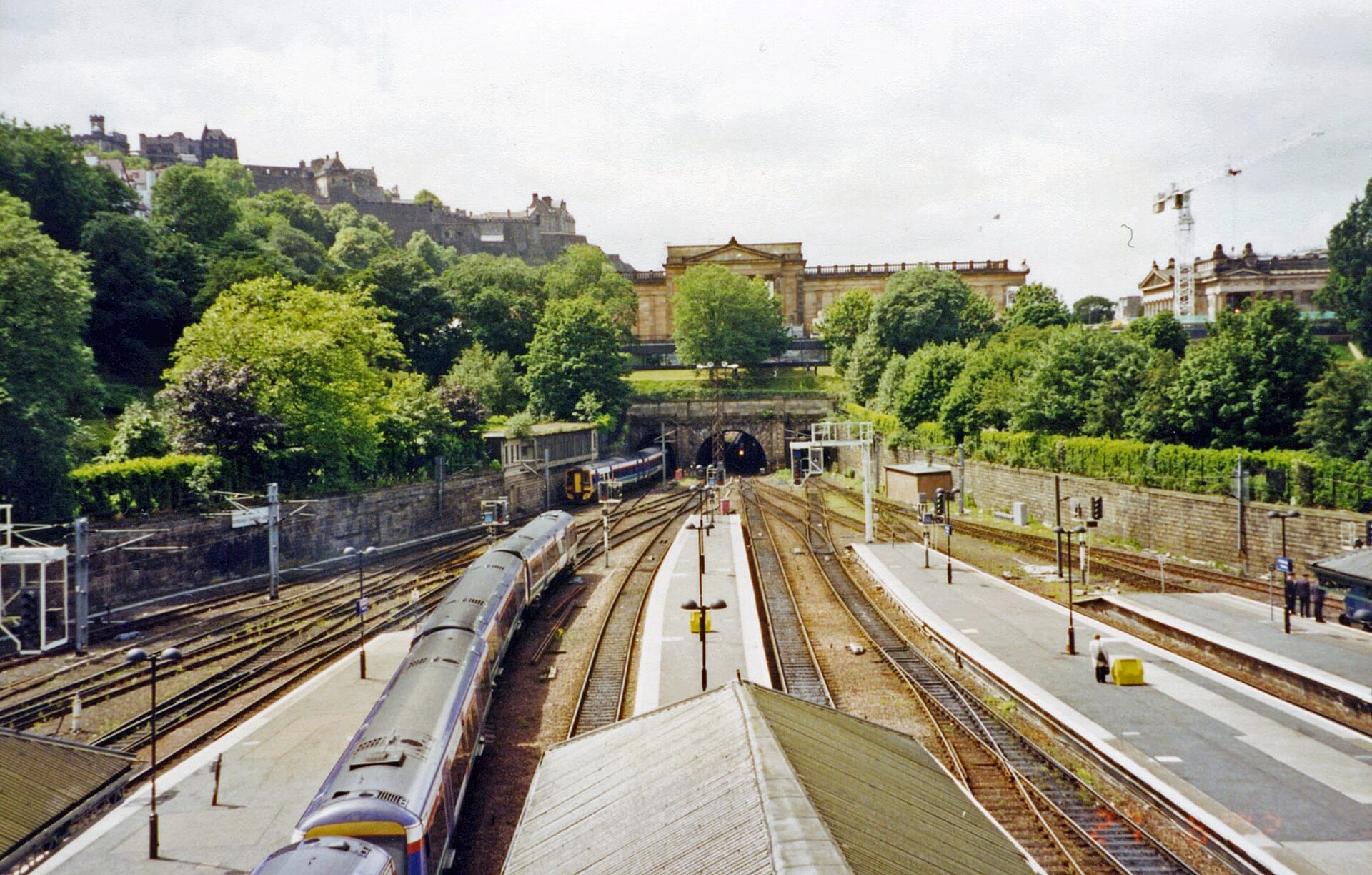
The train is by far the most practical option. ScotRail runs direct services from Edinburgh Waverley to Glasgow Queen Street approximately every 15 minutes at peak times and at least every 30 minutes off-peak during the day, with the journey taking 50-60 minutes. Standard one-way fares average around £14.50, but advance tickets regularly drop to £6 or less — book through ScotRail or National Rail. Services run from early morning to late evening, and the route is reliable enough that you can plan a day trip from either city without significant risk.
Scottish Citylink coaches connect the two cities in around 75-90 minutes with fares starting from approximately £4 one-way. The bus is slower and less frequent than the train, but useful if you're budget-conscious or travelling with heavy luggage from one city's bus station. There is also a second rail route, Edinburgh to Glasgow Central via Carstairs, which connects to Glasgow's south-side station and can be handy depending on where you're staying in Glasgow.
💡 Local tip
If you're basing yourself in Edinburgh and doing Glasgow as a day trip, aim to take an early train (before 9am) to maximise time in the city. The last trains back run past midnight, so there's no pressure to rush — but booking return tickets in advance will save money.
Cost Comparison: Where Your Money Goes Further
Glasgow is consistently cheaper than Edinburgh across accommodation, food, and entertainment. Multiple travel cost comparisons put Glasgow 15-25% cheaper overall, and the gap is most pronounced during Edinburgh's summer festival season (late July through August) when hotel rates in the Scottish capital spike sharply. If you're travelling on a tight budget and flexibility allows, Glasgow offers noticeably more value.
That said, Edinburgh has strong free options that help balance the cost. The National Museum, National Gallery, Portrait Gallery, and Botanic Gardens are all free to enter. Arthur's Seat costs nothing to climb. Many of Edinburgh's best experiences involve simply walking the city. For a structured approach to doing Edinburgh affordably, the guide to Edinburgh on a budget covers the specifics — accommodation tips, free attractions, and cheap eating.
- Train fares Edinburgh-Glasgow: from around £6 advance, £14.50 standard one-way
- Coach fares Edinburgh-Glasgow: from around £4 one-way via Scottish Citylink
- Mid-range daily budget Edinburgh: approximately £250 per person (accommodation, food, activities)
- Mid-range daily budget Glasgow: approximately £200 per person
- Edinburgh premium in August: accommodation can rise 40-60% above off-peak rates during festival weeks
- Free major attractions in Edinburgh: National Museum, Scottish National Gallery, Portrait Gallery, Botanic Garden, Arthur's Seat
- Free major attractions in Glasgow: Kelvingrove, Riverside Museum, Gallery of Modern Art, Pollok Country Park
Which City Should You Actually Visit?
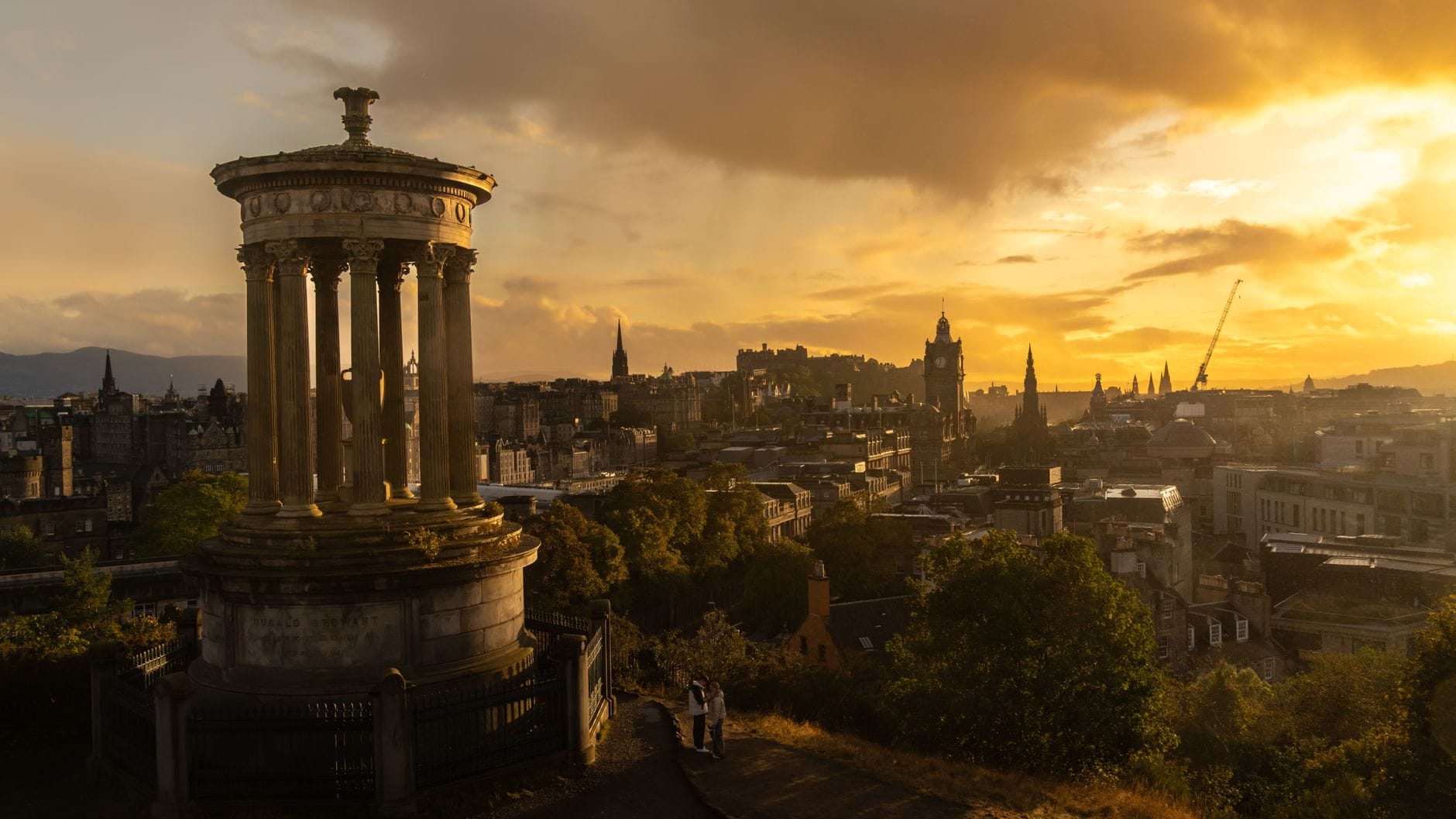
For first-time visitors to Scotland, Edinburgh is the stronger base. The concentration of historically significant sights, the walking city layout, the festival calendar, and the overall visual drama of the place make it the more complete city-break destination. It is not a perfect city — parts of the Old Town can feel theme-park dense in summer, and prices are genuinely high in August. But nothing in Glasgow matches the experience of walking from the castle down to Holyrood at dusk.
If you've already done Edinburgh and are returning to Scotland, Glasgow is worth prioritising. Alternatively, if your primary interests are contemporary art, music, or eating on a budget, Glasgow deserves serious consideration as a main base. The ideal itinerary for most visitors, though, is simply to do both. Three or four nights in Edinburgh combined with a day trip to Glasgow is one of the most practical Scotland itineraries available. The 3-day Edinburgh itinerary pairs well with a day in Glasgow on day two or three via the Waverley train.
⚠️ What to skip
Don't visit Edinburgh in August without booking accommodation months in advance. Festival demand pushes prices to their annual peak and availability disappears fast. If your dates are fixed around August, Glasgow is the significantly easier and cheaper base — with Edinburgh accessible as a day trip via the half-hourly (or better at peak times) train.
For planning the Edinburgh side of any trip, the guide to things to do in Edinburgh is the most comprehensive starting point. If you're deciding when to go, the best time to visit Edinburgh guide breaks down each season honestly, including the August trade-offs.
FAQ
How long does it take to get from Edinburgh to Glasgow by train?
The direct ScotRail service from Edinburgh Waverley to Glasgow Queen Street takes 50-60 minutes and runs approximately every 15 minutes during the day. Advance one-way fares start from around £6; standard walk-up fares average around £14.50.
Is Edinburgh or Glasgow better for tourists?
Edinburgh is the stronger choice for first-time visitors to Scotland. The historic Old Town, castle, and walkable layout make it a more self-contained destination. Glasgow suits travellers who have already visited Edinburgh, prefer a less tourist-heavy atmosphere, or are working with a tighter budget.
Is Glasgow cheaper than Edinburgh?
Yes, consistently. Glasgow tends to run 15-25% cheaper overall for hotels, restaurants, and entertainment. The gap is largest in August when Edinburgh's festival season pushes accommodation prices sharply higher. Glasgow's major museums are also free, comparable to Edinburgh's.
Can you visit both Edinburgh and Glasgow in one trip?
Absolutely — most experienced travellers recommend it. The two cities are under 50 miles apart with trains running every 15 minutes. A common approach is 3-4 nights in Edinburgh with a day trip to Glasgow, or splitting nights between both cities if you want to explore Glasgow's neighbourhoods more thoroughly.
What is Edinburgh most famous for?
Edinburgh is best known for Edinburgh Castle, the Royal Mile, the Palace of Holyroodhouse, and the annual Edinburgh Festival Fringe — the world's largest arts festival, held each August. The city is also Scotland's capital and home to the Scottish Parliament, Arthur's Seat (an extinct volcano in the city centre), and a UNESCO-listed Old and New Town.
Tickets & tours
Live prices and dates from our booking partner. If you book, we may earn a commission at no extra cost to you.
Planning a trip? Discover personalized activities with the Nomado app.