Best Time to Visit Edinburgh: A Month-by-Month Breakdown
Edinburgh is a city that rewards visitors in every season, but the right time to go depends entirely on your priorities. This guide breaks down weather, crowd levels, festival dates, and price patterns so you can pick the visit that suits you, not the crowds.
Tickets & tours
Live prices and dates from our booking partner. If you book, we may earn a commission at no extra cost to you.
TL;DR
- May, June, and September are the sweet spot: mild temperatures (around 10–18°C), longer daylight hours, and far more manageable crowds than August.
- August is peak season because of the Edinburgh Festival Fringe and the Royal Edinburgh Military Tattoo — hotel prices can triple and rooms book out months in advance.
- January to early March is the cheapest and quietest period, though expect short days, cold temperatures, and some reduced opening hours at attractions.
- Late December brings Hogmanay and the Edinburgh Christmas Market — festive atmosphere but high prices and packed streets.
- Edinburgh summers are genuinely cool: average highs sit around 18–19°C. Pack layers regardless of when you visit.
Edinburgh's Climate: What to Actually Expect
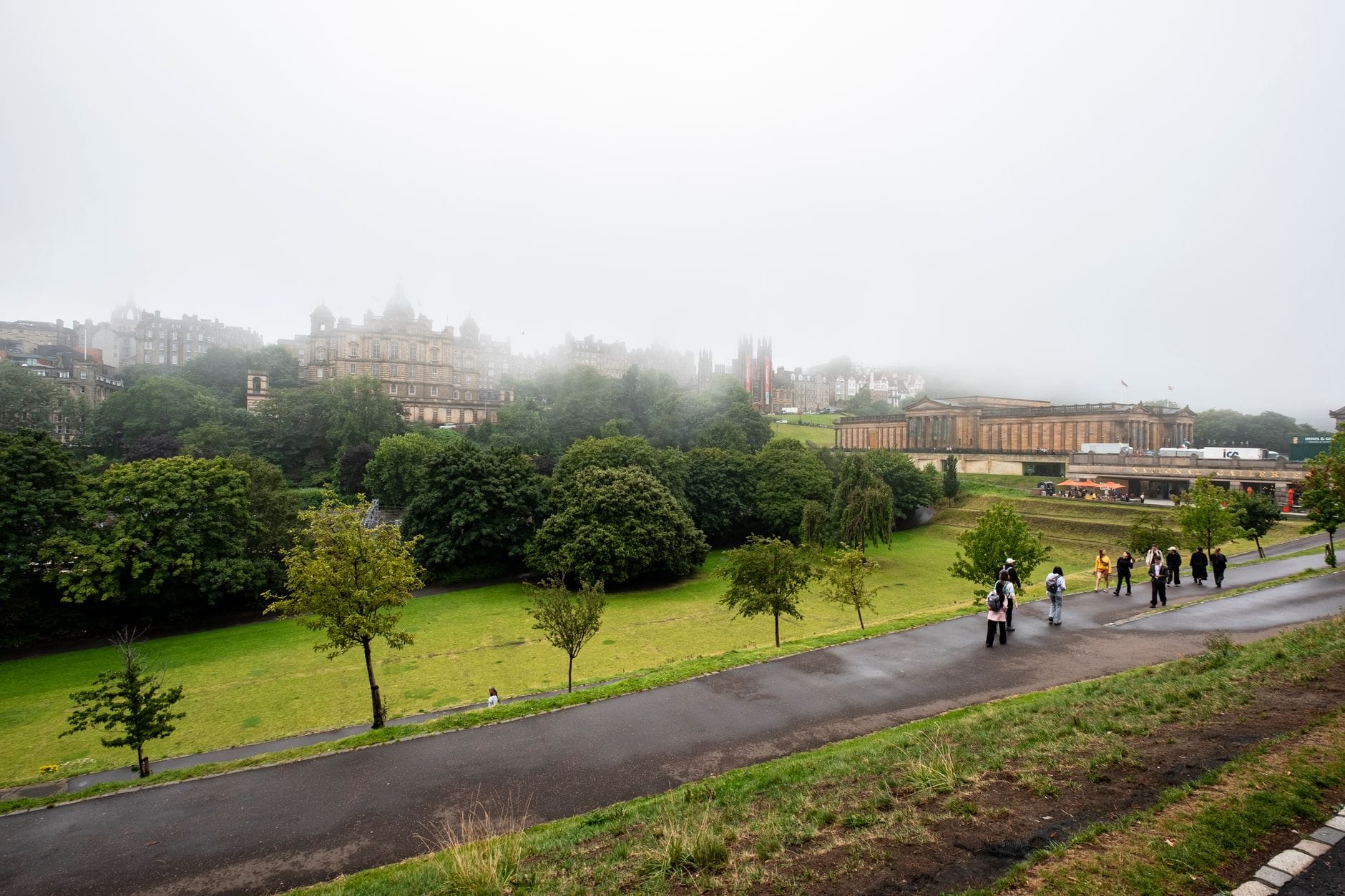
Edinburgh sits on Scotland's east coast, which makes it drier than the west Highlands but windier and greyer than most visitors expect. It has an oceanic climate: no scorching summers, no harsh winters, but a persistent dampness and wind that catches people off guard. The city is hilly, which amplifies wind chill, and weather can shift from sunshine to drizzle within an hour, even in July.
- Spring (March–May) Temperatures from around 5–15°C (41–59°F). Days lengthen rapidly from March onward. April and May can bring fresh, clear days — one of the better times to photograph the skyline. Expect occasional frost in March.
- Summer (June–August) Average highs of around 18–19°C (64–66°F). June and July get up to 17 hours of daylight. August is peak tourist season and rarely feels 'hot' — but overcast days are the norm, and rain is always possible.
- Autumn (September–November) Temperatures drop gradually from around 15°C in September to 5–8°C by November. September often feels like a continuation of summer, with leaf colour making the city particularly photogenic.
- Winter (December–February) Average highs of 5–7°C (41–45°F), with lows sometimes near 1–2°C. Daylight hours shrink to around 7 hours in December. Snow is rare in the city centre but possible, especially on the hills.
💡 Local tip
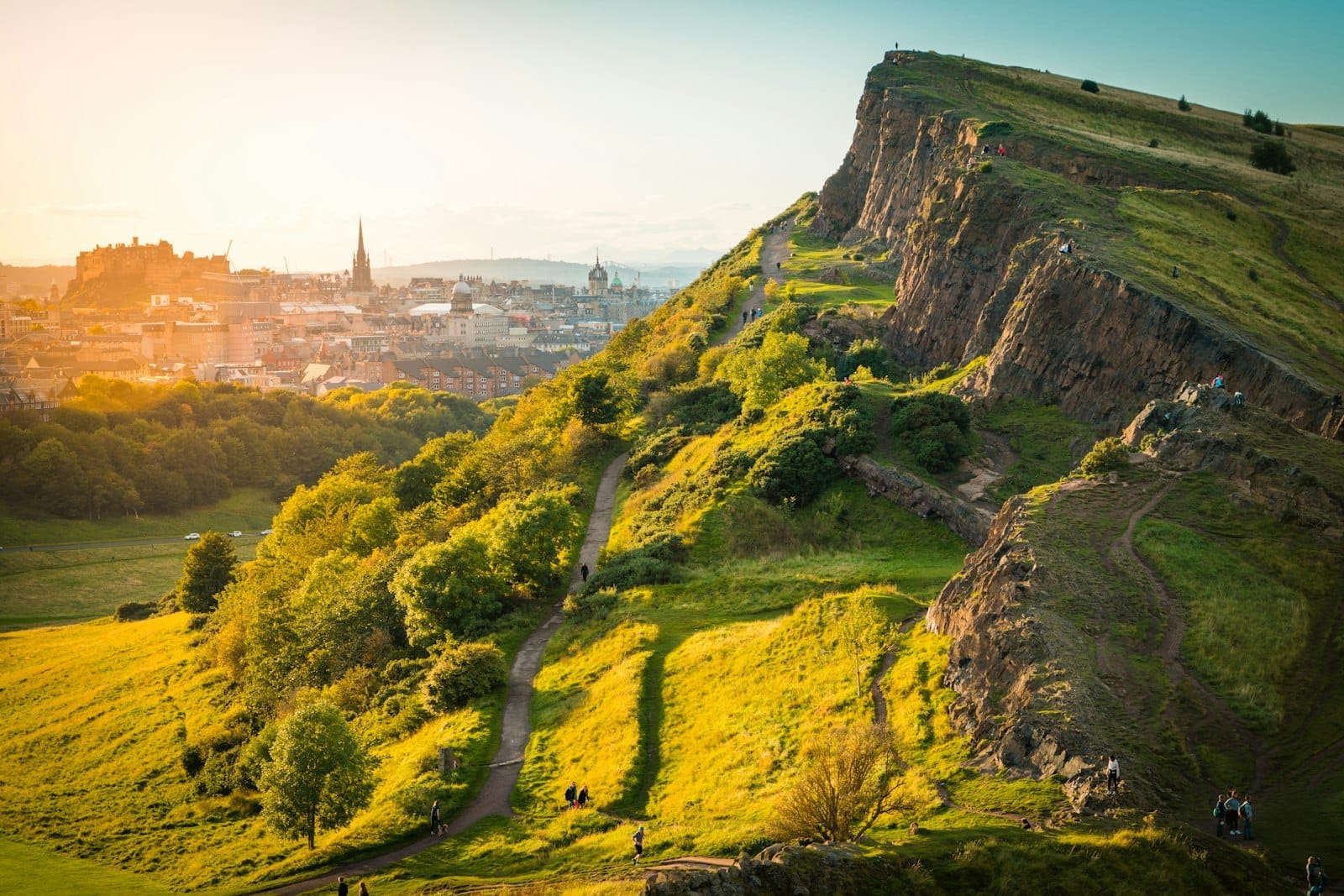
Whatever month you visit, bring a waterproof layer and comfortable walking shoes. Edinburgh's Old Town involves steep cobbled streets, and its famous viewpoints — Calton Hill, Arthur's Seat — are exposed to wind at any time of year.
Season by Season: Who Should Go When
There is no single best time to visit Edinburgh. The right answer depends on whether you're chasing festivals, saving money, avoiding queues, or walking up hills in peace. Here's how each period actually plays out.
Spring (March to May): The Underrated Window
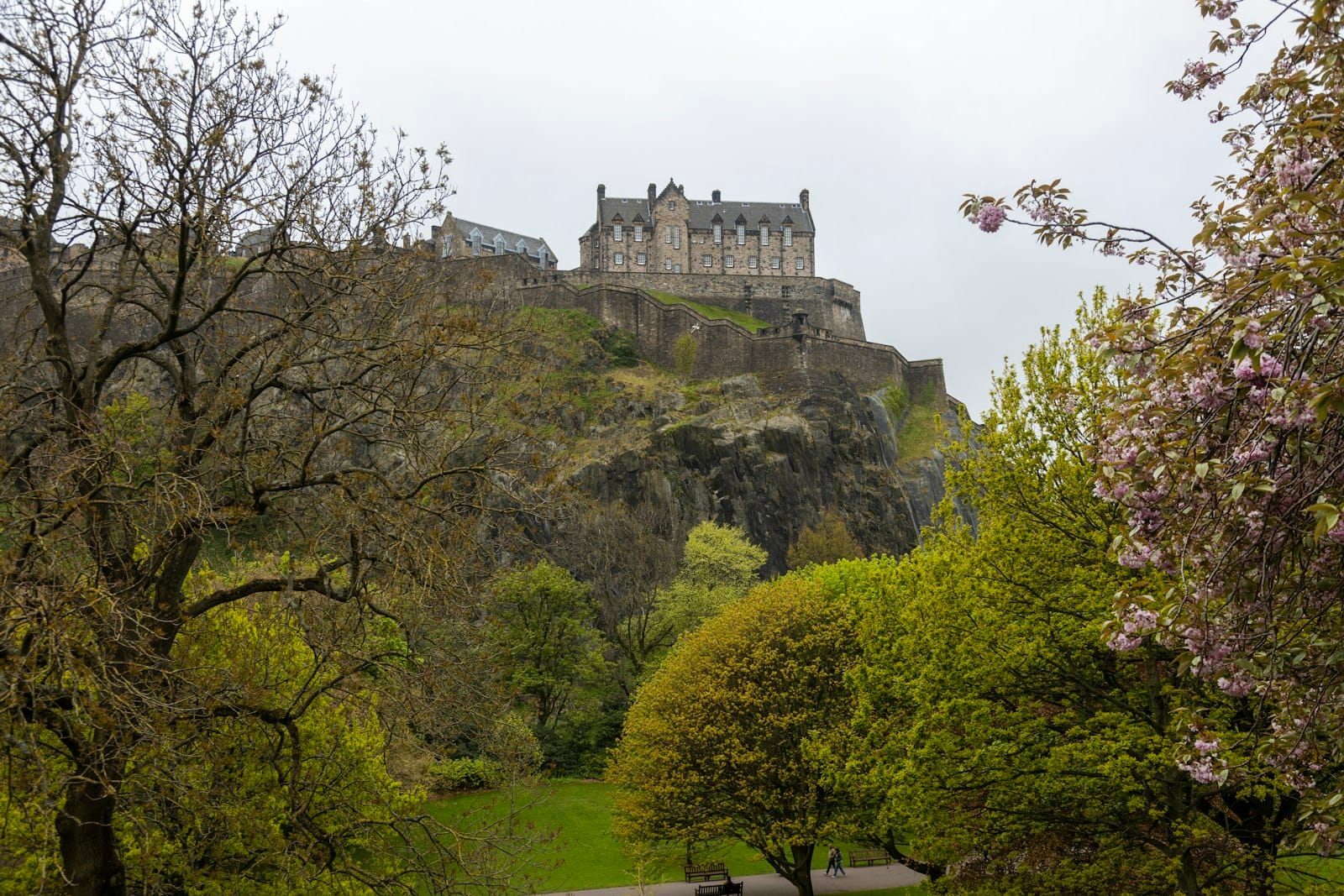
May is frequently the month that regular Edinburgh visitors quietly prefer. Crowds at major attractions like Edinburgh Castle and the Palace of Holyroodhouse are noticeably thinner than in summer. Hotel rates are reasonable. And the city's parks, from the Meadows to the Royal Botanic Garden, come into full bloom.
March can be unpredictable — cold snaps are possible, and Easter weekend brings a noticeable uptick in domestic visitors. By late April, daylight extends past 9pm, making evening walks through the Old Town genuinely enjoyable. If your main goal is sightseeing without fighting tour groups or paying August prices, late April to late May is the most consistently rewarding period.
✨ Pro tip
Book the Royal Edinburgh Military Tattoo for August as early as winter — general sale tickets typically go live in early December and popular dates sell out fast. If you want to attend without scrambling, this is the lead time required.
Summer (June to August): High Season Realities
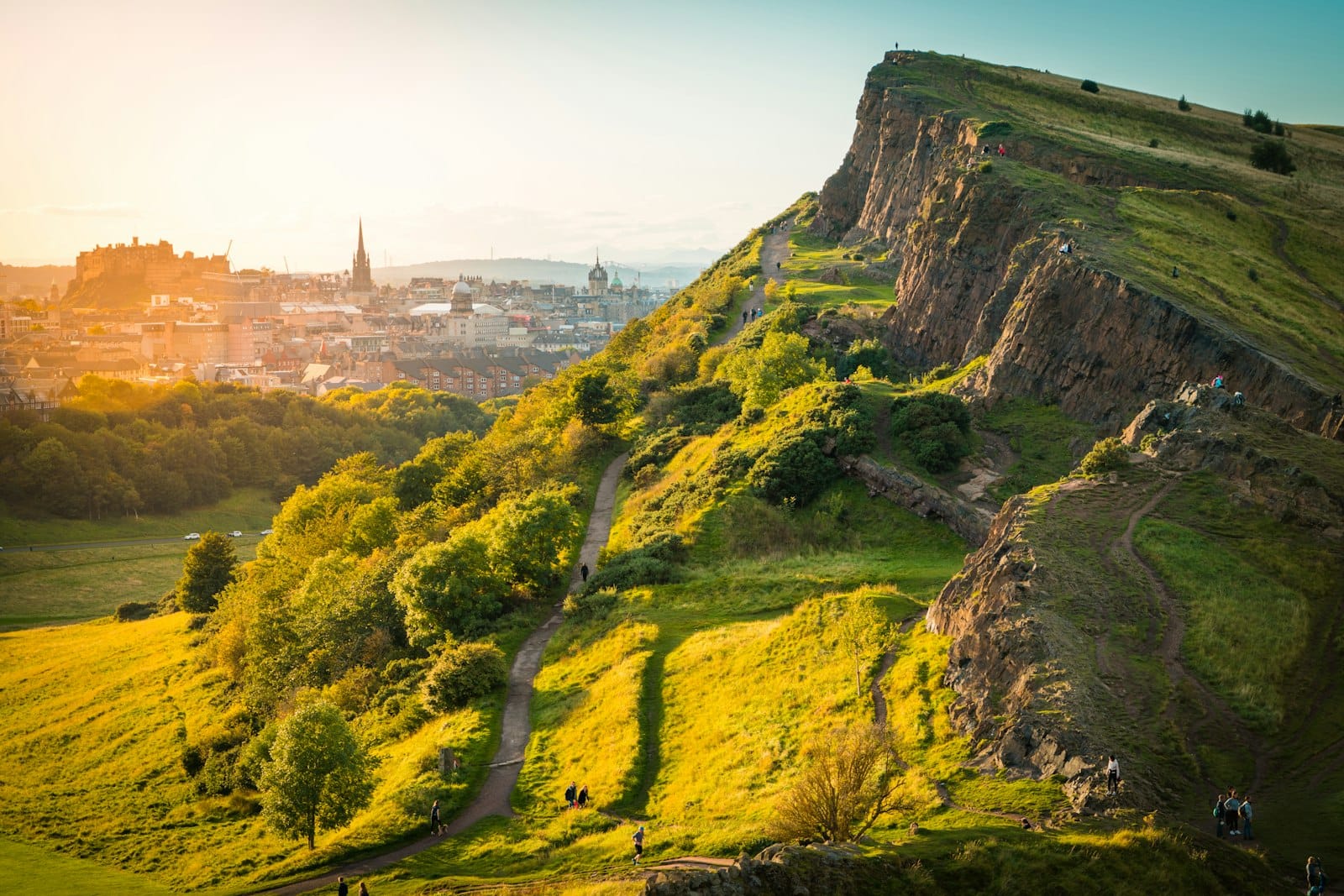
June and early July sit in a pleasant middle ground: long days, reasonable temperatures, and the city operating at full capacity without August's sheer volume of people. Attractions are open, restaurants are busy but bookable, and you can walk up Arthur's Seat at 8pm in daylight. This is genuinely one of the best periods for first-time visitors who want good weather odds without festival chaos.
August is a different city entirely. The Edinburgh Fringe and the Royal Edinburgh Military Tattoo collectively bring hundreds of thousands of visitors. The Royal Mile turns into a performance space. Accommodation prices can triple compared to May or September. Restaurants fill weeks in advance for prime slots. If you are visiting for the festivals, August is extraordinary — there is genuinely nothing else like it in Europe. If you are not visiting for the festivals, August is expensive, loud, and crowded, and you should book elsewhere in the calendar.
Check our dedicated guide to visiting Edinburgh in August for a full breakdown of the festival schedule, ticket logistics, and accommodation strategy.
⚠️ What to skip
If you plan to visit in August for the Fringe, book accommodation at least 3–4 months ahead. Budget options within walking distance of the city centre often sell out before June. Last-minute arrivals routinely end up staying in outer suburbs or paying premium rates.
Autumn (September to November): The Best Kept Secret
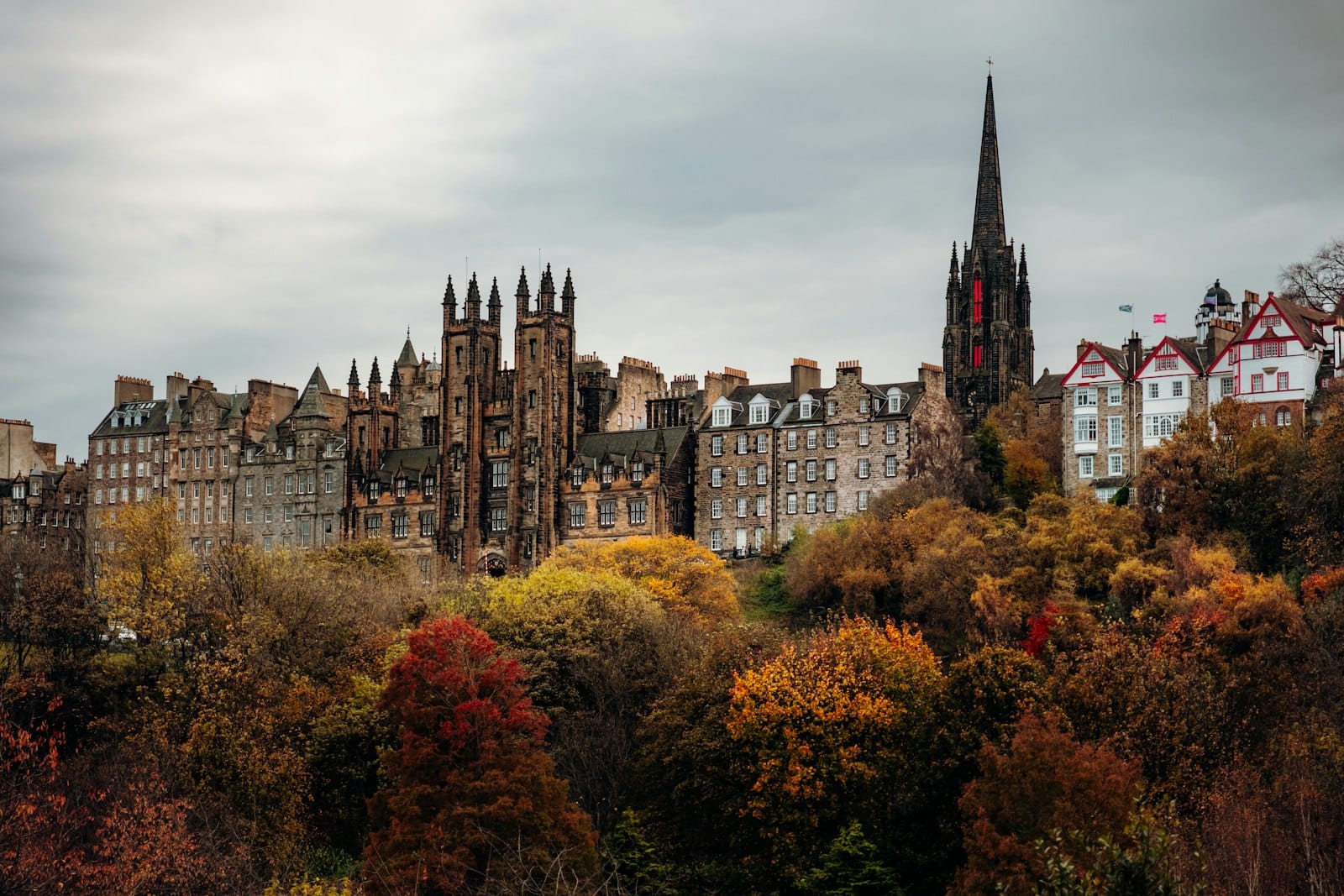
September is arguably the most underrated month on Edinburgh's calendar. Festival crowds evaporate almost overnight when August ends. Prices drop sharply. The weather remains mild — average highs around 15°C — and the city's trees begin to turn amber and gold. The Royal Mile reverts to its normal self, and you can actually look at the architecture without navigating a street performance.
Hiking options like Arthur's Seat and the Salisbury Crags are at their most photogenic in September and October. The Pentland Hills south of the city are excellent for day walks in autumn light. October and November bring shorter days and a higher chance of sustained rain, but hotel rates continue to drop and the city takes on a quieter, more local character.
Winter (December to February): Cold, Quiet, and Occasionally Magical
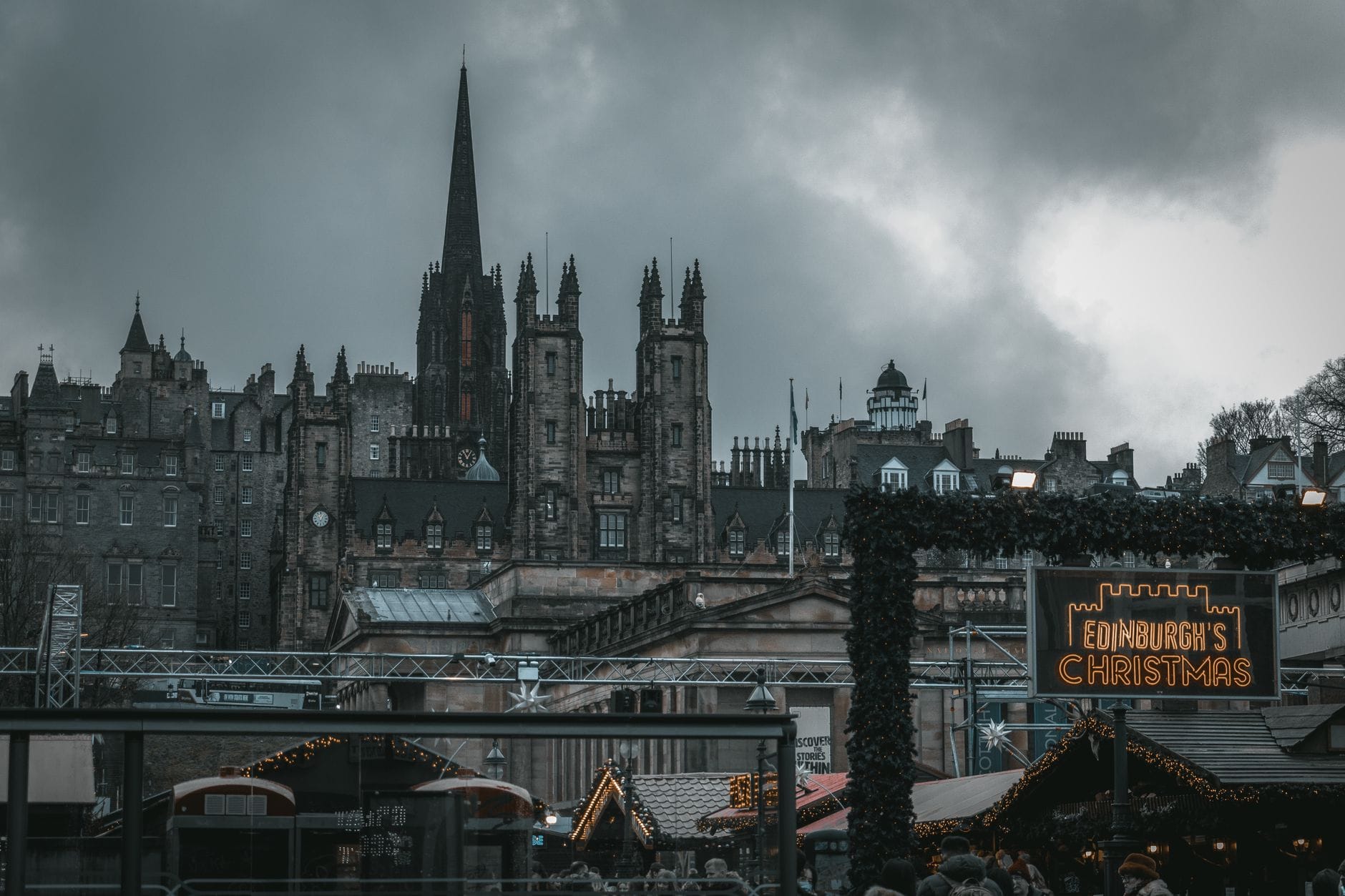
December splits into two distinct phases. Mid-December through early January is Edinburgh's second peak season, anchored by the Christmas Market on Princes Street and the enormous Hogmanay street party on 31 December. Both events attract large crowds and push hotel prices up significantly. Edinburgh in December has a genuine atmosphere that's worth experiencing — but budget accordingly and book early.
January and February are the quietest months of the year. Attractions are open but rarely crowded. Hotel rates are at their annual low. The main drawbacks are real: daylight lasts roughly 7–8 hours, temperatures hover between 1–7°C, and some smaller restaurants and shops operate on reduced schedules. For travellers who want to explore Edinburgh's museums, whisky scene, and indoor attractions without queues, this period works well. It is not ideal for outdoor activities or photography of the city's skyline.
Price and Crowd Patterns: A Practical Summary
- Peak prices: August (Fringe/Tattoo) and late December (Hogmanay/Christmas). Book 3–6 months ahead for both.
- Shoulder season value: May, June, September. Good weather odds, manageable crowds, mid-range prices.
- Budget travel window: January to mid-March. Lowest rates on flights and hotels, fewest tourists, cold and grey.
- Edinburgh Castle is open year-round; spring and autumn are best for visiting without long queues.
- The Royal Botanic Garden is free to enter for its outdoor grounds, with paid tickets required for the Glasshouses, and is worth visiting from April through October.
For a comprehensive look at how to stretch your budget in the city, see our guide to visiting Edinburgh on a budget, which covers free attractions, cheap eats, and transport tips across all seasons.
Festival Calendar: Key Dates to Know
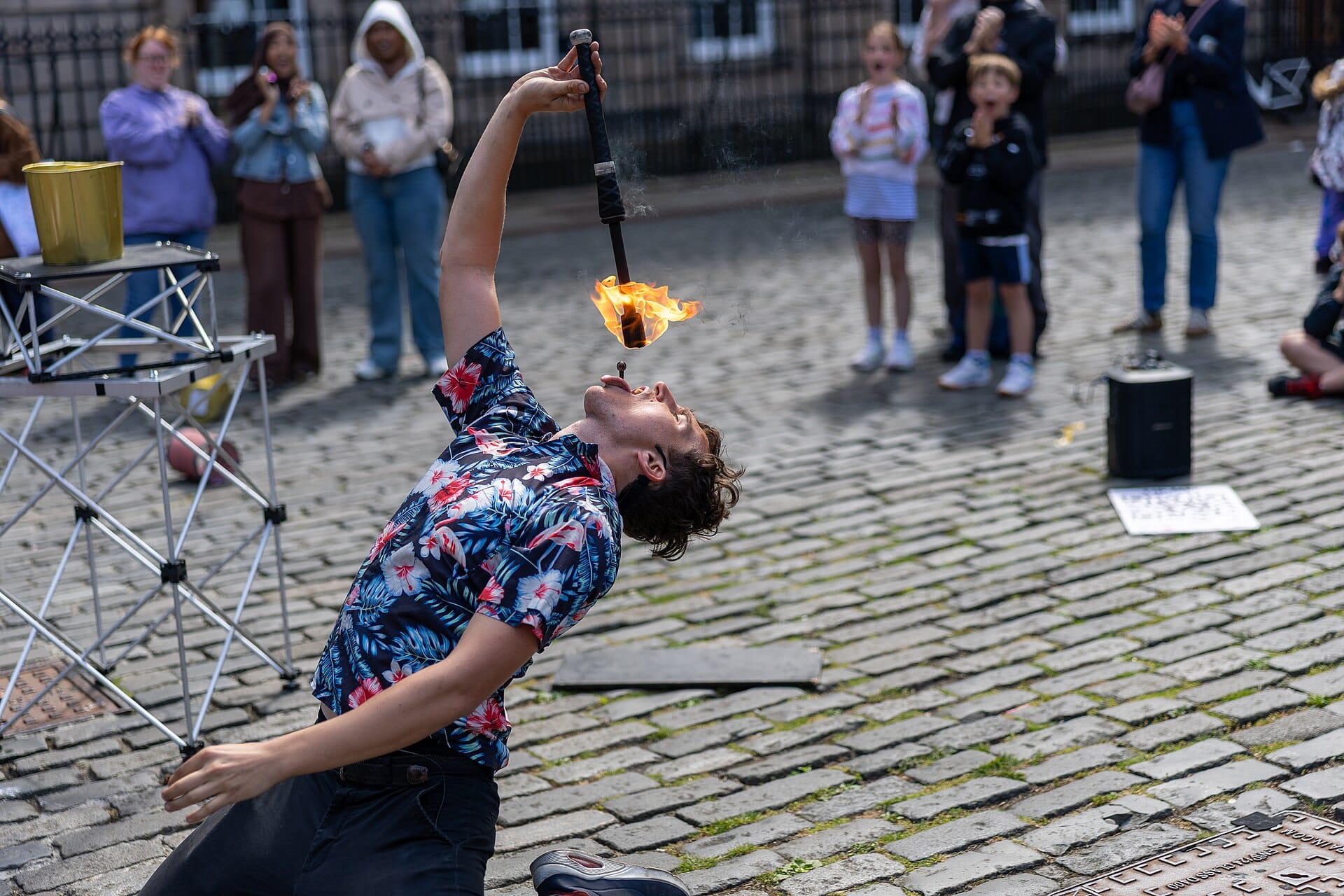
Edinburgh's festival calendar is unusually dense for a city of around 530,000 people, and festivals are a major factor in when you should or should not visit, depending on your preferences.
- Edinburgh Festival Fringe (August) The world's largest arts festival, running for most of August. Thousands of shows across comedy, theatre, dance, and circus. The city is electric but extremely crowded and expensive.
- Royal Edinburgh Military Tattoo (August) Nightly performances on the Castle Esplanade throughout August. Tickets sell out months in advance. A spectacle of military music and ceremony that is unlike anything else in the city.
- Edinburgh International Festival (August) Runs concurrently with the Fringe, featuring classical music, opera, dance, and theatre at higher production values. Separate ticketing from the Fringe.
- Hogmanay (31 December–1 January) Scotland's world-famous New Year celebration. The street party in central Edinburgh requires a ticket for access to the main zones. Book accommodation and tickets well in advance.
- Edinburgh Christmas Market (late November–early January) Stalls and rides across Princes Street Gardens and the Mound. Busy at weekends but workable on weekday afternoons.
- Edinburgh Science Festival (April) A lower-profile but well-regarded event across city venues. Worth checking the program if visiting in April.
ℹ️ Good to know
Edinburgh's festivals are not just August events. The city hosts major events in April, June, July, and December too. Before booking travel, check the official Edinburgh festivals calendar at edinburghfestivalcity.com to see what overlaps with your dates.
If you are specifically planning around a festival visit, our guides to the Edinburgh Fringe and Edinburgh Christmas Market go into much more detail on logistics, ticketing, and what to expect.
FAQ
What is the best time to visit Edinburgh for good weather?
May, June, and September give you the best combination of mild temperatures (around 13–18°C), longer daylight hours, and relatively low chances of sustained rain. Edinburgh's climate is never guaranteed, but these months are among the more pleasant for outdoor activities. Summers rarely get hot — expect highs around 18–19°C at peak.
Is August a good time to visit Edinburgh?
August is the best time to visit if you specifically want to experience the Edinburgh Festival Fringe or the Royal Edinburgh Military Tattoo. It is the worst time to visit if you want quiet sightseeing, affordable accommodation, or easy restaurant bookings. Hotels can cost two to three times their usual rate, and the city centre is extremely crowded throughout the month.
When is Edinburgh cheapest to visit?
January to mid-March consistently has the lowest hotel and flight prices. The trade-off is short daylight hours (around 7–8 hours), cold temperatures between 1–7°C, and a quieter, sometimes grey atmosphere. It is a good time to focus on indoor attractions like the National Museum of Scotland, whisky experiences, and the city's many free galleries.
How far in advance should I book for Edinburgh in August?
At least 3–4 months ahead for accommodation, and earlier if you want a specific hotel in a central location. Fringe shows can be booked from around May or June, though many are available walk-up on the day. The Royal Edinburgh Military Tattoo typically goes on sale in December the year before and sells out well before August.
Is Edinburgh worth visiting in winter?
Yes, with realistic expectations. The Hogmanay and Christmas period (late November to early January) offers a festive atmosphere but comes with peak prices and crowds. January and February are genuinely quiet, cold, and cheap — ideal for travellers who want to explore museums, whisky bars, and indoor experiences without competition. The Old Town looks dramatically atmospheric in low light and mist, which winter delivers in abundance.
Tickets & tours
Live prices and dates from our booking partner. If you book, we may earn a commission at no extra cost to you.
Planning a trip? Discover personalized activities with the Nomado app.