Edinburgh Festival Fringe: The Complete Visitor Guide for 2026
The Edinburgh Festival Fringe is the world's largest performing arts festival, taking over Scotland's capital every August with thousands of shows across hundreds of venues. This guide covers everything from buying tickets and choosing venues to booking accommodation and navigating the city during peak season.
Tickets & tours
Live prices and dates from our booking partner. If you book, we may earn a commission at no extra cost to you.
TL;DR
- The Edinburgh Festival Fringe runs 7–31 August 2026 across 250+ venues throughout the city — not just one site.
- It is open-access: anyone who secures a venue can perform, which means the range is extraordinary but quality varies significantly.
- Tickets range from free to £30+; book early via edfringe.com or directly through major venues like Pleasance and Gilded Balloon. See our guide to Edinburgh in August for what else is happening alongside the Fringe.
- Accommodation prices spike dramatically in August — book at least four to six months ahead or expect to pay two to three times normal rates.
- The Fringe runs at the same time as the Edinburgh International Festival, the Royal Edinburgh Military Tattoo, and the Edinburgh International Book Festival — the city is genuinely transformed. Check the best time to visit Edinburgh guide if you're weighing up a quieter trip.
What Is the Edinburgh Festival Fringe?
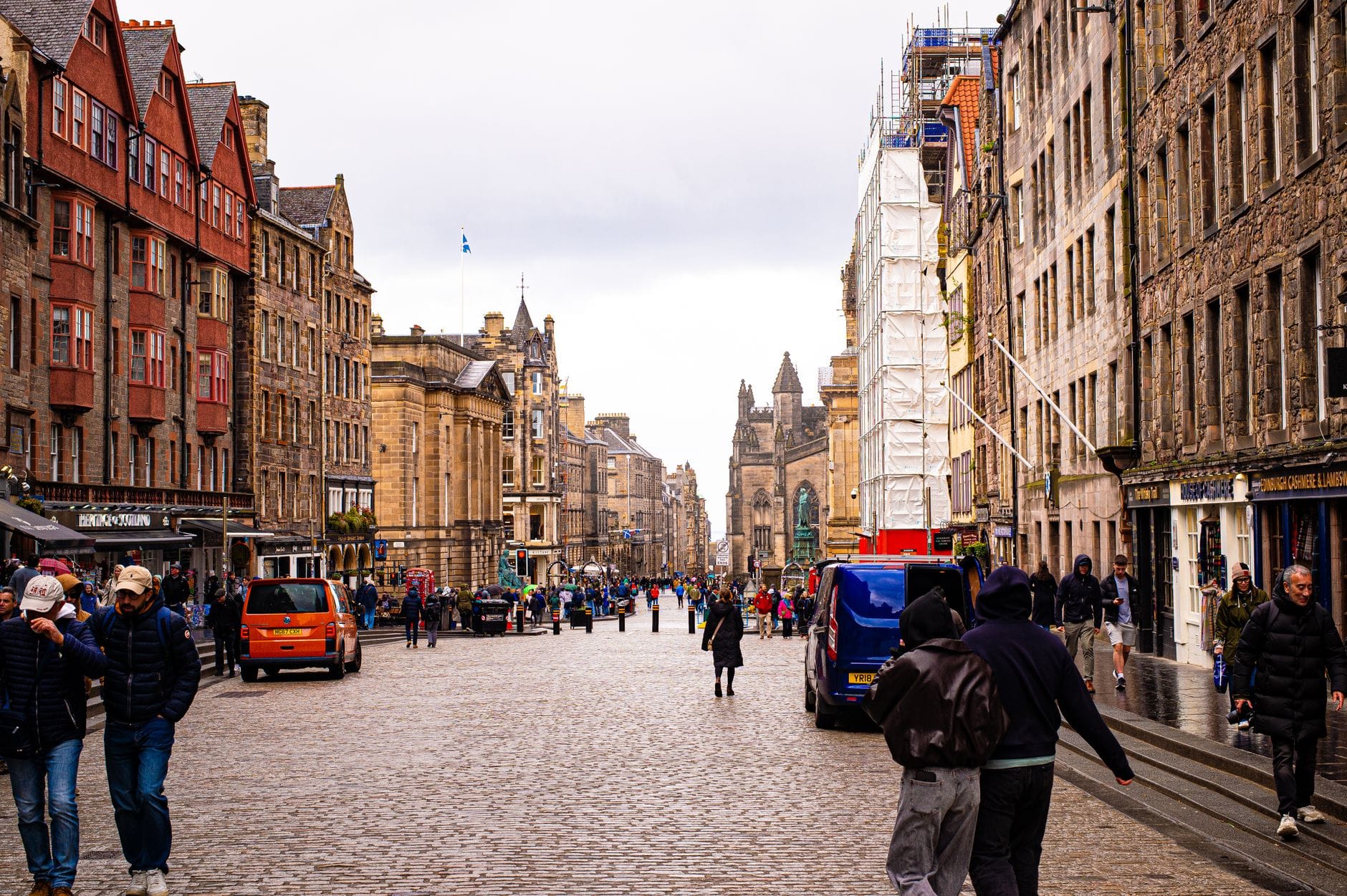
The Edinburgh Festival Fringe is the largest performing arts festival on the planet, and it has been running every August since 1947. That first year, eight theatre companies turned up uninvited to perform alongside the newly launched Edinburgh International Festival. Rather than turn them away, Edinburgh absorbed them. The name 'Fringe' stuck, and what started as an act of creative defiance became an institution that now dwarfs the event it originally crashed.
The defining characteristic of the Fringe is that it is completely open-access. There is no selection committee, no artistic director curating the programme, no panel of judges deciding who gets in. If you can register a show and secure a venue, you are in. Recent Fringe seasons have featured around 3,500–3,900 shows across roughly 250–300 venues — check edfringe.com for the current year's totals.6 million tickets sold across 258 venues. The scale is genuinely hard to process until you are standing on the Royal Mile in the middle of it.
ℹ️ Good to know
The Fringe is not the same as the Edinburgh International Festival. The International Festival is a curated, invitation-only event running at the same time, featuring world-class classical music, opera, and theatre. Both are worth your attention, but they are separate programmes with separate tickets and separate identities.
Comedy gets the most press coverage, and it is true that stand-up comedians use the Fringe as a career launchpad — names like Billy Connolly, Peter Kay, and Hannah Gadsby all had significant Fringe moments. But the programme spans theatre, dance, circus, cabaret, spoken word, children's shows, musicals, opera, and physical performance. On any given day in August, you could see a Pulitzer-winning playwright's new work, a student's first solo show, a pyrotechnic circus act, and a puppet show for toddlers, all within a ten-minute walk of each other.
Edinburgh Fringe 2026: Key Dates and What to Expect
The Edinburgh Fringe 2026 runs from 7 to 31 August 2026, spanning 25 days. Shows typically run from mid-morning through to midnight or later, with performances staggered throughout the day to maximise the number of acts you can catch. The official programme is released in stages through spring and early summer on edfringe.com, with the full listings released on 4 June.
The first weekend of the Fringe (around 7–9 August) and the final weekend (28–31 August) are the most intense for crowds and street performance. The middle two weeks often offer the best balance of full programme availability and slightly reduced pressure on the city. If you are planning around the Royal Edinburgh Military Tattoo — which runs concurrently at Edinburgh Castle — note that Tattoo tickets sell out many months in advance and must be booked entirely separately.
⚠️ What to skip
Do not assume you can book accommodation once the Fringe programme is announced in late spring. By that point, central Edinburgh options are largely gone or priced at a significant premium. For August stays, book in January or February at the latest. Consider Leith, Newington, or Stockbridge as alternatives to the Old Town — you will pay less and still be within easy reach of all venues.
Tickets, Pricing, and Where to Book
Ticket prices across the Fringe range from completely free to £30 or more for high-profile acts. Most standard paid shows sit in the £12–£17 range, though major comedy names and headline theatre productions regularly charge £20–£30+. Free shows are genuinely free — performers earn income through a bucket collection at the end, so tipping generously is both expected and the right thing to do.
- edfringe.com The official Fringe box office. Covers the full programme and allows you to filter by genre, venue, price, date, and accessibility. Service fees apply on top of face value.
- Venue box offices Major venues including Pleasance Courtyard, Assembly Rooms, Gilded Balloon, Underbelly, and Summerhall all sell tickets directly through their own websites, sometimes without the additional booking fee.
- Day tickets and returns Many venues release unsold tickets on the door each morning. Queuing early at popular venues — especially the Pleasance or Underbelly — can get you into sold-out shows at face value.
- Half-Price Hut Located on The Mound, the Half-Price Hut sells discounted same-day tickets for participating shows from around midday onwards. It is genuinely useful for filling your schedule on the day and discovering shows you would not have chosen in advance.
A common mistake first-time visitors make is over-scheduling. Three or four shows a day sounds manageable, but factor in travel between venues, queuing time, and the sheer sensory overload of the city in August, and you will find that two or three thoughtfully chosen shows per day is actually more enjoyable than cramming in six. Leave gaps in your schedule for the unexpected — the impromptu street performance that runs long, the comedian flyering outside a venue who turns out to be extraordinary.
✨ Pro tip
Read the Scotsman and The Guardian's Fringe reviews alongside the official programme — star ratings in the press drive ticket sales quickly, and a five-star review can sell out a run within hours. Check reviews daily and book anything that catches your eye as soon as it gets attention.
Major Venues and How the Fringe Spreads Across the City
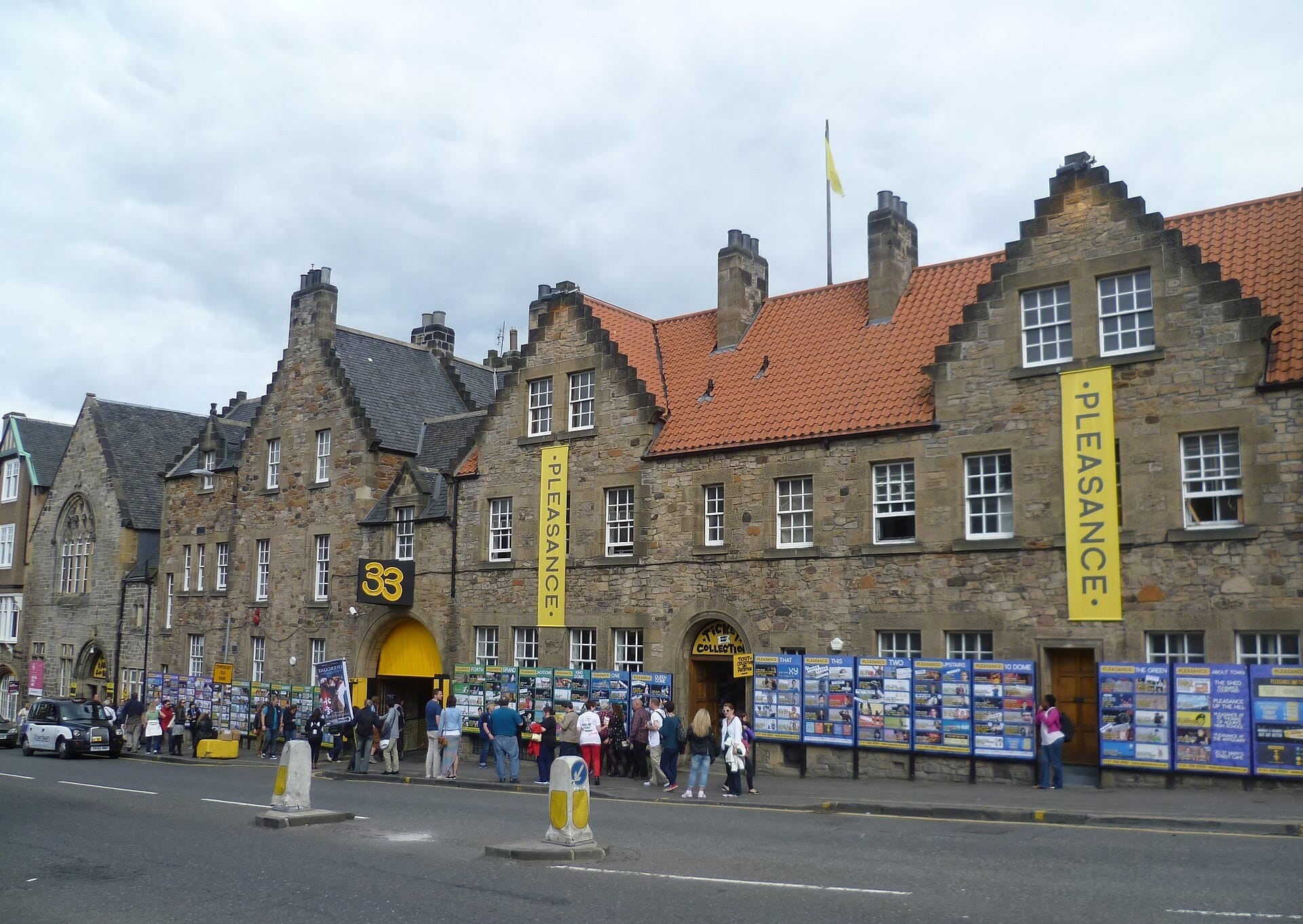
One of the most persistent misconceptions about the Edinburgh Festival Fringe is that it happens in one place. In reality, it takes over the entire city. The principal venue complexes anchor the programme, but performances also happen in pub back rooms, converted churches, car parks, shop fronts, university lecture halls, and outdoor spaces.
- Pleasance Courtyard and Dome One of the most atmospheric venue complexes, based in the Old Town near the university. Multiple indoor spaces plus a lively outdoor courtyard that becomes a social hub throughout the festival.
- Assembly Rooms and Assembly George Square Two distinct sites, both major. The George Square complex on the Southside is particularly strong for theatre and large-scale productions.
- Gilded Balloon Historically the home of comedy at the Fringe, with multiple spaces across the Old Town. The late-night comedy club running into the early hours is an institution.
- Underbelly Venues on Cowgate and at George Square. The purple cow branding is hard to miss. Good range of comedy, circus, and physical performance.
- Summerhall A converted veterinary research school on the Southside, now one of Edinburgh's best arts venues year-round. At the Fringe it programmes some of the most adventurous and critically respected theatre.
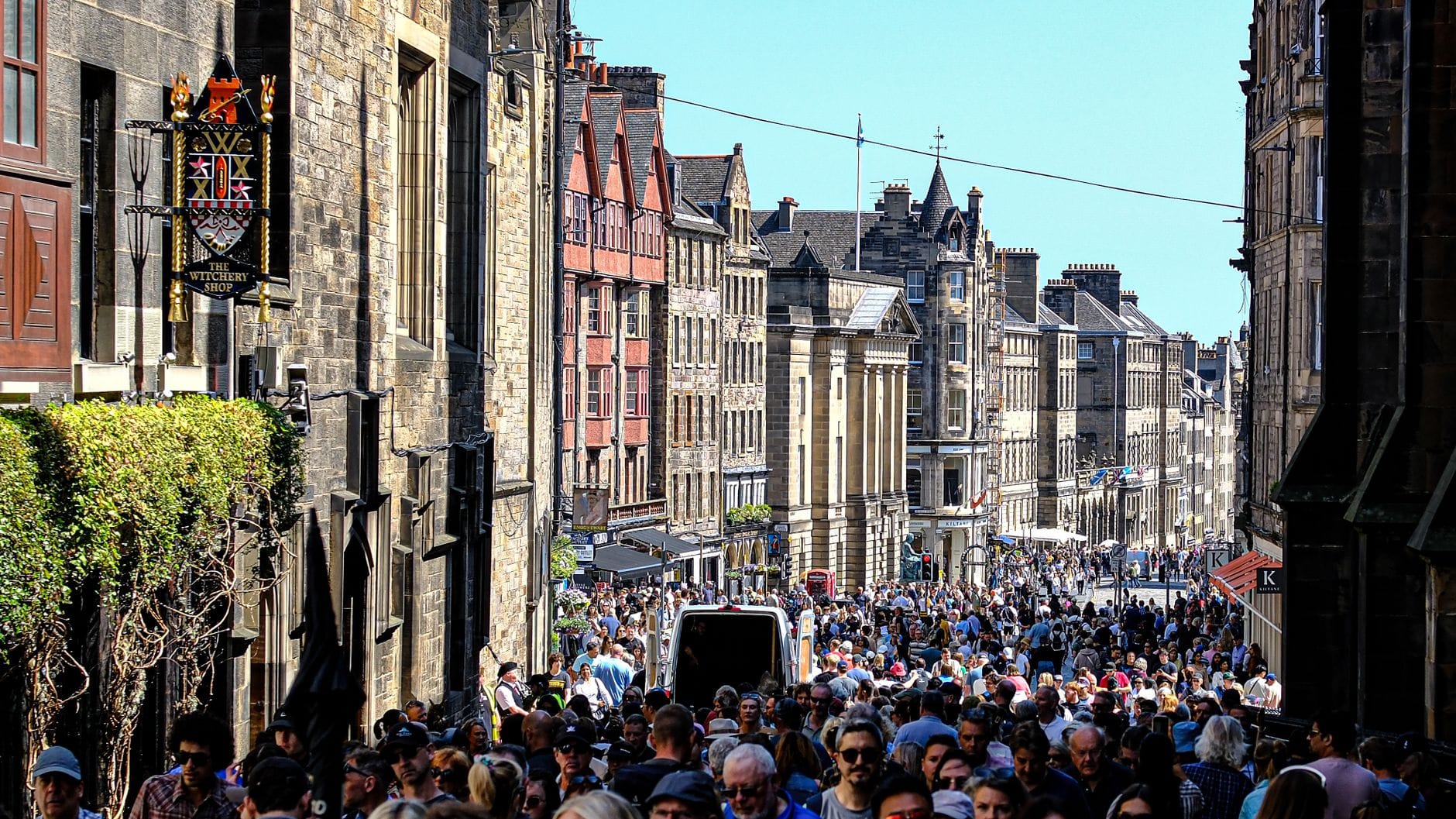
Beyond the main complexes, the Royal Mile transforms into Edinburgh's outdoor stage for the entire festival. Street performers, flyers, and spontaneous performances run continuously from around 10am until evening. It is chaotic, brilliant, and completely free. For a sense of how the Old Town changes during August, nothing prepares you like simply arriving and walking it. The contrast with the rest of the year is striking.
If you want to get away from the densest crowds during the festival, Leith and Stockbridge offer calmer alternatives for eating and drinking in the evenings. Both are within 20–30 minutes of the main Fringe venues on foot or by bus, and locals tend to retreat to them during the most intense festival weeks.
Planning Your Visit: Practical Logistics
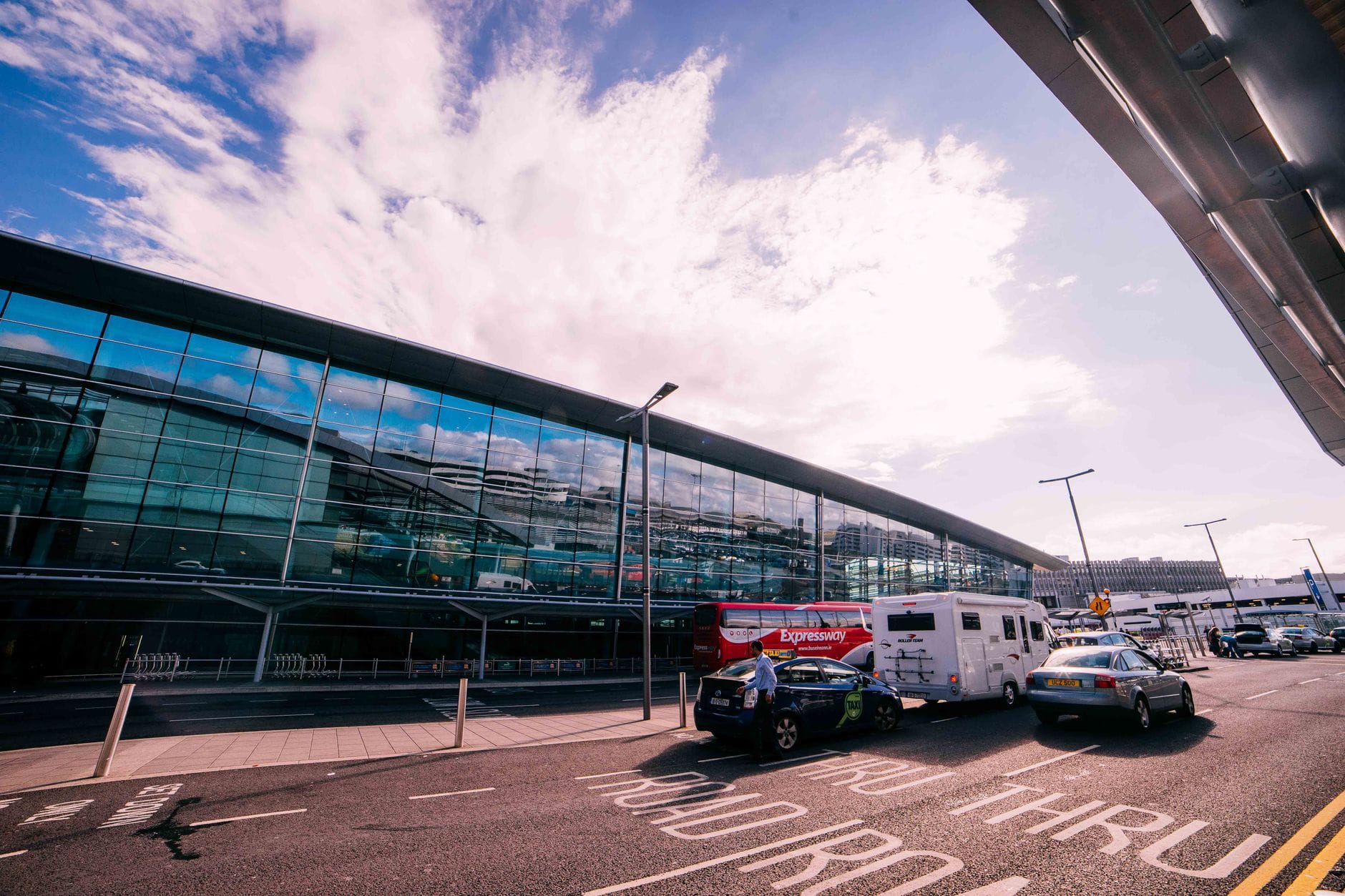
Edinburgh Airport (EDI) is around 13 km west of the city centre, connected by tram, the Airlink bus service, and taxi. Journey times into the city centre run roughly 30–45 minutes depending on your method and time of day. During August, traffic into central Edinburgh is heavier than usual, so allow extra time. For a full breakdown of options, see the Edinburgh airport transport guide.
Within the city, the Fringe is largely walkable. The core venues are concentrated in the Old Town and around George Square, areas that are no more than 15–20 minutes apart on foot even at a casual pace. Edinburgh's bus network is reliable and covers the whole city, which matters if you are seeing shows at venues further out. For a practical overview of getting between neighbourhoods, the getting around Edinburgh guide covers buses, trams, and walking routes in detail.
- Book accommodation in January or February for August travel. Any later and central options become scarce and expensive.
- Self-catering apartments and Airbnb-style rentals can offer better value than hotels for stays of four or more nights during the festival.
- Consider staying in Newington, Marchmont, or Bruntsfield — all within 20–30 minutes' walk of most main venues and noticeably cheaper than the Old Town.
- Carry a rain layer at all times. August in Edinburgh averages around 15°C and can deliver sunshine, downpours, and wind within the same afternoon.
- Check for half-price ticket offers via the official Fringe Box Office or website — discounted same-day tickets for participating shows are released online rather than at the former Half-Price Hut on The Mound.
- Download the official Fringe app — it allows you to browse the programme, save shows to a wishlist, and access your tickets.
💡 Local tip
If you are visiting Edinburgh for the first time during the Fringe, build in at least one morning with no shows booked. Use it to walk the Royal Mile from Edinburgh Castle down to Holyrood, absorb the street performance, and let the city teach you how the festival actually works before you start filling your schedule.
Beyond the Fringe: What Else Is Happening in August
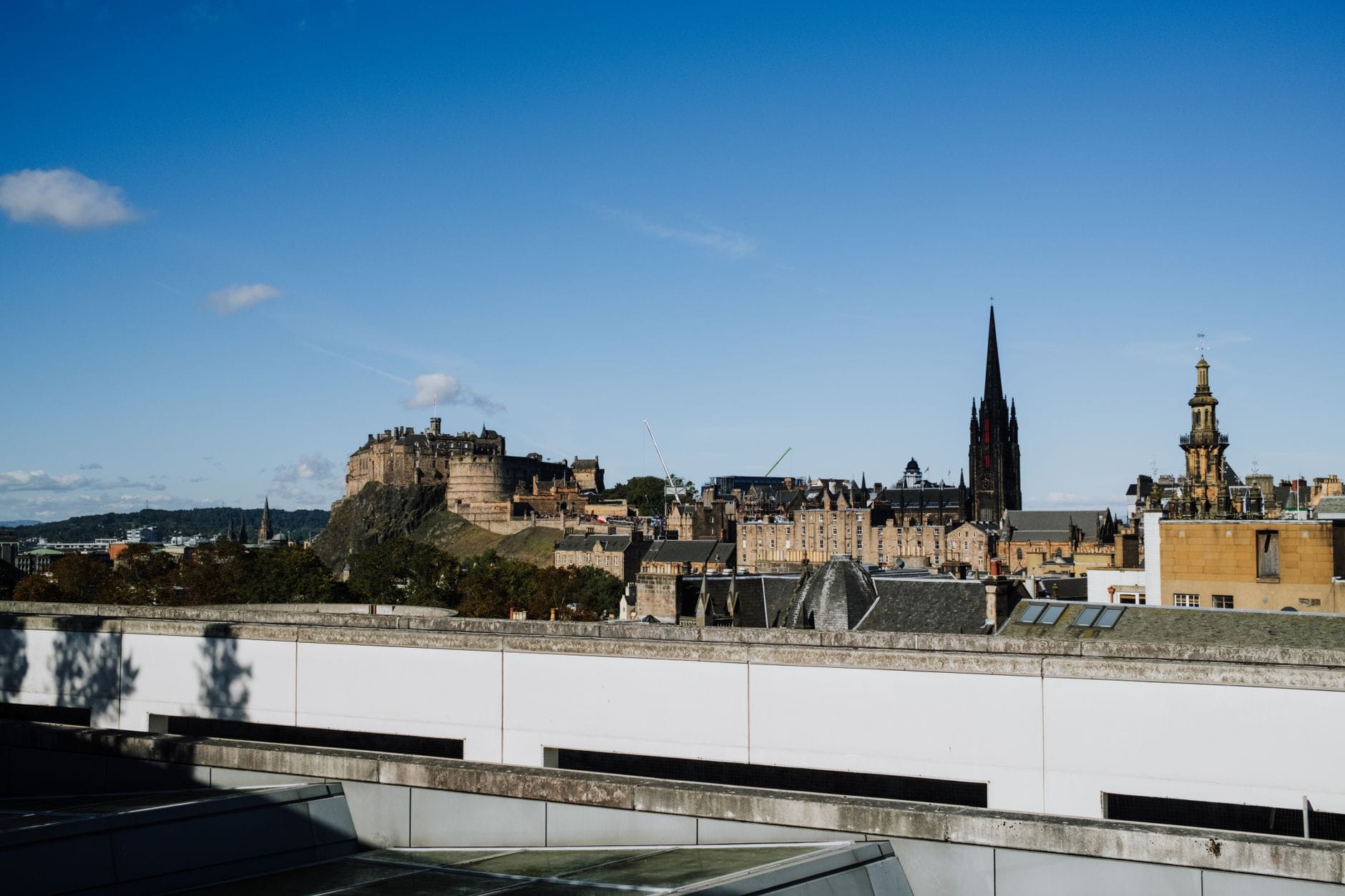
August is Edinburgh's most intense month for good reason: it is not just the Fringe. The Edinburgh International Festival, the Edinburgh International Book Festival, and the Royal Edinburgh Military Tattoo all run concurrently. The Tattoo takes place at Edinburgh Castle most evenings and is one of the most spectacular events in the Scottish calendar. Tickets sell out far in advance, so check the Royal Edinburgh Military Tattoo booking information as soon as you know your dates.
The concentration of all these events means Edinburgh in August rewards a longer stay. Three days will give you a solid Fringe experience; five to seven days lets you engage meaningfully with multiple festivals and still spend time at places like Arthur's Seat or the National Museum of Scotland without the entire trip being consumed by show schedules. The city's permanent attractions do not close during the festival — they just get busier.
If the August crowds are not for you but you still want an Edinburgh festival experience, Hogmanay — Edinburgh's New Year celebration — offers a different but equally memorable atmosphere. And the Edinburgh Christmas Market in November and December draws significant visitor numbers without the full intensity of August.
FAQ
When does the Edinburgh Fringe Festival take place in 2026?
The Edinburgh Festival Fringe 2026 runs from 7 to 31 August 2026, spanning 25 days. Shows run from mid-morning to late at night throughout that period.
How do I buy Edinburgh Fringe tickets?
Tickets are available through the official Fringe website at edfringe.com, directly through major venue websites (Pleasance, Gilded Balloon, Assembly, Underbelly, Summerhall), and on the door at many venues on the day. Half-price ticket offers for participating shows are available through the official Fringe Box Office and website. Most standard shows cost £12–£17, with higher-profile acts reaching £25–£30 or more.
Is the Edinburgh Fringe only comedy?
No. Comedy is prominent and gets the most media attention, but the Fringe programme covers theatre, dance, circus, cabaret, spoken word, children's shows, music, opera, and much more. In a typical year, comedy accounts for roughly a third of the total programme by show count.
How far in advance should I book accommodation for the Edinburgh Fringe?
For August travel, book accommodation in January or February at the latest. Edinburgh hotels and central rentals fill up quickly once the Fringe dates are confirmed, and prices roughly double or triple compared to the rest of the year. Staying slightly outside the Old Town in areas like Newington, Marchmont, or Stockbridge can cut costs significantly while keeping you within easy reach of all venues.
Is the Edinburgh Fringe the same as the Edinburgh International Festival?
No — they are separate events that run at the same time. The Edinburgh International Festival is a curated, invitation-only programme of classical music, opera, and theatre with a defined artistic vision. The Fringe is open-access, meaning anyone who secures a venue can perform. Both have separate programmes, separate tickets, and separate identities, though the city tends to treat August as one extended festival season covering all of them.
Tickets & tours
Live prices and dates from our booking partner. If you book, we may earn a commission at no extra cost to you.
Planning a trip? Discover personalized activities with the Nomado app.