Stockbridge is Edinburgh's most convincingly village-like neighborhood, sitting just north of the New Town with the Water of Leith running through its heart. Cobbled side streets, Georgian terraces, independent delis, and a beloved Sunday market make it a rewarding half-day escape from the Old Town crowds. It is quiet enough to feel like a retreat but close enough to the centre to use as a base.
Stockbridge occupies an unusual position in Edinburgh: close enough to the city centre to walk to Princes Street in twenty minutes, yet architecturally and atmospherically distinct enough to feel like a separate place entirely. The Water of Leith, Georgian terraces, and a high street built almost entirely of independent businesses give it a character that sets it apart from the grander formality of the New Town directly to its south.
Orientation
Stockbridge sits in a slight valley about half a mile north of Princes Street, carved out by the Water of Leith as it winds its way toward the port of Leith and the Firth of Forth. The New Town forms its southern boundary, where Dundas Street and Howe Street descend from the Georgian grid into the lower ground of the neighborhood. To the north, Stockbridge blurs into Inverleith and Comely Bank, with the Royal Botanic Garden Edinburgh marking a clear green edge. Canonmills lies to the east, and the residential streets of Comely Bank extend westward.
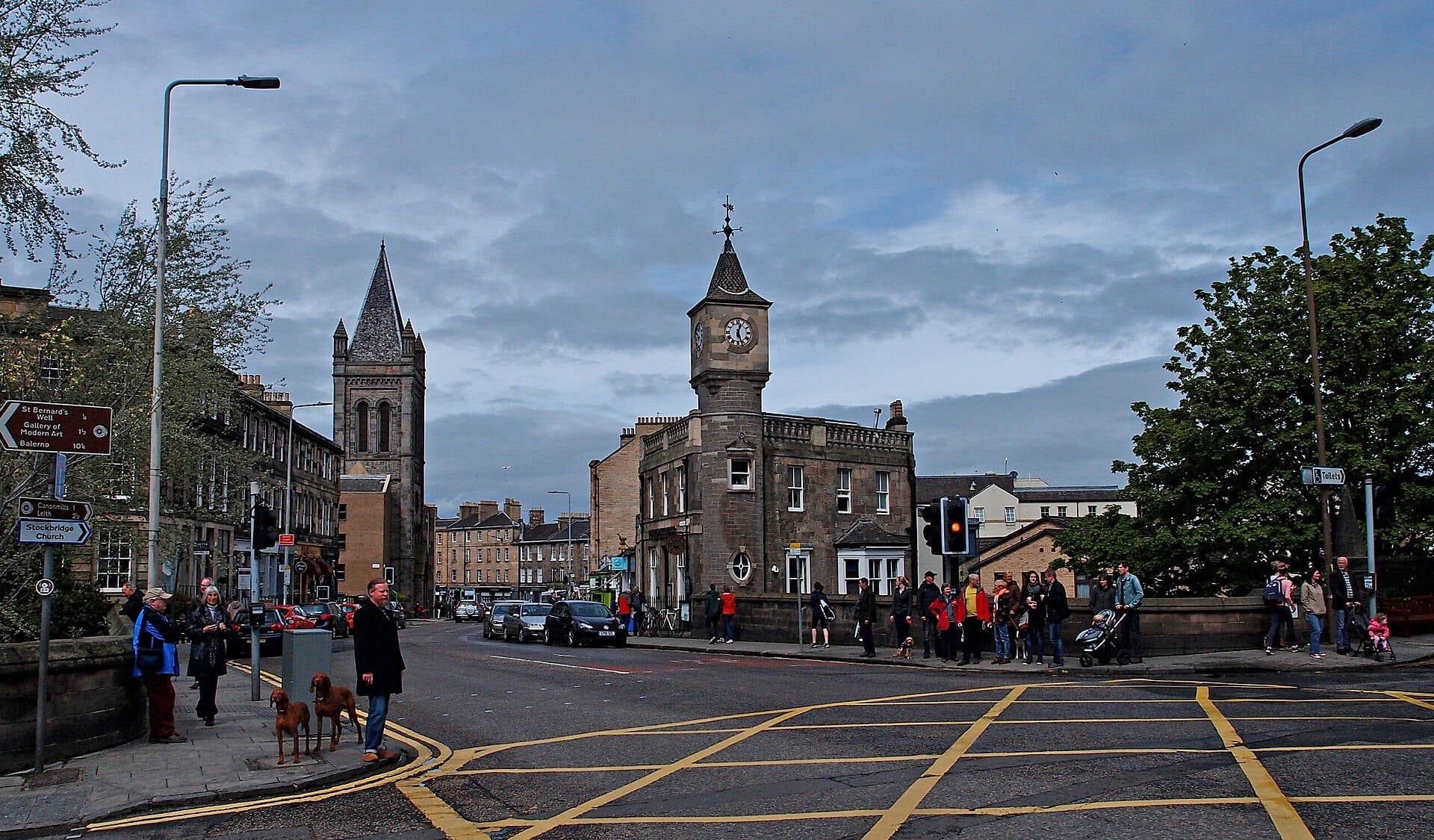
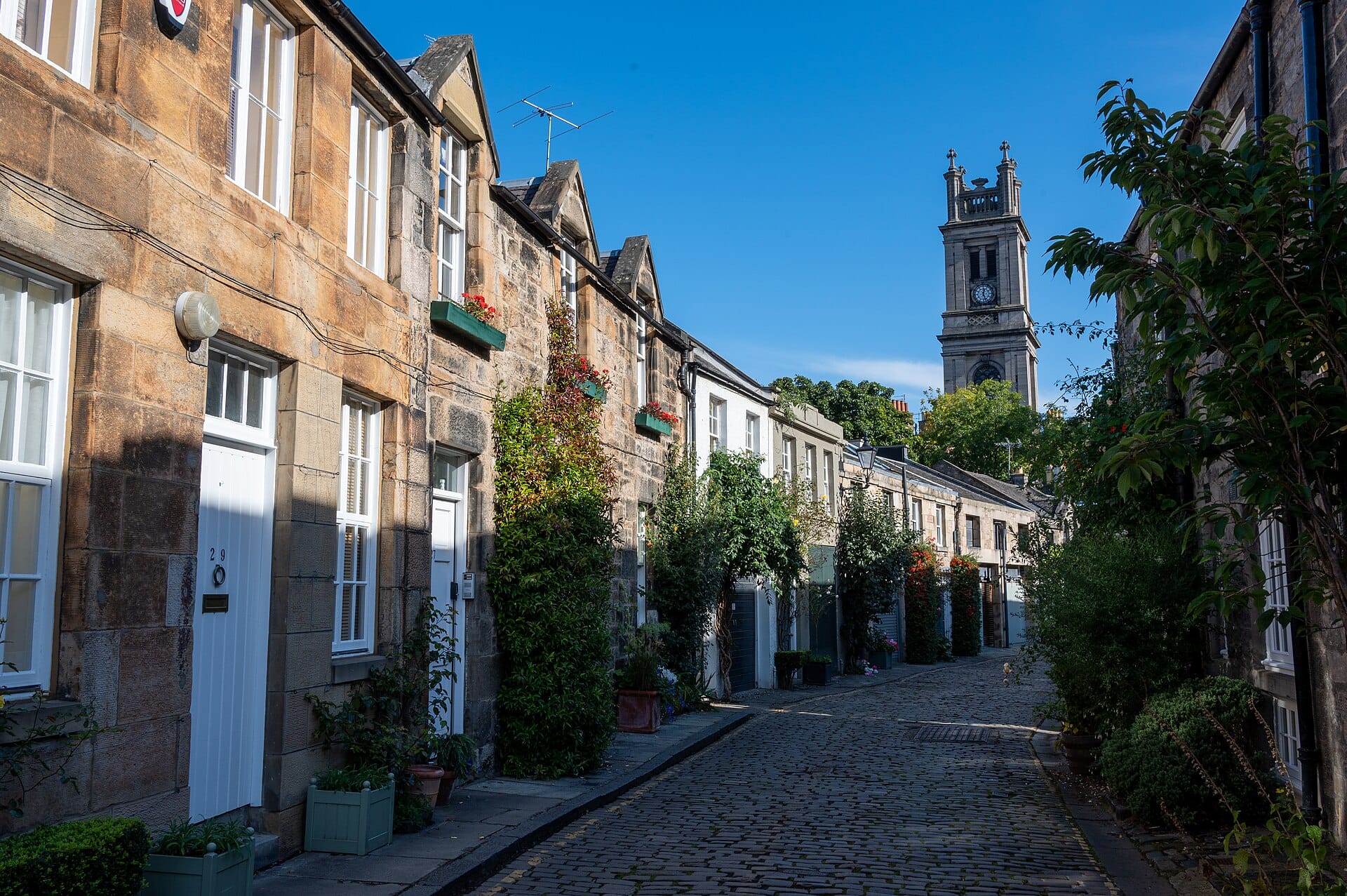
Raeburn Place is the spine of the neighborhood, the street where almost everything happens: the cafés, the independent retailers, the Saturday morning routine. From here, the streets fan out in all directions, most of them Georgian or Victorian in scale, with stone terraces, mews lanes, and occasional cobbled surfaces that slow the pace instinctively. The stone bridge over the Water of Leith, built in 1801, gives the area its name and still marks the psychological centre of the place.
For a broader sense of how Stockbridge connects to the city as a whole, the New Town is its immediate southern neighbor, and the port neighborhood of Leith lies roughly 2 kilometers to the northeast via the Water of Leith walkway.
Character & Atmosphere
Early on a Sunday morning, before the market opens, Stockbridge has the quality of a city that has not quite woken up yet. The streets around Saunders Street are quiet, the Water of Leith moves steadily below, and the light on the stone buildings shifts from grey to warm gold as the sky clears. By ten o'clock, the market stalls are up and the pavements on Raeburn Place are full of people who live here, carrying coffee cups and canvas bags, moving with the ease of familiarity rather than the urgency of tourism.
That sense of resident ownership is what distinguishes Stockbridge from most of Edinburgh's other central neighborhoods. This is primarily where people live, not a district designed around visitors. The independent shops on Raeburn Place and the surrounding streets serve a local clientele: butchers, booksellers, delicatessens, wine merchants, and specialty food shops that have no interest in competing with the souvenir economy on the Royal Mile. Weekday afternoons are particularly good for getting a feel for the place as it actually functions, when the cafés hold a comfortable mix of remote workers, retired residents, and parents with prams.
After dark, Stockbridge is low-key rather than lively. The restaurants and pubs fill up on weekends, but this is not a nightlife district. By ten at night, the streets are largely quiet, which is either a feature or a limitation depending on what you are looking for. The pubs around Raeburn Place and St Stephen Street lean toward relaxed evenings rather than late nights. St Stephen Street itself is worth noting separately: a basement-level lane with antique shops, independent boutiques, and a bohemian quality that sits slightly apart from the rest of the neighborhood's more polished character.
💡 Local tip
Sunday is the best single day to visit Stockbridge. The weekly market on Saunders Street runs from 10:00 to 16:00 and draws local food producers, artisan crafts, and street food vendors. Combine it with a walk along the Water of Leith for a morning that feels genuinely Edinburgh without the Old Town crowds.
What to See & Do
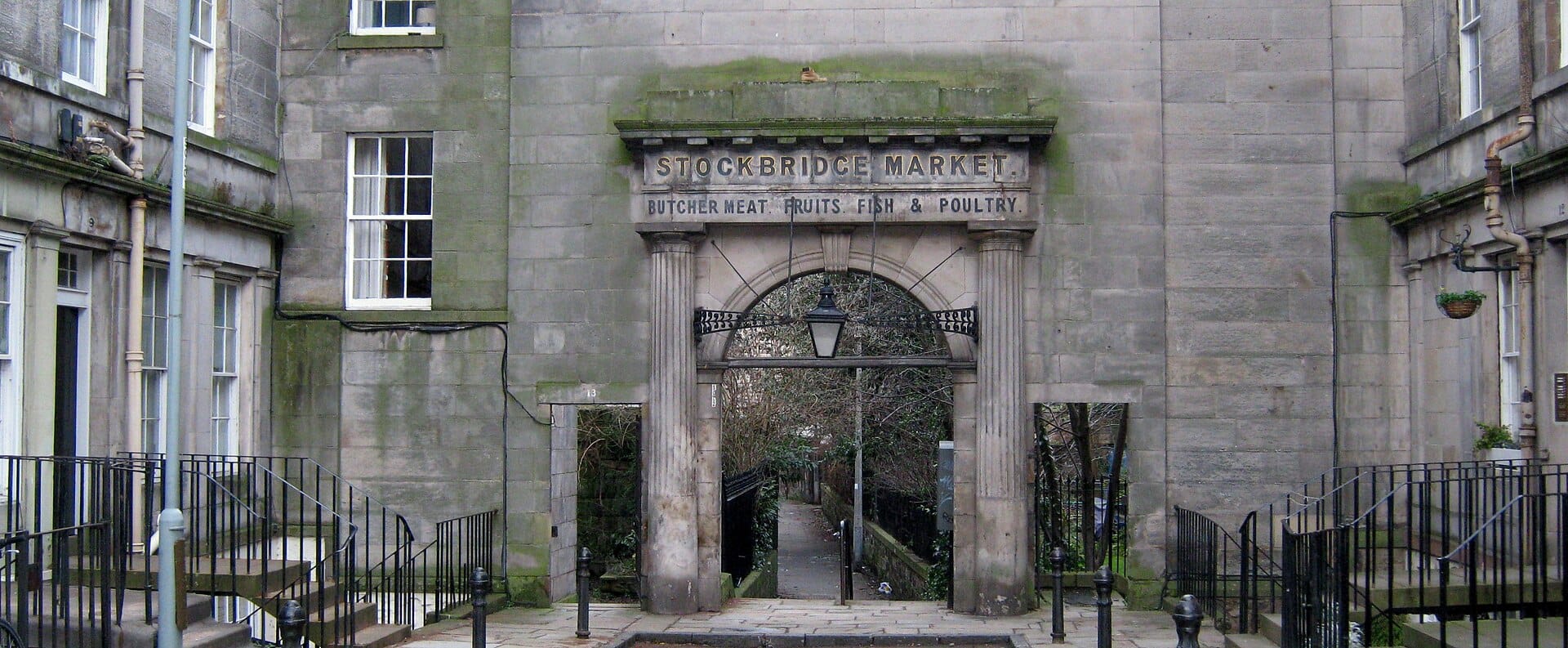
The Stockbridge Market is the most popular single reason to come to this neighborhood on a Sunday. Running on Saunders Street beside the Water of Leith, the market brings together artisan food producers, independent craft sellers, and street food traders. It is a genuinely local institution, not a tourist market in disguise, and the standard of food on offer is consistently high.
The Water of Leith Walkway passes directly through Stockbridge and is one of the most pleasant walking routes in Edinburgh. The section between Stockbridge and Dean Village to the west is particularly scenic, following the river through a surprisingly rural-feeling corridor of trees and stone. In the other direction, the path continues toward Canonmills and eventually Leith. You can walk for twenty minutes in either direction without touching a main road.
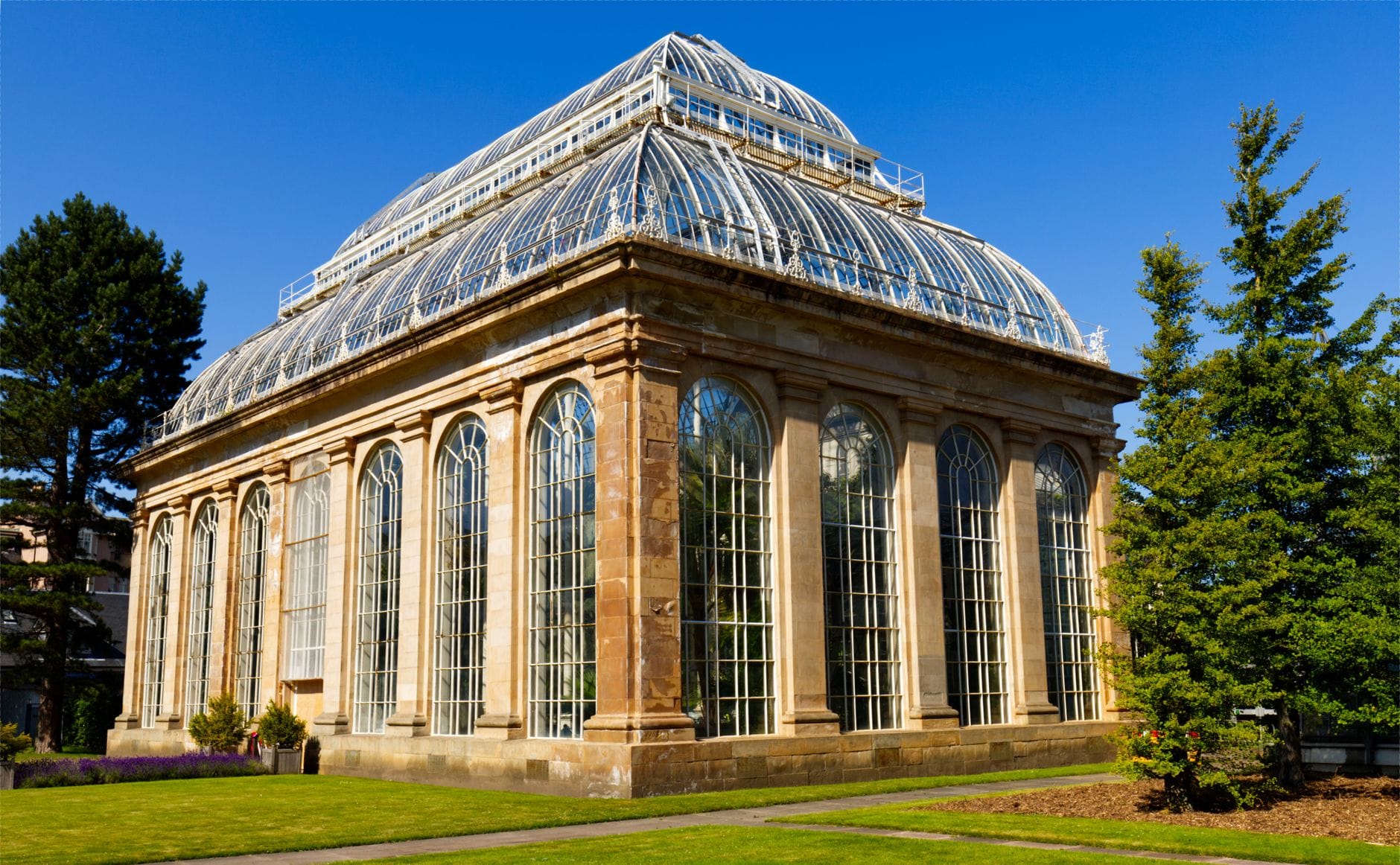
The Royal Botanic Garden Edinburgh borders the northern edge of Stockbridge in Inverleith and is free to enter (with charges for the glasshouses). The garden's 70 acres include rock gardens, arboretum, and a walled garden, with views back toward the Old Town skyline that are among the quieter fine views in the city.
Raeburn Place carries a piece of sporting history that most visitors walk past without knowing it. The ground beside the street was the site of the world's first rugby international, played between Scotland and England in 1871. A plaque marks the occasion, and the ground itself continues to be used for club rugby. It is a small detail, but it anchors Stockbridge in a longer narrative of Edinburgh's place in sports history.
Walk the Water of Leith west toward Dean Village and the Modern Two
Browse St Stephen Street for antiques, vintage clothing, and independent boutiques
Visit the Royal Botanic Garden Edinburgh for a free morning away from the centre
Explore the Stockbridge Sunday Market for Scottish produce and artisan goods
Look for the original Stock Bridge stone arch over the Water of Leith
Eating & Drinking
Stockbridge has developed one of the strongest independent food scenes in Edinburgh, built on a resident population that is generally affluent, food-interested, and loyal to the local economy. The neighborhood stands out in terms of quality across cafés, delis, restaurants, and specialty food shops. Prices reflect the demographic: this is not the cheapest part of the city for eating out, but value is generally solid for what is on offer.
Coffee culture in Stockbridge runs deep. Several independent cafés on and around Raeburn Place have loyal morning followings, and the café interior on a rainy Tuesday is a reliable indicator of a neighborhood that genuinely uses its local businesses. Brunches on Sunday mornings, in particular, require patience: tables at the more popular spots fill quickly after the market opens. The streets around Comely Bank Avenue extend the café and deli options further for those willing to walk an extra five minutes.
For evening dining, Raeburn Place and its connecting streets hold a spread of independent restaurants covering a reasonable range of cuisines: Scottish modern cooking, Mediterranean, and a few international options. The tone is consistently neighborhood bistro rather than destination restaurant, which suits the area. Several wine bars and specialist shops also sell bottles to take to the riverbank, which is an option worth knowing about on a good-weather evening.
Stockbridge's food scene connects naturally to the wider Edinburgh food culture. For a fuller picture of where the city eats and what to expect at different price points, the Edinburgh food guide covers the whole city in detail.
ℹ️ Good to know
The delis and specialty food shops along Raeburn Place and its side streets are worth exploring for Scottish produce: cured meats, local cheeses, artisan bread, and Scottish gin. Several shops stock products from small Scottish producers not easily found in supermarkets or tourist-facing shops elsewhere in the city.
Getting There & Around
Walking from the city centre is straightforward and takes about 15 to 20 minutes from Princes Street. The clearest route heads north from Hanover Street into the New Town, then descends via Dundas Street to Hamilton Place and into the heart of Stockbridge. The walk is pleasantly downhill on the way out and a gentle uphill return, passing through some of the finest Georgian streetscapes in Edinburgh along the way.
Lothian Buses serves Stockbridge with routes 24 and 29, both stopping on Raeburn Place near Dean Street. Route 36 also passes through the area. Services run regularly throughout the day and connect Stockbridge to the city centre and beyond. There is no local rail station: Edinburgh Waverley is the nearest, around 20 minutes on foot via the New Town, making the bus the practical choice if you prefer not to walk.
Within the neighborhood itself, everything is walkable. Raeburn Place to the Royal Botanic Garden is around ten minutes on foot. The Water of Leith Walkway is accessible from multiple points along the riverbank and requires no navigation beyond following the path. Parking in Stockbridge is limited and controlled in many zones, so arriving by car is not recommended for a short visit.
For full details on navigating Edinburgh by bus, tram, and on foot, the getting around Edinburgh guide covers all transport options including the tram network that serves the west of the city.
⚠️ What to skip
Do not rely on driving to Stockbridge and finding street parking easily. Much of the surrounding area operates a residents-only parking scheme, especially on weekdays, and the main streets have limited meter parking. The walk from the New Town is genuinely pleasant and avoids the frustration entirely.
Where to Stay
Stockbridge is not heavily supplied with hotels in the traditional sense, which reflects its primarily residential character. Most accommodation here comes through self-catering apartments and short-term lets in the Georgian and Victorian tenements, which suit longer stays particularly well. A flat in Stockbridge gives access to a working neighborhood infrastructure: bakeries, greengrocers, butchers, and delis within a few minutes' walk.
For travelers who want a quieter base than the Old Town or Princes Street area without sacrificing central access, Stockbridge works well. The 15 to 20-minute walk to the main sights is not prohibitive, and the neighborhood itself rewards slow exploration. It suits couples, solo travelers who prefer a residential atmosphere, and families who want space and a proper kitchen. Those who prioritize being within five minutes of the major tourist sites will be better served by the Old Town or the western edge of the New Town.
For a full comparison of Edinburgh's neighborhoods for accommodation, including how Stockbridge stacks up against the Old Town, New Town, and Leith, the where to stay in Edinburgh guide covers all the main options by traveler type.
Nearby Neighborhoods
Stockbridge borders the New Town to the south, which is the logical next stop for anyone walking back toward the city centre. The New Town's Georgian grid, Princes Street Gardens, and major galleries sit within a 20-minute walk of Raeburn Place.
To the northeast, the Water of Leith Walkway connects Stockbridge to the neighborhood of Leith, Edinburgh's port district on the Firth of Forth. The walk between the two covers around 3 kilometers along the riverside path and passes through Canonmills and the lower stretches of the Water of Leith. Leith has a very different energy: waterfront regeneration, restaurant-heavy streets, and the Royal Yacht Britannia.
The National Galleries of Modern Art is located just west of Stockbridge in the Dean area, about a 15-minute walk from Raeburn Place via the Water of Leith. It makes a natural extension to any morning spent in the neighborhood.
TL;DR
Stockbridge is Edinburgh's most convincingly residential inner neighborhood: walkable from the centre in 20 minutes, with a high street built almost entirely of independent businesses.
The Sunday market on Saunders Street and the Water of Leith Walkway are the two main draws for visitors; the Royal Botanic Garden Edinburgh is a ten-minute walk north.
Best suited to travelers who want a quieter, more local atmosphere than the Old Town or New Town, particularly those staying in self-catering accommodation for more than a night or two.
Not ideal for travelers who need to be within walking distance of all major sights or who are looking for a late-night scene: Stockbridge is calm after 10pm.
Arrive by foot or bus from Princes Street; driving is not recommended given limited residential parking throughout the area.
Three days is the ideal amount of time to explore Edinburgh's core. This itinerary covers the Royal Mile, Arthur's Seat, New Town, Leith, and everything in between — structured day by day so you make the most of every hour.
Edinburgh stands out when it comes to museums. Many of the city's finest collections are completely free, covering Scottish history, fine art, medical oddities, and everything in between. This guide covers the best museums in Edinburgh, grouped by theme, with practical advice on what's worth your time.
Edinburgh is a city that rewards visitors in every season, but the right time to go depends entirely on your priorities. This guide breaks down weather, crowd levels, festival dates, and price patterns so you can pick the visit that suits you, not the crowds.
Edinburgh is one of Europe's most dramatic cities to look at, and luckily most of its best viewpoints are free. This guide covers every major panorama in the city, from the summit of Arthur's Seat to a little-known staircase that frames the castle perfectly.
Edinburgh sits at the centre of one of Europe's most rewarding travel regions. Within a few hours in any direction, you can reach Highland glens, medieval university towns, royal castles, and coastal wildlife reserves. This guide breaks down the best day trips from Edinburgh by transport, cost, and realistic time commitment.
Edinburgh Airport (EDI) is the main gateway into Scotland's capital, sitting around 13 km west of the city centre. This guide covers how to get into Edinburgh quickly and affordably, what to expect on arrival, and how to plan around peak-period delays.
Edinburgh's Christmas market is one of the UK's largest festive events, spreading across multiple city-centre locations from mid-November through early January. This guide covers dates, opening hours, what costs money, where to go, and how to get the most out of your visit.
Edinburgh's food scene runs deeper than tourist menus on the Royal Mile. This guide covers the essential Scottish dishes, where to eat them by neighbourhood, what things actually cost, and how to avoid the common traps that catch first-time visitors.
Edinburgh is one of Europe's most naturally romantic cities, with castle silhouettes, candlelit closes, and wild hilltops all within walking distance of each other. This guide covers the best experiences for couples, from dramatic viewpoints and atmospheric history tours to gin distilleries and peaceful riverside walks.
The Edinburgh Festival Fringe is the world's largest performing arts festival, taking over Scotland's capital every August with thousands of shows across hundreds of venues. This guide covers everything from buying tickets and choosing venues to booking accommodation and navigating the city during peak season.
Edinburgh has one of the darkest, most layered histories of any city in Europe, and it shows. This guide covers the underground vaults, haunted kirkyard, and eerie historic sites that make Edinburgh's ghost tour scene genuinely compelling, with practical advice on where to go and what to expect.
J.K. Rowling wrote much of the Harry Potter series in Edinburgh's Old Town cafés, and the city's medieval streets, graveyards, and Gothic architecture left a clear mark on the wizarding world. This guide covers every key location, the best guided and self-guided tour options, and the myths worth ignoring before you go.
Edinburgh rewards those who look beyond the Royal Mile. From a cobbled mews that stops people in their tracks to a medieval castle with almost no queue, these are the spots locals love and most visitors miss entirely.
August is Edinburgh's most extraordinary and most chaotic month. The city hosts the world's largest performing arts festival, a spectacular military tattoo, and an internationally renowned arts programme, all at once. This guide covers what to expect, how to plan, and how to avoid the common pitfalls.
December transforms Edinburgh into one of Europe's most atmospheric winter destinations. From the Christmas market in Princes Street Gardens to the multi-day Hogmanay festival welcoming the New Year, this guide covers every event, practical detail, and local tip you need to make the most of a winter visit.
Edinburgh stands out for luxury travel. From landmark 5-star hotels along Princes Street to Michelin-starred restaurants in Leith, this guide covers where to stay, eat, and what to do when budget is not the constraint.
Edinburgh's nightlife is more layered than most visitors expect. This guide covers where to drink, dance, and catch live music across the city's main districts — from the medieval streets of Cowgate to the Georgian bars of George Street — with practical timing advice, venue picks, and seasonal warnings.
Edinburgh has a reputation for being expensive, but a large share of its best attractions are completely free. This guide breaks down real costs for accommodation, food, transport, and sightseeing — with practical advice on where to spend and where to save.
Edinburgh rewards even a single day with extraordinary depth. This itinerary moves you through the Old Town's greatest hits, up to the best viewpoints, and into the New Town for a final flourish — structured so you can adapt it to your pace, the weather, and whether you want history, views, or both.
Edinburgh's best shopping isn't on Princes Street. From Victoria Street's art-filled boutiques to Stockbridge's independent collective, this guide covers every area worth your time and money, plus the markets, practical tips, and honest warnings that other guides skip.
The journey from Edinburgh to Inverness covers around 155 miles through some of Scotland's most dramatic scenery. This guide breaks down every transport option — train, bus, car, and more — with practical advice on fares, timings, and how to make the most of the route.
Two great Scottish cities, 50 miles apart and connected by one of the UK's most frequent rail links. This guide breaks down exactly what each city does better, where your money goes further, and whether you actually need to choose at all.
Edinburgh is one of Europe's most walkable cities, with a compact Old Town, dramatic volcanic landscapes, and centuries of history packed into every close and wynd. This guide covers the best walking tours in Edinburgh, from guided ghost walks through the underground vaults to self-guided routes along the Royal Mile, Water of Leith, and beyond.
Edinburgh is one of Britain's great family destinations, with a compact Old Town full of hands-on museums, free green spaces, and enough drama and history to keep kids genuinely hooked. This guide covers the best activities for families, from rainy-day museum classics to outdoor adventures on an extinct volcano.
Edinburgh stands out for free attractions. World-class national museums, sweeping hilltop viewpoints, royal parks, historic kirkyards, and free-entry galleries mean you can spend several full days in the city without spending a penny on entry fees. This guide covers the best of them.
Edinburgh is one of Europe's most walkable capital cities, but knowing when to walk, when to catch a bus, and when to splash out on a taxi makes a real difference. This guide covers every transport option in the city, from Lothian Buses and the tram line to airport transfers and cycling, with practical advice on what to use and what to skip.
Edinburgh is one of Europe's great walking cities, with an ancient volcano, dramatic crags, riverside paths, and rolling hills all within reach of the city centre. This guide covers the best hikes and walks in and around Edinburgh, from a 30-minute stroll to a full-day hill walk in the Pentlands.
The London to Edinburgh train route is one of Britain's great rail journeys, covering about 393 miles in as little as 4 hours. This guide covers journey times, realistic ticket prices, the best booking strategies, and exactly what to expect when you arrive in Scotland's capital.
Edinburgh packs more into one city than almost anywhere in Britain: a medieval castle, royal palaces, world-class free museums, volcanic hilltops, and one of the planet's most famous festivals. This guide cuts through the noise with prices, booking advice, seasonal tips, and honest opinions on what's worth your time.
Choosing where to stay in Edinburgh shapes your entire trip. This guide breaks down every major neighbourhood by character, price range, and practicality, so you can book with confidence rather than guesswork.