London to Edinburgh by Train: The Complete Guide
The London to Edinburgh train route is one of Britain's great rail journeys, covering about 393 miles in as little as 4 hours. This guide covers journey times, realistic ticket prices, the best booking strategies, and exactly what to expect when you arrive in Scotland's capital.
Tickets & tours
Live prices and dates from our booking partner. If you book, we may earn a commission at no extra cost to you.
TL;DR
- The fastest London to Edinburgh trains take around 4 hours 8 minutes, running from London King's Cross to Edinburgh Waverley on the East Coast Main Line.
- LNER operates the primary direct service, with 29 trains per weekday. Total daily departures across all operators typically fall in the 50–70 range.
- Advance tickets start from around £25-£50 if booked 8-12 weeks out; walk-up fares on busy days can exceed £150. See our Edinburgh on a budget guide for ways to save once you arrive.
- Edinburgh Waverley sits directly between the Old Town and New Town, making it one of the most central rail arrivals of any major UK city.
- There is no high-speed line between London and Edinburgh. Trains run on the conventional East Coast Main Line at up to 125 mph.
The Route: What You're Actually Booking
The London to Edinburgh train corridor is around about 393 miles (632 km) and served by two distinct rail routes. Most passengers use the East Coast Main Line, departing from London King's Cross and arriving at Edinburgh Waverley. LNER (London North Eastern Railway) is the primary operator on this corridor and runs the fastest scheduled services, with the quickest trains completing the journey in around 4 hours 8–15 minutes.
The second option is the West Coast Main Line, departing from London Euston via Preston and Carlisle before reaching Edinburgh. Avanti West Coast is the main operator here. Journey times are typically comparable or slightly longer than the East Coast route, and it involves a less direct path through England. For most travellers, the King's Cross to Edinburgh Waverley route via LNER is the obvious choice: faster, more frequent, and arriving at a more central Edinburgh station.
ℹ️ Good to know
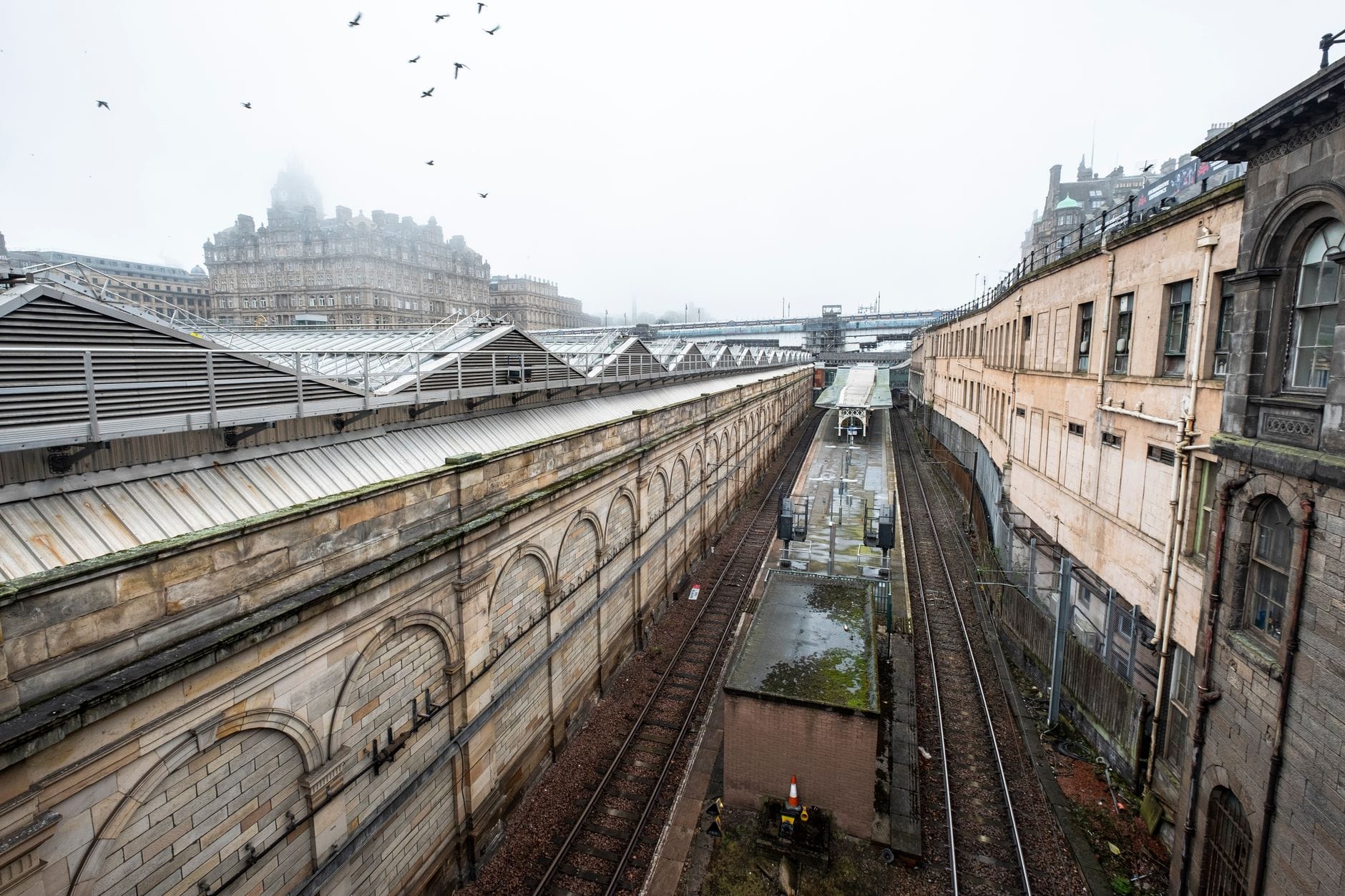
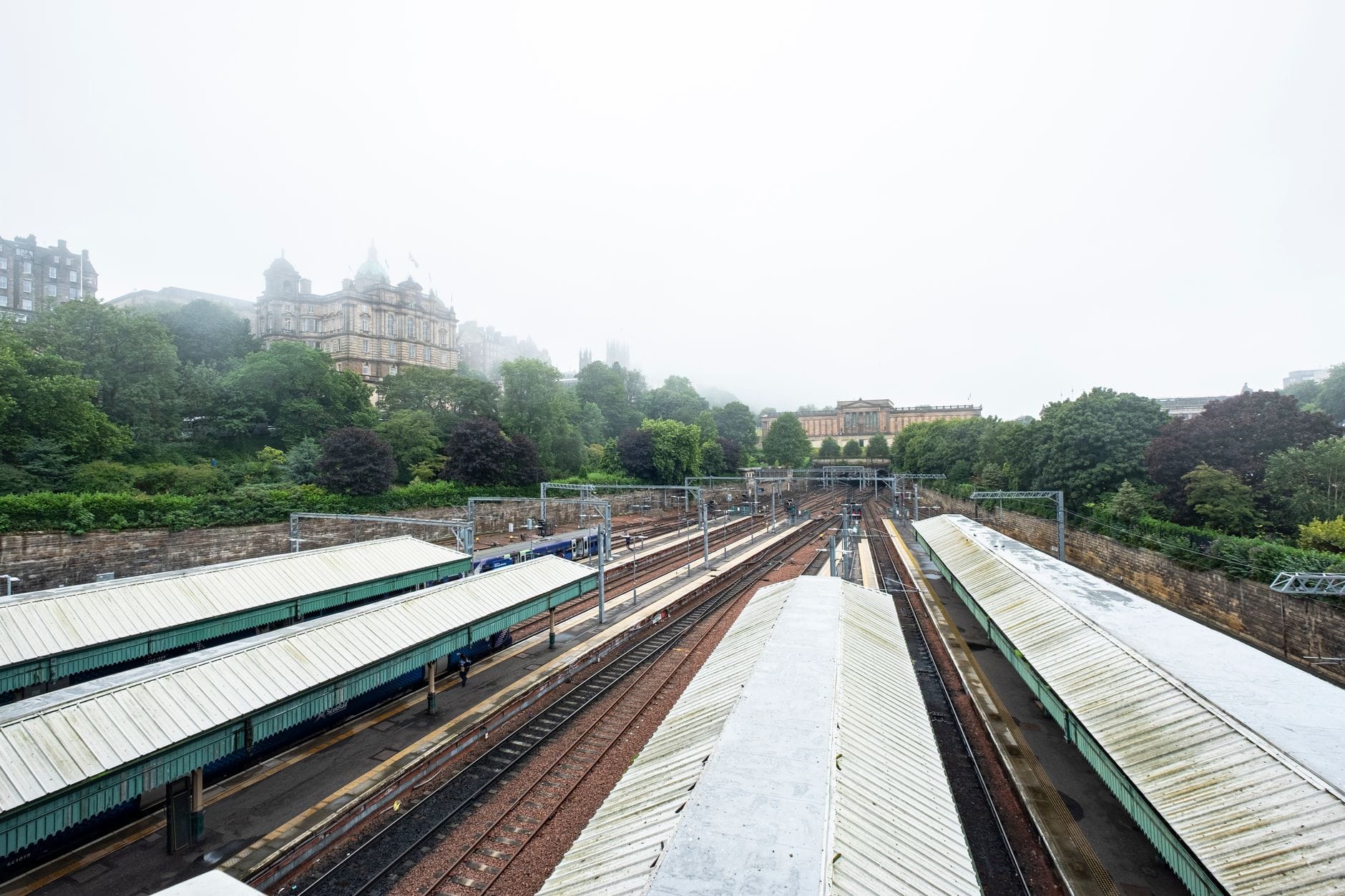
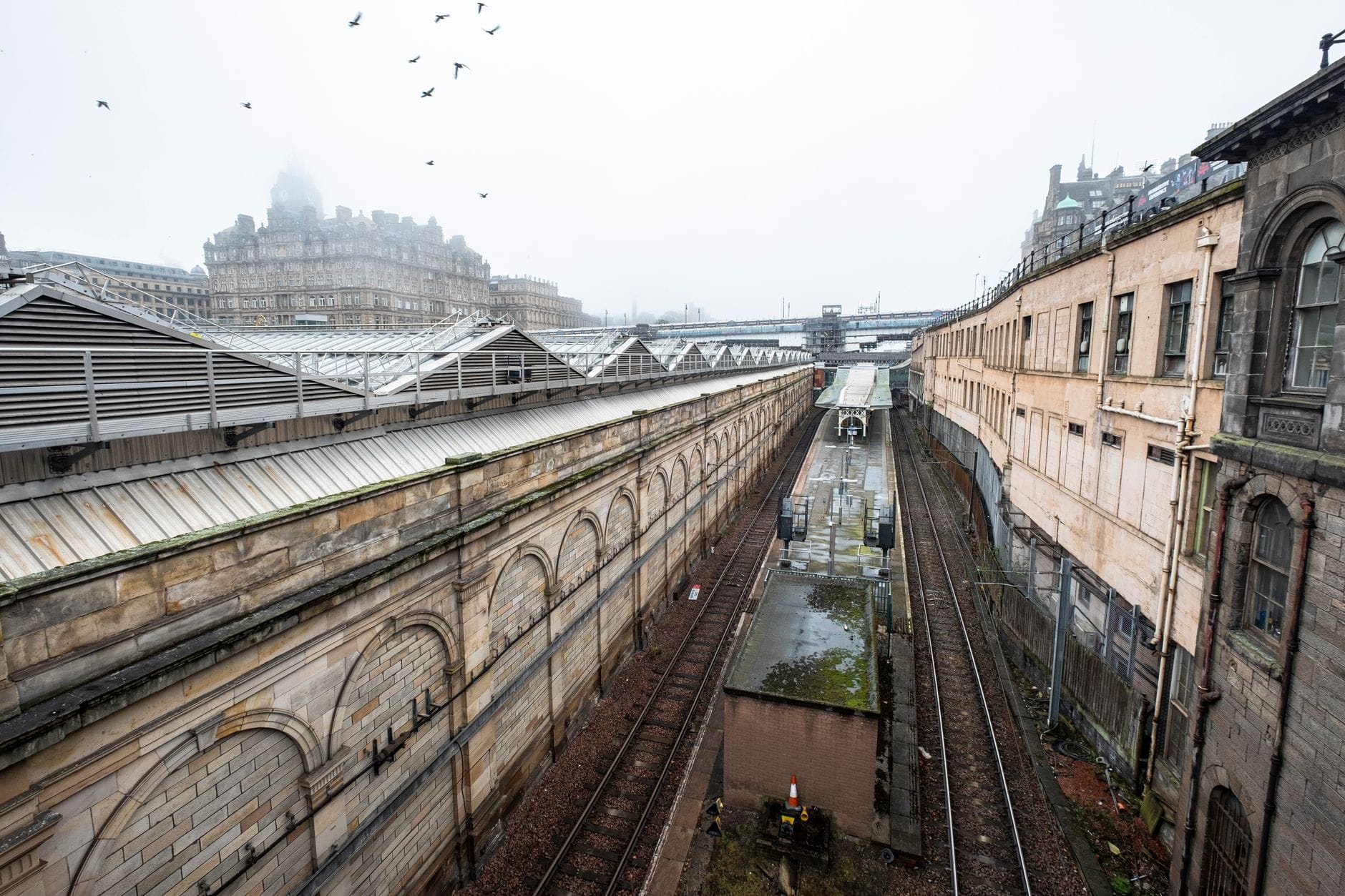
Edinburgh Waverley station sits in a valley between the Old Town and New Town, within walking distance of the Royal Mile, Princes Street, and most central hotels. You will not need a taxi or bus unless you are travelling to a specific neighbourhood. It is genuinely one of the best-positioned intercity stations in the UK.
Journey Times: Fast Services vs. the Average Train
Advertised journey times for the London to Edinburgh train require some unpacking. The headline figure of “about 4 hours” applies only to the fastest LNER services, which make limited stops and run at line speed. These are the trains worth targeting if you want to minimise travel time. In practice, a large proportion of departures take between 4 hours 20 minutes and 5 hours, depending on the number of intermediate stops and whether engineering works are in progress.
- Fastest service Approximately 4h 08-15m, limited stops, LNER East Coast Main Line
- Standard direct service Typically 4h 20m-5h, more intermediate stops
- West Coast route (Euston) Often 4h 30m-5h 30m, varies by operator and stops
- Sunday services Can run slower due to engineering work; check timetables specifically for Sundays
One common mistake is choosing a cheaper ticket on a slower service without realising the time cost. If you are travelling during a busy period like the Edinburgh Festival Fringe in August or over the Christmas and New Year period, the extra hour on a slower service might not be worth the saving. Always check the actual departure and arrival times rather than relying on headline journey time claims from booking platforms.
Ticket Prices: What to Expect and When to Book
Pricing on the London to Edinburgh train route follows the same logic as most UK intercity rail: the earlier you book, the cheaper the fare, with Advance tickets released roughly 12 weeks before departure. At that point, Standard Class singles can start from around £25-£50. By contrast, an Anytime or walk-up fare on a busy travel day regularly exceeds £150 one way in Standard Class. For context, a return flight between the two cities can sometimes undercut that on a budget carrier, but the train wins on convenience given that Edinburgh Airport is 13 km west of the city centre and requires a tram or bus transfer.
- Advance Standard Class single: from around £25–£50 (book 8–12 weeks out)
- Flexible Standard Class single (Anytime): £100–£150+ on busy dates
- First Class Advance singles: typically £60–£120+ depending on date and lead time
- Weekend and Bank Holiday fares: usually higher across the board; book early
✨ Pro tip
Split ticketing can dramatically reduce the cost of the London to Edinburgh train. Tools like TrainSplit or Splitticketing.com calculate whether buying two tickets — for example, London to York and York to Edinburgh — is cheaper than a through ticket. The savings can be significant on flexible fare types, and you remain on the same train throughout.
For booking, the official LNER website is the best starting point for East Coast Main Line departures and often matches or beats third-party prices without added booking fees. Trainline is useful for comparing multiple operators and routes in one search. Rail Europe and Omio are worth checking if you are booking from outside the UK and prefer an interface in your currency. Railcards — including the 16–25, 26–30, Senior, and Two Together Railcards — offer a standard 1/3 off most Advance and off-peak fares and pay for themselves on a single return journey.
Frequencies and Schedules: Planning Your Day
LNER alone operates 29 direct trains from King's Cross to Edinburgh Waverley on a standard weekday, with roughly hourly faster services throughout the day. When you add services from other operators using different routes, total daily departures across the London to Edinburgh corridor reach roughly 50–70 trains. First departures from London typically begin around 05:45–06:15, with the last trains leaving around 23:45–23:53, though these exact times shift slightly by day and operator.
The practical implication is that this is not a route where you need to plan rigidly around a single departure. If you miss a train, another will generally follow within the hour during the day. That said, the first and last trains of the day, and specific fast services in the morning peak, will sell out for Advance fares well in advance during busy periods. Travelling on a Tuesday, Wednesday, or Thursday off-peak typically gives you the widest choice of seats and lowest prices.
⚠️ What to skip
Sunday timetables on the East Coast Main Line are frequently disrupted by planned engineering works, particularly overnight or early morning. Always check Network Rail's journey planner for Sunday-specific disruptions before booking, as replacement bus services can turn a 4-hour train journey into a 6–7 hour ordeal.
On Board: What the Journey Is Actually Like
LNER's Azuma trains (Class 800/801) are the standard fleet on the East Coast Main Line. They are modern, air-conditioned, and have power sockets and free Wi-Fi at all seats, though Wi-Fi quality varies significantly in rural stretches of Northumberland and the Scottish Borders. Standard Class seating is comfortable for a 4–5 hour journey. First Class adds wider seats, a complimentary meal service on many departures, and a noticeably quieter carriage.
The scenery improves markedly in the second half of the journey. North of York, the line runs along the Northumberland coast with views across to Bamburgh Castle and the Farne Islands. Crossing the border into Scotland near Berwick-upon-Tweed is a cinematic moment: the train crosses the Royal Border Bridge over the River Tweed before the landscape shifts to rolling lowland Scotland. The final approach into Edinburgh runs through a cutting and arrives at Waverley, which sits below street level in the valley between the castle ridge and Calton Hill.
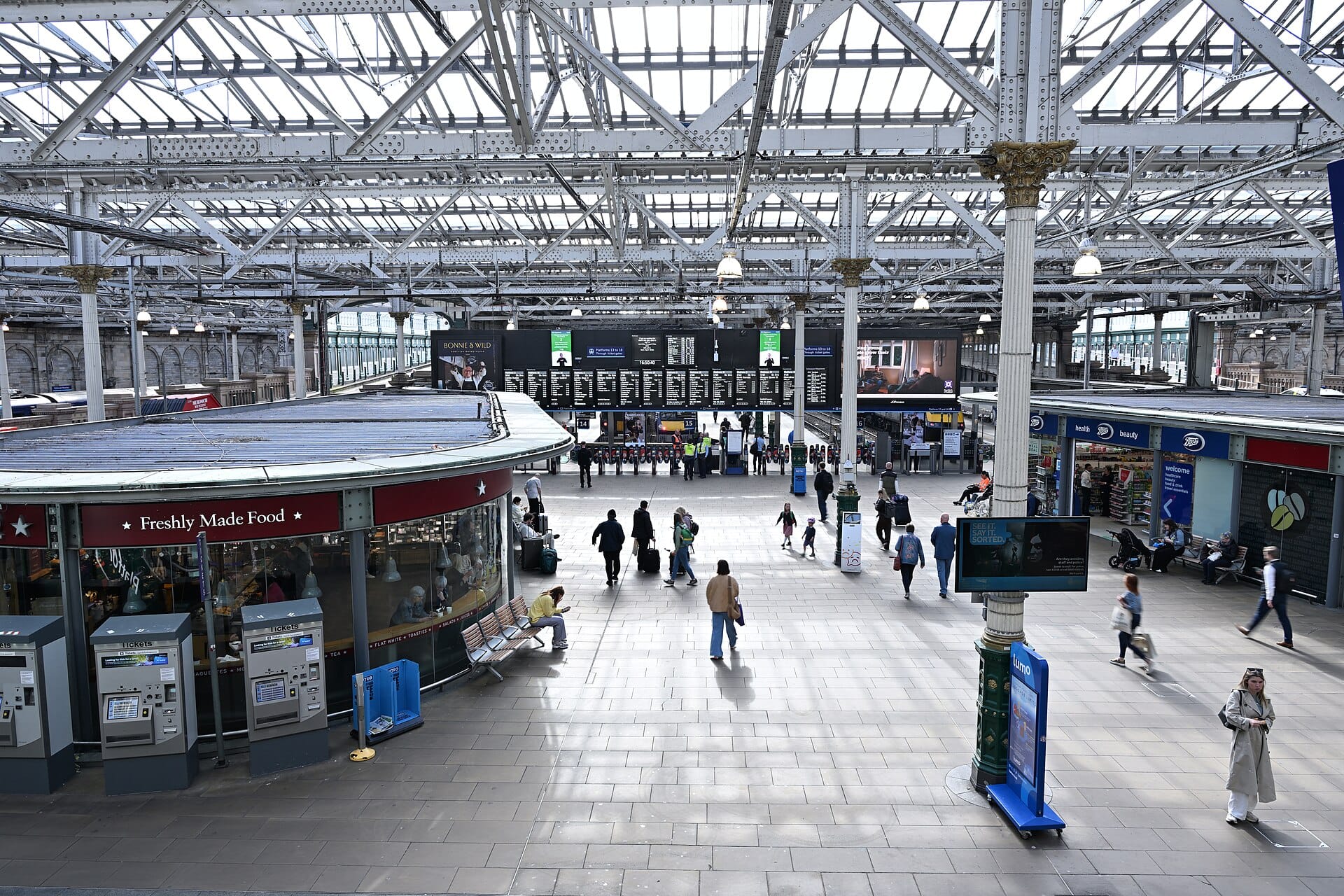
Edinburgh Waverley has two exits: one towards Princes Street and the New Town, and one through the Waverley Steps or Market Street towards the Old Town and the Royal Mile. Taxis queue outside the main entrance on Waverley Bridge. The tram to Edinburgh Airport departs from St Andrew Square, a 15-minute walk away, or you can take a bus from nearby Princes Street.
Common Misconceptions Worth Clearing Up
The question of whether there is a “high-speed train” from London to Edinburgh comes up constantly. The short answer is no. Services use the conventional East Coast Main Line, which is a classic intercity route capable of 125 mph but not a dedicated high-speed track like HS1 (used for Eurostar) or the TGV network in France. The journey is fast by international intercity standards, but it is not a bullet train experience. HS2, which may eventually include faster connections towards the north, has been significantly scaled back and will not serve Edinburgh in any near-term scenario.
Another misconception is that LNER is the only operator on the route. It is the dominant direct operator from King's Cross, but Avanti West Coast runs a separate service from Euston via the West Coast Main Line, and Lumo plus occasional Grand Central or CrossCountry routings can feature in searches depending on your exact journey. When comparing prices across platforms, confirm the departure station: King's Cross and Euston are about 1.5 km apart, both accessible by London Underground but requiring different tube lines.
💡 Local tip
If you are combining the London to Edinburgh train with onward travel in Scotland, Edinburgh Waverley connects directly to ScotRail services for Glasgow, Inverness, Aberdeen, and the Highlands. The Edinburgh to Inverness train, for example, takes around 3 hours 15 minutes and is a stunning Highland journey in its own right.
Once you arrive in Edinburgh, the city is compact enough that most central attractions are walkable from Waverley. For wider exploration, the guide to getting around Edinburgh covers buses, trams, and on-foot routes in detail. If you are planning a multi-day stay, the 3 days in Edinburgh itinerary gives a practical structure for your visit.
Seasonal Demand: When to Book and When to Avoid
Peak demand on the London to Edinburgh train route follows Edinburgh's event calendar closely. August is the most extreme month: the Edinburgh Festival Fringe and the Royal Edinburgh Military Tattoo draw hundreds of thousands of visitors, and trains fill weeks in advance. Advance fares for August departures can be booked from around May onwards and often sell out for the best-value seats. If you are travelling during the Fringe and have not booked by June, expect to pay full flexible fares or consider the overnight Caledonian Sleeper from London Euston.
The Christmas and Hogmanay period (late December through early January) is the second major pressure point. Edinburgh's Christmas market and Hogmanay celebrations attract large crowds, and trains in the final week of December book up quickly. For a fuller picture of what is happening in Edinburgh across the year, the best time to visit Edinburgh guide breaks down each season in detail. The quietest period for train travel, and generally the cheapest, is January through March outside of school holiday weeks.
- August (Festival season): Book 10–12 weeks out minimum. Advance fares go fast.
- Late December / Hogmanay: Book as soon as Advance tickets open, typically 12 weeks before.
- Bank Holiday weekends: Higher fares and full trains in both directions; avoid if flexible.
- January to March: Cheapest fares, most seat availability, and occasional promotional pricing from LNER.
- May to June: Good balance of reasonable fares and improving weather in Edinburgh.
FAQ
How long does the London to Edinburgh train take?
The fastest services take around 4 hours 8–15 minutes from London King's Cross to Edinburgh Waverley. Many trains take 4 hours 20 minutes to 5 hours depending on stops. Sunday services can be slower due to engineering works.
Which London station do I depart from for Edinburgh?
Most direct services to Edinburgh depart from London King's Cross, operated primarily by LNER on the East Coast Main Line, with additional Lumo services. Avanti West Coast also runs services from London Euston via a different route. King's Cross and Euston are separate stations, both on the London Underground network.
How much does a London to Edinburgh train ticket cost?
Advance Standard Class singles start from around £25–£50 when booked 8–12 weeks ahead. Walk-up or flexible fares on busy dates typically cost £100–£150 or more one way. First Class Advance fares generally start from around £60–£120 depending on the date.
Where does the Edinburgh to London train arrive in London?
Trains from Edinburgh Waverley operated by LNER arrive at London King's Cross. Services via the West Coast route arrive at London Euston. King's Cross is well connected by tube on the Victoria, Piccadilly, Circle, Hammersmith & City, and Metropolitan lines.
Is there an overnight train from London to Edinburgh?
Yes. The Caledonian Sleeper departs London Euston in the late evening and arrives in Edinburgh Waverley the following morning. It is operated by Caledonian Sleeper and offers seated, reclining, and private cabin options. It is a practical alternative during busy periods like the August festivals when daytime Advance fares are expensive or sold out.
Tickets & tours
Live prices and dates from our booking partner. If you book, we may earn a commission at no extra cost to you.
Planning a trip? Discover personalized activities with the Nomado app.