Getting Around Edinburgh: The Complete Transport Guide
Edinburgh is one of Europe's most walkable capital cities, but knowing when to walk, when to catch a bus, and when to splash out on a taxi makes a real difference. This guide covers every transport option in the city, from Lothian Buses and the tram line to airport transfers and cycling, with practical advice on what to use and what to skip.
Tickets & tours
Live prices and dates from our booking partner. If you book, we may earn a commission at no extra cost to you.
TL;DR
- Edinburgh's city centre is compact: most major attractions are within a 1-mile radius of the Royal Mile, so walking covers more than you'd expect.
- Lothian Buses runs a 24-hour network across the city; single fares are around £1.80–£2.20 and day tickets around £4.30–£5.70. Many buses are now cashless, so carry a contactless card.
- The Edinburgh Tram is a single line connecting the city centre to Edinburgh Airport and Newhaven — useful for airport arrivals but not a city-wide network.
- Taxis are convenient but rarely necessary for short central journeys. Licensed black cabs and app-based options are available around the clock.
- For day trips outside the city, buses and trams won't cut it. You'll need trains or regional coaches — see our day trips from Edinburgh guide for details.
Walking: Still the Best Way to See Edinburgh

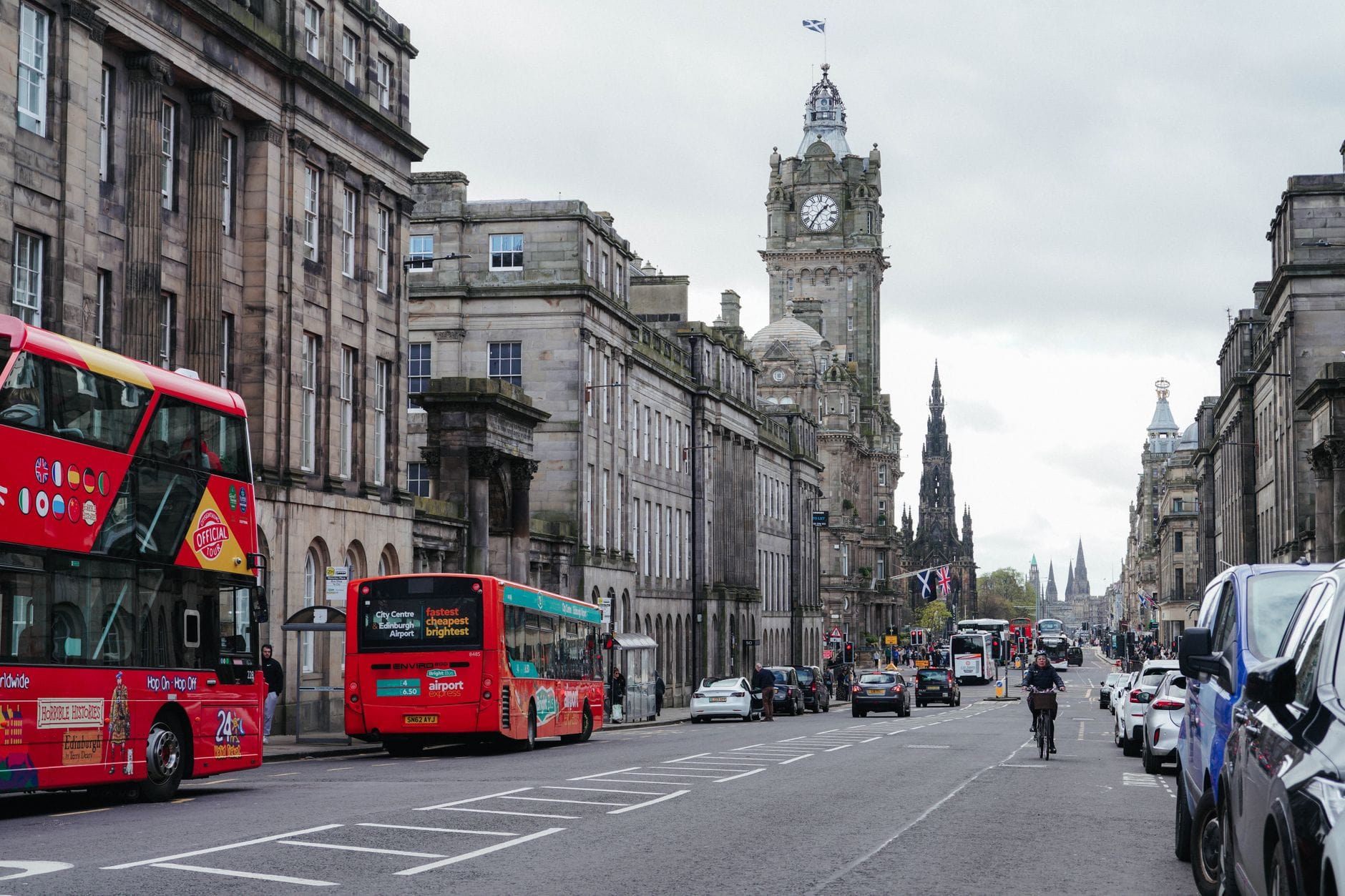
Getting around Edinburgh on foot is genuinely practical in a way that isn't true of most capital cities. The distance from Edinburgh Castle at the top of the Old Town to the Scottish Parliament at the bottom of the Royal Mile is under a mile. From the castle to Princes Street, you're looking at a 10-minute walk. Most visitors find they can cover the Old Town and New Town almost entirely on foot without needing to think about transport.
That said, Edinburgh is not flat. The Old Town sits on a volcanic ridge, and streets like the Vennel and Cockburn Street involve real elevation change. Cobblestones are everywhere in the historic core, which is hard going for wheeled luggage and uncomfortable in thin-soled shoes. Wear something with grip, especially if there's been rain.
💡 Local tip
If you're staying in the New Town and want to reach Leith, the Water of Leith Walkway offers a pleasant 2-mile route along the river with minimal traffic. It takes around 40 minutes at a comfortable pace and passes through Stockbridge along the way.
Neighbourhoods like Stockbridge and Leith are walkable from the centre but take 20–40 minutes each way. For those exploring further afield, such as Portobello Beach or Craigmillar Castle, you'll need public transport or a taxi.
Lothian Buses: The Backbone of City Transport
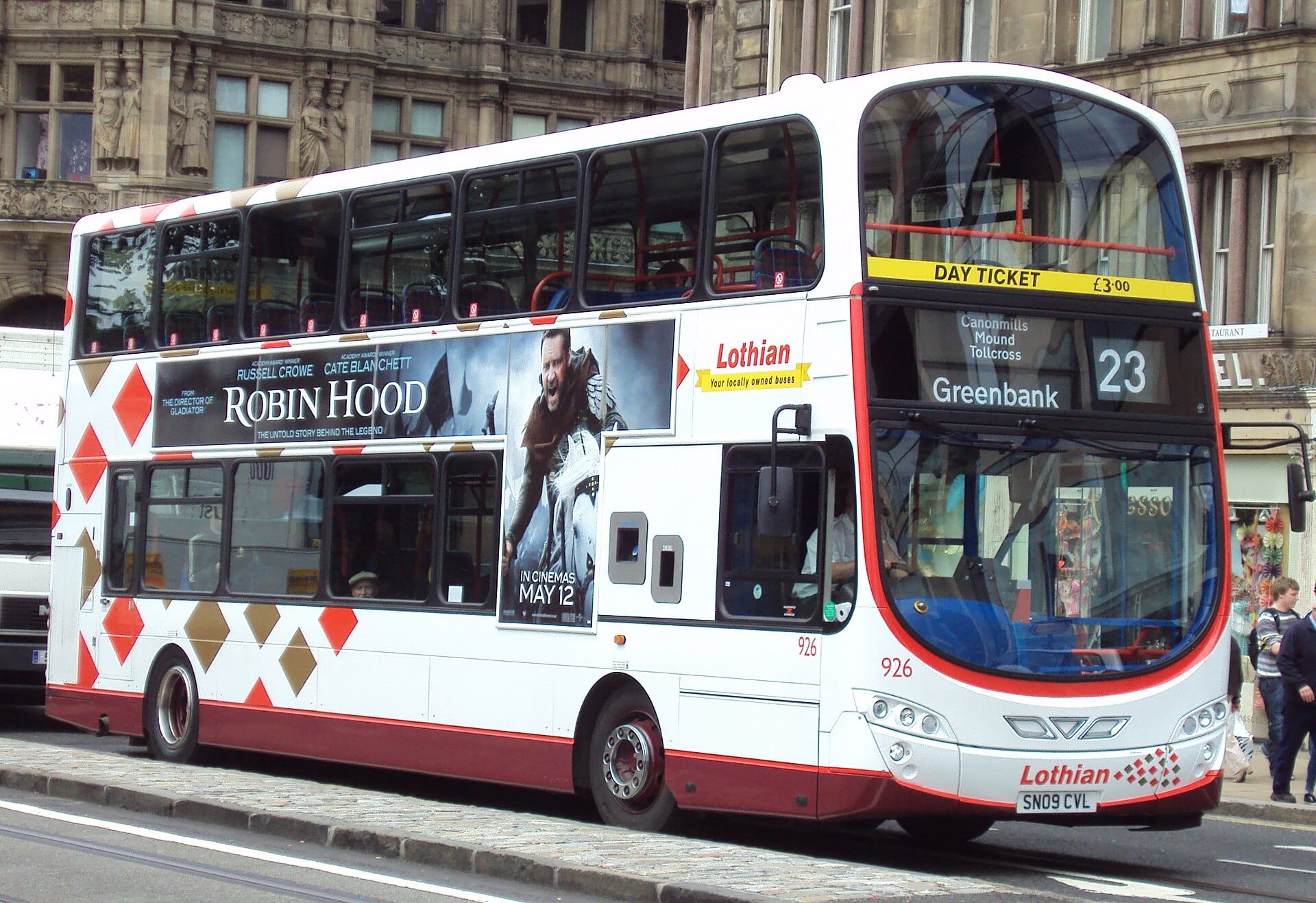
Lothian Buses is the main public transport operator in Edinburgh and runs one of the most extensive urban bus networks in the UK relative to city size. The network covers the entire council area with frequent daytime services and a 24-hour operation on many routes. For most visitors, the bus is the practical choice for any journey over 20 minutes on foot.
- Single fare Around £1.80–£2.20 for an adult single journey. Verify current prices on the Lothian Buses website before travel as fares are reviewed periodically.
- Day ticket Around £4.30–£5.70 depending on the product. Worth it if you're making three or more bus journeys in a day.
- Payment Many services are now cashless. Pay by contactless card or mobile payment at the point of boarding. Check the Lothian Buses website for current cashless policy on specific routes.
- Night buses Services run 24 hours but frequency drops significantly after 7pm and late at night. Plan extra waiting time for evening travel.
- App and real-time info Lothian Buses operates its own app with live tracking. Google Maps also covers Edinburgh routes reliably.
⚠️ What to skip
Do not board a Lothian Bus expecting to pay with cash unless you've confirmed the route still accepts it. Some services are contactless-only. Arriving at a stop with only notes and no card is a genuine inconvenience, especially on evening routes.
Edinburgh Trams: Useful for the Airport, Limited Elsewhere
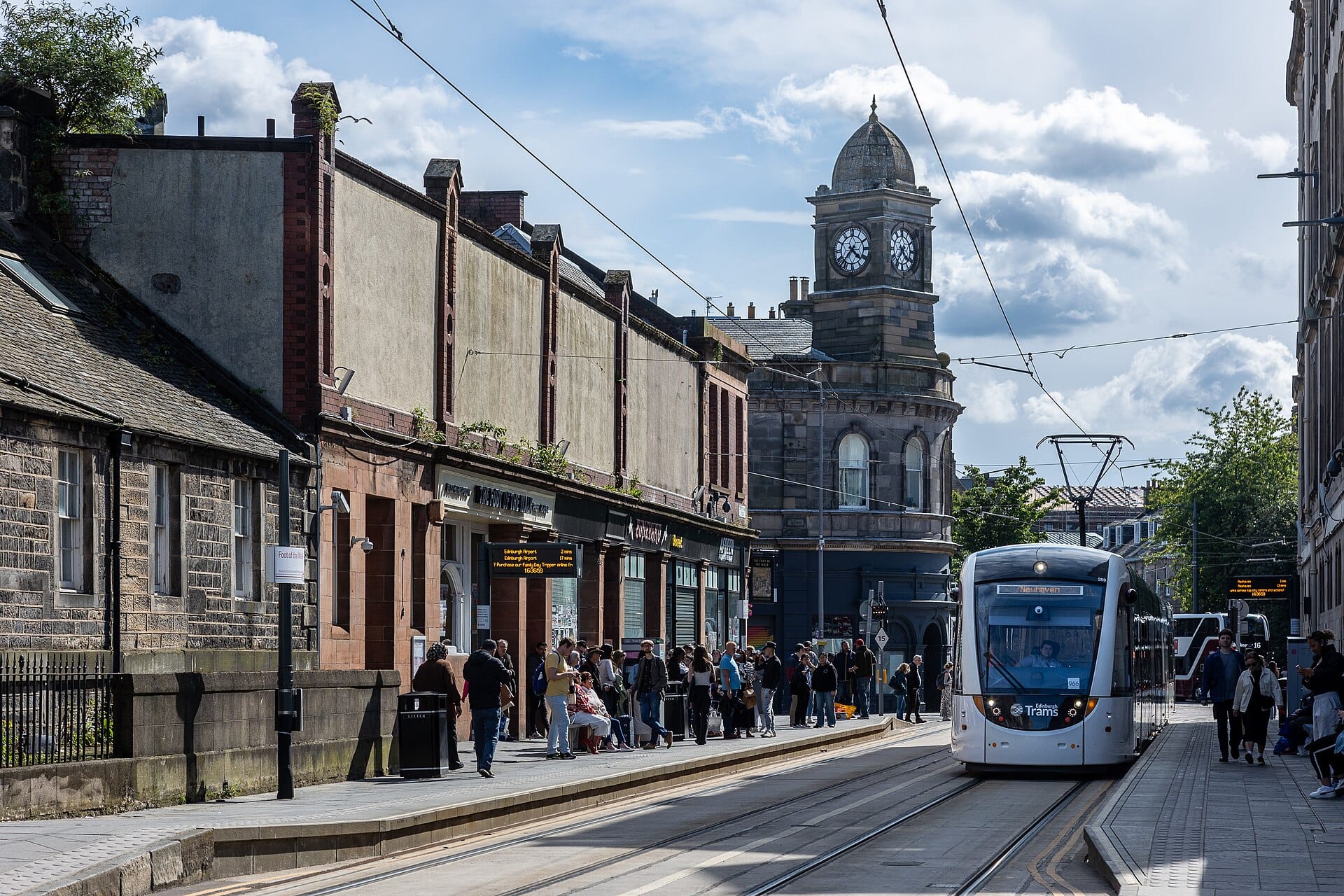
Edinburgh's tram network is a single line running from Edinburgh Airport through the city centre and east through Leith to Newhaven. It is not a metro system with multiple lines, and visitors who arrive expecting a network will be surprised by how narrow its coverage actually is.
Trams run frequently between around 05:30 and midnight daily. The airport-to-city-centre journey takes roughly 30–45 minutes depending on your stop, making it a reliable and stress-free arrival option. Tickets are purchased before boarding at platform machines or via contactless card readers at stops. You cannot pay on the tram itself.
✨ Pro tip
The tram stops most useful for tourists are Edinburgh Airport, Princes Street, and St Andrew Square. Edinburgh Gateway is useful if you're connecting to mainline trains. If your accommodation is in the Old Town, the tram drops you close but not right at the door — a 10-minute walk from St Andrew Square covers most of the eastern New Town and upper Old Town.
For journeys purely within the city centre, the tram offers limited advantages over buses. Its real value is the airport connection and the run down to Leith and Newhaven, where bus coverage is thinner. Adult fares are zoned, with airport journeys priced higher than city-only travel. Check current fares at edinburghtrams.com before travel.
Getting from Edinburgh Airport to the City Centre
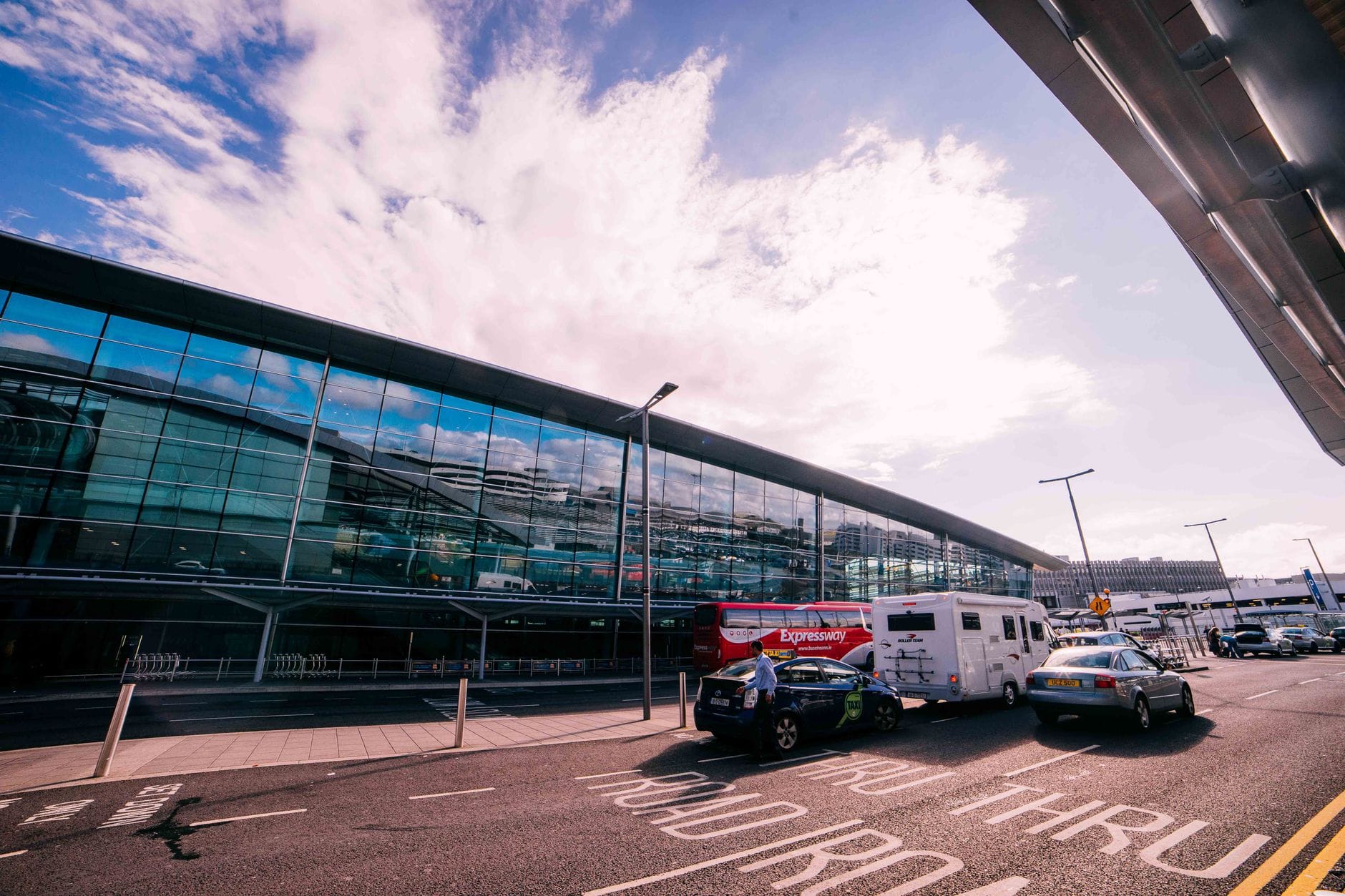
Edinburgh Airport (EDI) is approximately 13 km west of the city centre. Three main options connect the airport to the centre, each with a different trade-off between cost, speed, and convenience. See our full Edinburgh Airport guide for more detail on arrivals, departures, and terminal logistics.
- Edinburgh Tram The most straightforward option for most visitors. Runs directly from the airport terminal to Princes Street and St Andrew Square in 35–45 minutes. Frequency is good (every 7–10 minutes) and it operates early morning to midnight. Fares are higher than the bus but the comfort and directness justify the cost for most travellers with luggage.
- Airlink 100 Bus Express bus service operated by Lothian Buses running between the airport and Waverley Bridge in the city centre, with stops at Haymarket and the West End. Typically cheaper than the tram. Journey time is similar but can be longer during peak traffic. A good option if you're budget-conscious or if your accommodation is on the west side of the centre.
- Taxi or private hire Licensed taxis are available from the designated rank outside arrivals. Expect a fare in the range of £25–£35 to the city centre depending on traffic, though this should be verified. Faster than public transport during off-peak times, and the obvious choice for groups of three or more splitting the cost with luggage.
Taxis, Black Cabs, and Ride-Hailing

Edinburgh has a well-established taxi culture. Licensed hackney carriages can be hailed on the street in the centre at almost any hour, or booked in advance. The main operators include Central Taxis and City Cabs. Taxis are metered, regulated, and wheelchair accessible.
For central sightseeing journeys, taxis are rarely worth the extra cost over buses. Where they genuinely earn their place: late-night travel when bus frequency drops, airport runs with heavy luggage, group travel where the per-person cost becomes competitive, and travel to or from locations outside the main bus corridors. Ride-hailing apps including Uber operate in Edinburgh, giving a useful price comparison option before you commit.
ℹ️ Good to know
During the Edinburgh Festival Fringe in August, demand for taxis surges after 10pm. If you're leaving a late-night show on the Pleasance or Cowgate, either pre-book or budget for a 15–20 minute wait. Buses are the more reliable option during Fringe, as the timetable is less affected by pedestrian volume than taxi availability.
Cycling, Trains, and Getting Further Afield
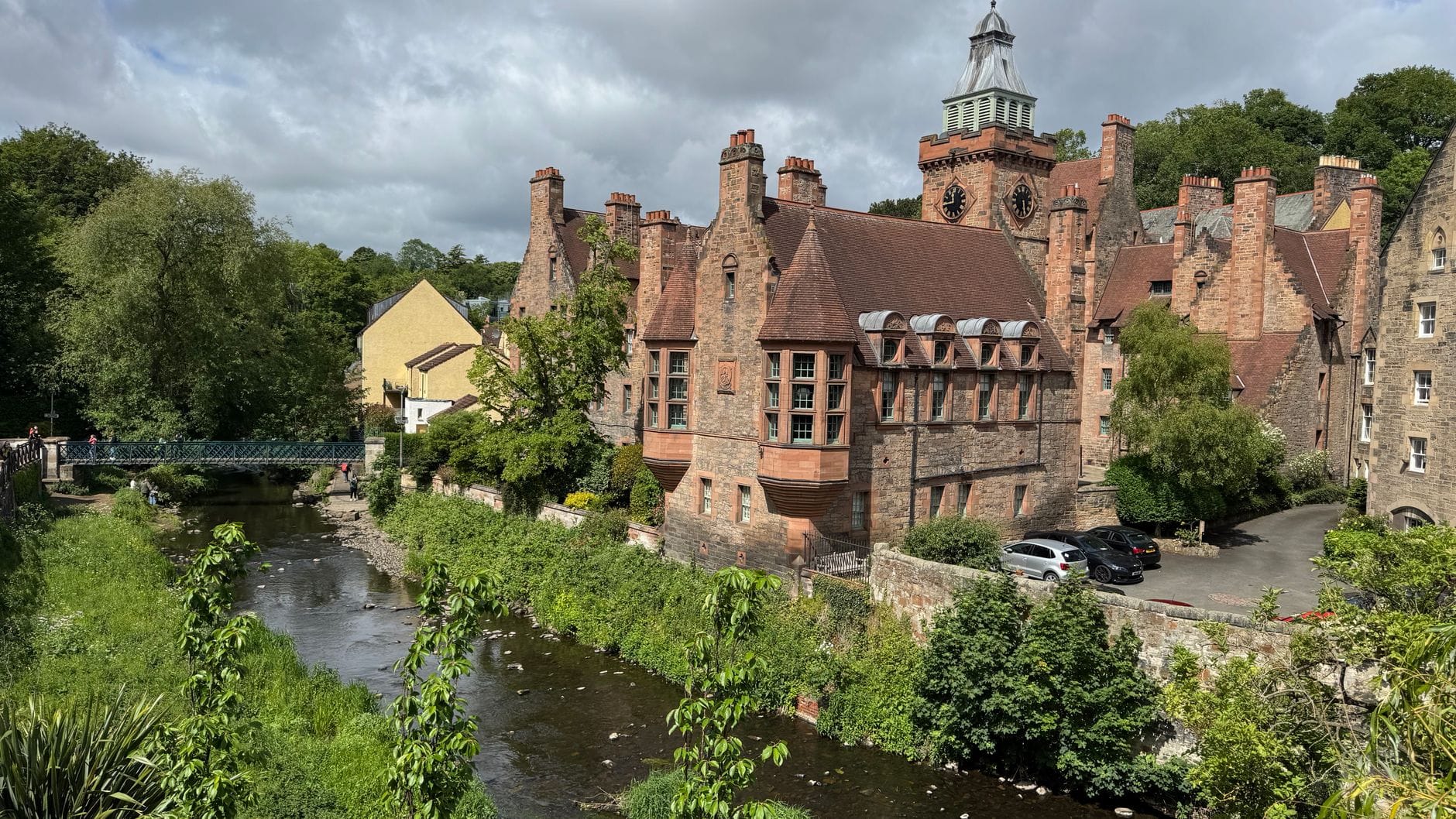
Cycling in central Edinburgh is possible but not straightforward. The combination of cobblestones, steep gradients, and traffic on major roads makes it less comfortable than in flatter UK cities. Cycle hire is available in the city, and dedicated infrastructure is improving, but it is not yet a first-choice option for most visitors navigating the historic core. The Water of Leith Walkway and some routes through the Meadows and Holyrood Park are more pleasant for leisure cycling.
For destinations outside Edinburgh, the city's two mainline rail stations, Edinburgh Waverley and Haymarket, connect to Glasgow, the Highlands, and most of the UK. Regional buses operated by companies including Citylink serve towns and cities not on the rail network. Neither buses nor trams reach Rosslyn Chapel, the Pentland Hills, or most coastal villages without a change to a different service. Plan accordingly, particularly for day trips from Edinburgh to places like the Forth Bridge, Stirling, or the East Lothian coast.
- Edinburgh Waverley is the main station for national rail services: London (around 4.5 hours on the fastest service), Glasgow Queen Street (about 50 minutes), and Inverness (around 3.5 hours).
- Haymarket station serves many of the same routes and is more convenient for the West End and Murrayfield.
- Edinburgh Gateway tram stop connects to a rail interchange for services toward Fife and the north, though coverage is limited.
- For the Borders, the Borders Railway runs from Waverley south to Tweedbank, making towns like Galashiels accessible without a car.
- Car hire is available at the airport and several city locations, and is worth considering if you're planning multiple rural day trips in a single visit.
Practical Tips for Getting Around Edinburgh
A few habits separate confident Edinburgh travellers from confused ones. First, always carry a contactless payment card: it covers buses, trams, taxis, and most cafe and shop purchases without needing to think about cash. Second, download the Lothian Buses app or use Google Maps for live bus times rather than relying on printed timetables, which are often outdated. Third, if you're visiting during the Fringe in August or during Hogmanay, expect road closures and higher taxi demand around the Old Town in the evenings.
Visitors on a tight budget should note that walking between the main sights in the Old Town, New Town, and Holyrood Park is entirely free and often faster than waiting for a bus. Our Edinburgh on a budget guide covers this in more detail, including which areas are realistically walkable from a central base and where public transport genuinely saves time.
FAQ
Do Edinburgh buses accept cash?
An increasing number of Lothian Bus services are cashless, accepting only contactless card or mobile payment. Some routes may still accept cash, but you should not rely on this. Check the Lothian Buses website or app before travel to confirm the policy on your specific route.
Is the Edinburgh Tram worth using for city centre travel?
For airport transfers, yes, absolutely. For travel within the city centre, less so. The tram runs a single line and doesn't cover the Old Town, Arthur's Seat, or most areas south of Princes Street. Buses provide much broader coverage for central sightseeing.
How long does it take to get from Edinburgh Airport to the city centre?
By tram, expect 35–45 minutes to Princes Street or St Andrew Square, running frequently from approximately 05:30 to midnight. By the Airlink 100 bus, journey time is similar but can stretch in heavy traffic. By taxi, allow roughly 20–30 minutes off-peak, longer during rush hour.
Is Edinburgh easy to get around without a car?
For most visitors, yes. The city centre is compact and walkable, buses cover the wider urban area, and the tram handles the airport. A car becomes useful only if you're planning multiple day trips to rural areas or driving to locations not well served by rail or regional buses.
What is the cheapest way to get around Edinburgh?
Walking is free and covers most of the main tourist areas. If you need public transport, a Lothian Buses day ticket (around £4.30–£5.70, verify current price) is the best value for multiple journeys. Single bus fares run around £1.80–£2.20 per trip. Avoid taxis for short central journeys unless you're in a group.
Tickets & tours
Live prices and dates from our booking partner. If you book, we may earn a commission at no extra cost to you.
Planning a trip? Discover personalized activities with the Nomado app.