Edinburgh Ghost Tours: Underground Vaults & Dark History Guide
Edinburgh has one of the darkest, most layered histories of any city in Europe, and it shows. This guide covers the underground vaults, haunted kirkyard, and eerie historic sites that make Edinburgh's ghost tour scene genuinely compelling, with practical advice on where to go and what to expect.
Tickets & tours
Live prices and dates from our booking partner. If you book, we may earn a commission at no extra cost to you.
Edinburgh's reputation for darkness is hard-earned. The city that gave us Burke and Hare, the witch trials, and plague-sealed closes beneath the Royal Mile has a depth of grim history that ghost tours only begin to scratch. This guide covers the essential underground and after-dark experiences, the historic sites that carry real menace, and the museums that fill in the context. Whether you're booking a lantern-lit vault tour or exploring on your own, the Old Town is where most of the action is concentrated — its medieval layout, preserved closes, and layered underworld make it unlike anywhere else in Britain. For a broader overview of the city's most rewarding historic attractions, see our things to do in Edinburgh guide.
💡 Local tip
Ghost tours operate year-round but book up fastest in October and during the Edinburgh Festival Fringe in August, when some vault spaces are used for performances. Book at least a week ahead during peak periods.
Underground Edinburgh: The Vaults & Hidden Closes
The South Bridge Vaults are the undisputed centrepiece of Edinburgh's ghost tour industry, and for good reason. Built into the nineteen arches of South Bridge in 1788, the vaults were originally used for storage and workshops before being abandoned and sealed for over a century. Tour operators including Mercat Tours, Auld Reekie Tours, and City of Edinburgh Tours run nightly sessions through these chambers. Nearby, Old Town's closes and underground streets offer further atmospheric options for those who want to go deeper into Edinburgh's hidden history.
1. Descend into the South Bridge Vaults After Dark
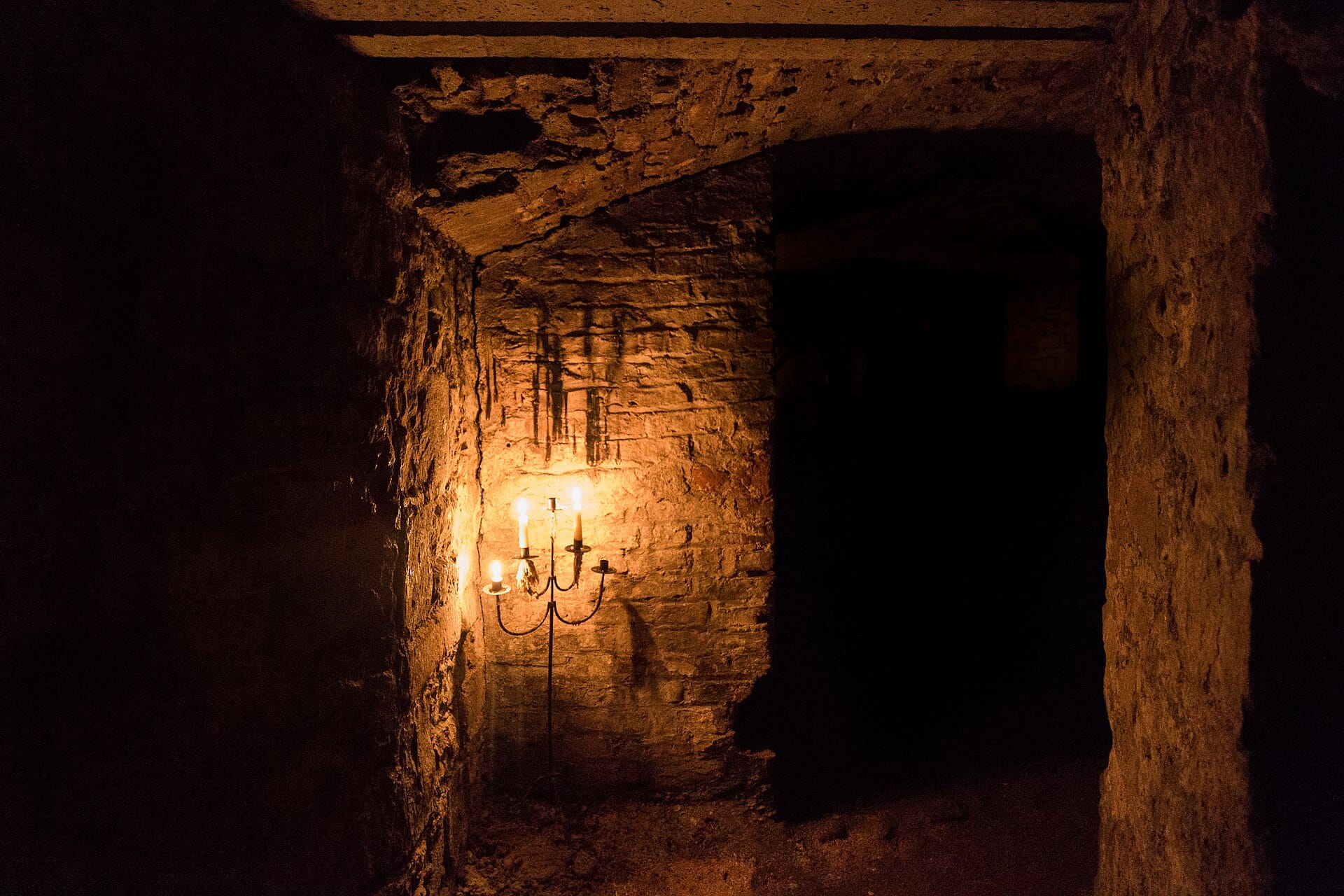
The 18th-century chambers beneath South Bridge are Edinburgh's most iconic underground experience. Multiple operators run nightly tours, with evening departures from around 17:45 through to 20:45. Prices are typically around £19 for adults. Note: claims that Burke and Hare used the vaults are unproven.
Explore1. Descend into the South Bridge Vaults After Dark
The 18th-century chambers beneath South Bridge are Edinburgh's most iconic underground experience. Multiple operators run nightly tours, with evening departures from around 17:45 through to 20:45. Prices are typically around £19 for adults. Note: claims that Burke and Hare used the vaults are unproven.
Explore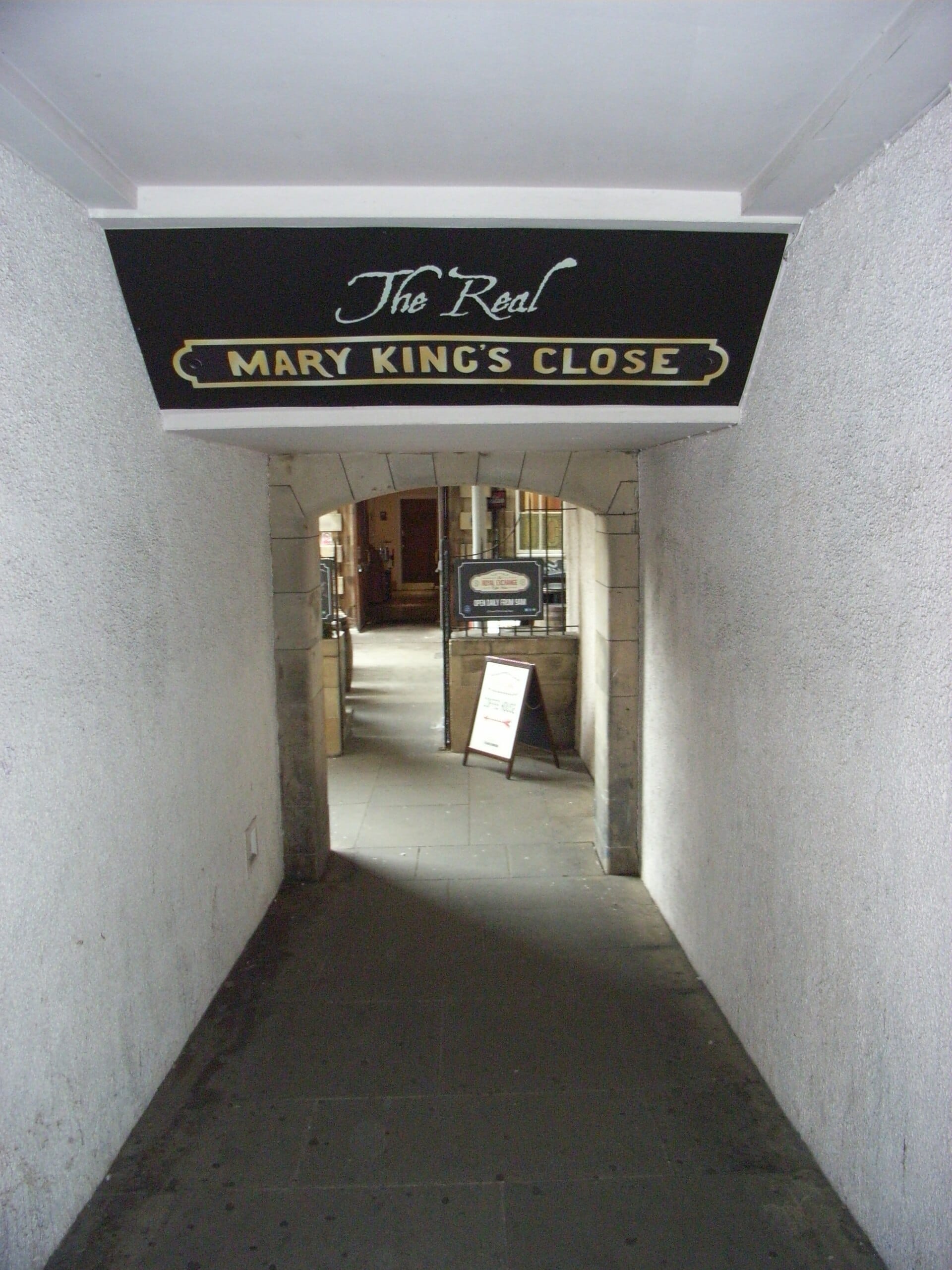
2. Walk the Preserved 17th-Century Streets of Mary King's Close
Sealed beneath the Royal Mile for centuries, Mary King's Close is a network of real historic streets brought to life by costumed guides. The plague-era history is vivid and well-researched. Book in advance — this is one of Edinburgh's most popular attractions and sells out regularly.
Explore2. Walk the Preserved 17th-Century Streets of Mary King's Close
Sealed beneath the Royal Mile for centuries, Mary King's Close is a network of real historic streets brought to life by costumed guides. The plague-era history is vivid and well-researched. Book in advance — this is one of Edinburgh's most popular attractions and sells out regularly.
ExploreHaunted Kirkyards & Atmospheric Historic Sites
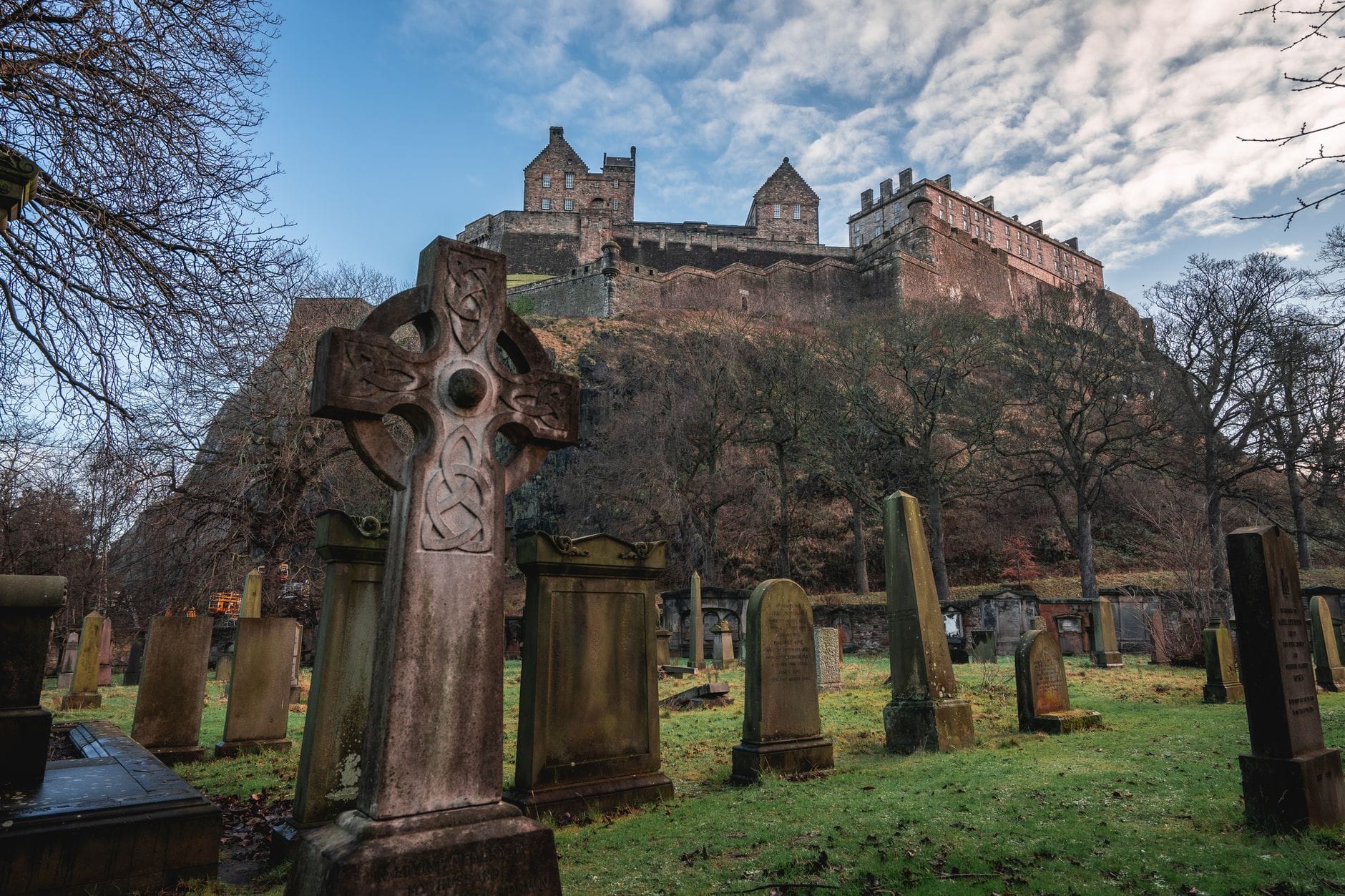
Edinburgh's churchyards are among the most atmospheric in the world. Greyfriars Kirkyard in particular has a reputation that extends well beyond the famous dog statue at its gates, with centuries of layered history, a locked Covenanters' Prison, and strong connections to both Edinburgh's ghost tour circuit and its literary legacy. Our Edinburgh Harry Potter guide covers the Greyfriars connections to J.K. Rowling's world in detail, but the kirkyard rewards a visit entirely on its own terms.
3. Explore Greyfriars Kirkyard, Edinburgh's Most Haunted Graveyard
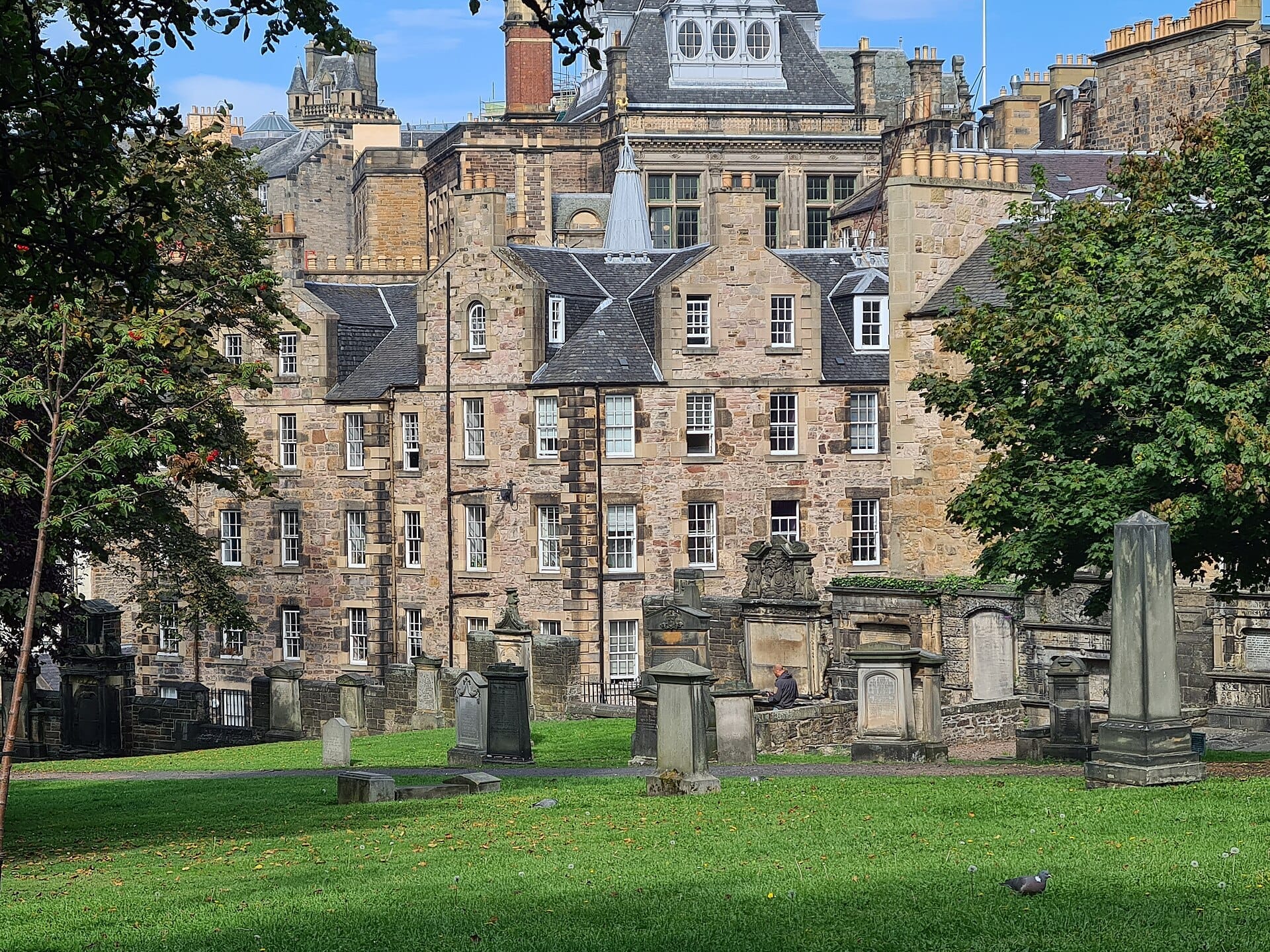
Home to the Covenanters' Prison, Reformation-era monuments, and centuries of eerie history, Greyfriars is the starting point for the famous City of the Dead ghost tour. Free to enter at any time, it rewards a slow walk even without a guide. Late afternoon light is particularly dramatic here.
Explore3. Explore Greyfriars Kirkyard, Edinburgh's Most Haunted Graveyard
Home to the Covenanters' Prison, Reformation-era monuments, and centuries of eerie history, Greyfriars is the starting point for the famous City of the Dead ghost tour. Free to enter at any time, it rewards a slow walk even without a guide. Late afternoon light is particularly dramatic here.
Explore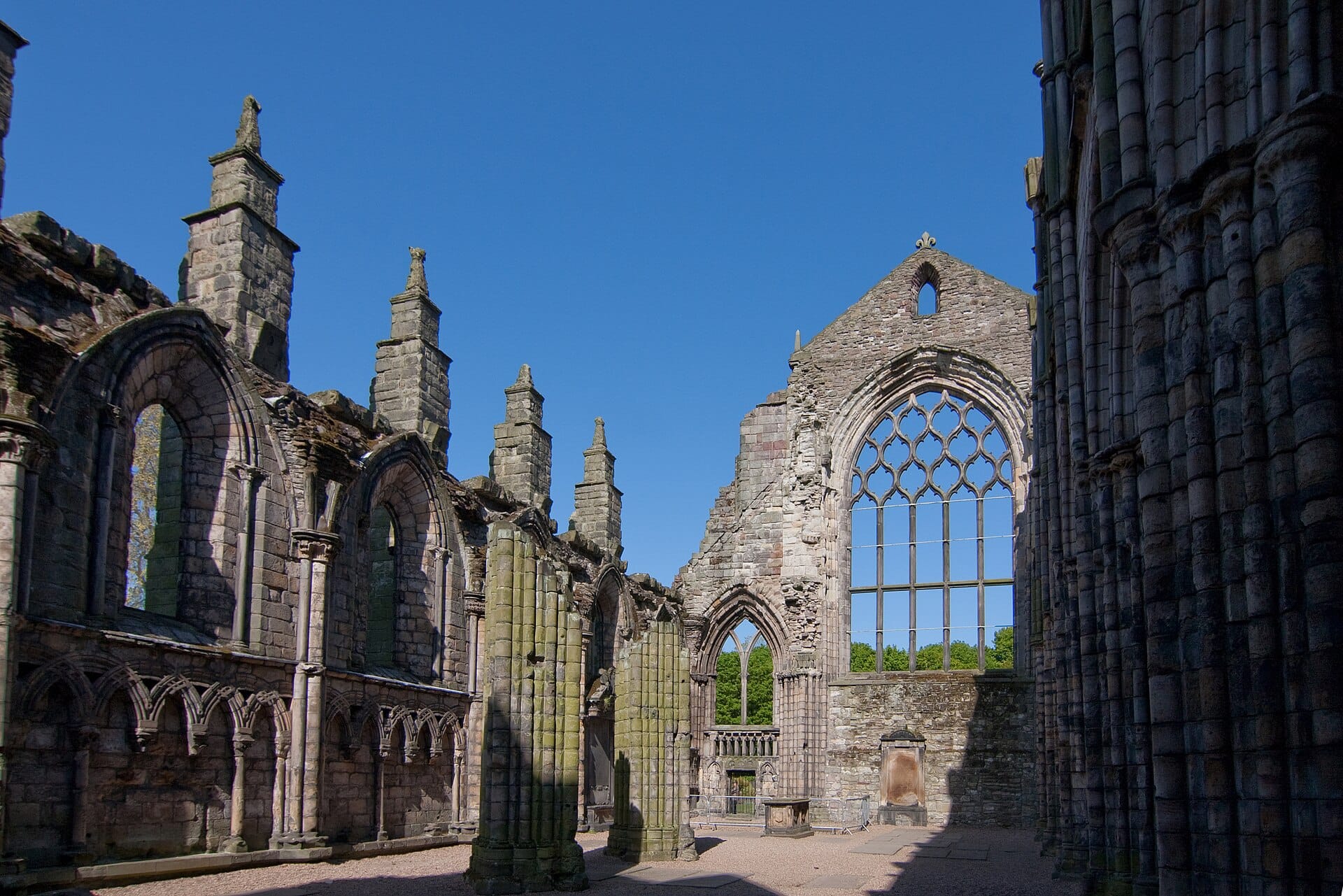
4. Visit the Roofless Ruins of Holyrood Abbey
Founded in 1128 and left open to the sky after Reformation damage, Holyrood Abbey is one of Edinburgh's most genuinely haunting historic sites. The Gothic stonework, surviving nave, and royal burial associations give it a weight that feels distinct from the polished castle experience. Included with a Palace of Holyroodhouse ticket.
Explore4. Visit the Roofless Ruins of Holyrood Abbey
Founded in 1128 and left open to the sky after Reformation damage, Holyrood Abbey is one of Edinburgh's most genuinely haunting historic sites. The Gothic stonework, surviving nave, and royal burial associations give it a weight that feels distinct from the polished castle experience. Included with a Palace of Holyroodhouse ticket.
Explore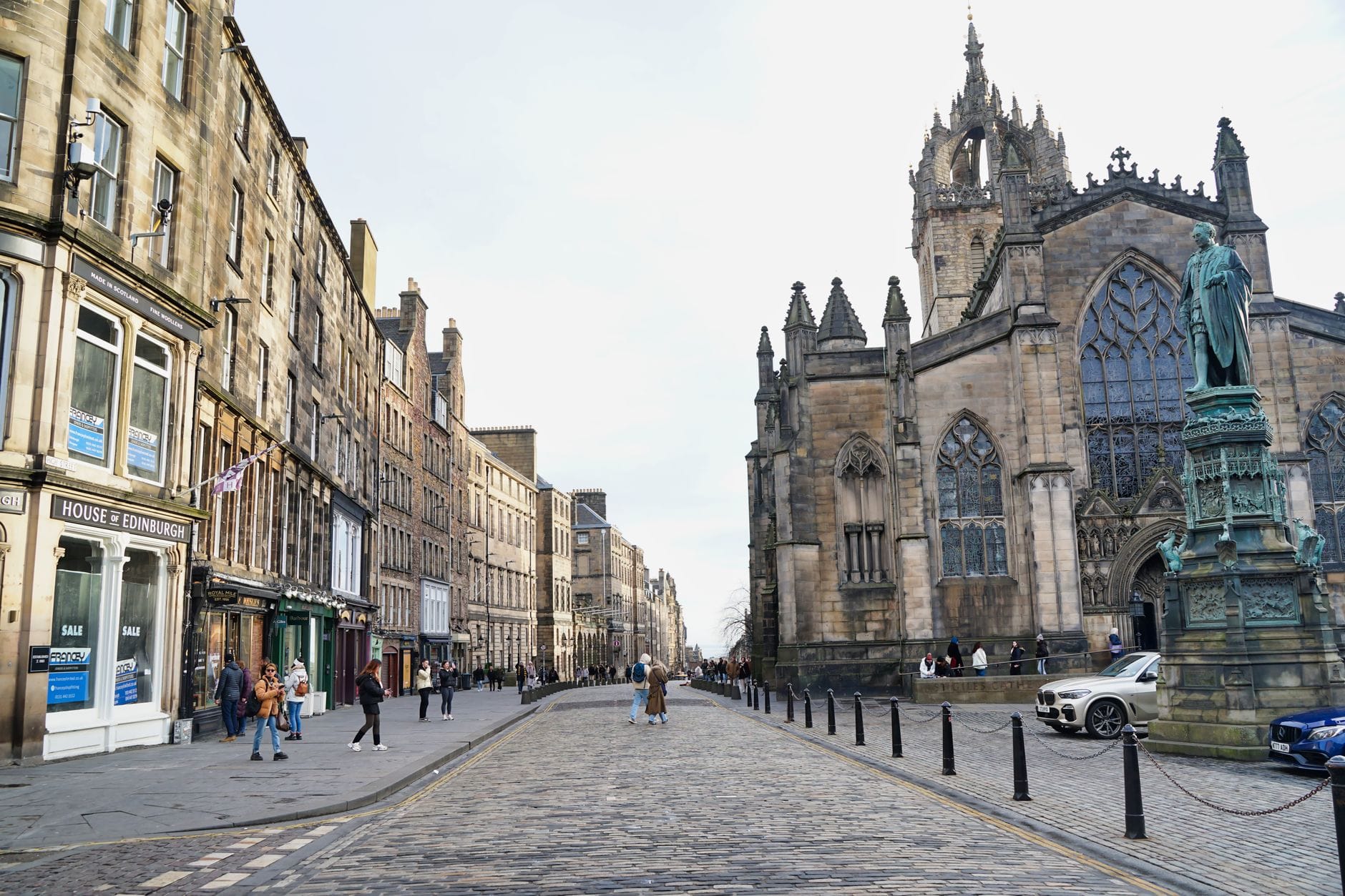
5. Step Inside St Giles' Cathedral, Heart of the Scottish Reformation
The High Kirk of Edinburgh has witnessed public executions, religious upheaval, and centuries of Scottish political drama. The ornate Thistle Chapel and the medieval nave carry genuine historic weight. Entry is free, and the quieter morning hours let you absorb the atmosphere without crowds.
Explore5. Step Inside St Giles' Cathedral, Heart of the Scottish Reformation
The High Kirk of Edinburgh has witnessed public executions, religious upheaval, and centuries of Scottish political drama. The ornate Thistle Chapel and the medieval nave carry genuine historic weight. Entry is free, and the quieter morning hours let you absorb the atmosphere without crowds.
Explore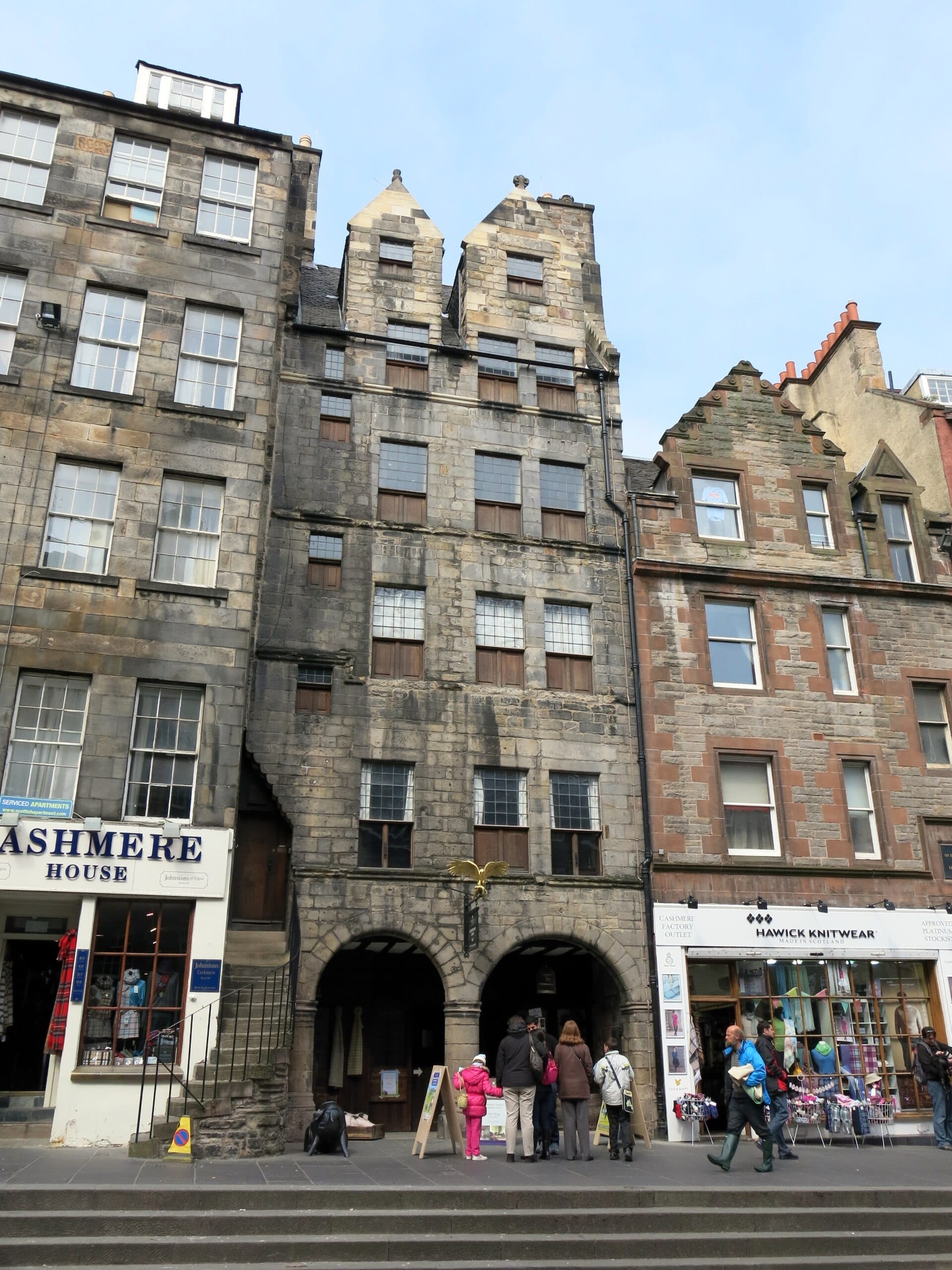
6. Step Inside a 17th-Century Old Town Tenement at Gladstone's Land
This six-storey Royal Mile tenement gives you the closest thing to experiencing Old Town life before the New Town was built. Overcrowded, dark, and riddled with disease in its day, the National Trust property's painted ceilings and period rooms tell that story with remarkable authenticity.
Explore6. Step Inside a 17th-Century Old Town Tenement at Gladstone's Land
This six-storey Royal Mile tenement gives you the closest thing to experiencing Old Town life before the New Town was built. Overcrowded, dark, and riddled with disease in its day, the National Trust property's painted ceilings and period rooms tell that story with remarkable authenticity.
Explore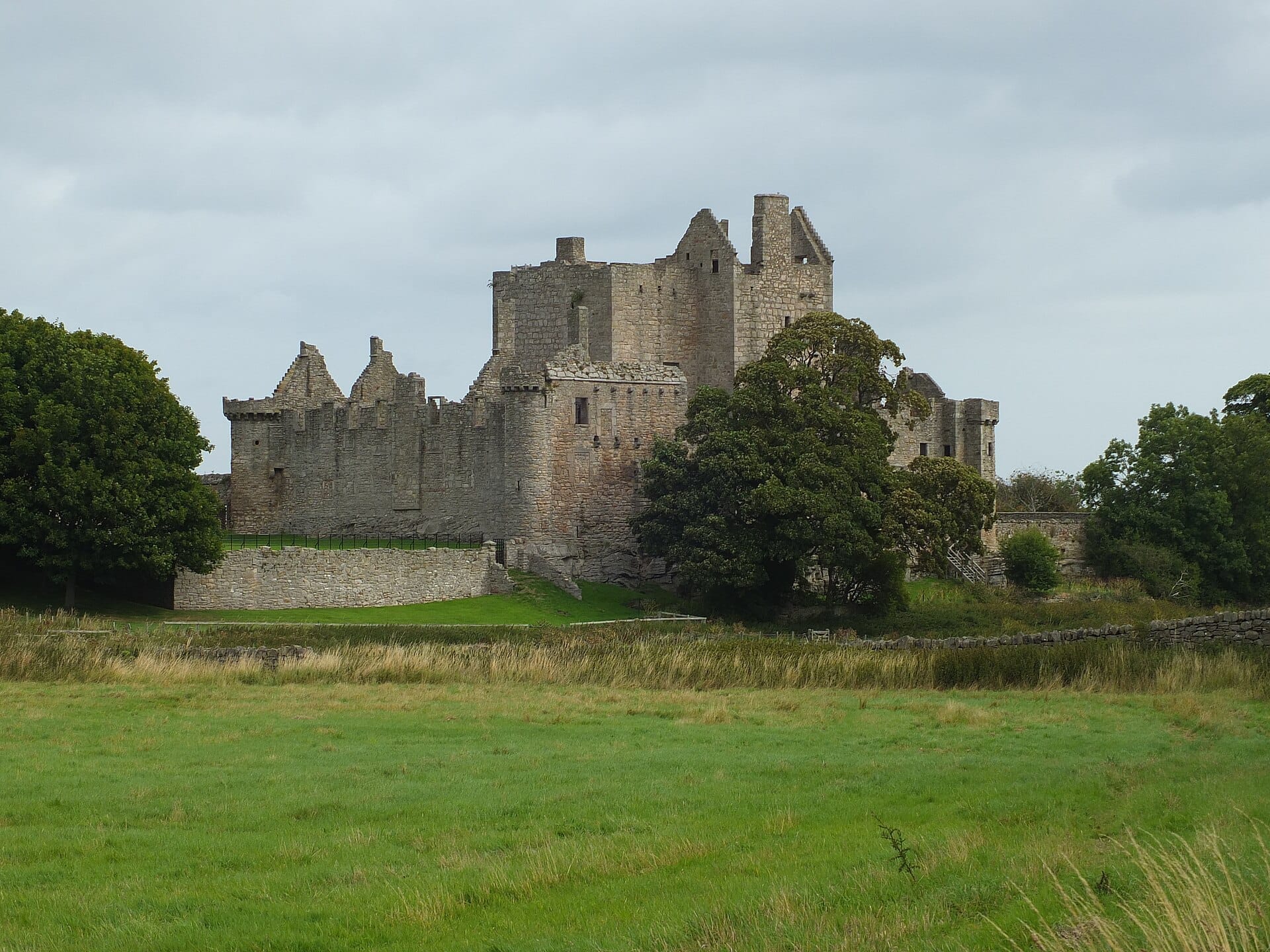
7. Wander the Eerie, Crowd-Free Ruins of Craigmillar Castle
Often overlooked in favour of the city centre, Craigmillar is a 15th-century fortress with dark Mary Queen of Scots connections and a brooding, largely untouristed atmosphere. The roofless great hall and winding stairways are at their most atmospheric on overcast days. Managed by Historic Environment Scotland.
Explore7. Wander the Eerie, Crowd-Free Ruins of Craigmillar Castle
Often overlooked in favour of the city centre, Craigmillar is a 15th-century fortress with dark Mary Queen of Scots connections and a brooding, largely untouristed atmosphere. The roofless great hall and winding stairways are at their most atmospheric on overcast days. Managed by Historic Environment Scotland.
ExploreDark History Museums & Theatrical Experiences
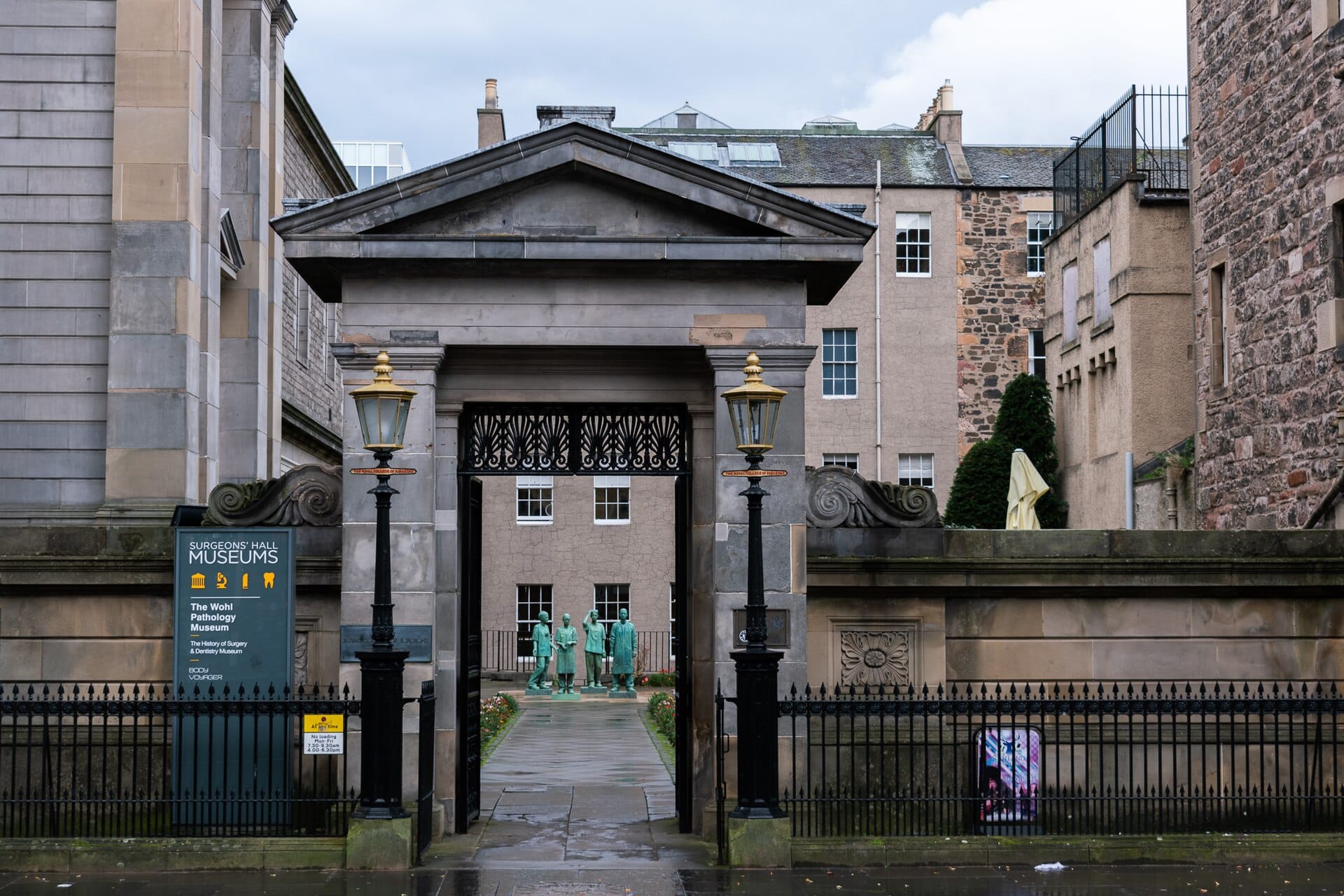
Beyond the ghost tours, several Edinburgh museums explore the city's dark history through a more curatorial lens. The best of these are genuinely unsettling in ways that performance-led tours sometimes aren't. For visitors who want context before booking a night tour, the best museums in Edinburgh guide covers the full landscape of the city's collections.
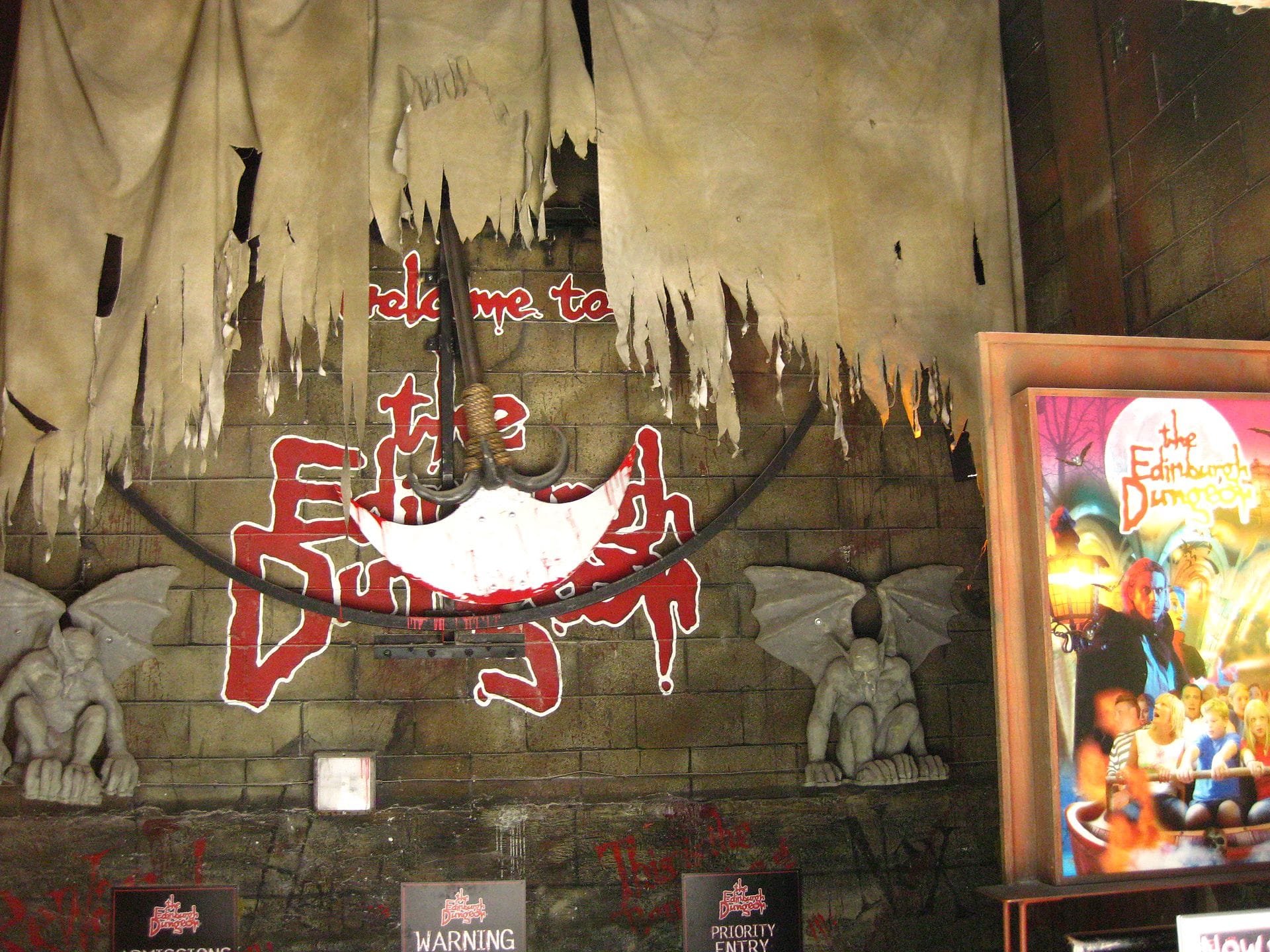
8. Face Edinburgh's Darkest History at the Edinburgh Dungeon
Actor-led and effects-heavy, the Edinburgh Dungeon covers Burke and Hare, the witch trials, and the city's plague history with theatrical flair. It's unambiguously entertainment rather than scholarship, but it's well-executed and genuinely scary in places. Best for older children and adults; expect queues without pre-booking.
Explore8. Face Edinburgh's Darkest History at the Edinburgh Dungeon
Actor-led and effects-heavy, the Edinburgh Dungeon covers Burke and Hare, the witch trials, and the city's plague history with theatrical flair. It's unambiguously entertainment rather than scholarship, but it's well-executed and genuinely scary in places. Best for older children and adults; expect queues without pre-booking.
Explore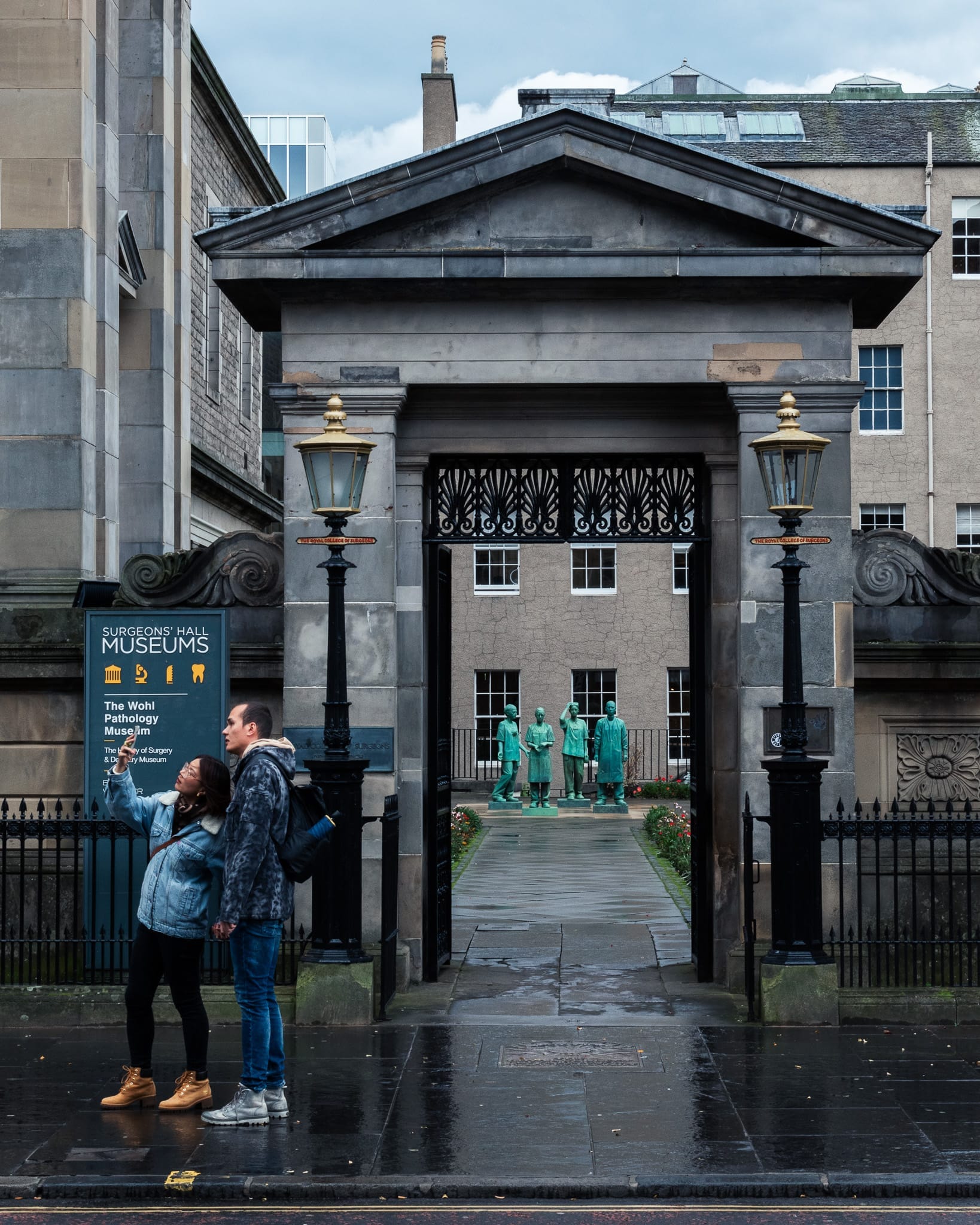
9. Confront the History of Body-Snatching at Surgeons' Hall
The collection here connects directly to Edinburgh's grave-robbing era: Burke and Hare supplied cadavers to anatomy schools like this one. The pathological specimens and surgical history displays are genuinely disturbing in the best way. This is a serious museum that rewards the curious and strong-stomached alike.
Explore9. Confront the History of Body-Snatching at Surgeons' Hall
The collection here connects directly to Edinburgh's grave-robbing era: Burke and Hare supplied cadavers to anatomy schools like this one. The pathological specimens and surgical history displays are genuinely disturbing in the best way. This is a serious museum that rewards the curious and strong-stomached alike.
Explore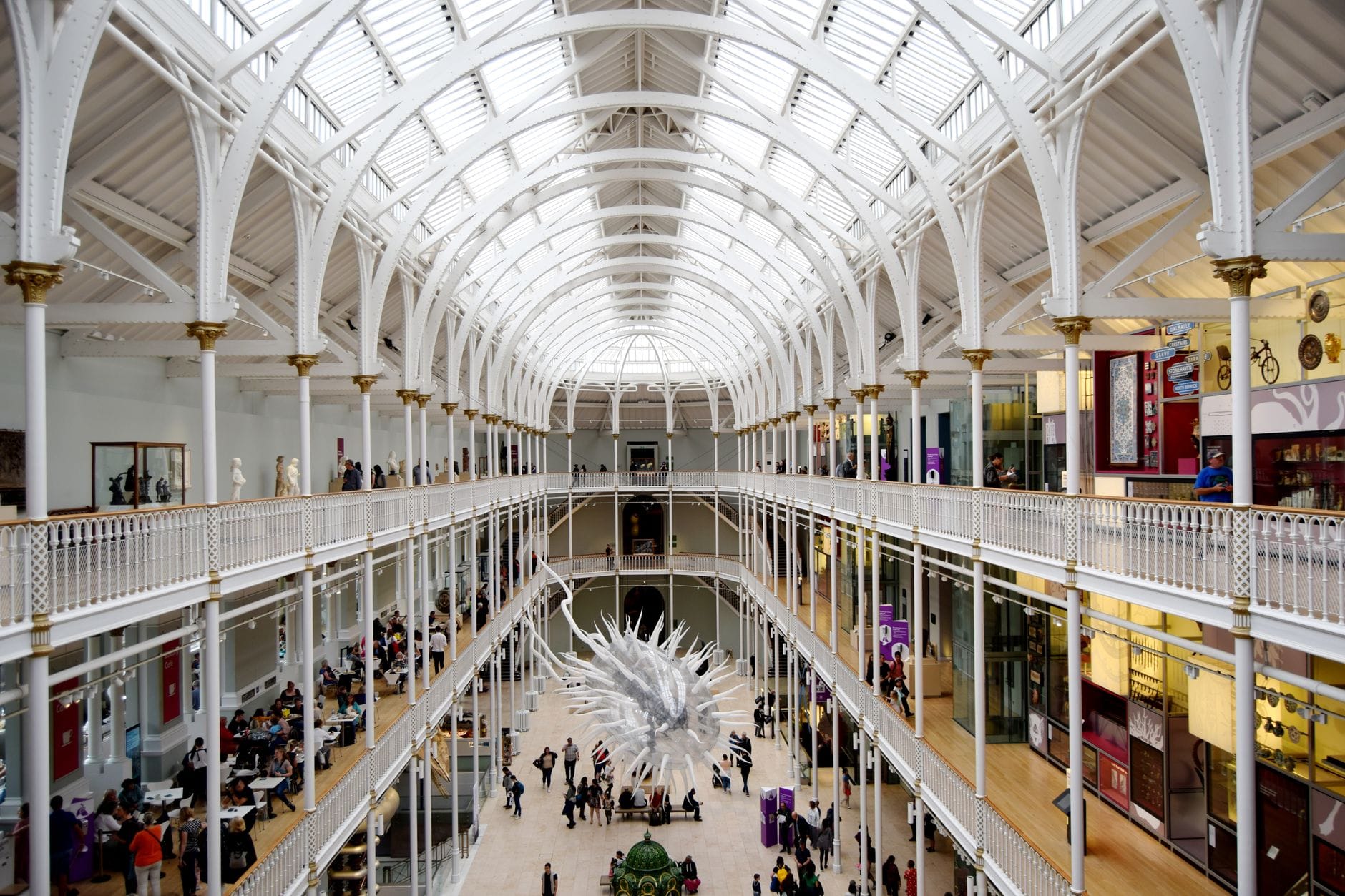
10. Trace Edinburgh's Darker Chapters at the National Museum
The Scottish history galleries at this free museum cover the Reformation, Jacobite uprisings, and the social conditions of Edinburgh's Old Town with real depth. It provides the essential context for understanding why ghost tours set their stories where they do. Plan at least two hours for the historic floors alone.
Explore10. Trace Edinburgh's Darker Chapters at the National Museum
The Scottish history galleries at this free museum cover the Reformation, Jacobite uprisings, and the social conditions of Edinburgh's Old Town with real depth. It provides the essential context for understanding why ghost tours set their stories where they do. Plan at least two hours for the historic floors alone.
Explore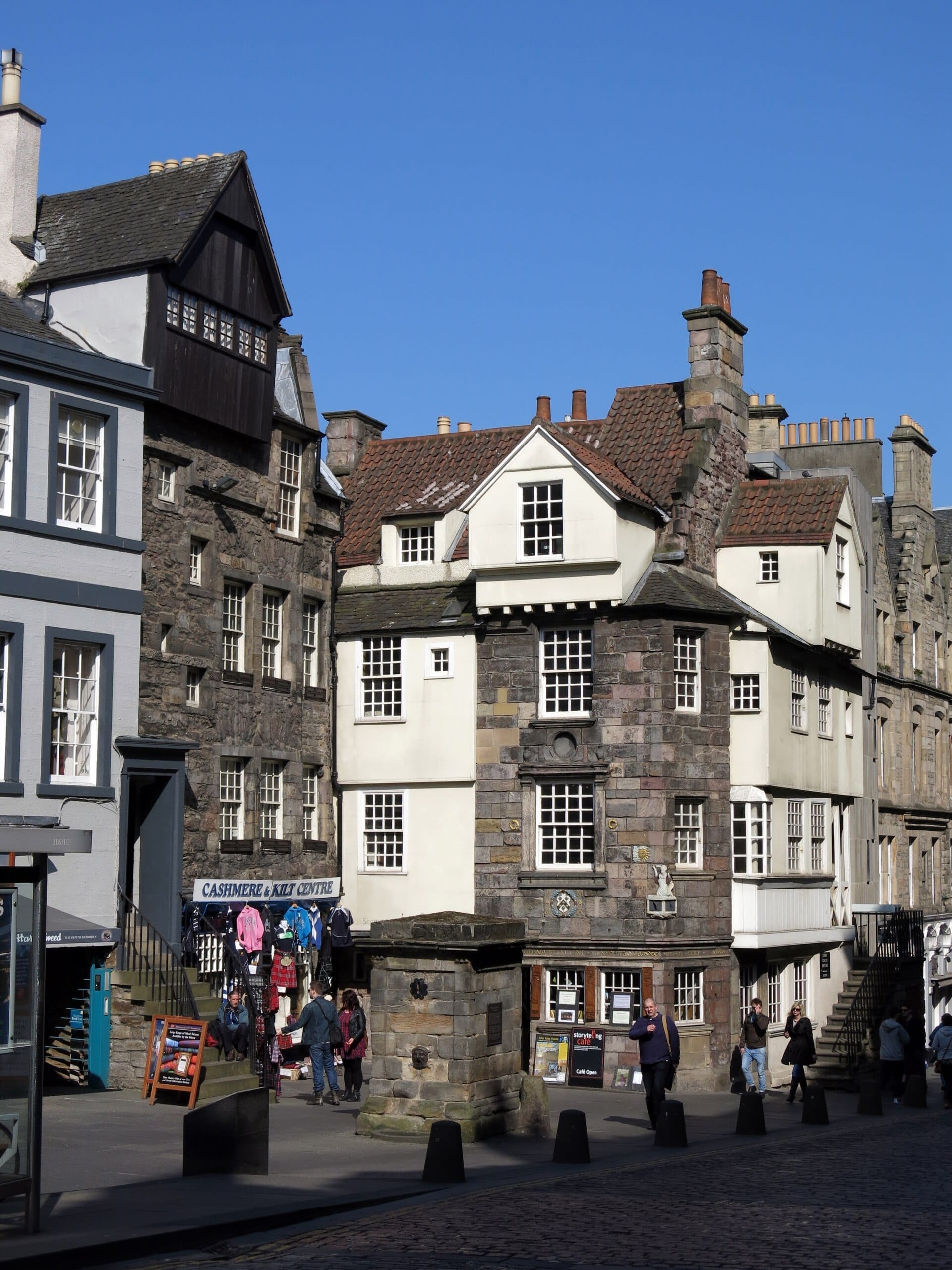
11. Visit the Home of the Man Who Drove the Scottish Reformation
John Knox helped reshape Scotland's religious and political landscape in ways that directly caused much of Edinburgh's later turbulence, including the witch trials. His 15th-century Royal Mile home is one of the city's oldest surviving buildings and now part of the Scottish Storytelling Centre.
Explore11. Visit the Home of the Man Who Drove the Scottish Reformation
John Knox helped reshape Scotland's religious and political landscape in ways that directly caused much of Edinburgh's later turbulence, including the witch trials. His 15th-century Royal Mile home is one of the city's oldest surviving buildings and now part of the Scottish Storytelling Centre.
Explore✨ Pro tip
Surgeons' Hall Museums are closed on Tuesdays. Check opening hours before visiting, as they differ from most Edinburgh attractions. The Pathology Museum is the highlight — ask staff for access if it's not immediately visible.
Atmospheric Viewpoints & Dark Landscapes
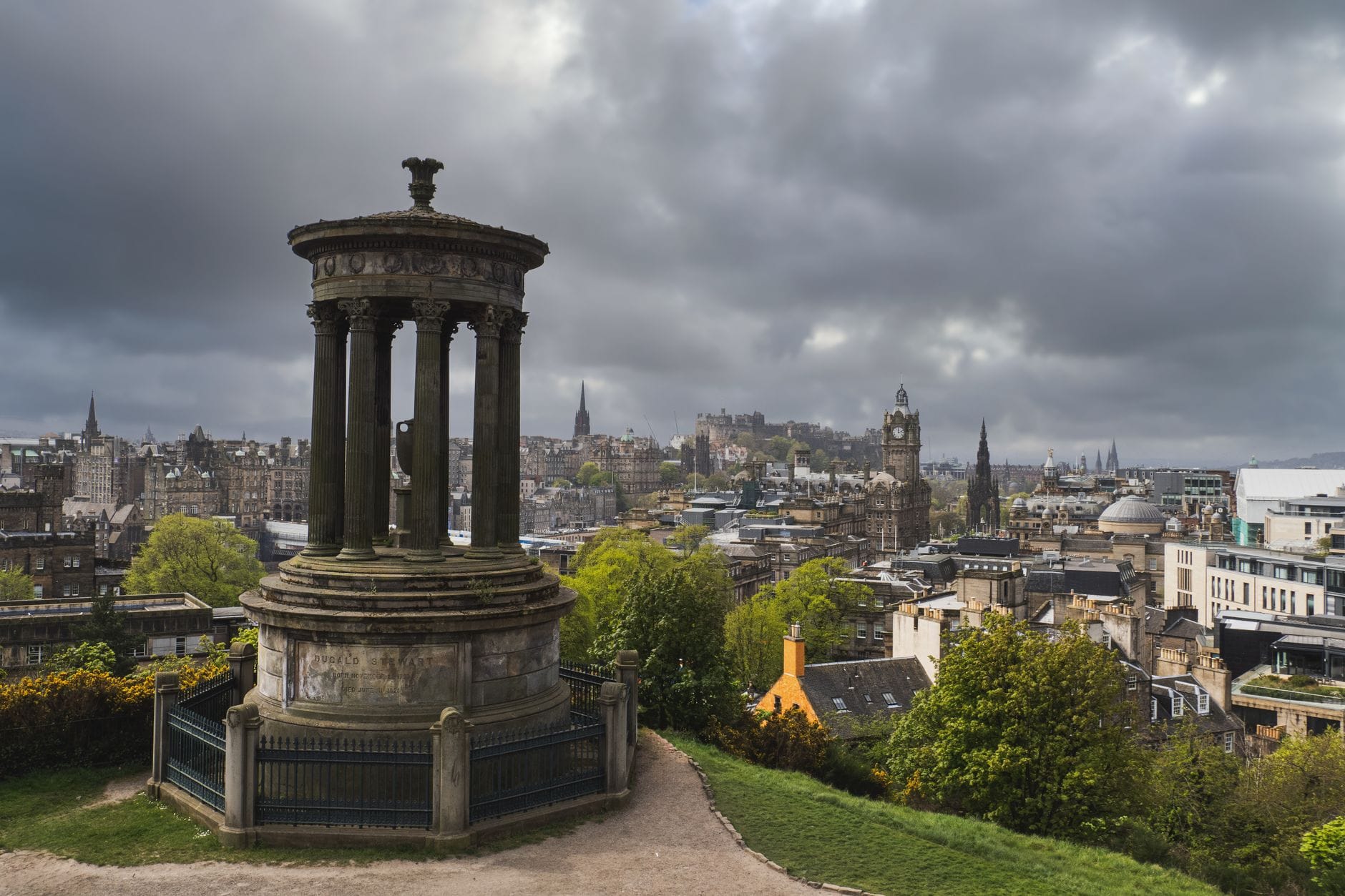
Edinburgh's topography adds to its gothic character. The volcanic crags, the cemetery-studded hilltops, and the fog that settles over the city in autumn and winter all contribute to an atmosphere that ghost tour operators can't manufacture. The best views in Edinburgh guide covers the city's skyline from all angles, but for dark history purposes, a few specific vantage points stand apart.
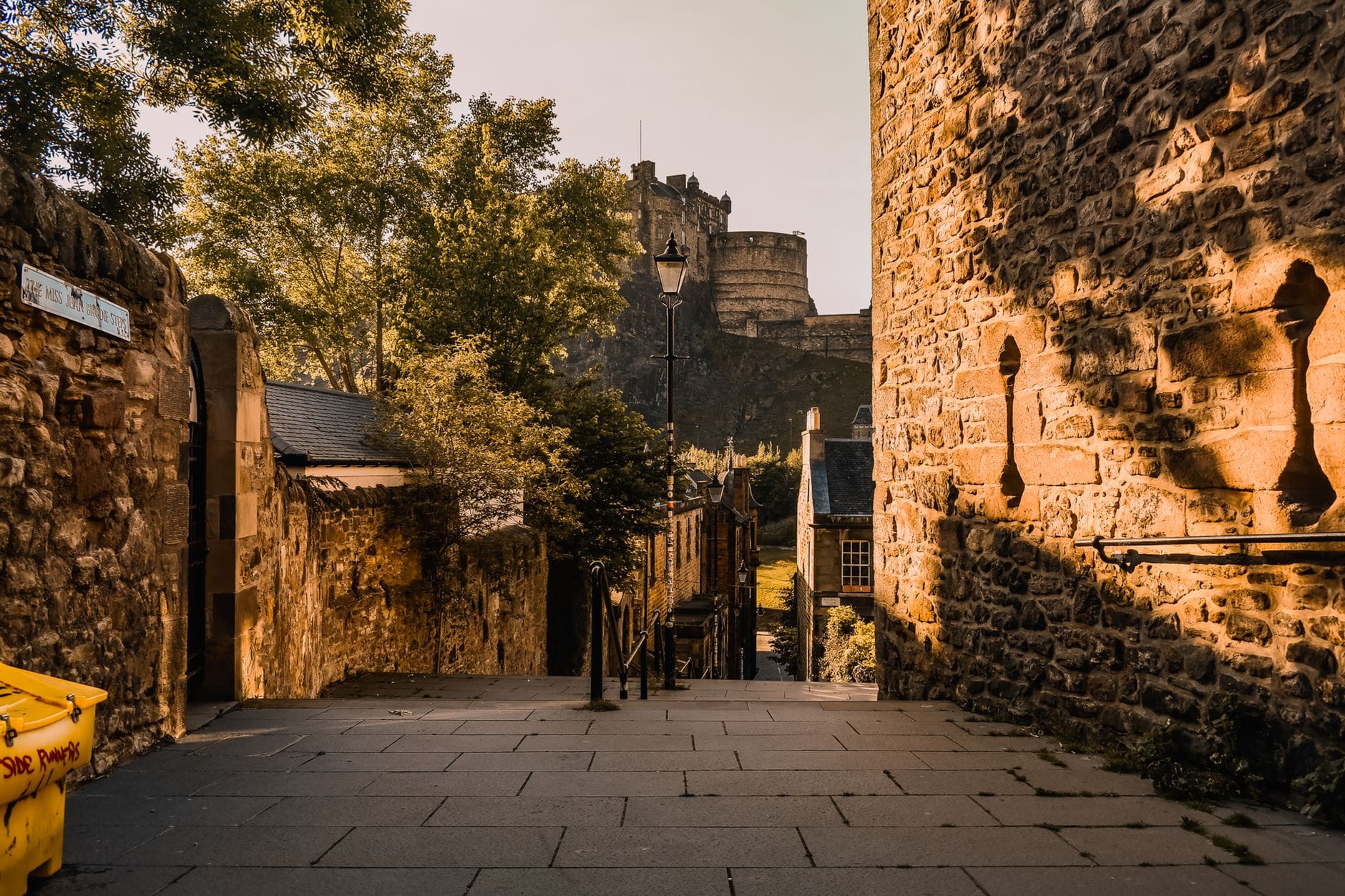
12. Find the Castle Framed Through a Gap in the Flodden Wall
The Flodden Wall itself is a remnant of Edinburgh's post-1513 panic fortification, built after the devastating Battle of Flodden. The Vennel steps frame the castle through a surviving section of that wall in one of the city's most dramatic and least-crowded viewpoints. Especially atmospheric after dark.
Explore12. Find the Castle Framed Through a Gap in the Flodden Wall
The Flodden Wall itself is a remnant of Edinburgh's post-1513 panic fortification, built after the devastating Battle of Flodden. The Vennel steps frame the castle through a surviving section of that wall in one of the city's most dramatic and least-crowded viewpoints. Especially atmospheric after dark.
Explore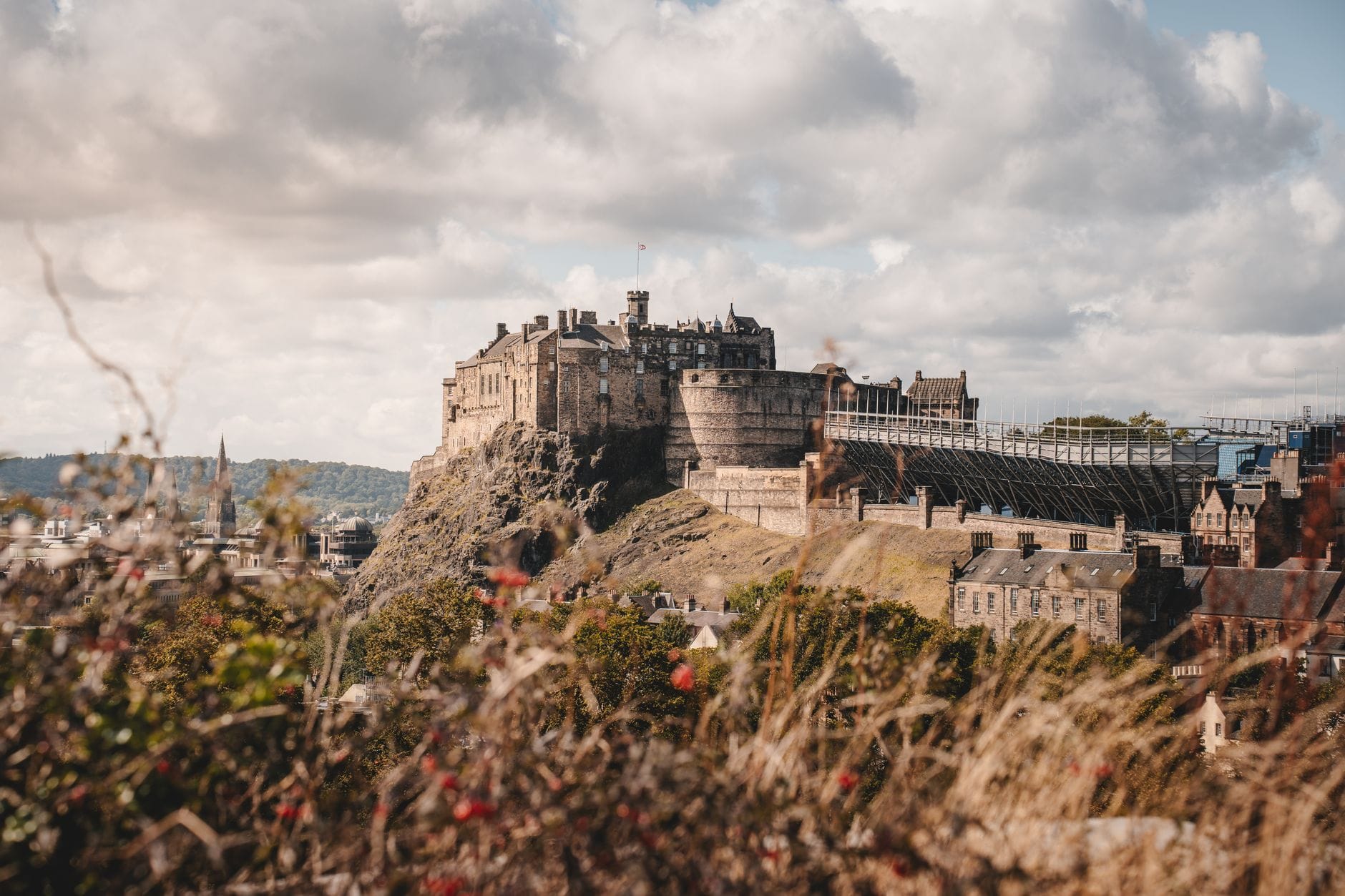
13. Understand the Castle as a Fortress, Prison, and Place of Execution
Beyond the crown jewels, Edinburgh Castle has served as a political prison and a place of execution for centuries. The One O'Clock Gun still fires daily. Visiting in winter or late afternoon, when crowds thin and the floodlighting begins, makes the fortress's menacing silhouette feel most real.
Explore13. Understand the Castle as a Fortress, Prison, and Place of Execution
Beyond the crown jewels, Edinburgh Castle has served as a political prison and a place of execution for centuries. The One O'Clock Gun still fires daily. Visiting in winter or late afternoon, when crowds thin and the floodlighting begins, makes the fortress's menacing silhouette feel most real.
Explore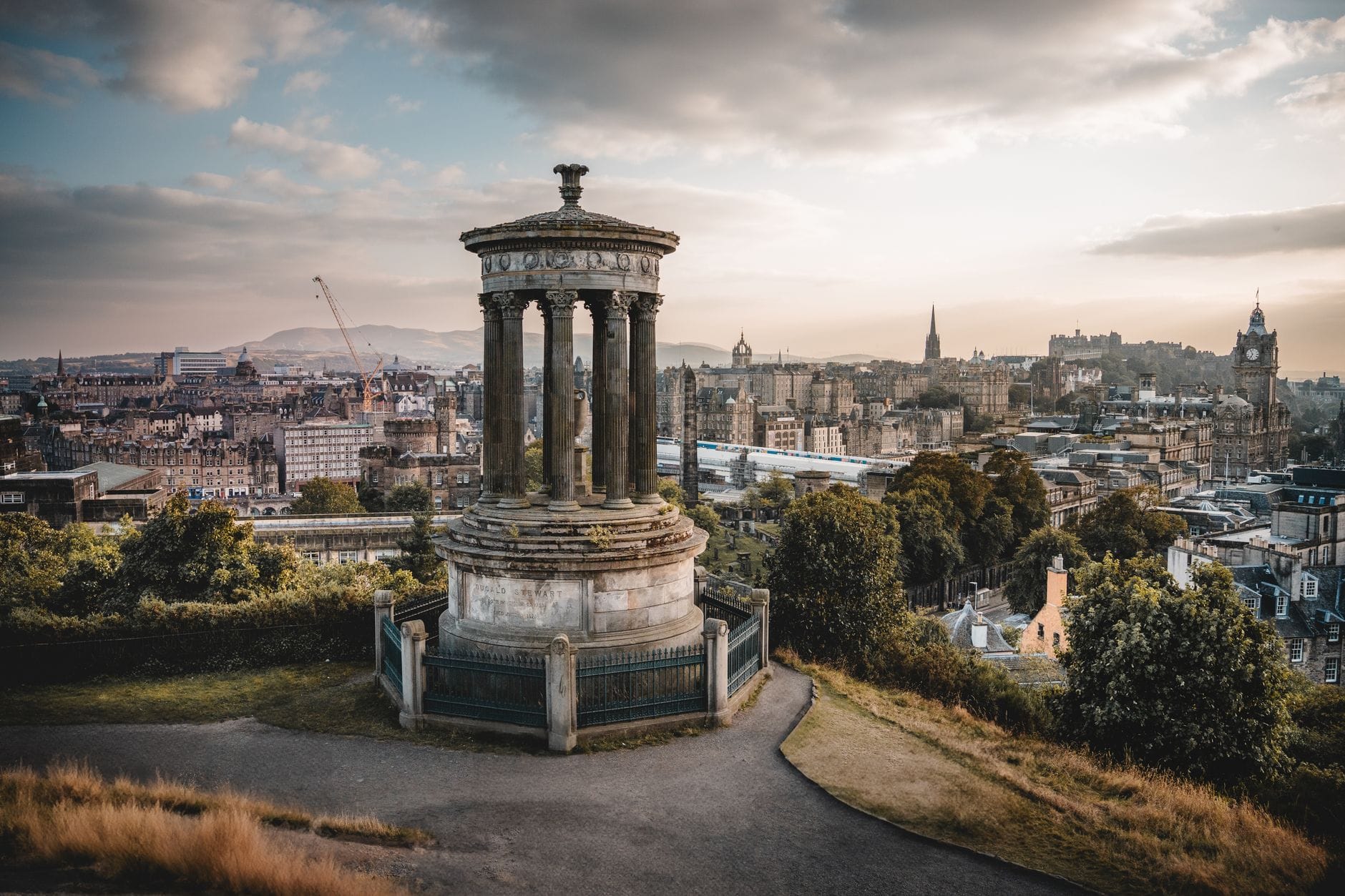
14. Watch Darkness Fall Over the City from Calton Hill
At dusk, Edinburgh spreads below Calton Hill like a map of its own medieval past. The Old Calton Burial Ground at the hill's base contains some of the city's most striking 18th-century tombstones. The unfinished National Monument has been called Scotland's Disgrace since 1829 — it adds to the atmosphere.
Explore14. Watch Darkness Fall Over the City from Calton Hill
At dusk, Edinburgh spreads below Calton Hill like a map of its own medieval past. The Old Calton Burial Ground at the hill's base contains some of the city's most striking 18th-century tombstones. The unfinished National Monument has been called Scotland's Disgrace since 1829 — it adds to the atmosphere.
Explore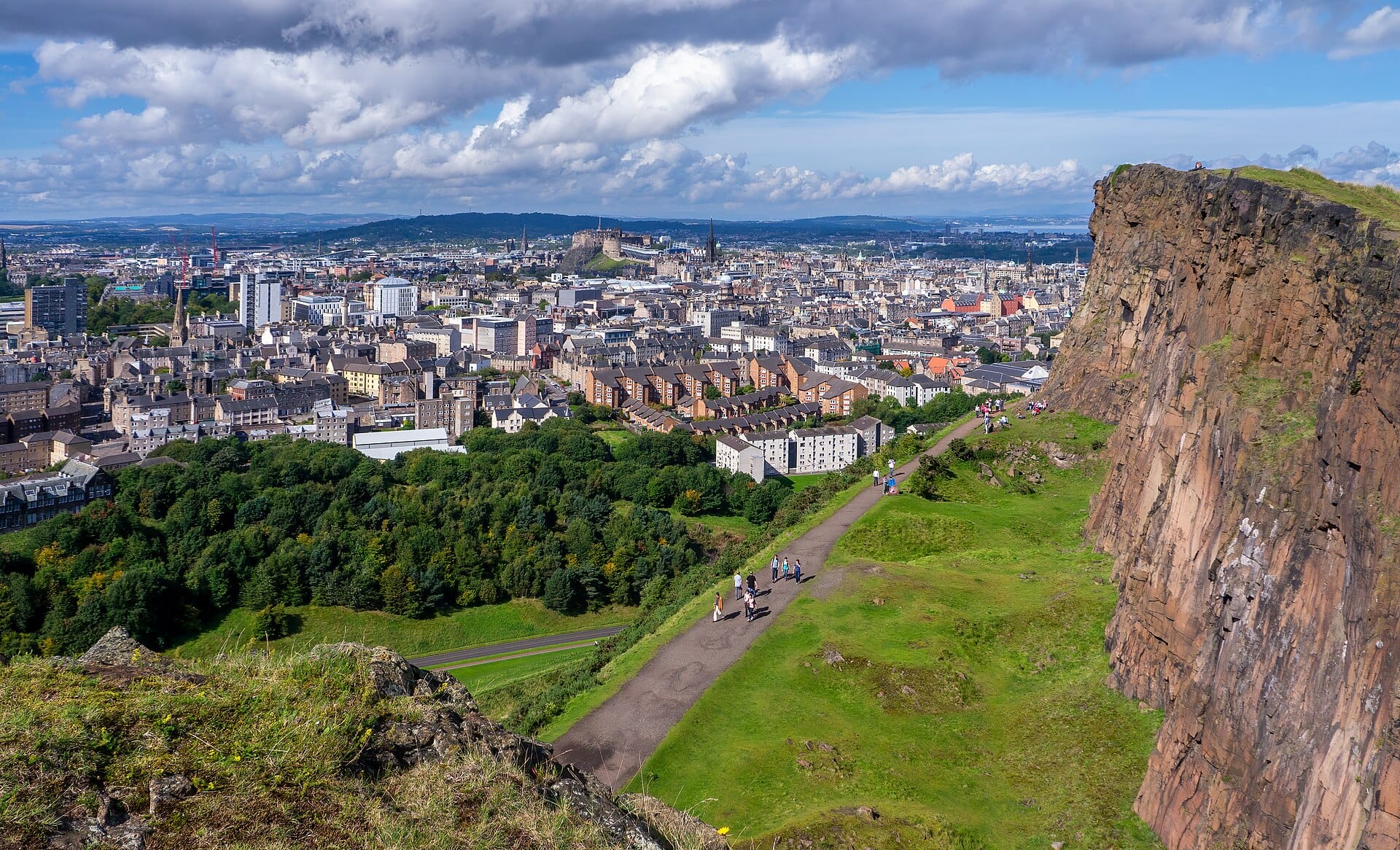
15. Walk the Radical Road Along the Base of Salisbury Crags
The basalt cliffs of Salisbury Crags loom over the city with a primeval weight that Edinburgh's volcanic geology demands. The Radical Road (often closed for rockfall since 2018) was built in 1820 by unemployed Scots after the Radical War. On overcast days the crags are genuinely foreboding — one of Edinburgh's most dramatic free walks.
Explore15. Walk the Radical Road Along the Base of Salisbury Crags
The basalt cliffs of Salisbury Crags loom over the city with a primeval weight that Edinburgh's volcanic geology demands. The Radical Road (often closed for rockfall since 2018) was built in 1820 by unemployed Scots after the Radical War. On overcast days the crags are genuinely foreboding — one of Edinburgh's most dramatic free walks.
ExploreBroader Dark History Context: Beyond the Ghost Tours
Edinburgh's dark history extends well beyond the obvious ghost tour circuit. The Colinton Tunnel on the Water of Leith Walkway, the medieval storytelling traditions preserved at the Scottish Storytelling Centre, and the Ross-inspired literary history of the city all add layers worth exploring. For those visiting in late October, our guide to Edinburgh in December and the festive season covers how the city's atmosphere shifts dramatically in winter, which is when the dark history feels most present.
16. See the City Through the Victorian Eye of Camera Obscura
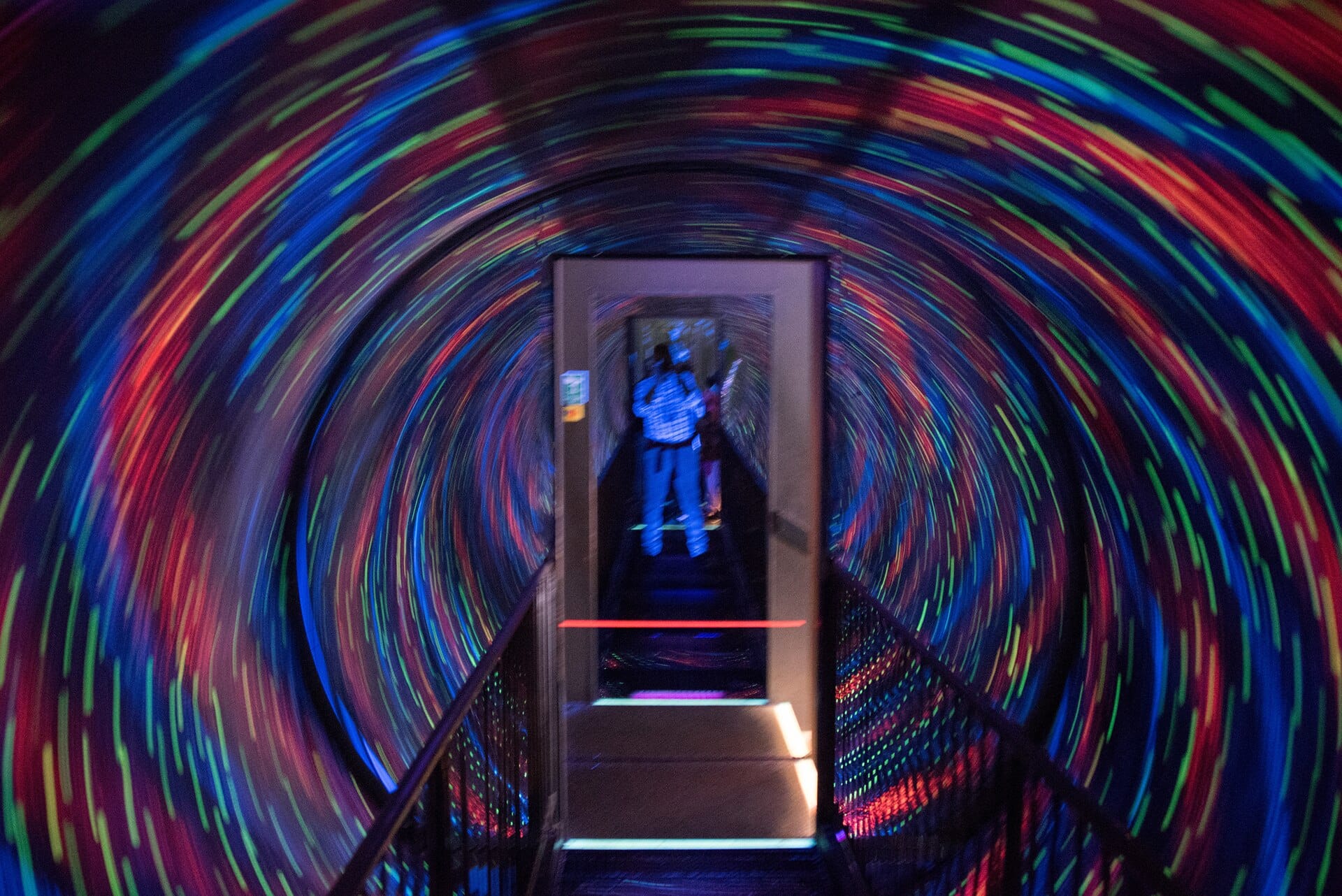
The Victorian-era camera obscura itself projects live images of Edinburgh onto a viewing table in a darkened room at the top of the Royal Mile. Opened in 1853, the device predates photography as a public medium. It's a genuinely strange experience and a reminder of how the city has always fascinated its observers.
Explore16. See the City Through the Victorian Eye of Camera Obscura
The Victorian-era camera obscura itself projects live images of Edinburgh onto a viewing table in a darkened room at the top of the Royal Mile. Opened in 1853, the device predates photography as a public medium. It's a genuinely strange experience and a reminder of how the city has always fascinated its observers.
Explore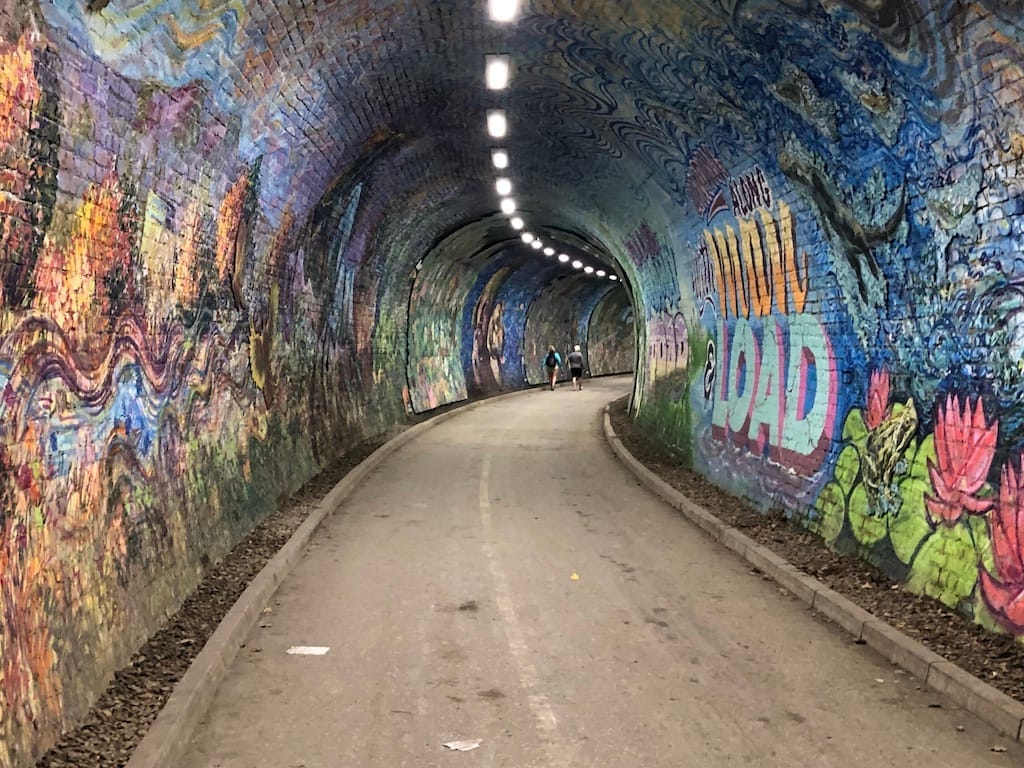
17. Walk the Eerie Art-Filled Colinton Tunnel on the Water of Leith
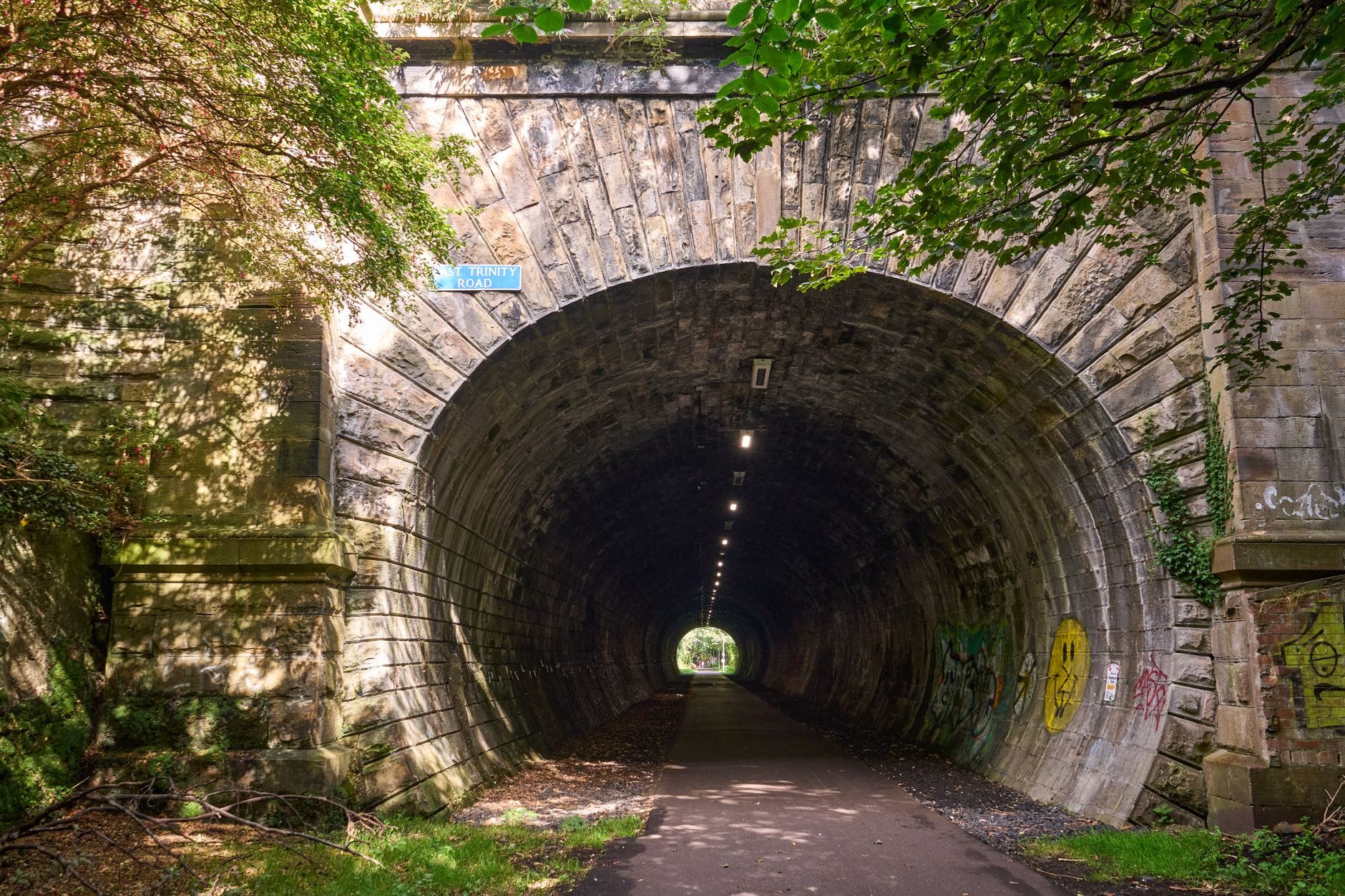
A disused railway tunnel transformed into a public art installation, the Colinton Tunnel is lined with murals and is genuinely atmospheric when mist comes off the Water of Leith. Quiet on weekdays, it offers a very different kind of dark Edinburgh experience, away from the Old Town entirely.
Explore17. Walk the Eerie Art-Filled Colinton Tunnel on the Water of Leith
A disused railway tunnel transformed into a public art installation, the Colinton Tunnel is lined with murals and is genuinely atmospheric when mist comes off the Water of Leith. Quiet on weekdays, it offers a very different kind of dark Edinburgh experience, away from the Old Town entirely.
Explore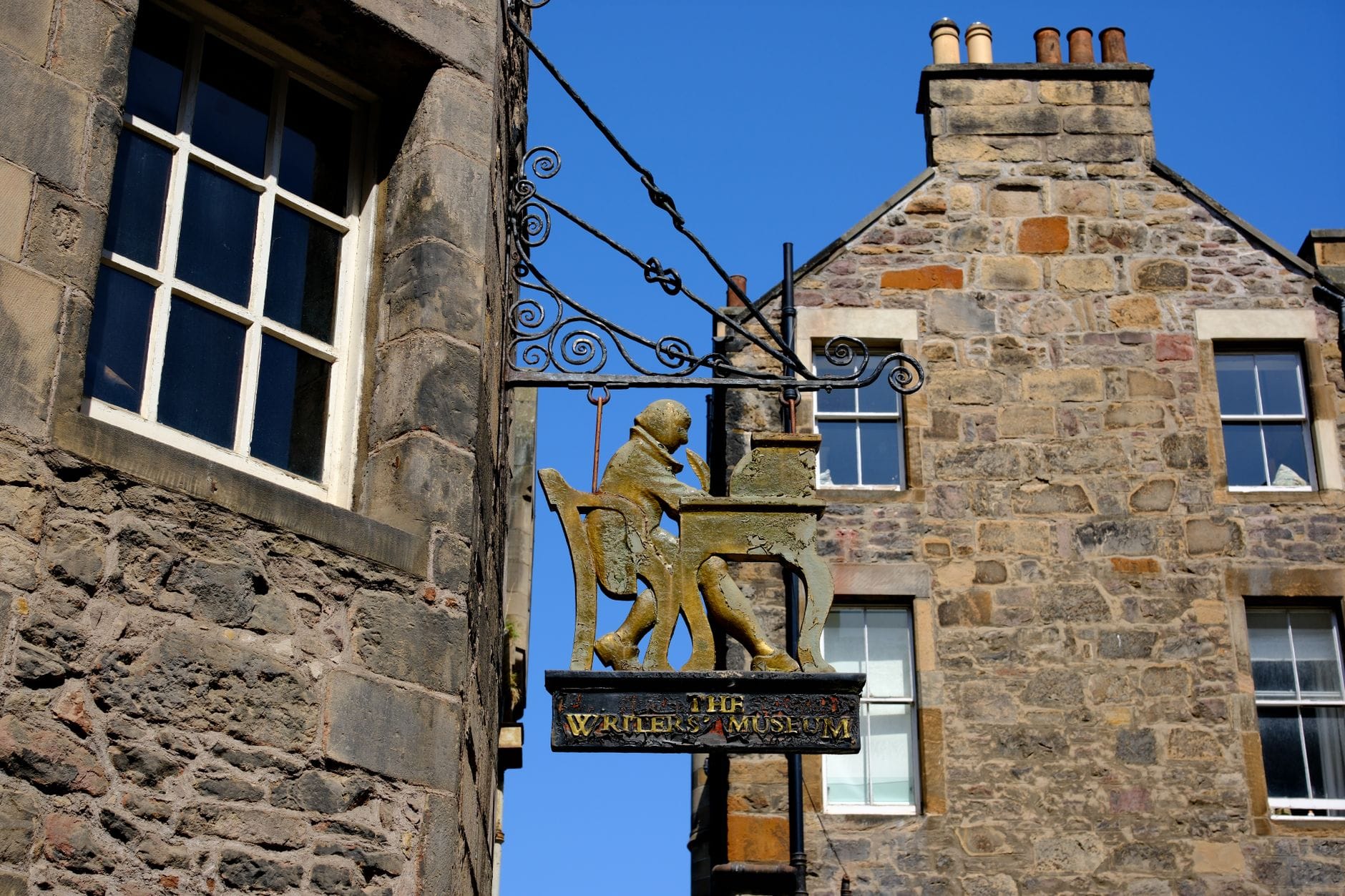
18. Visit the Writers' Museum Down Lady Stair's Close
Robert Louis Stevenson, who wrote Dr Jekyll and Mr Hyde, lived in Edinburgh and drew on its doubled nature for his most famous work. The free Writers' Museum in a 17th-century close displays his belongings alongside Burns and Scott. The close itself is exactly the kind of narrow Old Town passage that ghost tours love.
Explore18. Visit the Writers' Museum Down Lady Stair's Close
Robert Louis Stevenson, who wrote Dr Jekyll and Mr Hyde, lived in Edinburgh and drew on its doubled nature for his most famous work. The free Writers' Museum in a 17th-century close displays his belongings alongside Burns and Scott. The close itself is exactly the kind of narrow Old Town passage that ghost tours love.
Exploreℹ️ Good to know
Many ghost tours depart from Parliament Square, Blair Street, or Hunter Square in the Old Town. Meeting points vary by operator, so always check your confirmation email for the exact location — it's easy to end up at the wrong close.
FAQ
Are Edinburgh ghost tours suitable for children?
Most underground vault tours are recommended for ages 8 and up, though some operators allow younger children with parental discretion. The Edinburgh Dungeon is better suited to ages 10 and above. Mary King's Close is generally more family-friendly and has daytime tours that are less frightening than the evening versions.
Do Edinburgh ghost tours actually go underground?
The South Bridge Vaults tours and the Real Mary King's Close both take you beneath street level into genuine historic underground spaces. Not all ghost tours are underground — some are walking tours through Old Town closes and kirkyards that remain at street level. Check what each operator offers before booking.
When is the best time to do a ghost tour in Edinburgh?
Evening tours from around 18:45 onwards give the best atmosphere year-round. October is the most popular month. In August, the Fringe season means some vault spaces are used for performances, which can affect availability — book well ahead. Winter tours, when fog settles over the city, are arguably the most atmospheric of all.
Is Greyfriars Kirkyard actually haunted?
The Mackenzie Poltergeist legend associated with Greyfriars is one of the most documented alleged hauntings in the UK, with hundreds of reported incidents since the late 1990s. Whether you believe the claims or not, the kirkyard's history — including the Covenanters' Prison where hundreds were kept in brutal conditions — is genuinely dark and well-documented.
How do Edinburgh's underground vaults connect to Burke and Hare?
Claims that Burke and Hare used the South Bridge Vaults directly are disputed and largely unproven by historians. The pair operated primarily from Tanner's Close in the West Port area of the city. The vaults do, however, reflect the poverty and desperation of early 19th-century Edinburgh that made the body-snatching trade possible in the first place.
Tickets & tours
Live prices and dates from our booking partner. If you book, we may earn a commission at no extra cost to you.
Planning a trip? Discover personalized activities with the Nomado app.