What to Eat in Edinburgh: A Guide to Scottish Food & Drink
Edinburgh's food scene runs deeper than tourist menus on the Royal Mile. This guide covers the essential Scottish dishes, where to eat them by neighbourhood, what things actually cost, and how to avoid the common traps that catch first-time visitors.
Tickets & tours
Live prices and dates from our booking partner. If you book, we may earn a commission at no extra cost to you.
TL;DR
- Haggis, neeps and tatties is Scotland's national dish and genuinely worth trying — including vegetarian versions, which are widely available.
- Budget around £20–£30 per day for casual eating; £50–£70 covers proper restaurant lunches and dinners. See our Edinburgh on a budget guide for more ways to stretch your spending.
- Leith and Stockbridge offer far better value and quality than most Royal Mile restaurants, which skew overpriced for tourist traffic.
- Book popular restaurants 1–2 weeks ahead for weekday evenings and a month out during August's Festival season.
- Whisky tasting flights range from £25 to £100+ — the Scotch Whisky Experience on the Royal Mile is a solid structured introduction.
The Essential Scottish Dishes You Should Actually Try
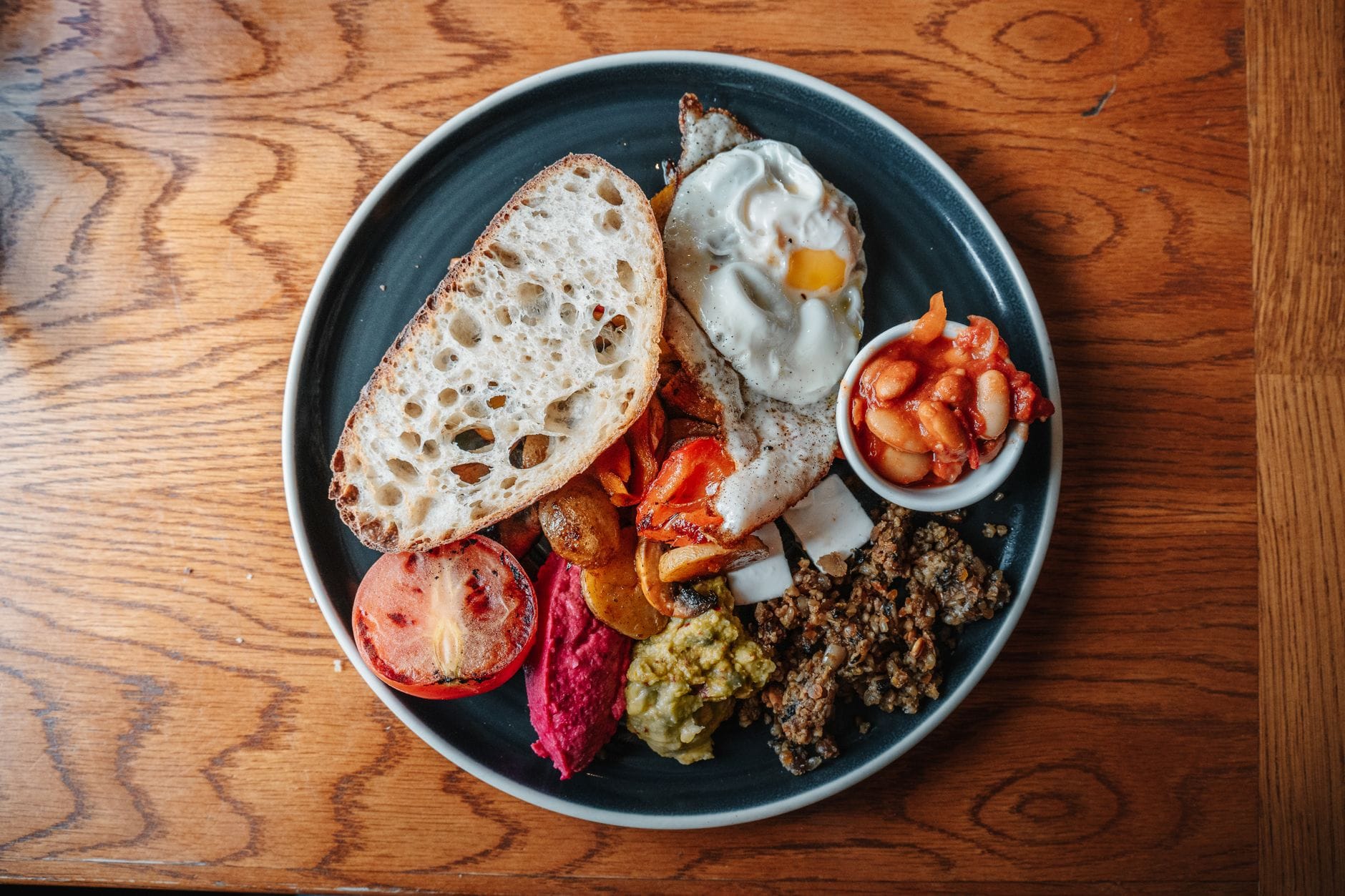
The best food in Edinburgh starts with understanding what Scottish cuisine actually is — not the caricature of deep-fried everything, but a genuinely distinctive cooking tradition built around oats, game, smoked fish, root vegetables, and dairy. The dishes below are what you should seek out, not just what gets pushed at you on the tourist trail.
- Haggis, neeps and tatties Minced sheep's heart, liver, and lungs combined with oatmeal, onions, and spices — traditionally cooked in a sheep's stomach, though modern versions use synthetic casings. Served with mashed turnip (neeps) and mashed potato (tatties). Vegetarian haggis, made with lentils, nuts, and oatmeal, is excellent in its own right and served almost everywhere.
- Cullen skink A thick, creamy soup made with smoked haddock, potatoes, and onion. Originally from the fishing village of Cullen in Moray, it's now a fixture on Edinburgh menus, especially in winter. Think of it as Scotland's answer to chowder — deeply satisfying.
- Scotch broth A hearty barley-based soup with lamb or mutton, root vegetables, and split peas. It's honest, warming food and one of the best things to eat in Edinburgh on a cold day. Quality varies enormously — avoid cafes serving it from a bain-marie.
- Arbroath smokies Hot-smoked whole haddock with a distinctive flavour, protected by a geographical indication (like Champagne). Served warm, often with butter. Less common on menus than Cullen skink but worth hunting down.
- Full Scottish breakfast Distinguishable from an English fry-up by the addition of tattie scones (potato griddle cakes), lorne sausage (square sliced sausage), and often haggis or black pudding. A serious meal that functions as lunch if you eat it late enough.
- Cranachan The classic Scottish dessert: toasted oatmeal, whipped cream, honey, raspberries, and a measure of whisky, often layered in a glass. Light despite the cream, and a good use of Scottish soft fruit during summer.
- Tablet Scotland's contribution to confectionery — harder and more granular than fudge, intensely sweet, made from sugar, butter, and condensed milk. Available from most deli counters and market stalls. Buy a small piece first; a little goes a long way.
ℹ️ Good to know
Haggis is not banned in Edinburgh, Scotland, or the UK. The confusion arises because traditional sheep-lung haggis is banned from import into the United States. In Edinburgh it's on menus everywhere, from pub lunches to Michelin-starred restaurants, and the vegetarian version is equally common.
Where to Eat: The Best Neighbourhoods by Budget and Style
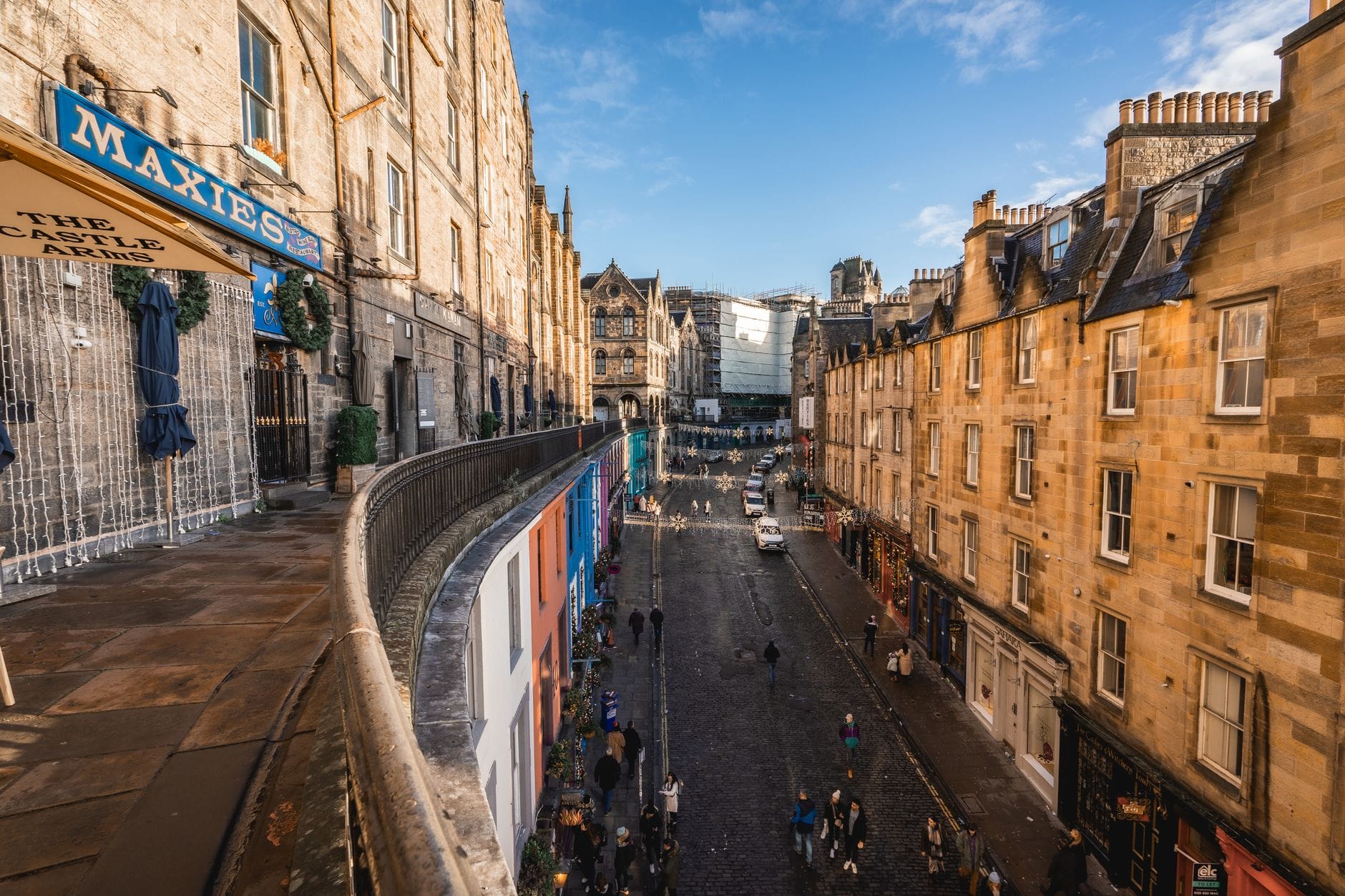
Location determines value more than almost any other factor in Edinburgh. The Royal Mile corridor charges a premium for proximity to the castle. The further you walk from it, the better the price-to-quality ratio tends to get.
The Old Town is convenient and has some genuinely good restaurants alongside a lot of average ones. Expect to pay £15–£25 for a pub meal and £25–£50 per head at a mid-range Scottish restaurant. Fine dining on the Royal Mile runs £60–£150 per person before drinks. Venues like Angels with Bagpipes and The Witchery are well-regarded but book up fast.
Leith is the single best neighbourhood for food in Edinburgh. The port area has a dense concentration of seafood restaurants, independent bistros, and neighbourhood wine bars. The Royal Yacht Britannia brings visitors to the waterfront, but the eating scene is genuinely local-driven. Prices sit noticeably below the Old Town for comparable quality.
Stockbridge is Edinburgh's most consistent neighbourhood for casual eating. The Sunday Stockbridge Market runs year-round and is one of the better places to try Scottish artisan produce, baked goods, and street food without committing to a sit-down meal. The surrounding streets have independent cafes and restaurants that serve a local clientele rather than tourist traffic.
The New Town has the most varied international dining alongside strong Scottish options. Rose Street, running parallel to Princes Street, has a concentration of pubs — quality ranges from excellent to very average. For structured Scottish food and drink experiences, the Scotch Whisky Experience on Castlehill offers guided tastings with educational context.
⚠️ What to skip
Avoid restaurants that display photos of their food on boards outside the Royal Mile, especially those with laminated menus in multiple languages and touts at the door. These are almost always mediocre at significant markups. Walk two streets off the main drag and prices drop while quality improves.
Whisky and Drink: What to Order and What to Spend
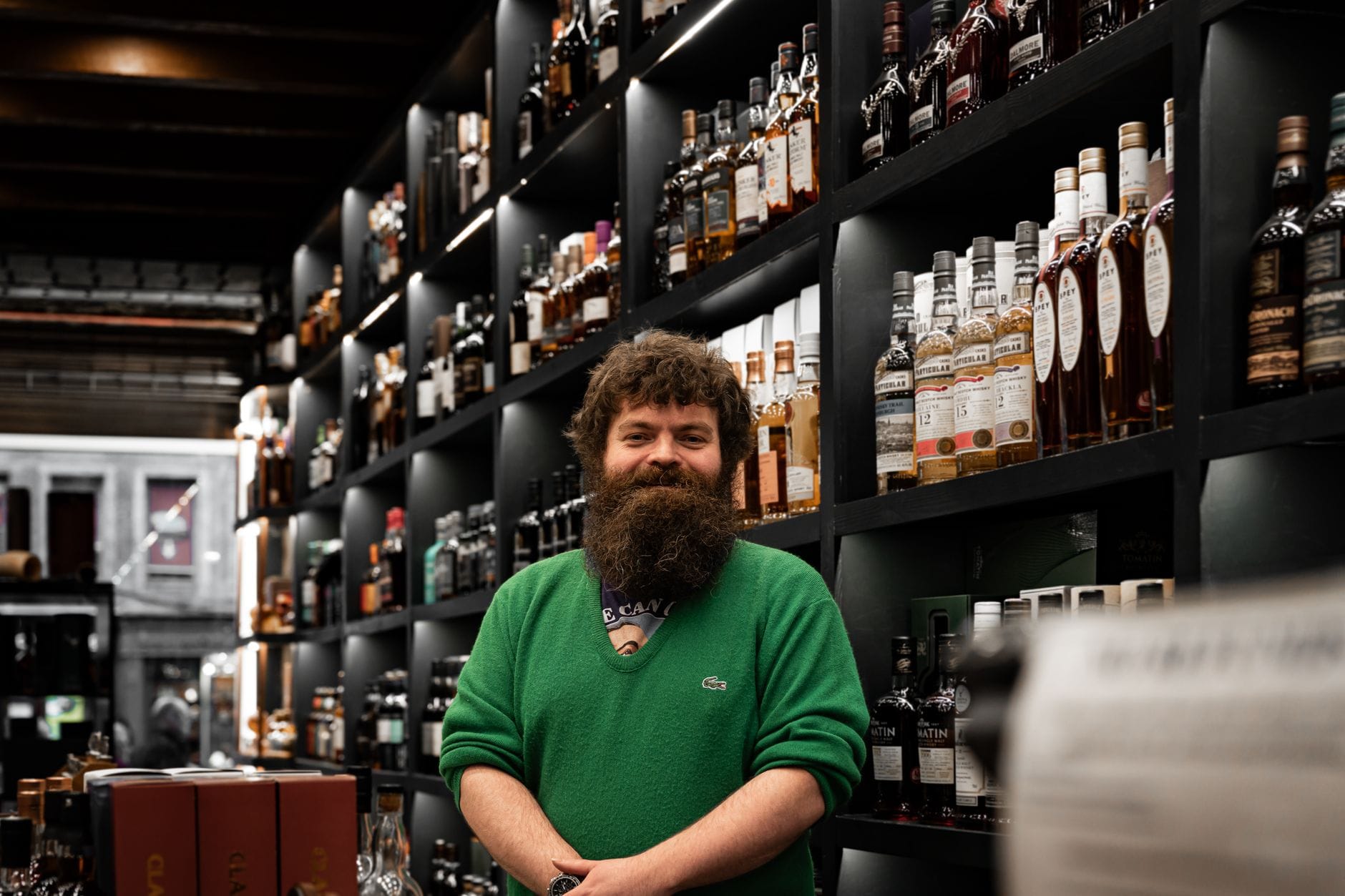
Scotland produces whisky from more than 140 working distilleries, and Edinburgh is the obvious place to start exploring it. The city itself doesn't have a long distilling history — most Scotch comes from the Highlands, Speyside, Islay, and other regions — but the drinking culture here is deep and the selection in good bars is exceptional.
Whisky tasting flights at restaurants and dedicated bars typically cost £25–£100, depending on the number of drams and the rarity of the bottles. A standard single dram in a pub starts around £4–£7 for entry-level malts; premium aged expressions or rare independent bottlings can run £20–£50 per glass. If you're new to Scotch, ask for a guided recommendation rather than ordering blind from a wall of 200 bottles.
For a structured introduction, the Scotch Whisky Experience next to Edinburgh Castle is genuinely informative — it covers the four main whisky regions and includes tastings. It's tourist-facing but not shallow. More adventurous options include the Edinburgh Gin Distillery, which reflects the city's more recent craft spirits scene.
- Order by region if you're unsure: Speyside (lighter, fruity), Islay (peaty, smoky), Highland (varied), Lowland (gentle, accessible for beginners)
- Ask for water on the side — adding a few drops opens up the flavour, especially in cask-strength expressions
- Scottish craft beer is worth exploring: ales from Caledonian, Innis & Gunn, and smaller Edinburgh-based breweries appear on most good pub menus
- Irn-Bru deserves a mention — Scotland's other national drink is an acquired taste but genuinely part of the culture
- Soft drink prices are high in Edinburgh bars; tap water is safe and free on request
Budget Breakdown: What Eating in Edinburgh Actually Costs
Edinburgh is not a cheap city to eat in, but it's manageable with some planning. The gap between eating well cheaply and eating expensively for no good reason is wider here than in most UK cities, because tourist-area pricing is aggressive.
- Budget (£20–£30/day) Chip shops (fish suppers around £6–£9), market stalls, supermarket meal deals, and set lunches at cafes. A Full Scottish breakfast from a local cafe can be £8–£12 and replaces two meals.
- Mid-range (£50–£70/day) Pub lunch around £12–£18, sit-down dinner at a neighbourhood restaurant £20–£35 per head including a drink. This is the sweet spot for eating well in Edinburgh.
- Fine dining (£100+/day on food alone) Tasting menus at top Scottish restaurants run £70–£150 per person before wine. Edinburgh has several restaurants at this level; book weeks in advance.
Service charges of 10–12.5% are increasingly added automatically to restaurant bills in Edinburgh. You are legally entitled to remove this if you're paying by card and the service was unsatisfactory, but it's become standard practice to leave it for table service. In pubs, you order at the bar and tipping is not expected, though rounding up is common.
✨ Pro tip
Set lunch menus are the best value in Edinburgh's better restaurants. Many places that charge £35–£50 per head at dinner offer a two-course lunch for £18–£25. This includes some of the city's top Scottish cuisine venues. Book a weekday lunch at a restaurant you'd otherwise find too expensive at dinner.
Practical Logistics: Meal Times, Booking, and Seasonal Patterns
Lunch in Edinburgh typically runs 12:00–14:30 and dinner from around 17:30/18:00 through to 21:30–22:00. Many kitchens stop taking food orders by 21:00, even in restaurants that stay open later for drinks. If you're arriving from a late train or long day out, check kitchen closing times before assuming you can eat at 21:30.
In pubs, the protocol is to order and pay at the bar rather than waiting for table service. This catches visitors off guard — if no one comes to take your order, that's why. Food-focused gastropubs usually have table service for food, but drink refills are still often collected from the bar. For everything you need to know about getting around the city to reach these spots, see the guide to getting around Edinburgh.
Booking is non-negotiable for popular restaurants. For weekday evenings, 1–2 weeks ahead is sufficient most of the year. Weekends require more lead time. During August, when the Fringe and Festival bring well over a million attendances to a city of around 530,000 residents, book a month or more in advance for any restaurant you have specific plans around. Walk-in options shrink dramatically during this period.
Seasonality shapes the menu more than many visitors expect. Cullen skink, Scotch broth, and game dishes (venison, grouse, pheasant) dominate autumn and winter menus. Summer brings Scottish soft fruit — strawberries, raspberries, blackcurrants — into desserts and cocktails. The Edinburgh Farmers Market on Castle Terrace (Saturdays) is one of the best ways to see what's in season and buy directly from Scottish producers.
Beyond the Classics: Where Edinburgh's Food Scene Is Going
Scottish food in Edinburgh is not stuck in a tartan-draped past. The city has a growing number of chefs working with Scottish produce in contemporary ways: fermentation, foraged ingredients, local shellfish treated with Japanese techniques, and modernist interpretations of Scotch broth or haggis. The term 'Modern Scottish' has become meaningful rather than just marketing copy.
Vegetarian and vegan eating is well-catered for across the city. The Southside and Newington area has a concentration of independent cafes and restaurants with strong plant-based options, serving the university population nearby. The misconception that Scottish food is purely heavy meat and carbohydrates ignores a strong seafood tradition and an increasingly diverse restaurant scene.
For travellers combining food with sightseeing, Edinburgh's eating scene pairs well with a structured itinerary. A 3-day Edinburgh itinerary can easily incorporate a whisky tasting, a Farmers Market visit, and dinners across the Old Town, New Town, and Leith without feeling forced.
FAQ
What is the most traditional Scottish food to try in Edinburgh?
Haggis with neeps and tatties is the most iconic Scottish dish and widely available across the city. Cullen skink (smoked haddock soup) and a Full Scottish breakfast with tattie scones are close behind. If you only have one meal to dedicate to traditional Scottish food, a pub lunch of haggis and a dram of Scotch whisky covers most of the bases.
Is eating in Edinburgh expensive?
It depends heavily on where and what you eat. Budget travellers can get by on £20–£30 per day using chip shops, market stalls, and pub set lunches. Mid-range restaurant dining runs £50–£70 per day. Restaurants on the Royal Mile charge a significant premium over the same quality elsewhere in the city — Leith and Stockbridge offer better value.
Do I need to book restaurants in advance in Edinburgh?
Yes, for any restaurant you specifically want to visit. Weekday evenings need 1–2 weeks notice; weekends require more. During August (Festival season), book at least a month ahead for popular venues. Walk-in availability exists at pubs and casual spots, but drops sharply in summer.
Where is the best place to try whisky in Edinburgh?
The Scotch Whisky Experience on Castlehill offers guided regional tastings with educational context — useful if you're new to Scotch. For a more bar-focused experience, look for specialist whisky bars in the New Town and Leith that carry independent bottlings and can advise on regional styles. Expect to pay £4–£7 for a standard dram and £25–£100 for a tasting flight.
What's the best neighbourhood for food in Edinburgh?
Leith is the strongest neighbourhood overall, with a dense mix of seafood restaurants, independent bistros, and wine bars at better prices than the Old Town. Stockbridge is the best for casual daytime eating and the Sunday market. The Old Town has some excellent restaurants but also the city's worst tourist traps — research individual venues rather than wandering in off the street.
Tickets & tours
Live prices and dates from our booking partner. If you book, we may earn a commission at no extra cost to you.
Planning a trip? Discover personalized activities with the Nomado app.