Edinburgh Festival Fringe: What to Expect, How to Plan, and Why It's Unlike Anything Else
Every August, the Edinburgh Festival Fringe transforms the Scottish capital into the world's largest performing arts festival. Spread across hundreds of venues from grand theatres to pub back rooms, it draws thousands of performers and hundreds of thousands of visitors over three weeks. Here is how to make sense of it.
Quick Facts
- Location
- Citywide, Edinburgh — hub on the Royal Mile, Old Town. Fringe Shop at 180 High Street, Edinburgh.
- Getting There
- Edinburgh Waverley or Haymarket rail stations; Edinburgh Airport (tram/Airlink bus to centre). Most central venues are walkable from the Royal Mile.
- Time Needed
- Plan at least a full day; serious Fringe-goers stay multiple days or the full three weeks. The festival runs annually in August (2026 dates: 7–31 August).
- Cost
- Street atmosphere is free. Performance tickets typically £15–£17; many shows Pay What You Can or free. Book via edfringe.com.
- Best for
- Comedy lovers, theatre fans, solo travellers, night owls, culture-seekers of every kind.
- Official website
- www.edfringe.com
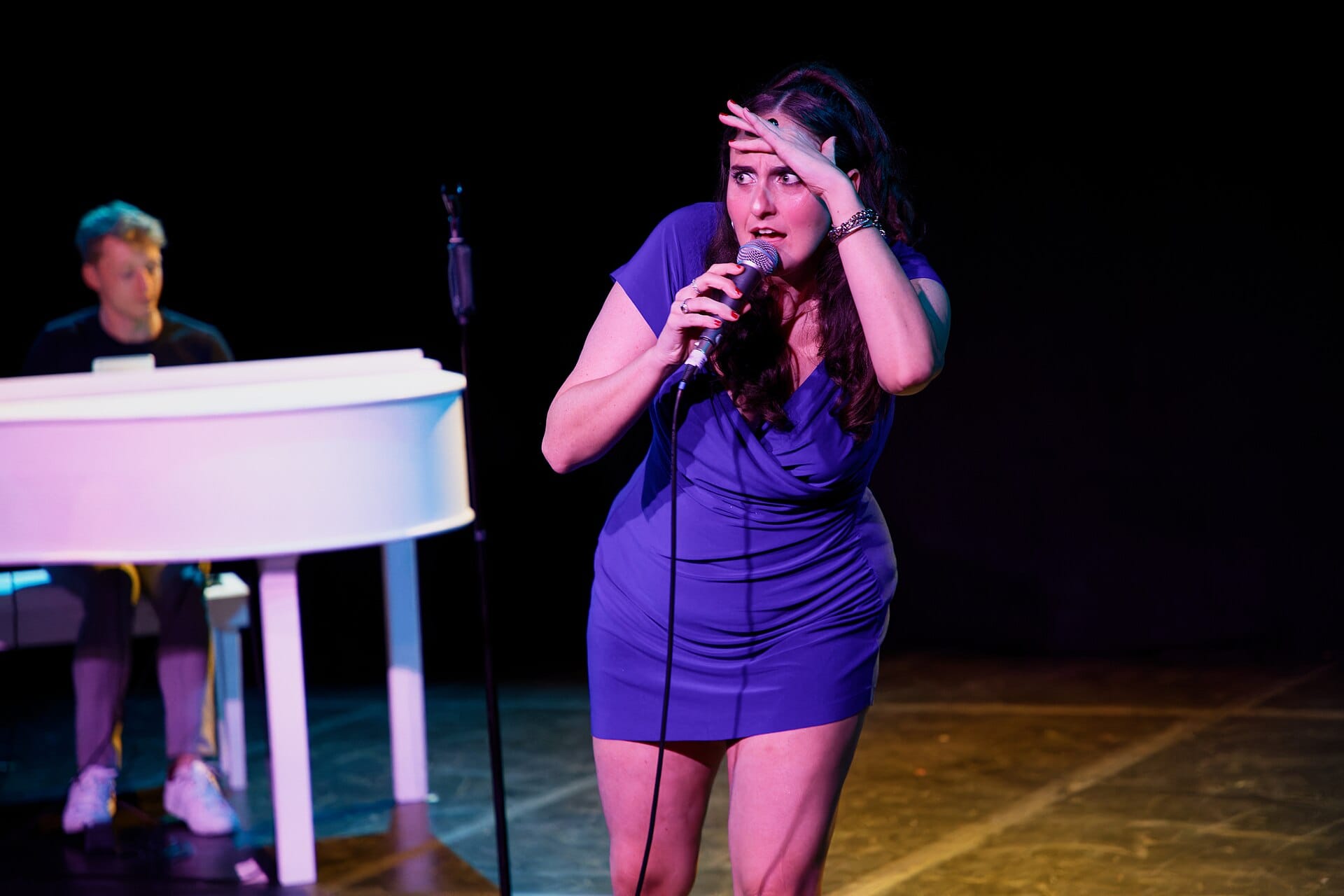
What the Edinburgh Festival Fringe Actually Is
The Edinburgh Festival Fringe is, by almost every measure, the largest performing arts festival on the planet. Every August, for approximately three weeks, the city of Edinburgh becomes a canvas for thousands of performers across comedy, theatre, dance, circus, spoken word, opera, and genres that resist easy categorisation. In 2026, the festival runs from 7 to 31 August, though dates shift slightly year to year.
What makes the Fringe unusual is its founding logic: it has no central curator. Any performer who can find a venue and register a show can take part. That open-door principle dates to 1947, when eight theatre companies arrived uninvited to perform alongside the newly established Edinburgh International Festival. Rather than turn them away, Edinburgh absorbed them, and the word 'fringe' stuck. More than seven decades later, that same principle governs an event that can feature over 3,000 shows at more than 300 venues in a single edition.
The Fringe is not the same as the Royal Edinburgh Military Tattoo, which is a separate ticketed event also held in August. Both run concurrently, but they are distinct experiences with different ticketing systems. Edinburgh in August hosts several overlapping festivals simultaneously, and the city's calendar that month is genuinely relentless.
ℹ️ Good to know
The Fringe runs across the whole city, but the highest concentration of venues sits in and around the Old Town, Pleasance, Bristo Square, and along the Royal Mile. If you stay or base yourself in the Old Town, you can walk between multiple shows in a single afternoon.
The Shape of the Festival: Venues, Streets, and the Unexpected
Arriving in Edinburgh during the Fringe for the first time is disorienting in the best possible way. Every surface becomes advertising space: performers hand out flyers on the Royal Mile from mid-morning until evening, buskers fill the spaces between, and comedy acts preview their shows in the open air. The smell of food vendors mixes with the older, stone-cold air rising from the closes and wynds off the main drag. By early afternoon, the street feels less like a historic thoroughfare and more like a good-natured crowd event with no fixed boundary.
Venues range from the enormous Pleasance Courtyard and Dome (a student union complex that becomes a Fringe institution, with multiple performance spaces and an outdoor bar that stays packed until midnight) to church halls, hotel basements, converted car parks, and spaces so small the audience sits on three sides of a performer who is practically in their laps. The physical variety is part of the appeal. A 400-seat tent show and a 30-seat black box play in someone's attic can both sell out.
The geography of the Fringe clusters naturally. Pleasance and Cowgate are the comedy and late-night heartlands. The Traverse Theatre on Cambridge Street is where serious new writing tends to land. Assembly George Square and Underbelly on Bristo Square attract bigger names. Old Town EdinburghEdinburgh Castle sits at the centre of almost all of it, though some shows are based further out in venues across the city.
Tickets & tours
Live prices and dates from our booking partner. If you book, we may earn a commission at no extra cost to you.
West Highland Lochs, mountains and castles tour from Edinburgh
From 61 €Instant confirmationFree cancellationLoch Ness, Glen Coe and the Highlands tour from Edinburgh
From 66 €Instant confirmationFree cancellationDay Trip to Holy Island, Alnwick Castle and Northumbria from Edinburgh
From 60 €Instant confirmationFree cancellationLoch Ness Explorer Day Trip from Edinburgh
From 60 €Instant confirmationFree cancellation
How the Fringe Changes Through the Day
The festival has a rhythm, and understanding it saves time and patience. Mornings are calm by Fringe standards: the Royal Mile is quiet before 10am, flyering doesn't begin in earnest until mid-morning, and the first shows start around 10am or 11am. This is when the city feels closest to its ordinary self, the light hitting the Castle and the stone tenements in a way that photographers chase, without the crowds yet thick on the pavement.
By midday, the streets are at full intensity. The Royal Mile becomes nearly impassable in some stretches, performers compete for attention at every junction, and the queue at the half-price ticket hut on The Mound begins to stretch. If you have not heard of the half-price hut, note it: the Edinburgh Festival Fringe Society operates a Half Price Hut where same-day tickets for selected shows go on sale at noon. Lines form early, and availability is unpredictable, but the savings are real. Verify current details directly with the operator before your visit, as logistics change year to year.
Late afternoon into early evening is when the biggest comedy shows fill out, and the courtyard bars at Pleasance and Underbelly hit their social peak. After 9pm, the city tilts toward late-night comedy, underground theatre, and the kind of experimental shows that only make sense after dark. The last shows often finish past midnight. For visitors who want all of this, two or three days is more useful than one.
💡 Local tip
The first and last weekends of the Fringe are the most crowded. If you want to see shows without battling for space in corridors, the middle of the second week tends to offer the best combination of full programme and manageable crowds.
Tickets, Costs, and How to Build a Programme
The official booking system runs through edfringe.com, where the full programme is searchable by date, genre, venue, and price. Individual producers and venues set their own ticket prices; there is no fixed admission tariff. According to Time Out's 2026 guide, most show tickets hover between £15 and £17, with tickets rarely exceeding £20 for the majority of performances. Free and Pay What You Can shows are a genuine and substantial part of the programme, not an afterthought, and some of the most interesting emerging work operates on that model.
Walking the streets themselves costs nothing. The Royal Mile as performance space is completely free, and some of the most memorable Fringe encounters happen on the pavement rather than in a seat. Experienced Fringe visitors often build a programme that combines one or two paid tickets per day with time left unplanned, because the spontaneous tends to deliver.
If the budget is tight, the Fringe is still navigable. The combination of free street shows, Pay What You Can performances, and strategic use of the Fringe Society’s half-price ticket options means it is possible to spend several days at the festival without large outlay. See our guide to visiting Edinburgh on a budget for broader context on keeping costs down across the city in August.
⚠️ What to skip
Accommodation prices in Edinburgh spike significantly during August. If you are planning a Fringe trip, book accommodation months in advance. Late bookings during the festival period can cost three to four times the off-season rate for the same room.
What the Fringe Looks and Feels Like Up Close
The sensory register of the Fringe is particular. The smell of wood smoke and fried food drifts across Bristo Square in the evening. In the narrow closes off the Royal Mile, the sound bounces differently: quieter, more echo-heavy, where a solo performer doing five minutes for passersby sounds more intimate than any indoor venue. The cobblestones underfoot are uneven and slick after rain, which in Edinburgh in August is a realistic probability on any given day.
Inside venues, the range is enormous. A Pleasance main house show might feel like a polished West End production with professional lighting and a full sound rig. A show in a 30-seat free venue might have the lights of the previous act still half-rigged above you, the performer changing their set based on who is in the room. Both are the Fringe, and the contrast is the point.
For visitors who want to anchor their Fringe trip around the Old Town more broadly, the Edinburgh Castle and the Royal Mile's permanent attractions are all accessible during the festival period, though queues lengthen in August. The Greyfriars Kirkyard sits just south of Bristo Square and offers a five-minute escape from the crowd density when you need it.
Practical Information: Getting There, Getting Around, and What to Prepare For
Edinburgh is served by Edinburgh Airport (EDI), approximately 13 kilometres west of the city centre, with onward connections via tram, the Airlink bus service, and taxi. Edinburgh Waverley is the main rail station, with regular services from London, Glasgow, and other UK cities; Haymarket station, slightly to the west, is also well connected. Both stations are walkable or a short bus ride from the Fringe's central venues.
Once in the city, the central Fringe venues are densely clustered and mostly walkable from each other. Wear comfortable shoes: you will cover more ground than you expect, across cobblestones and hilly terrain. A waterproof layer is not optional in August Edinburgh. Rain arrives without ceremony, temperatures can drop by evening, and the combination of a wet cobblestone close and impractical footwear is how a good Fringe day goes sideways.
Visitors with accessibility requirements should check the Festival Fringe Society's online venue search, which includes step-free access, hearing loop availability, and relaxed performance information for individual shows. The Society also operates an Access Bookings service to help disabled audience members make arrangements. Accessibility varies significantly by venue, so checking show-level details on getting around Edinburgh before arrival is useful context for planning routes between venues.
Who the Fringe Is Not For
The Fringe is not a curated arts festival in the conventional sense. There is no guarantee of quality. For every show that goes on to transfer to London or win a major award, there are many others that are simply not very good. If you prefer certainty in your cultural experiences, booking only well-reviewed shows based on press coverage from the first week of the festival is a way to filter, but it accepts that you will miss the rougher edges that define the event.
Visitors with low tolerance for crowds, unpredictable schedules, and the social density of very full small rooms may find the Fringe stressful rather than enjoyable. The same applies to anyone who needs to stick to a rigid daily structure: the Fringe rewards flexibility and punishes rigid planning. Shows overrun, queues form without warning, and the most interesting thing in your day may be something you had not planned to see.
Families with children can absolutely attend the Fringe. There is a strong programme of family-oriented shows, and the street entertainment on the Royal Mile is genuinely appropriate for all ages. The Edinburgh with kids guide covers how to approach the city in August with younger visitors in tow.
Insider Tips
- Read reviews in the Fringe-specific press (The Scotsman, Three Weeks, Broadway Baby) from the first Tuesday of the festival onward. Most critics see shows in the opening days and publish quickly. This gives you a filtered shortlist before you arrive or during your first day.
- Many performers do pre-show warm-ups and short outdoor performances on the Royal Mile around 1–2pm, especially in the second and third weeks. You can often get a genuine feel for a show before buying a ticket. If they stop you, they want you in the room.
- The Pleasance Courtyard and Underbelly's Bristo Square are the two best places to spend downtime between shows. Both have bars, food, and you will overhear more interesting conversations there than almost anywhere else in the city in August.
- Free shows are not lower-quality shows. The free model is used by established performers testing new material and by emerging artists who have chosen it deliberately. Some of the most talked-about shows in Fringe history have been free runs.
- If you are travelling to Edinburgh primarily for the Fringe and not for the city itself, consider arriving mid-week in the second week. The opening weekend surge has passed, the programme is running at full capacity, and you will pay significantly less for accommodation than during the first or last weekend.
Who Is Edinburgh Festival Fringe For?
- Comedy enthusiasts who want to see emerging and established performers in rooms where the energy is unlike anything in a conventional comedy club
- Theatre-goers willing to take risks on unknown work, knowing the hit rate is uneven but the highs are exceptional
- Solo travellers: the Fringe is one of the most genuinely social events in Europe for people travelling alone, since conversation between strangers is the social default
- Anyone interested in how live performance actually works, from the economics to the craft, because the Fringe exposes it all
- Visitors who want to combine a major cultural event with the full context of one of Europe's most architecturally compelling cities
Nearby Attractions
Other things to see while in Old Town:
- Camera Obscura & World of Illusions
Perched at the top of the Royal Mile beside Edinburgh Castle, Camera Obscura & World of Illusions combines a Victorian optical instrument with five floors of hands-on illusions and a rooftop view over the Old Town. It is one of Edinburgh's most distinctive indoor attractions, best suited to curious minds of all ages.
- Edinburgh Castle
Edinburgh Castle dominates the Old Town skyline from its perch atop a 135-metre volcanic crag. From the city's oldest building to the Scottish Crown Jewels, here is everything you need to decide whether it deserves a half-day of your trip.
- The Edinburgh Dungeon
The Edinburgh Dungeon is a live-actor walk-through experience covering 1,000 years of Scotland's darkest history, staged beneath the Old Town streets. Theatrical, loud, and deliberately unsettling, it suits thrill-seekers and older children more than museum-goers expecting quiet reflection.
- Edinburgh Farmers' Market
Every Saturday morning, Castle Terrace fills with around 40 to 60 stalls selling Scottish produce directly from the people who grow, rear, and make it. Edinburgh Farmers' Market has been running since around 2000 and is widely regarded as one of the largest weekly farmers' markets in Scotland by stall count. Entry is free, and the market wraps up by 2pm sharp.
Planning a trip? Discover personalized activities with the Nomado app.