Scottish National Portrait Gallery: Scotland's Faces, Free to See
Housed in a jaw-dropping Neo-Gothic red sandstone building on Queen Street, the Scottish National Portrait Gallery holds Scotland's national collection of portraits and the Scottish National Photography Collection. Entry is free, the building alone is worth the visit, and a good two hours here leaves most visitors wanting longer.
Quick Facts
- Location
- 1 Queen Street, Edinburgh EH2 1JD (New Town)
- Getting There
- Short walk from Waverley station and Princes Street; local buses stop on Queen Street and nearby St Andrew Square
- Time Needed
- 1.5 to 3 hours
- Cost
- Free general admission; some special exhibitions charge separately
- Best for
- History lovers, photography fans, rainy-day culture, solo visitors, curious first-time visitors to Edinburgh
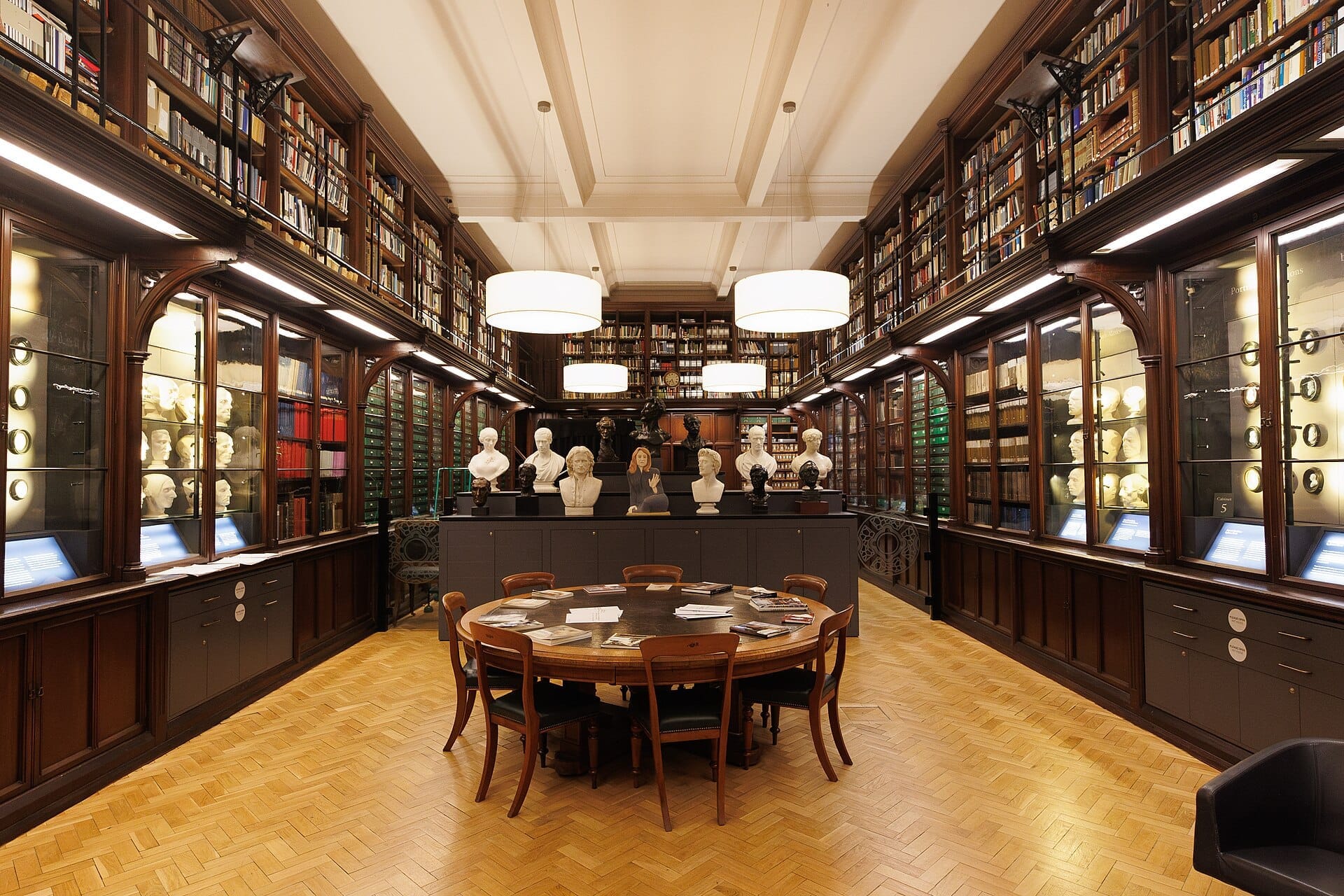
What Is the Scottish National Portrait Gallery?
The Scottish National Portrait Gallery is one of Edinburgh's most rewarding cultural institutions, and one that many visitors to the city walk straight past without realising what's inside. At 1 Queen Street in the city's Georgian New Town, it holds Scotland's national portrait collection alongside the Scottish National Photography Collection — two complementary holdings that trace the human story of an entire nation, from medieval kings to modern musicians.
The gallery sits within a building that is genuinely one of Edinburgh's architectural highlights. Designed by Robert Rowand Anderson and built between 1885 and 1890 in red Dumfriesshire sandstone, it was one of the earliest purpose-built public portrait galleries. Its construction was funded entirely by John Ritchie Findlay, owner of The Scotsman newspaper — a private act of public generosity unusual for the era. You can read more about the wider New Town setting in our guide to New Town Edinburgh.
ℹ️ Good to know
Standard admission to the permanent collection is free. Some temporary exhibitions carry a separate ticket charge. Check the National Galleries Scotland website before your visit for current exhibition details and any events that require booking.
The Building: Why the Architecture Deserves Your Full Attention
Before you look at a single portrait, stop in the Great Hall. This is not a suggestion — it's the kind of space that stops people mid-sentence. Two storeys of arcaded sandstone galleries wrap around a central atrium, and every surface above eye level tells a story. The frieze running around the upper walls depicts a procession of Scottish historical figures, from Robert the Bruce to Mary Queen of Scots, rendered in intricate sculptural relief. Looking up at the decorative ceiling and the quality of the carved stonework, it becomes clear why the building underwent a major restoration between 2009 and its reopening in December 2011.
The exterior gives fair warning of what's inside. Its tall Gothic spires and red sandstone facade sit unusually among the cream and grey stonework typical of the New Town, making it one of the few buildings on Queen Street that genuinely stops foot traffic. Arrive in morning light if you can — the east-facing front takes the early sun well and is more photogenic before the street fills with parked cars and delivery vehicles.
💡 Local tip
Photography tip: the Great Hall atrium photographs best from the upper gallery level looking down. Head to the first floor early in your visit before tour groups arrive and the floor fills.
Tickets & tours
Live prices and dates from our booking partner. If you book, we may earn a commission at no extra cost to you.
Scottish National Gallery In-App Audio Guided Tour
From 9 €Instant confirmationRosslyn Chapel and Scottish Borders small-group day tour
From 43 €Instant confirmationFree cancellationJacobite Steam Train and Scottish Highlands Tour from Edinburgh
From 218 €Instant confirmationFree cancellationLoch Lomond, The Trossachs National Park and Stirling Castle from Glasgow
From 48 €Instant confirmationFree cancellation
The Collection: Portraits, Photography, and What You'll Actually See
The permanent collection is organised broadly by era rather than by medium, which means oil paintings hang alongside prints, photographs, and sculpture in a way that feels coherent rather than cluttered. Familiar Scottish names appear throughout: Robert Burns, depicted repeatedly across different periods; Mary Queen of Scots in multiple interpretations that reveal as much about the painters' politics as about her appearance; and James VI, captured in portraits that track his life from Scottish king to the James I of England.
The photography holdings are less well-known internationally but are genuinely significant. David Octavius Hill and Robert Adamson, who worked in Edinburgh in the 1840s, are represented extensively. Their calotype portraits from that decade are among the earliest photographs of Scottish life and are better viewed here, in context, than in any reproduction. If you're interested in the broader photography history of Edinburgh, the Scottish National Gallery of Modern Art offers further depth on 20th-century and contemporary visual arts.
Temporary exhibitions rotate regularly and tend to be thematic — focused on a specific figure, movement, or period — rather than simply adding more portraits to the wall. These exhibitions are where the gallery most consistently surprises visitors who expected a more traditional experience. Check current listings before you go, as these shows often include public talks and events that aren't widely advertised outside the official site.
How the Experience Changes by Time of Day
Arriving at opening time (10:00) gives you a noticeably different experience from arriving mid-afternoon. The Great Hall is quiet before 11:00, and the upper galleries with the photography collection can feel almost private in the first hour. If you're visiting primarily for the permanent collection rather than a specific temporary show, a weekday morning is the most comfortable time.
By midday, particularly in summer, the ground floor café fills and the main gallery spaces see their heaviest footfall. This isn't to say the museum becomes unpleasant — it remains uncrowded by major museum standards — but visitors who want space to study individual works closely will prefer the early or late windows. The gallery is open 10:00–17:00; arriving at 15:30 gives enough time for a focused visit through the permanent collection without rushing.
August brings the Edinburgh Festival Fringe and a significant increase in general tourist numbers across the city. The Portrait Gallery tends to absorb this pressure better than outdoor sites, but mornings become busier than usual. For a full picture of what August looks like in Edinburgh, see our guide to Edinburgh in August.
Practical Walkthrough: How to Structure Your Visit
A practical sequence for a standard visit: begin with the Great Hall on the ground floor to orient yourself and appreciate the architectural scale. Move to the first floor for the earliest chronological portraits and the Reformation-era material, then continue to the second floor for later periods. The photography galleries sit alongside the painted portraits rather than separately, so you won't miss them if you follow the main circuit.
The museum shop on the ground floor stocks well-curated books on Scottish art and history, along with prints and gifts that are more thoughtfully selected than the average museum shop. The café is a reasonable option for a break mid-visit, with seating that looks into the ground floor of the hall. It is not a destination café but it is perfectly decent.
The gallery is fully wheelchair accessible with lifts serving all floors. Accessible toilets, the shop, and the café are all on the ground floor. If you're planning a wider accessible day in the area, the Scottish National Gallery on the Mound is a short taxi or bus ride away and is similarly accessible.
⚠️ What to skip
Some visitors arrive expecting to see all three National Galleries of Scotland here. The Portrait Gallery on Queen Street is separate from the Scottish National Gallery (on the Mound) and the Scottish National Gallery of Modern Art (Belford Road). Allow separate visits for each.
Who Should Skip It (And Who Should Prioritise It)
Visitors who need physical movement and outdoor stimulation from their sightseeing will find this a passive, interior-heavy experience. Young children who haven't yet connected with portraiture may struggle to engage, though the building's theatrical architecture does hold a certain dramatic appeal for younger visitors at a surface level. If Edinburgh's outdoor landmarks are your main draw, there are more pressing claims on your time.
On the other hand, anyone with a genuine interest in Scottish history, the connection between image-making and national identity, or the technical history of photography will find this one of the most intellectually rewarding hours they spend in Edinburgh. It is also the kind of place that rewards return visits: the permanent collection is large enough that a single pass doesn't exhaust it, and the rotating temporary shows give regular Edinburgh visitors ongoing reason to come back. If you want the best overview of cultural Edinburgh, our best museums in Edinburgh guide puts the Portrait Gallery in full context alongside the city's other collections.
Insider Tips
- The upper gallery level overlooking the Great Hall atrium is the single best photography position in the building. Go there first thing, before the floor fills, and shoot downward into the hall.
- Free audio guides and exhibition leaflets are available at the front desk — worth picking up even if you don't use audio guides normally, as the collection labels alone don't always convey how historically significant certain works are.
- Temporary exhibitions sometimes require timed entry tickets even when free. Book in advance on the National Galleries Scotland website if visiting during festival season or around school holidays.
- The gallery's collection extends beyond what's on display at any one time. The National Galleries Scotland website allows you to browse the full holdings online, which is worth doing before your visit if you're researching a specific figure.
- Queen Street has parking restrictions and limited through-traffic. The most practical approach on foot is via George Street (one block south) or along York Place from the east end of Queen Street, both of which are easy walks from the main tourist spine.
Who Is Scottish National Portrait Gallery For?
- History enthusiasts wanting to put faces to Scotland's most significant historical figures
- Photography fans interested in the history of the medium, particularly early Scottish photography
- Rainy-day visitors looking for a full morning or afternoon of free indoor culture
- Solo travellers who want a contemplative, self-paced experience without crowds
- Visitors who have already done Edinburgh's headline outdoor sites and want to go deeper into Scottish culture
Nearby Attractions
Other things to see while in New Town:
- Calton Hill
Rising 103 metres above central Edinburgh, Calton Hill is a free, 24-hour public park packed with monuments, volcanic geology, and some of the most complete city panoramas in Scotland. It takes under 20 minutes to reach from Princes Street on foot, and the views repay every step.
- Charlotte Square
Charlotte Square sits at the west end of George Street as the architectural crown of Edinburgh's first New Town. Designed by Robert Adam in 1791 and completed in 1820, the square is a free, publicly accessible streetscape and a key part of the city's UNESCO World Heritage Site.
- Edinburgh Christmas Market
Spread across East and West Princes Street Gardens and George Street, Edinburgh's Christmas runs from mid-November to early January each year. Entry is free, the backdrop is Edinburgh Castle, and the atmosphere shifts dramatically depending on when you arrive.
- Edinburgh Gin Distillery
Opened on 6 December 2024, the Edinburgh Gin Distillery at The Arches on East Market Street is the brand home of one of Scotland's most recognised craft gins. Set inside dramatic stone vaulted arches beneath historic railway arches near Waverley, it offers tastings, tours, and a retail experience rooted in the city's growing reputation for artisan spirits.
Planning a trip? Discover personalized activities with the Nomado app.