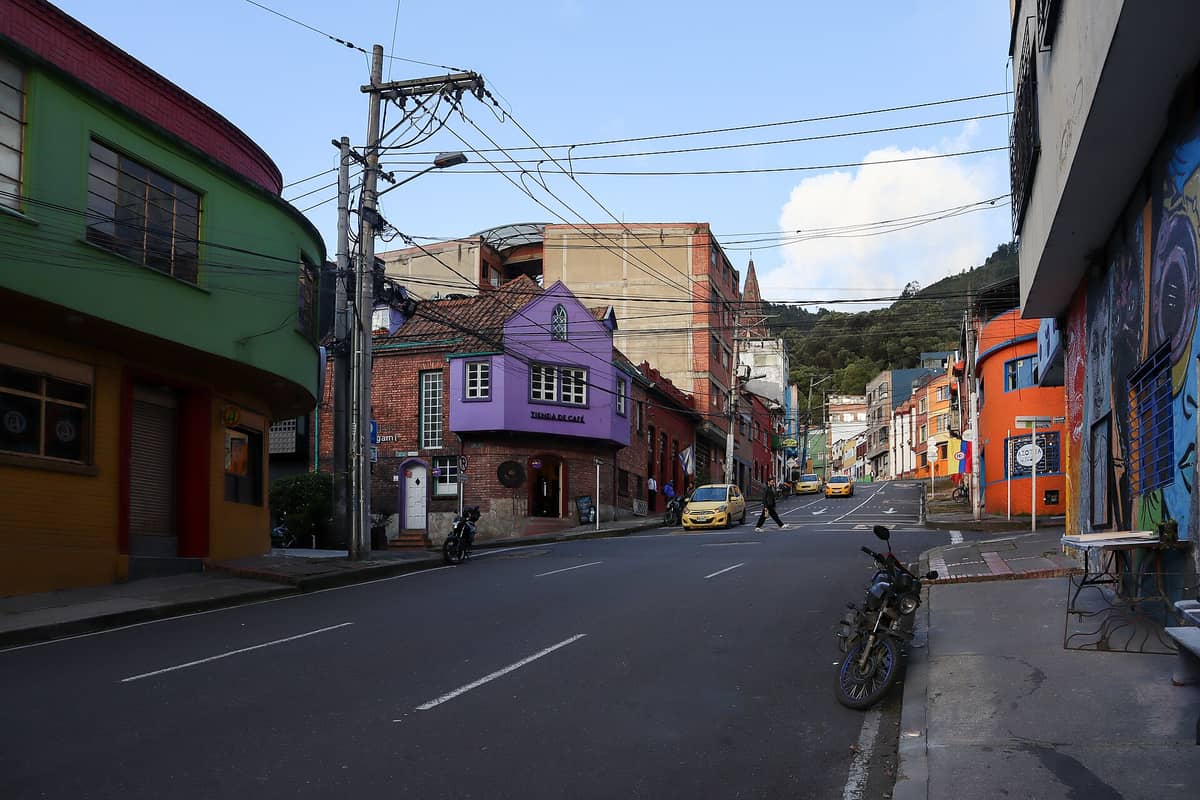
La Macarena is Bogotá's art and gastronomy corridor, a compact central neighborhood where independent restaurants, cultural institutions, and gallery spaces sit shoulder to shoulder along Carrera 5. It connects the historic core of La Candelaria to the broader Centro Internacional area, making it one of the most strategically placed neighborhoods in the city.
La Macarena occupies a narrow but significant slice of central Bogotá, running along Carrera 5 between Calle 26 and Calle 29, with the Andes foothills rising sharply to the east. It's the kind of neighborhood where you can walk out of a world-class museum, eat lunch at a chef-driven restaurant, and watch the city's creative class debate politics over coffee, all within the space of a few blocks.
Orientation: Where La Macarena Sits in Bogotá
La Macarena occupies a compact zone in central-eastern Bogotá, roughly between Calle 26 to the south, Calle 29 to the north, Carrera 5 as its commercial spine, and Avenida Circunvalar to the east, where the terrain begins its steep climb into the Cerros Orientales. The neighborhood is small enough to walk end-to-end in under twenty minutes, but its position in the city makes it feel much larger in importance.
South of Calle 26, Centro Internacional and Las Nieves sit between La Macarena and La Candelaria, Bogotá's colonial historic center. To the north and west, the neighborhood bleeds into Teusaquillo and the lower end of Chapinero. This positioning gives La Macarena a transitional quality: it's grittier than Chapinero's polished restaurant strips but considerably more refined than the dense foot traffic of La Candelaria's tourist corridors.
The neighborhood's eastern edge, where Carrera 5 meets Avenida Circunvalar, marks the start of the protected hillside reserve known as the Cerros Orientales. This proximity to open green space gives the streets near Circunvalar a noticeably different atmosphere: quieter, cooler, with the hills as a constant backdrop. Parque de la Independencia, which sits at the southern end near Calle 26, serves as a natural gathering point and a useful landmark for orienting yourself.
Character & Atmosphere
In the early morning, La Macarena is unhurried. The restaurants are closed, the galleries dark, and the streets belong to dog walkers, joggers cutting across Parque de la Independencia, and delivery workers stocking the kitchens that will define the neighborhood by noon. The air in Bogotá at this altitude, around 2,640 meters, carries a consistent cool edge regardless of season, and the eastern hills catch the first light in a way that makes the neighborhood feel briefly golden before the city noise takes over.
By midday, Carrera 5 becomes the neighborhood's social artery. Office workers from nearby institutions fill the sidewalk tables. The street hums with the kind of low-key professional energy you associate with creative industries and the public sector, both of which have a strong presence here. This is not a party neighborhood, and it doesn't try to be. La Macarena operates on a lunch-and-culture schedule rather than a nightlife one.
Evenings shift the dynamic modestly. The restaurants fill with a mix of locals celebrating something and international visitors who have done their research. The streets are active but not rowdy. After about 10pm, things quiet down considerably, which is worth knowing if you're expecting late-night options. The area around the Plaza de Toros La Santamaría, the historic bullring on Calle 26, can draw larger crowds on specific event nights, adding an unpredictable spike to the usual calm.
ℹ️ Good to know
La Macarena is one of those neighborhoods that rewards exploration on foot on a weekday. Weekend lunchtimes can see wait times at the most popular restaurants, so arriving early or making reservations is advisable.
What to See & Do
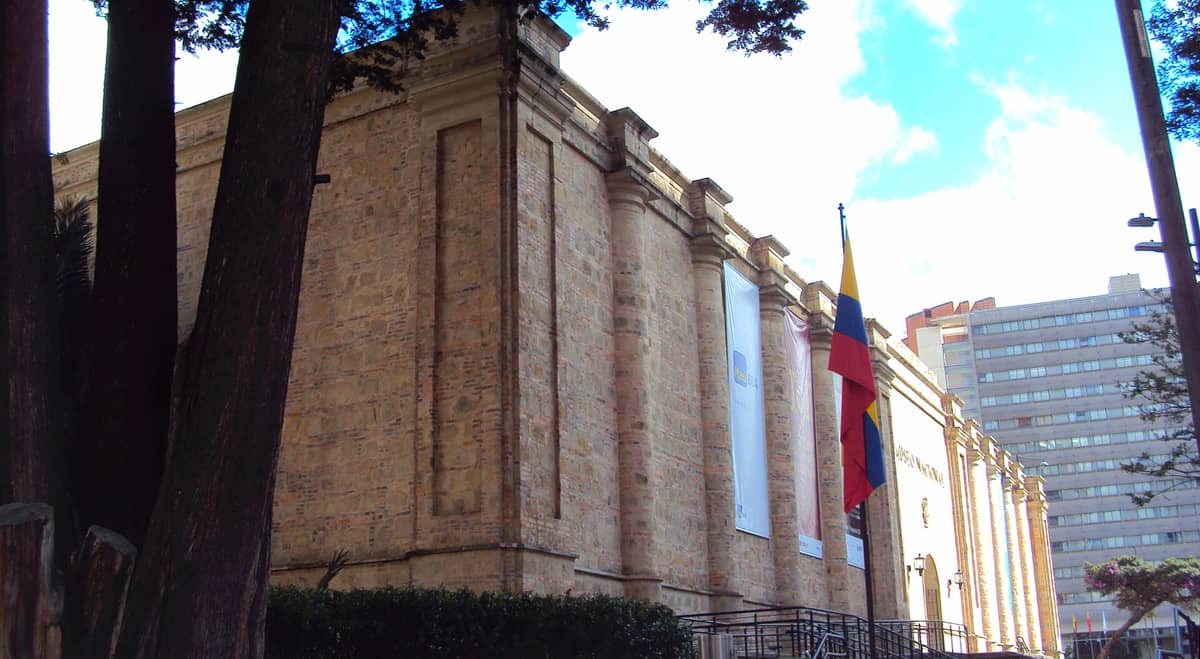
The Museo Nacional de Colombia sits on Carrera 7 at the southern edge of the neighborhood and is the single most important cultural institution in La Macarena's orbit. Housed in a 19th-century neoclassical building that formerly served as a prison, it holds permanent collections covering pre-Columbian archaeology, colonial art, and the country's complex political history. Budget at least two hours; the building alone is worth the visit.
The Plaza de Toros La Santamaría is one of Bogotá's most architecturally distinctive structures, a Moorish-influenced bullring completed in 1931. Bullfighting itself has been a subject of ongoing legal and cultural debate in Colombia, and the arena now hosts concerts and cultural events alongside its traditional program. Even if you don't attend an event, the exterior is worth seeing as you pass along Calle 26.
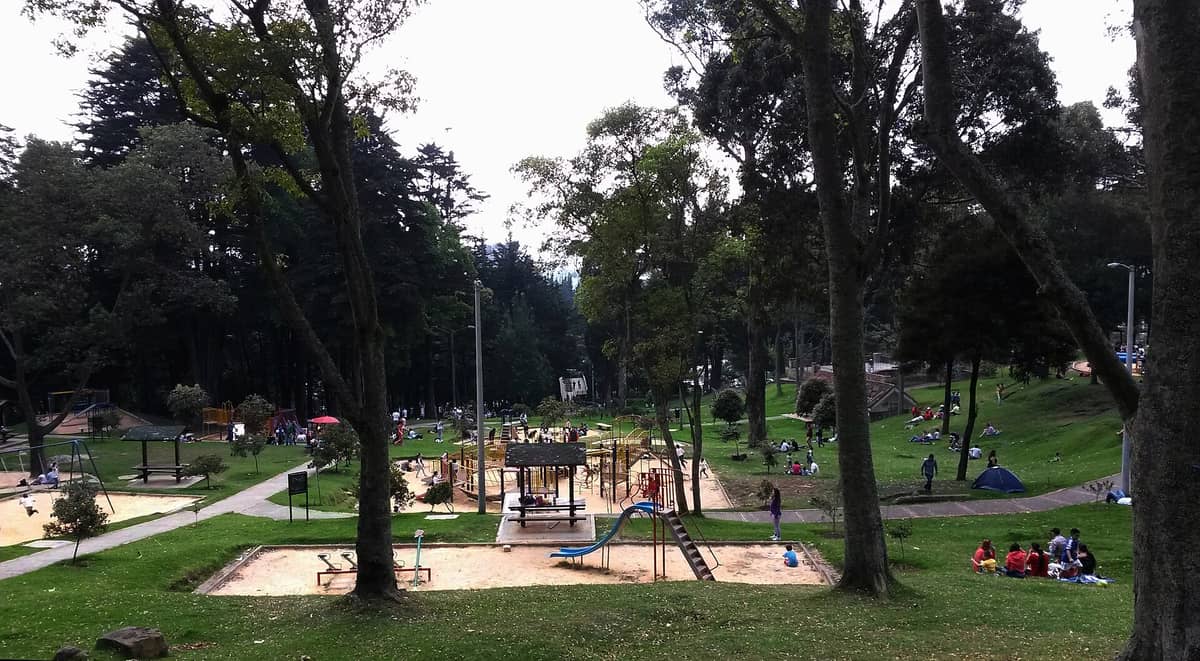
Parque de la Independencia anchors the southern entrance to the neighborhood. It's a well-maintained urban park with mature trees, a small lake, and the Planetario de Bogotá on its grounds. The park functions as a meeting point for university students, families on weekends, and anyone who needs twenty minutes away from the street. Walking north from the park along Carrera 5, you begin to encounter the gallery spaces and independent shops that define the neighborhood's creative identity.
Museo Nacional de Colombia: the country's oldest and most comprehensive national museum
Plaza de Toros La Santamaría: historic bullring now used for concerts and cultural programming
Parque de la Independencia: central urban park with the Planetario de Bogotá on-site
Art galleries along Carrera 5: a rotating mix of contemporary Colombian art spaces
Avenida Circunvalar walking routes: access paths up toward the Cerros Orientales begin near the neighborhood's eastern edge
For those interested in Bogotá's broader museum circuit, La Macarena makes a logical base for reaching the Museo Botero and the Museo del Oro in nearby La Candelaria, both accessible on foot or by a short ride south on Carrera 7.
Eating & Drinking
La Macarena is, above everything else, a food neighborhood. The gastronomic zone concentrated along and around Carrera 5 between Calles 26 and 30 represents one of Bogotá's most consistent restaurant strips, and it functions differently from the flashier dining scenes in Zona Rosa or Parque de la 93. The places here tend to be smaller, more independently run, and more focused on cooking than on atmosphere-for-its-own-sake.
Colombian cuisine anchors the street: you'll find well-executed versions of ajiaco (a hearty potato and chicken soup native to the Bogotá highlands), bandeja paisa plates, and fresh empanadas sold from corner spots. But the neighborhood also has a higher concentration of international kitchens than most central areas, reflecting the mix of academics, NGO workers, and creative professionals who eat here regularly. French-influenced bistros, Middle Eastern spots, and contemporary Colombian tasting menus all exist within a few minutes' walk of each other.
Coffee in La Macarena reflects the broader specialty coffee culture that has taken hold across Bogotá over the past decade. Several cafés along Carrera 5 serve single-origin Colombian beans with care. For context on what to order and what to look for, the Colombian coffee guide for Bogotá is worth reading before you arrive.
Price ranges in La Macarena run from affordable to mid-range by Bogotá standards. A main course at a sit-down restaurant typically falls between 25,000 and 65,000 COP, with higher-end tasting experiences pushing beyond that. Street food remains significantly cheaper. The neighborhood doesn't have a rooftop bar scene or late-night cocktail culture to speak of; wine-with-dinner is more the register here than craft cocktails until 2am.
💡 Local tip
Lunch is the main meal in La Macarena. Many restaurants offer a set menú del día at midday that includes soup, a main, and a drink for around 15,000 to 25,000 COP. This is how locals eat here, and it's consistently good value.
Getting There & Around
La Macarena is not directly served by a TransMilenio station, but it's easily reached from the system. The most practical approach is to use the TransMilenio corridor along Calle 26 (Avenida El Dorado) or the routes that run along Carrera 10, then walk east. Carrera 7 also has frequent bus traffic running north-south, and stops near Calle 26 put you at the southern edge of the neighborhood within a few minutes. For a full overview of how to navigate Bogotá's transit system, the getting around Bogotá guide covers routes, fares, and practical tips.
Ride-hailing via Uber, Cabify, or Didi is the most convenient option for door-to-door access, particularly at night or when traveling with luggage. Traffic on Calle 26 and Carrera 7 can be slow during morning and evening rush hours (roughly 7am to 9am and 5pm to 7pm), so factor that in if you have a fixed departure time.
Within the neighborhood itself, everything is walkable. The main dining and gallery strip along Carrera 5 is flat and compact. Walking north from Parque de la Independencia to Calle 30 takes about twelve to fifteen minutes at a relaxed pace. The eastern streets climbing toward Avenida Circunvalar involve a noticeable uphill grade, and the altitude means the climb feels more demanding than the distance suggests if you've recently arrived in Bogotá.
From La Macarena, La Candelaria is a fifteen-minute walk south along Carrera 7, passing the Museo Nacional on the way. The Cerro de Monserrate cable car and funicular station on Avenida Circunvalar is roughly a twenty-minute walk uphill from the eastern edge of the neighborhood, or a short taxi ride.
⚠️ What to skip
If you're arriving from El Dorado International Airport (BOG), La Macarena is not a straightforward TransMilenio journey. A taxi or ride-hailing app directly to the neighborhood is more practical and avoids navigating multiple transfers with luggage.
Where to Stay
La Macarena is not Bogotá's primary hotel district, but it offers a reasonable selection of boutique guesthouses and small hotels that appeal to travelers who prioritize location over amenities. Staying here puts you within walking distance of the Museo Nacional, the Candelaria museums, and the restaurant strip, while keeping you away from the denser tourist corridors. For a broader comparison of Bogotá's accommodation zones, the where to stay in Bogotá guide maps out the trade-offs between neighborhoods.
The best-positioned accommodation in the neighborhood sits in the mid-section of Carrera 5, close enough to the restaurants to walk to dinner but far enough from Calle 26 to avoid the morning traffic noise. Budget travelers will find more options in La Candelaria, while those wanting international hotel brands or a fuller amenities package should look to Zona Rosa or the Parque de la 93 area to the north.
La Macarena suits independent travelers, long-weekend visitors focused on food and culture, digital nomads looking for a quieter base with good café options, and anyone who wants to minimize transit time between the city's major museums. It's less suited to families with young children who need larger room configurations, or travelers who want nightlife within walking distance of their bed.
Safety & Practical Notes
La Macarena is a central urban neighborhood, and the standard precautions that apply across Bogotá apply here too. Keep your phone out of sight on the street, use ride-hailing apps rather than flagging random taxis at night, and be aware of your surroundings after dark, particularly on quieter side streets east of Carrera 5. The Bogotá safety tips guide covers city-wide guidance in detail.
The neighborhood is not generally flagged as a high-risk area, and daytime activity along the main commercial streets is normal and relatively relaxed. The proximity to La Candelaria means the southern end near Calle 26 can feel more chaotic, with heavier foot traffic and more street vendors. Moving north along Carrera 5, toward Calle 30, the streets feel progressively calmer and more residential.
Bogotá sits at 2,640 meters above sea level, and altitude affects visitors more than they typically expect. If you've arrived recently, take the uphill walks toward Circunvalar slowly, drink water consistently, and don't plan a packed itinerary for your first day. The neighborhood's flat core is easy going; the eastern streets are not.
Weather in La Macarena follows Bogotá's general pattern: mild temperatures in the high teens to low 20s Celsius during the day, cooler evenings, and two rainy seasons roughly from April to May and September to November. Layers are always the right call. The Bogotá weather and climate guide has month-by-month detail if you're planning around the seasons.
TL;DR
La Macarena is Bogotá's best compact combination of serious restaurants, cultural institutions, and accessible central location, without the crowd intensity of La Candelaria or the corporate polish of Zona Rosa.
The Museo Nacional de Colombia and Parque de la Independencia are the neighborhood's anchor attractions, with Cerro de Monserrate and La Candelaria's museums reachable on foot.
Best for: food-focused travelers, culture seekers, digital nomads, and anyone wanting a central base with genuine local character.
Not ideal for: travelers expecting nightlife, families needing larger hotels, or visitors who want international brand accommodation.
Daytime and early evening are when the neighborhood is at its best; after 10pm it goes quiet, so plan your evenings elsewhere if late nights are part of your plan.
Three days is enough to get a real feel for Bogotá, D.C. — Colombia's high-altitude capital of roughly 8 million people. This itinerary covers the historic core, world-class museums, the city's best neighborhoods, and one excellent day trip, with honest logistics and timing built in.
Bogotá holds its own as a museum city. From world-class pre-Columbian collections to free art galleries and immersive history museums, these are the institutions that make the Colombian capital one of Latin America's most rewarding cultural destinations.
Bogotá's climate stays mild year-round thanks to its 2,640 m elevation, but the best time to visit depends on your priorities. This guide breaks down dry seasons, rainy periods, major festivals, crowd levels, and what no one tells you about Bogotá's weather.
Everything you need to navigate El Dorado International Airport (BOG) and reach central Bogotá efficiently. From TransMilenio routes and TuLlave cards to regulated taxi fares and private transfers, this guide covers every option with real prices and clear trade-offs.
At 2,640 metres above sea level, Bogotá is one of the highest capital cities in the world. This guide covers everything you need to know: altitude sickness symptoms, prevention strategies, UV risks, seasonal weather patterns, and practical tips for arriving healthy and staying comfortable.
Every Sunday and public holiday, Bogotá closes over 127 km of city streets to cars and opens them to cyclists, runners, skaters, and walkers. This is your complete guide to the Ciclovía: how it works, where to ride, what to expect, and how to make the most of it.
Bogotá, Colombia has quietly become one of Latin America's most practical bases for remote workers. This guide covers real monthly budgets, coworking space prices, the best neighborhoods to live and work from, and what no one tells you before you land at El Dorado.
Bogotá's food scene runs deeper than most visitors expect. This guide covers the city's signature dishes, where to find them by neighborhood, what to skip, and how to eat like someone who actually lives there.
December is one of the best months to visit Bogotá, D.C. The city enters its drier season, temperatures are mild, and the famous Ruta de la Navidad transforms entire districts into illuminated corridors. Here is everything you need to plan your visit.
Bogotá's nightlife scene runs deep and late, from craft beer bars in Chapinero to high-end mixology lounges in Zona T. This guide breaks down the best areas, what to spend, when to go, and what to watch out for.
Bogotá, Colombia gets a bad reputation that doesn't tell the full story. This guide breaks down the real risks by neighborhood, time of day, and situation — so you can travel smart, not scared.
Bogotá, D.C. offers one of South America's most varied shopping landscapes, from pre-dawn flower markets and weekend craft fairs to polished upscale malls. This guide covers where to shop, what to buy, what things cost, and how to avoid the common mistakes that waste both time and money.
Bogotá, D.C. has built one of Latin America's most serious street art scenes, with politically charged murals, internationally recognized artists, and organized tours running daily across multiple neighborhoods. This guide covers where to go, which tours are worth your money, and what to know before you walk out the door.
Bogotá, Colombia sits at 2,640 metres above sea level, which means the city defies every tropical climate stereotype. Temperatures hover in a narrow band year-round, but two distinct rainy seasons shape when and how you should visit. This guide breaks down the month-by-month reality, what to pack, and when crowds and prices peak.
Bogotá, D.C. is a surprisingly rewarding destination for families. From free city museums and mountaintop adventures to cycling days and colonial history, this guide covers the best kid-friendly activities in Bogotá, Colombia, with real prices, practical logistics, and notes on what works with children of different ages.
Bogotá, D.C. has become one of Latin America's most serious specialty coffee cities, with farm-to-cup roasters, barista workshops, and day trips to working coffee farms all within reach. This guide covers where to drink, what to order, what to avoid, and how to get the most out of Colombian coffee culture in the capital.
Bogotá, D.C. sits at 2,640 m above sea level in the heart of the Colombian Andes, making it an ideal base for exploring some of South America's most distinctive landscapes and colonial heritage. This guide covers the top day trips from Bogotá with practical transport details, realistic timings, and honest assessments of what each destination actually delivers.
Bogotá offers a surprising number of free experiences. From permanently free world-class museums to weekly car-free streets, colonial plazas, and sprawling urban parks, the city rewards travelers who know where to look. This guide covers the best no-cost activities, with clear notes on when free access applies.
Bogotá, D.C. has one of Latin America's most extensive urban transit networks, but navigating it takes some preparation. This guide covers TransMilenio, SITP buses, the TransMiCable, taxis, ride-hailing apps, and airport transfers — with current fares, practical tips, and clear notes on what works and what to avoid.
Bogotá, D.C. is one of South America's most underrated capitals. This guide covers the best things to do in Bogotá across culture, food, neighborhoods, and day trips, with current prices, opening hours, and practical notes on what to skip.
Choosing where to stay in Bogotá shapes your entire trip. This guide breaks down every major neighborhood by safety, price range, atmosphere, and proximity to key attractions, so you can book with confidence.