Chapinero
Chapinero is Bogotá's sprawling central district stretching from Calle 39 to Calle 100, covering everything from the gourmet restaurant strips of Zona G to the alternative bars of Chapinero Alto. It is where students, professionals, and creative communities overlap, making it one of the most internally diverse localities in the city.
Located in Bogotá, Colombia
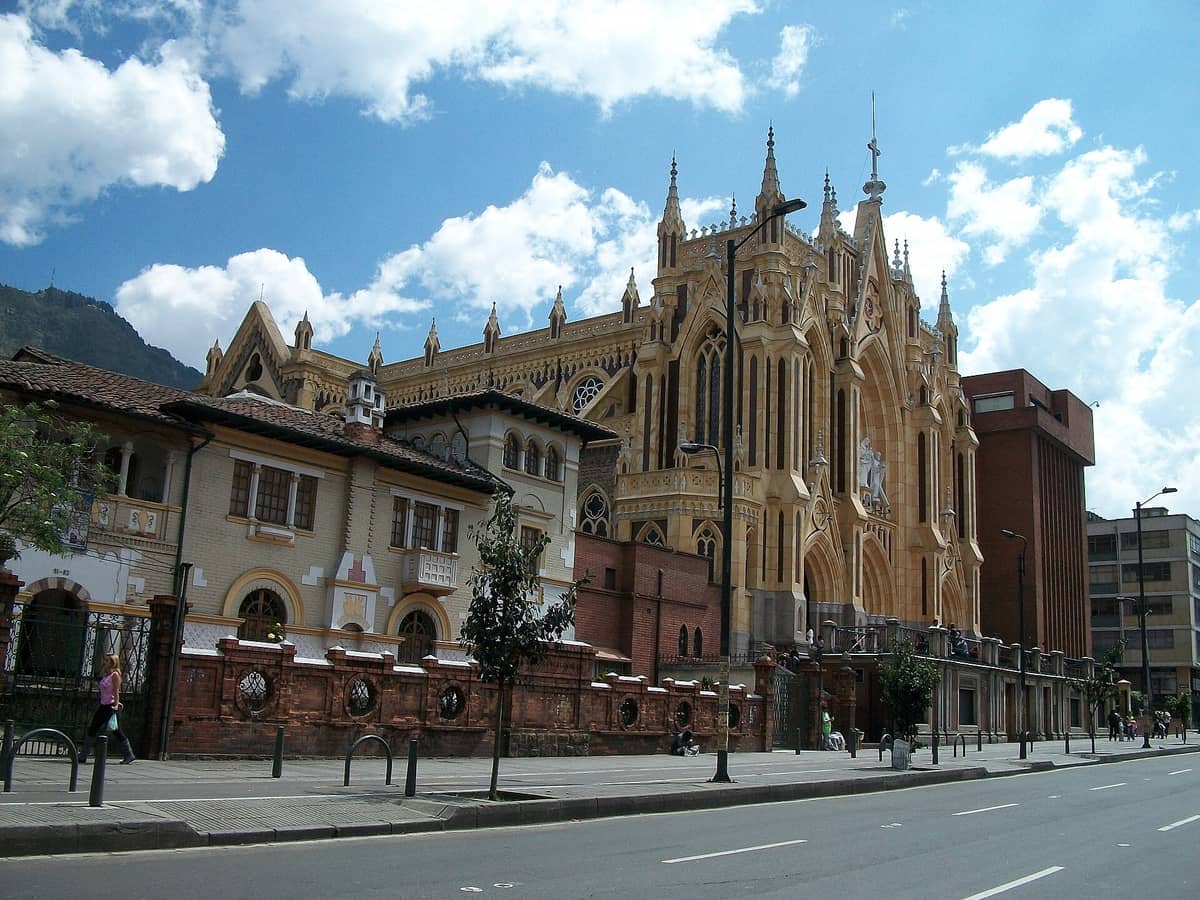
Overview
Chapinero is the connective tissue of Bogotá's middle city: too large and too varied to be reduced to a single identity, it runs from the edge of the historic center all the way north to Usaquén, shifting in character block by block. Come here for serious dining, genuine nightlife, university-town energy, and hillside streets that feel a world apart from the polished avenues just below.
Orientation: Where Chapinero Sits in Bogotá
Chapinero is Localidad 2 of Bogotá, D.C., and occupies a wide band of the city's northeastern central zone. Its southern boundary is defined by Calle 39 and the Río Arzobispo, where it meets the locality of Santa Fe. To the north, it extends to Calle 100 and the road toward La Calera, at which point Usaquén begins. The western edge runs along Avenida Caracas and Autopista Norte, bordering Barrios Unidos and Teusaquillo. The eastern limit is the Cerros Orientales, the steep forested hills that separate Bogotá from the municipalities of La Calera and Choachí.
That eastern boundary matters more than it might seem. The hills create a geographic pressure that pushes most of Chapinero's activity toward its central and western corridors, particularly Carrera 7, Carrera 13, and Avenida Caracas. But the streets that climb toward the hills, especially in the sector known as Chapinero Alto, have a completely different feel from the flat commercial strips below. The terrain itself shapes the neighborhood's character.
Within Chapinero's roughly 39 square kilometers you'll find several distinct sub-zones that are worth understanding before you arrive. The Zona G (Gourmet Zone), concentrated around Carrera 7 between Calles 63 and 70, is Bogotá's most recognized fine-dining corridor. Chapinero Alto, on the eastern slopes between roughly Calles 45 and 65, is known for its bohemian bars and LGBTQ+ community. The stretch along Calle 72 (also called Avenida Chile) is a commercial artery connecting west Chapinero to the rest of the city. Understanding these layers helps you decide which part of the locality to base yourself in. For a broader overview of how Chapinero fits into the city, see the where to stay in Bogotá guide.
Character and Atmosphere
No single adjective covers Chapinero because it is genuinely multiple neighborhoods layered on top of each other. On a weekday morning, the TransMilenio stations on Avenida Caracas are packed with students heading to one of the many university campuses clustered in the locality's central and southern sectors. The streets around Calle 57 and Calle 63 have the low-grade noise and energy of a university district: photocopying shops, cheap lunch spots, stationery vendors, and cafés that open early and close late.
Walk east toward Carrera 7 and the atmosphere shifts. The sidewalks widen, the storefronts become more deliberate, and by mid-afternoon the Zona G area fills with the kind of slow lunch crowd that lingers over wine. The light in this part of the city in the early afternoon, when the clouds that gather over the Cerros Orientales are still high and the air is cool and clear, gives the restaurant terraces a quality that's easy to understand why people pay well to sit there.
Chapinero Alto, which you reach by continuing east and uphill from Carrera 7, is the part of Chapinero that surprises most first-time visitors. The streets narrow and the incline steepens. Street art covers walls that back onto residential houses. Small bars and wine shops sit next to bookstores and design studios. It has a mixed community feel, and it is recognized as one of Bogotá's most established LGBTQ+-friendly areas. At night, especially on weekends, the streets here are genuinely animated without being chaotic.
After dark, Chapinero splits again. The zone around Calle 85 and the Autopista Norte becomes more upscale, bridging toward the Zona Rosa and Parque de la 93 areas to the north. The Chapinero Alto bars start filling around 9 or 10pm and go well past midnight. The commercial corridors around Calle 72 quiet down relatively early. Knowing which Chapinero you're heading into matters when planning an evening.
ℹ️ Good to know
Chapinero's altitude is the same as the rest of Bogotá: approximately 2,640 meters above sea level. Evening temperatures drop noticeably, often to 8–12°C, so a jacket is practical rather than optional, even in the dry season.
What to See and Do
Chapinero is not a neighborhood of conventional tourist attractions. There are no colonial plazas or major museums within its borders. What it offers instead is urban texture: the kind of neighborhood experience that rewards walking slowly and paying attention to what's at street level.
The Cerros Orientales, which form Chapinero's entire eastern edge, are accessible from several points within the locality. Trails leading into the hills depart from the upper streets of Chapinero Alto, and on clear mornings the views back over the city from even a short climb are striking. The hills are a regulated ecological reserve, and while many residents walk and run in the lower sections, visitors should go in groups and check current conditions before heading into less trafficked areas.
Chapinero borders some of Bogotá's most important cultural institutions. From its southern end, it's a short taxi or TransMilenio ride to Museo Nacional de Colombia, located just south of Chapinero in Santa Fe, near La Macarena. The museum's collection covers Colombian history and art from pre-Columbian times to the present, and it is one of the most substantive museum visits in the city.
On Sundays, Bogotá's famous Ciclovía closes major roads to cars and opens them to cyclists and pedestrians. Carrera 7, which runs through the heart of Chapinero, is one of the main Ciclovía routes, transforming the street into a long linear park from early morning until mid-afternoon. It is one of the best ways to experience Chapinero's full length without navigating traffic. Read more in the Bogotá Ciclovía guide.
- Walk the Ciclovía on Carrera 7 on a Sunday morning for a low-cost, high-quality way to see the neighborhood
- Explore Chapinero Alto on foot in the late afternoon when the light on the hillside streets is at its best
- Check local cultural venues and independent cinemas in Chapinero Alto for film screenings and art events
- Take the eastern streets uphill toward the Cerros Orientales for a short walk with city views
Eating and Drinking
The Zona G, centered on Carrera 7 between Calles 63 and 70, is the most concentrated fine-dining zone in Bogotá. The name is short for Zona Gourmet, and it earns that label. The restaurants here range from Colombian tasting-menu restaurants to Japanese, Peruvian-fusion, Middle Eastern, and European kitchens, many of them run by chefs who trained abroad and returned to cook in the capital. Prices are high by Colombian standards, though still moderate compared to equivalent restaurants in European or North American cities. For a broader survey of where to eat across Bogotá, the Bogotá food guide gives useful context on the city's wider food scene.
Outside the Zona G, Chapinero's food scene is notably more affordable. The corridors around Calle 57 and Calle 63 near the TransMilenio stations are lined with lunch spots serving the daily set-menu menú del día: a multi-course lunch for a very low fixed price, usually including soup, a main, juice, and a small dessert. This is how most working people in Chapinero eat lunch, and it remains one of the best-value eating experiences in Bogotá.
Chapinero Alto has its own food and drink culture, which leans toward craft beer, natural wine, and small-plate menus. The bars in this sector tend to be small and independently run, with rotating music and a regular crowd of artists, students, and professionals. The distinction between a bar and a café is often blurred here: many spaces serve coffee through the afternoon and switch to alcohol in the evening without any obvious transition.
Coffee deserves specific mention. Bogotá's specialty coffee scene has developed rapidly, and Chapinero is one of its centers. Several well-regarded coffee shops operate in the locality, particularly along Carrera 7 and in Chapinero Alto, serving single-origin Colombian beans through pour-over and espresso preparation. If you want to understand why Colombian coffee has the reputation it does, this neighborhood is a good place to start. The Colombian coffee guide for Bogotá covers the city's best coffee experiences in detail.
💡 Local tip
The menú del día is typically served between noon and 3pm and costs a fraction of what a restaurant dinner will run you. Ask for it by name at any informal lunch spot, and you'll eat well for around 20,000 COP.
Getting There and Around
TransMilenio is the most direct way to reach and move through Chapinero. The Caracas corridor, one of the main TransMilenio trunk lines, runs the entire western edge of the locality along Avenida Caracas, with stations at Avenida 39, Calle 45, Marly (near Calle 53), Calle 57, Calle 63, Flores, Calle 72, and Calle 76. This line connects Chapinero directly south to La Candelaria and the city center, and north toward Usaquén and the northern commercial zones.
The Autopista Norte corridor (Line B) serves the western boundary of Chapinero's northern sectors, with stations including Héroes, Calle 85, Virrey, and Calle 100. If you're staying in the northern part of Chapinero or heading toward the Zona Rosa, this line is often more useful than the Caracas corridor.
Bogotá's planned Metro Line 1 will include stations on Avenida Caracas within Chapinero, at Calle 45, Calle 63, and Calle 72, which will significantly improve transit access when it opens. In the meantime, ride-hailing apps including Uber, Cabify, and Didi are widely used throughout Chapinero and are generally the easiest way to reach specific addresses, particularly in Chapinero Alto where the streets become steep and less predictably served by TransMilenio feeders. See the full getting around Bogotá guide for current transit options and fares.
Walking is practical within each sub-sector of Chapinero but less so across the full locality, which spans roughly 60 city blocks from south to north. The terrain is mostly flat in the western and central sectors but gains elevation quickly as you move east toward the hills. If you're moving between, say, the Zona G and Chapinero Alto on foot, budget 20 to 30 minutes and comfortable shoes.
⚠️ What to skip
Safety conditions in Chapinero vary by sector and time of day. The area immediately around some TransMilenio stations on Avenida Caracas can be less comfortable at night, particularly for solo travelers unfamiliar with the city. Use ride-hailing apps after dark for point-to-point travel and check current advisories before your visit.
Where to Stay
Chapinero offers a broader range of accommodation than most visitors expect. The northern sectors, around Calle 85 and toward Calle 100, have a mix of business hotels and boutique properties that place guests within walking distance of the Zona Rosa and Parque de la 93 area, while keeping them in a slightly quieter residential context. These blocks attract business travelers and visitors who want reliable access to both Chapinero's restaurants and the northern commercial districts.
The Zona G area around Carrera 7 between Calles 63 and 70 has smaller boutique hotels and guesthouses that suit travelers whose priority is the restaurant scene. Staying here puts you within walking distance of the city's best tables and a short ride from Chapinero Alto's bars. The streets are relatively calm at night by Bogotá standards, and the neighborhood has a residential quality that larger hotel zones lack.
Chapinero Alto itself has limited formal hotel inventory, but there are guesthouses and apartment rentals that appeal to longer-stay visitors and independent travelers who want to live in the neighborhood rather than pass through it. For anyone visiting Bogotá for the first time and trying to decide between Chapinero and other districts, the where to stay in Bogotá guide provides a comparison across the main accommodation zones, including Usaquén to the north and Zona Rosa, which borders Chapinero's northern edge.
Day Trips and Wider Connections
Chapinero's central position in Bogotá makes it a practical base for day trips. The TransMilenio connections from the Caracas corridor reach the city center quickly, putting you within reach of Museo del Oro and La Candelaria in under 20 minutes. From the northern end of the locality, you can reach Usaquén and its weekend flea market in a similar time.
For excursions outside the city, Chapinero's location gives reasonable access to departure points for the Catedral de Sal in Zipaquirá and Laguna de Guatavita, both of which are popular half-day trips from Bogotá. The day trips from Bogotá guide covers logistics and timing for the most common excursions.
Practical Take: Is Chapinero Right for You?
Chapinero is not a neighborhood that curates itself for tourism. It doesn't have a single central square where visitors naturally congregate, and it doesn't have the colonial photogenic quality of La Candelaria or the manicured polish of the northern hotel zones. What it has is scale and variety, and the sense that you're in a real part of a real city, not a tourist corridor.
That is either an attraction or a drawback depending on what you're looking for. If your priority is walkable safety, clear orientation, and concentrated sights, Chapinero may feel diffuse. If you want to eat well, drink in a bar that wasn't designed with visitors in mind, and move between genuinely different urban environments within a 20-minute walk, Chapinero delivers this better than almost anywhere else in Bogotá.
First-time visitors to Bogotá with limited time often find it easier to base themselves in Usaquén or the Zona Rosa and visit Chapinero specifically for dinner in the Zona G or an evening in Chapinero Alto. Repeat visitors or those staying longer tend to find Chapinero itself a more rewarding base. For context on how to structure your time in the city, the 3 days in Bogotá itinerary is a useful starting point.
TL;DR
- Chapinero is Bogotá's most internally diverse locality, stretching approximately from Calle 39 to Calle 100, with distinct zones including the Zona G restaurant district, Chapinero Alto's bohemian hillside streets, and major university corridors.
- Best for: food-focused travelers, nightlife seekers, digital nomads, LGBTQ+ visitors, and anyone who wants a genuine urban neighborhood experience rather than a curated tourist zone.
- Transit is excellent via TransMilenio's Caracas corridor, with multiple stations throughout the locality and ride-hailing apps widely available for reaching Chapinero Alto and specific addresses.
- Safety varies by sector and time of day: the Zona G and upper Chapinero Alto areas are generally comfortable in the evening, while some TransMilenio corridor blocks require more caution after dark.
- Not ideal for first-time visitors who want a single walkable base with clear sightseeing anchors; better experienced as a destination for specific meals, bars, and walks rather than a purely hotel-centric stay.
Related Travel Guides
- 3 Days in Bogotá: The Perfect Itinerary
Three days is enough to get a real feel for Bogotá, D.C. — Colombia's high-altitude capital of roughly 8 million people. This itinerary covers the historic core, world-class museums, the city's best neighborhoods, and one excellent day trip, with honest logistics and timing built in.
- Best Museums in Bogotá: 10 Essential Collections to Visit
Bogotá holds its own as a museum city. From world-class pre-Columbian collections to free art galleries and immersive history museums, these are the institutions that make the Colombian capital one of Latin America's most rewarding cultural destinations.
- Best Time to Visit Bogotá: A Month-by-Month Guide
Bogotá's climate stays mild year-round thanks to its 2,640 m elevation, but the best time to visit depends on your priorities. This guide breaks down dry seasons, rainy periods, major festivals, crowd levels, and what no one tells you about Bogotá's weather.
- Bogotá El Dorado Airport: Arrivals, Transfers & Getting to the City
Everything you need to navigate El Dorado International Airport (BOG) and reach central Bogotá efficiently. From TransMilenio routes and TuLlave cards to regulated taxi fares and private transfers, this guide covers every option with real prices and clear trade-offs.
- Bogotá Altitude: How to Handle the High Elevation
At 2,640 metres above sea level, Bogotá is one of the highest capital cities in the world. This guide covers everything you need to know: altitude sickness symptoms, prevention strategies, UV risks, seasonal weather patterns, and practical tips for arriving healthy and staying comfortable.
- Bogotá's Ciclovía: The World's Greatest Sunday Bike Ride
Every Sunday and public holiday, Bogotá closes over 127 km of city streets to cars and opens them to cyclists, runners, skaters, and walkers. This is your complete guide to the Ciclovía: how it works, where to ride, what to expect, and how to make the most of it.
- Bogotá for Digital Nomads: Coworking, Cafés & Living Costs
Bogotá, Colombia has quietly become one of Latin America's most practical bases for remote workers. This guide covers real monthly budgets, coworking space prices, the best neighborhoods to live and work from, and what no one tells you before you land at El Dorado.
- What to Eat in Bogotá: A Complete Colombian Food Guide
Bogotá's food scene runs deeper than most visitors expect. This guide covers the city's signature dishes, where to find them by neighborhood, what to skip, and how to eat like someone who actually lives there.
- Bogotá in December: Christmas Lights, Weather & What to Expect
December is one of the best months to visit Bogotá, D.C. The city enters its drier season, temperatures are mild, and the famous Ruta de la Navidad transforms entire districts into illuminated corridors. Here is everything you need to plan your visit.
- Bogotá Nightlife: Best Bars, Clubs & Areas (Practical 2026 Guide)
Bogotá's nightlife scene runs deep and late, from craft beer bars in Chapinero to high-end mixology lounges in Zona T. This guide breaks down the best areas, what to spend, when to go, and what to watch out for.
- Is Bogotá Safe? A Practical Safety Guide for Travelers
Bogotá, Colombia gets a bad reputation that doesn't tell the full story. This guide breaks down the real risks by neighborhood, time of day, and situation — so you can travel smart, not scared.
- Shopping in Bogotá: Best Markets, Malls & Souvenirs Guide
Bogotá, D.C. offers one of South America's most varied shopping landscapes, from pre-dawn flower markets and weekend craft fairs to polished upscale malls. This guide covers where to shop, what to buy, what things cost, and how to avoid the common mistakes that waste both time and money.
- Bogotá Street Art Guide: Best Murals & Graffiti Tours
Bogotá, D.C. has built one of Latin America's most serious street art scenes, with politically charged murals, internationally recognized artists, and organized tours running daily across multiple neighborhoods. This guide covers where to go, which tours are worth your money, and what to know before you walk out the door.
- Bogotá Weather & Climate: What to Expect Year-Round
Bogotá, Colombia sits at 2,640 metres above sea level, which means the city defies every tropical climate stereotype. Temperatures hover in a narrow band year-round, but two distinct rainy seasons shape when and how you should visit. This guide breaks down the month-by-month reality, what to pack, and when crowds and prices peak.
- Bogotá with Kids: The Best Family Activities in Colombia's Capital
Bogotá, D.C. is a surprisingly rewarding destination for families. From free city museums and mountaintop adventures to cycling days and colonial history, this guide covers the best kid-friendly activities in Bogotá, Colombia, with real prices, practical logistics, and notes on what works with children of different ages.
- Colombian Coffee in Bogotá: Best Cafés, Workshops & Coffee Culture
Bogotá, D.C. has become one of Latin America's most serious specialty coffee cities, with farm-to-cup roasters, barista workshops, and day trips to working coffee farms all within reach. This guide covers where to drink, what to order, what to avoid, and how to get the most out of Colombian coffee culture in the capital.
- Best Day Trips from Bogotá: Salt Mines, Sacred Lakes & Colonial Towns
Bogotá, D.C. sits at 2,640 m above sea level in the heart of the Colombian Andes, making it an ideal base for exploring some of South America's most distinctive landscapes and colonial heritage. This guide covers the top day trips from Bogotá with practical transport details, realistic timings, and honest assessments of what each destination actually delivers.
- Free Things to Do in Bogotá: 12 Ways to Explore the City Without Spending a Peso
Bogotá offers a surprising number of free experiences. From permanently free world-class museums to weekly car-free streets, colonial plazas, and sprawling urban parks, the city rewards travelers who know where to look. This guide covers the best no-cost activities, with clear notes on when free access applies.
- Getting Around Bogotá: The Complete Transport Guide
Bogotá, D.C. has one of Latin America's most extensive urban transit networks, but navigating it takes some preparation. This guide covers TransMilenio, SITP buses, the TransMiCable, taxis, ride-hailing apps, and airport transfers — with current fares, practical tips, and clear notes on what works and what to avoid.
- Best Things to Do in Bogotá: A Practical Guide to Colombia's Capital
Bogotá, D.C. is one of South America's most underrated capitals. This guide covers the best things to do in Bogotá across culture, food, neighborhoods, and day trips, with current prices, opening hours, and practical notes on what to skip.
- Where to Stay in Bogotá: Best Neighborhoods & Hotels Guide
Choosing where to stay in Bogotá shapes your entire trip. This guide breaks down every major neighborhood by safety, price range, atmosphere, and proximity to key attractions, so you can book with confidence.