Is Bogotá Safe? A Practical Safety Guide for Travelers
Bogotá, Colombia gets a bad reputation that doesn't tell the full story. This guide breaks down the real risks by neighborhood, time of day, and situation — so you can travel smart, not scared.
Plan and book this trip
Tools from our partner Travelpayouts help you compare flights and hotels. If you book through them, we may earn a commission at no extra cost to you.
Flights
Hotels map
TL;DR
- Bogotá is under a U.S. State Department Level 3 advisory for Colombia as a whole, but millions of tourists visit safely every year with basic precautions.
- Risk varies sharply by neighborhood and time of day — tourist areas like Usaquén, Zona Rosa, and La Macarena are far safer than the city's southern and peripheral districts.
- Street theft (phone snatching, express robbery) is the most common threat to visitors, not violent crime.
- Never hail a cab off the street — use Uber, Cabify, or Didi instead. See our full guide to getting around Bogotá for safe transport options.
- Emergency number in Colombia is 123. Keep your passport copy separate from the original and stay alert in ATM queues.
How Dangerous Is Bogotá, Really?
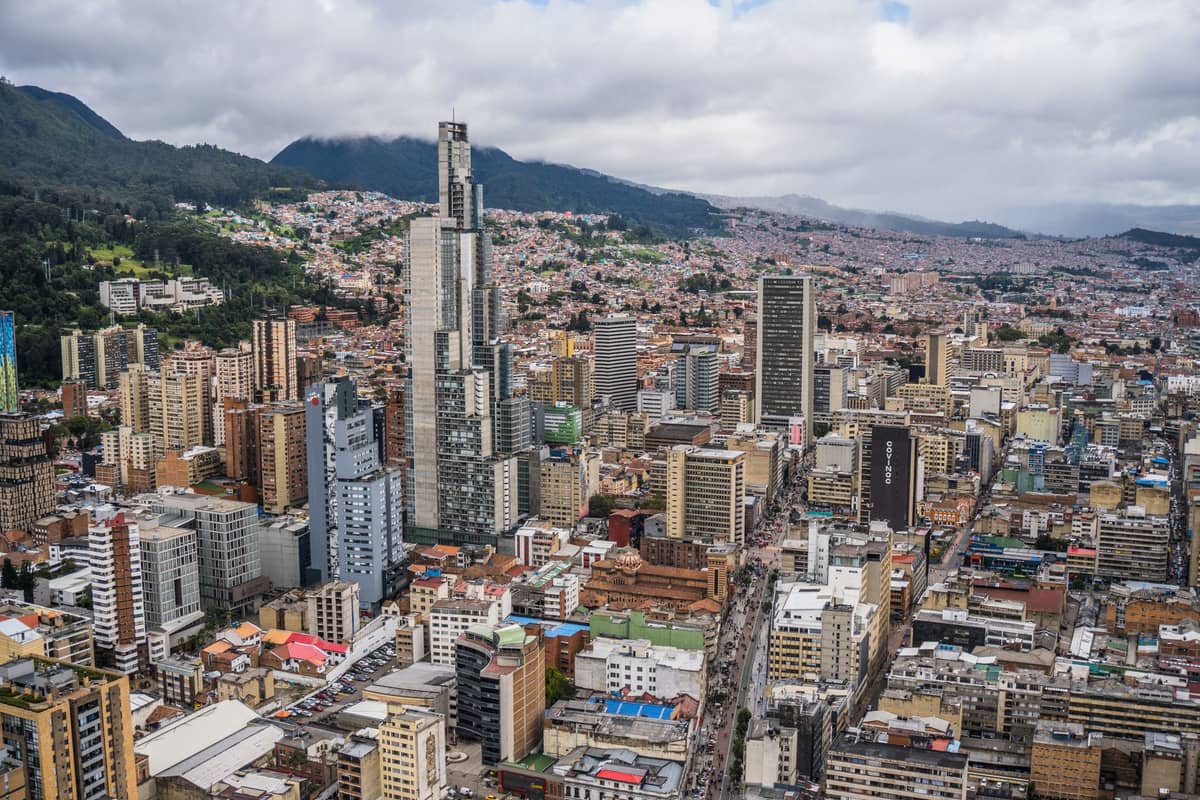
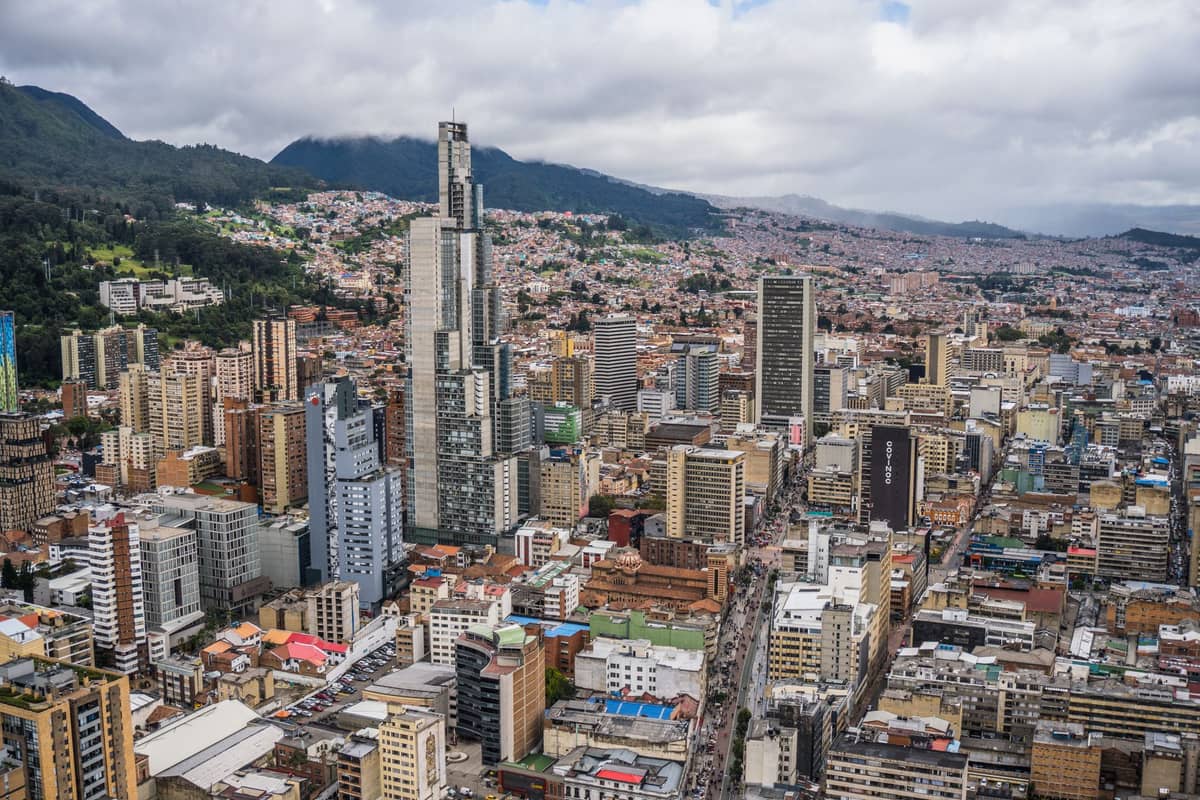
Bogotá, D.C. is Colombia's capital and home to over 8 million people — it is a major international city with real urban crime challenges, not a war zone. Travel risk aggregators currently score the city around 47 to 51 out of 100 on composite safety indices, placing it in the moderate-risk category. The U.S. State Department's Level 3 'Reconsider Travel' advisory applies to Colombia as a whole, reflecting widespread crime and terrorism with higher risk in certain departments and border areas as detailed in the advisory, rather than a blanket ban on visiting the capital. The UK FCDO and Canadian advisories echo this tone: exercise heightened caution, not avoid entirely.
To put the numbers in perspective: Bogotá's homicide rate has fluctuated between roughly 13 and 16 per 100,000 residents over the past decade, which is elevated compared to Western European capitals but lower than several other major Latin American cities. Police reports show approximately 300 robberies and assaults citywide per day. Most of those incidents cluster in specific areas and circumstances that tourists can realistically avoid. The practical answer to 'is Bogotá safe?' is: manageable with preparation, not risk-free, and very dependent on where you go and when.
ℹ️ Good to know
Travel advisories are national-level assessments. Colombia's Level 3 rating is heavily influenced by guerrilla activity, coca-producing regions, and the Venezuela border — none of which affect a standard tourist itinerary in Bogotá. Read the fine print before canceling your trip.
Bogotá Safety by Neighborhood
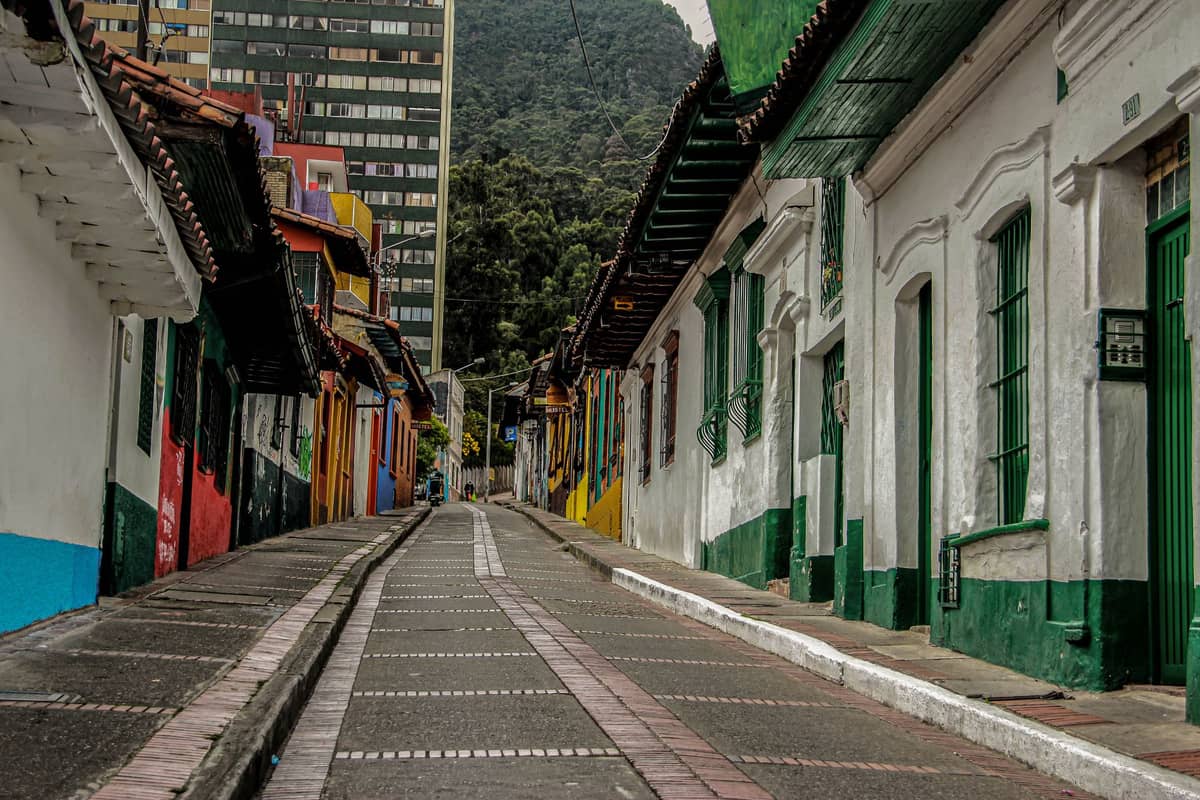
The single most important safety variable in Bogotá is location. The city is divided into historic La Candelaria in the center, upscale northern districts, and a vast, less-visited south. Tourist experiences are almost entirely concentrated in the north and center, where risk profiles are significantly lower.
- Zona Rosa / Zona T The safest zone for tourists. Well-lit streets, heavy foot traffic, restaurants, and hotels. Petty theft exists but violent incidents are rare. Still: don't flash expensive jewelry or phones.
- Usaquén Northern residential and dining district with a weekend flea market. Generally considered low-risk. Taxis ordered via app are strongly preferred over street hails, especially at night.
- La Macarena Artsy neighborhood adjacent to the eastern hills. Popular with expats and young professionals. Reasonably safe in daytime; exercise normal caution after dark.
- La Candelaria The historic center and highest-concentration tourist area. Daytime is manageable with attention. After dark and on weekends, foot traffic drops sharply and petty crime risk rises. Avoid walking alone at night here.
- Chapinero Large, mixed district. The commercial core and LGBTQ+ area around Chapinero Alto are generally fine. The lower sections toward the city center have higher crime rates.
- Southern districts (Ciudad Bolívar, Kennedy, Bosa) These areas have the highest crime rates in the city. There is no tourist infrastructure here. Visitors have no reason to go and should not do so without a local guide.
⚠️ What to skip
La Candelaria looks charming in photos — and it is, during the day. But it borders some of Bogotá's highest-crime zones. Museums and plazas close in the late afternoon; after that, tourist foot traffic disappears fast. Plan accordingly and arrange transport before sunset.
The Most Common Threats to Tourists
Street robbery is by far the most likely incident a visitor will face. It usually takes one of three forms: phone snatching (a motorcycle rider grabbing your device while you're looking at it on a sidewalk), express robbery (being forced to withdraw cash from an ATM), or opportunistic bag-grab in crowded areas. These are crimes of opportunity. Reducing your visible wealth reduces your risk substantially.
Scopolamine (also called 'devil's breath') is a real but frequently exaggerated risk. It's a drug slipped into drinks or food, causing memory loss and compliance. Most documented cases involve strangers approaching tourists with offers of company — often in nightlife settings. The practical defense is simple: don't accept drinks from people you just met, and don't go home with strangers you met at a bar. This sounds obvious but several tourist incidents every year involve exactly this scenario.
- Keep your phone in your pocket when on foot — do not walk while looking at your screen in public.
- Use in-app ride-hailing (Uber, Cabify, Didi) for all travel after dark. Never flag a taxi off the street.
- Carry a daily cash amount only — leave your main cards and passport copy at your hotel.
- Use ATMs inside banks or shopping malls, not freestanding street machines.
- Avoid wearing expensive watches, visible camera gear, or conspicuous jewelry.
- If robbed, comply and hand over valuables. The items are replaceable; escalating is not worth it.
- Emergency number in Colombia: 123. Country code: +57.
✨ Pro tip
Carry a 'sacrifice wallet' with a small amount of cash (around COP 50,000 to 100,000) and an expired card. If confronted, hand it over without hesitation. Thieves typically check quickly and leave. It sounds paranoid until it saves you.
Getting Around Bogotá Safely
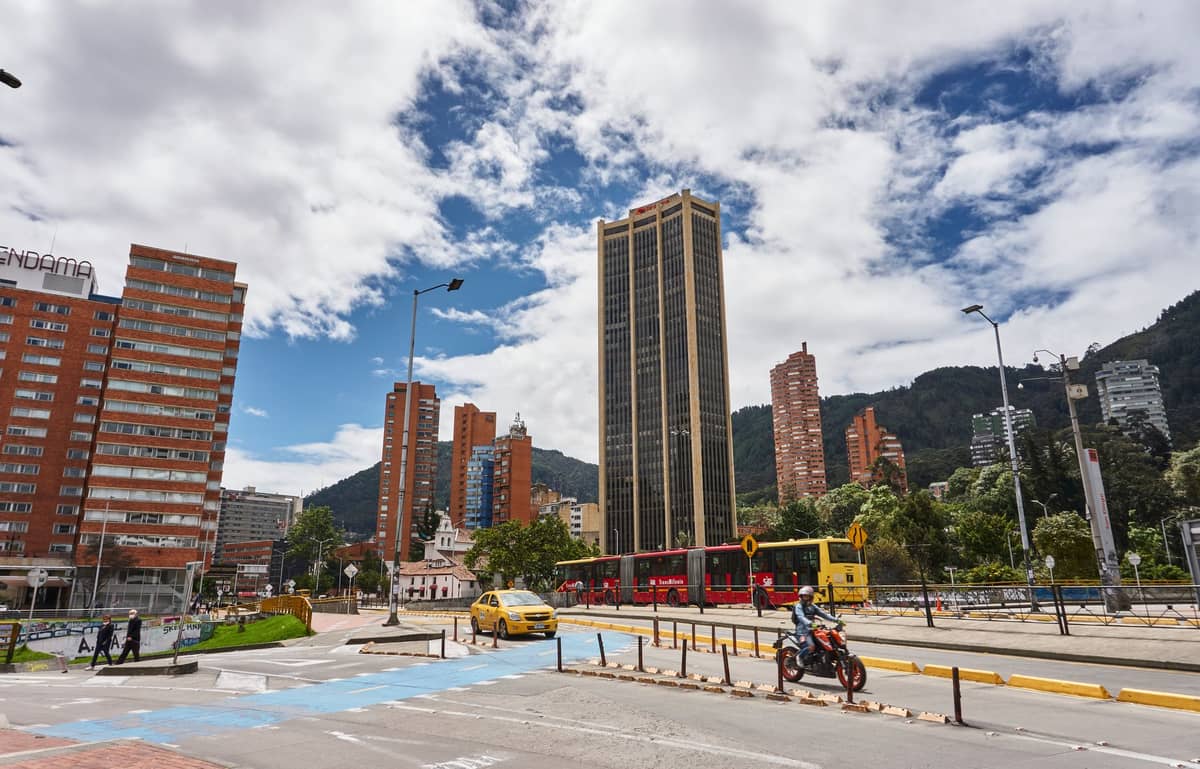
Transport choices have a direct impact on your safety in Bogotá. The city has several ways to get around, ranging from the TransMilenio BRT network to app-based ride-hailing. Each has different risk profiles.
App-based rides (Uber, Cabify, Didi) are the safest option for tourists. You see the driver's name, plate number, and rating before you get in. You have a digital record of the trip. Street taxis in Bogotá are not randomly dangerous, but the risk of 'pirate taxis' (unofficial vehicles that look like cabs) is real. Official airport taxis from El Dorado International Airport (BOG) are metered and regulated, with typical fares to central districts running around COP 30,000 to 50,000 under normal traffic. Pre-booked transfers can run COP 60,000 to 85,000. Confirm the fare structure before getting in.
TransMilenio, Bogotá's bus rapid transit backbone, is cheap and extensive — a single fare costs COP 3,550, and the feeder bus from the airport connects to the trunk network for a total airport-to-center journey under COP 5,000. It runs approximately 05:30 to 23:00. The catch: it gets extremely crowded during rush hours (07:00 to 09:00 and 17:00 to 19:30), and those conditions are prime for pickpockets. For detailed route planning, see our Bogotá airport guide.
💡 Local tip
Bogotá's Ciclovía runs every Sunday and public holiday, closing major roads to cars from 07:00 to 14:00. Over 120 km of streets become pedestrian and cycling space. This is one of the safest, most relaxed ways to explore the city — and it's free.
Altitude, Health, and Practical Logistics
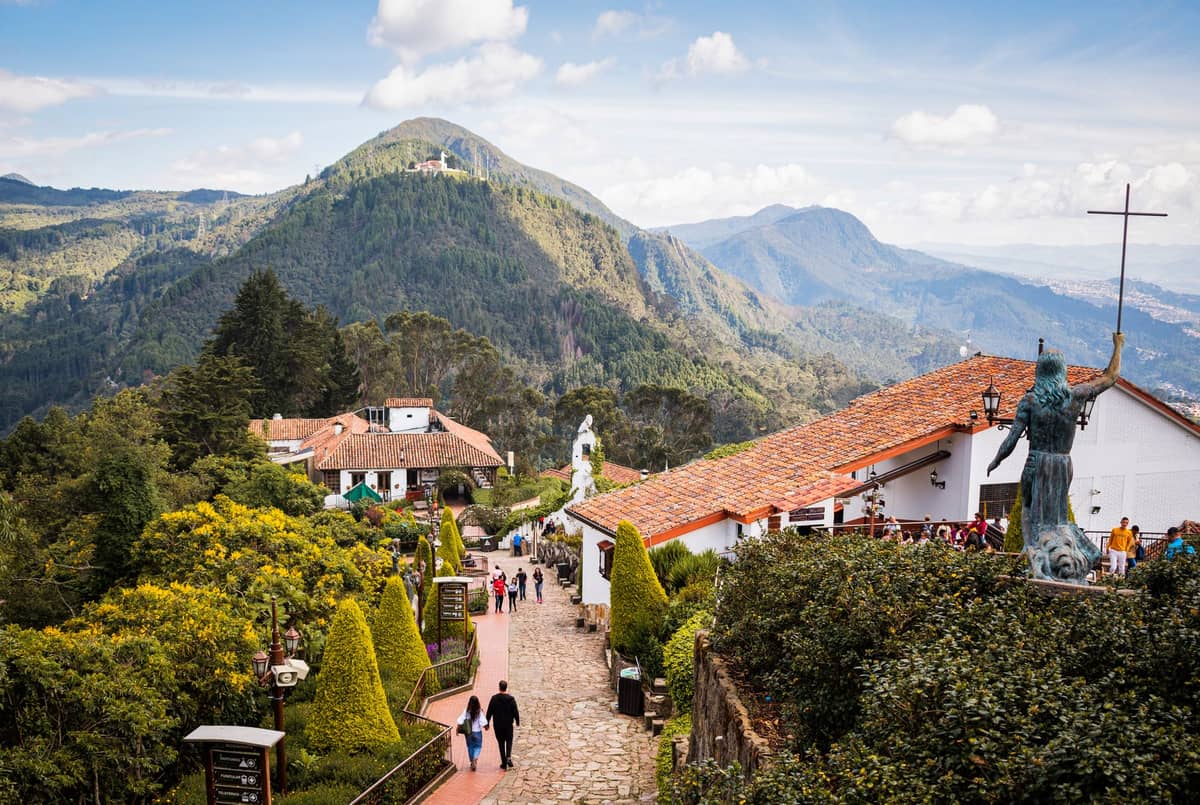
Safety in Bogotá isn't only about crime. The city sits at 2,640 meters above sea level, and altitude sickness is a real consideration for visitors arriving from sea level. Symptoms (headache, fatigue, breathlessness) typically peak in the first 24 to 48 hours. Rest on arrival, hydrate well, and avoid alcohol on day one. For a full breakdown, see the Bogotá altitude guide.
Bogotá's tap water is generally reported as safe to drink in most urban areas — this is better than many cities at comparable elevation in the region. The city runs on 110V/60Hz power with Type A and B plugs (same as the U.S.). The timezone is UTC-5 year-round (Colombia does not observe daylight saving time). The currency is the Colombian peso (COP). Carry smaller denominations; breaking large bills can be difficult at small vendors and transport kiosks.
Bogotá's weather stays mild but cool year-round — daytime highs in the high teens to low 20s Celsius, with cooler evenings. The two rainy seasons (April to May and September to November) don't spike crime but do affect visibility and make outdoor sightseeing less pleasant. Dry months (December to March and July to August) see more tourists and more street activity in tourist zones. For timing your trip, see the best time to visit Bogotá.
What Bogotá Gets Right: Context for the Safety Picture
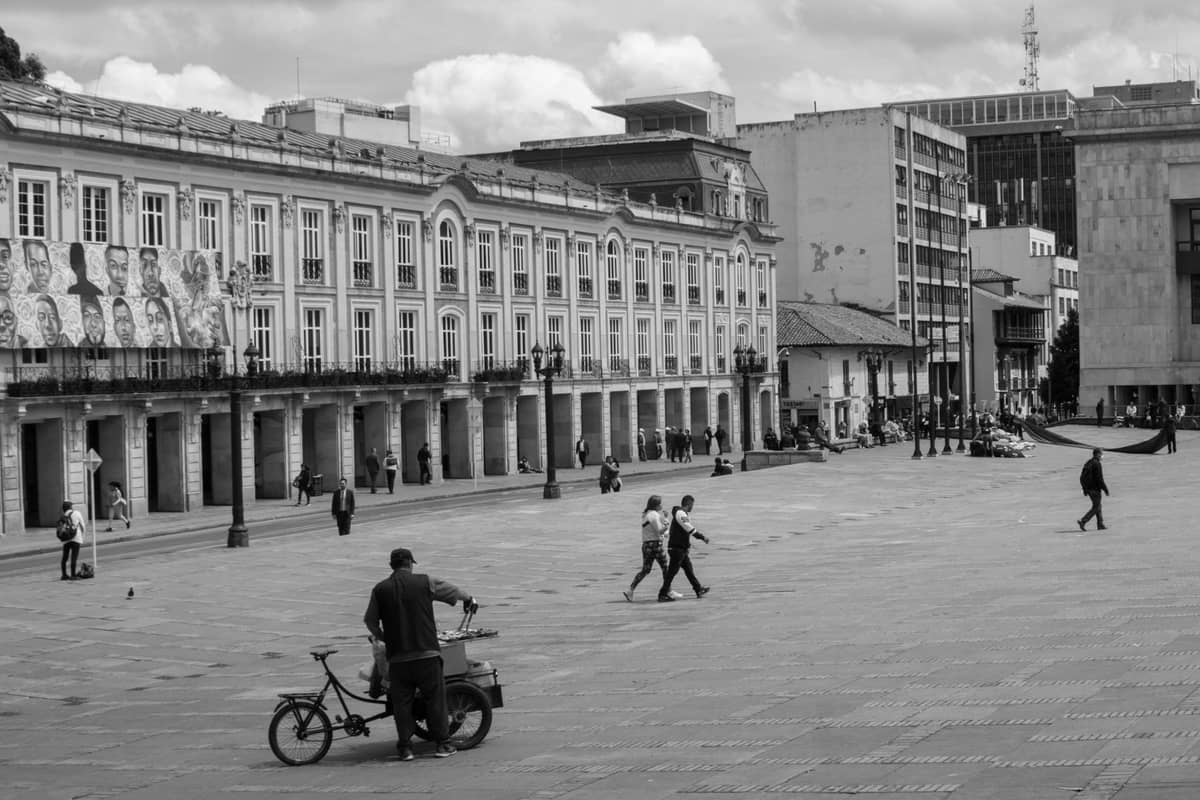
Bogotá has undergone significant investment in public spaces, policing, and tourism infrastructure over the past two decades. The Museo del Oro, Museo Botero, and the historic Plaza de Bolívar attract large numbers of domestic and international visitors daily without incident.
The city's food scene, nightlife, and cultural institutions are genuinely world-class. Hundreds of thousands of international travelers visit each year without serious incidents. The key is operating within the tourist geography — northern and central districts — and using common sense after dark. For practical itinerary planning, the 3 days in Bogotá guide routes you through the safest and most rewarding parts of the city.
FAQ
Is Bogotá safe for solo travelers?
Solo travel in Bogotá is manageable with precautions. The main risks are street theft and transport-related scams. Stick to the northern tourist districts, use app-based rides after dark, avoid displaying phones or expensive gear in public, and you'll share the same experience as the many solo travelers who visit without incident. Solo women travelers should be extra cautious at night and in less-trafficked areas of La Candelaria.
Which neighborhoods should tourists avoid in Bogotá?
Southern districts including Ciudad Bolívar, parts of Kennedy, and Bosa have the city's highest crime rates and no tourist infrastructure. Visitors have no practical reason to go there. Within tourist-adjacent areas, the lower sections of La Candelaria after dark and the area around the Terminal de Transporte (bus terminal) warrant extra caution.
Is it safe to take a taxi in Bogotá?
Official yellow taxis from El Dorado Airport are regulated and metered — these are fine. Street taxis flagged down in the city carry a risk of 'pirate' (unlicensed) vehicles. The safest approach is always to use a ride-hailing app (Uber, Cabify, or Didi), which gives you driver information and a trip record before you get in.
What is the emergency number in Bogotá, Colombia?
The general emergency number in Colombia is 123. This covers police, fire, and medical emergencies. Colombia's country dialing code is +57. Save both before you arrive.
How does Bogotá's altitude affect visitors?
Bogotá sits at 2,640 meters above sea level. Most visitors from lower elevations experience some degree of altitude adjustment — headache, fatigue, or shortness of breath — in the first one to two days. Drink plenty of water, avoid heavy alcohol on arrival, and take it easy on day one. Symptoms usually resolve within 48 hours for otherwise healthy travelers.