Best Time to Visit Bogotá: A Month-by-Month Guide
Bogotá's climate stays mild year-round thanks to its 2,640 m elevation, but the best time to visit depends on your priorities. This guide breaks down dry seasons, rainy periods, major festivals, crowd levels, and what no one tells you about Bogotá's weather.
Plan and book this trip
Tools from our partner Travelpayouts help you compare flights and hotels. If you book through them, we may earn a commission at no extra cost to you.
Flights
Hotels map
TL;DR
- The best time to visit Bogotá is December to February or July to August, when rainfall is lowest and skies are clearest.
- Bogotá has no true hot or cold season — daytime highs stay around 19–20°C all year, and cool nights (8–10°C) are constant regardless of month.
- Even in the dry season, afternoon showers are common. Pack a light waterproof layer no matter when you visit.
- March–May and October–November are the rainiest windows; outdoor day trips and hikes are more likely to be disrupted.
- The city's festival calendar is packed: Rock al Parque (June), Colombia al Parque (July), and the holiday season in December all draw large crowds.
Understanding Bogotá's Climate
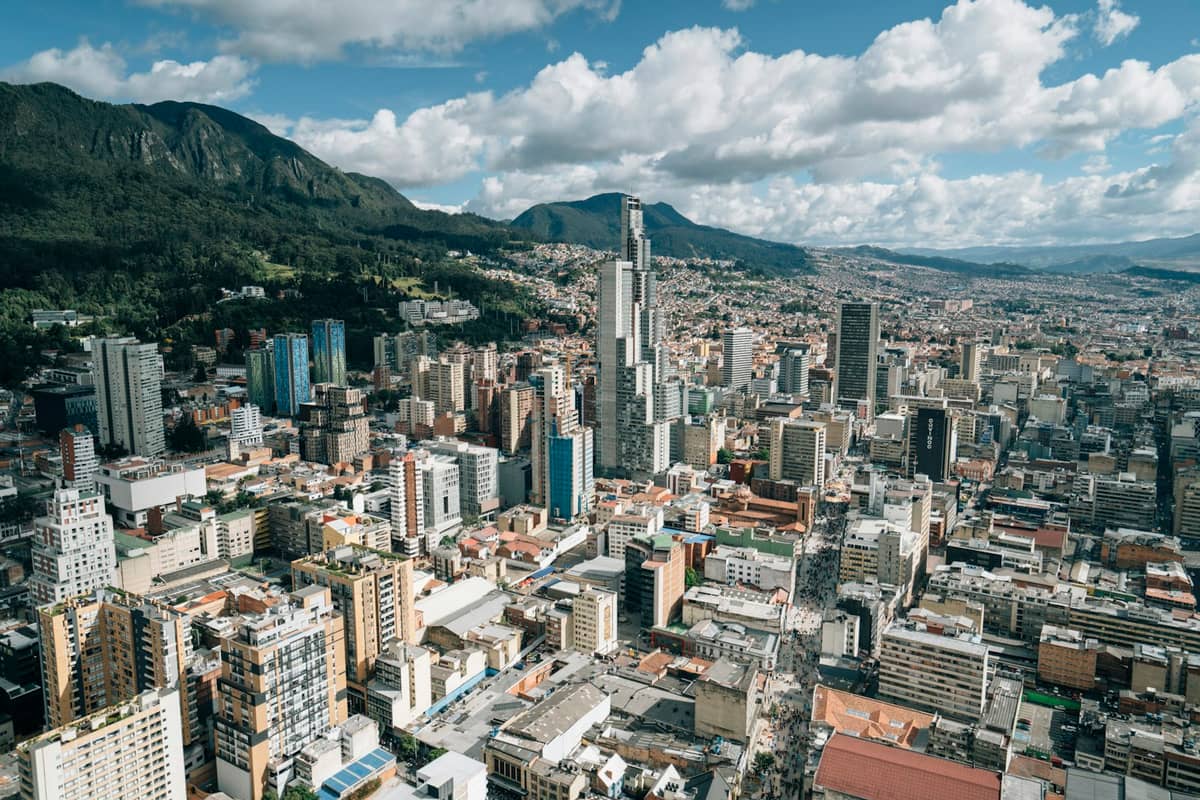
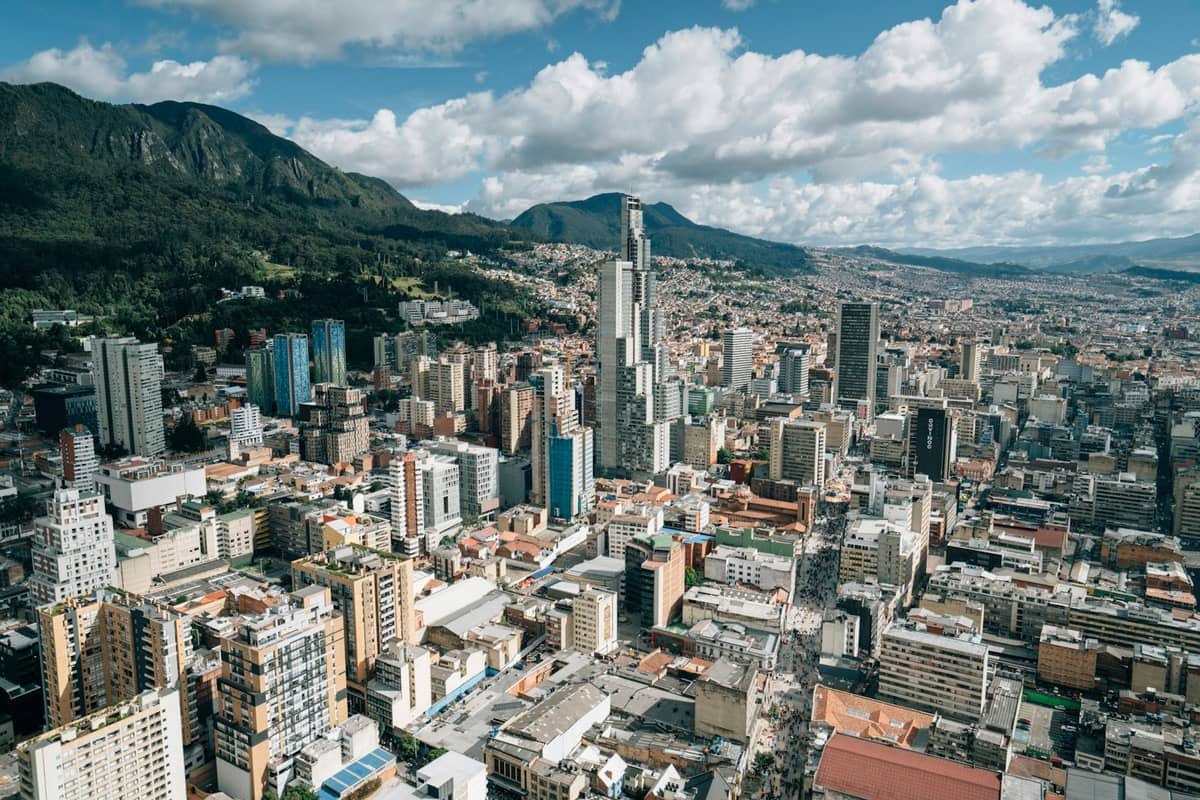
Bogotá, D.C. sits at 2,640 metres above sea level near the equator, and that combination shapes everything about its weather. Because the city is so close to the equator, the sun's angle barely changes across months, which keeps temperatures remarkably stable. What does change is rainfall. The year splits into two dry seasons and two rainy seasons, and that rhythm is the real planning framework for visitors.
Average daytime highs sit around 19–20°C throughout the year, while nights drop to roughly 8–10°C. That narrow band means you won't be sweating through a summer or bundling up for a northern winter. What changes month to month is cloud cover, rain frequency, and the number of sunny windows per day. The altitude also means the sun feels intense when it does appear, and UV levels are high even when the air feels cool.
⚠️ What to skip
Bogotá's altitude (2,640 m) affects many visitors in the first 24–48 hours. Symptoms like headaches, fatigue, and shortness of breath are common. Avoid alcohol and heavy exercise on arrival day, and hydrate well. Most people acclimatize within two days.
For a full breakdown of what to expect on the ground, the Bogotá altitude guide covers acclimatization in detail, including how it affects day trips to higher elevations like the Chingaza National Park.
Dry Seasons: January–February and July–August
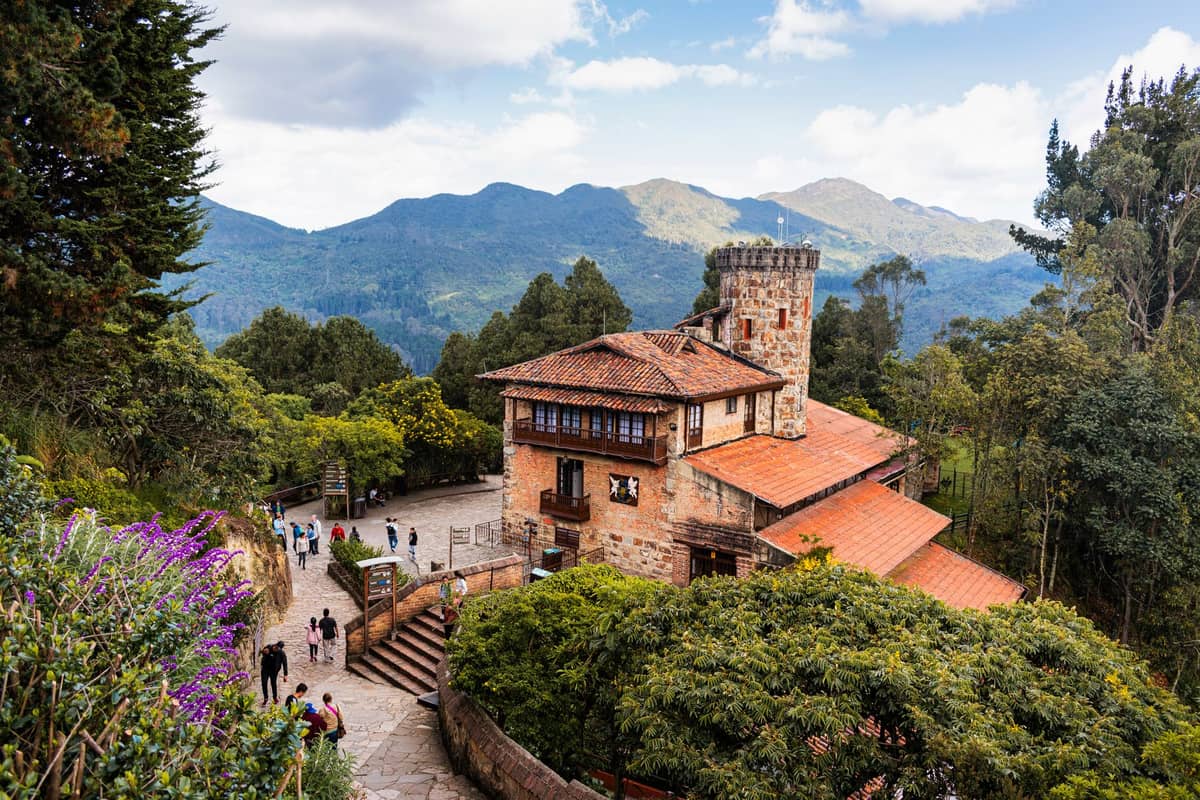
These are the two windows most travel sources agree on as the most favorable for visiting Bogotá. Rainfall is at its lowest, afternoon showers are less frequent, and the mountains east of the city are more likely to be visible rather than shrouded in cloud. That matters if you're planning outdoor activities, day trips, or visits to rooftop viewpoints.
December through early February is arguably the most popular stretch. The city fills with Christmas and New Year's celebrations, and the atmosphere around the historic center and major parks is noticeably festive. Hotel rates and demand rise from mid-December onward, particularly around Christmas week. January and early February offer most of the same weather benefits with fewer crowds and better prices.
July and August are the secondary dry window, and in some respects they're more practical for travelers focused on weather. Fewer major holidays mean accommodation is easier to find, and the festival calendar is active without being overwhelming. The Festival de Verano runs in August, and Colombia al Parque takes place in July, giving you cultural programming alongside the better weather.
✨ Pro tip
If you want the clearest weather and the thinnest crowds together, target late January or the first two weeks of August. Both periods land in dry season without the holiday surges that drive up prices and fill tourist sites.
Rainy Seasons: April–May and October–November

The two main wetter periods are roughly March through June and September through November, with the heaviest rainfall typically in April and October. Rain in Bogotá tends to arrive as afternoon or evening showers rather than all-day downpours, which means mornings are often workable for sightseeing. The issue is unpredictability: you can have a perfectly clear morning that turns into a heavy downpour by 2 pm.
For outdoor day trips, the rainy season introduces real risk. Routes to Cascada La Chorrera or the Laguna de Guatavita can become muddy and difficult, and low cloud frequently obscures the views that make these trips worthwhile. The Cerro de Monserrate walk is manageable in light rain but miserable in heavy mist.
That said, rainy season is not a reason to avoid Bogotá entirely. Museums, galleries, markets, and restaurants are unaffected. Hotel rates are often lower, and the city is less crowded with international tourists. If your itinerary is weighted toward indoor culture rather than outdoor exploration, visiting in October or November costs less and feels more local.
💡 Local tip
During the rainy season, schedule outdoor activities and day trips for mornings and save museums, markets, and neighborhoods like La Candelaria for the afternoon when rain is more likely. This simple adjustment makes a rainy-season trip far more enjoyable.
Bogotá's Festival and Events Calendar
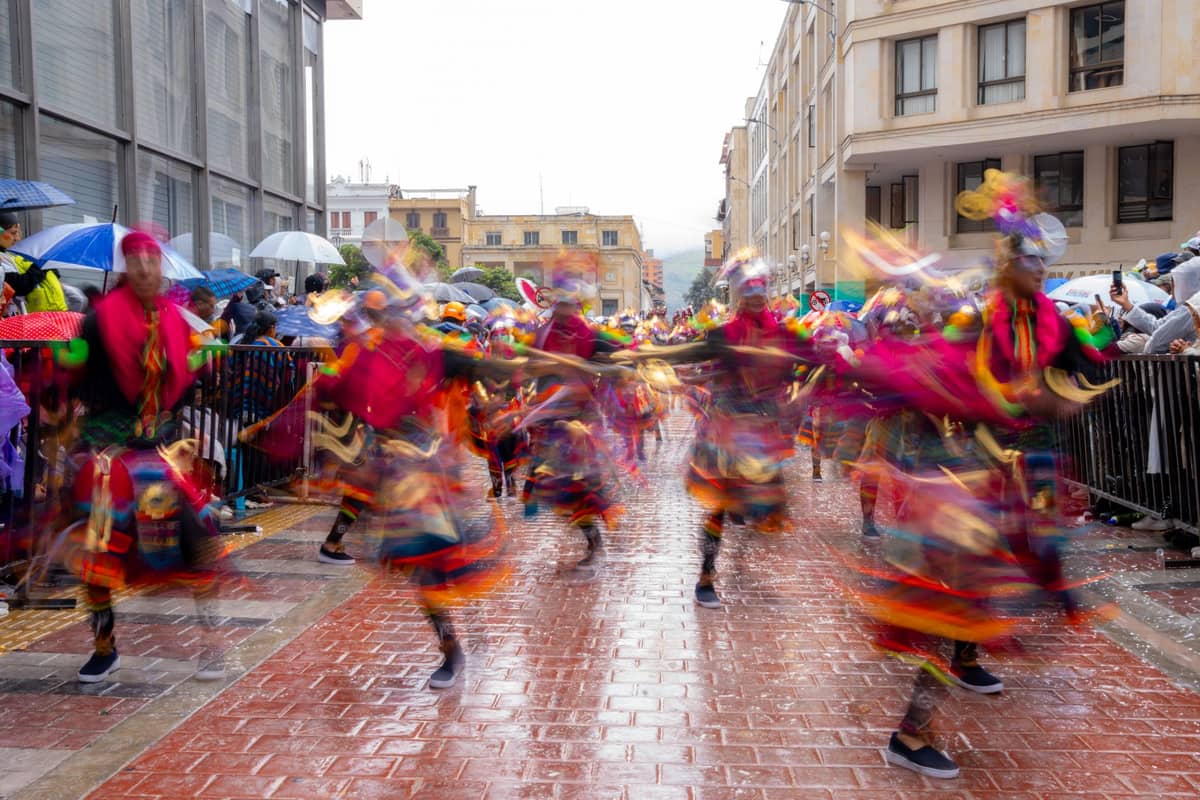
Bogotá runs a serious cultural program throughout the year, organized partly through the city government's Agenda Cultural. Many events are free, held in public parks, and draw enormous local crowds. Aligning your visit with the right event can make the trip memorable; arriving during the wrong one (if you dislike crowds or noise) can be a surprise.
- Feria del Libro (late April) One of Latin America's largest book fairs, held at Corferias. Strong cultural draw, but the surrounding streets and hotels fill quickly. International in scope with authors, panels, and publishers from across the region.
- Rock al Parque (June) Free outdoor rock festival held at Parque Simón Bolívar. One of the biggest free music events in Latin America, drawing hundreds of thousands of attendees. Accommodation in the city fills up; book well in advance.
- Colombia al Parque (July) Celebration of traditional Colombian music and culture, also held in public parks. Lower-key than Rock al Parque but popular with locals and a good window into regional music beyond vallenato.
- Festival de Verano / Festival de Teatro y Circo (August) A series of summer events including theater, circus, and outdoor performances across the city. Runs alongside better weather, making this one of the more enjoyable months to visit overall.
- Jazz al Parque and Salsa al Parque (September–October) Free outdoor festivals focused on jazz and salsa respectively. Both fall in the wetter part of the year, but the events themselves are worth planning around if you're interested in live music.
- Navidad / Christmas Season (December) Bogotá's public Christmas light displays are elaborate and widely celebrated. The city decorates parks, streets, and plazas from early December. A genuinely impressive time to visit if you can handle the crowds and higher hotel prices.
For a fuller picture of what December specifically offers, the Bogotá in December guide covers the lights, crowd patterns, and logistics in detail.
Month-by-Month Summary
- December–February: Best overall Driest months, most reliable sunshine. December has Christmas crowds and premium prices; January–February are quieter and often better value. Ideal for outdoor activities and day trips.
- March: Transitional Rains start increasing toward April. Still a solid month, especially early March. The Feria del Libro in late April creates demand that spills into late March planning.
- April–May: Rainiest period Frequent afternoon showers, lower tourist numbers, cheaper rates. Good for museum-focused trips; less suitable for outdoor day trips or hiking.
- June: Improving Rainfall eases. Rock al Parque dominates the cultural calendar. Crowds build toward the festival dates.
- July–August: Second-best window Second dry season. Colombia al Parque and Festival de Verano add programming. Good weather without the December holiday premiums. Recommended for travelers who want events and weather together.
- September–November: Second rainy season Wetter, cooler-feeling, less busy. Jazz and Salsa al Parque are highlights. Good for budget travelers comfortable with indoor-weighted itineraries.
What Most Guides Get Wrong About Bogotá's Weather
The most persistent misconception is that Bogotá has a summer and winter like European or North American cities. It doesn't. The temperature barely shifts across months. What travelers actually experience as 'bad weather' in Bogotá is low cloud and rain, not cold temperatures in a meaningful sense. Packing a heavy winter coat is unnecessary; what you need is a good waterproof layer and clothing you can layer.
The second misconception: 'dry season' implies no rain. Even in December and January, Bogotá can have several rainy days in a row. The probability of sunshine is higher, but it's not guaranteed. Travelers who arrive in January expecting Mediterranean-style clear skies can be disappointed. The city's microclimate is variable, and the mountains that border the east side of the city create localized weather patterns that forecasts often miss.
A third point worth flagging: Bogotá's altitude means the UV index is high even on overcast days. Sunscreen is useful year-round, not just when it's sunny. The Bogotá weather and climate guide goes deeper on what to expect across all twelve months.
Practical Planning Tips
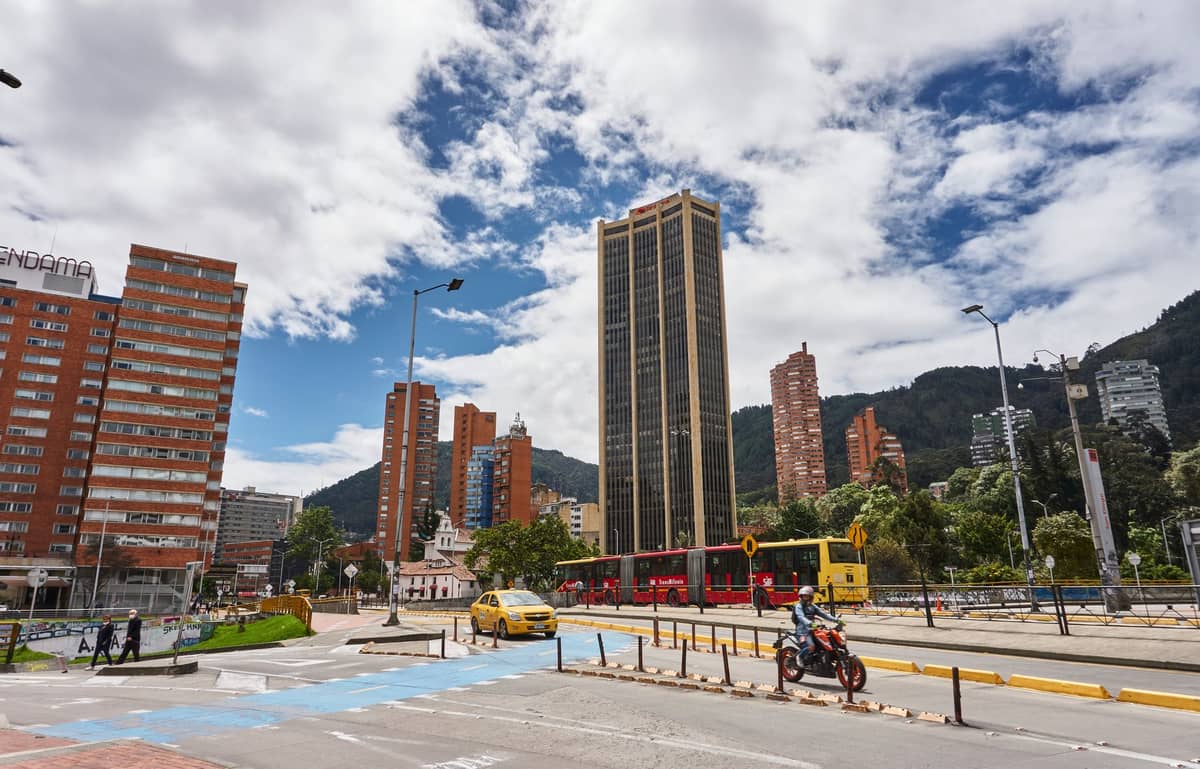
Whatever month you visit, your itinerary will benefit from knowing how to get around efficiently. Getting around Bogotá covers TransMilenio, ride-hailing apps (Uber, Cabify, and Didi all operate here), and how to navigate between neighborhoods like La Candelaria and Usaquén.
If you're arriving at El Dorado International Airport (BOG), verify current transfer options before you travel — taxi fares, app-based ride pricing, and TransMilenio feeder connections all shift. The Bogotá airport guide covers arrival logistics in full.
- Always carry a light waterproof jacket or packable rain shell, regardless of month — Bogotá's afternoon showers arrive fast.
- Dress in layers: mornings can feel brisk (8–10°C), midday warms noticeably, and evenings cool again quickly.
- Book accommodation further in advance for December (Christmas season), Rock al Parque (June), and the Feria del Libro (late April) — these windows push hotel demand city-wide.
- For outdoor day trips (Chingaza, La Chorrera, Guatavita), check the forecast the morning of your trip rather than relying on weekly outlooks — conditions change quickly.
- If budget matters, April–May and October–November typically offer the lowest hotel rates and airfares into BOG.
Planning your first visit? The 3 days in Bogotá itinerary offers a structured approach to the city's key attractions, useful for any season.
FAQ
What is the best month to visit Bogotá?
January and February are generally the best individual months: they fall squarely in the dry season with lower rainfall and more reliable sunshine, but without the December holiday crowds and premium hotel prices. August is the best alternative if you want good weather plus an active festival calendar.
What is the weather like in Bogotá?
Bogotá has a subtropical highland climate with little temperature variation year-round. Daytime highs average 19–20°C and nights drop to around 8–10°C in most months. The main variable is rainfall, which is higher in April–May and October–November and lower in December–February and July–August. Expect cloud and occasional showers in any month.
Does Bogotá have a rainy season?
Yes, two of them: roughly March–June and September–November. April tends to be the wettest individual month. Rain typically arrives as afternoon showers rather than all-day events, so morning sightseeing is usually manageable. Outdoor day trips and hiking routes are more difficult during these windows.
Is Bogotá cold because of the altitude?
Not cold in the northern-hemisphere winter sense, but notably cool. Bogotá sits at 2,640 metres above sea level, which keeps temperatures mild rather than warm. Nights regularly fall to 8–10°C, and even midday temperatures rarely exceed 20°C. Layered clothing is essential; a heavy winter coat is not. The altitude can cause acclimatization symptoms in the first day or two.
When are flights and hotels cheapest for Bogotá?
The rainy seasons (April–May and October–November) typically offer the lowest accommodation rates and less competition for flights into El Dorado International Airport (BOG). Prices rise noticeably in December for the Christmas season and around major festival dates like Rock al Parque in June. January and February are a good balance: dry season weather at post-holiday prices.