Bogotá Altitude: How to Handle the High Elevation
At 2,640 metres above sea level, Bogotá is one of the highest capital cities in the world. This guide covers everything you need to know: altitude sickness symptoms, prevention strategies, UV risks, seasonal weather patterns, and practical tips for arriving healthy and staying comfortable.
Plan and book this trip
Tools from our partner Travelpayouts help you compare flights and hotels. If you book through them, we may earn a commission at no extra cost to you.
Flights
Hotels map
TL;DR
- Bogotá sits at 2,640 m (8,660 ft) above sea level, high enough to cause genuine altitude sickness in around 25–30% of arriving visitors.
- Symptoms typically begin 6–24 hours after arrival and include headache, fatigue, nausea, and shortness of breath. Most people feel significantly better by day 3–4.
- Key prevention: drink plenty of water, skip alcohol for the first 24 hours, eat light meals, and avoid heavy exercise on arrival day.
- Bogotá's UV index regularly exceeds 10, even on overcast days. Sunscreen and sunglasses are non-negotiable. See the Bogotá weather and climate guide for full seasonal details.
- If symptoms are severe (intense headache, persistent vomiting, worsening breathlessness), seek medical attention immediately rather than waiting it out.
How High Is Bogotá, Exactly?
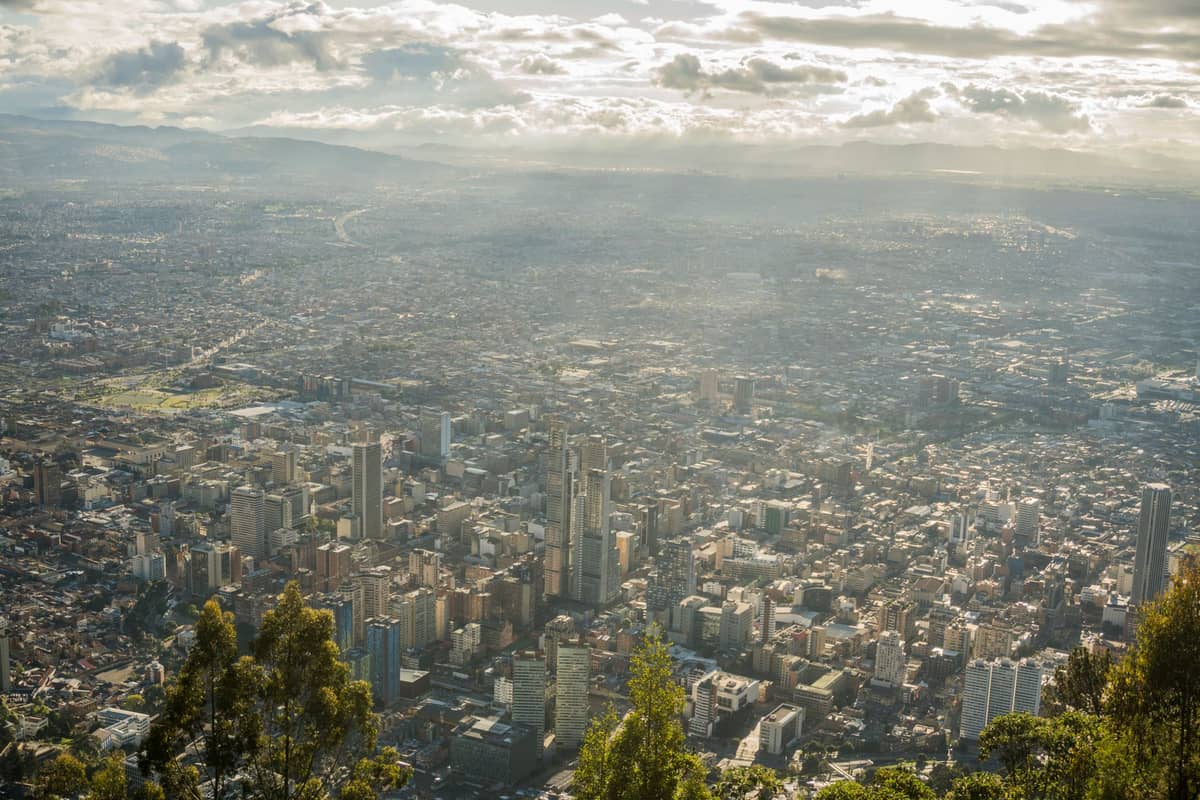
Bogotá, officially Bogotá, D.C. (Distrito Capital), sits at 2,640 metres (8,660 feet) above sea level on the Sabana de Bogotá, a high plateau in the eastern Andes range. That puts it among the highest major cities on the planet, slightly lower than cities like Quito (2,850 m) and well below more extreme elevations such as La Paz or Lhasa. The comparison matters because 2,640 m is a genuine altitude threshold: well within the range where unacclimatized visitors regularly experience symptoms, yet low enough that healthy adults can typically adapt within a few days without medication.
The city's elevation is not uniform. The terrain rises toward the Cerros Orientales (Eastern Hills) that frame Bogotá's eastern edge, meaning some areas sit higher than the city's official average. If you visit Cerro de Monserrate at 3,152 m, you are climbing roughly 500 m above Bogotá's base, and the thinner air there will be noticeably more demanding, especially if you attempt the hiking trail rather than the gondola or funicular.
ℹ️ Good to know
Bogotá's altitude is 2,640 m (8,660 ft). For context, Denver, Colorado is often called the 'Mile High City' at 1,609 m. Bogotá is more than 1,000 metres higher than Denver.
Altitude Sickness in Bogotá: What to Expect
Roughly 25–30% of visitors to Bogotá experience noticeable altitude-related symptoms, which health sources refer to as Acute Mountain Sickness (AMS). This is not a sign of poor fitness or weakness. AMS can affect endurance athletes as easily as sedentary travellers. The determining factor is how quickly you ascend from a lower elevation, and most visitors arrive by plane, which means going from near sea level to 2,640 m in a matter of hours.
Symptoms typically do not appear immediately on landing. Most travellers feel fine for the first few hours, then notice the onset of effects 6–24 hours after arrival, with symptoms often peaking around the second day. Common mild AMS symptoms at Bogotá's altitude include: persistent headache (usually described as a dull pressure across the forehead), fatigue disproportionate to activity, dizziness when standing quickly, shortness of breath on mild exertion like climbing stairs, mild nausea, and disturbed sleep. The good news: for the majority of visitors, these symptoms often ease within 48–72 hours as breathing and circulation adjust; meaningful red-blood-cell increases take longer.
- Mild AMS (most common) Headache, fatigue, light nausea, breathlessness on stairs. Typically resolves by day 3–4 without treatment.
- Moderate AMS (less common) Severe headache not relieved by paracetamol, persistent vomiting, significant dizziness. Requires rest and possibly medication.
- Severe AMS (rare at this altitude) Confusion, inability to walk straight, worsening breathlessness at rest. Requires immediate medical attention and descent if possible.
⚠️ What to skip
Do not dismiss day-two symptoms as a cold or food poisoning. Altitude sickness symptoms often peak on the second day when travellers feel they should already be adapting. If a headache is worsening rather than improving after 48 hours, or if you develop difficulty breathing at rest, consult a doctor. Colombia's emergency number is 123.
How to Prevent and Manage Altitude Sickness
Prevention is significantly more effective than treatment. The strategies below are based on widely cited altitude medicine guidance and apply specifically to the 2,640 m elevation of Bogotá.
- Hydrate generously on arrival day: aim for around 3 litres of water. The dry air at altitude accelerates dehydration.
- Skip alcohol for the first 24 hours, ideally 48. Alcohol accelerates fluid loss and disrupts the acclimatisation process.
- Eat light meals on arrival: heavy, rich food stresses your system when it is already working harder to oxygenate your blood.
- Avoid strenuous physical activity for at least 24 hours. Walking around at a normal pace is fine. Running, cycling uphill, and aggressive sightseeing schedules are not.
- Sleep helps: let your body recover overnight. If you sleep poorly due to mild breathlessness, sleep is still better than none.
- Coca tea (té de coca) is available across Colombia and is a traditional Andean remedy for altitude discomfort. Evidence is mixed on its efficacy, but it is widely consumed and may provide mild relief.
- Acetazolamide (Diamox) is a prescription medication that speeds acclimatisation and helps prevent AMS. Consult a travel medicine doctor before your trip if you have a history of altitude sensitivity.
If your itinerary includes day trips that go even higher than Bogotá, like the salt cathedral in Zipaquirá or high-altitude trails in Chingaza, plan those for days 3–4 onwards when you have partially acclimatised. Check the Parque Nacional Natural Chingaza guide for elevation details before booking, as parts of the park exceed 3,500 m.
✨ Pro tip
If you are arriving from a lower-altitude Colombian city like Cartagena or Santa Marta, consider spending a night in Medellín (around 1,500 m) before flying to Bogotá. This staged ascent gives your body a partial step-up and can reduce AMS risk noticeably.
The UV Problem Nobody Warns You About
Altitude sickness gets most of the attention, but Bogotá's UV radiation is a separate and frequently underestimated hazard. The city sits near the equator at roughly 4°N latitude, which already produces intense solar radiation year-round. Add 2,640 m of altitude, where thinner atmosphere filters significantly less UV, and you get UV index readings that regularly exceed 10 on a scale where 8 is classified as 'Very High' and 11+ is 'Extreme'. On clear days during the dry season, readings of 12–14 are not unusual.
The trap here is temperature. Bogotá's altitude keeps afternoon highs around 18–20°C (mid-60s°F), which feels cool by tropical standards. Visitors from warmer climates often associate sun protection with heat, so a cool, partly cloudy afternoon in Bogotá feels like low-sunburn risk. It is not. UV penetrates cloud cover substantially, and the cooler air means you do not feel yourself burning until the damage is done. SPF 50 sunscreen, UV-blocking sunglasses, and a hat are relevant every day in Bogotá, not just on beach holidays.
Bogotá's Climate and How Altitude Shapes It
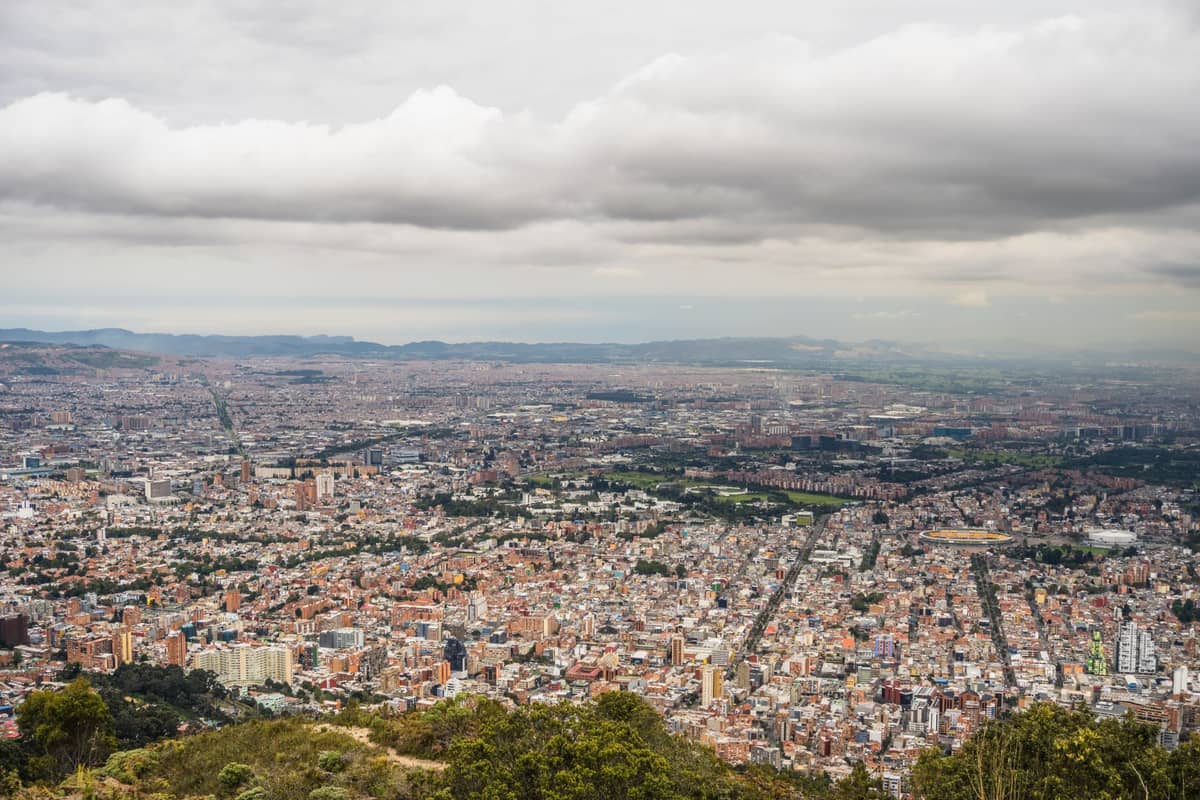
Bogotá's climate is classified as subtropical highland, which means the altitude, not the seasons, controls the temperature. Unlike cities at lower elevations where summer and winter bring significant temperature swings, Bogotá experiences roughly the same temperatures throughout the year. What changes is rainfall. The city has two main rainy seasons (March–May and September–November) and two relatively drier periods (December–February and June–August). For practical trip planning, the best time to visit Bogotá is generally December–February or July–August, when drier skies make outdoor activities and day trips far more predictable.
What this means practically: pack layers regardless of when you visit. Mornings often start cold (around 7–9°C), afternoons can warm to 18–20°C in the sun, then temperatures drop again after sunset. Bogotanos layer constantly throughout the day, and visiting without a jacket or fleece is a common tourist mistake. Rain can arrive quickly at any time of day during the wet seasons, so a compact waterproof layer is also worth carrying in your bag.
- Morning temperatures: 7–10°C (45–50°F) — a fleece or light jacket is needed.
- Afternoon highs: 17–20°C (63–68°F) on a clear day in the dry season.
- Evening drop: temperatures can fall back to 10–12°C by nightfall.
- Rain: afternoon showers are most common during wet seasons; carry a packable rain jacket.
- UV: high year-round. SPF 50 sunscreen is a daily essential, not an optional extra.
Bogotá's altitude also affects physical activity differently than you might expect. The city is enormous, covering 1,587 km², and its famous Ciclovía cycling route draws hundreds of thousands of participants every Sunday. If you plan to join, or do any significant walking or cycling, budget extra time and do not be surprised if your cardiovascular performance is noticeably lower than at home. Most visitors adapt within 3–5 days.
Altitude at Bogotá's Major Attractions
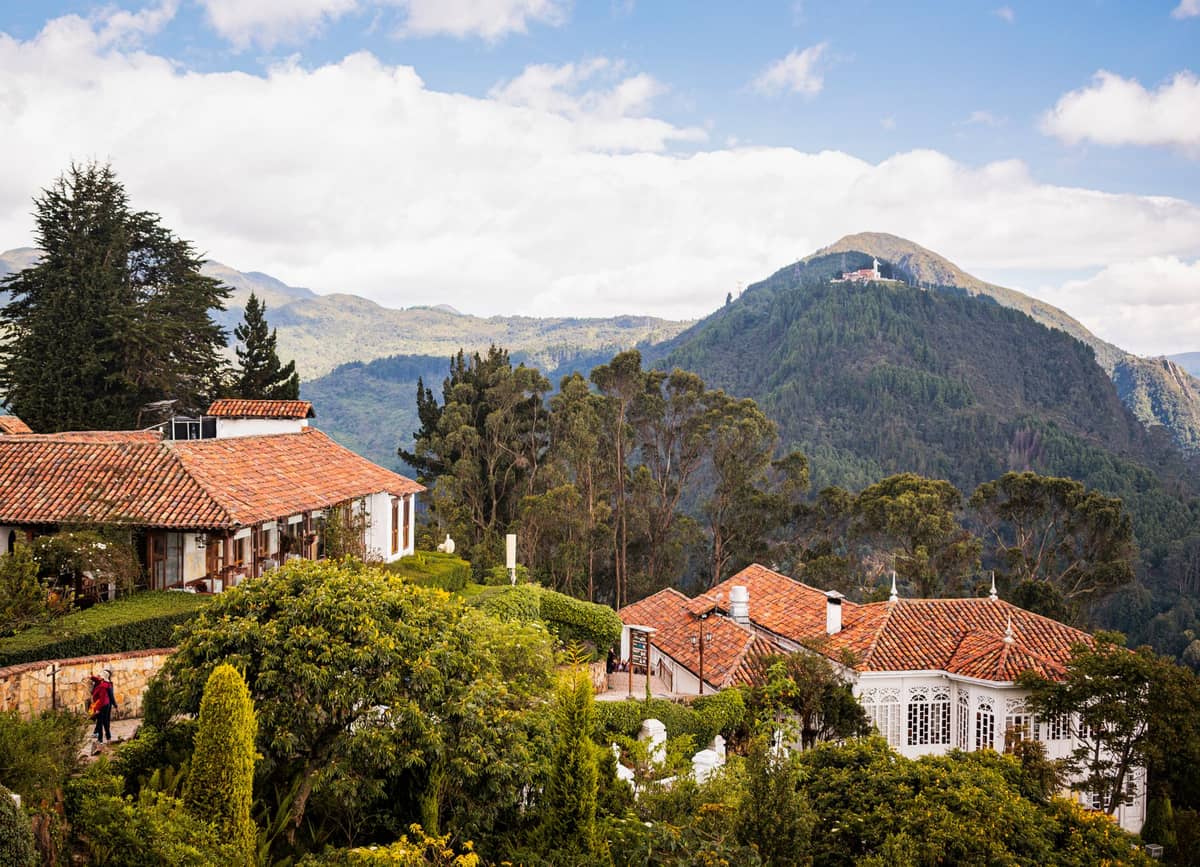
Most of Bogotá's main sightseeing areas sit at the city's base altitude of around 2,600–2,650 m. The historic centre of La Candelaria, the Museo del Oro, and the northern districts like Usaquén are all at roughly the same elevation. The meaningful altitude jump happens when you venture up into the hills.
Cerro de Monserrate is the most visited high-elevation site, topping out at 3,152 m. The hiking trail to the summit is steep and demanding even for acclimatised visitors. The cable car and funicular cover the same route with no physical effort and are the sensible choice during your first few days in the city. The Catedral de Sal de Zipaquirá, a popular day trip about 49 km north of Bogotá, sits at around 2,600 m, comparable to the city itself, so it does not add altitude stress.
💡 Local tip
Take the cable car or funicular up Monserrate for your first visit, especially within the first three days of arrival. The hiking trail gains around 500 m of elevation on top of Bogotá's base altitude and will feel significantly harder than an equivalent climb at sea level. Save the hike for after you have acclimatised.
Practical Health Checklist Before You Arrive
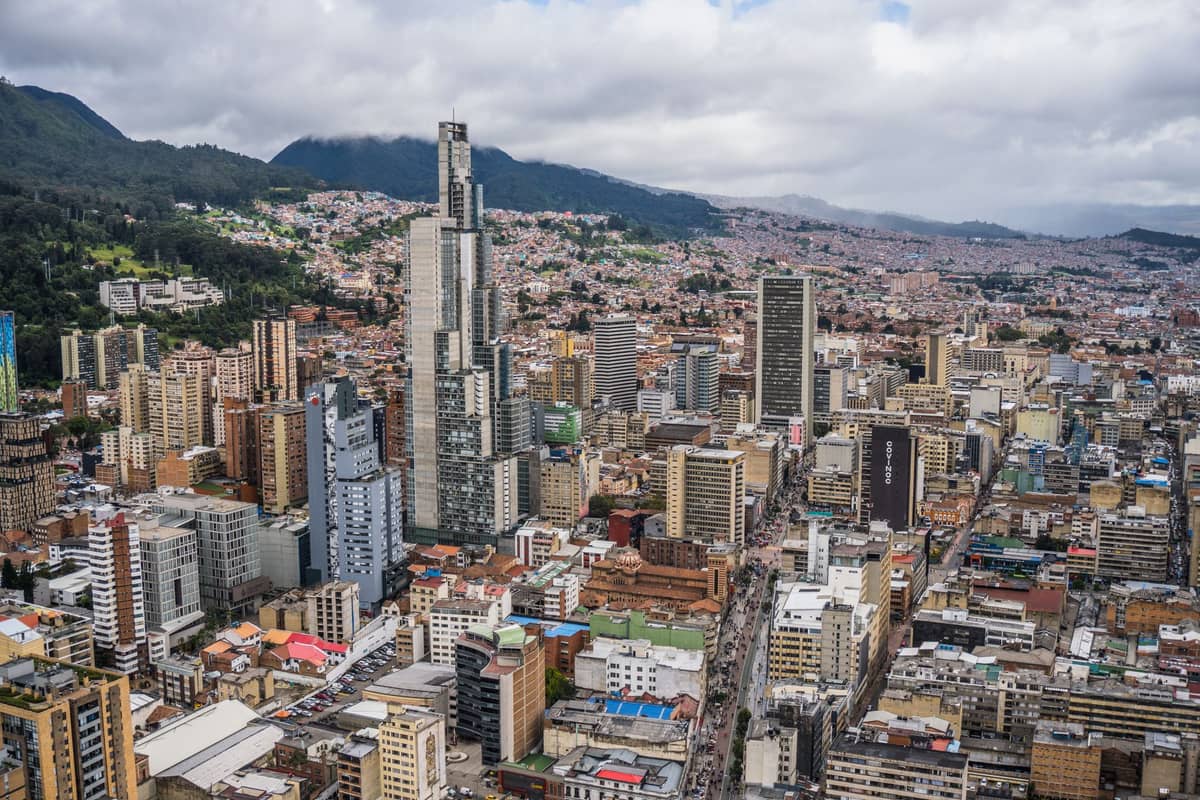
A little preparation before you land at El Dorado International Airport (BOG) goes a long way. The airport itself sits at roughly the same elevation as the city, so you are already at altitude the moment your plane lands.
- Consult a travel medicine doctor if you have cardiovascular or respiratory conditions, or a history of altitude sensitivity, before booking your trip.
- Bring paracetamol (acetaminophen) or ibuprofen for headaches. These are the first-line treatment for mild AMS symptoms.
- Pack sunscreen SPF 50 and UV-blocking sunglasses. These are harder to find in the right specs once you arrive.
- Carry a reusable water bottle. Staying hydrated at altitude is more important than at sea level.
- Do not schedule demanding hikes or physical activities for your first 1–2 days. Build in a low-key arrival day.
- Travel insurance that covers altitude-related medical treatment is worth having. Standard travel policies often cover this, but verify before you go.
For broader preparation, the Bogotá safety tips guide covers health resources, emergency contacts, and practical city-specific advice. Colombia's emergency number is 123, and Bogotá has several private hospitals and clinics with English-speaking staff in the northern districts near Zona Rosa and Chapinero.
FAQ
What is Bogotá's altitude in feet and metres?
Bogotá sits at 2,640 metres (8,660 feet) above sea level. This is the official elevation for the city's core. The Cerros Orientales (Eastern Hills) that border the city rise significantly higher, and Cerro de Monserrate reaches 3,152 metres (10,341 feet).
Will I get altitude sickness in Bogotá?
Possibly. Around 25–30% of visitors to Bogotá experience some altitude-related symptoms, most commonly headache, fatigue, and shortness of breath. Symptoms typically begin 6–24 hours after arrival and usually improve by day 3–4. Healthy adults without pre-existing cardiovascular or respiratory conditions generally acclimatise without medical intervention.
How can I prevent altitude sickness in Bogotá?
The most effective steps are: drink plenty of water (3+ litres on arrival day), avoid alcohol for the first 24–48 hours, eat light meals, and skip strenuous physical activity for your first day. If you have a history of altitude sensitivity, consult a travel medicine doctor about acetazolamide (Diamox) before your trip.
Is Bogotá's weather cold because of the altitude?
Bogotá's altitude keeps temperatures mild rather than warm. Afternoon highs average around 17–20°C (63–68°F), while mornings and evenings can drop to 7–10°C (45–50°F). The city does not have strong hot and cold seasons; instead, rainfall patterns define its two wet seasons (March–May and September–November) and two drier periods (December–February and June–August).
Is the UV radiation really a problem in Bogotá?
Yes, and it is consistently underestimated by visitors. Bogotá's combination of equatorial latitude and high altitude produces UV index readings that regularly exceed 10, classified as 'Very High' to 'Extreme'. The cool temperatures create a false sense of safety. Apply SPF 50 sunscreen and wear UV-blocking sunglasses every day, regardless of cloud cover.