Shopping in Bogotá: Best Markets, Malls & Souvenirs Guide
Bogotá, D.C. offers one of South America's most varied shopping landscapes, from pre-dawn flower markets and weekend craft fairs to polished upscale malls. This guide covers where to shop, what to buy, what things cost, and how to avoid the common mistakes that waste both time and money.
Plan and book this trip
Tools from our partner Travelpayouts help you compare flights and hotels. If you book through them, we may earn a commission at no extra cost to you.
Flights
Hotels map
TL;DR
- Shopping in Bogotá ranges from the Paloquemao wholesale market (open from 04:30, closes by early afternoon) to the Usaquén Flea Market (weekends and holiday Mondays only) to premium malls like Centro Andino in Chapinero.
- For authentic Colombian souvenirs, handmade crafts, emeralds, leather goods, and specialty coffee, stick to local markets and artisan shops rather than airport kiosks — prices are significantly lower and quality is more consistent.
- Paloquemao Market is best before 10:00 for the widest selection of flowers and produce; going after noon means half the stalls are already packing up.
- The Usaquén Flea Market is not a daily event — it runs on weekends and holiday Mondays. Pair it with lunch in Usaquén to make the trip worthwhile.
- Cash in Colombian pesos (COP) is useful at markets; card payment is widely accepted in malls. Always carry smaller bills for stalls — vendors rarely have change for large denominations.
Understanding Bogotá's Shopping Geography
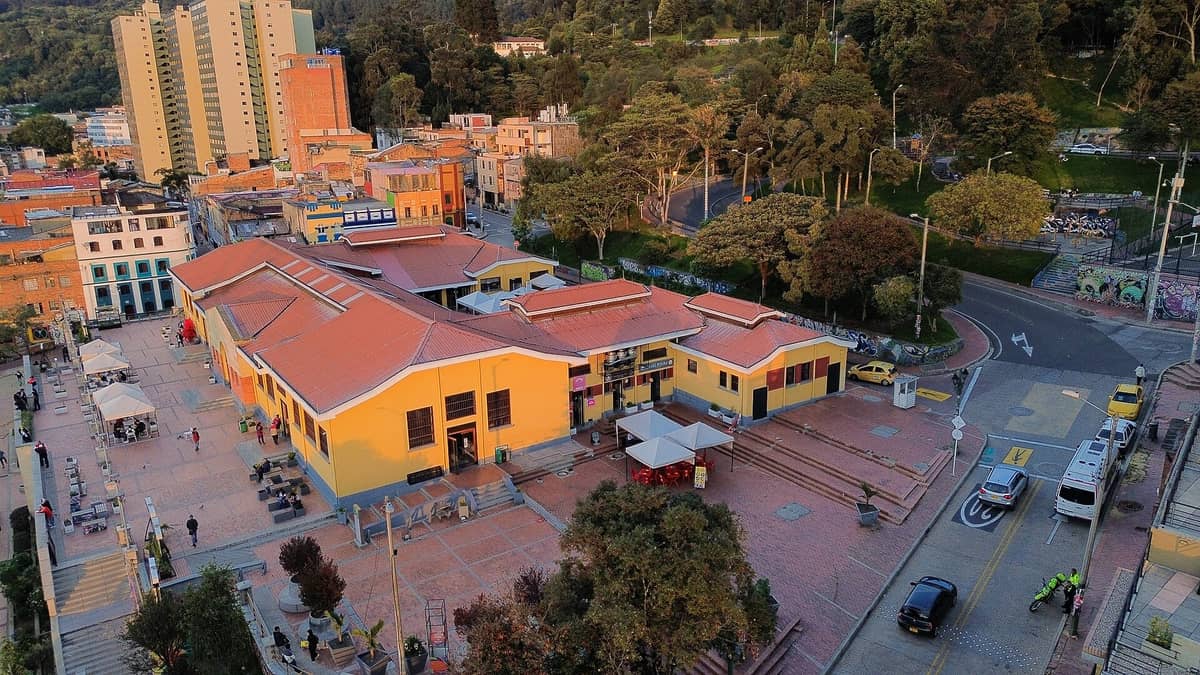
Bogotá, D.C. is a city of over 8 million people spread across 1,587 km², and its shopping is not concentrated in one area. The city loosely splits into three shopping tiers by geography and price point. The historic center around La Candelaria and the Paloquemao market zone cater to locals and wholesale buyers. The central-north corridor through Chapinero contains mid-range malls, boutiques, and the bulk of international retail. The far north, including Usaquén and Parque de la 93, leans upscale with craft markets, restaurants, and weekend fairs.
For most visitors on a limited schedule, the north is where time is best spent. TransMilenio connects the major districts, but traffic on Bogotá's main avenues can make a 5 km trip feel like a long journey. Plan shopping by neighborhood rather than hopping across the city in a single day.
💡 Local tip
Bogotá sits at 2,640 m above sea level, so you'll tire faster than usual when walking long distances between shopping areas. Factor in extra time, and don't try to hit Paloquemao, Usaquén, and a mall all in one morning — it rarely works.
Paloquemao Market: Bogotá's Great Wholesale Market
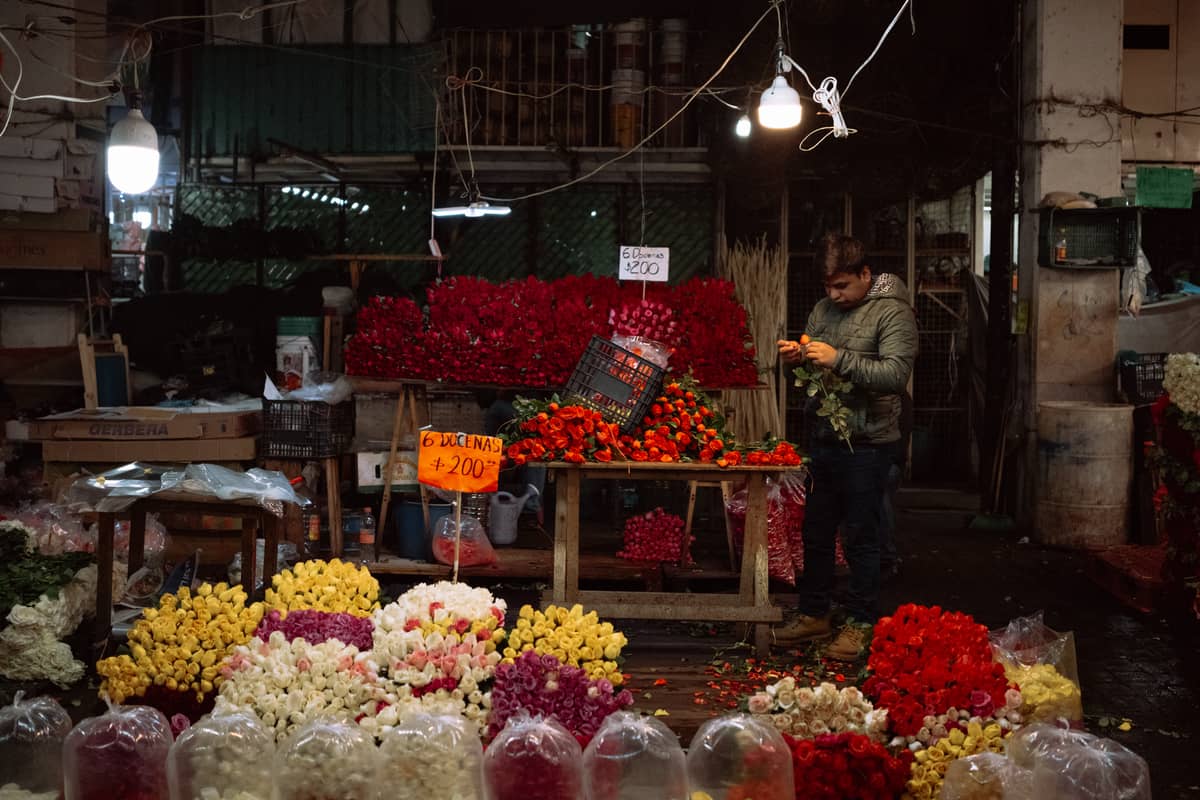
Plaza de Mercado Paloquemao (Avenida Calle 19 No. 25-04) is one of Bogotá's largest and most atmospheric traditional markets. It specializes in fresh flowers, tropical fruits, vegetables, and local food products. Visiting early is not just recommended — it is essential. The market opens at 04:30 on weekdays and 05:00 on Sundays, and by 10:00 the best stalls are thinning out. By early afternoon, it wraps up entirely. Paloquemao Market is officially closed on Saturdays, which surprises many visitors who assume it runs daily.
What you'll find here: roses, orchids, birds of paradise, and exotic tropical blooms at a fraction of florist prices. Colombia is one of the world's largest flower exporters, and Paloquemao is where you see that industry at ground level. A large bouquet of roses costs well under 10,000 COP in most seasons — roughly a few dollars. The fruit section is equally spectacular, with guanábana, lulo, maracuyá, and dozens of varieties tourists rarely encounter elsewhere. Come hungry and eat at one of the canteen-style eateries inside; the calentado (reheated rice and beans with egg) is a classic Bogotano breakfast.
⚠️ What to skip
Paloquemao is a working wholesale market, not a tourist attraction with English-speaking staff. Keep your belongings secure, be respectful of vendors' space, and don't block stalls for photographs without asking. The neighborhood surrounding the market is mixed — arrive by taxi or app-based ride (Uber, Cabify, or Didi are available in Bogotá) rather than walking from distant TransMilenio stops alone at 5am.
Usaquén Flea Market: Crafts, Art & Weekend Energy
The Mercado de las Pulgas de Usaquén operates around Carrera 6A between Calle 119 and 120A in the northern Usaquén neighborhood. It runs on Saturdays, Sundays, and holiday Mondays, roughly 09:00 to 17:30, though individual stalls vary. This is the best single stop in Bogotá for handmade crafts, woven textiles, silver jewelry, leather goods, ceramic pieces, and original artwork from Colombian artisans. Prices range from a few thousand COP for small trinkets to several hundred thousand for quality leatherwork or paintings — expect to negotiate, but don't lowball aggressively.
The surrounding Usaquén neighborhood is one of Bogotá's most pleasant areas for a half-day: colonial-era architecture, good restaurant options along Calle 119, and a noticeably quieter pace than central Bogotá. Saturday tends to draw bigger crowds than Sunday, especially in the late morning. If you want to browse carefully rather than fight through shoulder-to-shoulder crowds, Sunday mornings before noon are the sweet spot.
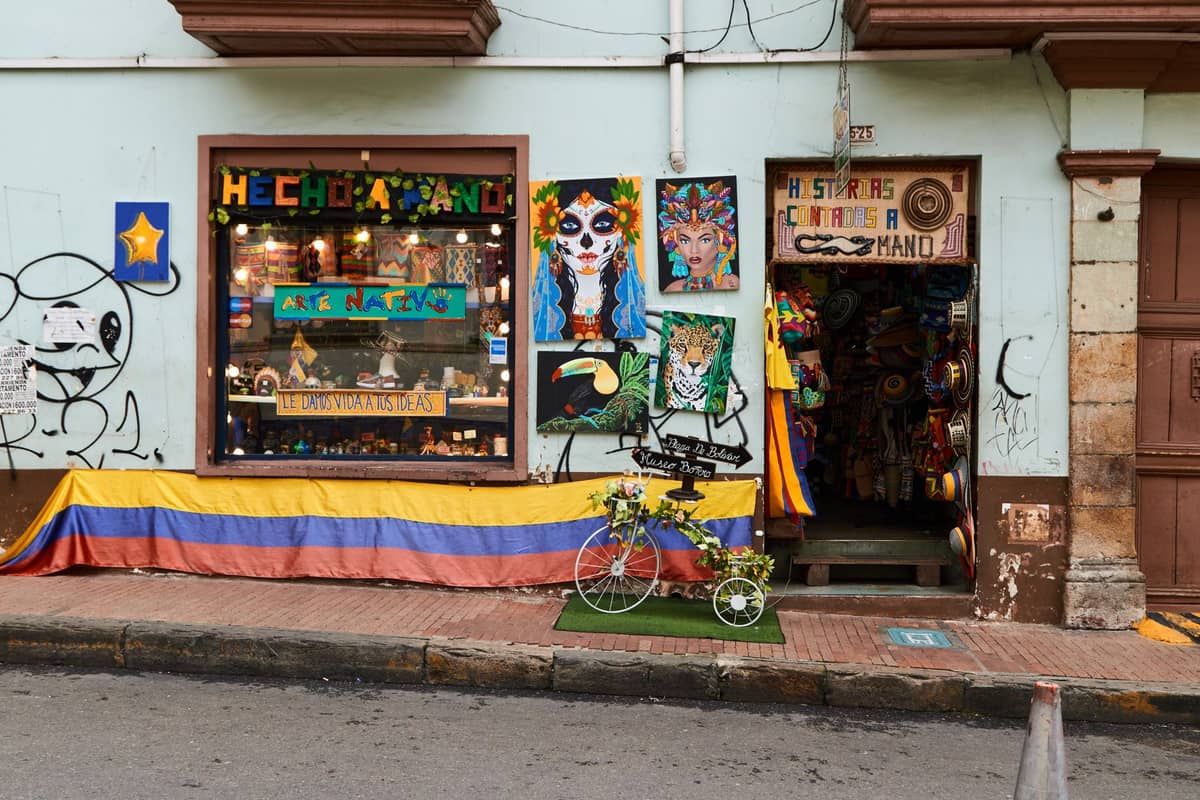
- Best buys at Usaquén Handwoven mochila bags, handmade silver jewelry, leather wallets and belts, Colombian coffee packaged by small roasters, original watercolors and prints, wooden crafts, and wool products from artisan collectives.
- What to skip Mass-produced items labeled 'handmade' are common — look for vendors who can explain their process. Generic plastic keychains and low-quality miniatures are marked up heavily for tourists.
- Practical tip Small bills in COP are essential. Many stall vendors cannot break 50,000 COP notes, and few have card readers. Withdraw cash beforehand from a bank ATM in a secure location.
Malls in Bogotá: When You Need Reliability and Air Conditioning
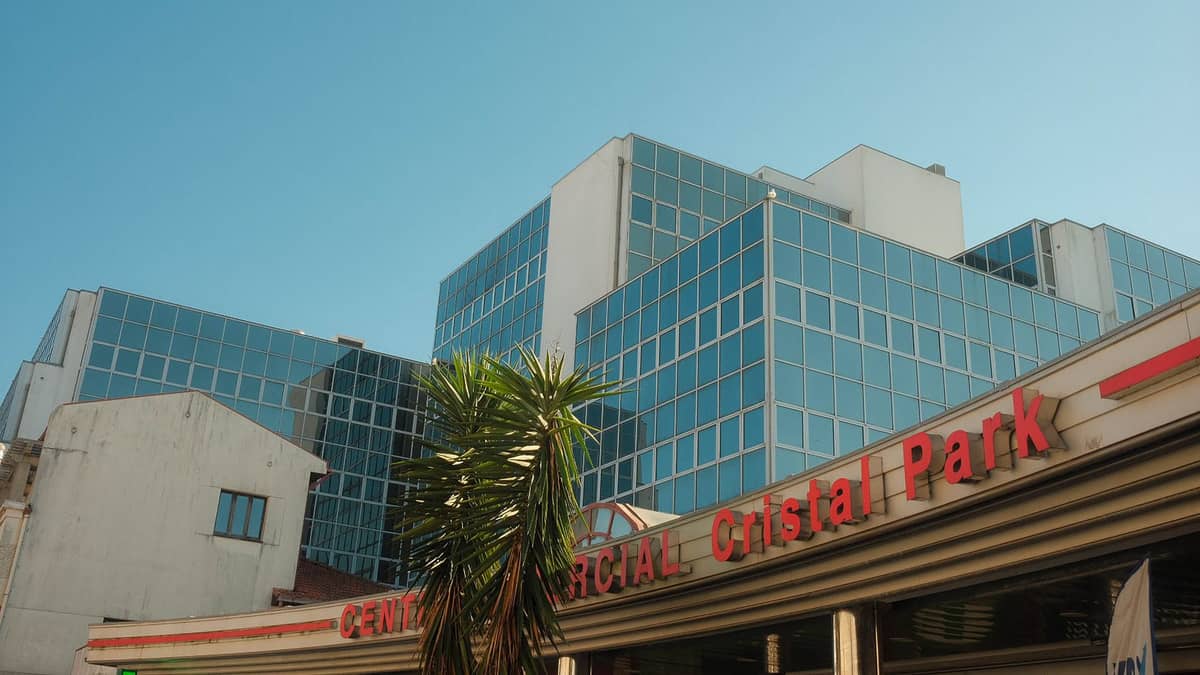
Bogotá's malls are genuinely useful, not just tourist afterthoughts. They offer consistent opening hours, security, ATMs, food courts, and a wide mix of Colombian and international brands under one roof. For visitors who prioritize comfort or are shopping with children, a well-run mall beats navigating traffic-choked streets.
Centro Comercial Andino (Carrera 11 # 82-71, Chapinero) is Bogotá's most recognized upscale shopping center. Typical opening hours run Monday through Thursday 10:00-20:00, Friday and Saturday 10:00-21:00, and Sundays and holidays around 12:00-18:00, though these can vary by store. Andino houses international luxury brands, Colombian fashion labels, a cinema, and several restaurant floors. It is not a bargain destination — this is where Bogotá's professional class shops for premium goods. The rooftop dining area has views toward the Cerros Orientales hills, which is a nice bonus.
Other notable malls include Centro Comercial El Retiro (also in Chapinero, a block or two from Andino — more mid-range), Centro Comercial Unicentro in the north (massive, family-oriented, with a broad mix of stores), and Santafé in the north near Calle 185. For visitors staying near Zona Rosa, Andino and El Retiro are walkable and cover most shopping needs without a long commute.
✨ Pro tip
Colombian fashion labels are genuinely worth exploring in Bogotá's malls — brands like Totto (bags and accessories), Arturo Calle (men's clothing), and Crystal offer quality at prices significantly lower than equivalent European or North American brands. These are legitimate local brands, not tourist merchandise.
What to Buy in Bogotá: A Practical Souvenir Guide
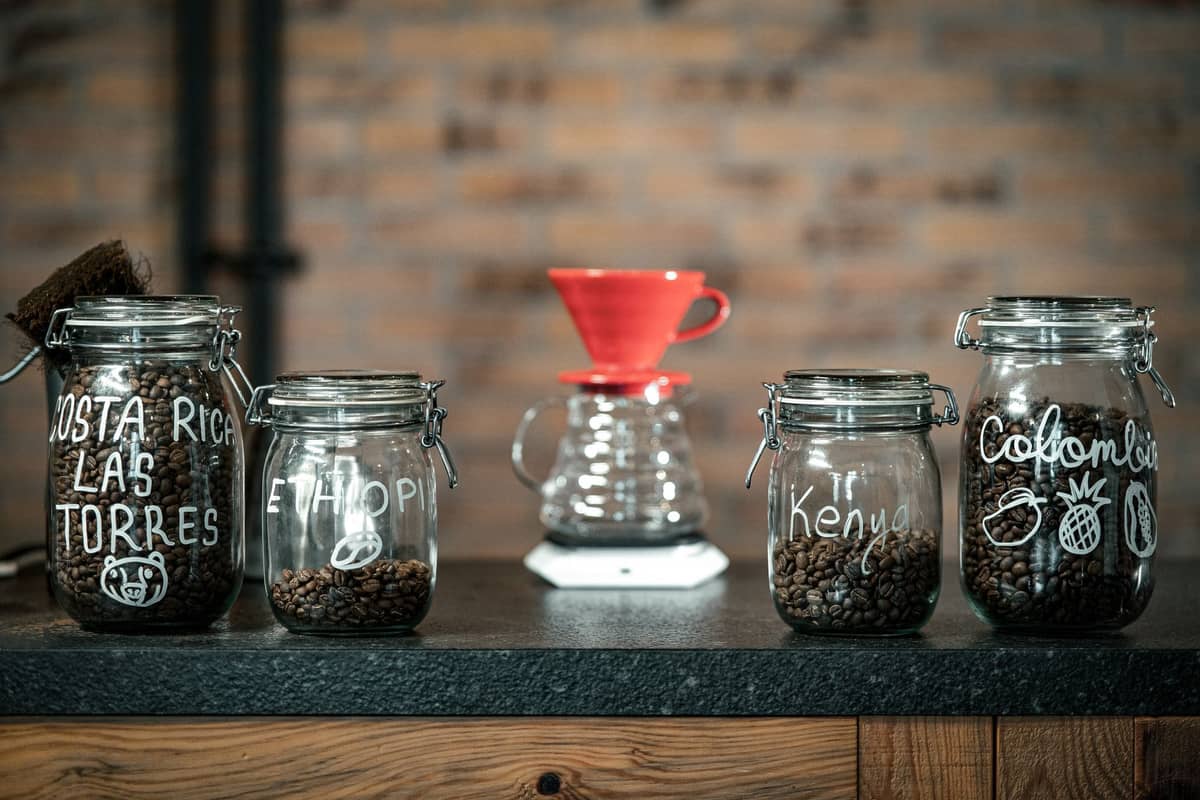
The best souvenirs from Bogotá are the ones that connect to something Colombia actually produces or makes well. Specialty coffee is at the top of that list — Colombia is one of the world's premier coffee origins, and buying directly from a small roaster at the Usaquén market or a dedicated coffee shop gives you a far better product than airport gift-shop bags. For a deeper dive into what to look for, the Colombian coffee guide for Bogotá covers origin regions, roast profiles, and where to buy.
- Colombian emeralds: Colombia produces a significant share of the world's emeralds. Buy only from certified dealers with documentation — street vendors selling loose stones are almost always selling fakes or vastly overpriced material.
- Leather goods: Colombian leather has a solid reputation. Handmade leather goods at Usaquén or dedicated leather shops in Chapinero offer better value than mass-produced equivalents elsewhere.
- Mochila bags: Handwoven bags traditionally made by Indigenous communities (Wayuu mochilas from the Caribbean coast are the most recognized). Authentic pieces take days to weave and cost accordingly.
- Aguardiente: Colombia's anise-flavored spirit is widely available in supermarkets at low prices — it makes a practical and genuinely local gift.
- Chocolate: Colombian cacao is excellent. Look for 70%+ dark chocolate bars from Colombian producers at specialty food shops.
- Handcrafted ceramics: Particularly pieces from Ráquira (a town a few hours from Bogotá known for pottery) available at craft markets in the city.
One category worth avoiding: generic gold-painted figurines, low-quality 'pre-Columbian replica' statues, and mass-produced ponchos with "Colombia" printed on them. The Museo del Oro (Gold Museum) in La Candelaria has a legitimate gift shop with reproduction pieces made under license — if you want pre-Columbian-style items, that's the credible source.
Practical Shopping Tips for Bogotá
Currency is Colombian pesos (COP). Card payments are accepted in malls and most established stores, but markets are largely cash-based. Withdraw money from bank ATMs during business hours rather than from standalone machines on the street. Note that some foreign cards carry high foreign transaction fees, so check your bank's policy before relying on cards throughout the trip.
Bargaining is expected at flea markets and craft fairs, but not in malls or stores with fixed price tags. A reasonable counter-offer at a craft stall is typically 10-20% below the asking price — aggressive haggling is not the norm here and can be off-putting to vendors. For context on getting around between these shopping areas efficiently, the guide to getting around Bogotá covers TransMilenio routes, ride-hailing apps, and taxi safety in detail.
Timing your shopping around Bogotá's weather matters more than most visitors expect. Bogotá experiences two rainy seasons (roughly April-May and September-November) and two drier periods (December-March and June-August). Outdoor markets like Usaquén are far more enjoyable in dry conditions, and vendors are more present. If you're visiting during a rainy stretch, malls become significantly more appealing. For a full breakdown of what each season means for city activities, the Bogotá weather and climate guide provides month-by-month detail.
ℹ️ Good to know
VAT (IVA) in Colombia is currently 19% and is included in displayed prices for most goods. Foreign tourists can in some cases claim a VAT refund on purchases above a certain threshold at the airport — ask at larger stores about the 'devolución de IVA' process, and verify current rules with the DIAN (Colombian tax authority) as thresholds and procedures change.
FAQ
What is the best market for souvenirs in Bogotá?
The Usaquén Flea Market is the most practical stop for handmade crafts, jewelry, leather goods, and artisan products. It runs on weekends and holiday Mondays near Carrera 6A and Calle 119-120A in north Bogotá, roughly 09:00-17:30. For a broader selection of authentic Colombian products, combine Usaquén with a visit to the Museo del Oro gift shop for legitimate pre-Columbian-inspired pieces.
Are prices negotiable at Bogotá markets?
Yes, at open-air markets and craft fairs like the Usaquén Flea Market, modest negotiation (around 10-20% below the asking price) is normal and expected. In malls, established stores, and restaurants, prices are fixed. Don't try to bargain in a formal retail environment — it won't work and will create awkward situations.
Is Paloquemao Market safe for tourists?
Paloquemao is a working wholesale market used daily by Bogotá locals, and thousands of people move through it every morning. That said, it is not a sanitized tourist venue. Keep bags in front of you, don't display expensive cameras conspicuously, and arrive by taxi or app-based ride rather than walking unfamiliar streets alone before dawn. Most visitors have no problems, but basic urban awareness applies.
What should I NOT buy in Bogotá as a souvenir?
Avoid loose emeralds or gems from street vendors (almost always fake or wildly overpriced), mass-produced replica artifacts from informal stalls, and low-quality 'artisan' items that are clearly machine-made. Anything sold at the airport for a significant premium compared to city prices is almost certainly marked up to capture last-minute buyers.
What are the opening hours for Centro Andino mall in Bogotá?
Centro Comercial Andino generally opens Monday through Thursday 10:00-20:00, Friday and Saturday 10:00-21:00, and Sundays and holidays approximately 11:00-19:00. Individual stores within the mall may vary, and hours can change during public holidays or special events — check the official Centro Andino website (centroandino.com.co) before visiting.