Colombian Coffee in Bogotá: Best Cafés, Workshops & Coffee Culture
Bogotá, D.C. has become one of Latin America's most serious specialty coffee cities, with farm-to-cup roasters, barista workshops, and day trips to working coffee farms all within reach. This guide covers where to drink, what to order, what to avoid, and how to get the most out of Colombian coffee culture in the capital.
Plan and book this trip
Tools from our partner Travelpayouts help you compare flights and hotels. If you book through them, we may earn a commission at no extra cost to you.
Flights
Hotels map
TL;DR
- Specialty espresso drinks cost COP 10,000–18,000 (around €2–4); a traditional tinto is COP 3,000–6,000 — two very different products.
- The best specialty café neighborhoods are Chapinero, Zona Rosa, and Usaquén — each with a distinct atmosphere.
- Colombia's two harvest windows (April–June and October–December) are the best times to visit nearby farms, but coffee tours run year-round.
- Structured specialty coffee workshops such as Flavors of Bogotá’s in‑city experiences commonly run Tuesday, Thursday, and Saturday; full-day farm tours cost around USD 100–110 per person.
- Bogotá sits at 2,640 m above sea level — altitude affects how your body processes caffeine, so pace yourself on arrival.
Why Bogotá Is a Serious Coffee City
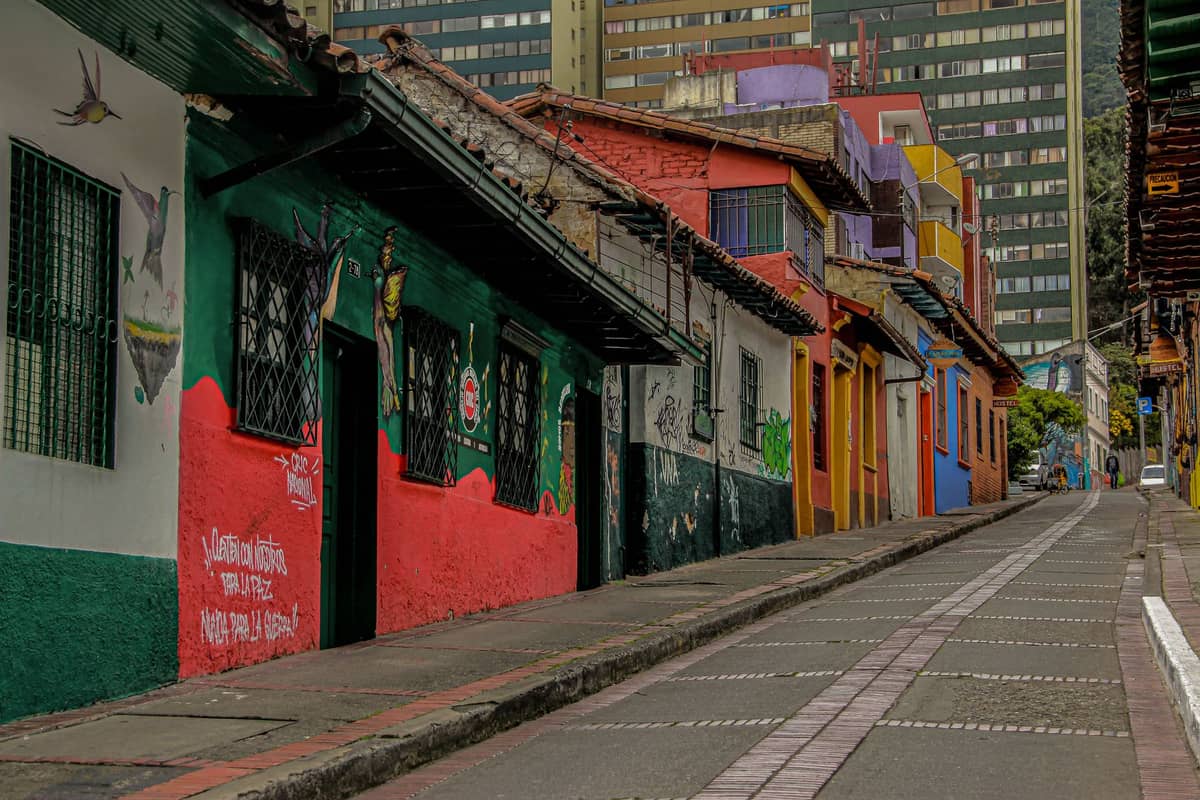
Colombia is consistently one of the world's top three coffee-producing countries, and while the famous Eje Cafetero (Coffee Axis) region gets most of the international attention, Bogotá has quietly built one of South America's most sophisticated urban coffee scenes. The city's size (over 8 million people) and its concentration of educated, internationally connected professionals created fertile ground for specialty roasters to take root from the mid-2000s onward.
Pioneering roasters like Amor Perfecto and Azahar Coffee established Bogotá's credentials for direct-trade, single-origin sourcing years before "third wave" coffee became a global marketing term. Today, the city has dozens of serious specialty cafés alongside the traditional corner shops serving tinto. For travelers, that means you can move from a COP 4,000 black coffee at a neighborhood panadería to a COP 18,000 washed Huila pour-over within a few blocks — and both experiences are genuinely Colombian. See our Bogotá food guide for how coffee fits into the broader culinary culture.
ℹ️ Good to know
Bogotá sits at 2,640 m above sea level. At this elevation, caffeine hits harder and dehydration happens faster. If you've just arrived from sea level, drink water between coffees and limit intake for the first day or two while your body adjusts to the altitude.
Tinto vs. Specialty Coffee: Understanding What You're Ordering
The single most important thing to understand about coffee in Bogotá is the difference between tinto and specialty coffee. They are not interchangeable, and confusing them will lead to either disappointment or overpaying.
- Tinto A small black coffee, usually brewed in bulk and kept warm throughout the day. Common at corner shops, bakeries, and offices. Price: COP 3,000–6,000. Quality varies widely — some are excellent, many are not. The word 'tinto' literally means 'colored' or 'tinted' in Spanish, referring to the dark color.
- Café con leche / Perico Coffee with hot milk, served in a small cup. The 'perico' uses more milk than a cortado but less than a latte. A staple morning drink across the city.
- Specialty / Single-Origin Espresso-based or filter drinks made from carefully sourced, usually traceable beans. Baristas can typically name the farm, region, and processing method. Price: COP 8,000–18,000. Found in dedicated specialty cafés, not corner shops.
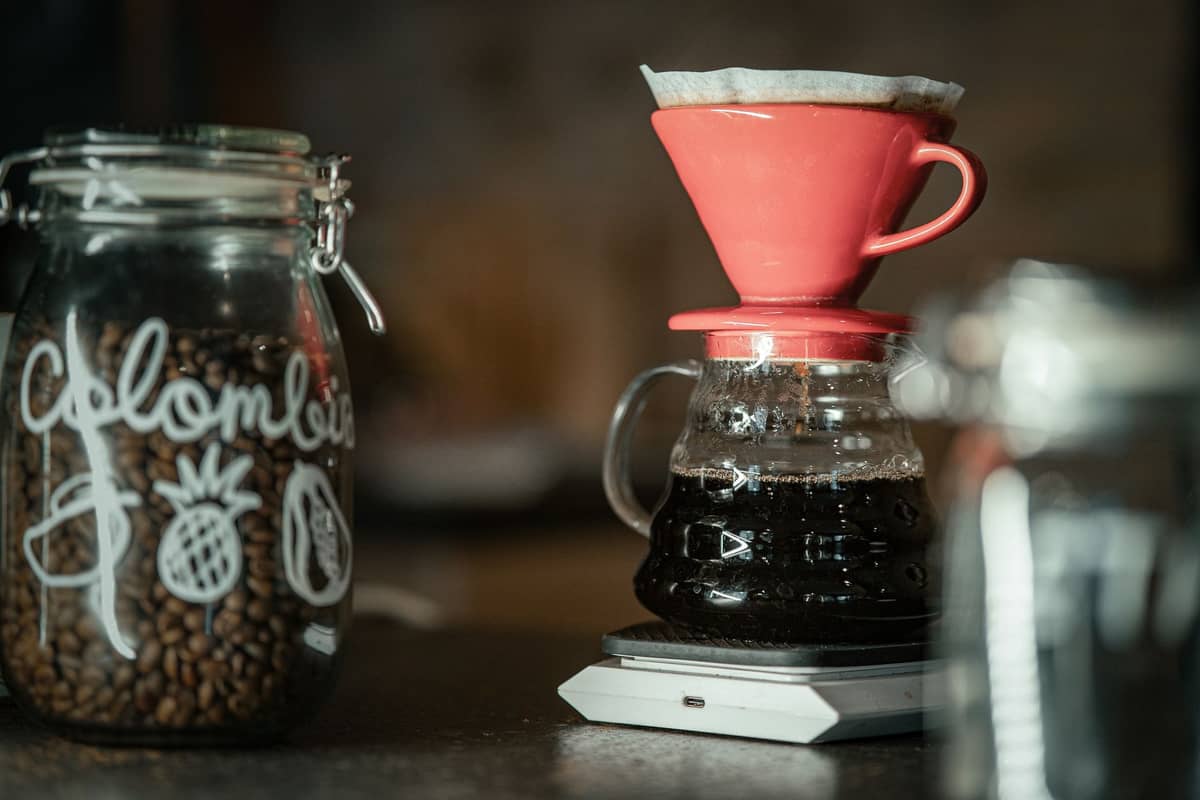
- Pour-over / Filter V60, Chemex, and Aeropress preparations are common in specialty cafés. Often the best way to appreciate a single-origin Colombian bean's flavor profile.
⚠️ What to skip
Many tourist-facing cafés in La Candelaria charge specialty prices for tinto-quality coffee. If a café cannot tell you the origin region of its beans or has no visible brewing equipment beyond a drip machine, the price premium is not justified. Walk two blocks and you'll find something better.
Best Neighborhoods for Coffee in Bogotá
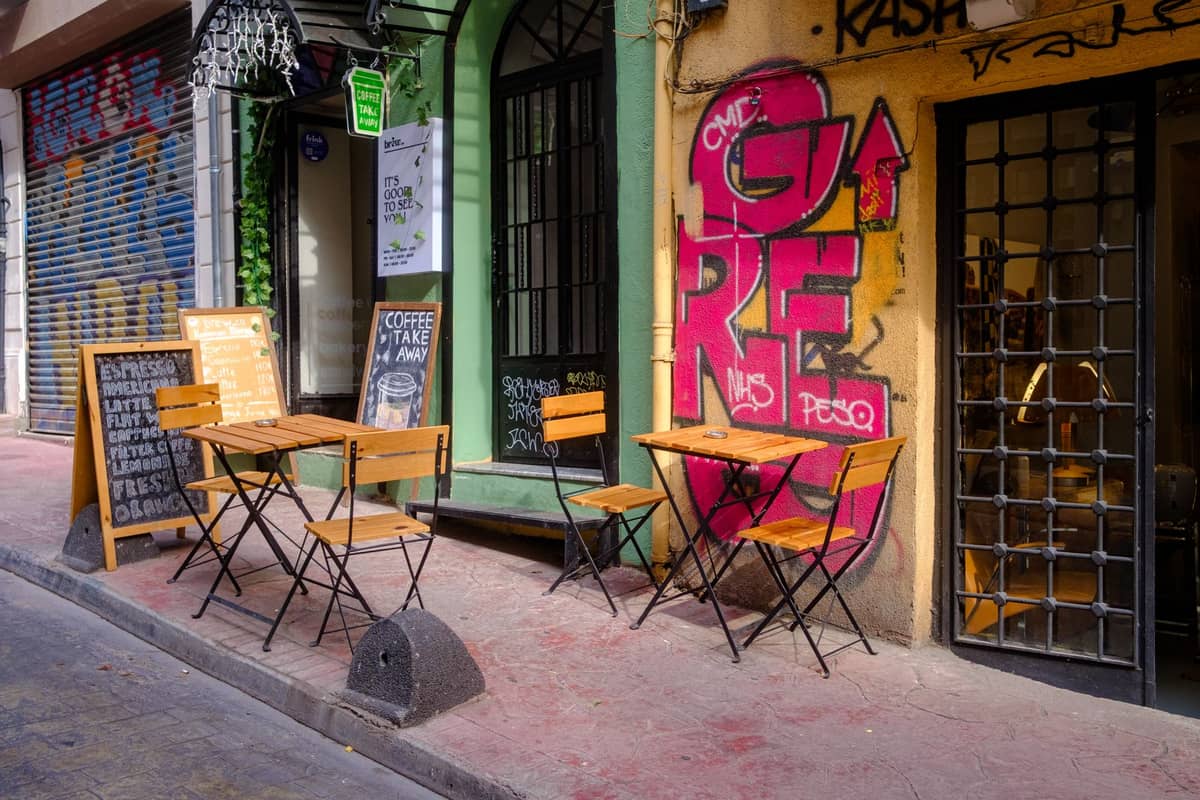
The specialty coffee scene is concentrated in the northern and central parts of the city. Chapinero is the densest area for serious coffee shops, particularly in the Alto Chapinero and Chapinero Central sub-districts. The mix of universities, creative offices, and a younger residential population has made it the epicenter of Bogotá's third-wave scene. Several cafés here are open daily from around 10:00 to 19:00, which reflects a broader pattern: Bogotá's specialty cafés skew toward brunch and afternoon hours, not the early-morning window you'd expect in other cities.
Zona Rosa and the Parque de la 93 corridor offer a more polished setting, with cafés that cater to business travelers and Bogotá's expat community. Prices here sit at the top of the range (COP 14,000–18,000 for specialty drinks), and the quality is generally consistent. Usaquén in the far north has a quieter, residential feel with several excellent cafés clustered near its colonial plaza — particularly good on weekend mornings when the flea market draws crowds. La Macarena, a small neighborhood between the historic center and Chapinero, has a dense cluster of independent coffee spots.
La Candelaria, the historic center, has a few decent options near cultural institutions, but it also has the highest concentration of tourist-trap cafés charging premium prices for mediocre product. It's worth a coffee stop if you're already there for the museums, but it should not be your primary destination for coffee.
Coffee Workshops and Farm Tours: What's Available and What It Costs
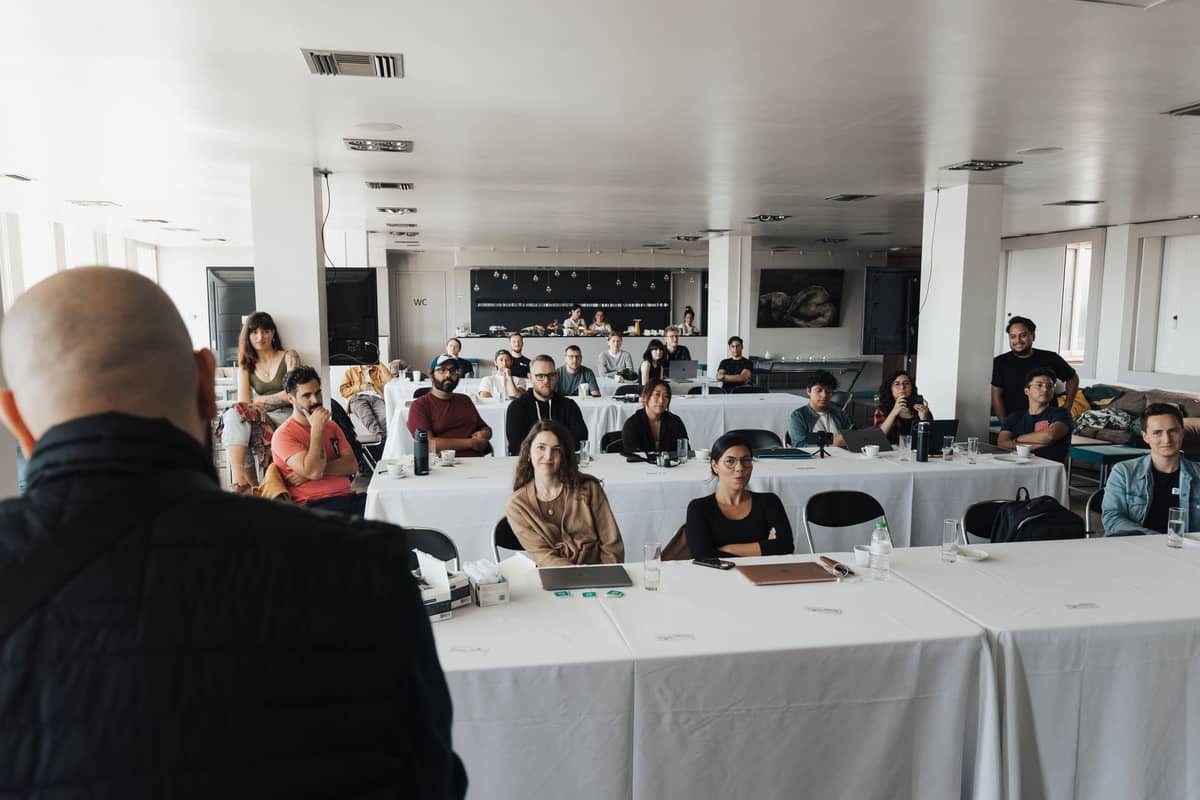
Bogotá has a growing market for structured coffee education, ranging from two-hour in-city workshops to full-day trips to working farms in the surrounding Cundinamarca department.
For in-city workshops, Flavors of Bogotá runs specialty coffee experiences near Calle 72 and Carrera 5, typically on Tuesday, Thursday, and Saturday mornings starting at 10:00. Public workshops are priced at approximately USD 24.95–49.95 per person depending on group size, and cover cupping, brewing methods, and the supply chain from farm to cup. These sessions are conducted in English and Spanish and are suitable for travelers with no prior coffee knowledge. Booking in advance through their website is recommended, as group sizes are capped.
For farm day trips, operators including Bogotá Tourism and Andes EcoTours offer excursions to Cundinamarca coffee farms, typically running 8–12 hours and often priced in the USD 110–200 range per person depending on tour type and group size. Café Banna's Travesía Coffee Tours is another operator with farm-linked experiences starting from Bogotá. These tours generally include transportation, farm entry, picking demonstrations during harvest season, and cupping. The drive to farms in Cundinamarca is usually 1.5–2.5 hours each way depending on destination and traffic, so an early departure (often 7:00–8:00) is standard.
✨ Pro tip
If you book a farm day trip, ask specifically whether the visit coincides with active harvesting. Tours run year-round, but visiting outside the April–June or October–December harvest windows means you'll see the farm infrastructure but not active picking. Both are interesting, but the harvest experience is noticeably more vivid.
- In-city specialty workshops (Flavors of Bogotá) USD 27.95–47.95 per person. Tue/Thu/Sat at 10:00. Near Calle 72. Good for travelers with limited time or those who want coffee education without a full day commitment.
- Full-day farm tours (Bogotá Tourism, Andes EcoTours) Approx. USD 100–110 per person. 7–9 hours including transport. Best during harvest windows (Apr–Jun, Oct–Dec) for the full picking-and-processing experience.
- Café Banna Travesía Coffee Tours Farm-linked experiences with direct-trade focus. Check their website for current pricing and departure schedules, as these change seasonally.
Harvest Seasons and the Best Time to Visit for Coffee
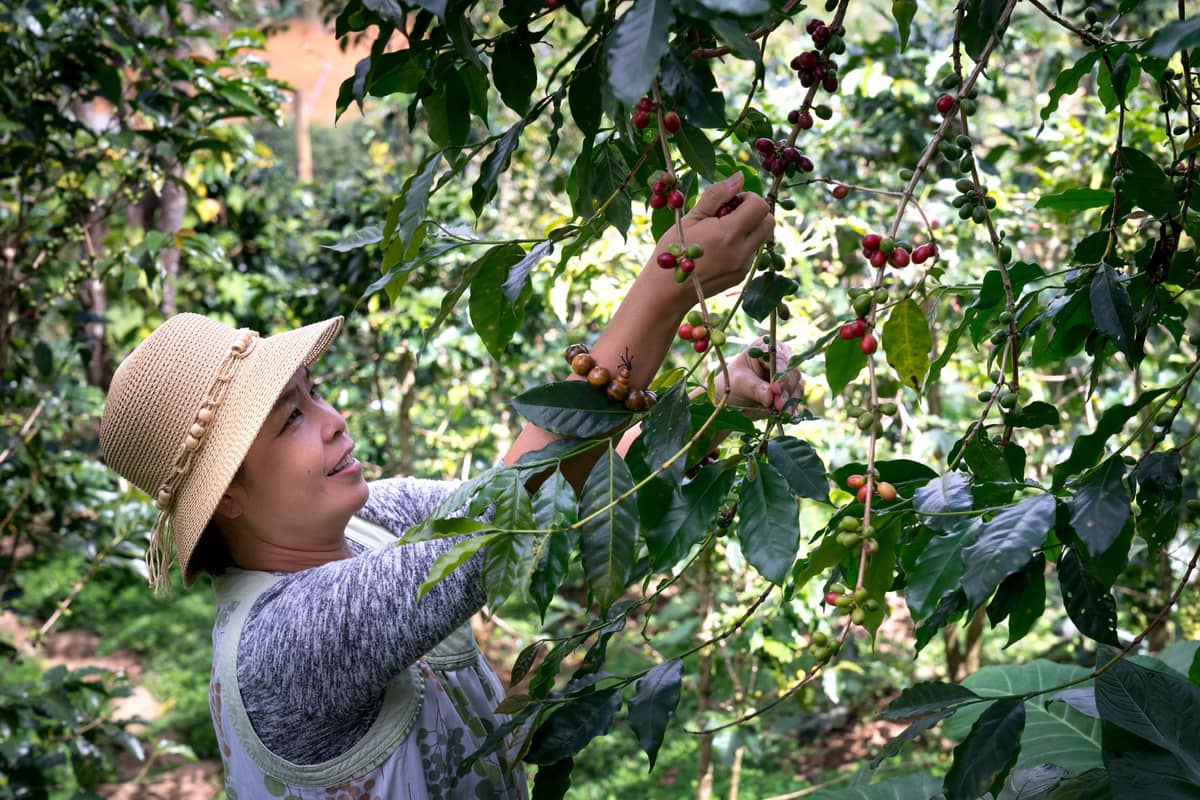
Colombia has two main coffee harvest periods: the primary harvest runs roughly October through December, and the secondary harvest (called the mitaca) runs roughly April through June. In the Cundinamarca department, which surrounds Bogotá, both windows apply to nearby farms. If coffee is a central reason for your trip, timing your visit to overlap with one of these windows gives you access to freshly picked and processed beans and the most active farm environments.
That said, Bogotá's specialty cafés source from multiple Colombian regions with staggered harvest calendars, so you'll find excellent single-origin options year-round in the city itself. The October–December window also coincides with one of Bogotá's rainy seasons, which can complicate farm day trips but doesn't affect in-city coffee exploration. The dry season months of December–March and July–August, covered in detail in our guide to the best time to visit Bogotá, offer the most reliable weather for farm excursions.
Practical Tips for Coffee Lovers in Bogotá
Getting around between coffee neighborhoods is straightforward. TransMilenio, Bogotá's bus rapid transit system, connects most major areas, and ride-hailing apps (Uber, Cabify, Didi) are widely used for point-to-point trips. Chapinero, Zona Rosa, and Usaquén are all served by both options. For a full orientation to moving around the city, see our guide to getting around Bogotá.
- Carry cash (COP) for smaller cafés and corner tintos — many neighborhood spots don't accept cards.
- Afternoon hours (15:00–17:00) are a popular socializing window in Bogotá cafés, making this a good time to visit if you want a seat and atmosphere without the morning rush.
- Ask for the café's recommended brewing method for the beans they're featuring that week — good baristas have an opinion and will tell you.
- Bogotá's tap water is reported safe to drink in most urban areas, so you don't need to buy bottled water to rinse between tastings at workshops.
- If you're buying whole beans to take home, vacuum-sealed packaging from specialty roasters travels well. Check airline rules on bringing agricultural products back to your home country before purchasing.
💡 Local tip
Colombian specialty coffee is almost always exported as washed (fully washed) process, which gives a clean, bright cup. If you see natural or honey-processed Colombian beans on a café menu, they represent a smaller, more experimental segment of production — worth trying if you enjoy more fruity, complex flavor profiles.
For travelers combining coffee with broader sightseeing, Bogotá's cultural density makes it easy to pair a morning at a specialty café with an afternoon at a museum. The Museo del Oro and Museo Botero in La Candelaria are within walking distance of each other and several coffee spots. A 3-day Bogotá itinerary can easily incorporate two or three café visits alongside the city's main cultural attractions without feeling rushed.
FAQ
What is tinto coffee in Colombia?
Tinto is a small black coffee, typically brewed in bulk at corner shops, bakeries, and offices across Bogotá. It costs COP 3,000–6,000 and is not the same as specialty coffee. The name comes from the Spanish word for 'colored' or 'tinted,' referring to the dark color of the drink. Quality varies considerably — some tintos are excellent, many are not.
How much does specialty coffee cost in Bogotá?
Specialty espresso drinks and filter coffees at dedicated cafés typically cost COP 10,000–18,000, which is roughly €2.25–4 at current rates. Single-origin pour-overs and more elaborate preparations sit at the top of that range. Basic espresso at a casual café is usually COP 6,000–10,000.
When is the best time to visit Bogotá for coffee tourism?
Colombia has two coffee harvest windows: roughly April–June (the mitaca, or secondary harvest) and roughly October–December (the primary harvest). These are the best times to visit nearby Cundinamarca farms to see active picking and processing. However, Bogotá's specialty cafés source from multiple regions year-round, so in-city coffee quality is consistently high regardless of season.
Are there coffee farm tours near Bogotá?
Yes. Several operators run day trips from Bogotá to working coffee farms in the Cundinamarca department, typically 1.5–2.5 hours from the city. Tours usually run 8–12 hours and cost approximately USD 110–200 per person depending on itinerary and group size, including transportation, farm visits, and cupping. Operators include Bogotá Tourism, Andes EcoTours, and Café Banna's Travesía Coffee Tours. Booking in advance is recommended.
Which neighborhoods have the best specialty coffee in Bogotá?
Chapinero is the densest area for serious specialty cafés and is the best starting point. Zona Rosa and the Parque de la 93 corridor offer polished options for business travelers. Usaquén has excellent independent spots in a quieter setting. La Candelaria has some good options near cultural institutions but also the highest concentration of tourist-facing cafés that charge premium prices for average product.