What to Eat in Bogotá: A Complete Colombian Food Guide
Bogotá's food scene runs deeper than most visitors expect. This guide covers the city's signature dishes, where to find them by neighborhood, what to skip, and how to eat like someone who actually lives there.
Plan and book this trip
Tools from our partner Travelpayouts help you compare flights and hotels. If you book through them, we may earn a commission at no extra cost to you.
Flights
Hotels map
TL;DR
- Ajiaco santafereño is Bogotá's defining dish: a thick chicken-and-potato soup served with cream, capers, and avocado. Find it everywhere from market stalls to upscale restaurants.
- Breakfast in Bogotá is serious: changua (milk-and-egg soup), tamales, and hot chocolate with cheese are the local morning staples, especially on cold highland mornings.
- The city sits at 2,640 m elevation, which means cold afternoons year-round. Hot soups and drinks aren't just comfort food here — they make practical sense for the climate.
- For neighborhood eating, La Macarena and Usaquén offer the best mix of traditional and contemporary Colombian cooking.
- A food tour is one of the most efficient ways to cover a lot of ground quickly. See our things to do in Bogotá guide for how to combine eating with the city's other highlights.
Why Bogotá Has Its Own Food Identity
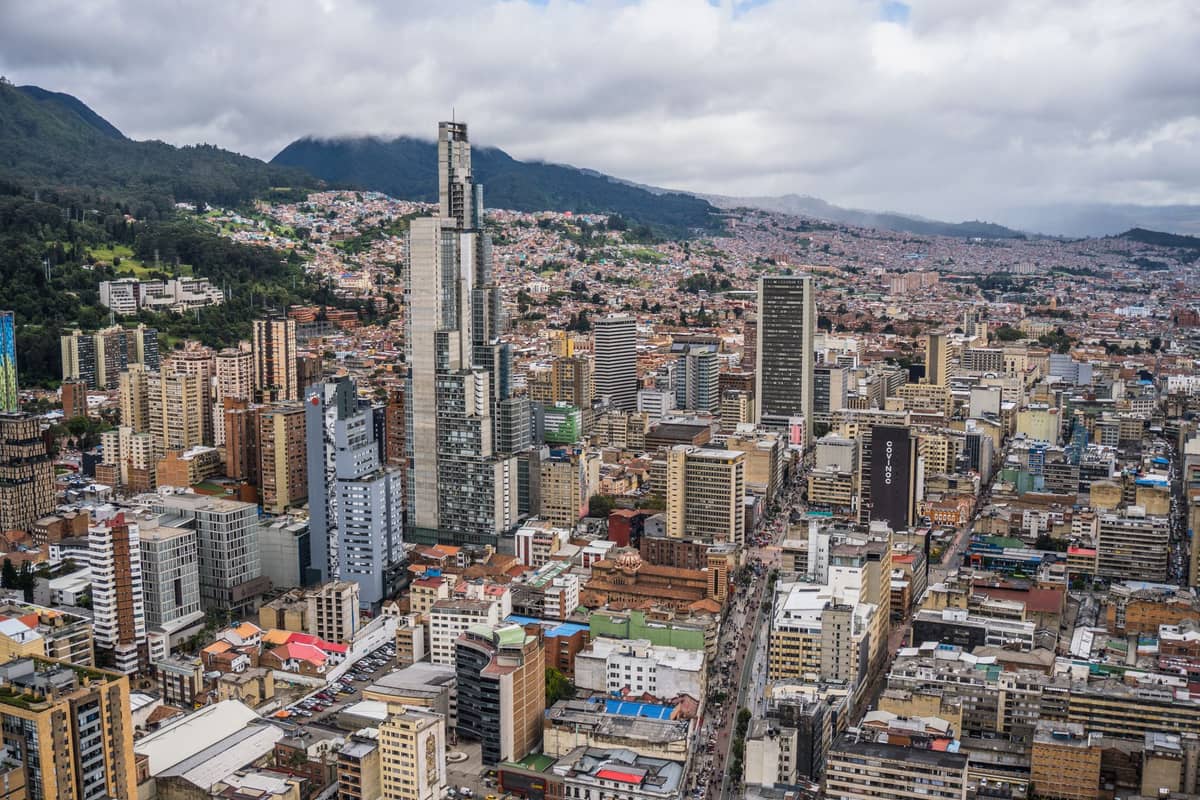
Colombia's cuisine varies sharply by region, and Bogotá, as the country's highland capital, has developed a distinct culinary tradition shaped by its Andean geography and altitude. At 2,640 metres above sea level, the city is consistently cool, rarely exceeding the low 20s Celsius during the day and dropping further at night. That climate has historically pushed local cooking toward warming, substantial dishes: thick soups, stewed meats, and hot beverages that counteract the chill. This isn't incidental. The iconic dishes of Bogotá, ajiaco, changua, chocolate santafereño, all make direct sense in the context of a cold Andean city.
Bogotá is also Colombia's largest city, with roughly 7.9 million residents and a food scene that reflects that scale. You'll find regional Colombian cooking from the coast, the Amazon basin, and Antioquia alongside international restaurants and a growing contemporary fine-dining scene. But the dishes worth seeking out first are the ones specific to the capital — the food that La Candelaria grandmothers have been cooking for generations and that you genuinely cannot replicate the same way outside of Bogotá, D.C.
The Essential Dishes of Bogotá
These are not suggestions. These are the dishes that define eating in Bogotá, and skipping them would be like visiting Naples without eating pizza. Each one tells you something specific about the city's food culture.
- Ajiaco Santafereño The city's signature dish: a dense chicken soup made with three types of potato (papas criollas, pastusas, and sabaneras) and flavored with guascas, a dried herb that gives ajiaco its distinctive earthiness. Served with a side of cream, capers, avocado, and rice. This is not generic Colombian soup — it's specific to Bogotá and the surrounding Andean highlands. Don't confuse it with the versions served in other Colombian cities, which are quite different.
- Changua A breakfast soup made with milk, water, poached eggs, scallions, and cilantro. It sounds unusual but works surprisingly well on a cold Bogotá morning. Typically served with stale bread (calado) crumbled into the broth. It's an acquired taste for many visitors, but it's genuinely traditional and widely available in markets and small breakfast spots.
- Tamal Bogotano Steamed corn dough stuffed with chicken, pork, vegetables, and sometimes egg, wrapped in banana leaves. The Bogotá version is one of several regional tamal traditions across Colombia — larger and wetter than the Tolima style. Typically eaten for breakfast or Sunday brunch, often with hot chocolate. Ordering without knowing which style you're getting can lead to disappointment.
- Chocolate Santafereño con Queso Hot chocolate served with a chunk of fresh cheese (queso campesino) that you drop directly into the cup and let melt partially. The combination of slightly bitter chocolate and salty, soft cheese is polarizing for newcomers but deeply embedded in Bogotá's food culture. The city government specifically highlights this drink as suited to Bogotá's cold afternoons — and they're right.
- Arepas Corn cakes served grilled, fried, or plain, eaten at almost any meal. Worth noting: arepas are a national staple across Colombia, not specifically Bogotano. In Bogotá you'll most commonly encounter white corn arepas, plainer than the stuffed or cheese-heavy versions from other regions. They're excellent as a side or snack but shouldn't be confused with the regional specialties worth going out of your way for.
- Bandeja Paisa Technically from the Antioquia region (Medellín), not Bogotá, but served everywhere in the capital. A large platter with red beans, rice, ground beef, chicharrón, fried egg, plantain, chorizo, and an arepa. It's filling to the point of being genuinely difficult to finish. Good value, widely available, but not an authentically Bogotano experience.
ℹ️ Good to know
Guascas is the dried herb that makes ajiaco taste the way it does. It's not substitutable — without it, you have potato-chicken soup, not ajiaco. If a restaurant can't tell you they're using guascas, order something else.
Where to Eat in Bogotá: Neighborhoods That Matter
Bogotá's neighborhoods each have a distinct eating personality. Knowing where to go for which type of food saves time and sets more accurate expectations.
La Macarena, sandwiched between the Cerros Orientales and the city center, is widely considered the best eating neighborhood in Bogotá. The streets around Calle 28 to Calle 33 are dense with independent restaurants covering Colombian regional food, creative contemporary menus, and solid international options. It's the area where Bogotá's culinary ambition is most visible. Pair a meal here with a visit to Museo Nacional de Colombia, which is within walking distance.
Usaquén, in Bogotá's northern end, has a higher concentration of upscale restaurants and weekend brunch spots. The historic colonial core of the neighborhood gives it a different atmosphere from the rest of the city — quieter streets, better-maintained buildings, less traffic. The Usaquén flea market runs on Sundays and draws food stalls alongside the antiques vendors. It's worth combining both.
Chapinero covers a wide swath of central Bogotá and is better thought of as several micro-neighborhoods. The Chapinero Alto section near the hills has some excellent independent restaurants. Zona Rosa and Zona T, which fall within the broader Chapinero area, are where you'll find high-end dining alongside chains, international hotels, and louder nightlife. The food quality is good but the atmosphere is more commercial. Zona Rosa is convenient if you're already staying in that part of the city, but not worth a special trip just to eat.
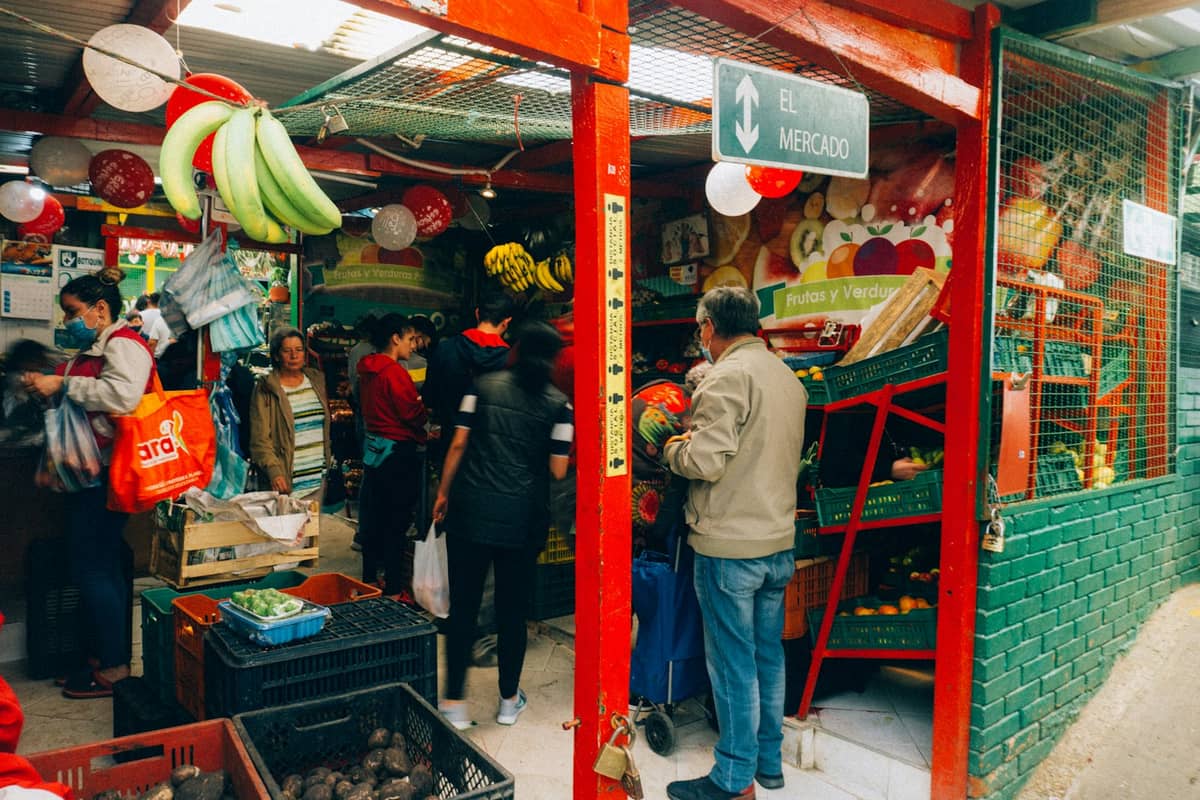
For the most traditional and lowest-cost eating in the city, La Candelaria and the area around Paloquemao market are your best options. Paloquemao is a major wholesale and retail food market where you can eat breakfast or lunch for a fraction of what you'd pay in a sit-down restaurant. Fruit juice stands, ajiaco vendors, fresh produce, and street food all concentrate here. Go before noon for the best selection.
💡 Local tip
The menú del día (also called corrientazo) is how most working Bogotanos eat lunch. A set meal of soup, main course, juice, and sometimes dessert typically costs between 10,000 and 20,000 COP at a neighborhood restaurant. It's the highest-value meal in the city and a genuine window into everyday local eating.
Bogotá's Food Markets and Street Food Scene
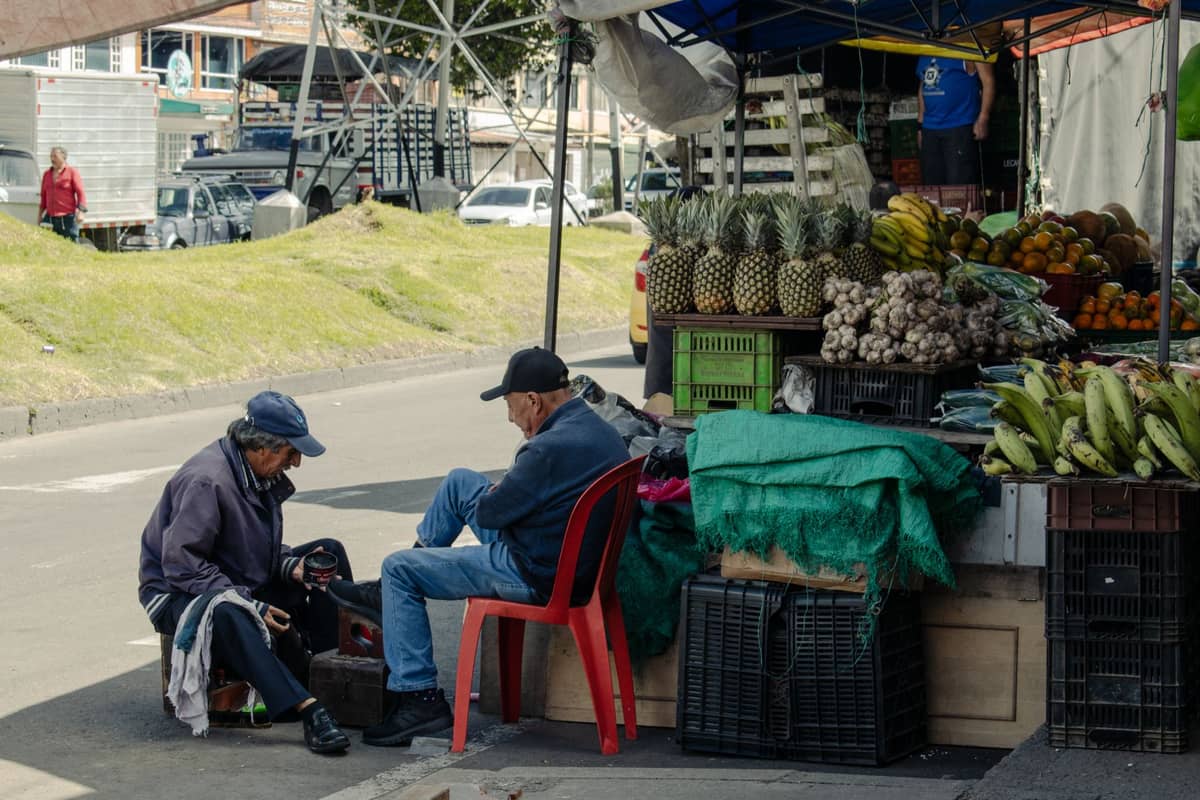
Street food in Bogotá is less visible than in some other Latin American capitals, partly because the city's cold climate doesn't naturally encourage lingering on sidewalks. But the market scene is strong, and a few street foods are genuinely worth tracking down.
- Paloquemao Market The city's most important food market, open daily from the early morning hours. The fruit section alone justifies a visit: tropical fruits from the coast and Amazon, Andean varieties you won't find outside Colombia, and fresh juice stands that blend combinations you can specify yourself. The prepared food section has excellent value breakfasts and lunches.
- Fritanga Stalls Fritanga is a grilled and fried meat spread — chicharrón (fried pork belly), morcilla (blood sausage), longaniza (spiced sausage), and various offcuts, served with potatoes and arepas. It's popular late at night and on weekends. Not elegant, often eaten standing up, and extremely good if you eat meat.
- Empanadas Small fried corn pastries stuffed with meat or potato and served with ají (a fresh hot sauce). Widely available from street vendors, bakeries, and small restaurants. Quality varies significantly. The best ones are eaten hot, immediately after frying.
- Onces The mid-morning or mid-afternoon Colombian snack break, roughly equivalent to elevenses. In Bogotá, this typically means hot chocolate or coffee with bread, cheese, or a tamal. You'll see this practiced in workplaces, markets, and cafes throughout the city.
Drinking in Bogotá: Coffee, Chicha, and More
Colombia is one of the world's most important coffee producers, but Bogotá's own coffee culture has historically been more quantity than quality. The traditional tinto, a small black coffee served from a thermos at street carts, is weak by specialty coffee standards but deeply ingrained in daily life. For better coffee, a cluster of specialty cafes has developed in La Macarena, Chapinero, and Usaquén over the past decade. If coffee is important to you, read our Colombian coffee guide for Bogotá before you start ordering.
Chicha is a fermented corn drink with pre-Columbian roots, historically important in the Andean regions and once suppressed by Colombian authorities in the 20th century. It's made a partial comeback in Bogotá, particularly in La Candelaria and at certain cultural events. The flavor is sour and slightly alcoholic. Worth trying for the historical context as much as the taste.
Aguardiente, the anise-flavored sugarcane spirit, is Colombia's most popular alcoholic drink and widely available in Bogotá's bars and restaurants. It's an acquired taste and very much a social drink, typically consumed in rounds with friends. Beer (cerveza) is also ubiquitous, with Club Colombia and Poker being the dominant local brands. A growing craft beer scene has emerged in Chapinero and La Macarena over the past several years.
⚠️ What to skip
Be cautious with drinks from unknown sources in Bogotá's nightlife areas. Scopolamine (burundanga) poisoning, while statistically rare, does occur and is typically administered through spiked drinks. Accept drinks only from bartenders in established venues, not from strangers. This applies equally to locals and tourists.
Practical Eating Tips for Bogotá
Bogotá's altitude at 2,640 m can suppress appetite and affect digestion, especially in the first 24 to 48 hours. Start with lighter meals on arrival and increase portion size as you acclimatize. If you want to understand the altitude's broader effect on your body, the Bogotá altitude guide covers what to expect and how to manage it.
Tap water in Bogotá is generally reported as safe to drink in most urban areas, which is useful to know for restaurants that serve it as table water. That said, many locals and restaurants use filtered or bottled water, and if you have a sensitive stomach, defaulting to bottled water for the first few days is a reasonable precaution.
Tipping customs in Bogotá: many restaurants add a 10% service charge (propina voluntaria) to the bill and must ask whether you want to include it. You are legally entitled to decline it. In practice, tipping the full 10% for adequate service is standard, and rounding up for excellent service is appreciated. At market stalls and street food vendors, tipping is not expected.
- Eat lunch between 12:00 and 14:00 to get the best availability of the menú del día at its freshest
- Breakfast spots often close by 10:00 or 11:00, especially those specializing in changua and tamales
- Many restaurants in Bogotá close on Mondays — always check before making a dedicated trip
- Reservations are important for well-known restaurants on Friday and Saturday evenings
- Bring cash (COP) to markets and small restaurants; card acceptance varies widely outside established venues
- Food allergies and dietary restrictions: communicating these in Spanish is important. Vegetarian options are improving in Bogotá but are still limited in traditional Colombian restaurants
If you're planning a broader itinerary and want to incorporate the best food experiences with sightseeing, the 3 days in Bogotá guide structures meals alongside the city's major attractions in a logical sequence.
FAQ
What is the most famous food in Bogotá?
Ajiaco santafereño is Bogotá's most iconic dish: a thick chicken soup made with three types of potato and flavored with guascas herb, served with cream, capers, avocado, and rice. It's specifically associated with Bogotá and the Andean highlands and is the dish most strongly identified with the city's culinary identity.
Is food in Bogotá expensive?
It depends heavily on where you eat. A menú del día (set lunch) at a neighborhood restaurant costs roughly 10,000 to 20,000 COP. A meal at a mid-range independent restaurant runs around 40,000 to 80,000 COP per person without drinks. High-end restaurants in La Macarena or Usaquén can reach 150,000 COP or more per person. Markets like Paloquemao offer some of the cheapest and most authentic eating in the city.
What should I eat for breakfast in Bogotá?
The classic Bogotá breakfast centers on changua (milk and egg soup), tamal bogotano (steamed corn dough with meat, wrapped in banana leaves), and chocolate santafereño (hot chocolate served with fresh cheese). These are widely available at traditional breakfast spots, markets, and small neighborhood restaurants, typically before 10:00 or 11:00.
Is Colombian food spicy?
Colombian food is generally not spicy. The cuisine relies more on layered flavors from herbs, slow cooking, and ingredients like guascas, cumin, and scallions than on chili heat. Ají (fresh hot sauce) is served as a condiment on the side and added by individual preference. If you're sensitive to spice, Colombian food is one of the safer options in South America.
Are food tours in Bogotá worth it?
For first-time visitors, a structured food tour provides good value for orientation. The best tours combine market visits, traditional restaurants, and street food stops in a compressed time frame, which would take considerable research to replicate independently. La Candelaria and Paloquemao market are the most common starting points. Look for tours run by local guides with small groups rather than large organized tourism operations.