Best Things to Do in Bogotá: A Practical Guide to Colombia's Capital
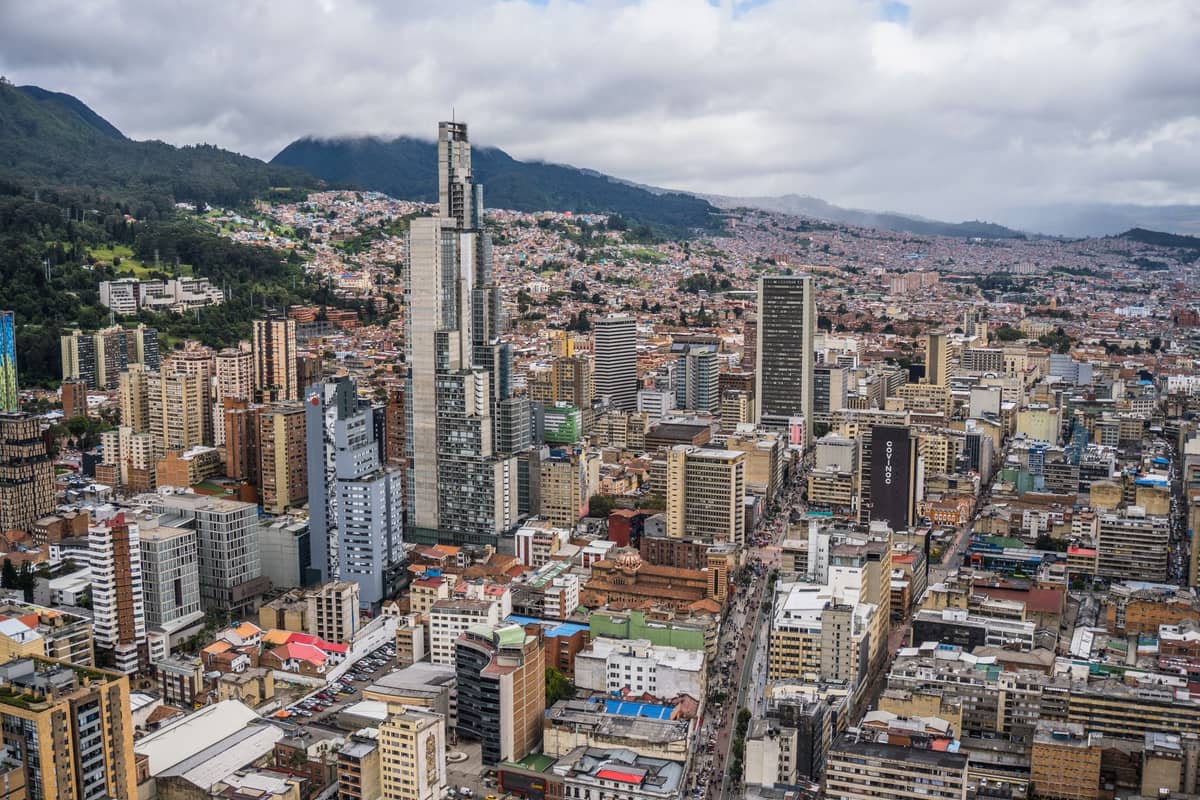
Bogotá, D.C. is one of South America's most underrated capitals. This guide covers the best things to do in Bogotá across culture, food, neighborhoods, and day trips, with current prices, opening hours, and practical notes on what to skip.
Plan and book this trip
Tools from our partner Travelpayouts help you compare flights and hotels. If you book through them, we may earn a commission at no extra cost to you.
Flights
Hotels map
TL;DR
- The Museo del Oro is free on Sundays (verify weekday tariffs on banrepcultural.org) and is one of the world's great museums.
- Bogotá sits at 2,640 m above sea level — take the first day slow to avoid altitude sickness. Read the Bogotá altitude guide before you arrive.
- Dry seasons run December to March and June to August — plan outdoor activities and day trips around these windows.
- La Candelaria, Usaquén, and Zona Rosa are three distinct neighborhoods worth dedicating separate half-days to. See our guide to Bogotá's neighborhoods for where to base yourself.
- TransMilenio and ride-hailing apps (Uber, Cabify, Didi) are your main transport options. The city does not yet have an operational metro.
Top Cultural Attractions: Where to Start
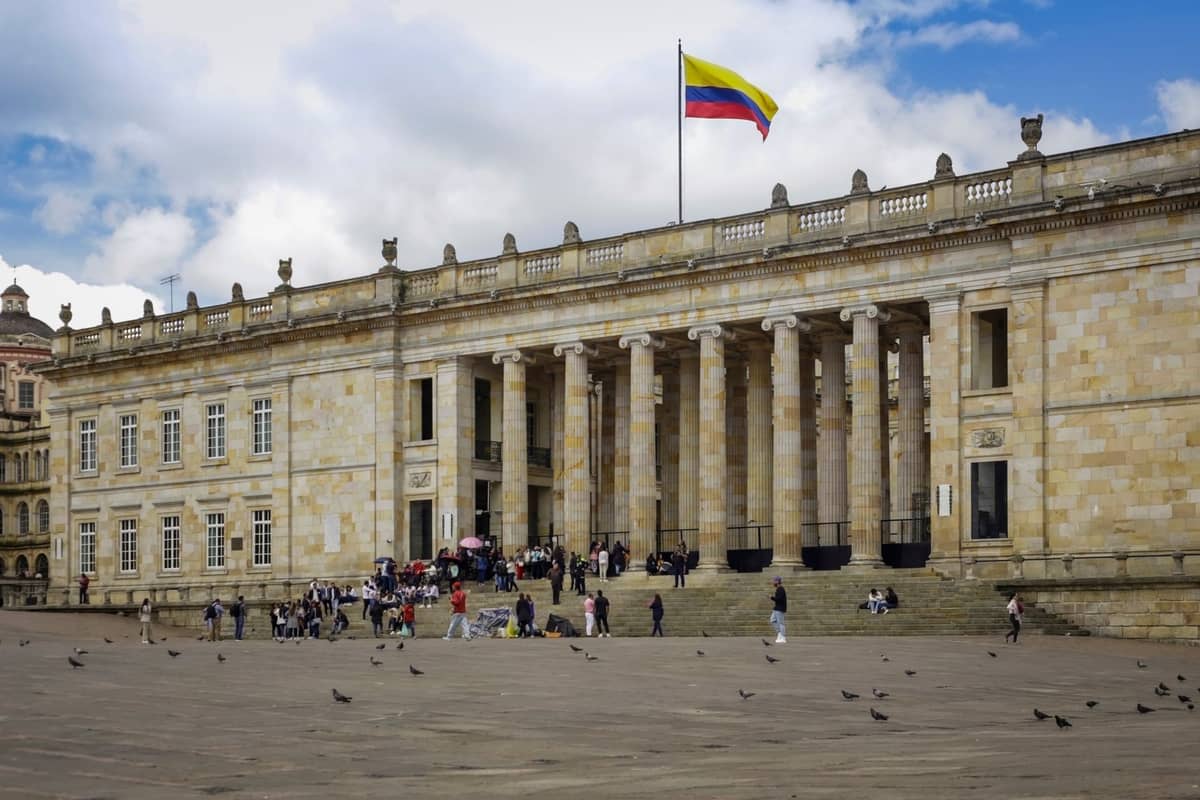
For most first-time visitors, the logical starting point is Museo del Oro in the historic center. Managed by Banco de la República, it holds more than 55,000 gold and pre-Columbian artifacts and is consistently ranked among the most important museums in Latin America. The sheer scale of the collection, combined with intelligent curation in both Spanish and English, makes it accessible and genuinely impressive. Admission is listed around COP 5,000–21,000 depending on nationality and sales channel — verify on banrepcultural.org. Sundays are free for everyone, as are children under 12 and adults over 60. Hours are Tuesday to Saturday, 9:00 to 19:00, and Sundays from 10:00 to 17:00. It is closed on Mondays.
💡 Local tip
Visit the Museo del Oro on a Sunday to get in free, but arrive before 11:00 to avoid long queues. The museum attracts both tourists and Bogotanos on no-fee days, and the galleries can feel crowded by mid-afternoon.
Two blocks away, the Museo Botero deserves far more attention than it typically gets. Also run by Banco de la República and entirely free to enter, it holds the largest single collection of Fernando Botero's work anywhere in the world, plus pieces by Picasso, Dalí, and Monet. Combining both museums in the same morning is straightforward: they are a short walk apart in La Candelaria, and neither requires more than two hours on its own.
If you have a third stop in the historic district, make it the Museo Nacional de Colombia rather than joining every guided walking tour on offer. The building itself, a 19th-century panopticon-style prison, is architecturally fascinating, and the permanent collection covers Colombian history from pre-colonial times through the 20th century.
Cerro de Monserrate: The View Everyone Wants
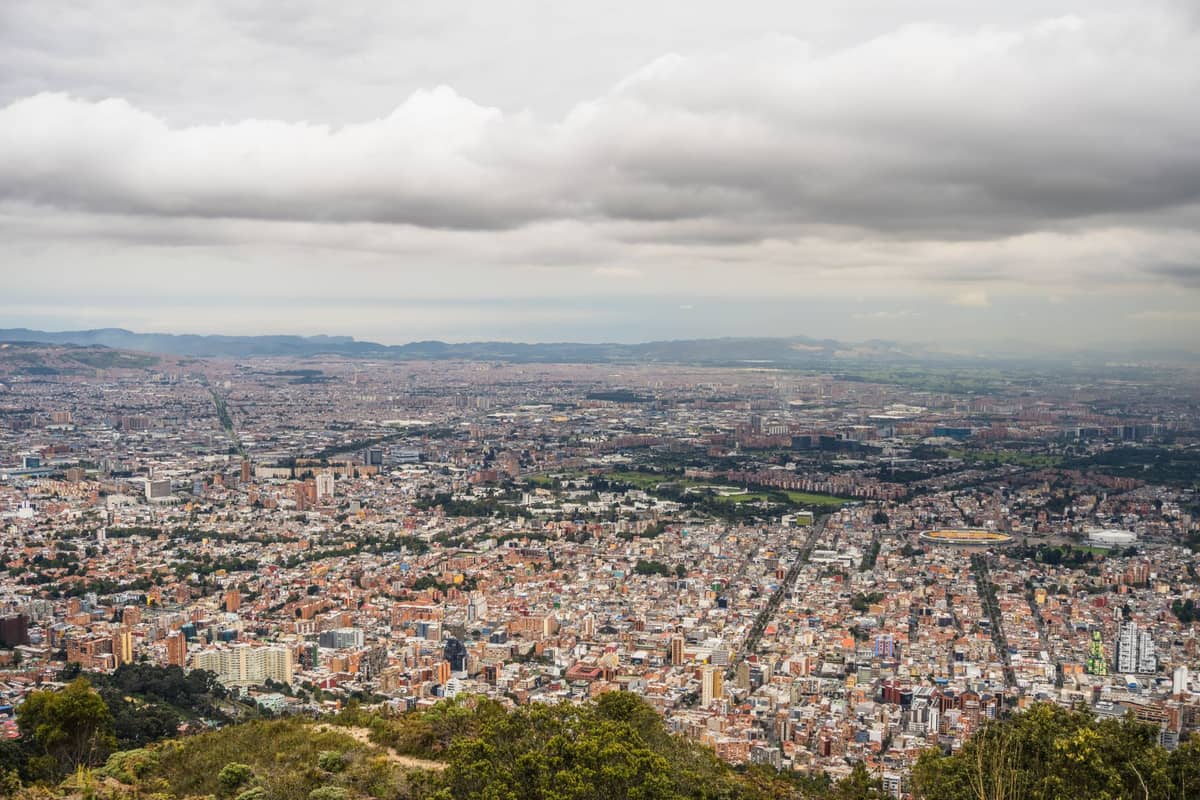
Rising to around 3,152 m above the city, Cerro de Monserrate gives you the clearest possible sense of how large Bogotá, D.C. actually is. On a clear morning, you can trace the Andes ridgeline in both directions while the city stretches to the west as far as the eye can see. The cable car and funicular both run Monday to Saturday from 6:30 to 22:00, with Sunday hours of 5:30 to 17:00 and holiday hours from 6:30 to 17:00. Check the official Monserrate site for current ticket prices before visiting, as fares are updated periodically.
- Best time to go Weekday mornings (especially Tuesday to Thursday) have the thinnest crowds and the clearest skies. Weekends between 10:00 and 15:00 can see significant queues for both the funicular and cable car.
- Hiking option A marked pedestrian path runs up the hill daily from about 5:00 a.m. to 1:00 p.m., except Tuesdays when it is closed for maintenance. The hike takes roughly 60 to 90 minutes depending on your pace and altitude acclimatization.
- Weather prep Clouds roll in quickly at elevation. Even in the dry season, temperatures at the summit can be 5°C cooler than the city below. Bring a layer and expect possible drizzle regardless of how sunny it looks from the city.
- Night visits The Monday-to-Saturday late closing (22:00) makes evening visits possible. The illuminated city skyline after dark is worth the trip, but confirm current hours before planning a night outing.
⚠️ What to skip
Do not attempt to walk up Monserrate via unauthorized trails, particularly on weekdays. The areas around the hill have historically had security concerns. Use the official pedestrian path on permitted days, or take the cable car and funicular.
Neighborhoods Worth Your Time
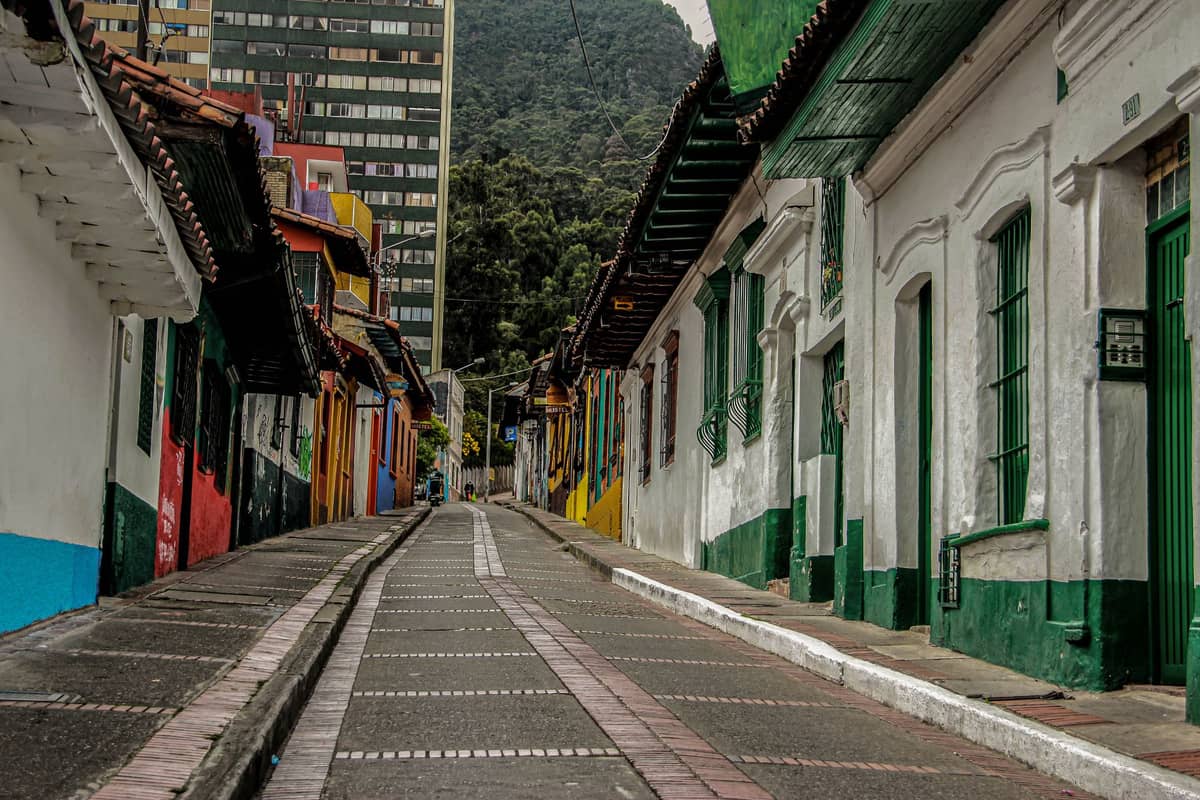
Bogotá rewards visitors who think in neighborhoods rather than landmark checklists. La Candelaria is where most people start, and for good reason: the Plaza de Bolívar, the Catedral Primada, and the major museums are all within walking distance. But La Candelaria also has a student-heavy atmosphere, affordable set-lunch restaurants (known locally as corrientazos), and a concentration of street murals that make aimless walking genuinely rewarding.
For a complete change of pace, take a taxi or Cabify north to Usaquén. The neighborhood has a preserved colonial town center that predates its absorption into the capital, and on Sundays it hosts a flea market along the cobblestone side streets that draws a mix of antiques dealers, artisan food vendors, and live musicians. It is more relaxed than the Candelaria tourist circuit and gives a clearer picture of how affluent Bogotanos spend a weekend.
Between these two poles sits La Macarena, a compact neighborhood just north of La Candelaria that has become the strongest concentration of independent restaurants in the city. It is small enough to walk end to end in twenty minutes, but dense enough in quality food options that a single afternoon here can cover lunch, coffee, and dinner without repeating a block. The Bogotá food guide covers the best specific spots.
Free and Low-Cost Things to Do
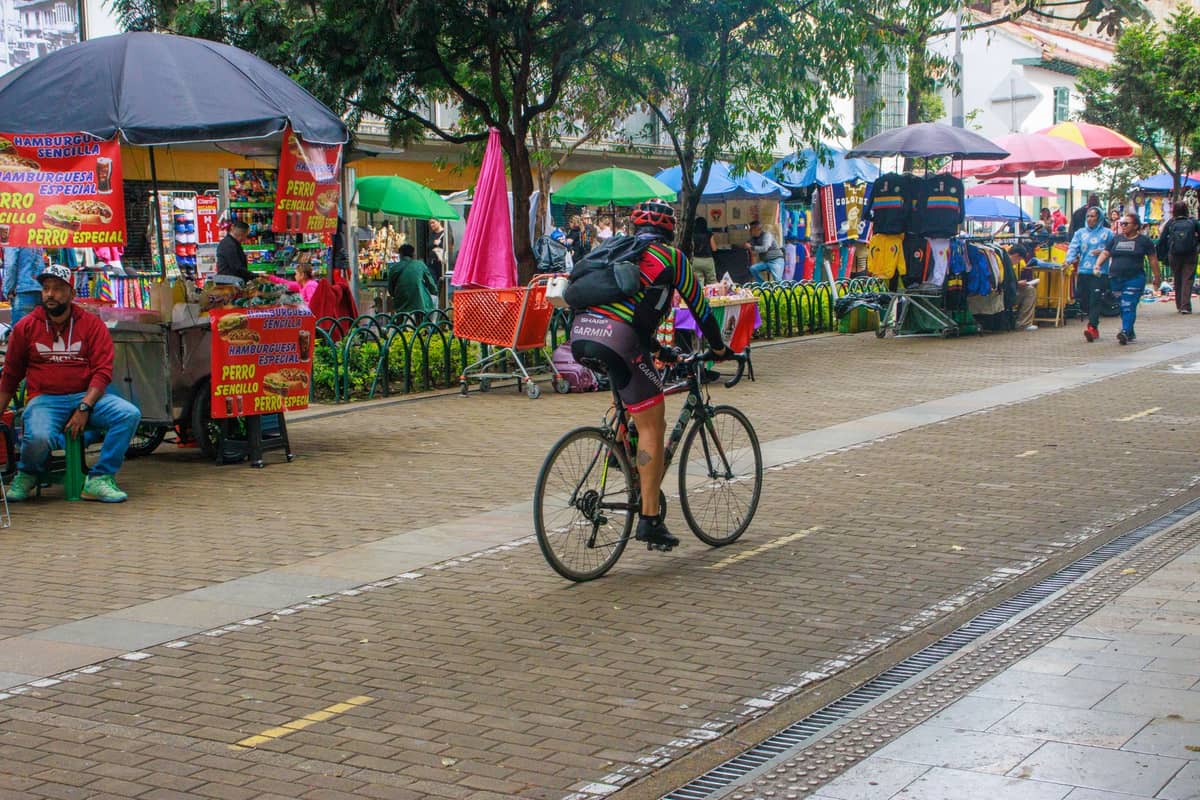
Bogotá has a genuine culture of free public programming that few other South American capitals match. The Ciclovía is the most famous example: every Sunday and public holiday, more than 120 km of city roads are closed to cars from 7:00 to 14:00, and the streets fill with cyclists, runners, and families. It is free, it is enormous in scale, and it gives you a completely different perspective on how the city uses public space.
The Paloquemao market is another option that costs nothing to enter and very little to enjoy. It is a wholesale and retail flower, fruit, and food market that operates from the early hours of the morning. Arriving by 7:00 gives you the most active atmosphere before the main retail crowds arrive. Bring cash in small denominations.
- Museo Botero: free entry, world-class art collection, no reservation needed on most days
- Jardín Botánico de Bogotá: low-cost entry, 19 hectares of Andean flora, excellent for a half-morning
- Bogotá street art in La Candelaria and Chapinero: entirely free, and among the best urban muralism in Colombia
- Plaza de Bolívar: free to walk, architecturally significant, watch the changing of the guard outside the Palacio de Nariño
- Parque Metropolitano Simón Bolívar: the city's largest urban park, free and popular with joggers, picnickers, and weekend sports
✨ Pro tip
The first Saturday of each month, several Banco de la República cultural venues (including the Museo Botero) run special programming and guided tours in both Spanish and English. Check banrepcultural.org for the monthly calendar before finalizing your dates.
Day Trips from Bogotá Worth the Journey
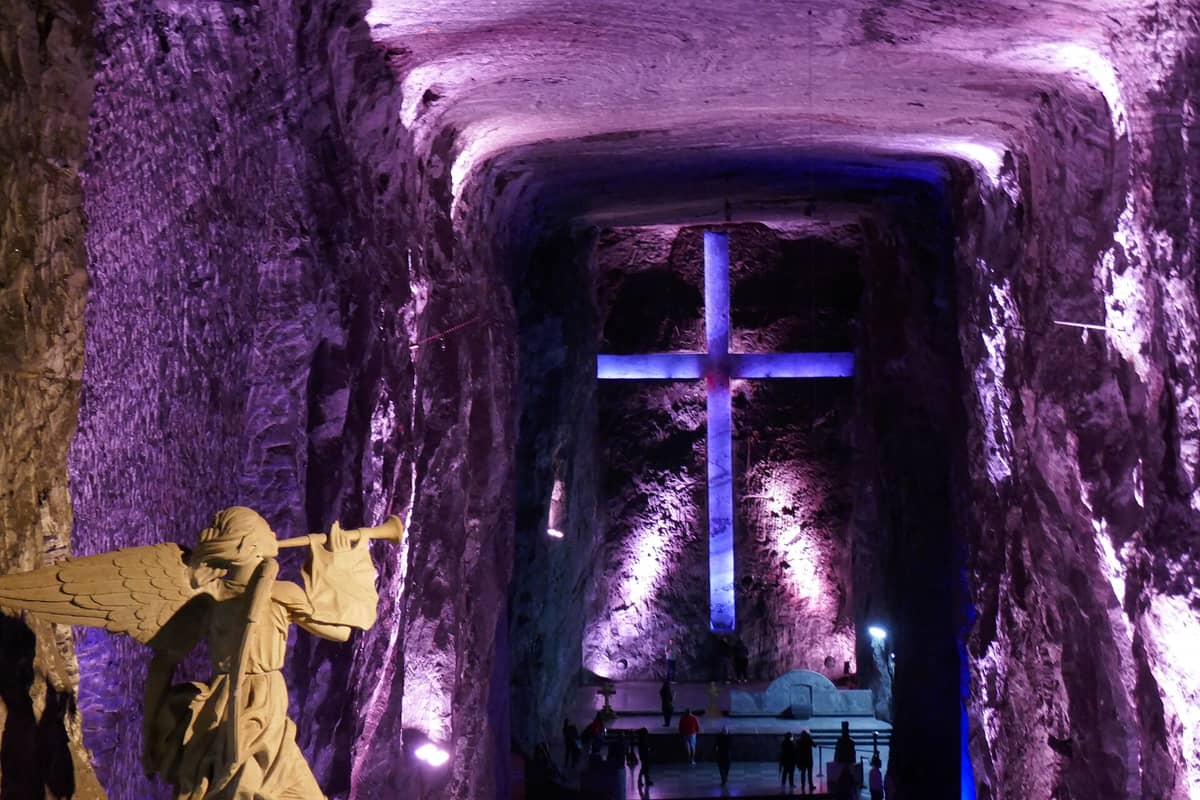
The most popular day trip from Bogotá is the Catedral de Sal de Zipaquirá, a working cathedral carved into a salt mine about 49 km north of the city. It sounds gimmicky but is architecturally impressive and genuinely unusual. The salt deposits were mined by the Muisca people before Spanish colonization, and the current cathedral dates from 1995, built within the tunnels of the original mine. Organized tours from Bogotá run regularly, but the site is reachable independently by Transmilenio feeder bus to Portal del Norte and then a colectivo (shared minivan) to Zipaquirá.
For something more natural, Laguna de Guatavita is the crater lake that gave rise to the El Dorado legend, and it sits about 75 km northeast of the city. The hike around the rim takes roughly an hour and the views are striking, but access is controlled and limited to guided groups. Tours depart Bogotá in the early morning and return by mid-afternoon. The full day trips from Bogotá guide covers transport logistics and costs for both sites.
Practical Advice Before You Go
Bogotá's weather is determined more by wet and dry seasons than by temperature. Average daytime temperatures stay in the high teens to low twenties Celsius year-round, which sounds pleasant until you factor in wind, altitude, and rapid afternoon showers. The dry seasons, December to March and June to August, are the most comfortable for outdoor activities and day trips. If you are visiting during the rainy season (April to May or September to November), plan museum-heavy mornings and use afternoon rain as your cue to shift to cafés and indoor spaces. The full Bogotá weather guide breaks down month-by-month conditions.
Getting around the city is straightforward once you understand the options. TransMilenio (the bus rapid transit network) is cheap and covers major corridors, but it gets severely crowded during rush hours (roughly 7:00 to 9:00 and 17:00 to 19:30). Ride-hailing apps including Uber, Cabify, and Didi work reliably and are the recommended option for late-night travel or routes that TransMilenio does not cover efficiently. Taxis hailed on the street are legal but always insist on the meter or agree on a price before departure. The currency is the Colombian peso (COP), and smaller vendors and markets prefer cash.
On altitude: Bogotá sits at 2,640 m above sea level, and this affects most visitors arriving from lower elevations. Symptoms like mild headaches, fatigue, and shortness of breath during activity are common in the first 24 to 48 hours. Drink more water than usual, avoid heavy alcohol on arrival day, and do not attempt Monserrate's hiking path on your first morning. Most visitors acclimatize within two days without needing medication.
FAQ
How many days do you need in Bogotá?
Three days is the practical minimum to cover the main cultural attractions, explore at least two neighborhoods in depth, and do one day trip. Five days gives you room to slow down, visit the Catedral de Sal, and actually eat your way through La Macarena without rushing. The 3 Days in Bogotá itinerary offers a solid framework for a short stay.
Is Bogotá safe for tourists?
Bogotá is a large capital city with the variation in safety you would expect from any major metropolitan area. La Candelaria, Usaquén, Zona Rosa, and La Macarena are all actively visited by tourists without significant incident when common-sense precautions are applied: avoid displaying expensive electronics, use ride-hailing apps rather than flagging random taxis at night, and check current advice from your government's travel advisory site before your trip. Some areas of the city, particularly south of La Candelaria and around certain bus terminals at night, require more caution.
What is the best time to visit Bogotá?
December to March is the driest stretch of the year and coincides with the holiday period, making it the most popular window for international visitors. July and August are also dry and slightly quieter. If you want to avoid crowds while still getting decent weather, late January through February is ideal. Avoid the peak rainy months of October and November if outdoor activities or day trips are a priority.
How do I get from El Dorado Airport to the city center?
El Dorado International Airport (BOG) sits roughly 10 to 15 km west of the central districts. The most convenient options are licensed airport taxis (use the official taxi counters inside the terminal) or app-based rides via Cabify or Didi. TransMilenio feeder buses connect to the main BRT network at a lower cost, but require luggage management and are slower during traffic. Travel time to La Candelaria or Chapinero is typically 30 to 60 minutes depending on traffic conditions.
Do I need to speak Spanish to visit Bogotá?
Spanish is the official language and the default in daily life, markets, local restaurants, and public transport. In tourist-facing businesses in Usaquén, Zona Rosa, and the major museums, English is commonly available. Learning a few basic phrases (numbers, food vocabulary, directional words) makes a significant practical difference outside the main tourist zones. Google Translate's camera function handles menus and signs well enough to fill most gaps.