Where to Stay in Bogotá: Best Neighborhoods & Hotels Guide
Choosing where to stay in Bogotá shapes your entire trip. This guide breaks down every major neighborhood by safety, price range, atmosphere, and proximity to key attractions, so you can book with confidence.
Plan and book this trip
Tools from our partner Travelpayouts help you compare flights and hotels. If you book through them, we may earn a commission at no extra cost to you.
Flights
Hotels map
TL;DR
- Chapinero and Zona Rosa are the best all-round bases for first-time visitors, with strong safety records, good food, and easy access to Bogotá's top attractions
- La Candelaria is great for budget travelers and history lovers but requires extra caution after dark, especially south of Calle 7.
- Usaquén suits longer stays and travelers who prefer a quieter, residential feel with weekend market culture.
- Bogotá sits at 2,640 m above sea level, so factor altitude into your accommodation choice — a central location reduces the need for long taxi rides while acclimatizing.
- Hotel prices range from around US$40/night in La Candelaria to US$150–300/night in Zona Rosa; check the best time to visit Bogotá for seasonal pricing tips.
How to Choose Where to Stay in Bogotá
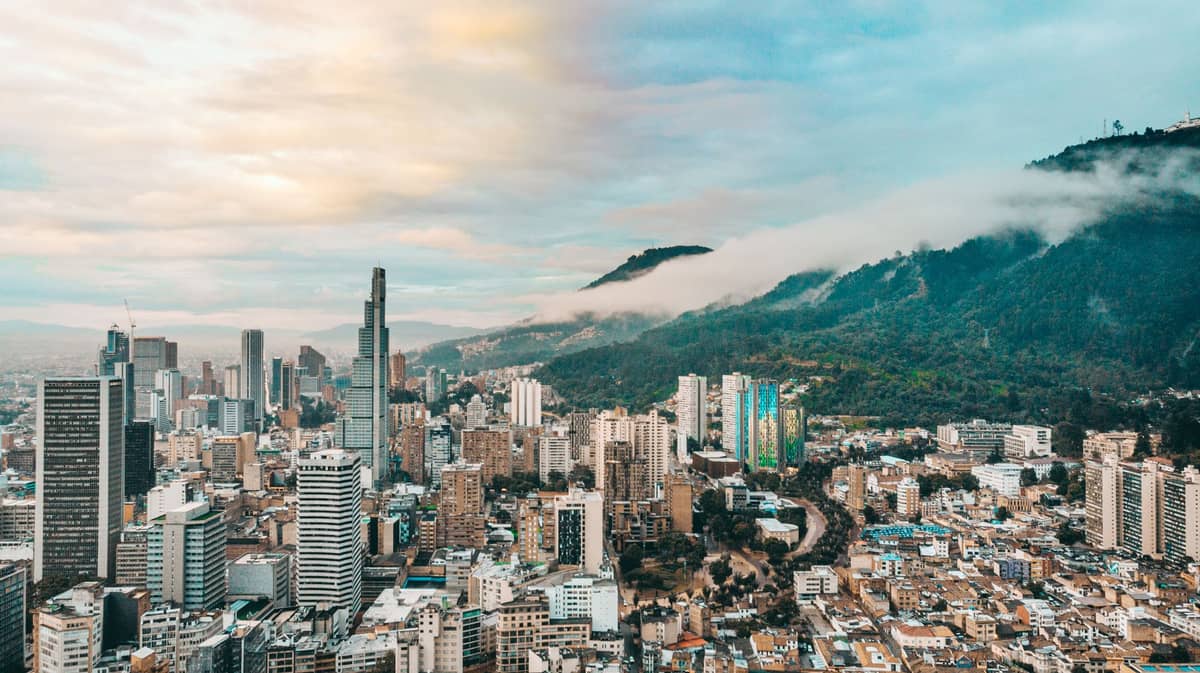
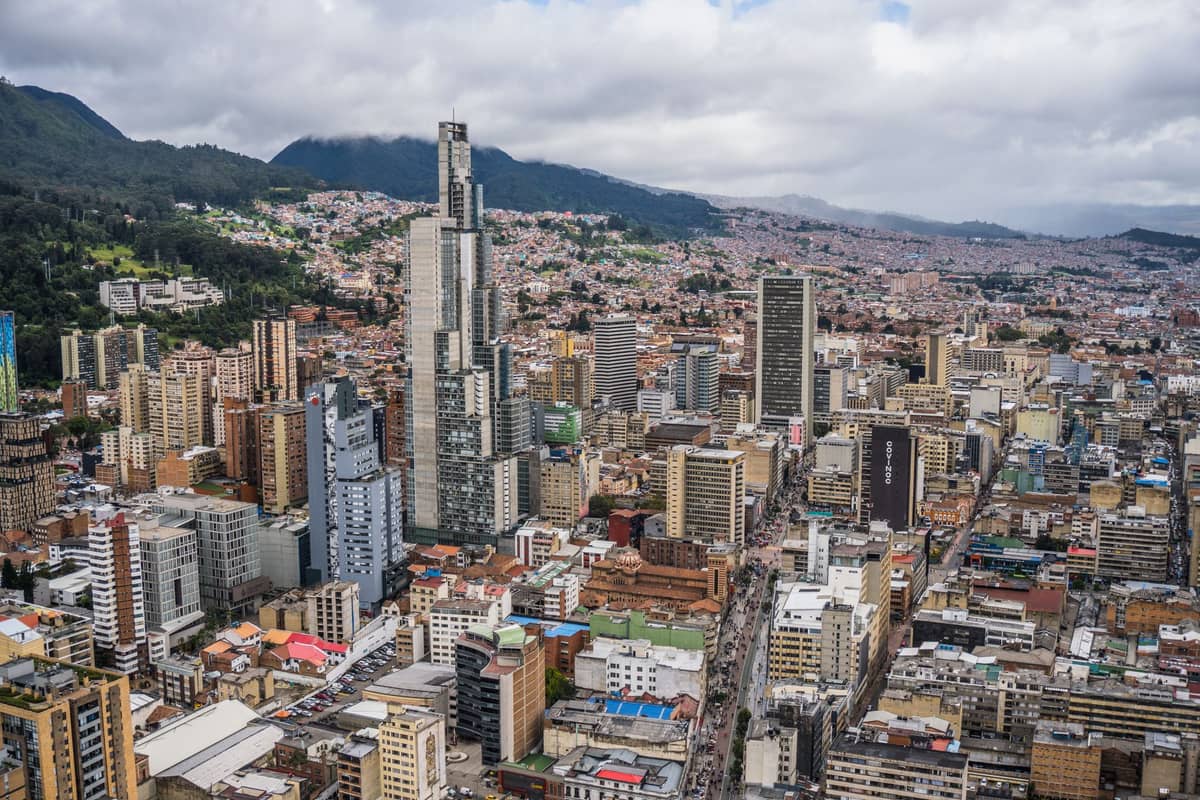
Bogotá, D.C. is a sprawling capital of over 7.9–8 million people and a capital district covering 1,587 km², and it has no single obvious tourist district. The city runs north to south along the Andes foothills, and the general rule is that the farther north you go, the more upscale and well-patrolled the neighborhoods become. Where you stay will determine how easily you access museums, restaurants, and nightlife, and how safe and comfortable your walks are after dark.
Three factors should drive your decision: budget, safety comfort level, and what you actually plan to do. If your itinerary is heavy on museums and colonial architecture, staying near La Candelaria makes geographic sense. If you want to eat well, work remotely, and go out at night without worrying about logistics, Chapinero or Zona Rosa will serve you far better. Bogotá's TransMilenio bus rapid transit system connects most areas, and ride-hailing apps like Uber, Cabify, and Didi operate widely and fill the gaps, so you're never truly locked in by your neighborhood choice.
ℹ️ Good to know
Bogotá sits at 2,640 m above sea level. Altitude sickness (soroche) is a real consideration for arrivals from sea level. For your first 24–48 hours, choose a centrally located hotel so you can walk minimally and rest easily. Avoid booking accommodation far from your planned activities until you know how your body responds to the elevation.
La Candelaria: Historic Center for Budget Travelers
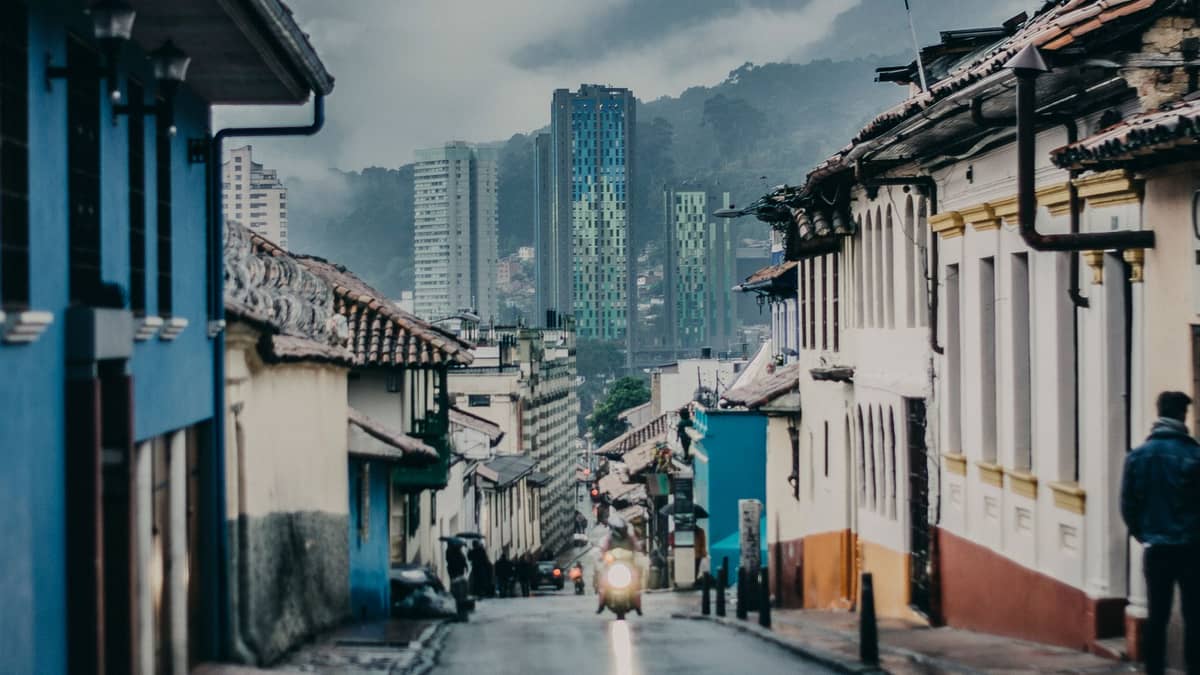
La Candelaria is Bogotá's oldest neighborhood and its cultural core. The Museo del Oro, Museo Botero, and Plaza de Bolívar are all within walking distance of each other here. The highest concentration of hostels and budget hotels in Bogotá is also in this area, with nightly rates running around US$40–100 depending on category.
The practical picture: La Candelaria is well-patrolled and genuinely busy during the day, making it safe for walking and sightseeing. However, conditions change after dark, particularly south of Calle 7. Petty theft and opportunistic crime do occur at night, and most experienced travelers use ride-hailing apps rather than walking after sunset. This doesn't make La Candelaria off-limits, it just means you need to be sensible about timing. If you're a solo traveler on a tight budget who plans to spend evenings in rather than out, La Candelaria is a practical, well-located choice.
- Best for Budget travelers, first-time visitors focused on museums and colonial history, backpackers
- Price range Around US$40–100/night for hotels; hostels considerably cheaper
- Safety note Generally safe by day; use apps after dark and avoid blocks south of Calle 7 at night
- Drawback Limited upscale dining and nightlife options; street noise can be significant near main plazas
Chapinero: The Best All-Round Base for Most Travelers
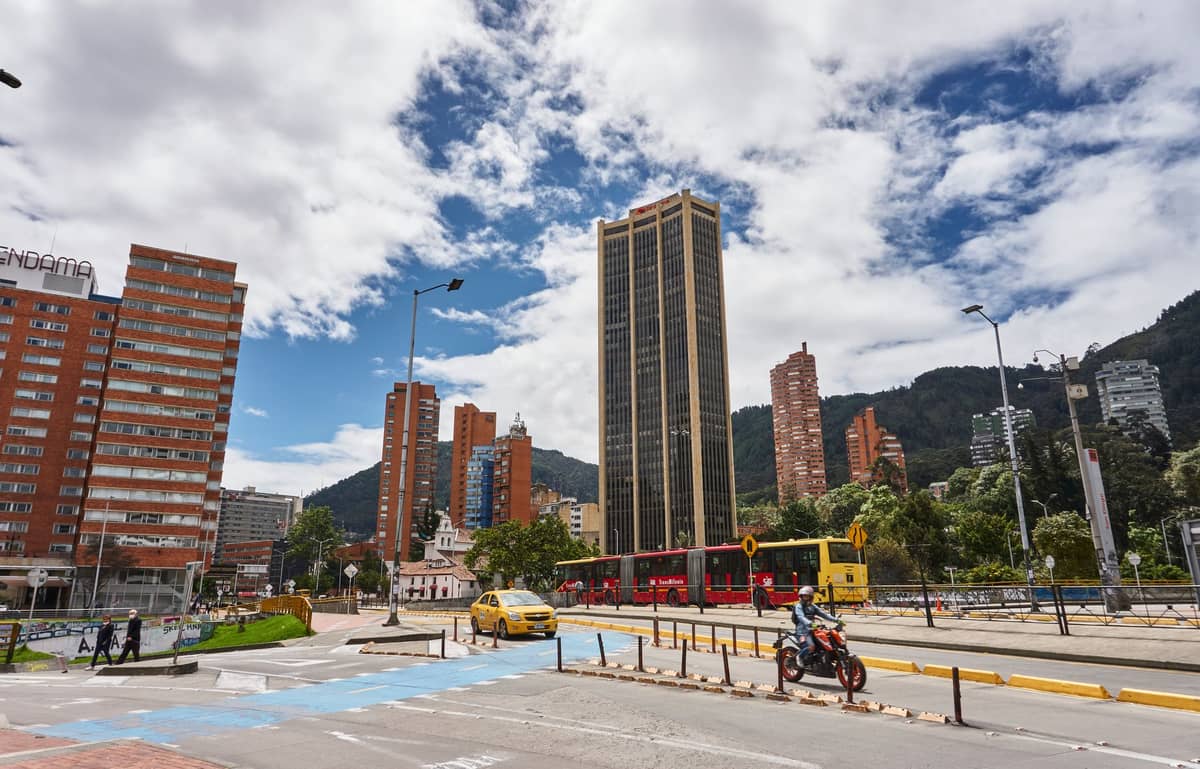
Chapinero is consistently ranked as the best overall neighborhood to stay in Bogotá for first-time visitors, digital nomads, and anyone who wants a mix of food, culture, nightlife, and safety. It's a large district that stretches from roughly Calle 39 to Calle 72, and it includes subcommunities like Chapinero Alto and the LGBTQ+-friendly area known as the Zona Rosa de Chapinero. For a detailed look at the dining scene here, the Bogotá food guide covers the best restaurants and cafés by neighborhood.
Main streets in Chapinero are well-lit, active throughout the evening, and have a strong police presence. The neighborhood has a high density of co-working spaces, specialty coffee shops, and independent restaurants, which explains its popularity with remote workers. It's also geographically central, meaning you can reach both La Candelaria to the south and Usaquén to the north without committing to an extreme location.
✨ Pro tip
If you're staying in Chapinero for more than a few nights, look for accommodation on or near Carrera 7 or Avenida Chile (Calle 72). Both corridors have good TransMilenio access and are lined with restaurants and cafés. Chapinero Alto, on the hill slightly east of the main district, offers quieter streets and better views but requires a short taxi ride to reach most venues.
Zona Rosa, Zona T, and Parque 93: Upscale and Well-Patrolled
The area anchored by Zona Rosa (also called Zona T for its T-shaped pedestrian street) and Parque de la 93 is Bogotá's equivalent of a high-end hospitality district. International hotel brands, upscale Colombian restaurants, rooftop bars, and some of the city's best nightlife clubs are concentrated here. Nightly hotel rates typically run US$150–300 for a solid mid-to-upper-range property.
This area is considered one of the safest in Bogotá for tourists. Private security is present at most venues, the streets around Parque de la 93 are well-maintained and patrolled, and the neighborhood functions as a genuine business district during the day. It's an obvious choice for business travelers on expense accounts or anyone who prioritizes comfort and security above all else. The tradeoff is price: this is the most expensive area to stay, and it has less local character than Chapinero or Usaquén.
If nightlife is a priority, this is your best base. The Bogotá nightlife guide covers the club and bar scene in depth, but in short: Zona Rosa concentrates the most internationally recognized venues, and staying nearby eliminates the taxi commute home at 3am.
Usaquén: Quieter, Affluent, and Great for Longer Stays
Usaquén is Bogotá's northernmost tourist-friendly district, and it operates at a different pace from the rest of the city. The historic core around the old town square has cobblestone streets, colonial-style buildings converted into restaurants, and a Sunday flea market that draws both locals and visitors. The Usaquén flea market runs every Sunday and is one of the most enjoyable ways to spend a morning in Bogotá.
Safety-wise, Usaquén is consistently cited as one of the most walkable areas in Bogotá at almost any hour, with an upscale residential character that keeps the streets calm. The main downside is distance: Usaquén sits well north of La Candelaria and most central attractions, so if your itinerary involves daily museum visits or trips up to Cerro de Monserrate, you'll be spending more time in transit than you would from Chapinero.
Usaquén works best for travelers staying five or more nights who want a neighborhood feel rather than a hotel-district feel. It's also popular with families. For ideas on structuring a longer visit, the 3-day Bogotá itinerary can help you plan efficient routing from wherever you're based.
⚠️ What to skip
Usaquén is farther from El Dorado International Airport (BOG) than central districts like Chapinero or La Candelaria by Bogotá's traffic standards. During peak hours, the airport-to-Usaquén journey can take well over an hour. If you have an early morning flight, factor taxi or ride-hailing time into your schedule and book accordingly. The airport guide has full transfer details.
Practical Booking Tips and Seasonal Pricing
Bogotá's hotel prices don't swing as dramatically as coastal destinations, but there is a notable pattern. October is typically the cheapest month to find rooms, while May sits at the higher end of the pricing curve. Both months fall within Bogotá's rainy seasons (April–May and October–November), which is relevant because persistent rain makes neighborhood-hopping less pleasant. For timing advice that goes beyond just price, the Bogotá weather and climate guide breaks down what each season actually feels like on the ground.
The official city tourism body, Instituto Distrital de Turismo (IDT Bogotá), lists certified hotels and can be a useful starting point for verified accommodation. Major international booking platforms list properties across all five main neighborhoods and allow filtering by area, which is helpful given how different Bogotá's districts are from one another. If you're planning to work remotely, filter specifically for properties in Chapinero with confirmed fast WiFi, as this is not a given at budget properties.
- Book at least two weeks ahead for Chapinero and Zona Rosa during the December–March dry season, which coincides with peak tourist arrivals.
- La Candelaria has the most hostel-style accommodation; private rooms book up quickly on weekends due to domestic tourism.
- Airbnb availability is high in Chapinero and Usaquén, with many entire apartments available, which suits digital nomads on monthly stays.
- Always verify WiFi speed independently if remote work matters; ask for a speed test screenshot before booking smaller properties.
- Check whether your hotel includes breakfast. In mid-range Bogotá hotels, this is sometimes included and can represent genuine savings at local prices.
Getting around between neighborhoods is manageable. TransMilenio covers major corridors, and Uber, Cabify, and Didi operate legally in Bogotá. The getting around Bogotá guide covers all transport options in detail, including how to use TransMilenio without a local card. From the airport, official airport taxis and ride-hailing apps are both reliable options; the airport sits on the western edge of the city roughly 10–15 km from central districts, though travel time depends heavily on traffic.
FAQ
What is the safest neighborhood to stay in Bogotá?
Usaquén, Zona Rosa, and Parque 93 are consistently cited as the safest areas for tourists, with strong police presence and active security at venues. Chapinero is also very safe on main streets. All of these require standard big-city awareness, but they are genuinely low-risk compared to other Latin American capitals of similar size.
Is La Candelaria safe for tourists?
La Candelaria is safe during the day, especially around Plaza de Bolívar and the main museum corridor. After dark, particularly south of Calle 7, risk increases. Most experienced travelers use Uber or Cabify rather than walking after sunset. If you stay in La Candelaria, plan your evenings accordingly and keep valuables out of sight.
How far is Bogotá's airport from the main hotel areas?
El Dorado International Airport (BOG) is roughly 10–15 km from central districts like Chapinero and La Candelaria, and Bogotá's traffic means the journey can take 30–60 minutes under normal conditions and longer during peak hours. Official airport taxis and Uber are both available at the terminal, although ride-hailing apps operate in a legal gray area rather than as formally licensed transport companies.
When is the cheapest time to book hotels in Bogotá?
October tends to have the lowest average hotel rates, followed by other months in the rainy seasons (April–May and October–November). The dry seasons from December to March and July to August are more popular for travel and carry slightly higher prices. That said, price swings in Bogotá are less extreme than in beach destinations.
Does Bogotá's altitude affect where I should stay?
Bogotá sits at 2,640 m above sea level, which can cause altitude sickness in the first 24–48 hours after arrival from sea level. This makes a central, walkable location more valuable on arrival days, since you'll want to minimize exertion. A hotel in Chapinero or Zona Rosa lets you rest, eat nearby, and avoid long rides while your body adjusts.