Bogotá Nightlife: Best Bars, Clubs & Areas (Practical 2026 Guide)
Bogotá's nightlife scene runs deep and late, from craft beer bars in Chapinero to high-end mixology lounges in Zona T. This guide breaks down the best areas, what to spend, when to go, and what to watch out for.
Plan and book this trip
Tools from our partner Travelpayouts help you compare flights and hotels. If you book through them, we may earn a commission at no extra cost to you.
Flights
Hotels map
TL;DR
- Bogotá nightlife centers on three main zones: Chapinero, Zona T/Zona Rosa, and La Candelaria, each with a distinct crowd, price range, and vibe.
- Most bars fill up after 10 pm; major clubs in Chapinero and Zona Rosa run until 3–5 am on Fridays and Saturdays under extended-hours permits.
- Expect to spend 80,000–150,000 COP for a night out in Chapinero, or 150,000–250,000 COP in Zona Rosa. See Bogotá's food and drink scene for daytime context.
- Cover charges typically run 15,000–50,000 COP; premium club nights can reach 90,000 COP.
- Always use Uber, Cabify, or Didi to get home safely — read Bogotá safety tips before your first night out.
Understanding Bogotá's Nightlife Landscape
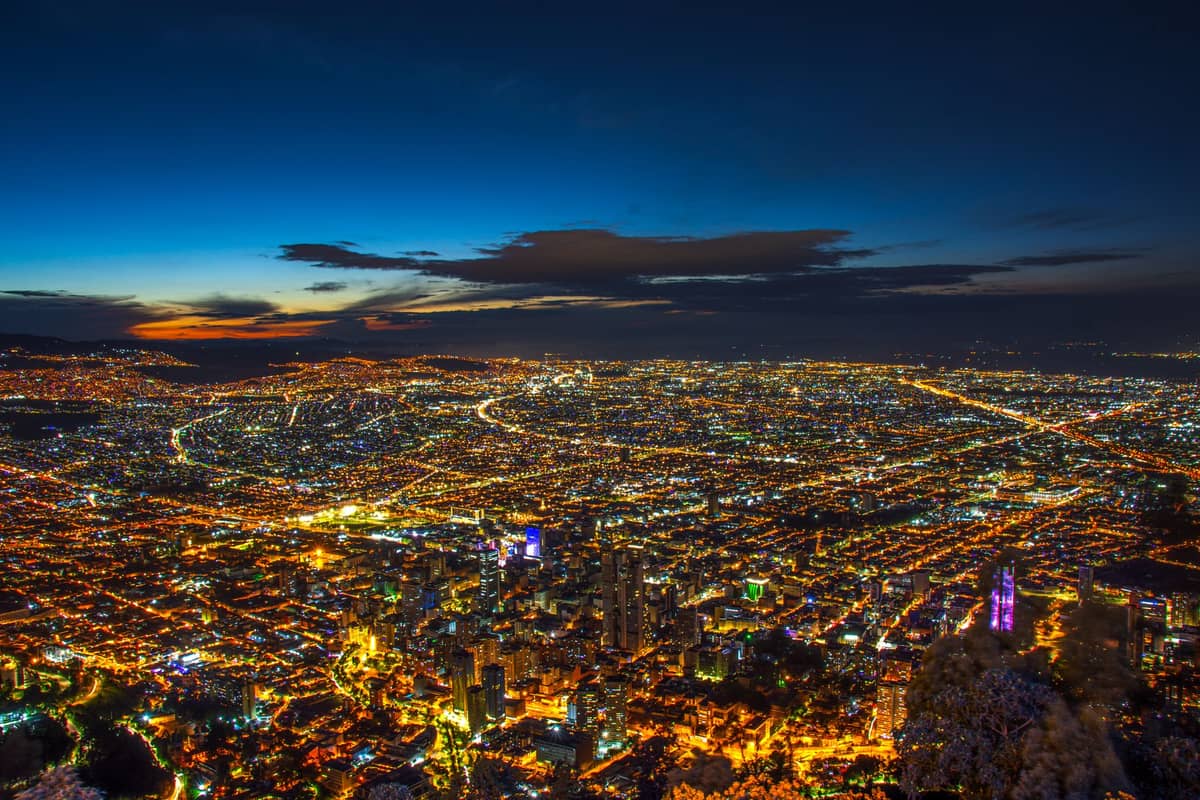
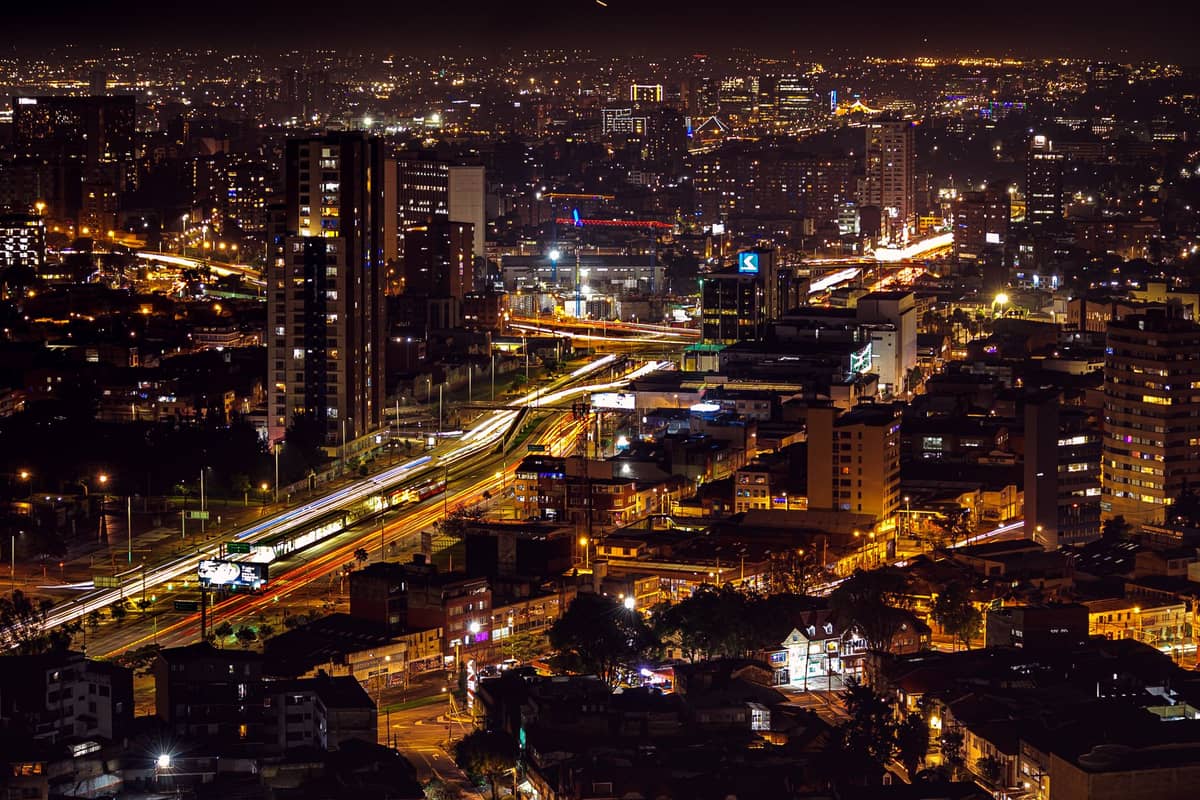
Bogotá, Colombia is a city of around 7.9 million people sitting at about 2,625 metres above sea level, and its nightlife reflects that scale. The scene is genuinely diverse: cumbia and salsa share space with electronic music, reggaeton, and indie rock, often on the same street block. Unlike some Latin American capitals that concentrate nightlife in one district, Bogotá spreads its bar and club culture across multiple neighborhoods, each with its own character. Chapinero is the democratic core, drawing students, locals, and the LGBTQ+ community. Zona Rosa caters to a wealthier, more international crowd. La Candelaria keeps things budget-friendly and bohemian.
One important note for first-timers: the altitude matters at night. Bogotá's elevation means alcohol hits faster than it would at sea level. Experienced travelers pace themselves, especially in the first couple of days. Drink water between rounds and eat before heading out — the cold night air (temperatures often drop to 8–12°C after midnight) intensifies the effect.
ℹ️ Good to know
Bogotá operates on UTC−5 (America/Bogota timezone) with no daylight saving time. Clubs open late by global standards — don't expect a full dancefloor before 1 am. Arriving at 11 pm still feels early.
The Main Nightlife Zones: Where to Go and Why
Chapinero is where most locals actually go. The neighborhood runs along Carrera 7 and stretches into several sub-zones, including the area around Calle 67 and the famous 'Zona de Rumba' strip near Carrera 13. This is where you'll find dense clusters of bars, many with extended-hours permits that keep them running until 5–6 am on weekends. Chapinero is also Bogotá's LGBTQ+ hub, with several large clubs that draw thousands of people on Friday and Saturday nights. Drink prices are mid-range: cocktails at a typical Chapinero lounge run 20,000–35,000 COP, and domestic beer costs 8,000–15,000 COP. A full night here — drinks, entry, transport — typically lands between 80,000 and 150,000 COP.
Zona T and Parque de la 93 form Bogotá's upscale nightlife corridor in the north. This is where polished cocktail bars and rooftop lounges sit alongside high-end clubs with dress codes. Craft beer in Zona T typically costs 12,000–22,000 COP; imported beers run 22,000–32,000 COP; premium cocktails at mixology-focused bars reach 35,000–55,000 COP. The crowd skews older and more international, and the venues tend to close earlier than Chapinero, with many operating until 1 am on weekends. Total spend here for a couple of hours is realistically 150,000–250,000 COP.
La Candelaria, Bogotá's historic center, has a smaller but genuinely interesting bar scene centered on student pubs, craft-focused taprooms, and a handful of cultural venues that mix live music with cheap drinks. It is not a clubbing destination in the traditional sense — late-night options thin out quickly — but it works well for an early evening before heading north. La Candelaria is also where some of the cheapest domestic beers in the city are found, around 8,000–12,000 COP.
- Chapinero Best for: locals, LGBTQ+ nightlife, long nights, mid-range prices. Clubs run until 5–6 am Fri–Sat. Budget: 80,000–150,000 COP per night.
- Zona T / Zona Rosa / Parque 93 Best for: upscale bars, rooftop lounges, international crowd, mixology. Closes earlier (around 1 am). Budget: 150,000–250,000 COP per night.
- La Candelaria Best for: budget drinking, student bars, early evening pre-drinks. Limited late-night club options. Budget: 40,000–80,000 COP for drinks.
- La Macarena Best for: artsy bars, craft cocktails, a relaxed pace. Sits between Candelaria and Chapinero in both geography and vibe.
Timing, Cover Charges, and What Things Actually Cost
Bogotá clubs follow a consistent rhythm. Bars begin filling around 10 pm. Clubs don't reach peak capacity until after 1 am, which means arriving at midnight still feels premature at the busiest venues. The typical weekend club night runs Thursday through Saturday, with Thursday being surprisingly popular — many venues offer reduced covers or free entry before midnight on Thursdays.
Cover charges vary significantly by venue type and day. Standard bars and smaller clubs typically charge 15,000–30,000 COP. Mid-tier clubs on a Saturday night run 30,000–50,000 COP. Large venues running special events or with internationally known DJs can reach 50,000–90,000 COP. Many covers include a drink ticket or a consumable credit that counts toward your bar tab, which improves the value considerably.
✨ Pro tip
Arrive before midnight to take advantage of reduced-cover windows at many Chapinero clubs. Some venues drop the entry fee entirely for the first hour after opening. This is widely known among locals and can save you 20,000–30,000 COP without sacrificing anything.
- Domestic beer (local bars, La Candelaria, Chapinero): 8,000–15,000 COP
- Craft beer (Zona T, craft taprooms): 12,000–22,000 COP
- Imported beer: 22,000–32,000 COP
- Cocktails at mid-range Chapinero lounges: 20,000–35,000 COP
- Premium cocktails in Zona T mixology bars: 35,000–55,000 COP
- Club cover (standard): 15,000–50,000 COP
- Club cover (major events, premium venues): 50,000–90,000 COP
- Full night out in Chapinero: 80,000–150,000 COP
- Full night out in Zona Rosa: 150,000–250,000 COP
Music, Genres, and What to Expect Inside
Bogotá's clubs cover a wider range of music than most visitors expect. Salsa is present but not dominant in the mainstream nightlife zones — dedicated salsa bars exist and tend to draw serious dancers rather than casual tourists. Reggaeton and champeta fill most large commercial clubs. Electronic music, including techno and house, has a strong following, particularly in Chapinero and La Macarena, where smaller venues program local and international DJs.
If you want to hear cumbia, vallenato, or traditional Colombian music, a peña or a restaurant with live music in La Macarena or La Candelaria is a better bet than a mainstream club. These venues tend to operate earlier in the evening — often wrapping up by 1–2 am — and are more accessible to visitors who want to hear live performance without a heavy bass system.
Practical Safety for a Night Out in Bogotá
Bogotá's nightlife areas carry the same general safety considerations as any major city. Chapinero and Zona Rosa are among the better-patrolled neighborhoods at night, but petty theft and phone snatching increase significantly in crowded bar zones, particularly after 2 am when crowds spill onto the street. Bogotá safety tips covers this in full detail, but the core rules are simple: keep your phone out of sight on the street, use app-based rides (Uber, Cabify, Didi) rather than flagging taxis, and avoid walking alone between venues late at night.
Scopolamine (burundanga) is a real concern in Bogotá's nightlife, not a rumor. Never accept drinks from strangers, and don't leave your glass unattended. This applies in tourist-facing bars in Zona T as much as anywhere else. The risk is not unique to Bogotá, but the city's reputation on this issue is specifically documented and worth taking seriously.
⚠️ What to skip
Large protests and demonstrations periodically affect central Bogotá and major avenues, which can block transport routes to and from nightlife zones. Check local news before a big night out, especially around politically sensitive dates. The emergency number in Colombia is 123.
Dress for the weather, not just the venue. Bogotá nights get cold, often dropping to 8–12°C by 2–3 am even in December. Most clubs have coat checks (guardarropa), which typically cost around 3,000–5,000 COP. Bringing a jacket you can check is far more practical than arriving in a t-shirt and spending the night shivering during smoke breaks.
Seasonal Patterns and When Nightlife Peaks
Bogotá's nightlife runs year-round, partly because the city's highland climate doesn't produce the extreme seasonal swings that shut down outdoor nightlife in other cities. Rain is the main variable: the heaviest rainy seasons fall in April–May and September–November, which can affect how willingly people travel across the city at night. December through March and July through August are generally drier, which also tends to mean more active and crowded nightlife. For Bogotá in December, expect particularly busy weekends given the holiday season and the relative dryness of the month.
Festival periods concentrate the nightlife scene significantly. Rock al Parque (typically held over a long weekend in October) and Colombia al Parque series events generate secondary nightlife activity around concerts and outdoor shows. During these periods, expect higher cover charges at premium venues, more crowded transit, and reduced availability of ride-hailing apps in central zones after 2 am.
Getting Around at Night
TransMilenio, Bogotá's bus rapid transit system, reduces service frequency significantly after 11 pm and becomes unreliable and occasionally unsafe for tourists in the early morning hours. For nightlife purposes, treat public transit as a daytime tool. At night, use Uber, Cabify, or Didi. All three operate consistently in Chapinero, Zona Rosa, and Usaquén. Surge pricing kicks in after 1 am and again after 3 am, so factor that into your budget. A trip from Chapinero to Zona Rosa at 2 am typically costs 15,000–25,000 COP depending on demand. See our guide to getting around Bogotá for full transport options.
FAQ
What time do clubs in Bogotá close?
Most major clubs in Chapinero and Zona Rosa operate until 3–5 am on Fridays and Saturdays under extended-hours permits. Some Chapinero venues run until 6 am. Bars in Zona T often close earlier, around 1 am on weekends. Weeknight closing times are typically 2–3 am.
Is Bogotá nightlife safe for tourists?
Chapinero and Zona Rosa are among Bogotá's better-lit and more-patrolled nightlife zones, but standard urban precautions apply. Use app-based rides (Uber, Cabify, Didi) rather than street taxis after midnight, keep your phone in your pocket on the street, and never accept drinks from strangers due to documented scopolamine risks. Check current safety guidance before your trip.
Do clubs in Bogotá have dress codes?
Upscale venues in Zona T and Parque 93 often enforce smart-casual dress codes — no flip flops, torn clothing, or sportswear. Chapinero clubs are generally more relaxed. In all zones, a jacket is practical given Bogotá's cold nights, and most clubs offer a coat check for around 3,000–5,000 COP.
How much does a night out in Bogotá cost?
A realistic budget for a full night out in Chapinero is 80,000–150,000 COP, including drinks, cover charge, and transport. In Zona Rosa or Zona T, budget 150,000–250,000 COP. La Candelaria bar-hopping can be done for 40,000–80,000 COP. All prices are in Colombian pesos (COP); verify current exchange rates before traveling.
What music do Bogotá clubs play?
Reggaeton and champeta dominate the large commercial clubs. Electronic music (techno, house) is strong in Chapinero and La Macarena. Dedicated salsa bars exist throughout the city and draw serious dancers. For live cumbia or vallenato, look for peñas and music restaurants in La Macarena or La Candelaria rather than standard clubs.