Best Day Trips from Bogotá: Salt Mines, Sacred Lakes & Colonial Towns
Bogotá, D.C. sits at 2,640 m above sea level in the heart of the Colombian Andes, making it an ideal base for exploring some of South America's most distinctive landscapes and colonial heritage. This guide covers the top day trips from Bogotá with practical transport details, realistic timings, and honest assessments of what each destination actually delivers.
Plan and book this trip
Tools from our partner Travelpayouts help you compare flights and hotels. If you book through them, we may earn a commission at no extra cost to you.
Flights
Hotels map
TL;DR
- The Zipaquirá Salt Cathedral is the most popular day trip from Bogotá: about 1 hour north by bus, open year-round, and genuinely unlike anything else in Colombia.
- Laguna de Guatavita and the Nemocón salt mine are often combined into a single 6-7 hour itinerary departing Bogotá early morning.
- Villa de Leyva is 3-4 hours away by bus (from Terminal del Norte) and works as a long day trip with an early start, but overnight is more comfortable.
- Dry season (December to March, July to August) is the best time to go; wet season doesn't cancel trips but can affect roads. See our Bogotá weather guide for month-by-month detail.
- All destinations listed are reachable by public bus without a private car or tour group, though organized tours simplify logistics significantly.
Why Bogotá Is an Exceptional Day-Trip Base
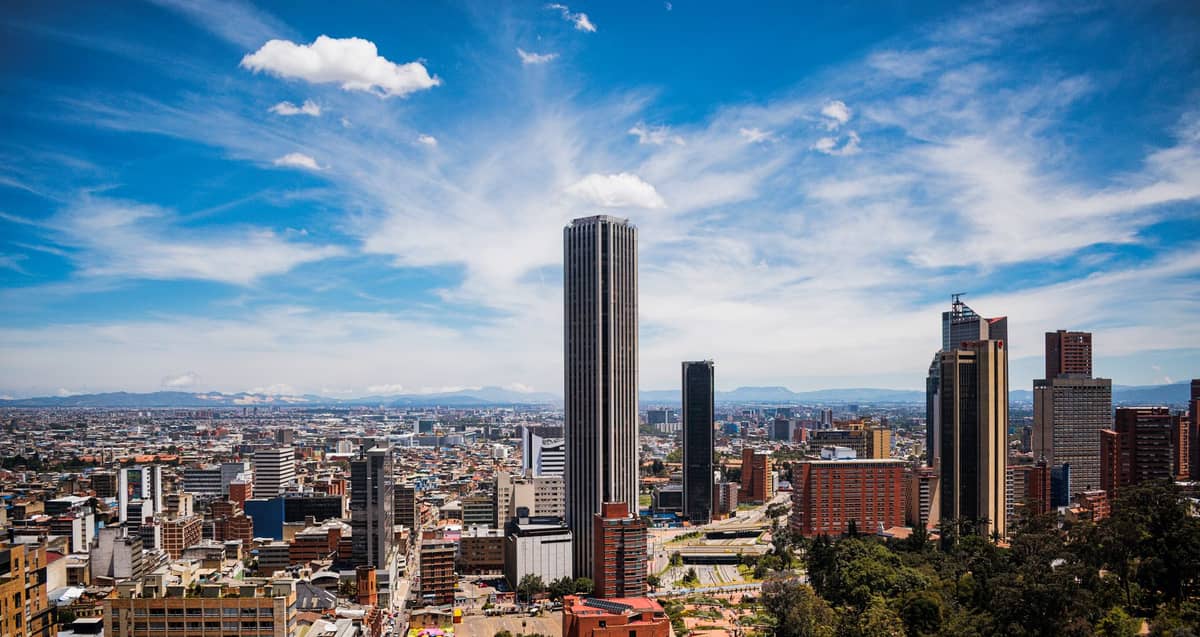
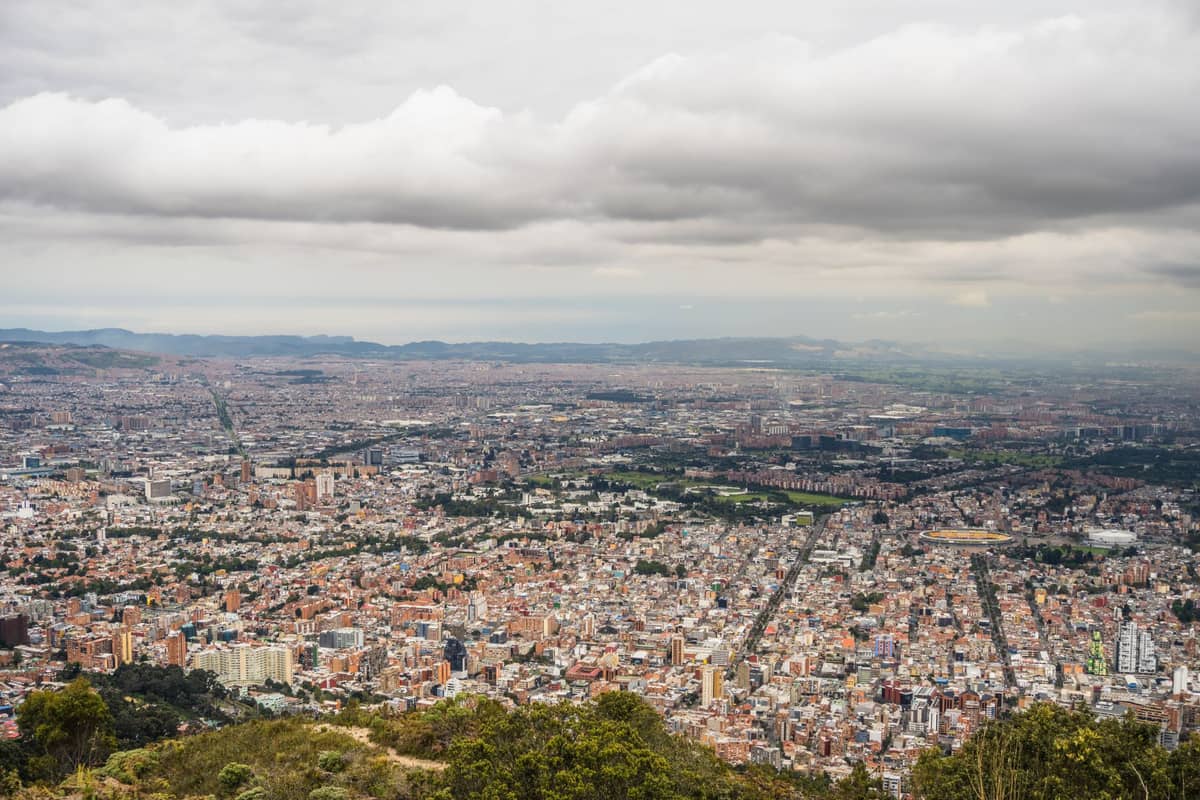
Bogotá, D.C. is Colombia's capital and its most populous city, home to over 8 million people and positioned at 2,640 m above sea level on a high Andean savanna called the Sabana de Bogotá. That elevation shapes everything around it: colonial towns, crater lakes, salt mines, and cloud forest are all within a two to four hour radius. The terrain compresses enormous geographic variety into short travel distances, which is what makes day tripping from Bogotá so rewarding.
Transport logistics are straightforward once you know where to go. Bogotá has two main long-distance bus terminals: Terminal de Transporte Salitre (the city's main bus terminal) on the western side of the city, and Portal del Norte on the northern edge of the TransMilenio network. Most day trips depart from one of these two hubs. For getting around the city to reach them, Bogotá's TransMilenio bus rapid transit connects both terminals efficiently and cheaply.
💡 Local tip
Leave early. Most destinations are busiest mid-morning to early afternoon on weekends. Taking the first or second bus out (often 05:00-07:00) means you arrive before the crowds, get better light for photos, and have time to explore at a relaxed pace before heading back.
Zipaquirá and the Salt Cathedral: The Essential Day Trip
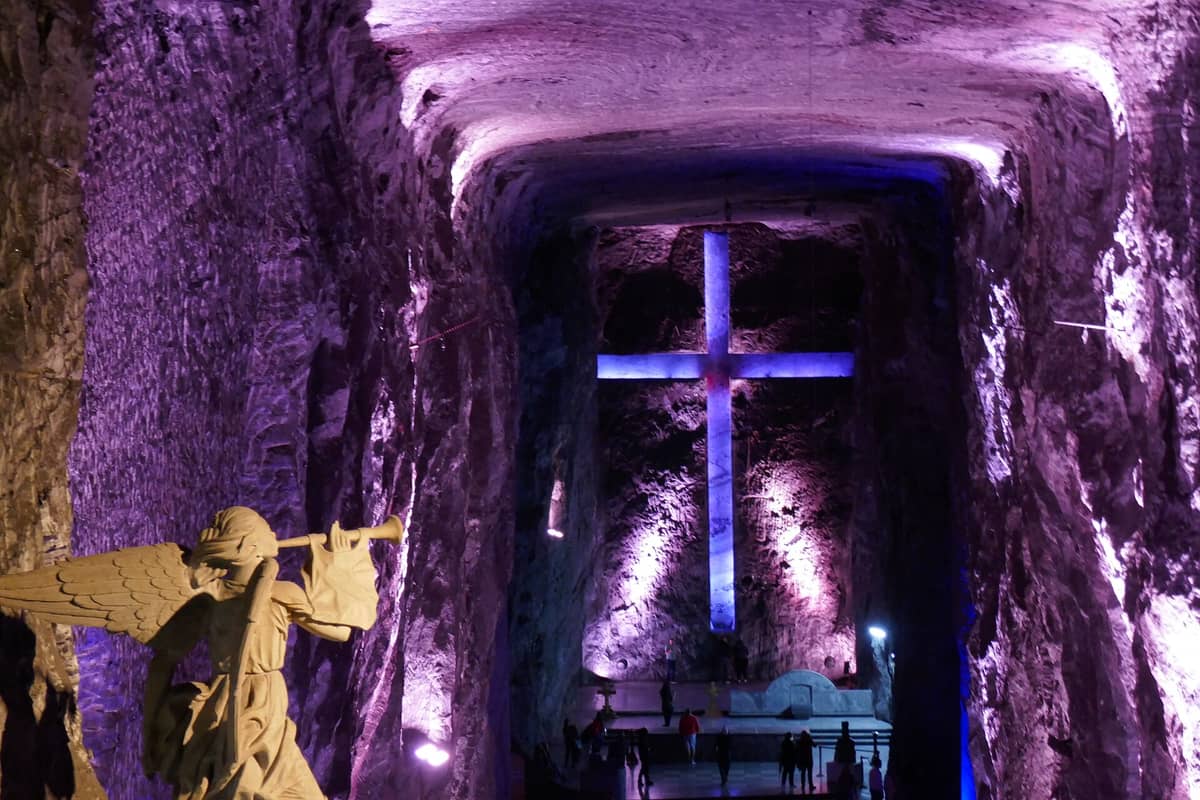
The Catedral de Sal de Zipaquirá is the single most visited day trip destination from Bogotá, and for good reason. Built inside an active halite mine, it is a devotional and architectural space carved directly into salt rock, with 14 chapels representing the Stations of the Cross leading down to a main nave that can accommodate around 8,000 people. The scale underground is genuinely surprising.
Zipaquirá is about 48 km north of central Bogotá. By public bus from Terminal Norte, the journey takes roughly 1 hour and costs around COP 8,000–15,000 each way. From Zipaquirá's bus terminal, the mine entrance is either a short taxi ride or a walkable distance depending on which side of town you arrive. Tickets to the Salt Cathedral are sold on-site and through the official portal at catedraldesal.gov.co, where current pricing in COP (Colombian peso) is listed. Zipaquirá residents pay a reduced local rate.
A common misconception worth addressing: the Salt Cathedral is not a functioning diocesan cathedral in the Roman Catholic Church's administrative sense. It is a devotional tourist site and place of worship that holds services, but its status is that of a tourist attraction built within a working mine. This matters if you are expecting a traditional church experience. What you actually get is something more unusual: an underground environment where temperature stays cool and constant year-round, making it one of the few day trips from Bogotá that works just as well in heavy rain as in sunshine.
ℹ️ Good to know
Bring a light jacket underground. The constant temperature inside the mine is cool regardless of the season above ground, and the contrast with a warm Bogotá afternoon can feel sharp.
Laguna de Guatavita and Nemocón: Myth, History, and Salt
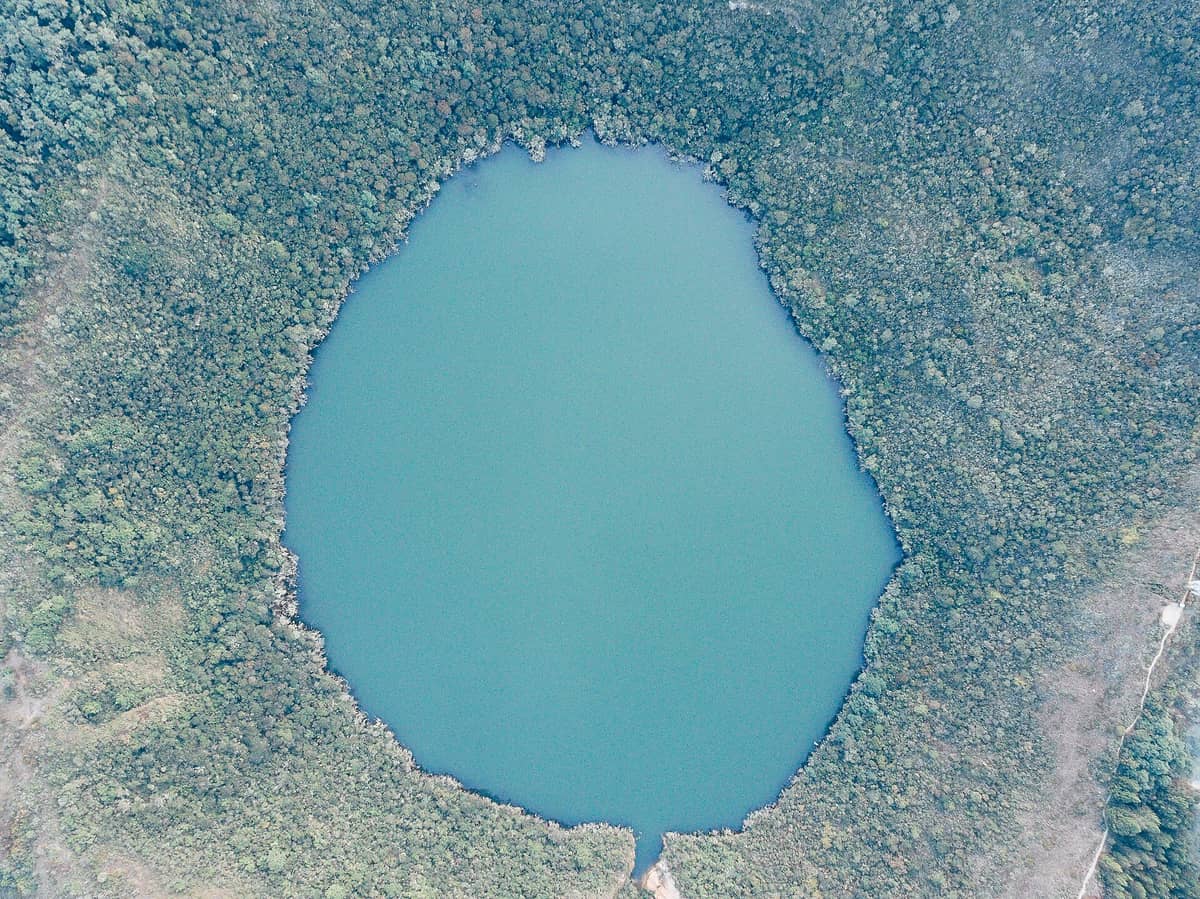
Laguna de Guatavita is the sacred crater lake that inspired the legend of El Dorado. Muisca ceremonies here involved the Zipa (chief) covering himself in gold dust and making offerings into the lake, which Spanish conquistadors interpreted as evidence of a city of gold. The lake itself is a near-perfect circular basin surrounded by cloud forest and reached via a 45-minute loop trail from the entrance point. It is protected as an archaeological and ecological reserve.
To get there independently, take a bus from Bogotá's Portal del Norte terminal toward the town of Guatavita (bus fare is roughly COP 10,000–12,000 one way), then arrange local transport from the town square to the lake access point. The reserve has fixed visiting hours and occasionally closes for conservation reasons or bad weather, so checking with a tour operator or the local authority before you go is strongly recommended. Swimming is prohibited and enforced; this is an archaeological site, not a swimming spot.
The Nemocón salt mine is another historic extraction site, just over an hour north of Bogotá in the town of Nemocón. Buses run from Terminal Salitre (the main central bus terminal) and typically cost around COP 13,000-15,000 one way. Unlike Zipaquirá, Nemocón is smaller, less polished, and sees far fewer visitors, which makes it genuinely more atmospheric in some ways. Many tour operators combine Nemocón and Guatavita into a single 6-7 hour day trip, departing Bogotá early morning and returning by late afternoon. This combination works well logistically and avoids the crowds that gather at Zipaquirá on weekends.
- Laguna de Guatavita Circular crater lake with Muisca historical significance. Access via Guatavita town, then local transport to the trailhead. Verify hours before departing. No swimming.
- Nemocón Salt Mine Smaller, quieter alternative to Zipaquirá. Easily combined with Guatavita. Buses from Terminal Salitre, roughly COP 8,000-12,000 one way.
- Combined tour option Organized Nemocón + Guatavita tours run 6-7 hours and include transport plus guiding. Platforms like GetYourGuide list current operators and prices.
Villa de Leyva: The Colonial Town Worth the Extra Distance
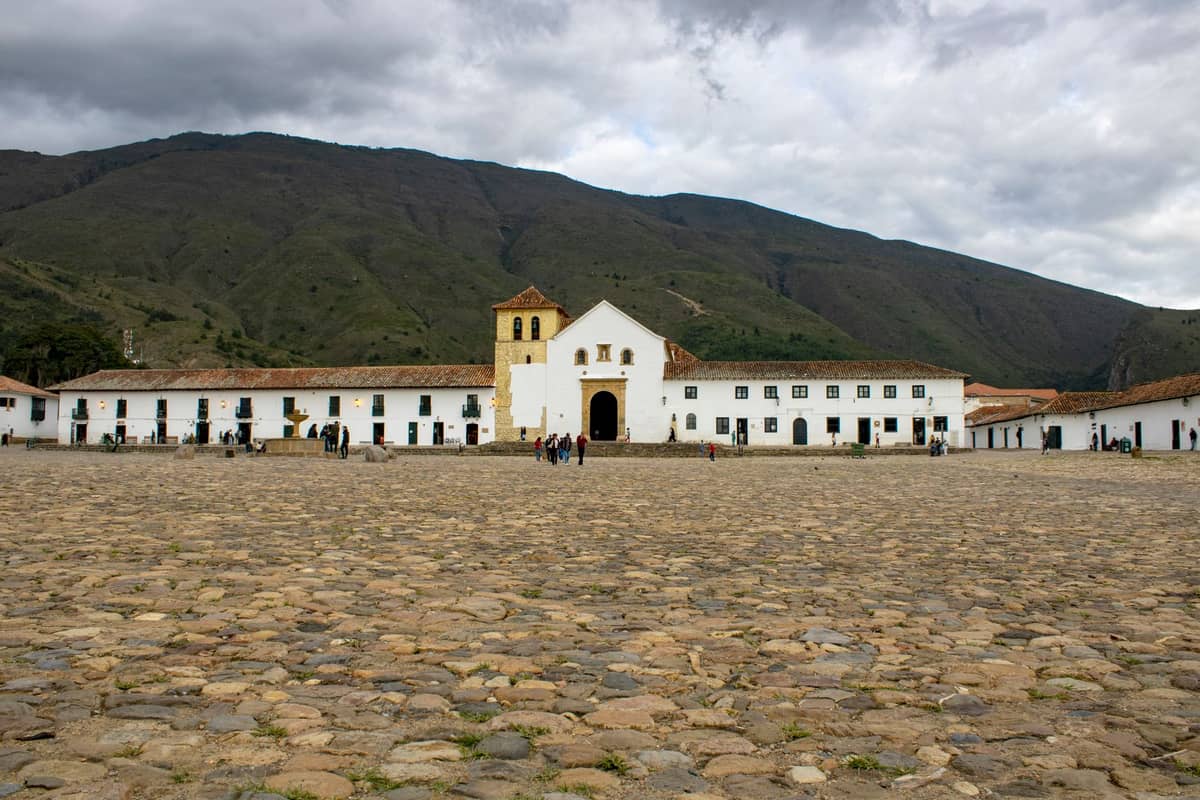
Villa de Leyva is in a different category from the other day trips here. At around 165 km from Bogotá and 3-4 hours by bus, it is at the edge of what comfortably qualifies as a day trip. But the town itself is one of the best-preserved colonial settlements in Colombia, and the journey through the Boyacá highlands offers landscape transitions that justify the distance.
Buses depart mainly from Terminal del Norte (Terminal de Transporte Salitre also has some connections). Several operators including Valle de Tenza, Coflonorte, Omega, and Expreso Cundinamarca run this route. First departures are typically around 05:00-06:00, last buses in the mid-to-late afternoon. One-way fares range from approximately COP 35,000-45,000 depending on operator and departure time, with some international aggregators listing tickets in the USD 8-15 range.
The same-day return is technically possible if you take an early bus, but you will have roughly 4-5 hours in town before needing to catch the return. That is enough to walk the main square (the Plaza Mayor is one of the largest colonial plazas in South America), visit the fossil museum or the Pozos Azules, and eat a proper lunch. It is not enough to explore the surrounding paleontological sites or the winery outside of town. If you have any flexibility in your schedule, add a night. If you only have one day, go early and come back tired.
⚠️ What to skip
Book bus tickets to Villa de Leyva in advance on holiday weekends and during the Colombian high season (December-January, July-August, and Semana Santa). Seats sell out, and the town fills up with domestic tourists. Independent travelers who arrive at the terminal without a reservation have been stranded, particularly on Sunday afternoons.
Nature Day Trips: Cloud Forest, Waterfalls, and Páramo
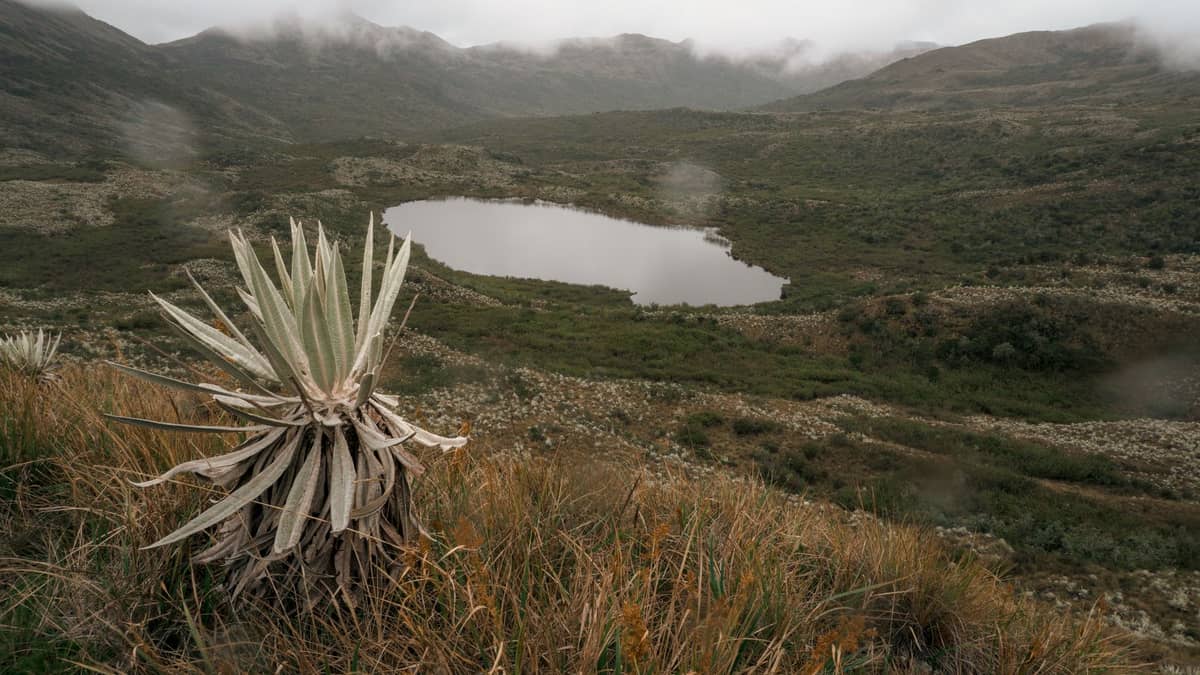
Bogotá's surroundings include some extraordinary natural landscapes that rarely appear in tourist itineraries. Parque Nacional Natural Chingaza is a páramo ecosystem less than two hours from central Bogotá that supplies most of the city's drinking water. The park protects spectacled bears, tapirs, and hundreds of bird species across its high-altitude wetlands and cloud forest. Access requires coordination: you need a permit arranged in advance through Colombia's national parks authority (Parques Nacionales Naturales), and most visitors go with a specialized ecotour operator.
For waterfall seekers, Cascada La Chorrera in the Choachí area is about 30 km east of Bogotá and involves a hiking trail through cloud forest to reach one of the tallest waterfalls in Colombia. The trail is well-marked but steep in sections and requires good footwear. This is a solid half-day option for physically active travelers who are acclimatized to Bogotá's altitude. Remember that the city sits at 2,640 m, and the trails around it can push higher, so altitude affects exertion more than most visitors expect.
Parque Chicaque is a private cloud forest nature reserve about 30 minutes southwest of Bogotá by road, accessible by a combination of bus and hiking. It is less dramatic than Chingaza but far easier to visit independently, with no permit required and a good network of marked trails through fog-filled forest. It suits travelers who want a quick dose of nature without committing to a full organized tour.
- Parque Nacional Natural Chingaza Páramo ecosystem, 2 hours from Bogotá. Requires permits and recommended with a specialist guide. Best in dry season.
- Cascada La Chorrera Tall waterfall east of the city via hiking trail. Half-day trip for fit, acclimatized hikers. Cloud forest setting.
- Parque Chicaque Private cloud forest reserve, 20 km southwest. No permits needed, marked trails, accessible by public transport and walking.
- Salto de Tequendama Historic waterfall and former luxury hotel site about 30 km southwest of Bogotá. Accessible by bus from Portal del Sur. River pollution affects the waterfall's appeal up close, but the landscape and the abandoned hotel building are genuinely striking.
Practical Logistics: Terminals, Seasons, and What to Know Before You Go
Bogotá operates in the America/Bogota timezone (UTC-5). The city's two main long-distance bus terminals serve different directions: Terminal del Norte (reached via Portal del Norte on the TransMilenio) handles routes heading north toward Zipaquirá, Villa de Leyva, and Tunja. Terminal Salitre (Terminal Occidente) handles routes heading west and also some northern destinations, including direct buses to Nemocón. When in doubt, confirm the terminal with your bus company before the day of departure.
Bogotá's climate runs on two wet seasons (roughly March-May and September-November) and two dry seasons (December-February and June-August). Road-based day trips operate year-round, but the wet season can bring landslides on mountain roads, particularly on routes that cross the Eastern Andes into Boyacá. The Salt Cathedral at Zipaquirá and the Nemocón mine are underground and therefore weather-neutral options during the rainy season. Guatavita and Chingaza are more exposed and worth checking conditions before committing.
All prices on this page are indicative and quoted in COP (Colombian peso) or approximate USD equivalents. Verify current rates directly with bus companies, official attraction websites, and tour operators before travel, as prices change regularly. For broader planning of your time in the city itself, the complete things to do in Bogotá guide and the 3-day Bogotá itinerary can help you balance city sightseeing with day trip logistics.
✨ Pro tip
If you are combining multiple day trips into a week-long trip, consider basing yourself in northern Bogotá near Usaquén or Portal del Norte. It cuts 20-30 minutes off the journey to the bus terminal for most northbound destinations and puts you closer to Zipaquirá, Guatavita, and Nemocón departure points.
FAQ
What is the most popular day trip from Bogotá?
The Zipaquirá Salt Cathedral is consistently the most visited day trip destination from Bogotá. It is about 1 hour north by public bus, open every day of the year including the rainy season (because it is underground), and genuinely distinctive. It works well for first-time visitors and for travelers who have already done the standard city sights.
Can I visit Villa de Leyva as a day trip from Bogotá?
Yes, but it is a long day. The bus journey takes 3-4 hours each way from Terminal del Norte, which means an early departure (around 05:00-06:00) and a late return. You will have roughly 4-5 hours in the town itself. It works, but an overnight stay gives you a much better experience of the town and its surroundings.
Is it safe to do day trips from Bogotá independently (without a tour)?
Most of the destinations listed here are routinely visited by independent travelers using public buses. Zipaquirá, Villa de Leyva, and Nemocón are all accessible without a guide. Guatavita and the natural parks (especially Chingaza) benefit from a guide, partly for safety on trails and partly because the guided context significantly improves the experience. Check current travel advisories and consult resources like Bogotá's official tourism portal for up-to-date safety guidance.
What time of year is best for day trips from Bogotá?
The dry seasons (December to March, and July to August) are the most reliable for road-based and outdoor day trips. Rain can cause landslides on mountain routes and makes trail hiking less enjoyable. That said, underground destinations like the Salt Cathedral and Nemocón mine are fine in any season. If you are traveling in the wet season, prioritize those options or plan more flexibility into your schedule.
Do I need to book day trips in advance, or can I show up and go?
For Zipaquirá and Nemocón, you can generally show up and take the next available bus without advance booking during the week. On weekends and Colombian public holidays, buy bus tickets and attraction tickets in advance. For Villa de Leyva during high season (December-January, July, Semana Santa), advance bus reservations are strongly recommended. For Chingaza National Park, permits must be arranged ahead of time through the national parks authority.