Bogotá with Kids: The Best Family Activities in Colombia's Capital
Bogotá, D.C. is a surprisingly rewarding destination for families. From free city museums and mountaintop adventures to cycling days and colonial history, this guide covers the best kid-friendly activities in Bogotá, Colombia, with real prices, practical logistics, and notes on what works with children of different ages.
Plan and book this trip
Tools from our partner Travelpayouts help you compare flights and hotels. If you book through them, we may earn a commission at no extra cost to you.
Flights
Hotels map
TL;DR
- Bogotá sits at 2,640 m above sea level — budget 1-2 days on arrival for kids to acclimatize before big outings. See our Bogotá altitude guide for practical advice.
- Cerro de Monserrate is free for children under 1 meter tall; the standard round-trip cable car fare is around COP 36,000, dropping to around COP 23,000 on Sundays at the box office.
- The Museo Nacional de Colombia charges a modest fee for children over 5 (with reduced tariffs for ages 6–12) and is free for children under 5 — not free for all ages as commonly assumed.
- Sunday Ciclovía turns 120+ km of Bogotá's streets car-free from 7 a.m. to 2 p.m. — one of the best free family experiences in South America. Details in our Bogotá Ciclovía guide.
- Dry season months (December–March and June–August) are the most reliable for outdoor family plans; rainy season from September–November can mean cold, wet afternoons that cut days short.
Planning a Family Trip to Bogotá: What to Know First
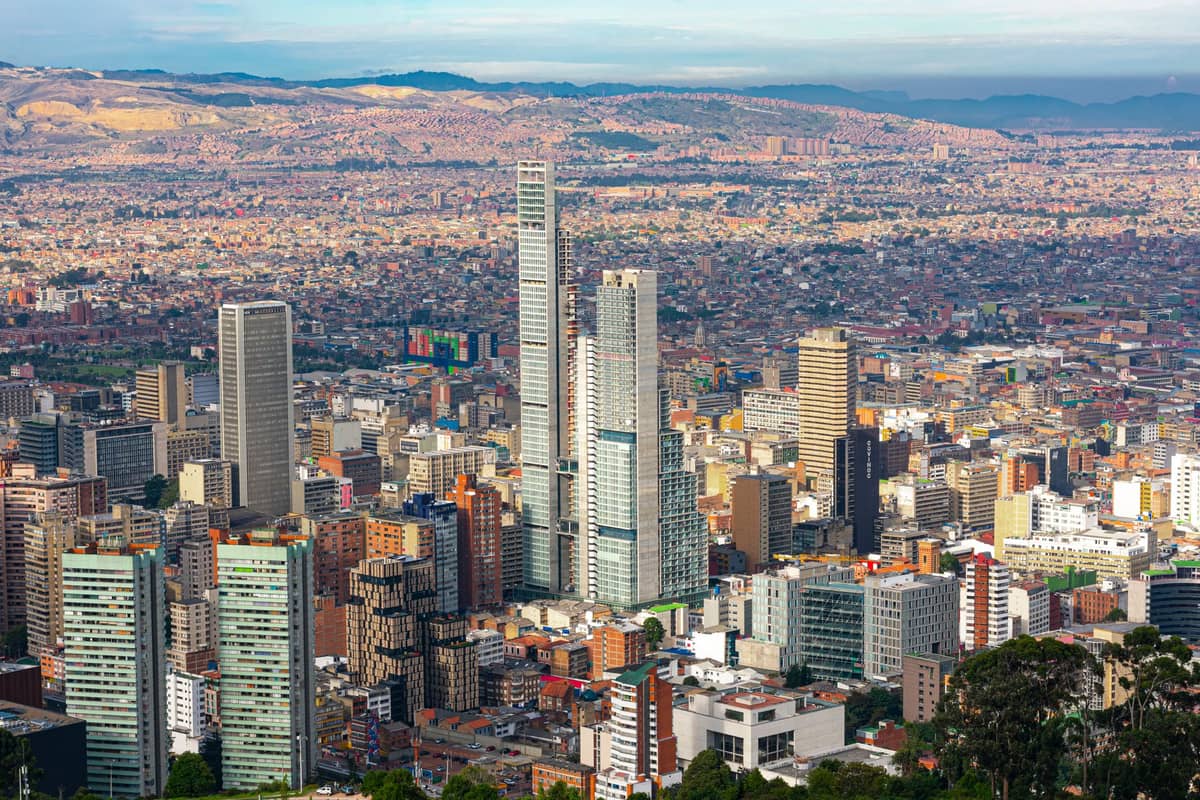
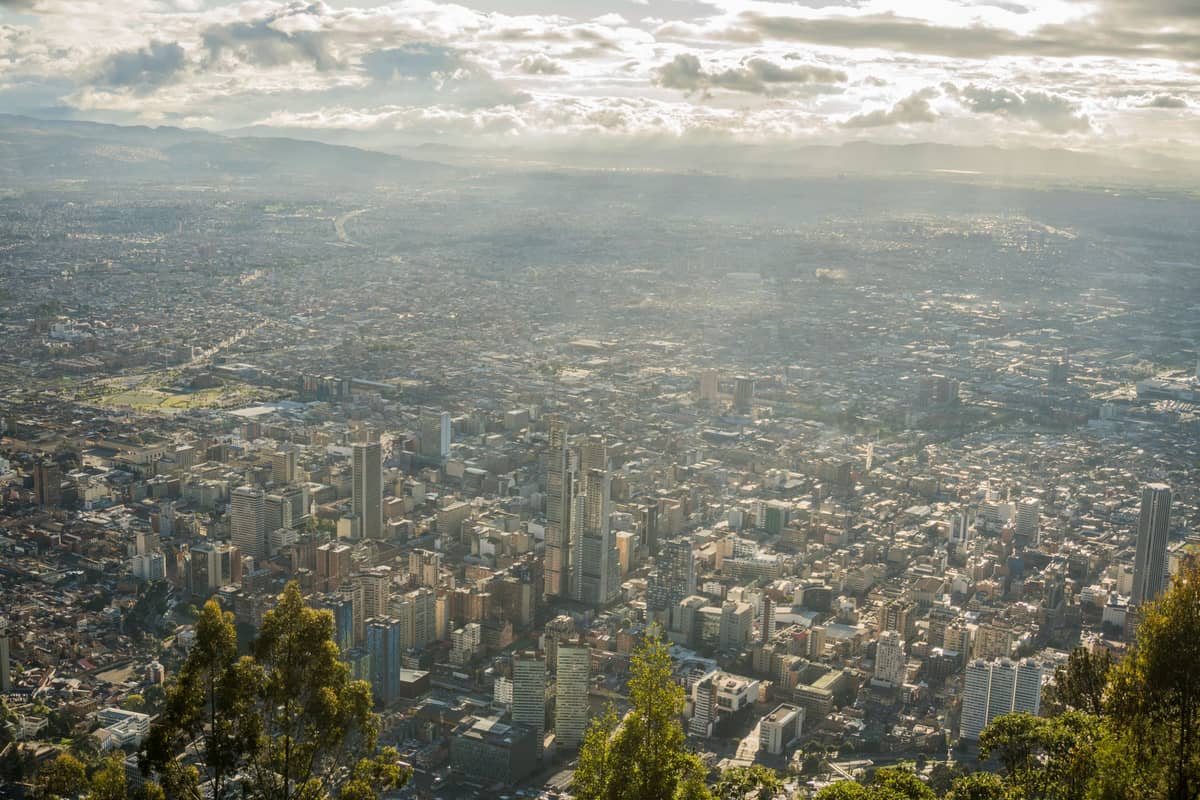
Bogotá, D.C. is a city of about 8 million people spread across 1,587 km² at an elevation of 2,640 meters above sea level. That altitude is the single most important factor for families planning activities, especially with young children or any family member with respiratory conditions. Altitude sickness (known locally as soroche) can affect anyone arriving from sea level, causing fatigue, headaches, and nausea for the first 24–48 hours. The practical advice: book a centrally located hotel, keep the first day light, skip alcohol, drink plenty of water, and let everyone sleep well before diving into active sightseeing.
Bogotá's climate is mild but unpredictable. Daytime temperatures hover in the high teens to low 20s Celsius year-round, but afternoons can turn cold and rainy quickly, especially from September through November. Pack layers and a waterproof jacket for every member of the family regardless of the forecast. The best months for outdoor family plans are December through March and July through August. For a full weather breakdown, see the Bogotá weather and climate guide.
⚠️ What to skip
Always verify attraction opening hours before visiting, especially on Sundays and public holidays. Bogotá's major sites operate on reduced or different schedules on these days. Monserrate, for example, stops operating its cable car and funicular at 5:00 p.m. on Sundays vs. 10:00 p.m. on weekdays — a detail that catches many families off guard.
Top Family Attractions in Bogotá
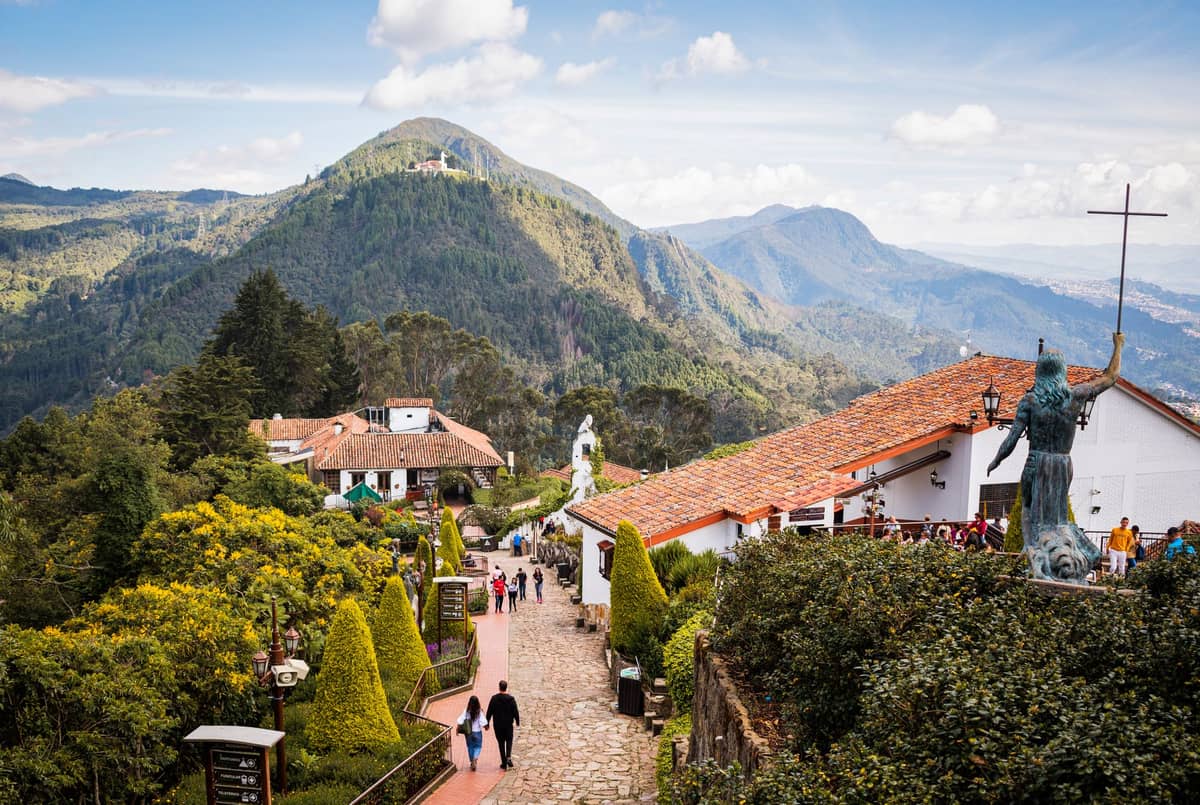
The Cerro de Monserrate is the most iconic family outing in Bogotá. The hilltop sanctuary sits at 3,152 meters and overlooks the entire city. Families can take the cable car (teleférico) or funicular up, with the cable car being the easier option for younger kids. Standard round-trip access costs around COP 36,000 per person; children under 1 meter tall ride free; and on Sundays the box office fare drops to around COP 23,000. Hours are Monday–Saturday 6:30 a.m.–10:00 p.m., Sunday 5:30 a.m.–5:00 p.m., and holidays 6:30 a.m.–5:00 p.m. The views on a clear morning are genuinely spectacular, and the site has food vendors and a small church that children tend to find interesting. Go early on weekdays to avoid queues; Sunday afternoons get crowded.
The Museo Nacional de Colombia is one of the best structured museum visits for families in the city. Built inside a 19th-century prison (Panóptico de Bogotá), the circular architecture alone captures children's attention before you even reach the exhibits. Admission is age-tiered: free for ages 0–5, a reduced fee for children (with lower tariffs for ages roughly 6–12), and higher youth and adult rates; do not assume it is free for all children — the official page is clear on this. The collections cover pre-Columbian cultures, the independence period, and modern Colombian art, and the layout is manageable even with strollers.
For younger children, the Jardín Botánico de Bogotá (José Celestino Mutis Botanical Garden) is one of the most underrated family spots in the city. The garden covers around 20 hectares and includes a greenhouse with tropical ecosystems, an orchid display, and wide open lawns where children can run. It is significantly lower-pressure than a museum and works well as a half-day outing. Admission prices are modest — verify the current rate at the gate as they update periodically.
- Museo del Oro (Gold Museum) La Candelaria's most famous museum holds over 55,000 pre-Columbian gold pieces. The darkened display rooms and theatrical presentation work surprisingly well with older children (8+). Younger kids may find it overstimulating. Admission is affordable; Sundays are free.
- Parque Metropolitano Simón Bolívar The largest urban park in Bogotá, comparable in scale to Central Park. Families use it for cycling, paddleboating on the lake, and weekend events. Works best on dry-season weekends when the lawns are full of local families.
- Catedral de Sal de Zipaquirá A 90-minute drive from Bogotá, this underground salt cathedral is one of Colombia's most memorable experiences. The scale impresses children and adults equally. Plan a full day and combine it with a stop at Laguna de Guatavita if ages and energy allow.
- Maloka Interactive Museum Colombia's largest science and technology museum, designed specifically for children. Hands-on exhibits cover physics, biology, and technology. The IMAX-style dome theater is a hit. Located in the Salitre district near Parque Simón Bolívar.
✨ Pro tip
Bogotá's municipal government runs free and low-cost family cultural plans throughout the year, including free admission to certain events for children under 5 and adults over 60. Check the official Bogotá city hall cultural program page (bogota.gov.co) before your visit — weekend schedules often include performances, workshops, and open-air events that don't make it onto tourist maps.
Free and Low-Cost Family Days in Bogotá
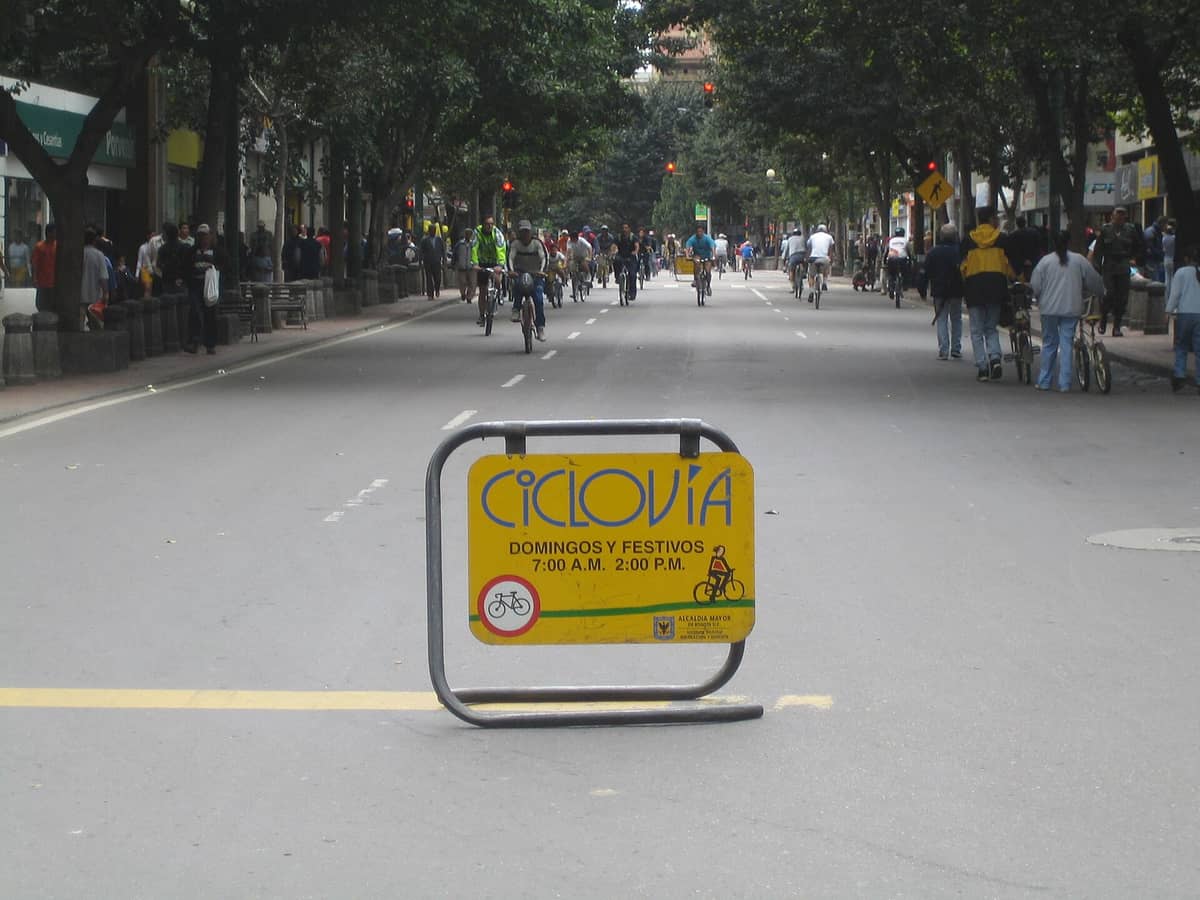
Sunday Ciclovía is the single best free family activity in Bogotá. Every Sunday from 7 a.m. to 2 p.m., the city closes over 120 km of major roads to cars, turning them into a network of cycling and walking paths used by millions of residents. You can rent bikes near the route for a modest hourly fee, or bring your own. The atmosphere is festive and the routes connect major parks and neighborhoods. It runs year-round regardless of weather, though dry-season Sundays are far more comfortable. Full logistics are in our Bogotá Ciclovía guide.
The Plaza de Bolívar in La Candelaria is a reliable free stop. The square is large, open, and perpetually interesting for children who enjoy pigeons, street performers, and the surrounding colonial architecture. It anchors the historic center and sits within walking distance of the Gold Museum and the Centro Cultural Gabriel García Márquez, which frequently hosts free children's events and art exhibitions.
The Museo Botero in La Candelaria is free to enter and houses Fernando Botero's famous collection of voluminous figures alongside works by Picasso, Dalí, and Monet. The sculptures in the courtyard are particularly popular with children who find Botero's exaggerated proportions both funny and fascinating. It is compact enough to do in under an hour, making it a good anchor for a La Candelaria afternoon.
Neighborhoods That Work Well for Families
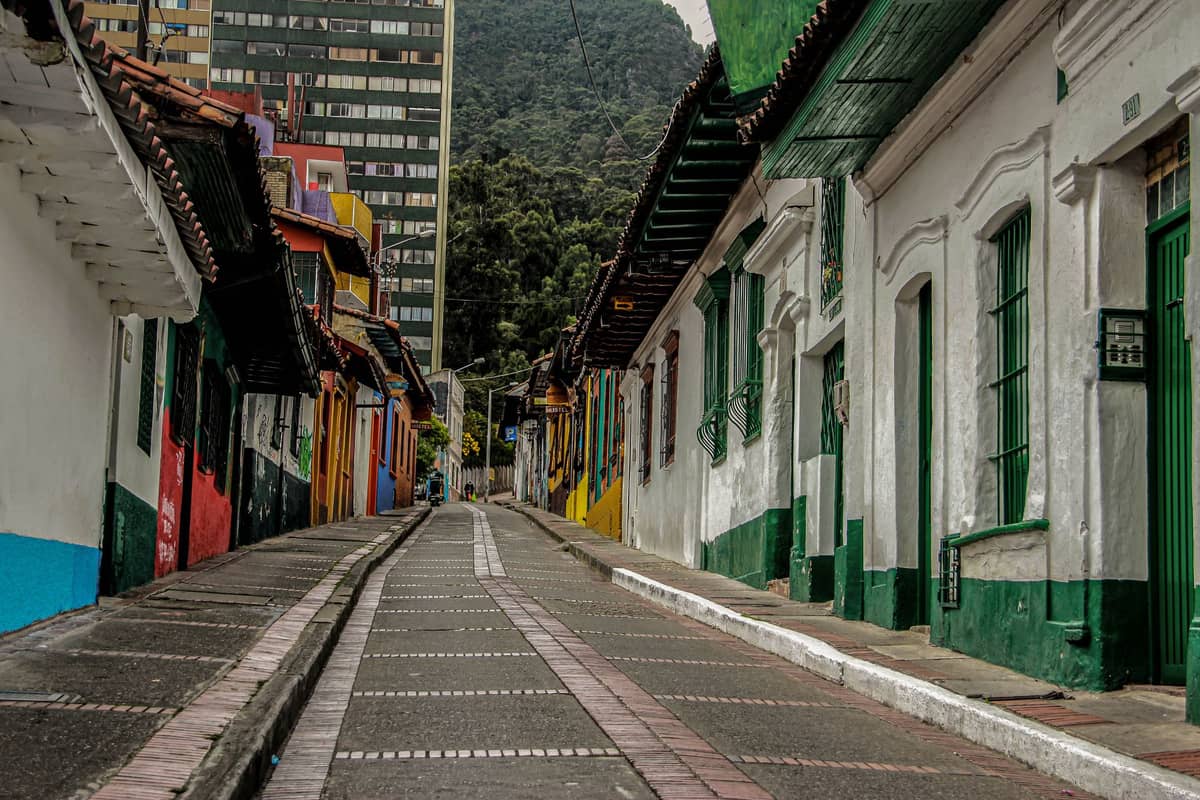
Where you base yourself in Bogotá matters for family logistics. La Candelaria is the historic heart of the city and puts you closest to the top museums, but the streets can be crowded and the neighborhood quiets down at night. It works well for families focused on cultural sightseeing during the day who don't need evening dining options nearby.
Usaquén in the north is the neighborhood most families find easiest. It has a cobblestone historic core, a weekend flea market, and a high concentration of restaurants at different price points. It feels calmer than the city center, and the northern location puts you farther from most museums, though ride-hailing to El Dorado International Airport (BOG) is straightforward, which sits roughly 10–15 km west of central Bogotá. The Zona Rosa and Parque de la 93 area nearby add further dining and park options within easy reach.
💡 Local tip
Use ride-hailing apps (Uber, Cabify, or Didi) for family transport across the city. TransMilenio — Bogotá's bus rapid transit network — is cheap but can be very crowded during peak hours and is not ideal with strollers or young children. Taxis are fine but agree on metered fares before departure.
Day Trips from Bogotá for Families
Bogotá's location in the Andes puts several strong day-trip options within reach. The Catedral de Sal de Zipaquirá is consistently the most popular family day trip. The underground cathedral, carved inside an active salt mine, is dramatic and genuinely unlike anything most children have seen. The town of Zipaquirá is charming and the drive takes around 1.5 hours from the city center. Go early to beat tour groups, and bring an extra layer — it is cold underground.
For nature-focused families, Parque Chicaque is a cloud forest reserve about 45 minutes from central Bogotá. It has trails suitable for older children, canopy bridges, and good birdwatching. The Laguna de Guatavita — the sacred lake behind the El Dorado legend — is another strong option, about 75 minutes from the city. The trail around the lake is manageable for children aged 6 and up and the legend of the golden king is a great story to tell before you go. Full day trip options are covered in our day trips from Bogotá guide.
- Catedral de Sal de Zipaquirá: best for ages 6+ who can handle an underground walk. Cold inside year-round. Allow 4–5 hours including transport.
- Laguna de Guatavita: a roughly 2 km circular trail around a sacred Muisca lake. Moderate incline. Best for ages 7+. Combine with Zipaquirá for a full northern day trip.
- Parque Chicaque: cloud forest trails and zip lines. Best for families with older children (10+) who enjoy hiking and wildlife. Pack rain gear.
- Parque Nacional Natural Chingaza: further afield and higher altitude (up to 3,800 m), this páramo ecosystem is for adventure-oriented families with fit older children. Requires planning and ideally a guide.
Practical Tips for Families Visiting Bogotá
Currency is the Colombian peso (COP). Card payments are widely accepted in tourist areas, hotels, and larger restaurants, but carry some cash for markets, smaller eateries, and transport. Tap water in Bogotá is generally considered safe to drink in most urban areas, which removes one common travel headache for families. Colombia uses Type A and B plugs at 110V/60Hz — the same as the US and Canada, so North American families need no adapter.
Food is not a major challenge for families in Bogotá. The city has an enormous range of dining options across all price points, and Colombian staples like arepas, empanadas, bandeja paisa, and soups are generally accessible to children. For a broader look at what and where to eat, the Bogotá food guide covers neighborhood-by-neighborhood options. For a full logistics overview including getting around with children, see getting around Bogotá.
FAQ
Is Bogotá safe for families with children?
Bogotá has improved significantly in safety over the past two decades, and millions of Colombian families live and travel through the city daily. Tourist-focused neighborhoods like Usaquén, Zona Rosa, and the immediate La Candelaria museum district are generally fine for families during the day. Standard urban precautions apply: avoid displaying expensive cameras or phones openly, use app-based rides rather than hailing taxis on the street, and check updated travel advisories from your home country's foreign affairs department before visiting.
How does altitude affect children in Bogotá?
At 2,640 meters, Bogotá's altitude is noticeable, especially for children arriving from sea level. Symptoms of altitude sickness in children include headache, fatigue, nausea, and irritability. Most children acclimatize within 24–48 hours. Keep the first day calm, ensure good hydration, and avoid strenuous activity (like the hike up Monserrate) until everyone feels normal. If symptoms are severe or persist, consult a doctor — altitude sickness is manageable but should not be ignored in young children.
What is the best age to take children to Bogotá?
Bogotá works best for children aged 6 and up who can handle walking, occasional cold weather, and museum-style attractions. Younger children (3–5) can still enjoy the Jardín Botánico, Ciclovía bike rides, and Parque Simón Bolívar without difficulty. Infants and toddlers require more logistical planning given the altitude considerations and the city's uneven sidewalks in older neighborhoods, but families do it successfully with preparation.
Are there admission discounts for children at Bogotá's major attractions?
Yes, most major attractions have child pricing. At Cerro de Monserrate, children under 1 meter tall enter free; standard adult fare is around COP 36,000 round-trip (around COP 23,000 on Sundays at the box office). The Museo Nacional charges COP 5,000 for ages 6–12 and is free for ages 0–5. The Museo Botero is free for all ages. Always verify current pricing directly with the attraction before visiting, as rates and policies update periodically.
What is the best time of year to visit Bogotá with kids?
December through March and July through August are the driest months, which makes outdoor activities, day trips, and walking tours far more predictable and comfortable. December is particularly festive, with city-wide light displays and events. The rainy season from September through November brings cold, grey afternoons that can cut outdoor plans short — not impossible with children, but less forgiving.