Bogotá for Digital Nomads: Coworking, Cafés & Living Costs
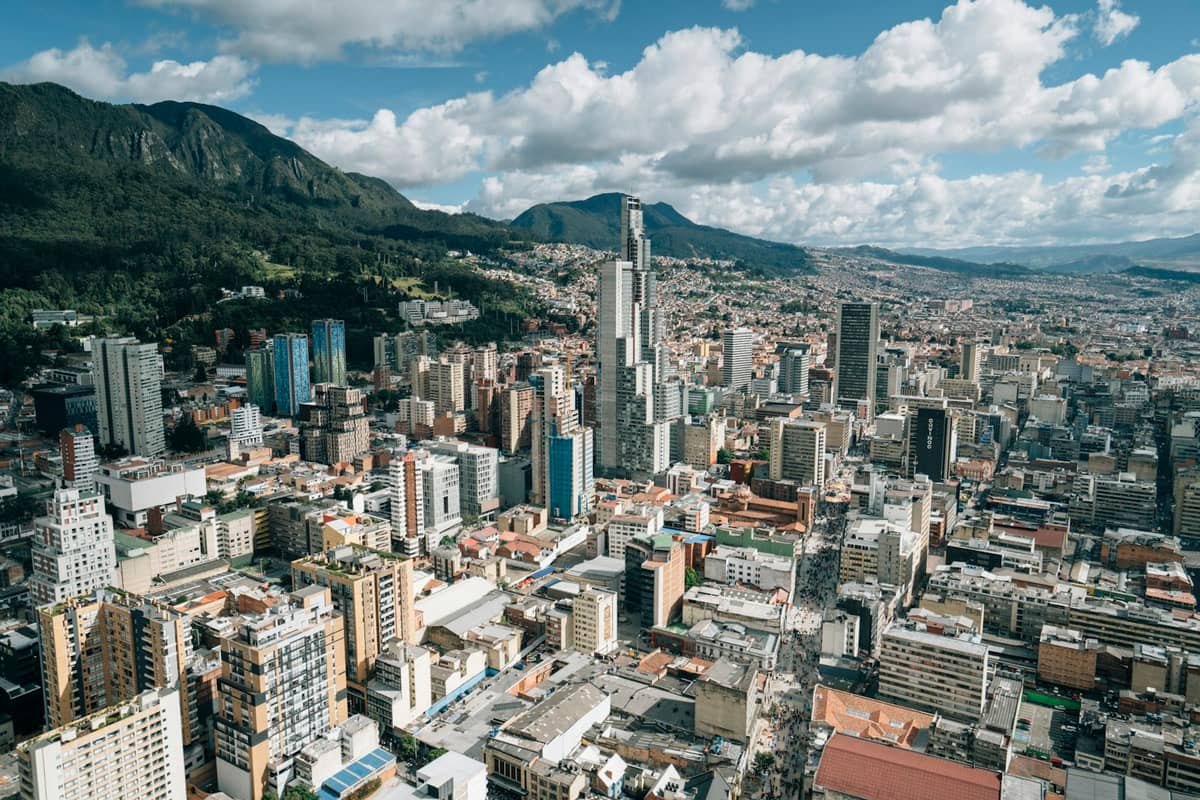
Bogotá, Colombia has quietly become one of Latin America's most practical bases for remote workers. This guide covers real monthly budgets, coworking space prices, the best neighborhoods to live and work from, and what no one tells you before you land at El Dorado.
Plan and book this trip
Tools from our partner Travelpayouts help you compare flights and hotels. If you book through them, we may earn a commission at no extra cost to you.
Flights
Hotels map
TL;DR
- A comfortable nomad lifestyle in Bogotá costs around USD 900–1,200/month, covering rent, coworking, transport, and eating out.
- Coworking day passes start around COP 48,000–75,000 (USD 12–19); monthly shared desks range from COP 479,000–825,000 (USD 120–210).
- The city sits at 2,640 m above sea level — altitude acclimatization takes 2–5 days and affects productivity for newcomers.
- Best neighborhoods for nomads: Chapinero, Zona Rosa, and Usaquén. La Candelaria is atmospheric but less practical for daily remote work.
- Check out the Bogotá safety guide and getting around Bogotá before you arrive — both have a direct impact on your daily workflow.
Why Bogotá Works for Remote Workers
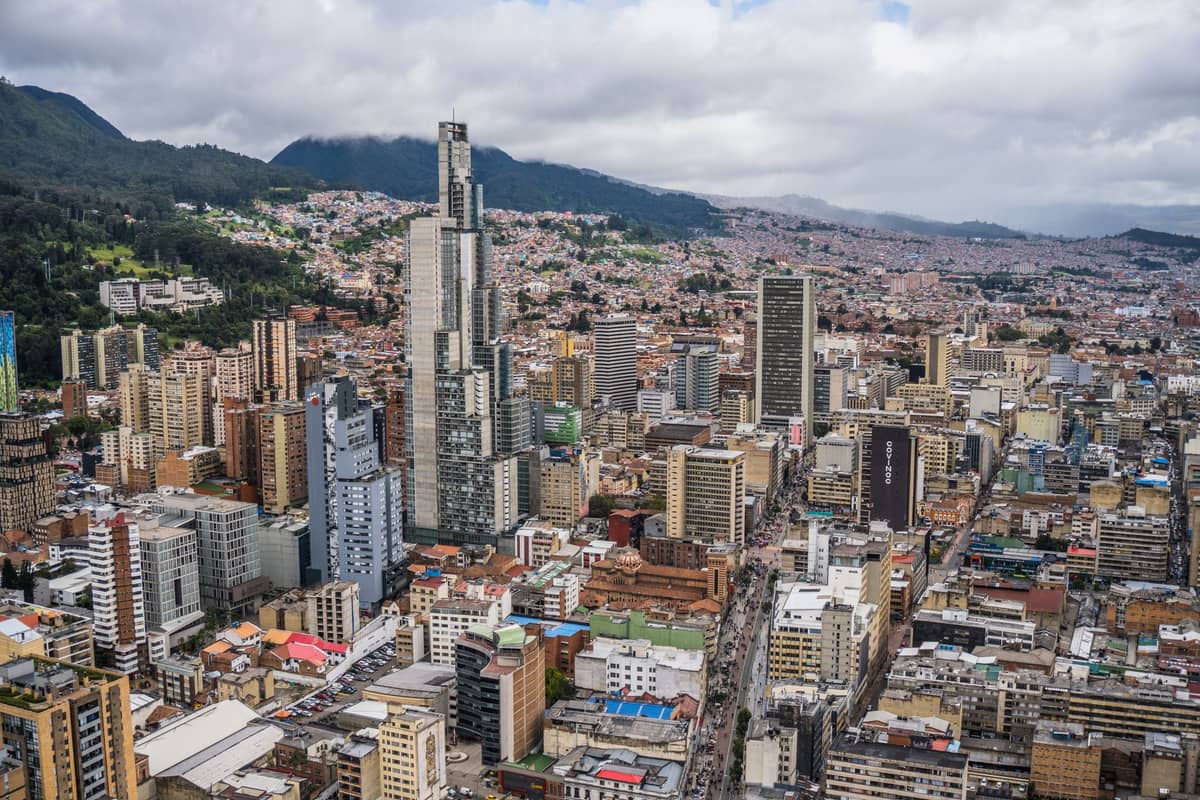
Bogotá, D.C. is Colombia's capital and largest city, home to roughly 7.7 million people and operating on UTC−5 — the same offset as the US East Coast in winter, and one hour behind it during US daylight saving, which makes it genuinely useful for anyone working with North American clients. The city has a well-developed coworking scene, fast fiber internet across most residential and commercial areas, and a coffee culture that makes café working entirely normal. For context on how the city compares season-to-season, the Bogotá weather and climate guide is worth reading before you book a long stay.
The elevation is the one thing that genuinely catches people off guard. Bogotá sits at 2,640 m above sea level. The first few days can bring headaches, fatigue, and disrupted sleep. Budget a slower first week and avoid scheduling critical calls on day one. Symptoms usually resolve within 3–5 days for most people.
⚠️ What to skip
Bogotá's altitude (2,640 m / 8,660 ft) is not just a talking point — it meaningfully affects energy levels and concentration for the first several days. Drink extra water, avoid alcohol initially, and don't plan intensive work for your first 48 hours. If you have respiratory or cardiac conditions, consult a doctor before visiting.
The climate stays mild year-round, averaging highs in the high teens to low 20s °C, with cool nights requiring a jacket regardless of season. There are two rainy periods (April–May and September–November) and two drier windows (December–March and June–August). The dry months are better for getting out and exploring, which matters for work-life balance over a multi-month stay. For a full breakdown, see the best time to visit Bogotá guide.
Monthly Living Costs: Real Numbers for 2026
Bogotá is regularly described as expensive by Colombian standards but affordable by international ones. That framing is accurate. Comfortable nomad budgets cluster around USD 900–1,200 per month for a single person. This assumes a private room or studio in a mid-range neighborhood, a shared-desk coworking membership, local transport, and a mix of cooking at home and eating out at local restaurants.
- Rent (studio or 1BR, furnished) USD 400–700/month in neighborhoods like Chapinero, Zona Rosa, or El Chicó. Expect to pay more for short-term furnished lets vs. longer local contracts.
- Coworking (shared desk, monthly) COP 479,000–825,000/month (approx. USD 120–210), excluding tax. Day passes run COP 48,000–75,000 (USD 12–19).
- Groceries USD 150–250/month shopping at Éxito or Carulla supermarkets. Paloquemao market is significantly cheaper for fresh produce.
- Eating out A full lunch menu (almuerzo) at a local restaurant costs COP 12,000–20,000 (USD 3–5). Sit-down dinner at a mid-range Zona G or Usaquén restaurant: USD 12–20 per person.
- Transport TransMilenio single fare COP 3,550. Ride-hailing (Uber, Cabify, Didi) is affordable; a 20-minute Uber across the city runs roughly USD 3–6 depending on surge.
- Health insurance Basic international nomad insurance starts around USD 40–80/month. If you want private clinic coverage in Colombia (recommended), budget USD 80–150/month depending on provider and age.
Nomads spending on premium options — WeWork-style coworking, Uber for every trip, a modern apartment in Usaquén, and private international insurance — should budget USD 2,200–3,000/month or more. That's the upper end, and it reflects choices rather than necessity.
✨ Pro tip
The Colombian peso (COP) fluctuates significantly against the USD. Pay attention to the exchange rate when budgeting — a 10% swing meaningfully changes your monthly costs. Use Wise or a zero-FX debit card to avoid airport and hotel money-exchange markups.
Coworking Spaces: Where to Work and What to Pay
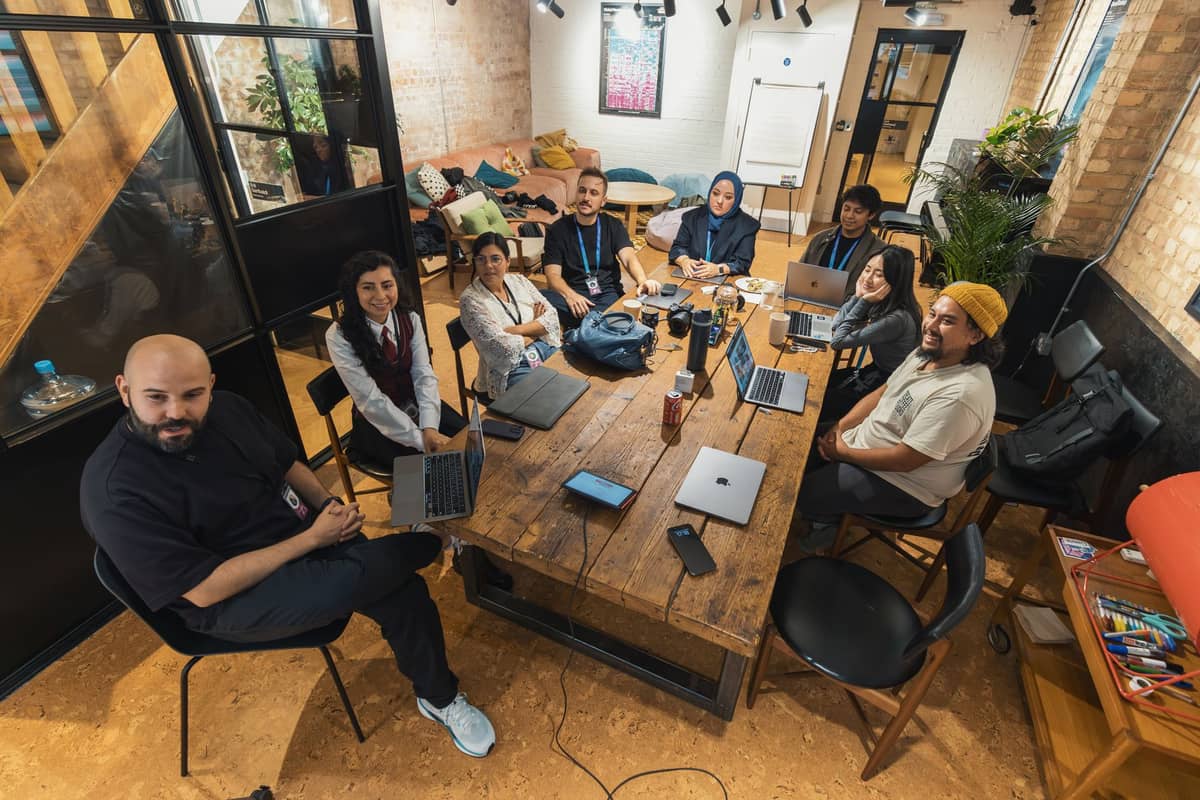
Bogotá has a mature coworking market spread across several neighborhoods. The highest concentration is in Chapinero, Zona Rosa, and El Centro, with newer spaces opening in Usaquén and Barrio San Felipe. Quality varies considerably — the cheapest options can have spotty internet and poor air conditioning, while mid-range and premium spaces offer reliable gigabit fiber, standing desks, and private call booths.
- Chapinero and Zona Rosa The densest cluster of coworking options. Good transport links, surrounded by restaurants and cafés. Most flexible for day passes and weekly rates.
- Barrio San Felipe An emerging creative district with coliving-coworking combos. Plura and similar operations offer all-inclusive monthly packages (COP 2,220,000–3,330,000 / USD 600–900) that bundle accommodation, desk space, and utilities. Good option for first-month arrivals who want simplicity.
- El Centro / La Candelaria adjacent Cheaper rates but less consistent internet quality. Better suited for occasional use than a daily primary workspace.
- Global brands (WeWork, Spaces) Present in Bogotá's northern business districts. Higher price points but reliable infrastructure, professional meeting rooms, and predictable quality. Day passes from approximately COP 69,000; dedicated desks around COP 15,000/person/day at Spaces locations.
Before committing to a monthly membership, do a day pass first. Internet speeds and reliability vary more than listed specs suggest. If you're working in Chapinero, you'll also find numerous cafés with fast WiFi that double as informal workspaces — Amor Perfecto and Juan Valdez branches are popular, though peak hours (11am–2pm) can get loud.
Best Neighborhoods to Live and Work From
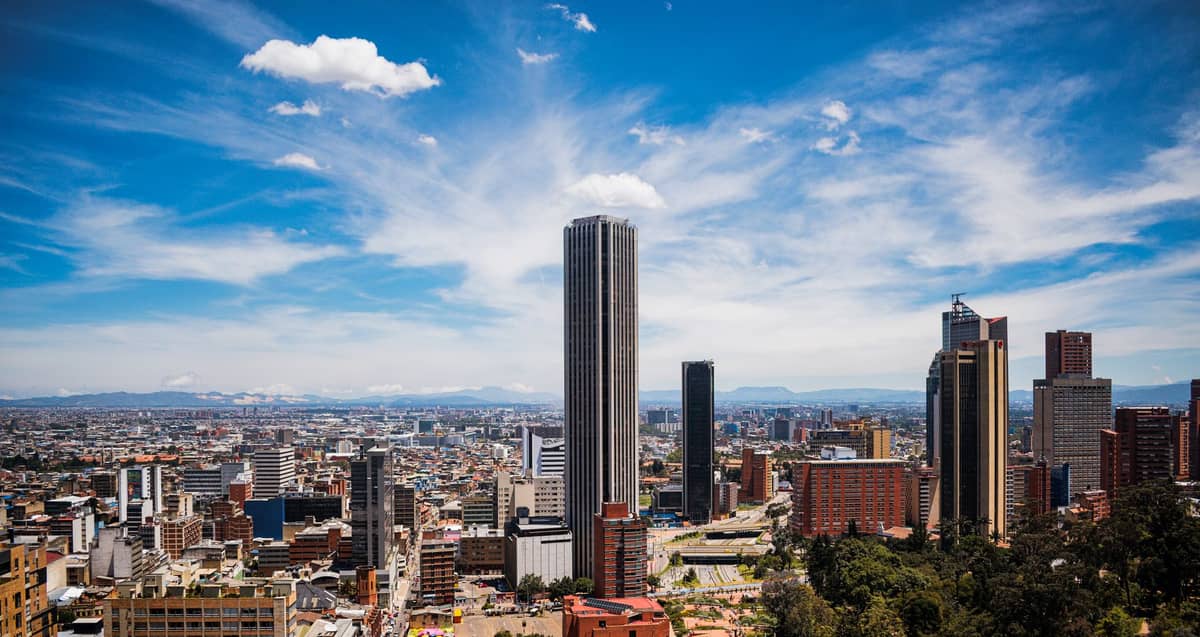
Neighborhood choice has an outsized impact on your daily nomad experience in Bogotá. The city runs roughly north to south along the Andes foothills, with safer and more international-facing areas concentrated in the north and center-north. Southern districts are primarily residential and industrial, with limited nomad infrastructure.
Chapinero is the most practical all-around choice for remote workers: central, well-connected by TransMilenio, packed with restaurants and supermarkets, and with the highest density of coworking options. It's not the most polished neighborhood aesthetically, but it works. Zona Rosa (part of the broader Zona Rosa district) trades some of Chapinero's edge for more comfort — nicer apartment buildings, better walkability, proximity to Parque de la 93 and its surrounding restaurants.
Usaquén in the far north is a solid choice for nomads staying 2+ months who prioritize quiet, greenery, and weekend markets over nightlife. Rents are comparable to Zona Rosa but the pace is slower. The Usaquén flea market on Sundays is a genuine local event, not a tourist trap. La Macarena is an increasingly popular option near the Eastern Hills — artistic, walkable, and well-served by cafés, though coworking options are fewer. La Candelaria is atmospheric and historically rich, but its security profile and limited coworking infrastructure make it a poor choice for a long-term base.
💡 Local tip
When apartment hunting, prioritize buildings with a portero (doorman) and secure parking if you have a bike. Furnished short-term lets are plentiful on Airbnb and local platforms like Ciencuadras.com. Monthly Airbnb rates are almost always negotiable for stays over 28 days — contact hosts directly and ask.
Getting Around: Airport, TransMilenio & Daily Transport
El Dorado International Airport (BOG) is located in western Bogotá, roughly 10–15 km from central districts depending on your destination. Getting into the city is straightforward and cheap if you use public transport. The Alimentador feeder route 16-14 Aeropuerto connects the airport terminal to Portal El Dorado for free. From there, TransMilenio routes including K86 run toward the city center and northern districts. A single TransMilenio fare costs COP 3,550. Full details on the airport connection are in the Bogotá airport guide.
For daily movement, most experienced nomads use a combination of TransMilenio for longer cross-city trips and ride-hailing apps (Uber, Cabify, Didi) for shorter or late-night journeys. Traditional yellow taxis are available but metered and less transparent on pricing than apps. Bogotá's famous Ciclovía runs every Sunday and public holiday, closing major roads to car traffic and opening them to cyclists and pedestrians — genuinely useful if you want to explore without spending money.
Bogotá does not have a metro yet — the city's mass transit is entirely bus-based via TransMilenio. A metro has been in planning and early construction phases but is not operational. For a full picture of your daily commute options, the getting around Bogotá guide covers TransMilenio routes, the integrated bus system, and app-based transport in detail.
Practical Logistics: SIM Cards, Power, Water & Safety
Colombia uses Type A and Type B plugs at 110V / 60Hz — the same as the United States. Most nomad laptops and chargers handle this fine, but double-check any power-hungry devices. The country code is +57 and the local timezone is America/Bogota (UTC−5). Local SIM cards from Claro, Movistar, or Tigo are available at El Dorado Airport and at thousands of street kiosks. Prepaid data plans are inexpensive — around USD 10–15/month for generous data allowances. Bring your passport for activation.
- Tap water in Bogotá is generally reported as safe to drink in most urban areas, though some long-term residents prefer filtered water.
- English is used in tourism and business contexts but is not widely spoken at street level — basic Spanish makes daily life significantly easier.
- Emergency number in Colombia: 123.
- Tipping is optional in most restaurants; some add a 10% service charge (propina) automatically — check the bill before adding extra.
- Layered clothing is essential year-round. Bogotá mornings and evenings can be 10–14°C even in what locals call summer. Carry a light jacket everywhere.
Safety deserves a clear mention. Bogotá has improved substantially over the past decade but remains a city where awareness matters. Petty theft and phone snatching occur in tourist areas. The Bogotá safety tips guide covers this in specific, actionable terms — read it before your first week, not after an incident. As a broad rule: stay in well-lit areas at night, use apps instead of flagging taxis on the street, and keep your phone in your pocket rather than your hand in unfamiliar areas.
FAQ
Is Bogotá a good base for digital nomads?
Yes, for the right profile. Bogotá offers fast internet, a UTC−5 timezone (aligned with US East Coast), affordable living costs (USD 900–1,200/month comfortably), and a mature coworking scene. The main drawbacks are altitude adjustment (2,640 m), which slows down your first week, and the need for neighborhood-level safety awareness. Nomads who've lived in Medellín often find Bogotá more professionally serious but less socially easy.
How much does coworking cost in Bogotá?
Day passes at standard coworking spaces run COP 69,000 (roughly USD 17 before tax). Monthly shared desk memberships vary by space. Global brands like WeWork and Spaces are also present and charge more. Coliving options that bundle accommodation and desk space range from COP 2,220,000–3,330,000/month (USD 600–900 all-inclusive).
What is the monthly cost of living in Bogotá for a nomad?
A realistic comfortable budget is USD 900–1,200/month covering a private room or small furnished apartment, a coworking membership, local transport, groceries, and regular meals out at local restaurants. Budget-focused nomads sharing accommodation can get below USD 800/month. Nomads choosing premium coworking, private apartments in Usaquén or Zona Rosa, and international health insurance should budget USD 2,200–3,000/month.
How do I get from Bogotá's El Dorado Airport to the city center cheaply?
Take the free Alimentador feeder bus (route 16-14 Aeropuerto) from the terminal to Portal El Dorado, then connect to a TransMilenio service (K86 and others) toward the city. A single TransMilenio fare costs around COP 3,550. Taxis and ride-hailing apps (Uber, Cabify, Didi) are faster and cost roughly USD 10–20 to most central destinations.
Does Bogotá's altitude affect working remotely?
More than most people expect. At 2,640 m, the reduced oxygen affects sleep quality, concentration, and energy levels for the first 3–7 days. Symptoms include headaches, shortness of breath on stairs, and fatigue. Hydrate aggressively, avoid alcohol in your first 48 hours, and schedule lighter workdays initially. Most people are fully acclimatized within a week.