Best Museums in Bogotá: 10 Essential Collections to Visit
Bogotá holds its own as a museum city. From world-class pre-Columbian collections to free art galleries and immersive history museums, these are the institutions that make the Colombian capital one of Latin America's most rewarding cultural destinations.
Plan and book this trip
Tools from our partner Travelpayouts help you compare flights and hotels. If you book through them, we may earn a commission at no extra cost to you.
Flights
Hotels map
Few South American capitals rival Bogotá for the depth and range of their museum offerings. The historic center of La Candelaria alone contains three world-class institutions within walking distance of each other, and the city's broader cultural infrastructure stretches north through La Macarena and beyond. Whether you have a single afternoon or a full week, this guide covers the museums that genuinely reward your time, with practical details on hours, admission, and what to prioritize inside each one.
💡 Local tip
Most major museums in Bogotá are closed on Mondays. Plan your week accordingly and always check the museum's official website before visiting, especially around Colombian public holidays when hours often change.
The Big Three: World-Class Museums in La Candelaria
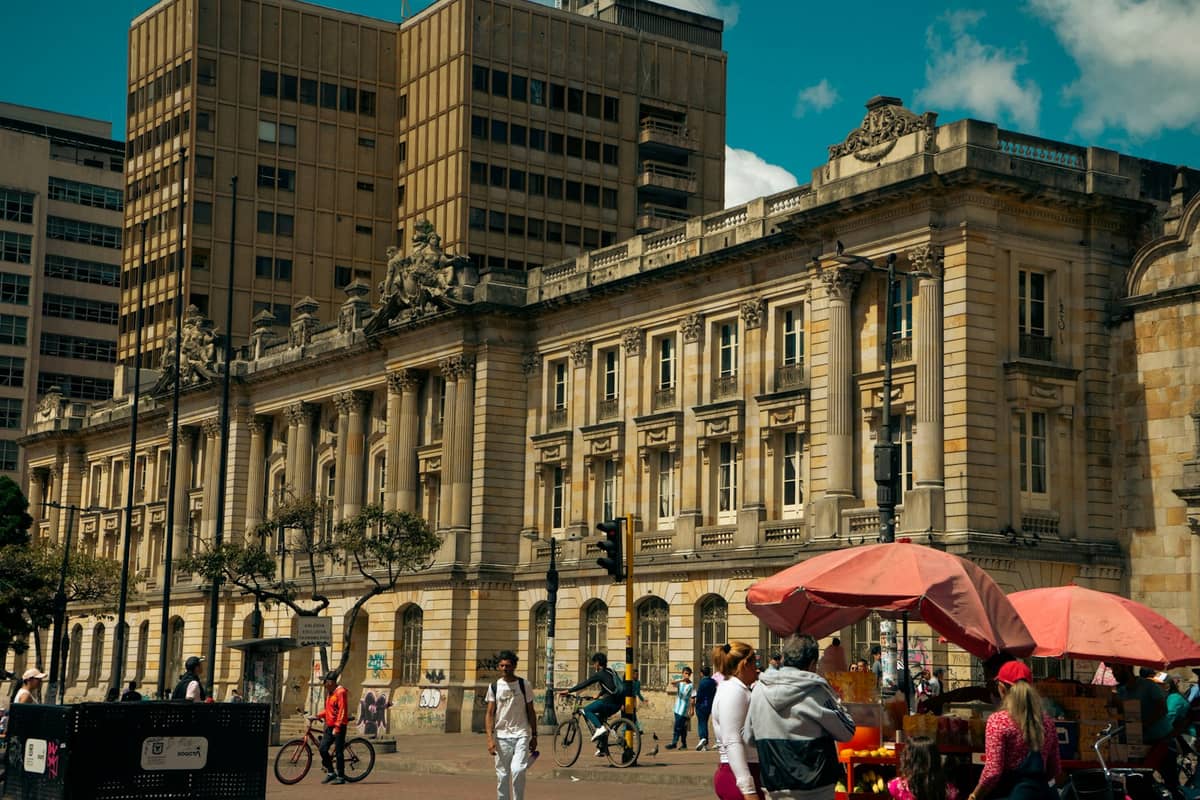
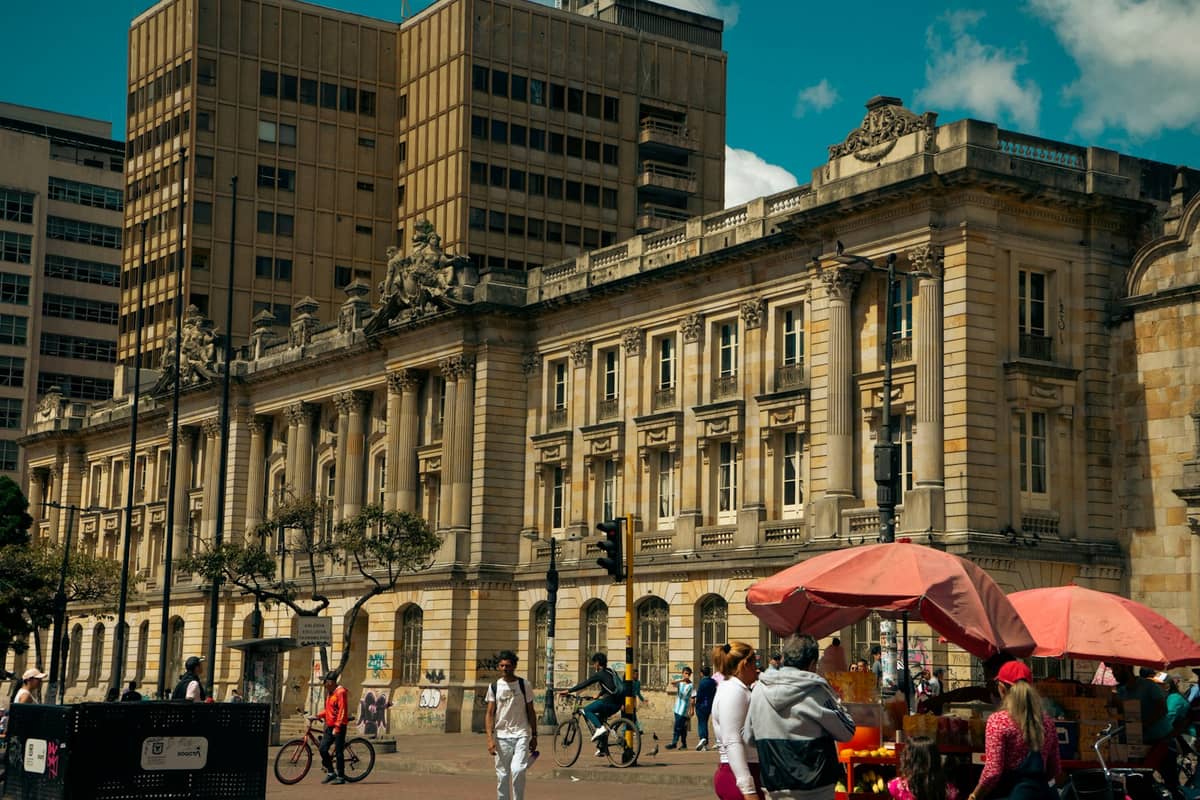
The historic district of La Candelaria is the logical starting point for any museum itinerary. See our 3-day Bogotá itinerary for how to sequence these alongside the neighborhood's other sights. All three institutions below are within a 15-minute walk of Plaza de Bolívar.

1. Explore 55,000 Pre-Columbian Gold Pieces at the Museo del Oro
One of the great museums of the world. The Gold Museum's showpiece is the Muisca raft ritual scene and the darkened circular room where hundreds of gold pieces are illuminated at once. Open Tue–Sat 9–19, Sun 10–17. Closed Mondays. Verify current admission on banrepcultural.org; Sundays are free.
Explore1. Explore 55,000 Pre-Columbian Gold Pieces at the Museo del Oro
One of the great museums of the world. The Gold Museum's showpiece is the Muisca raft ritual scene and the darkened circular room where hundreds of gold pieces are illuminated at once. Open Tue–Sat 9–19, Sun 10–17. Closed Mondays. Verify current admission on banrepcultural.org; Sundays are free.
Explore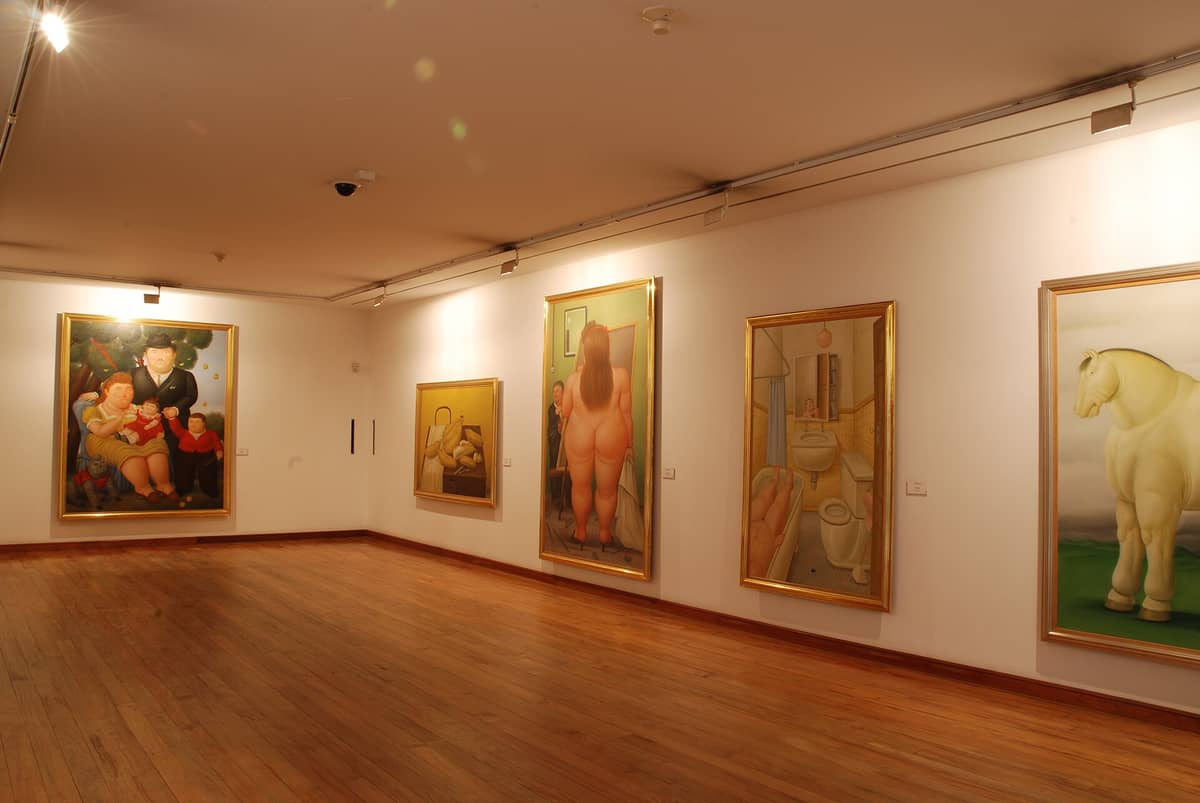
2. See Botero's Voluminous Works for Free at the Museo Botero
Free admission makes this unmissable. The colonial mansion displays Botero's signature rotund figures alongside his personal collection of Picasso, Dalí, and Monet. Open Mon, Wed–Sat 9–19, Sun 10–17. Closed Tuesdays. Budget at least 90 minutes.
Explore2. See Botero's Voluminous Works for Free at the Museo Botero
Free admission makes this unmissable. The colonial mansion displays Botero's signature rotund figures alongside his personal collection of Picasso, Dalí, and Monet. Open Mon, Wed–Sat 9–19, Sun 10–17. Closed Tuesdays. Budget at least 90 minutes.
Explore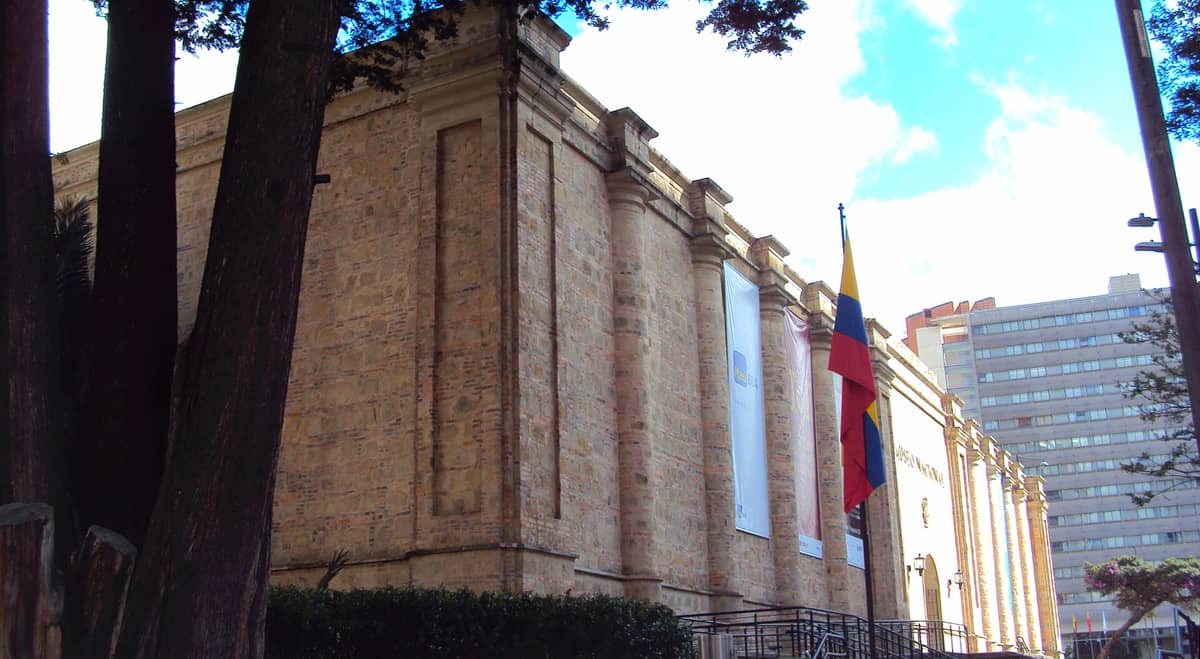
3. Trace 500 Years of Colombian History at the Museo Nacional
Colombia's oldest museum occupies a 19th-century panopticon building in La Macarena. Three floors span pre-Columbian archaeology, the colonial period, independence, and modern art. Open Tue–Sun 9–17. Closed Mondays. Foreign adult admission is approximately US$10.
Explore3. Trace 500 Years of Colombian History at the Museo Nacional
Colombia's oldest museum occupies a 19th-century panopticon building in La Macarena. Three floors span pre-Columbian archaeology, the colonial period, independence, and modern art. Open Tue–Sun 9–17. Closed Mondays. Foreign adult admission is approximately US$10.
ExploreArchitecture as Museum: Buildings Worth Visiting for Their Design
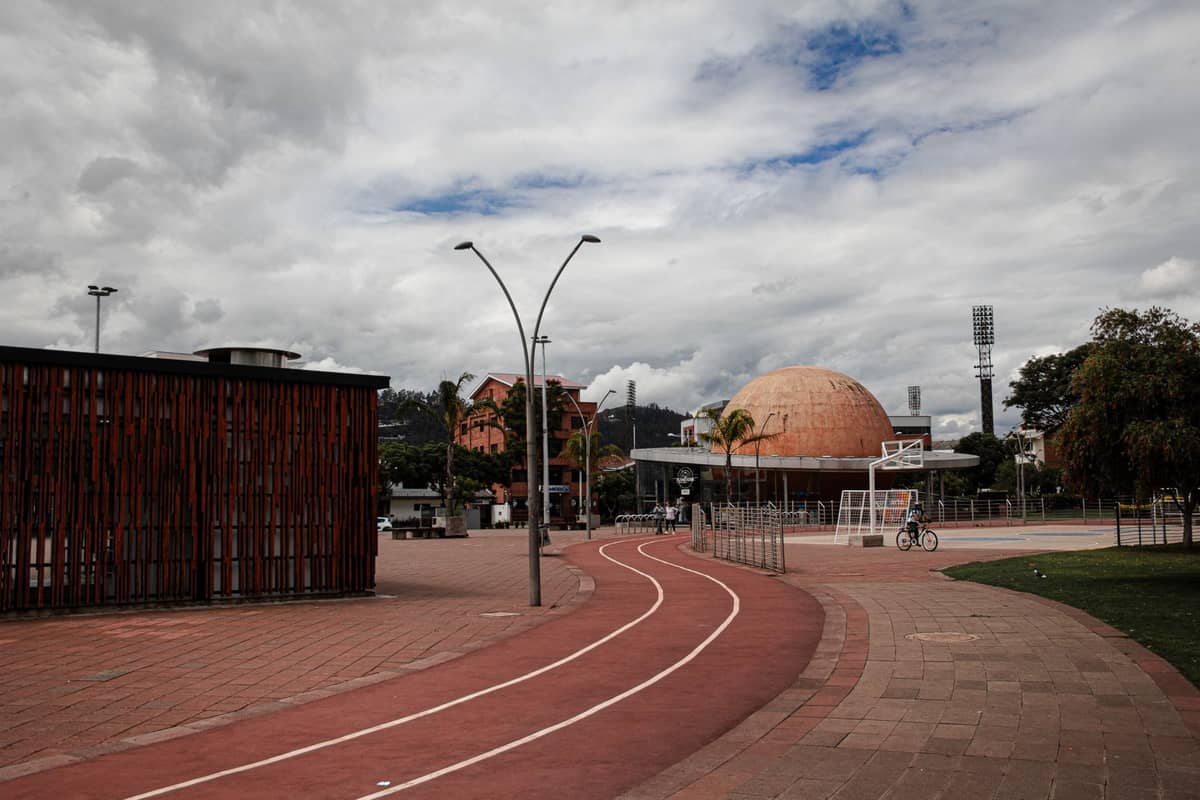
In Bogotá, the building is sometimes the exhibit. The Centro Cultural Gabriel García Márquez and the Quinta de Bolívar are both worth visiting as much for their physical spaces as for what they contain. For more on the city's architectural heritage, see our guide to La Candelaria.
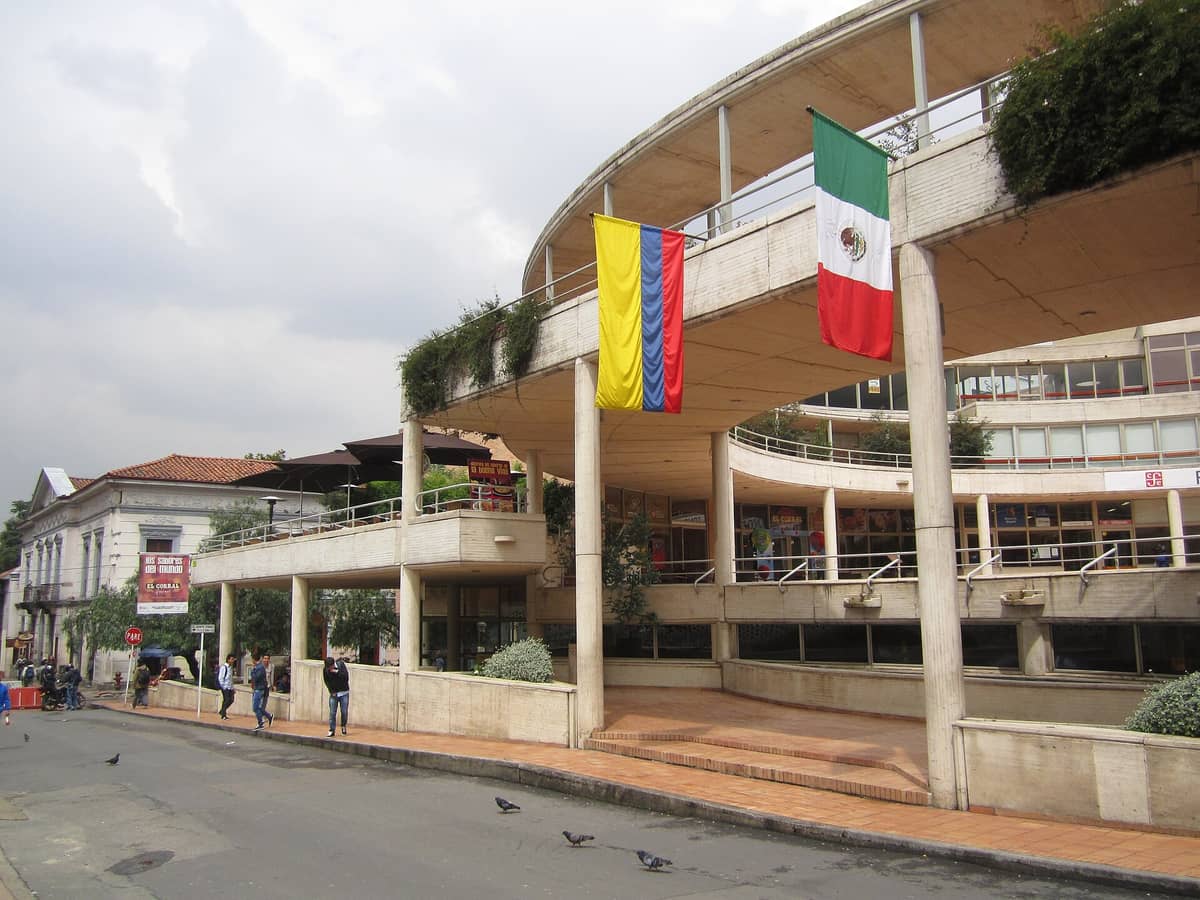
4. Admire Rogelio Salmona's Brick Masterpiece at the CCGGM
Salmona's circular brick building is one of Bogotá's finest pieces of modern architecture. The cultural center hosts rotating exhibitions, a well-stocked bookshop with Colombian literature in translation, and a café courtyard that's ideal for a mid-morning break.
Explore4. Admire Rogelio Salmona's Brick Masterpiece at the CCGGM
Salmona's circular brick building is one of Bogotá's finest pieces of modern architecture. The cultural center hosts rotating exhibitions, a well-stocked bookshop with Colombian literature in translation, and a café courtyard that's ideal for a mid-morning break.
Explore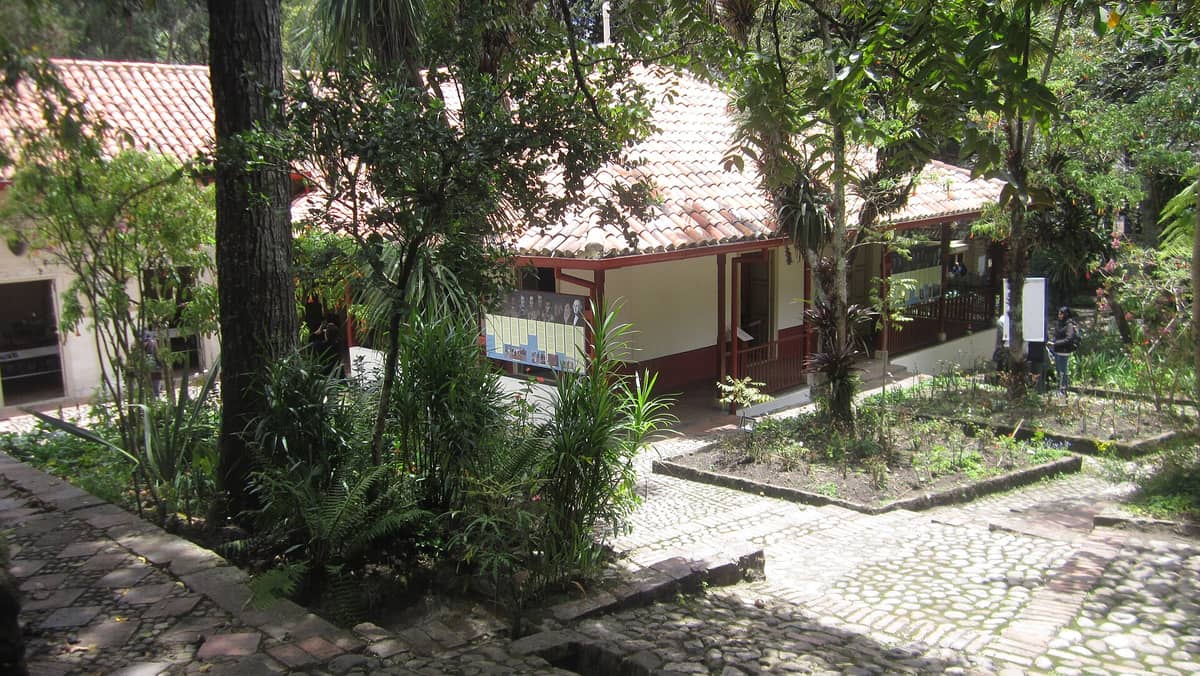
5. Step Inside Simón Bolívar's Country Retreat at the Quinta de Bolívar
This immaculately restored 18th-century hacienda at the foot of the Cerros Orientales was Bolívar's Bogotá home. Period furniture, personal artifacts, and tranquil garden grounds make it one of the city's most atmospheric historical museums. Quiet even on weekends.
Explore5. Step Inside Simón Bolívar's Country Retreat at the Quinta de Bolívar
This immaculately restored 18th-century hacienda at the foot of the Cerros Orientales was Bolívar's Bogotá home. Period furniture, personal artifacts, and tranquil garden grounds make it one of the city's most atmospheric historical museums. Quiet even on weekends.
ExploreHistory, Heritage & Sacred Spaces Worth Your Time
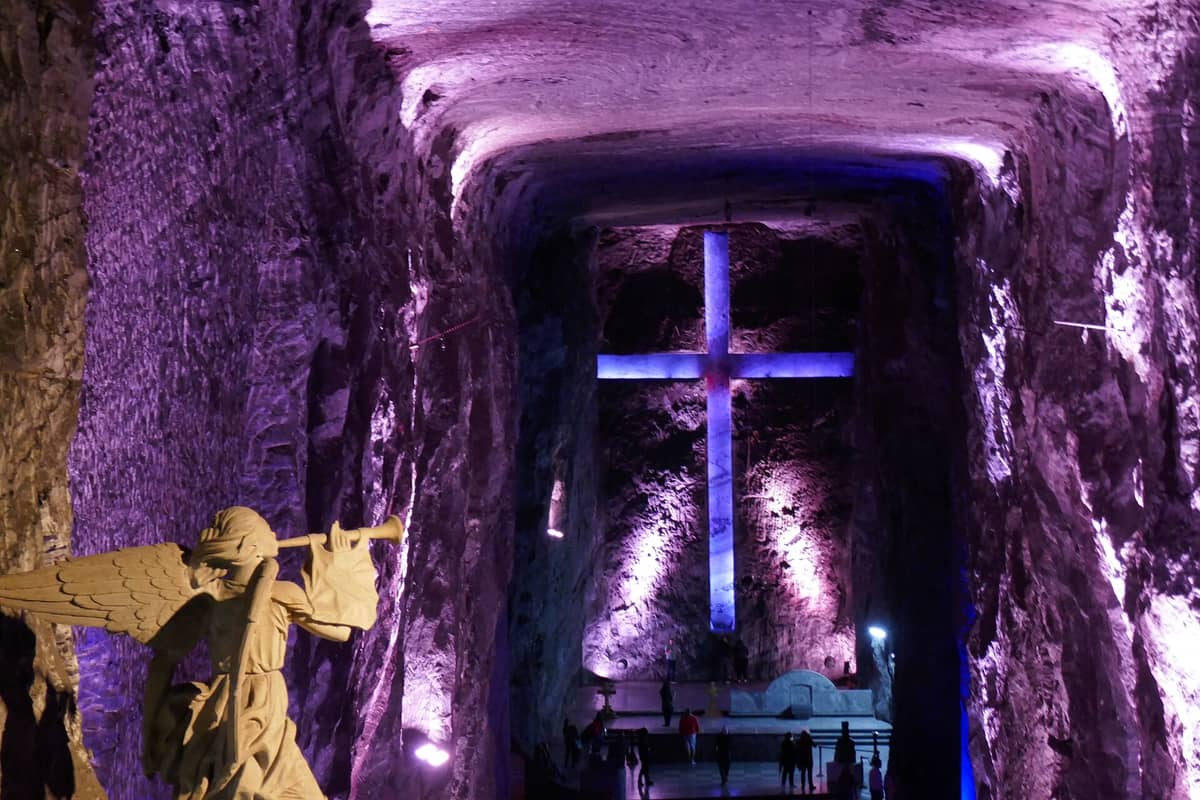
Beyond the formal museum circuit, several of Bogotá's most historically significant sites function as open-air or immersive exhibits. The Salt Cathedral at Zipaquirá and the Salto de Tequendama biodiversity museum both combine natural spectacle with cultural content worth seeking out. For a full day-trip context, read our day trips from Bogotá guide.
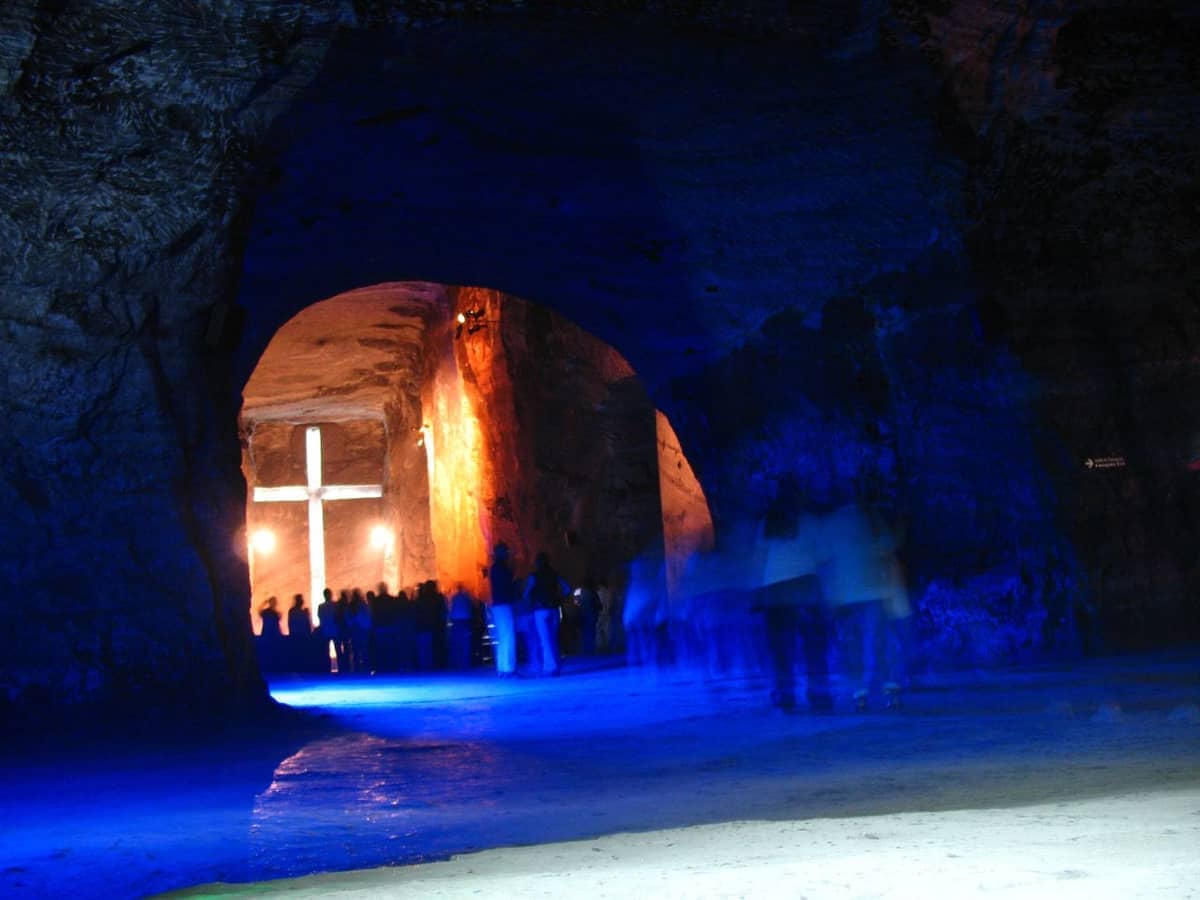
6. Descend 180 Meters Underground at the Salt Cathedral of Zipaquirá
Built inside a working salt mine, this is one of Colombia's most extraordinary spaces. Salt-carved sculptures, dramatic lighting, and a full cathedral nave sit 180 meters underground. The most popular day trip from Bogotá, located about 1.5 hours north of the city center.
Explore6. Descend 180 Meters Underground at the Salt Cathedral of Zipaquirá
Built inside a working salt mine, this is one of Colombia's most extraordinary spaces. Salt-carved sculptures, dramatic lighting, and a full cathedral nave sit 180 meters underground. The most popular day trip from Bogotá, located about 1.5 hours north of the city center.
Explore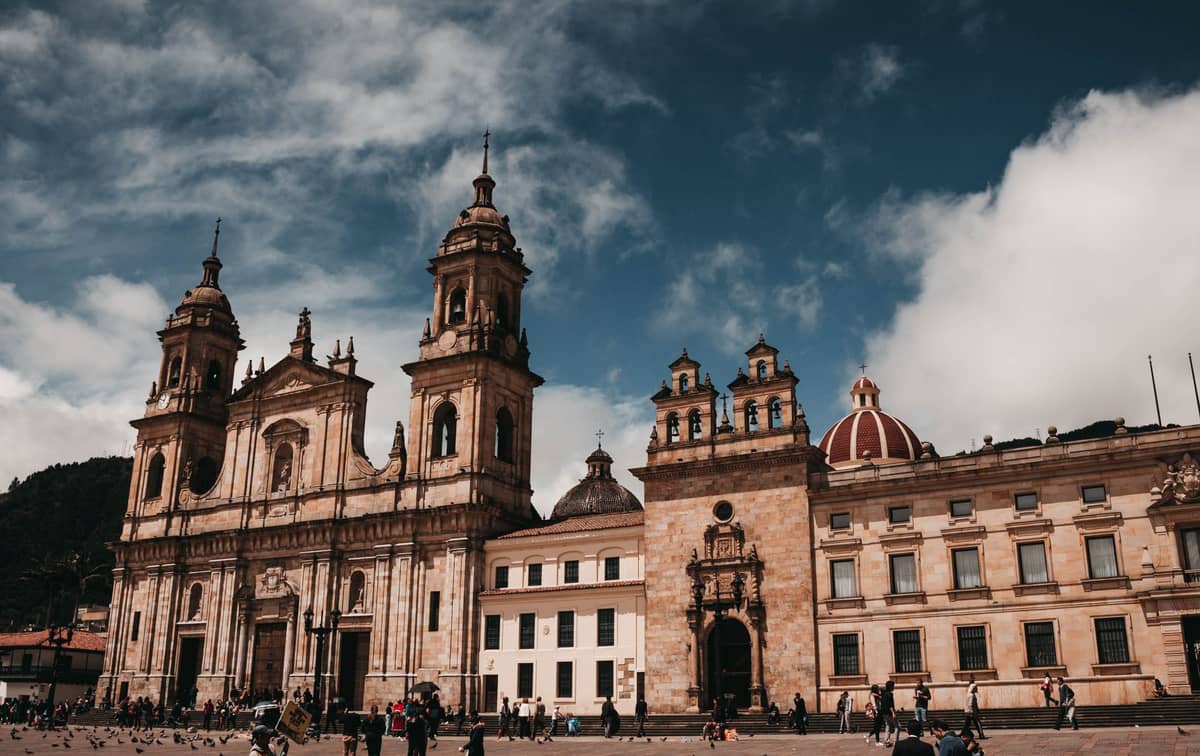
7. Read Bogotá's Political History in Stone at Plaza de Bolívar
The grand central square is flanked by the Catedral Primada, the Capitol building, and the Palace of Justice, each representing a different chapter of Colombian history. The square itself functions as a living civic exhibit, often hosting political gatherings and public events.
Explore7. Read Bogotá's Political History in Stone at Plaza de Bolívar
The grand central square is flanked by the Catedral Primada, the Capitol building, and the Palace of Justice, each representing a different chapter of Colombian history. The square itself functions as a living civic exhibit, often hosting political gatherings and public events.
Explore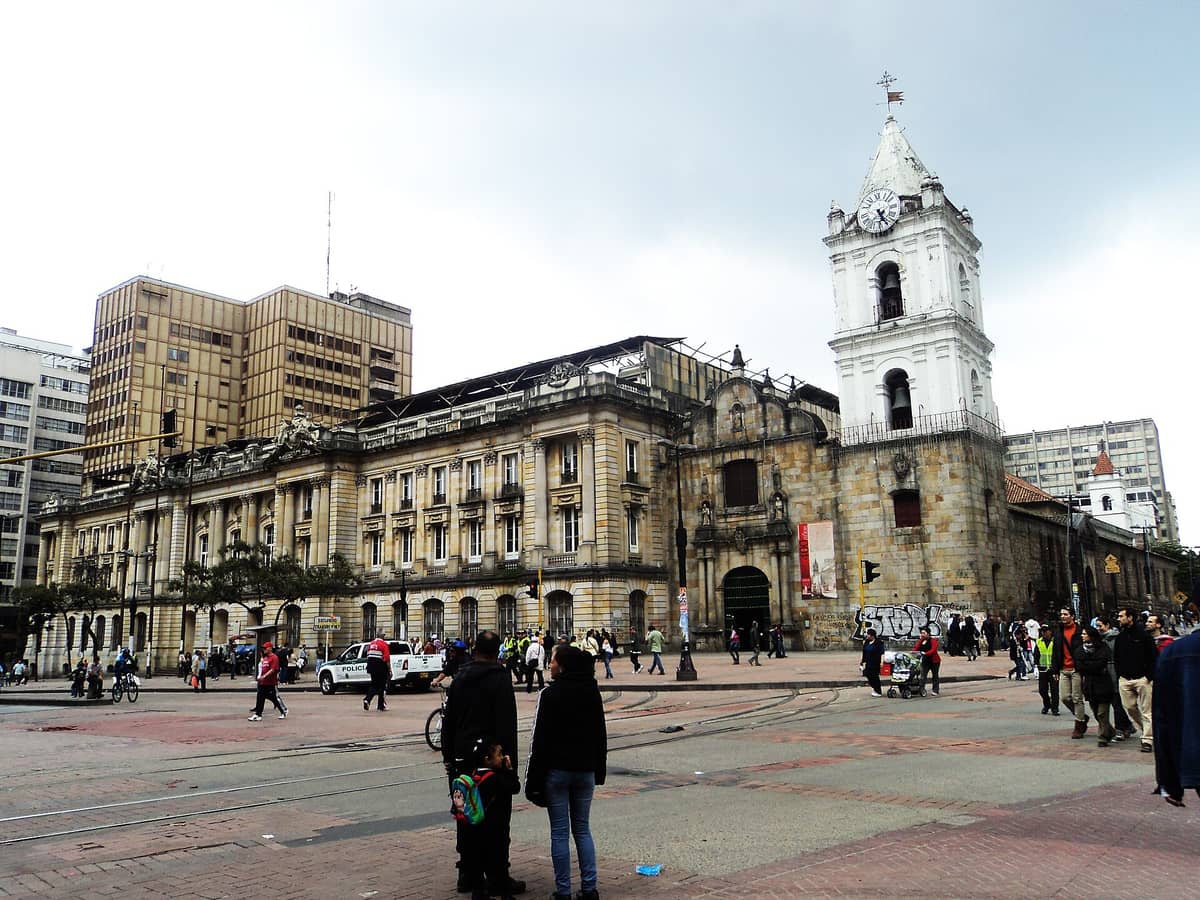
8. See Bogotá's Finest Baroque Altarpiece at the Iglesia de San Francisco
The city's oldest surviving church, dating to the 16th century, contains one of South America's most remarkable gilded Baroque altarpieces. The interior is compact but visually overwhelming. Located at the edge of La Candelaria near Avenida Jiménez, easy to combine with the Gold Museum.
Explore8. See Bogotá's Finest Baroque Altarpiece at the Iglesia de San Francisco
The city's oldest surviving church, dating to the 16th century, contains one of South America's most remarkable gilded Baroque altarpieces. The interior is compact but visually overwhelming. Located at the edge of La Candelaria near Avenida Jiménez, easy to combine with the Gold Museum.
Explore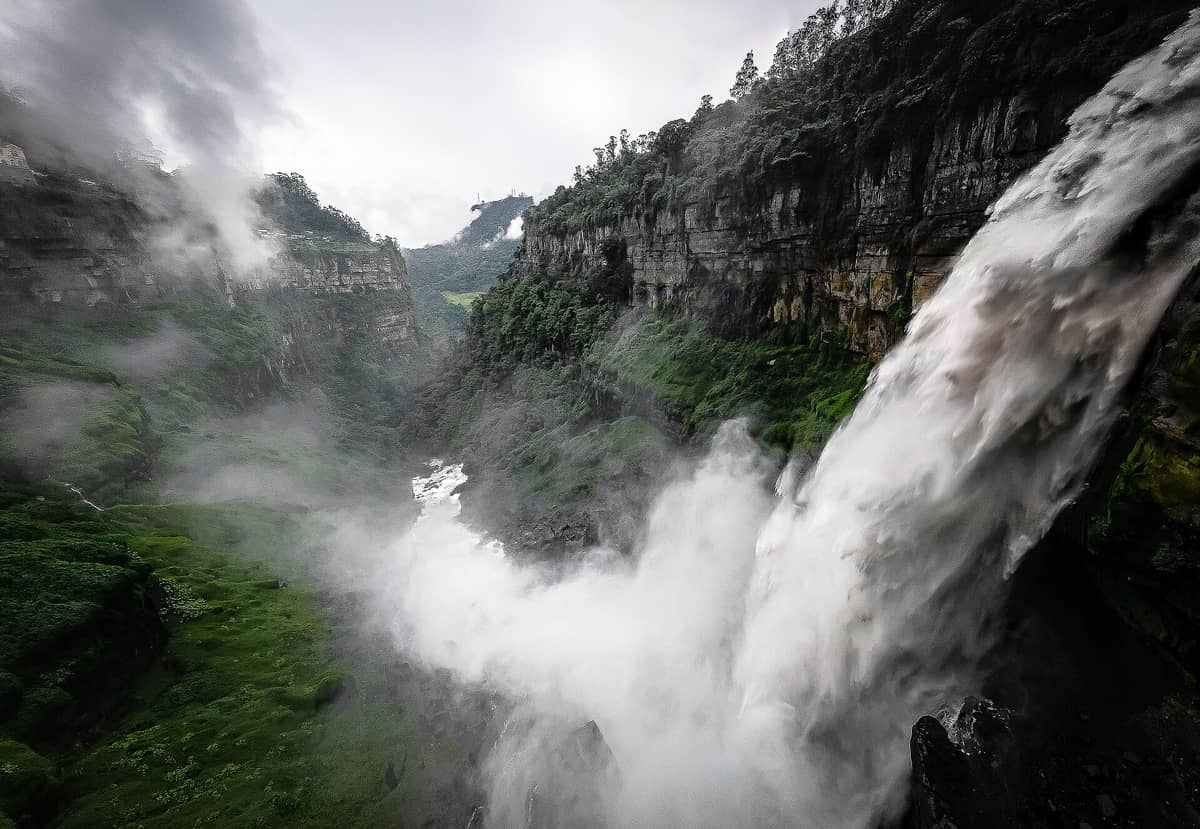
9. Combine Natural Drama with Museum History at Salto de Tequendama
A 157-meter waterfall framed by a restored Belle Époque hotel now operating as a biodiversity museum. The combination of dramatic landscape and architectural history makes it unlike any other museum experience near Bogotá. About 45 minutes southwest of the city center.
Explore9. Combine Natural Drama with Museum History at Salto de Tequendama
A 157-meter waterfall framed by a restored Belle Époque hotel now operating as a biodiversity museum. The combination of dramatic landscape and architectural history makes it unlike any other museum experience near Bogotá. About 45 minutes southwest of the city center.
ExploreViews, Walks & Cultural Contexts Around the Museum District
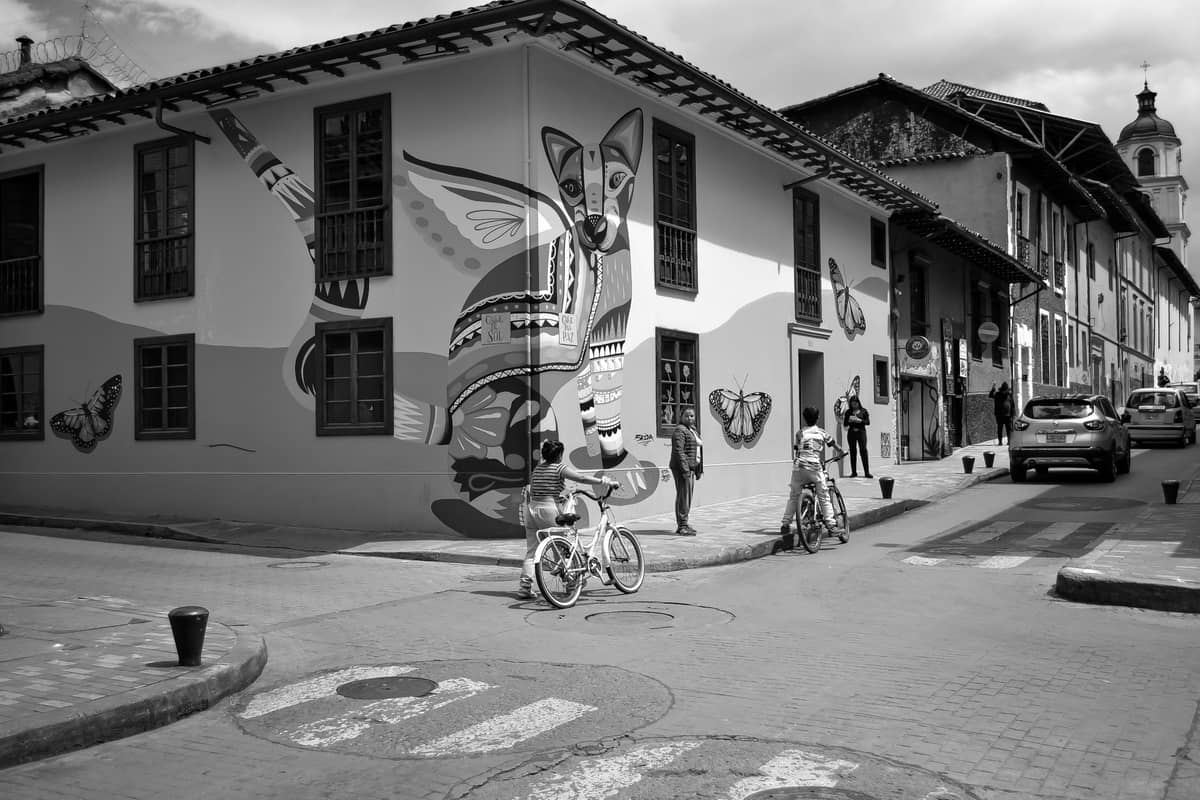
The best museum days in Bogotá benefit from a strong sense of place. Pairing your visits with a walk through the surrounding neighborhoods adds crucial context. The Bogotá street art guide covers the murals you'll pass between many of these institutions, and the free things to do in Bogotá guide includes several of the city's best no-cost cultural spaces.
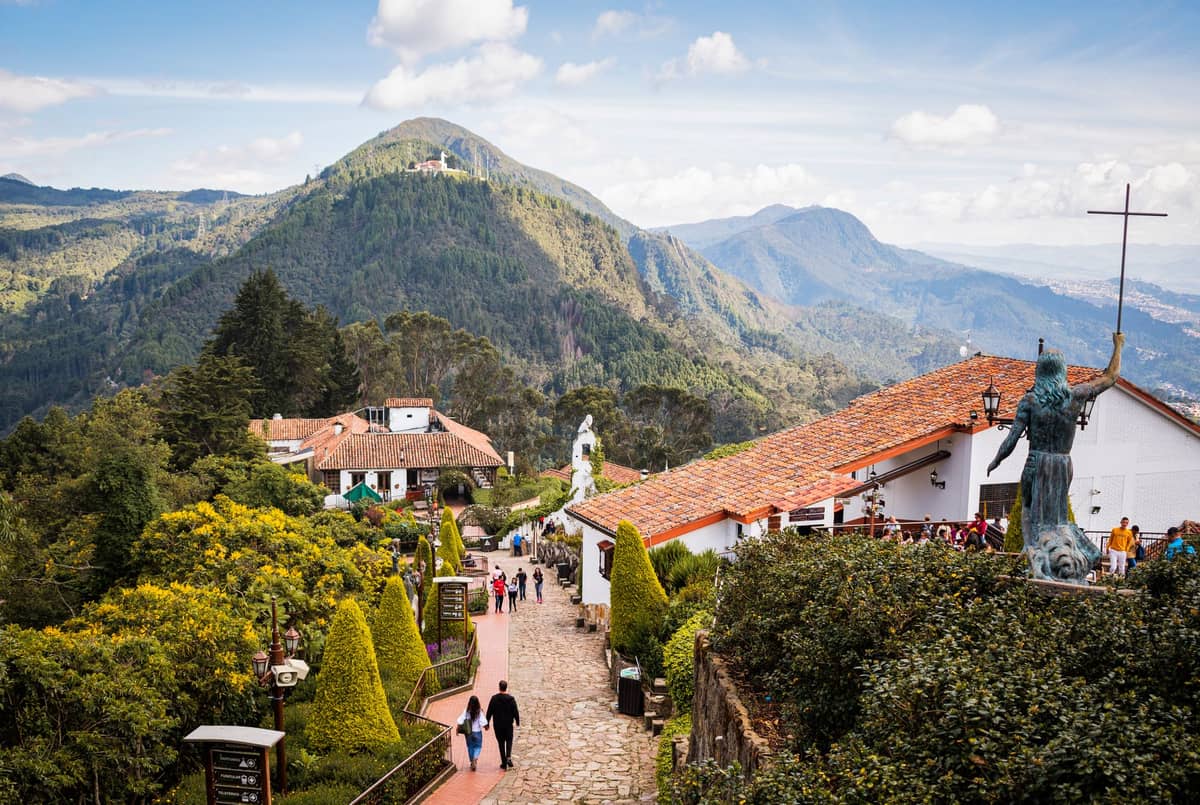
10. Get the Full City Context from Monserrate Before Your Museum Day
Seeing Bogotá from 3,152 meters before a day of museums orients you spatially and visually. The colonial church at the summit also functions as a historical site in its own right. Take the cable car up and hike down, or reverse it. Allow 2–3 hours total.
Explore10. Get the Full City Context from Monserrate Before Your Museum Day
Seeing Bogotá from 3,152 meters before a day of museums orients you spatially and visually. The colonial church at the summit also functions as a historical site in its own right. Take the cable car up and hike down, or reverse it. Allow 2–3 hours total.
Explore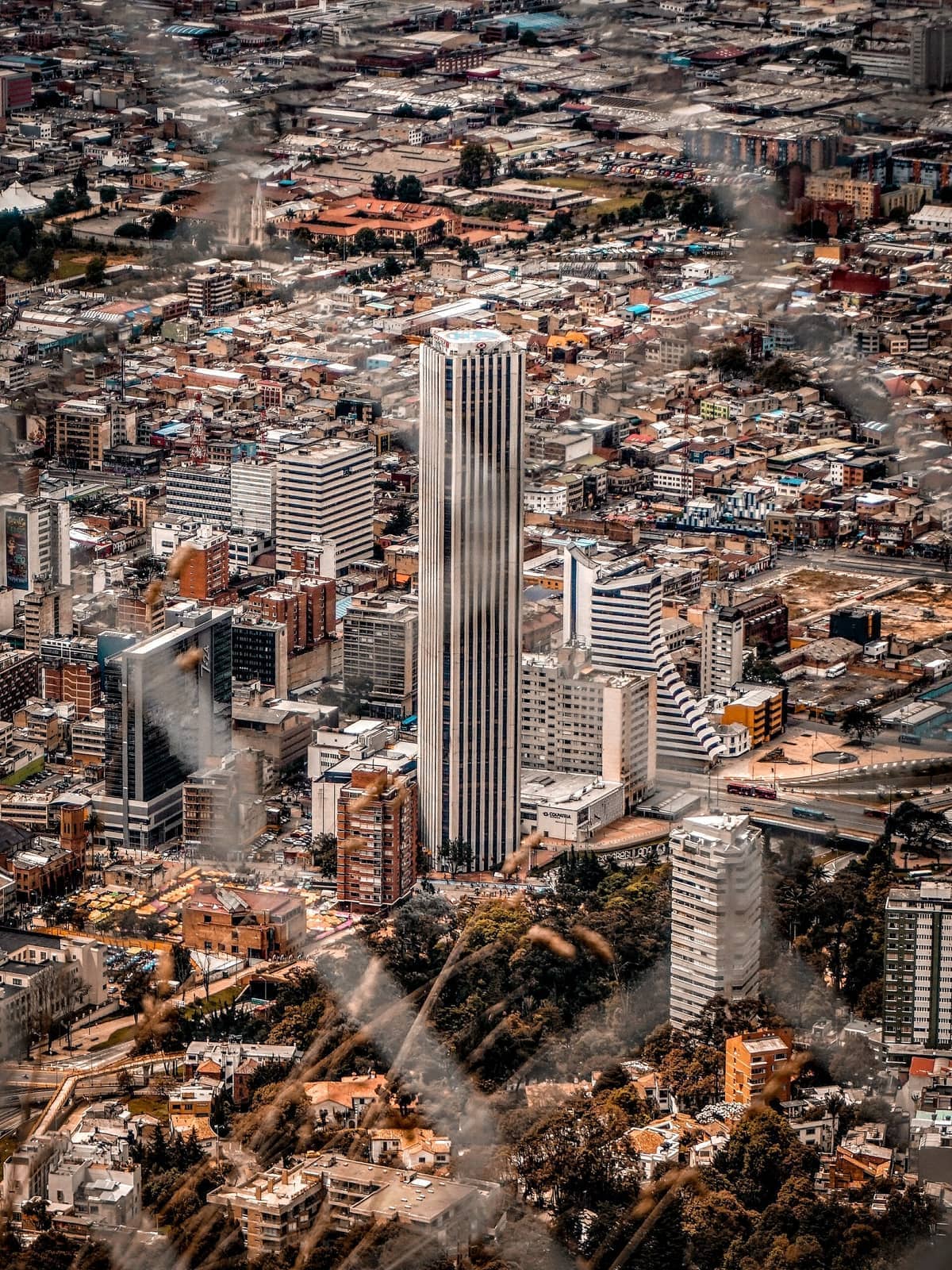
11. See Bogotá's Urban Grid from the Torre Colpatria Observation Deck
The 48th-floor observation deck opens only on weekends but offers 360-degree views that no museum can replicate. It provides a distinctly urban perspective compared to Monserrate and pairs well with a morning visit to the nearby Museo del Oro. Admission is modest.
Explore11. See Bogotá's Urban Grid from the Torre Colpatria Observation Deck
The 48th-floor observation deck opens only on weekends but offers 360-degree views that no museum can replicate. It provides a distinctly urban perspective compared to Monserrate and pairs well with a morning visit to the nearby Museo del Oro. Admission is modest.
Explore✨ Pro tip
Bogotá sits at approximately 2,640 meters above sea level. Altitude fatigue is real and can affect your stamina for walking between museums. Read the Bogotá altitude guide before your trip and give yourself a half-day to acclimatize before tackling a full museum itinerary.
FAQ
Which museums in Bogotá are free to enter?
The Museo Botero offers free admission to all visitors. The Centro Cultural Gabriel García Márquez is free to enter, though specific exhibitions may have a charge. Most Sundays at the Museo del Oro are also free, but this varies by date, so check the Banco de la República website before visiting.
Are museums in Bogotá open on Sundays?
Yes, but you need to check each museum’s schedule. The Museo del Oro is open Sundays and public holidays from 10:00 to 17:00. The Museo Botero is open Sundays 10:00 to 17:00. The Museo Nacional’s galleries are open Tuesday to Sunday from 9:00 to 17:00, including Sundays, and it is closed on Mondays.
How many days do I need to see Bogotá's main museums?
The three major institutions in La Candelaria (Museo del Oro, Museo Botero, and the Centro Cultural Gabriel García Márquez) can be covered in one full day if you start early. The Museo Nacional and Quinta de Bolívar are best saved for a second day. Add the Salt Cathedral as a separate day trip.
Is the Museo del Oro worth visiting in Bogotá?
Yes, without reservation. With over 55,000 pre-Columbian artifacts, including tens of thousands of gold objects, it ranks among the best museums in all of Latin America. The permanent collection takes 1.5 to 2 hours to explore properly. The famous darkened ceremonial room near the top of the museum is a genuine highlight.
What is the best neighborhood to stay in to be close to Bogotá's museums?
La Candelaria puts you walking distance from the Museo del Oro, Museo Botero, and Centro Cultural García Márquez, but accommodation options there are limited and the area requires some street awareness at night. La Macarena and Chapinero offer a better balance of proximity, safety, and quality accommodation. See the where-to-stay-in-bogota guide for full neighborhood breakdowns.