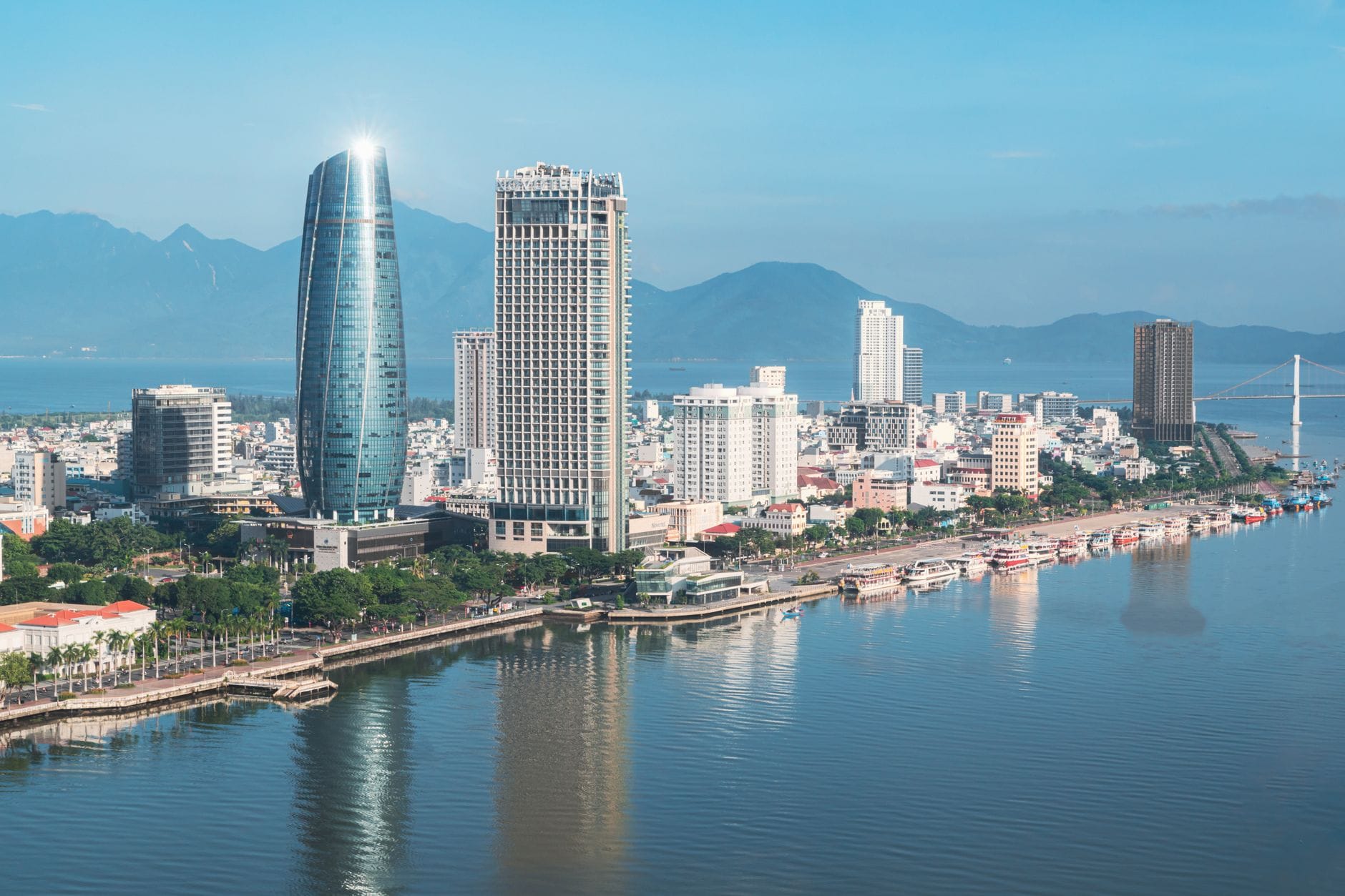
The Han River corridor is the geographic and cultural center of Da Nang, where the city's administrative heart, riverfront promenade, and most recognizable landmarks converge along Bạch Đằng Street. This is where Da Nang conducts its daily business, hosts its festivals, and makes its strongest first impression on visitors arriving from the airport along Nguyễn Văn Linh Street.
The Han River & Downtown area is the pulse of Da Nang, where wide riverside boulevards, iconic bridges, and a lively food scene all converge along the western bank of the Hàn River in Hải Châu district. It is the most centrally located base in the city, walkable to major landmarks yet well-connected to the beach, the mountains, and the ancient town of Hội An.
Orientation: Finding Your Bearings
The Han River runs roughly north to south through the center of Da Nang for about 7 to 10 kilometers before emptying into the East Sea. The downtown neighborhood straddles both banks, but its commercial and civic core sits firmly on the west bank in Hải Châu district, Da Nang's administrative and business hub.
The spine of the neighborhood is Bạch Đằng Street, the riverside boulevard that traces the west bank from Thuận Phước Bridge in the north to Trần Thị Lý Bridge in the south, a walkable stretch of roughly 5 to 6 kilometers. Inland from Bạch Đằng, the city grid fills in quickly: markets, government offices, schools, and the compact residential blocks that give Hải Châu its working-city character. Nguyễn Văn Linh Street cuts east from the airport directly to the river at Dragon Bridge, making it the main arrival corridor for travelers coming from Da Nang International Airport.
On the east bank, the Sơn Trà district side mirrors the promenade with its own riverside strip along Trần Hưng Đạo Street. Six bridges cross the Han River within this stretch: Thuận Phước Bridge, Han River Bridge (Cầu Sông Hàn), Dragon Bridge, Nguyễn Văn Trỗi Bridge, Trần Thị Lý Bridge, and Tiên Sơn Bridge. Each connects the downtown to the expanding east-bank districts and, further east, to My Khe Beach.
The neighborhood borders are roughly defined by the river to the east, the airport zone to the west, and a transition to more residential Thanh Khê district to the northwest. To the south, Cẩm Lệ district begins where the urban density softens. Understanding this layout matters practically: if you are staying downtown and want the beach, you are only one bridge crossing away from My Khe Beach, about 3 to 4 kilometers from Bạch Đằng Street depending on which crossing you use.
Character & Atmosphere
Early mornings on the Han River promenade belong to locals. By 5:30 AM, the Bạch Đằng sidewalk fills with elderly residents doing tai chi and aerobics, vendors arranging bánh mì carts, and motorbikes threading through the still-cool air before the heat builds. The light at this hour is low and golden off the water, and the bridges downstream catch it at sharp angles. There is a sense of routine and ownership here that tourist-facing neighborhoods often lack.
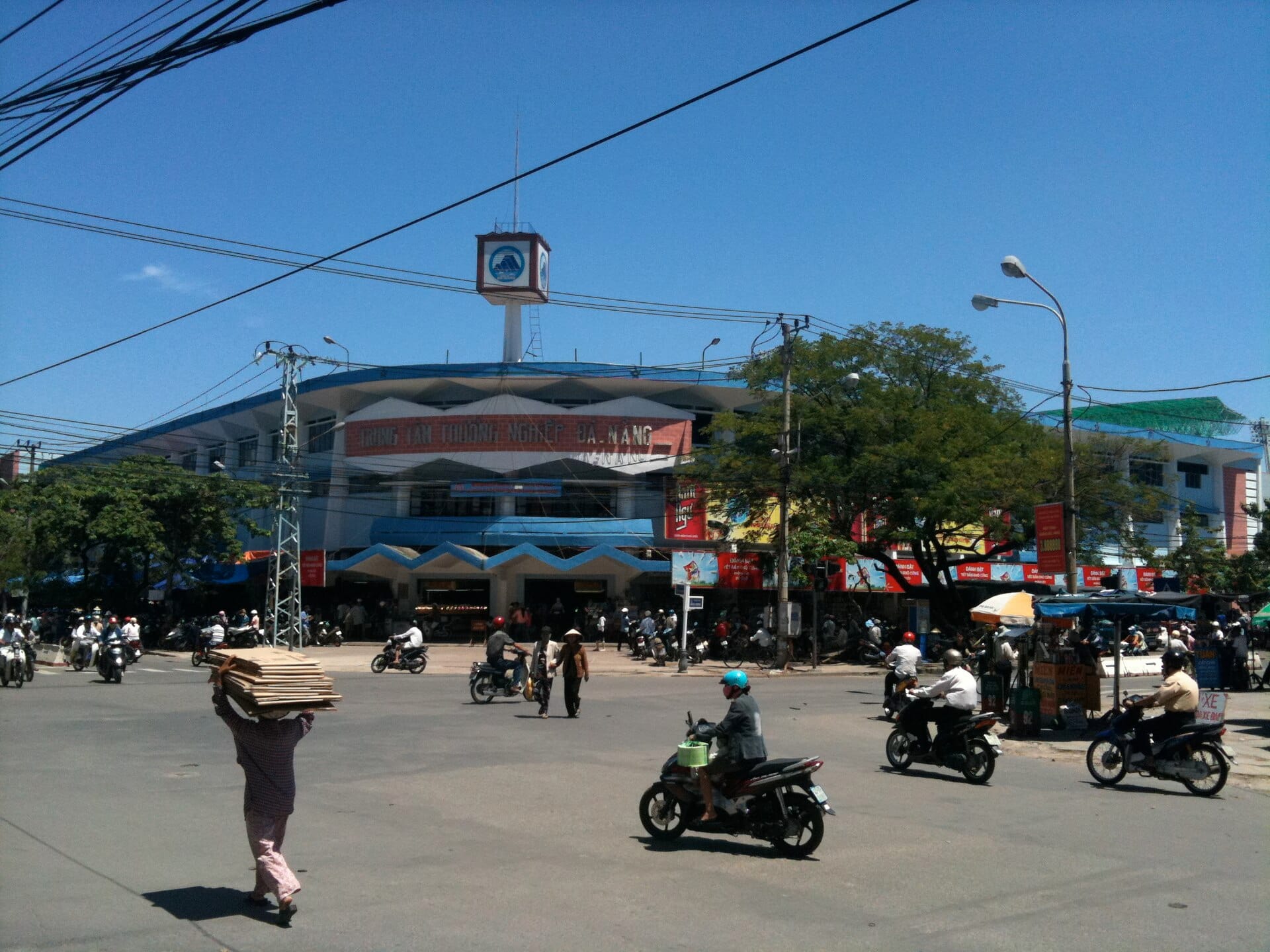
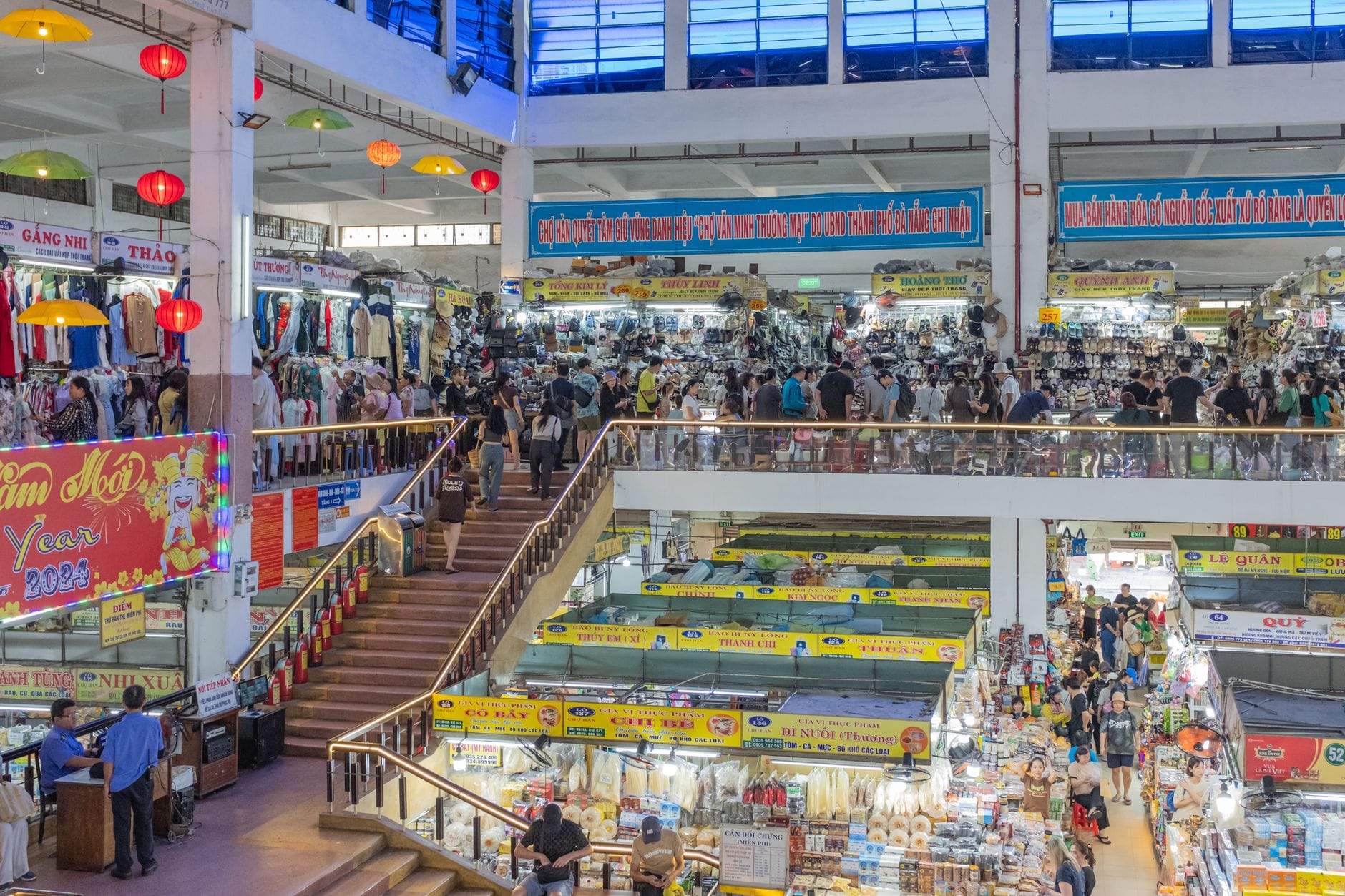
By mid-morning the administrative city wakes up around you. Government workers commute along Lê Duẩn Street. Han Market near the river draws a mix of locals shopping for produce and visitors browsing souvenirs. Cafés along the side streets off Bạch Đằng fill with the particular Vietnamese coffee-shop rhythm: slow, intentional, accompanied by the sound of ice being cracked into glasses of cà phê sữa đá.
The downtown quiets somewhat in the afternoon heat, roughly from 1 PM to 4 PM, when even the street food stalls take a break. The riverfront hardens under direct sunlight and offers little shade, so this is not the hour to walk the promenade. By late afternoon, however, the city reanimates. Street vendors return. The bridges begin to fill with motorbikes. And as darkness falls, the Han River becomes a different place entirely.
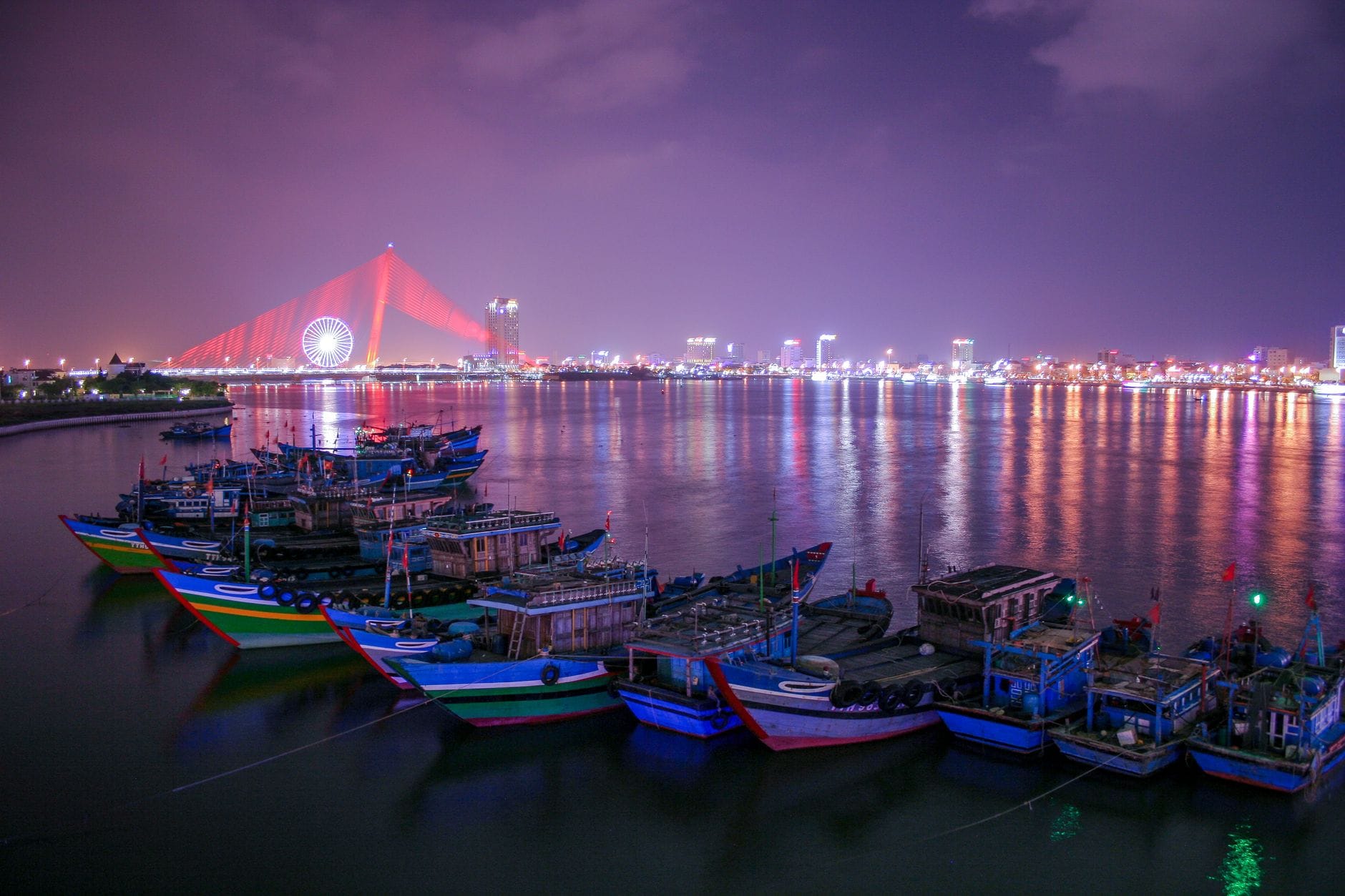
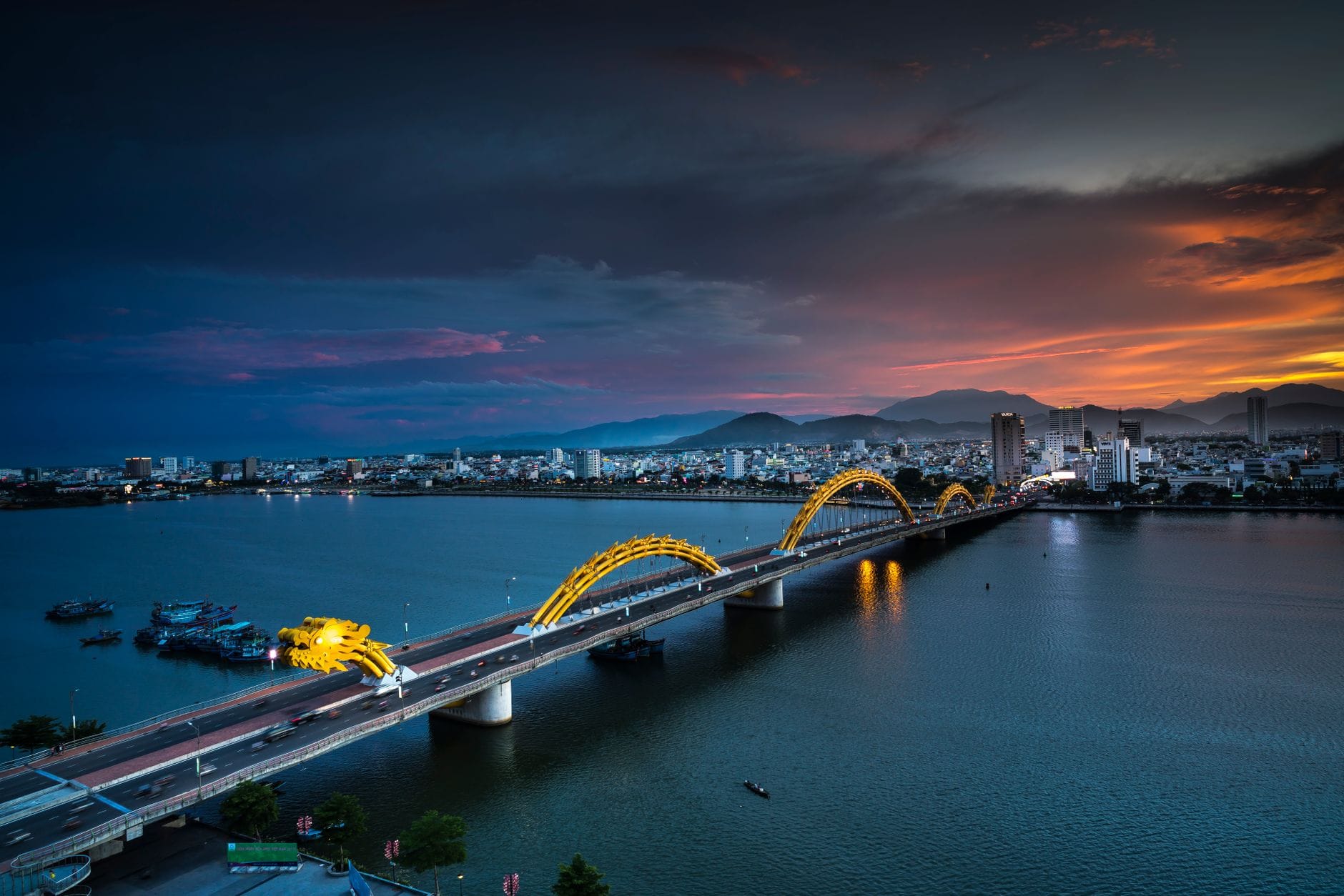
After 8 PM the riverfront is at its most photogenic and most crowded. Dragon Bridge lights up in color-changing LEDs, Trần Thị Lý Bridge glows white, and the promenade fills with families, couples, and tour groups taking photos. On Friday, Saturday, and Sunday nights, Dragon Bridge performs its fire and water show at 9 PM, drawing large crowds to both banks. It is spectacular and genuinely worth seeing once, though it does mean the surrounding streets become difficult to navigate on foot for about an hour.
💡 Local tip
Dragon Bridge's fire-breathing and water-spouting show happens every Friday, Saturday, and Sunday nights at 9 PM. Arrive by 8:30 PM to secure a spot on the Bạch Đằng promenade side for the best unobstructed view.
What to See & Do
The most important single activity in this neighborhood is simply walking Bạch Đằng Street end to end. The Bạch Đằng Walking Street section near Dragon Bridge is pedestrianized on weekend evenings, turning into an open-air gathering space with food stalls, street performers, and river views. Even outside those hours, the promenade between the bridges is a pleasant walk with consistent river breezes.
Dragon Bridge is one of Da Nang's defining structures, a 666-meter dragon-shaped road bridge that opened in 2013 to connect the downtown to the east-bank tourist corridor. It functions as an active traffic bridge by day and a landmark light show venue by night. Just north of it, the older Han River Bridge (Cầu Sông Hàn) holds a different kind of significance: completed in 2000, it was Vietnam's first rotating swing bridge, built by Vietnamese engineers and workers, and remains a point of civic pride. Nearby, the Love Bridge is a smaller pedestrian crossing draped in padlocks, popular with couples.
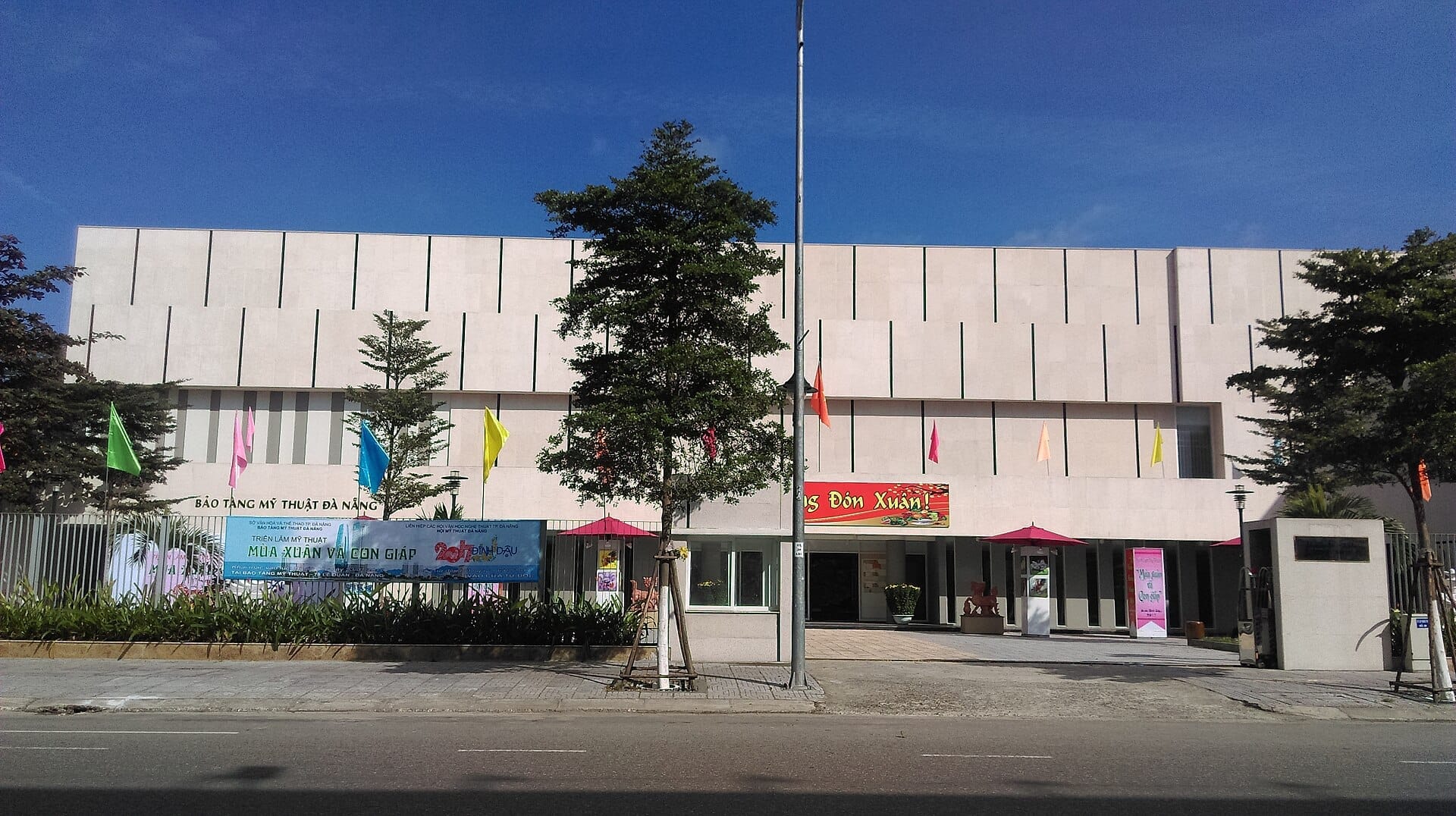
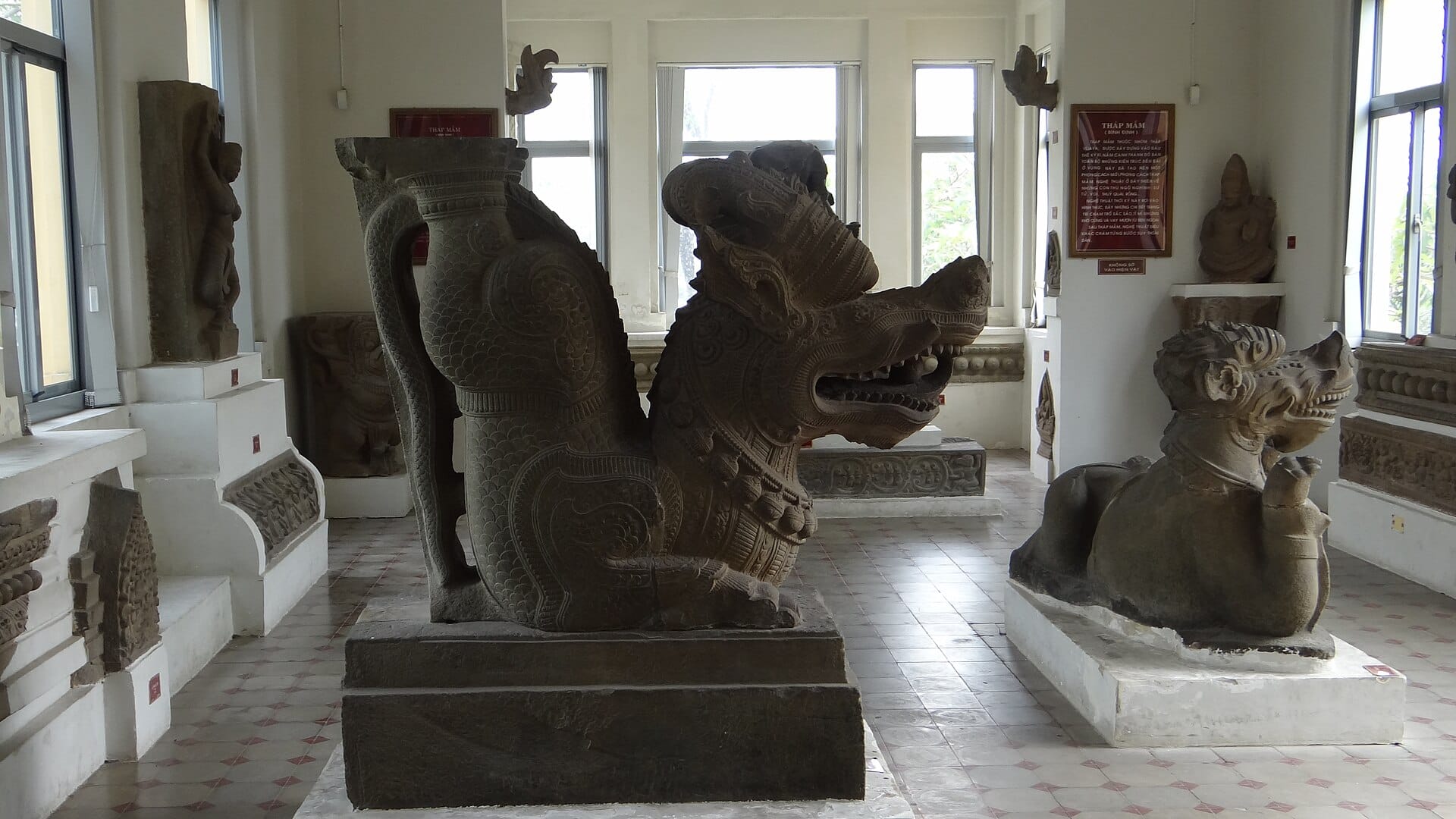
Inland from the riverfront, two institutions are worth genuine time. The Museum of Cham Sculpture on Trưng Nữ Vương Street houses the world's largest collection of Cham artifacts, including stone towers, sculptures, and altarpieces dating from the 7th to 15th centuries. It is one of the most important museum collections in Southeast Asia and is consistently undervisited relative to its significance. เผื่อ at least 90 minutes. The Da Nang Museum offers a more accessible overview of the city's history, from its Cham origins through the American War era and into its post-1975 development.
For shopping and market culture, Han Market near the river is one of Da Nang's oldest covered markets. The ground floor leans touristy, with silk, lacquerware, and coffee for sale, but the upper floors retain a genuine local market feel, with clothing, household goods, and fresh produce. A few blocks south, Con Market serves a more strictly local clientele and is worth a visit for street food and context.
Walk the Bạch Đằng promenade at sunrise for the quietest and most atmospheric version of the riverfront
Cross Han River Bridge (Cầu Sông Hàn) on foot for a close-up view of the river and a look back at the downtown skyline
Visit the Museum of Cham Sculpture: budget 90 minutes minimum and go in the morning before tour groups arrive
Watch the Dragon Bridge fire show on a Saturday or Sunday night at 9 PM
Browse Han Market in the morning when the local vendors outnumber the souvenir stalls
Walk south along Bạch Đằng in the evening toward Trần Thị Lý Bridge for a less crowded stretch of the riverfront
ℹ️ Good to know
The Museum of Cham Sculpture is located at the corner of Trưng Nữ Vương and Bạch Đằng Streets, within easy walking distance of the riverfront. Check current opening hours and admission prices before visiting, as these are updated periodically by the museum.
Eating & Drinking
The downtown area has Da Nang's widest range of food options by density, from street-side rice porridge at dawn to rooftop cocktail bars at midnight. The local food scene is strongest in the blocks immediately behind Bạch Đằng Street, where small family restaurants serve the central Vietnamese dishes that define the city's food identity. For a proper introduction to what to eat here, the Da Nang food guide covers the essential dishes in detail.
Mì Quảng (turmeric-broth noodles with pork, shrimp, and peanuts) and bún chả cá (fish cake noodle soup) are the two dishes most associated with central Da Nang cooking. Both are widely available in small, unlabeled restaurants around the downtown area, particularly on streets running west from the river toward the train station. Expect to pay 35,000 to 60,000 VND per bowl at these spots.
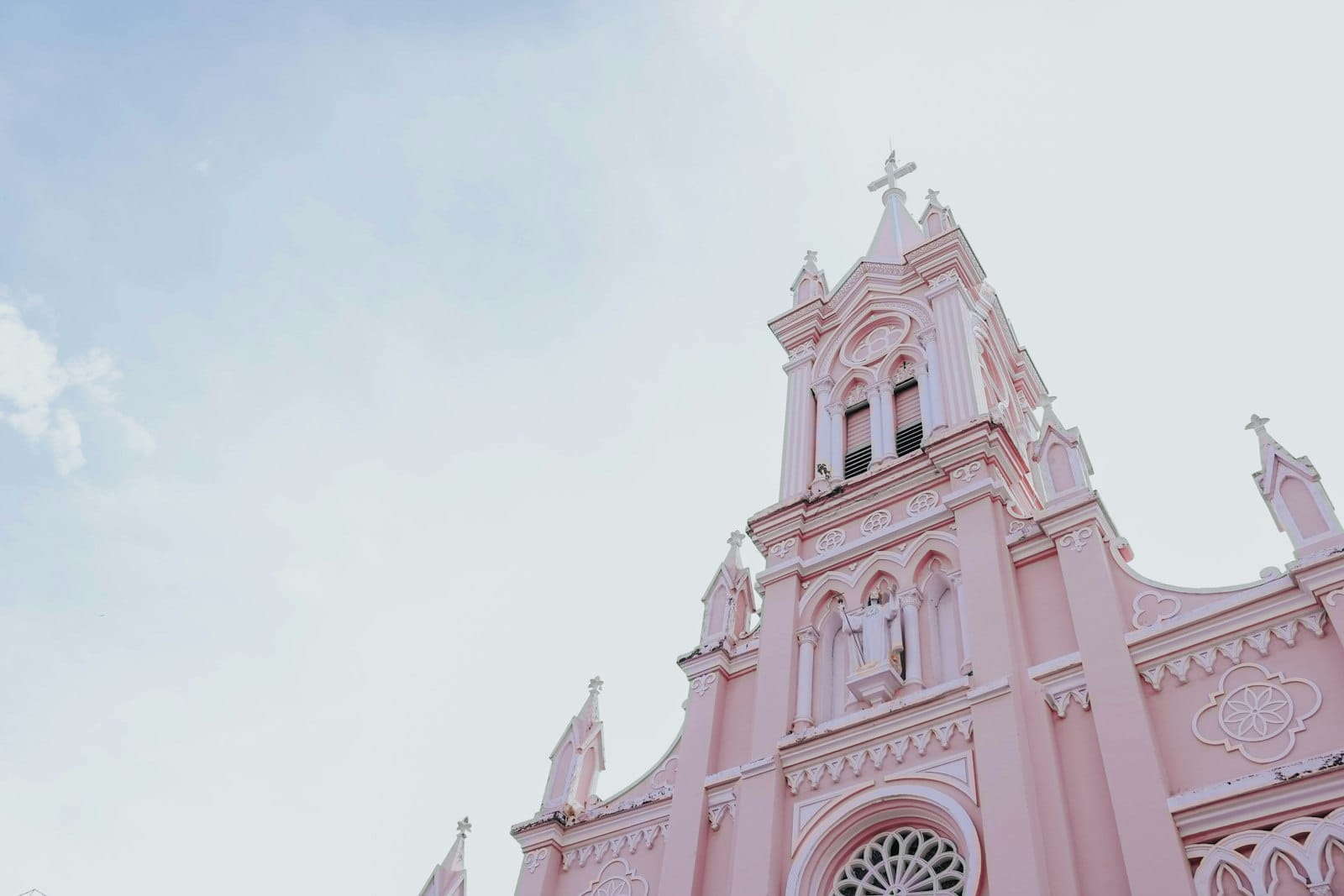
Coffee culture is serious here. Da Nang has its own distinct café scene, somewhere between Hanoi's traditional coffee house culture and Saigon's newer specialty café wave. The Da Nang coffee guide maps out the best options across the city, but within the downtown specifically, you will find everything from dark, condensed-milk-heavy cà phê from street carts on Bach Dang to airy, minimalist specialty cafés in the lanes behind the cathedral.
The Helio Night Market operates on 2 Tháng 9 Street, about 1.5 kilometers south of Dragon Bridge. It opens from around 6 PM and combines street food stalls, live music, beer, and a distinctly youthful, local atmosphere. It is a better option for evening food than the tourist-facing restaurants on the riverfront itself, which tend to mark up prices significantly for their views.
For nightlife, the downtown riverfront and the blocks immediately east of it carry most of Da Nang's bar scene. Rooftop bars overlooking Dragon Bridge are numerous, ranging from relaxed to loud, and prices reflect their locations. The east-bank strip along Trần Hưng Đạo Street also has a concentration of bars, many aimed at a younger international crowd. Noise levels on weekend nights can be significant on both sides of the river.
⚠️ What to skip
The restaurants directly on Bạch Đằng Street with river-view terraces often charge noticeably more than equivalent restaurants one block inland. If budget matters, walk a street or two west before sitting down to eat.
Getting There & Around
Da Nang International Airport (DAD) is approximately 4 kilometers from the Han River area via Nguyễn Văn Linh Street, which runs directly to Dragon Bridge and the riverside. A Grab ride (Vietnam's dominant ride-hailing app) typically takes 10 to 15 minutes in normal traffic and costs far less than metered taxis in most cases. For full airport logistics, the Da Nang airport guide covers all transport options and current pricing context.
Da Nang Train Station is approximately 3 kilometers northwest of the riverfront, connected to the national rail network running between Hanoi and Ho Chi Minh City. The station is reachable from Bạch Đằng by motorbike or taxi in around 10 minutes. For travelers arriving overland from Huế or heading south to Hội An, the guide to getting around Da Nang explains the full range of transport options including buses, taxis, and motorbike rentals.
Within the downtown neighborhood, walking is practical for most daytime sightseeing. The distance from Han Market to Dragon Bridge along the riverfront is roughly 1.5 kilometers; from Dragon Bridge to Trần Thị Lý Bridge is another 1.2 kilometers south. The Museum of Cham Sculpture sits at the corner of Bạch Đằng and Trưng Nữ Vương, directly on the promenade. Most key landmarks are within a 2-kilometer radius of each other.
For trips outside the immediate downtown, Grab motorbike (GrabBike) is the fastest and cheapest option for single travelers. Grab Car is better for groups or in heavy rain. Da Nang operates city buses, and while routes cover most of the urban core, scheduling and stops require local knowledge; most short-stay visitors find app-based transport significantly more convenient. Motorbike rental is widely available in the downtown area for those comfortable riding in Vietnamese urban traffic, which is dense and operates by its own informal rules.
Where to Stay
The Han River & Downtown area is the best base for first-time visitors to Da Nang who want to be central. It puts you within 4 kilometers of the airport, 10 to 15 minutes by bridge from My Khe Beach, and well-positioned for day trips to the Marble Mountains or Hội An. It is also the neighborhood with the widest range of accommodation types: budget hostels and guesthouses behind the market, mid-range business hotels along the riverfront, and several upscale hotels with river-view rooms on Bạch Đằng itself.
The blocks immediately behind Bạch Đằng Street, particularly around Lý Tự Trọng Street and the streets running west toward Hùng Vương, offer the best combination of price, walkability, and local atmosphere for mid-range travelers. The riverfront hotels themselves command a premium for views, and whether those views justify the cost depends on how much time you will spend at the hotel versus out in the city.
Be aware that the blocks closest to Dragon Bridge and the weekend walking street can be loud until midnight or later on Friday and Saturday nights. Travelers who are light sleepers or arriving after a long-haul flight should confirm soundproofing with their hotel before booking riverside-facing rooms. The quieter southern end of Bạch Đằng, between Nguyễn Văn Linh and Trần Thị Lý Bridge, tends to have a more relaxed atmosphere.
For travelers primarily interested in beach access, note that staying downtown means you will cross a bridge daily to reach the sand. If beach time is the main priority, staying near My Khe Beach or in the Mỹ Khê area on the east bank places you closer to the water, though at the cost of some distance from the cultural and dining core. The full breakdown of where to stay across Da Nang is covered in the Da Nang accommodation guide.
Practical Assessment: Who This Neighborhood Is For
The Han River & Downtown is Da Nang's most complete neighborhood for visitors who want an urban experience. It has the city's best museums, its most recognizable landmarks, its widest food variety, and its strongest café culture. It is not, however, a quiet or particularly local-feeling base: the riverfront in particular has tilted significantly toward tourism infrastructure over the past decade, and the weekend nights around Dragon Bridge attract large, noisy crowds.
It is also not the right choice for travelers whose entire trip revolves around the beach. The crossing to My Khe adds a small but real friction to daily beach trips, and the east-bank hotel zones closer to the sand offer a more resort-oriented experience. Similarly, travelers focused on nature and adventure will find the downtown a convenient hub but will spend most of their time traveling out of it toward Sơn Trà Peninsula, Bà Nà Hills, or the Marble Mountains.
For digital nomads, the downtown area has a strong café scene and reasonably priced accommodation, and the Da Nang digital nomad guide covers coworking options across the city. For couples seeking a more atmospheric stay, the riverside at night is undeniably photogenic, and the proximity to both cultural sites and day-trip options to Hội An makes the downtown a practical romantic base.
TL;DR
The Han River & Downtown is Da Nang's administrative and cultural core, centered on Bạch Đằng Street and the 5-6 km river promenade in Hải Châu district.
Best for: first-time visitors, city-focused travelers, culture seekers, digital nomads, and anyone who wants central access to all of Da Nang's districts.
Key attractions within walking distance: Dragon Bridge, Museum of Cham Sculpture, Han Market, Bạch Đằng Walking Street, Han River Bridge, and the Helio Night Market.
Trade-offs: weekend nights near Dragon Bridge are loud and crowded; riverfront restaurants are overpriced relative to equivalent food one block inland; beach access requires a bridge crossing.
Practical note: the airport is roughly 4 km away via Nguyễn Văn Linh Street, and the train station is about 3 km northwest, making this the most convenient neighborhood for arrivals by air or rail.
Three days is exactly enough time to cover Da Nang's best beaches, cultural landmarks, and day trips without rushing. This itinerary breaks it down day by day — with practical logistics, honest crowd and timing advice, and links to deeper guides for every stop.
Ba Na Hills is a high-altitude resort complex sitting at 1,487 metres above sea level, about 25 km southwest of Da Nang. This guide covers everything from ticket prices and cable car logistics to seasonal conditions, crowd patterns, and what the French Village is really like.
Da Nang's climate divides into a sunny dry season and a stormy wet season, but the best time to visit depends on what you want from the trip. This guide breaks down weather patterns, crowd levels, and pricing across every season so you can plan with confidence.
Central Vietnam's Da Nang–Hoi An–Hue corridor packs beaches, UNESCO heritage, and mountain scenery into a compact region. This guide gives you the routes, timings, seasonal advice, and practical details to plan a trip that actually works.
Da Nang International Airport (DAD) is one of the most conveniently located airports in Southeast Asia, sitting roughly 3–5 km from downtown. This guide covers the arrivals process, visa on arrival requirements, every transfer option to the city, and how to reach Hoi An from the airport.
Da Nang sits on roughly 70–75 km of coastline, with a core run of public beaches that rival anything in Southeast Asia. This guide covers every significant beach from Nam O in the north to Non Nuoc in the south, with practical advice on the best swimming seasons, safety, crowd patterns, and how much to budget.
Da Nang's coffee scene runs deeper than beach cafés and tourist menus. This guide covers everything from traditional Vietnamese street coffee to specialty roasters, with real prices, neighborhood breakdowns, and tips on when and where to go.
Da Nang has become one of Southeast Asia's most practical bases for remote workers, with fast fiber internet, low costs, and a beach at the end of the street. This guide covers everything you actually need: realistic budgets, visa rules, the best neighborhoods, coworking options, and the seasonal realities that can make or break a long stay.
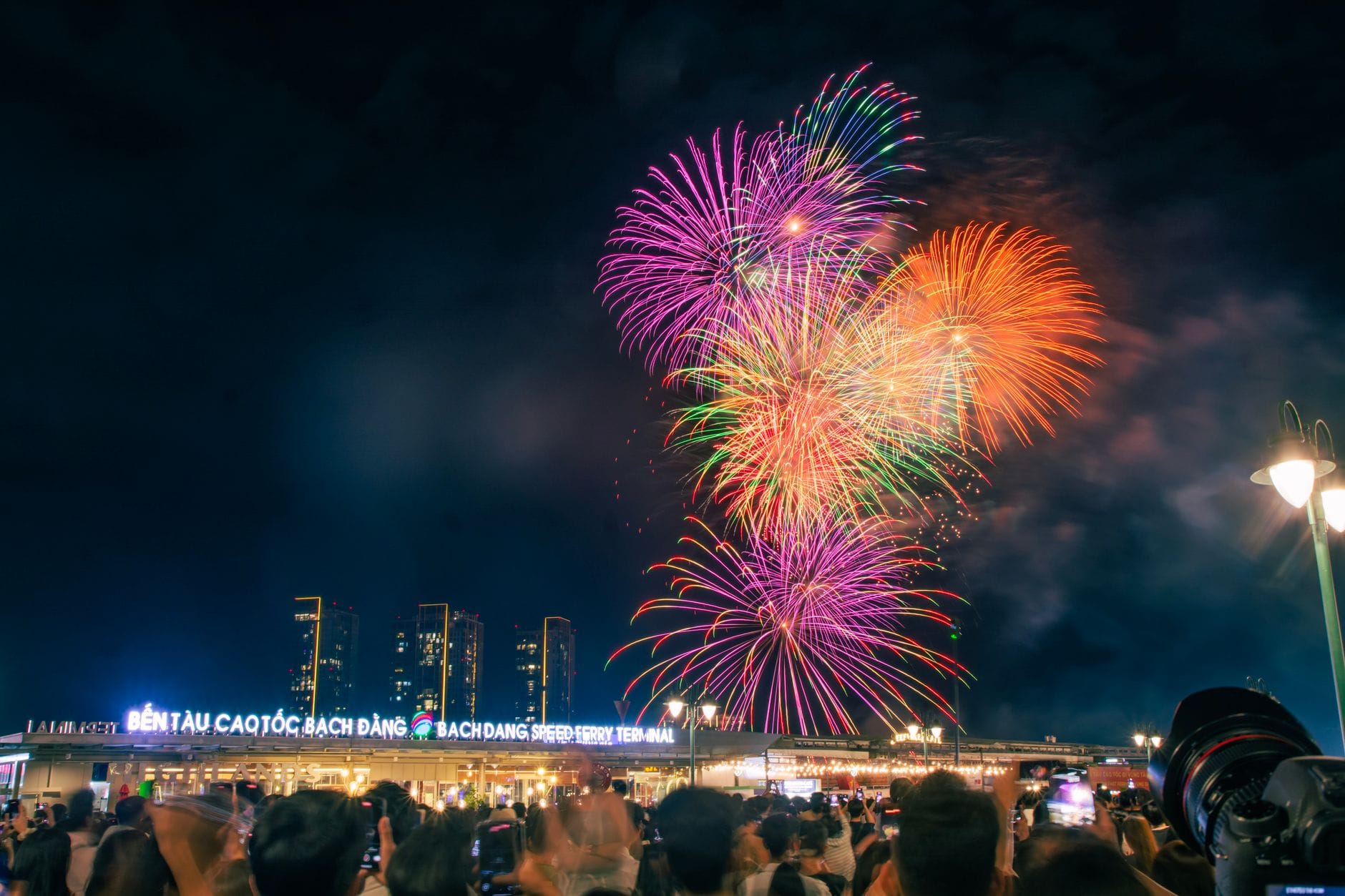
The Da Nang International Fireworks Festival is Vietnam's largest pyrotechnic competition, running across multiple nights from late May to mid-July over the Han River. This guide covers tickets, viewing spots, accommodation strategy, and everything else you need to plan your visit.
Da Nang punches well above its weight as a romantic destination. With a scenic riverfront, long stretches of beach, cloud-capped mountains, and easy access to Hoi An, it offers couples genuine variety — whether you want candlelit dinners, spa retreats, or mountain adventures. This guide covers the best romantic experiences in Da Nang, with practical timing, pricing context, and honest takes on what's worth your time.
Da Nang has quietly become one of Southeast Asia's most compelling luxury destinations, offering five-star beachfront resorts, world-class golf, and refined dining at prices that significantly undercut Bali and Phuket. This guide covers where to stay, when to book, what to spend, and how to get the most from a high-end trip to central Vietnam.
Da Nang is better known for its beaches, but the mountains surrounding the city offer some of central Vietnam's most rewarding day trips. This guide covers every major peak, trail, and viewpoint within reach, with practical advice on difficulty, access, and the best time to go.
Da Nang nightlife runs the spectrum from riverfront rooftop bars and late-night expat clubs to grilled seafood markets and the weekly Dragon Bridge fire show. This guide covers every zone, venue type, and practical detail you need to plan your evenings well.
Da Nang has one of the lowest crime rates of any major Vietnamese city, but a handful of persistent scams catch visitors off guard every year. This guide breaks down the real risks, the tourist traps worth avoiding, and the practical steps that keep you safe from arrival to departure.
Da Nang shopping splits neatly into two worlds: lively traditional markets where bargaining is expected, and modern air-conditioned malls with fixed prices. This guide covers the key venues, the best souvenirs, realistic price ranges, and the common mistakes that cost visitors money.
Da Nang's wellness scene spans budget walk-in parlors, boutique treatment centers, and full resort spas open around the clock. This guide breaks down the best options by price tier, location, and treatment type — with practical advice on when to book ahead and what to skip.
The trip from Da Nang to Hoi An is only around 30 km, but with no airport or train station in Hoi An, road is your only option. This guide breaks down every transport choice, with current prices, journey times, and practical advice on which option suits your situation.
Da Nang punches well above its size when it comes to scenery. The city sits between jungle-covered mountains, a long arc of coastline, and a river lined with illuminated bridges — all of which create extraordinary viewpoints at every elevation. This guide covers the best of them, from free hilltop lookouts to ticketed cable-car rides above the clouds.
Da Nang is one of Southeast Asia's most practical destinations for families. Short distances between attractions, calm traffic, wide sandy beaches, and a mix of theme parks, cultural sites, and day trips make it genuinely easy with children in tow. This guide covers when to go, what to skip, and how to make the most of 3-5 days.
Da Nang sits at the centre of one of Southeast Asia's most rewarding travel corridors. Within a two-hour radius you have UNESCO World Heritage sites, a French-colonial hilltop resort, ancient Cham towers, and one of Vietnam's most scenic mountain passes. This guide covers every worthwhile day trip with real distances, 2026 pricing, and straight talk about what is actually worth your time.
Da Nang is one of Vietnam's most navigable cities, with most tourist areas packed into a 5–15 km radius. This guide breaks down every way to get around, from Grab bikes to city buses, with real fare ranges, key routes, and practical advice on what to avoid.
Da Nang sits roughly midway between Hanoi and Ho Chi Minh City, making it one of the easiest destinations in Vietnam to reach. This guide covers every practical option: domestic flights, overnight trains, prices, journey times, and what to know before you book.
Hoi An's Full Moon Lantern Festival happens every lunar month, and Da Nang is the ideal base for a same-day trip. This guide covers exactly how to get there, when to arrive, what things cost, and what no one tells you before you go.
Da Nang sits at the heart of central Vietnam, offering long sandy beaches, world-class day trips, and a food scene that punches well above its weight. Here is everything you need to know to decide whether it belongs on your itinerary.
Da Nang is central Vietnam's most livable city and one of its most rewarding to explore. This guide covers the best things to do in Da Nang across beaches, landmarks, food, day trips, and culture, with practical advice on timing, costs, and what to skip.
Da Nang's food scene runs far deeper than seafood. This guide covers the essential dishes, where to find them, what to pay, and when to show up — written for travelers who want to eat like a local, not a tourist.
Da Nang splits cleanly into three distinct stay zones: the beachside strip around My Khe, the city-centre Han River district, and the secluded Son Tra Peninsula. This guide breaks down each area by price, vibe, and access to attractions so you can choose the right base for your trip.