Da Nang Fine Arts Museum: Central Vietnam's Quiet Art Institution
The Da Nang Fine Arts Museum holds more than 1,000 works of Vietnamese art and traditional handicrafts across three floors in central Hai Chau District. Entry costs 20,000 VND, hours are daily 8am to 5pm, and the whole experience typically takes about 1 to 2 hours. It rewards curious visitors — but those expecting a world-class collection may need to adjust expectations.
Quick Facts
- Location
- 78 Lê Duẩn, Thạch Thang Ward, Hai Chau District, Da Nang
- Getting There
- ~1.1 km from Da Nang Railway Station on foot; city buses 3, 7, 12, and N2 stop nearby; taxis and ride-hailing apps readily available
- Time Needed
- 45 minutes to 1.5 hours
- Cost
- 20,000 VND per adult; children and visitors over 60 may enter free (confirm on-site)
- Best for
- Art and culture seekers, rainy-day visitors, travellers curious about Vietnamese contemporary and traditional crafts
- Official website
- http://dnfam.vn
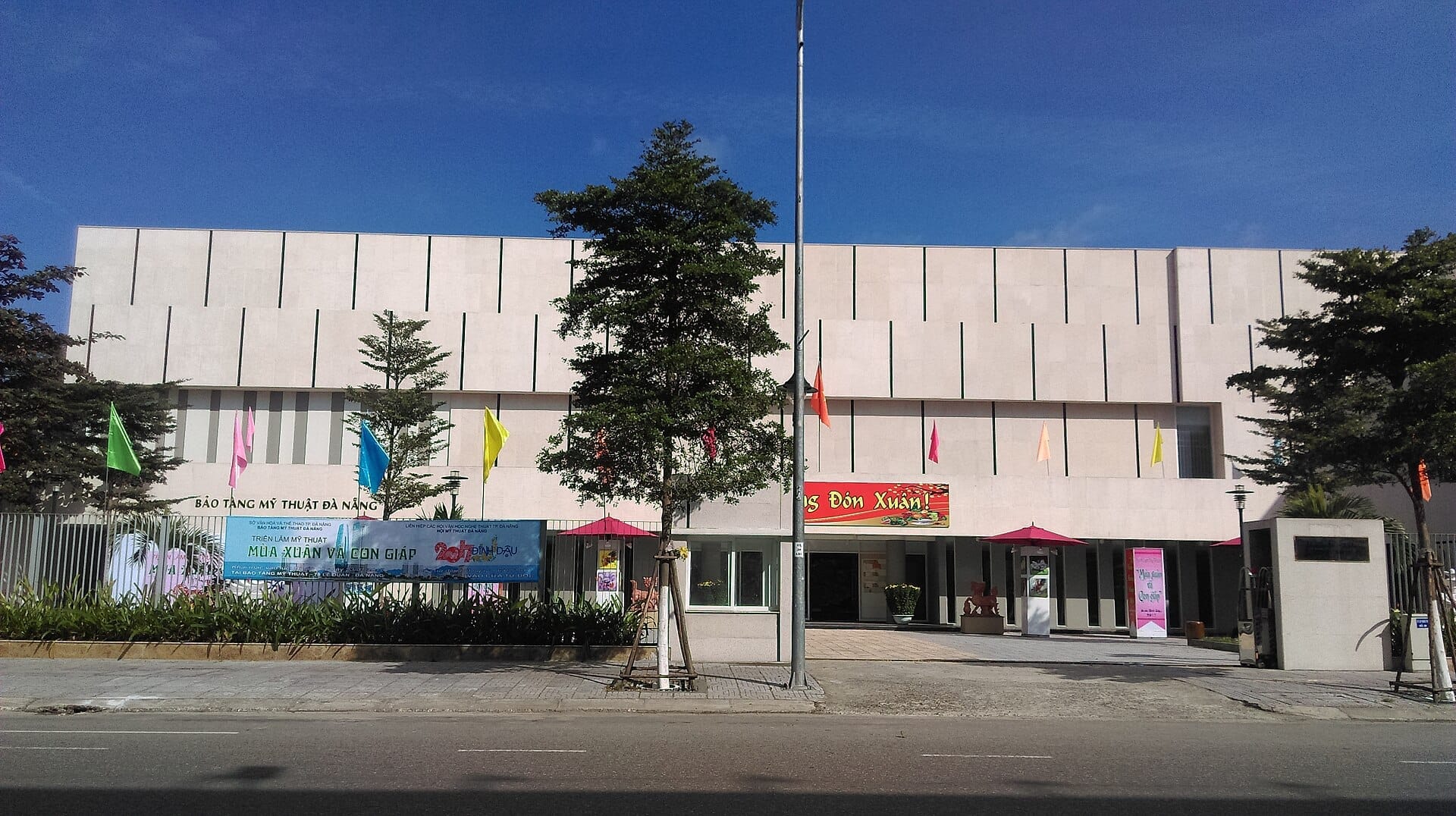
What the Da Nang Fine Arts Museum Actually Is
The Da Nang Fine Arts Museum — officially Bảo tàng Mỹ thuật Đà Nẵng — is a state-run fine arts institution occupying a repurposed building at 78 Lê Duẩn in central Hai Chau District. It was established in the mid-2010s as a representative cultural institution for Central Vietnam and the Central Highlands, with a public opening following soon after. The building previously housed the Da Nang Museum of History, and its transition into a fine arts space reflects the city's deliberate investment in cultural infrastructure since the early 2010s.
The collection numbers more than 1,000 works spread across approximately 1,185 square metres of exhibition space on three floors. The works span modern Vietnamese painting, sculpture, lacquerware, and traditional handicrafts from the broader central Vietnamese and Central Highlands region. This regional focus is what gives the museum its real value: it isn't trying to cover Vietnamese art from Hanoi to Ho Chi Minh City. It anchors itself in the geography and artistic traditions of the centre — and that specificity pays off.
ℹ️ Good to know
Entry costs 20,000 VND per adult — roughly the price of a cup of coffee. Children and seniors over 60 are reportedly admitted free, though it's worth confirming at the ticket desk on arrival as policies can change.
Inside the Building: A Floor-by-Floor Sense of the Space
The building reads as a transitional structure: institutional in its bones, but warmed up by the art displayed within it. Ground-floor galleries tend to host larger sculptural works and rotating exhibitions, which means the experience can shift meaningfully between visits. The upper floors carry more paintings and lacquerware pieces, with natural light filtering through windows that look out onto the quiet streets of Thạch Thang Ward.
Lacquerware is one of the standout categories here. Vietnamese lacquer art requires extraordinary patience — many pieces involve dozens of layers applied over months, with each coat dried and sanded before the next is added. Seeing these works in person gives a sense of scale and depth that photographs cannot replicate. The painted pieces range from realist landscapes and portraiture to more experimental work by contemporary Central Vietnamese artists.
Traditional handicrafts from the Central Highlands ethnic communities add an anthropological dimension to the collection, bridging fine art and cultural heritage. These objects sit in dialogue with the painted works in a way that reflects Central Vietnam's complex, layered identity — Cham influences, French colonial history, highland indigenous cultures, and the post-reunification Vietnamese aesthetic all leave traces across the three floors.
💡 Local tip
Photography is generally permitted in the galleries, but flash photography can damage delicate lacquerware and paper-based works. Use natural light settings and keep flash off throughout.
Tickets & tours
Live prices and dates from our booking partner. If you book, we may earn a commission at no extra cost to you.
Da Nang Airport Pick-Up or Drop-Off Transfer Service
From 7 €Instant confirmationFree cancellationFull-day Hoi An city and My Son sanctuary tour from Danang
From 88 €Instant confirmationFree cancellationFull-day Ba Na Hills exploration from Da Nang
From 112 €Instant confirmationFree cancellationBach Ma National Park trekking day tour from Danang
From 109 €Instant confirmationFree cancellation
Time of Day: When to Visit and What Changes
The museum opens at 08:00 and closes at 17:00, seven days a week. Morning visits — arriving between 8:30 and 10:30 — tend to be the quietest. The galleries are cool at this hour, the light through the upper-floor windows is softer, and you're unlikely to share the space with more than a handful of other visitors. It's the best window for unhurried looking.
Midday brings more foot traffic, particularly from organised tour groups that move through the building in clusters. If you arrive between noon and 14:00, expect some crowding in the ground-floor galleries, though the upper floors typically remain calm. Late afternoon, from around 15:30 onward, sees visitor numbers drop again as people head to the beach or riverside.
During Da Nang's rainy season — broadly September through March, with heavier rain in November and December — the museum becomes a logical shelter. On a wet Tuesday morning in November, you may have the galleries almost entirely to yourself. This is actually one of the better arguments for visiting during the off-peak season: the experience is more contemplative, and the low admission price makes the decision easy.
Getting There: The Surrounding Neighbourhood
The museum sits on Lê Duẩn, one of the main arteries running through central Da Nang. The street has a functional, civic character — government buildings, administrative offices, and a few local cafes line the route. It doesn't have the commercial energy of the Han River waterfront, which is actually a point in its favour: the walk to the museum from the river or railway station feels calm rather than overwhelming.
Da Nang Railway Station is about 1.1 kilometres away — a 12 to 15 minute walk in the morning heat, manageable at a relaxed pace with a water bottle in hand. City buses 3, 7, 12, and N2 have stops in the vicinity. Most visitors arriving from My Khe Beach or the Han River area will find a taxi or Grab ride the most practical option, with fares typically taking just a few minutes from either point.
The museum's location in Hai Chau District means it pairs well with other downtown sites. The Da Nang Cathedral is within walking distance to the south, and the Han River itself — with the Dragon Bridge visible from the riverbank — is a short walk east. Combining the museum with a morning riverside walk makes for a well-paced half-day.
💡 Local tip
Wear light, breathable clothing for the walk. The museum interior is cool but the streets outside are not air-conditioned. A small bottle of water and comfortable shoes matter more than they might seem.
Practical Assessment: Who This Museum Is and Isn't For
This is not a major international museum. The collection is relatively modest in size, English-language labelling is limited, and the building itself is functional rather than architecturally striking. Visitors expecting the curation depth or visitor experience of a major metropolitan art institution will be disappointed. The museum has a regional and national audience in mind, and that shapes everything from the layout to the interpretive materials available.
That said, for travellers with genuine curiosity about Vietnamese art traditions and the cultural character of Central Vietnam, the Da Nang Fine Arts Museum offers something the beach and the Marble Mountains cannot: a quiet, indoor space to engage with the region's artistic output on its own terms. At 20,000 VND, the cost-to-experience ratio is favourable even if you spend only an hour inside.
Travellers with no particular interest in fine arts or traditional crafts, or those working through a tight itinerary, would be better served spending their time at other Da Nang attractions. There are no interactive exhibits, no café inside the building, and no gift shop of particular note. The experience is straightforward and unmediated: you look at the art, and you either find it interesting or you don't.
Accessibility and Practical Notes
The museum occupies three floors. No verified information is available on whether a lift or step-free access exists in the building. Visitors with mobility limitations are advised to contact the museum directly before visiting, as the available sources do not confirm accessibility provisions. The official website is dnfam.vn.
Dress codes are relaxed by Vietnamese museum standards — there are no specific requirements beyond general respectful attire. Modest clothing is always appropriate at cultural institutions in Vietnam. If you're planning a broader cultural day, the Museum of Cham Sculpture is another serious institution in Da Nang worth pairing with this visit, particularly for context on the pre-Vietnamese Cham civilisation that shaped this region for centuries.
For first-time visitors to Da Nang planning their overall schedule, the things to do in Da Nang guide offers a broader orientation to the city's attractions and how the museum fits within a longer itinerary.
Insider Tips
- Arrive within the first hour of opening (08:00–09:30) for the quietest possible visit. Tour groups rarely arrive before 10:00, so the morning window is genuinely peaceful.
- Ask at the ticket desk whether any temporary or rotating exhibitions are currently installed. These can significantly change what's on view and are not always well-advertised online.
- Lacquerware pieces on the upper floors deserve more time than most visitors give them. Move close enough to see the layering in the surface — it's what separates these works from any reproduction.
- The museum is within easy walking distance of several local coffee shops on Lê Duẩn. Pair the visit with a sit-down Vietnamese coffee before or after — the neighbourhood has a slow, unhurried pace that suits the experience.
- If you're visiting during the wet season and caught in a downpour, the museum's 20,000 VND entry is genuinely one of the best-value rain shelters in the city — and far more interesting than waiting in a hotel lobby.
Who Is Da Nang Fine Arts Museum For?
- Travellers with an interest in Vietnamese contemporary art and traditional crafts
- Rainy-day visitors looking for an indoor cultural experience in central Da Nang
- Those wanting to understand the cultural identity of Central Vietnam beyond beach and nature attractions
- Budget-conscious visitors — at 20,000 VND, the entry fee is among the lowest of any museum in the city
- Anyone building a half-day cultural itinerary around Hai Chau District
Nearby Attractions
Other things to see while in Han River & Downtown:
- Asia Park & Sun Wheel
Asia Park, home to the 115-metre Sun Wheel Ferris wheel, is Da Nang's most recognizable evening landmark. Open from late afternoon into the night, it offers sweeping city views, a modest collection of rides, and an easy, affordable few hours on the western bank of the Han River.
- Bach Dang Walking Street
Opened in June 2024, Bach Dang Walking Street runs along the west bank of the Han River between Dragon Bridge and Tran Thi Ly Bridge. Free to enter, it operates daily from mid‑afternoon to midnight, with stricter vehicle bans on weekend evenings, and offers food kiosks, live performances, and unobstructed river views — making it one of the most accessible evening destinations in central Da Nang.
- Con Market
Con Market, known locally as Chợ Cồn, is the beating commercial heart of central Da Nang. Covering around 14,000 square metres in Hai Chau District, this sprawling market has served the city since at least the 1950s and remains the place where locals actually shop. Entry is free, the food is exceptional, and the atmosphere changes completely depending on what time you arrive.
- Da Nang Cathedral (Pink Church)
Built in 1923 by French priest Louis Vallet, Da Nang Cathedral is the city's only surviving French colonial-era church. Officially the Sacred Heart of Jesus Cathedral, it stands nearly 70 meters tall on Tran Phu Street in Hai Chau District, painted an unmistakable shade of rose pink and crowned by a rooster-shaped weathervane that gives it a second, more affectionate nickname: Nha Tho Con Ga.
Planning a trip? Discover personalized activities with the Nomado app.