Best Things to Do in Da Nang: The Definitive Guide
Da Nang is central Vietnam's most livable city and one of its most rewarding to explore. This guide covers the best things to do in Da Nang across beaches, landmarks, food, day trips, and culture, with practical advice on timing, costs, and what to skip.
Tickets & tours
Live prices and dates from our booking partner. If you book, we may earn a commission at no extra cost to you.
TL;DR
- Da Nang has around 30 km of coastline, and My Khe Beach is the most accessible stretch for swimmers and sunrise walks.
- The Dragon Bridge fire show runs on weekend evenings at 21:00, but confirm the schedule locally before making plans around it.
- Da Nang is a gateway to three UNESCO World Heritage Sites: Hoi An, Hue, and My Son Sanctuary, all reachable as day trips.
- February to May is the most reliably comfortable window for outdoor activities. October and November bring heavy rain and occasional typhoons.
- Average daily costs run around US$50-60 per person, making Da Nang significantly more affordable than comparable beach destinations across Southeast Asia.
Understanding Da Nang Before You Arrive
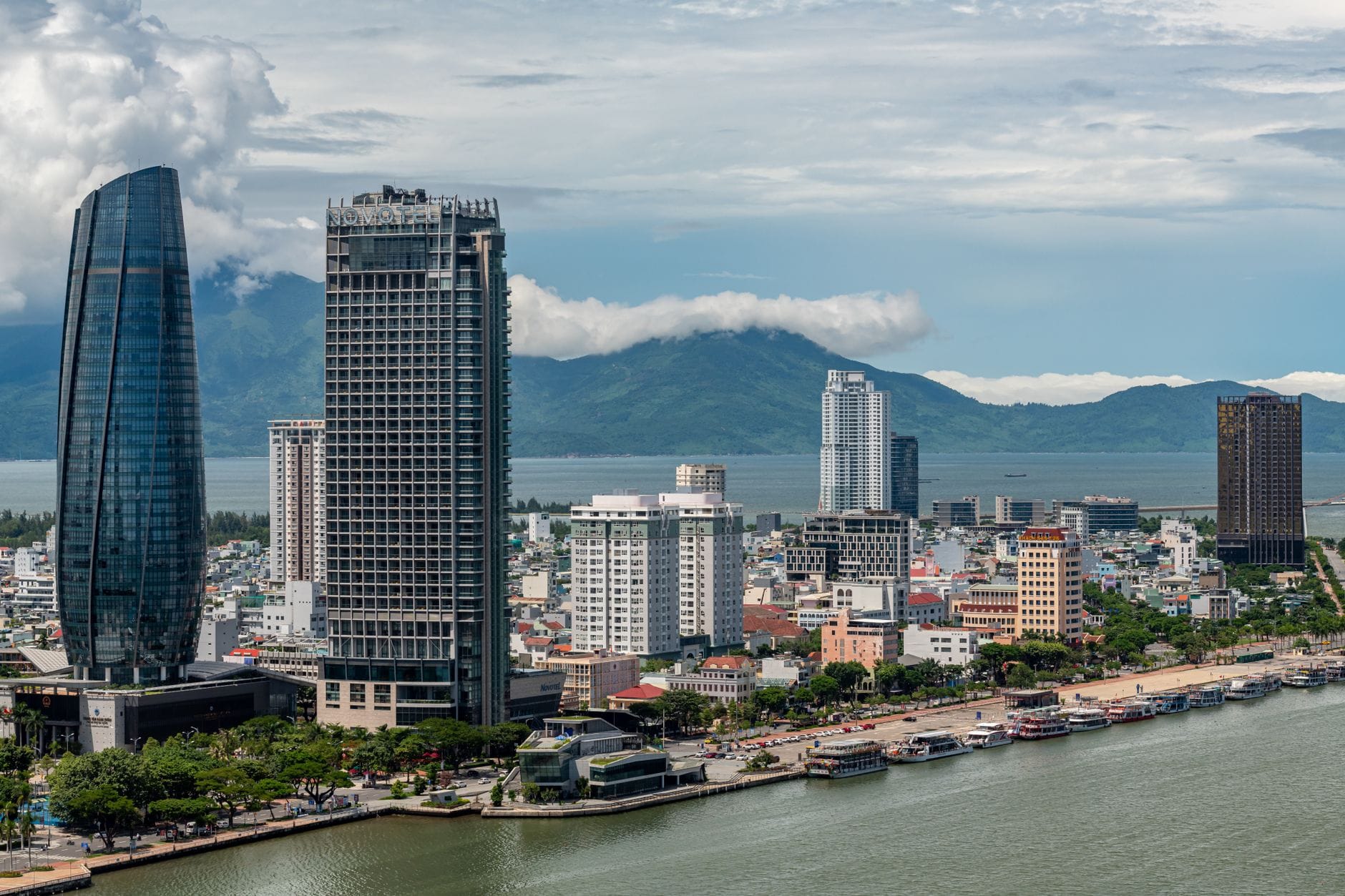
Da Nang (officially Thành phố Đà Nẵng) is one of Vietnam's five centrally governed municipalities, meaning it operates independently of any surrounding province. The city sits at the mouth of the Han River on the South Central Coast, roughly midway between Hanoi and Ho Chi Minh City by both road and rail. Its population of around 1.2 million makes it the largest city in central Vietnam, large enough to have a real urban pulse but small enough that getting around without a tour group is entirely practical. For a guide to planning your time here, see our overview of 3 days in Da Nang.
The city's geography creates an unusual variety for a single destination. The flat urban core and beaches sit at sea level, the Son Tra Peninsula rises sharply to the northeast, and the Ba Na Hills climb to over 1,400 metres to the west. That range within a roughly 30-km radius is why the list of things to do in Da Nang stretches from snorkelling to mountain fog walks in the same afternoon.
ℹ️ Good to know
Da Nang International Airport (IATA: DAD) is only about 3-5 km from Hai Chau district, the city centre. Grab or Xanh SM ride-hailing apps are the most transparent option for airport transfers. Metered taxis are also reliable but agree on a rate before departing or insist on the meter.
The Beaches: More Than a Sand Strip
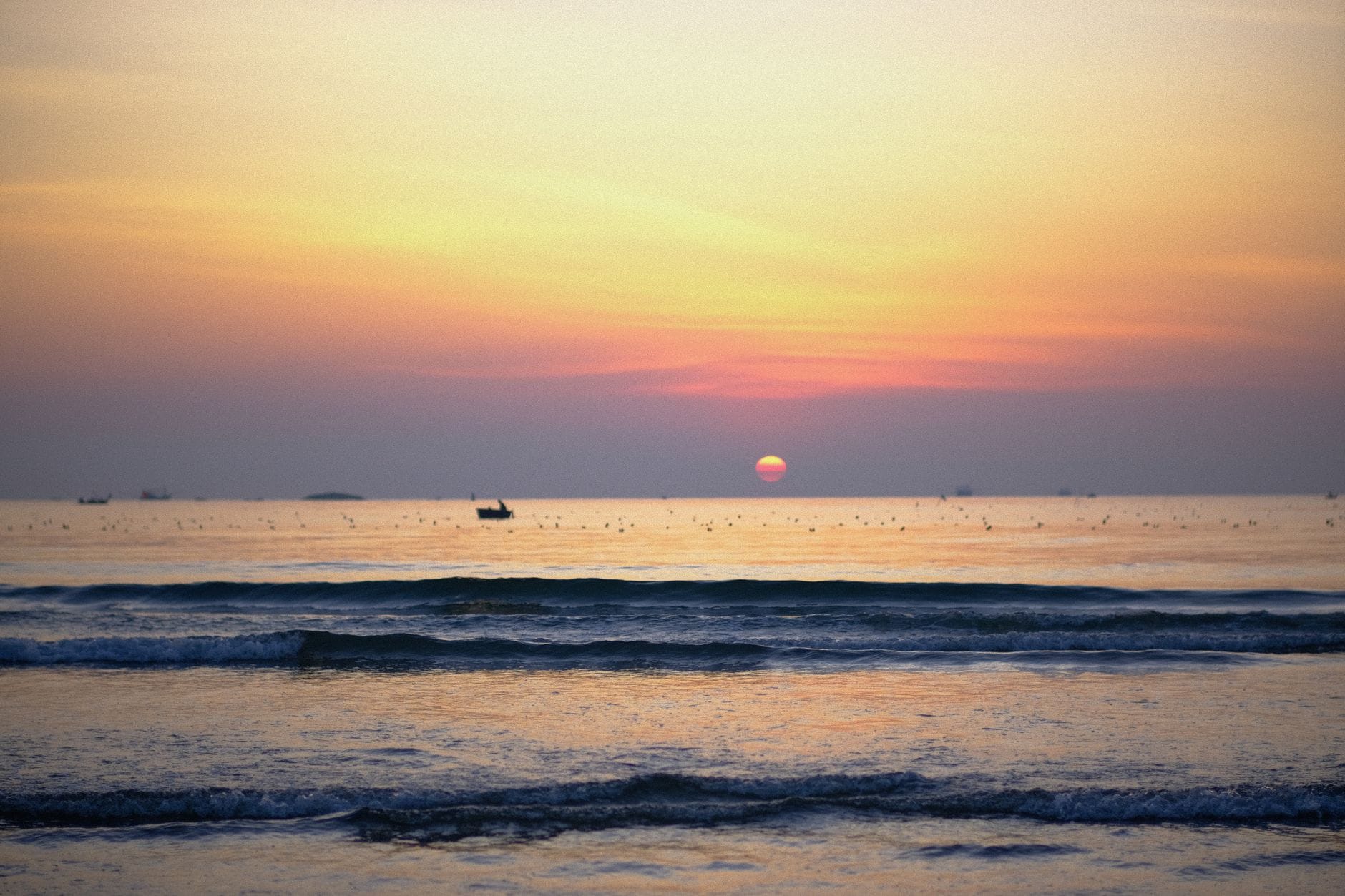
Most visitors come to Da Nang for the beach, and My Khe Beach is the centrepiece: a wide, clean stretch of white sand that runs for several kilometres directly east of the city centre. The water is calm enough for swimming from roughly March through September, and the beach itself is free. Arrive before 7:00 if you want both shade and solitude. By 9:00, sun-lounger vendors have set up and the water fills quickly with domestic tourists on weekends.
Non Nuoc Beach, at the southern end of the coastal strip near the Marble Mountains, offers a different atmosphere: fewer crowds, a good surf break from October to March, and direct access to the stone-carving village at its edge. If you want a beach experience genuinely removed from resort infrastructure, the coves on the western side of Son Tra Peninsula reward the effort of getting there. For a detailed breakdown of all Da Nang's coastal options, the Da Nang beaches guide covers each stretch with timing and access advice.
⚠️ What to skip
Da Nang beaches have warning flags: green means safe, yellow means caution, red means no swimming. Red flags are common during typhoon season (October-December) and should be taken seriously. Rip currents are a documented hazard along this coast.
Landmarks and Attractions Worth Your Time
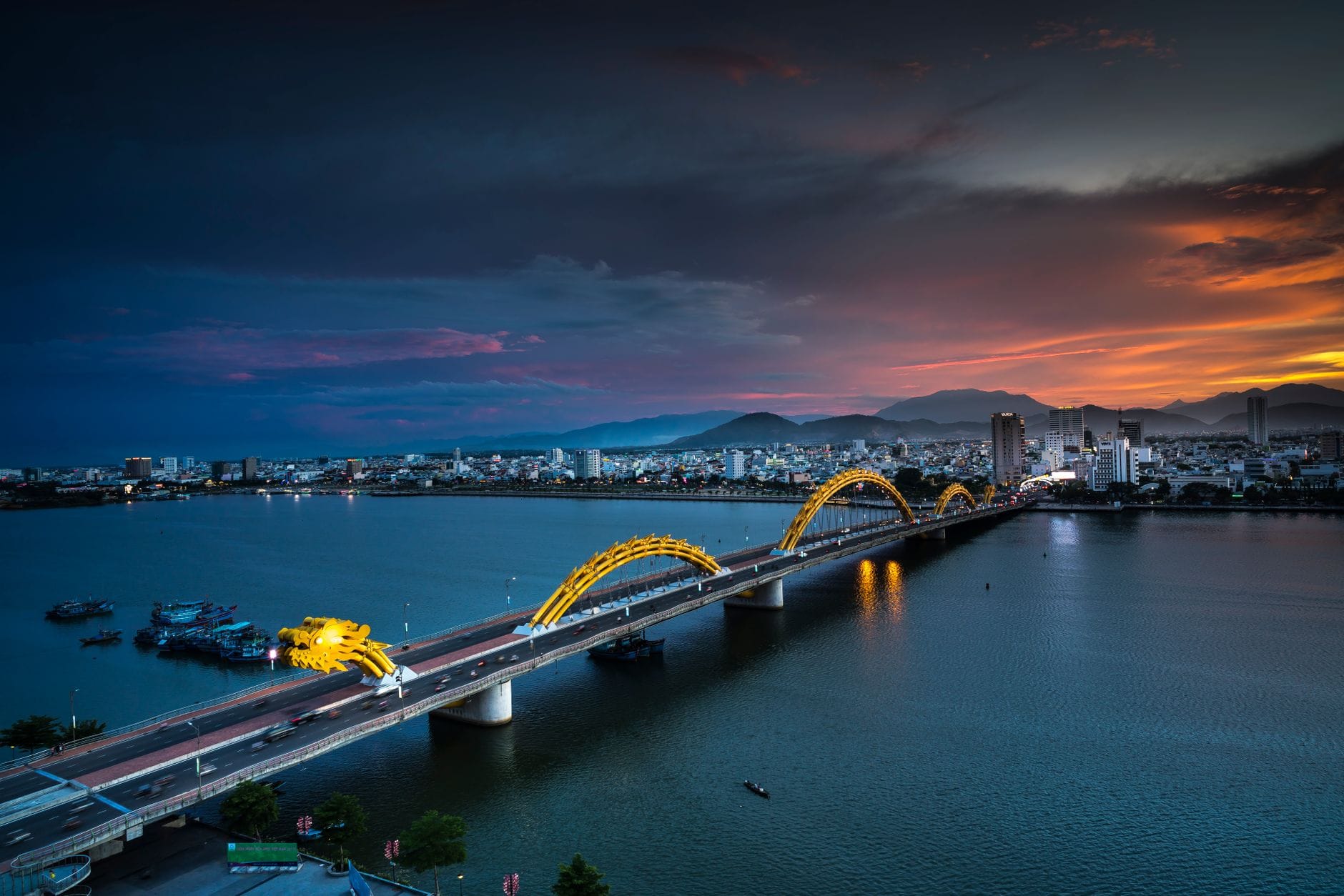
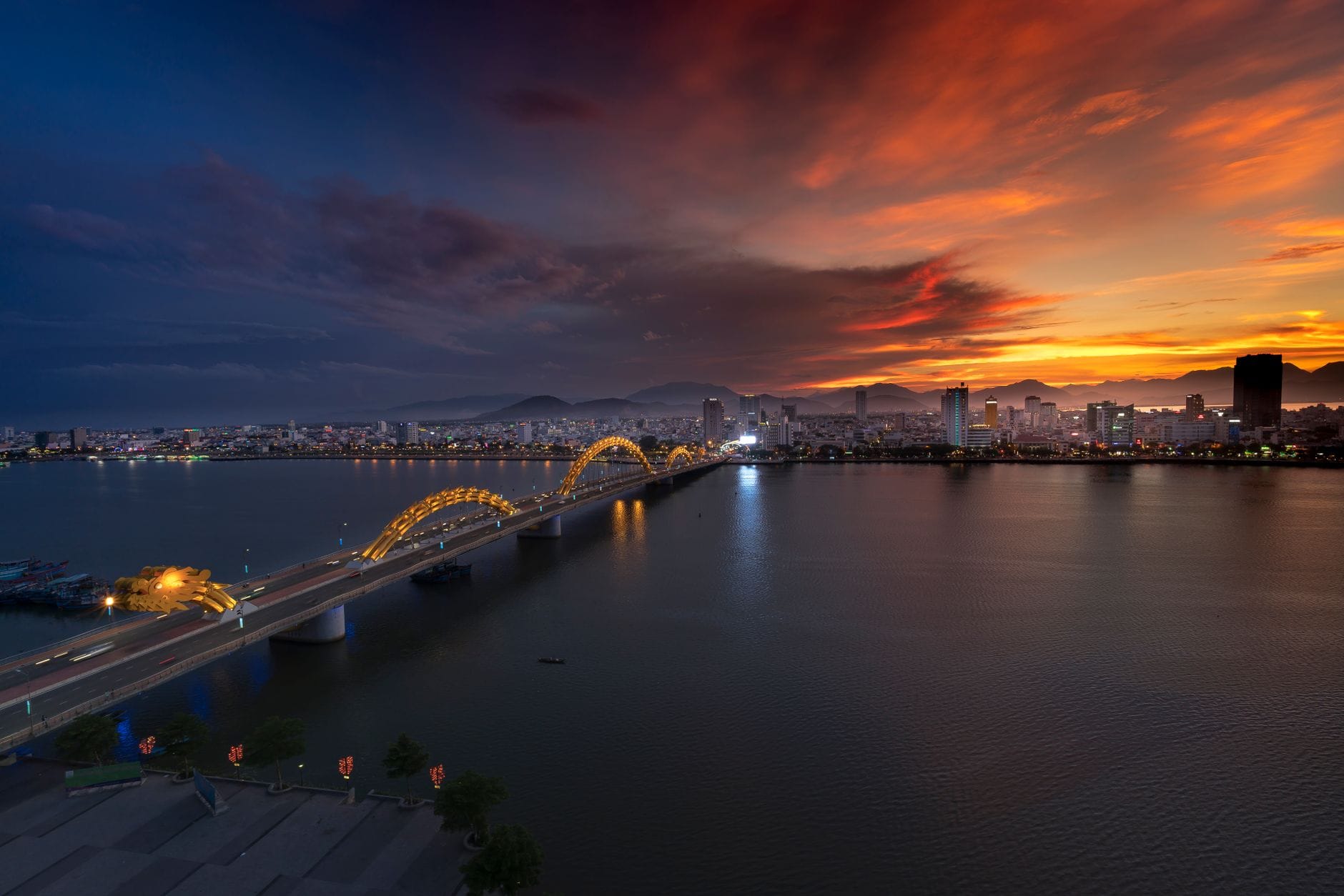
The Dragon Bridge is Da Nang's most photographed structure, a 666-metre span shaped like an ascending dragon that crosses the Han River. The spectacle most visitors come for is the fire and water show, which typically runs at 21:00 on Saturday and Sunday evenings (sometimes Friday too). The show lasts about 15 minutes and is free to watch from the riverfront. It draws large crowds, so position yourself on the east bank at least 30 minutes early. Do not build your entire evening around it without confirming the current schedule at your hotel, as events and national holidays occasionally cause changes.
The Marble Mountains (Ngũ Hành Sơn) are five limestone and marble hills about 9 km south of the city centre in Ngu Hanh Son District. They contain a network of Buddhist sanctuaries, caves, and tunnels carved into the rock over centuries. The most atmospheric caves include Huyen Khong Cave (a vast cavern with a natural skylight and active pagoda) and Am Phu Cave, whose chambers depict Buddhist and Taoist cosmology in vivid sculptural detail. Admission is modest; the elevator to the summit costs extra and is worth it on hot days (expect total tickets in the 100,000–150,000 VND range, with elevator a small surcharge). Visit before 9:00 to beat tour groups, or after 15:00 when the light in the caves shifts dramatically.
Up on Son Tra Peninsula the 67-metre Lady Buddha statue at Linh Ung Pagoda is visible from much of the city's coastline. The pagoda grounds are free, open daily, and worth the 10-km drive up the mountain road both for the statue and the coastal views from the upper terraces. The peninsula is also one of the few places outside a national park where you can reliably spot red-shanked douc langurs in the wild, particularly in the forest areas around the road to the summit. Early morning is the best window for wildlife.
- Ba Na Hills The mountaintop resort 25 km west of the city centre, famous for the Golden Bridge held by giant stone hands. Worth a full day if the visual spectacle interests you, but expensive (cable car and entry combo typically $35-50 USD equivalent) and heavily themed around entertainment. Cloud cover obscures views frequently; check webcam conditions before booking.
- Museum of Cham Sculpture The world's largest collection of Cham artefacts, located centrally in Hai Chau District. Far less crowded than major attractions and genuinely important if you plan to visit My Son Sanctuary. Admission is low, around 60,000 VND.
- Han River Bridges at Night Da Nang has several illuminated bridges worth seeing from the river. A boat tour along the Han River costs around 150,000-200,000 VND and gives unobstructed views of the Dragon Bridge, Love Bridge, and the city skyline.
- Da Nang Cathedral A distinctive pink French colonial church in the city centre, known locally as the 'Rooster Church' for its weathervane. Free to visit outside of Mass; the interior is modest but the exterior architecture is striking against the surrounding streetscape.
✨ Pro tip
Ba Na Hills is not for everyone. If you dislike theme park environments, heavy crowds, and packaged experiences, skip it and spend a day at the Marble Mountains and Son Tra Peninsula instead. The Golden Bridge photographs are everywhere online, but the experience on the ground is closer to a mountain resort mall than a natural attraction.
Food, Markets, and Street Eating
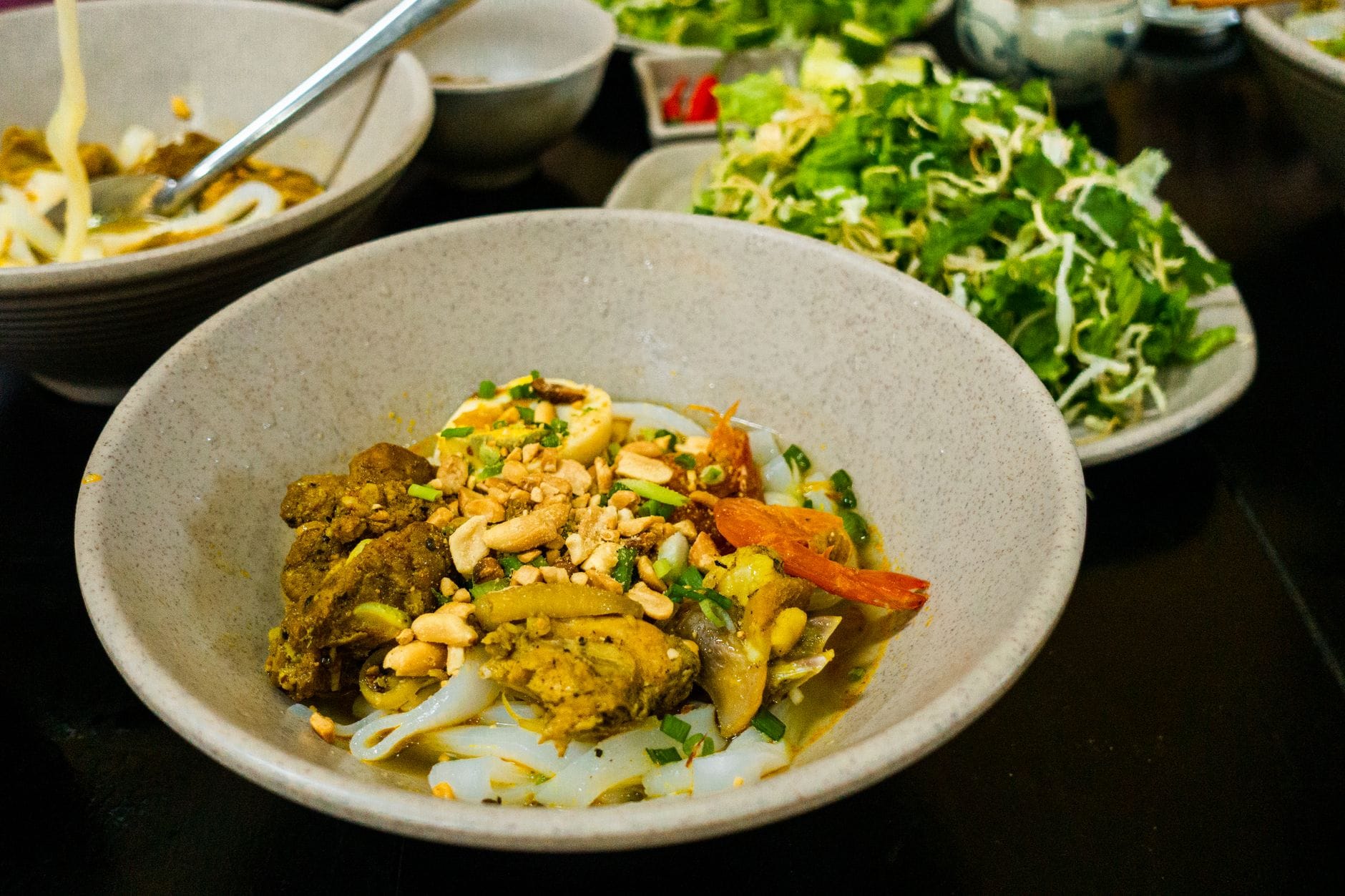
Da Nang's food scene is genuinely one of its strongest assets and remains underrated compared to Hoi An's more curated dining culture. The local signature dish is Mì Quảng, a turmeric-tinted noodle dish with pork, shrimp, and herbs, served with a small amount of broth and a crumbled rice cracker. At local stalls, it costs around 30,000-40,000 VND (roughly US$1.20-1.60). Bún chả cá (fish cake noodle soup) is another Da Nang staple that most food guides underreport. For a full breakdown of what and where to eat, the Da Nang food guide covers specific dishes, markets, and recommended stalls.
Han Market in the city centre is the most visitor-accessible traditional market, good for snacks, dried goods, and a sense of daily commerce. For a less sanitised experience, Cho Bac My An and the surrounding residential streets in the An Thuong neighbourhood offer avocado ice cream (kem bơ), banh mi, and fresh Vietnamese coffee at prices aimed at locals. The Helio Night Market operates on weekend evenings and is a reliable option for street food variety in one place, though it skews toward domestic tourism rather than authenticity.
Day Trips: Da Nang as a Base
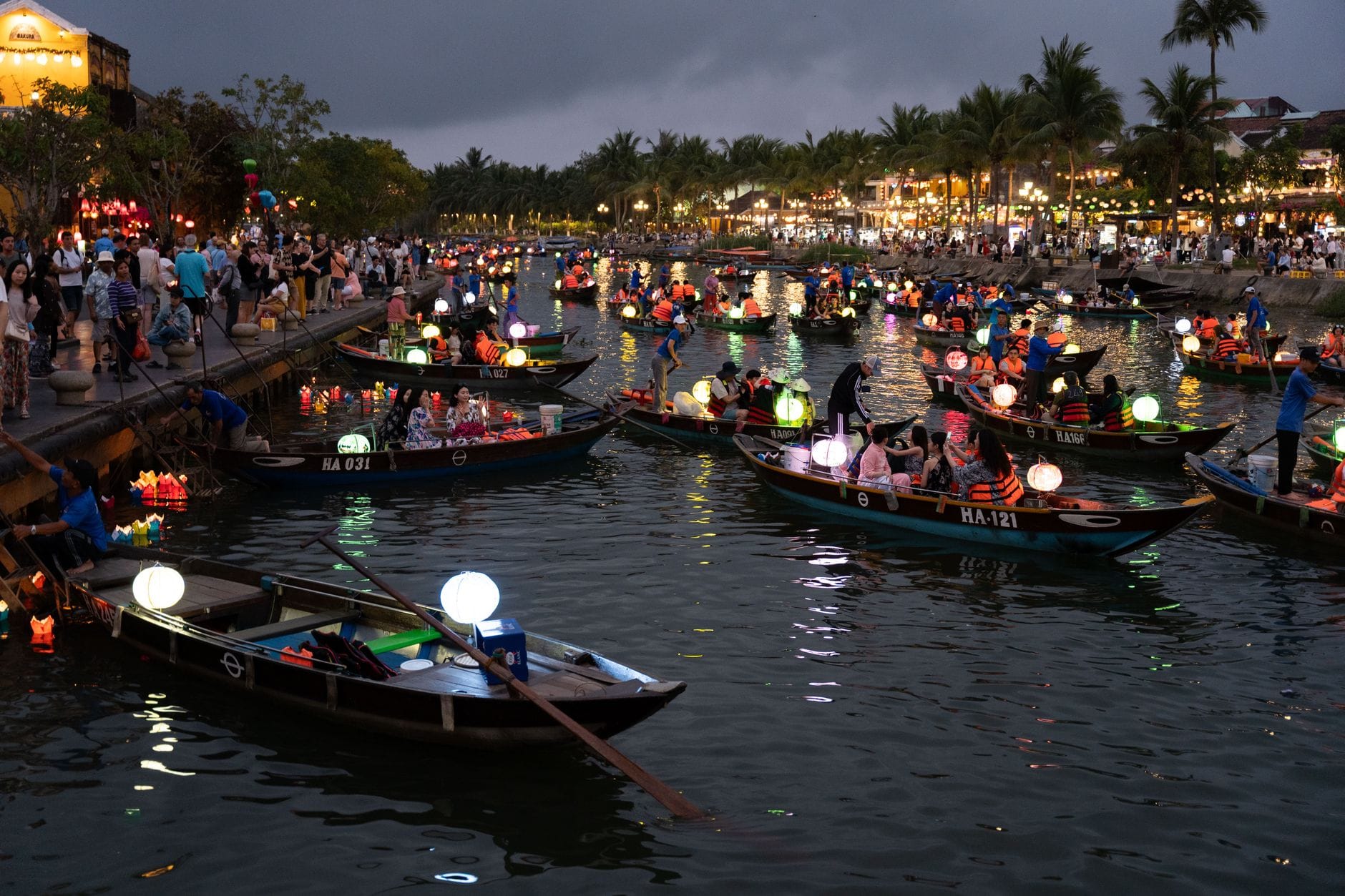
One of Da Nang's most practical advantages is its position as a hub for central Vietnam's UNESCO sites. Hoi An Ancient Town is about 30 km south, reachable by taxi, motorbike, or organised transfer in under an hour. The Da Nang to Hoi An guide details every transport option with current pricing. Hue is just over 100 km north, and the train journey through the mountains is one of Vietnam's most scenic rail sections. Both destinations can be done as day trips, though each more commonly deserves an overnight stay if your schedule allows.
The route north to Hue crosses the Hai Van Pass, a mountain road at roughly 500 metres elevation with views over the sea on both sides. Many travellers hire a motorbike or join a small-group tour specifically to ride this stretch, then continue to Hue. Lang Co Bay below the pass is worth a stop. Closer to Da Nang, the Nam O Reef in Lien Chieu District offers snorkelling in relatively clear water and sees far fewer visitors than the main beaches. For a full list of options outside the city, the day trips from Da Nang guide ranks options by distance and effort.
Practical Details: Timing, Getting Around, and Costs
The dry season runs roughly March through August, with June, July, and August being the hottest and most crowded months for domestic tourism. February through May offers the most reliable combination of sunshine, manageable heat, and lower crowds. October and November are the wettest months and bring the highest typhoon risk; travelling then is possible but beach activities are largely off the table, and some attractions close intermittently. For the full seasonal breakdown, see the guide on the best time to visit Da Nang.
Getting around Da Nang is straightforward. Grab (Vietnam's dominant ride-hailing app) covers the entire city and is the easiest option for one-off trips. Motorbike rental runs around 150,000-200,000 VND per day and makes sense if you plan to explore Son Tra Peninsula or ride to the Marble Mountains independently. Metered taxis from Da Nang Taxi or Tien Sa are reliable alternatives. The city has bus routes, but they are infrequent and routing is complicated for visitors. For a full transport breakdown, the getting around Da Nang guide covers all modes with practical advice.
- Average daily budget (mid-range): around US$50-60 per person including accommodation, food, and local transport
- Street meal (Mì Quảng, bún chả cá): 30,000-50,000 VND (US$1.20-2.00)
- Motorbike rental: 150,000-200,000 VND per day
- Grab ride across the city: typically 40,000-80,000 VND
- Marble Mountains admission: around 40,000-60,000 VND depending on areas visited (verify before visiting)
- Ba Na Hills cable car and entry combo: around about 1,000,000 VND (prices change seasonally)
- Han River boat tour: around 100,000-150,000 VND per person
- Currency: Vietnamese đồng (VND); ATMs are widely available in the city centre
💡 Local tip
Drink bottled or filtered water throughout your stay. Tap water in Da Nang is not safe to drink. Most hotels provide complimentary bottled water, and convenience stores (Circle K, GS25, Ministop) are common across the city for refills at low cost.
FAQ
How many days do you need in Da Nang?
Three to four days covers the main attractions comfortably: one day for beaches and the Dragon Bridge area, one for the Marble Mountains and Son Tra Peninsula, one for a day trip to Hoi An or the Hai Van Pass, and an optional day for Ba Na Hills or the museum district. Extend to five or six days if you want a relaxed pace or plan to include Hue.
Is Da Nang good for families with children?
Yes. My Khe Beach is safe for swimming in the dry season, Ba Na Hills has rides and a fantasy castle section that appeals to younger children, and Asia Park has a Ferris wheel and fairground attractions. The Marble Mountains require some stair climbing but are manageable for children over six. For detailed recommendations, see the Da Nang with kids guide.
What is the best time of year to visit Da Nang?
February to May is the most reliably good window: temperatures are warm without being extreme, rainfall is low, and the sea is calm. June to August is the peak domestic season with the best beach weather but maximum crowds and heat. October and November have the highest rainfall and typhoon risk and are the least suitable for beach-focused trips.
How far is Da Nang from Hoi An?
Around 30 km, roughly 40-50 minutes by taxi or motorbike along the coastal road. Grab rides are the most convenient option and cost around 200,000-300,000 VND each way. A day trip is practical, but Hoi An deserves at least one night if your schedule allows.
Is Da Nang safe for solo travellers?
Da Nang has a strong reputation for safety by Southeast Asian city standards. Petty theft and bag snatching do occur around busy beach areas, particularly from motorbikes passing pedestrians. Keep bags on the side away from the road, use Grab rather than unmarked taxis at night, and apply standard urban caution. The city is well-lit, walkable in the centre, and sees large numbers of solo travellers without significant incident.
Tickets & tours
Live prices and dates from our booking partner. If you book, we may earn a commission at no extra cost to you.
Planning a trip? Discover personalized activities with the Nomado app.