What to Eat in Da Nang: A Local Food Guide (2026)
Da Nang's food scene runs far deeper than seafood. This guide covers the essential dishes, where to find them, what to pay, and when to show up — written for travelers who want to eat like a local, not a tourist.
Tickets & tours
Live prices and dates from our booking partner. If you book, we may earn a commission at no extra cost to you.
TL;DR
- Da Nang food is defined by mì Quảng, bún chả cá, bánh xèo, nem lụi, and fresh seafood — most costing 25,000–80,000 VND at local stalls.
- Arrive early: breakfast dishes sell out by 11:00–13:00 at the best spots.
- Con Market (Chợ Cồn) and Han Market (Chợ Hàn) are the top indoor food hubs; Son Tra Night Market handles evenings.
- Cash in small denominations (20,000 and 50,000 VND notes) is essential — most street stalls don't accept cards.
- For the full picture of the city beyond food, see things to do in Da Nang.
The Da Nang Food Identity: More Than Just Seafood
A common assumption about Da Nang food is that it's all about grilled prawns on the beach. That's a partial picture. Da Nang sits in central Vietnam, a region with its own distinct culinary DNA that sits between the heavier, sweeter cooking of the south and the more refined, spice-restrained dishes of the north. The result is a cuisine that's bold without being fiery, fresh without being bland, and deeply rooted in local produce: rice, turmeric, pork, freshwater fish, and the herbs that grow along the coast.
The city's signature dish is mì Quảng, and if you eat nothing else here, eat that. But the full repertoire includes bún chả cá (fish cake noodle soup), bánh xèo (crispy rice crepes), nem lụi (lemongrass pork skewers), and bánh mì that rivals anything you'll find in Hoi An. Seafood is real and excellent, but it's one chapter in a much longer story. For context on when the food scene is at its most lively, the best time to visit Da Nang guide covers seasonal patterns in detail.
The Essential Dishes: What to Order and What to Expect
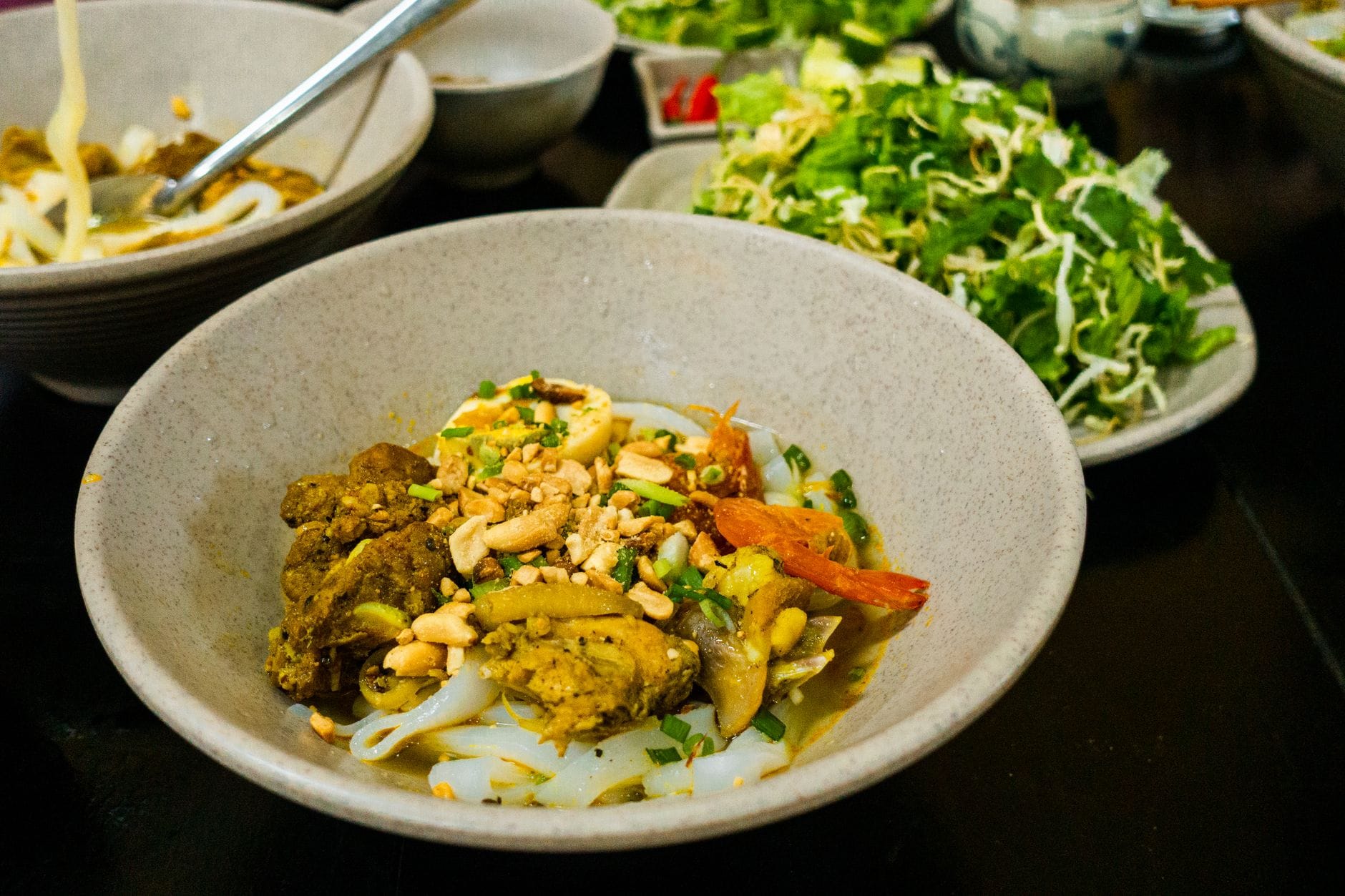
- Mì Quảng The city's defining noodle dish. Wide, flat turmeric-yellow rice noodles served in a small amount of rich broth with pork, shrimp, quail eggs, peanuts, and a generous pile of fresh herbs and rice crackers. The broth is the point — concentrated and deeply savory, not a soup. Expect to pay 25,000–50,000 VND at a local stall. Eat it before noon.
- Bún Chả Cá Thin rice vermicelli in a light, clean broth with fried fish cakes (chả cá) made from local fish. The texture of the fish cake — bouncy, slightly crisp on the outside — is the signature. This is a breakfast dish at its core. Priced around 35,000–50,000 VND. Available at market stalls from around 6:00.
- Bánh Xèo and Nem Lụi Often served as a pair. Bánh xèo is a sizzling rice flour crepe folded around bean sprouts, shrimp, and pork, eaten by tearing it up and wrapping it in rice paper with herbs. Nem lụi are chargrilled minced pork on lemongrass skewers, rolled the same way. One portion of the combo runs about 60,000–80,000 VND. An evening dish — look for it after 17:00.
- Bánh Mì Da Nang's bánh mì is straightforward and excellent: a crisp baguette with pâté, cold cuts, pickled vegetables, fresh chili, and coriander. Price range is 20,000–35,000 VND. Available at street carts from early morning through the afternoon.
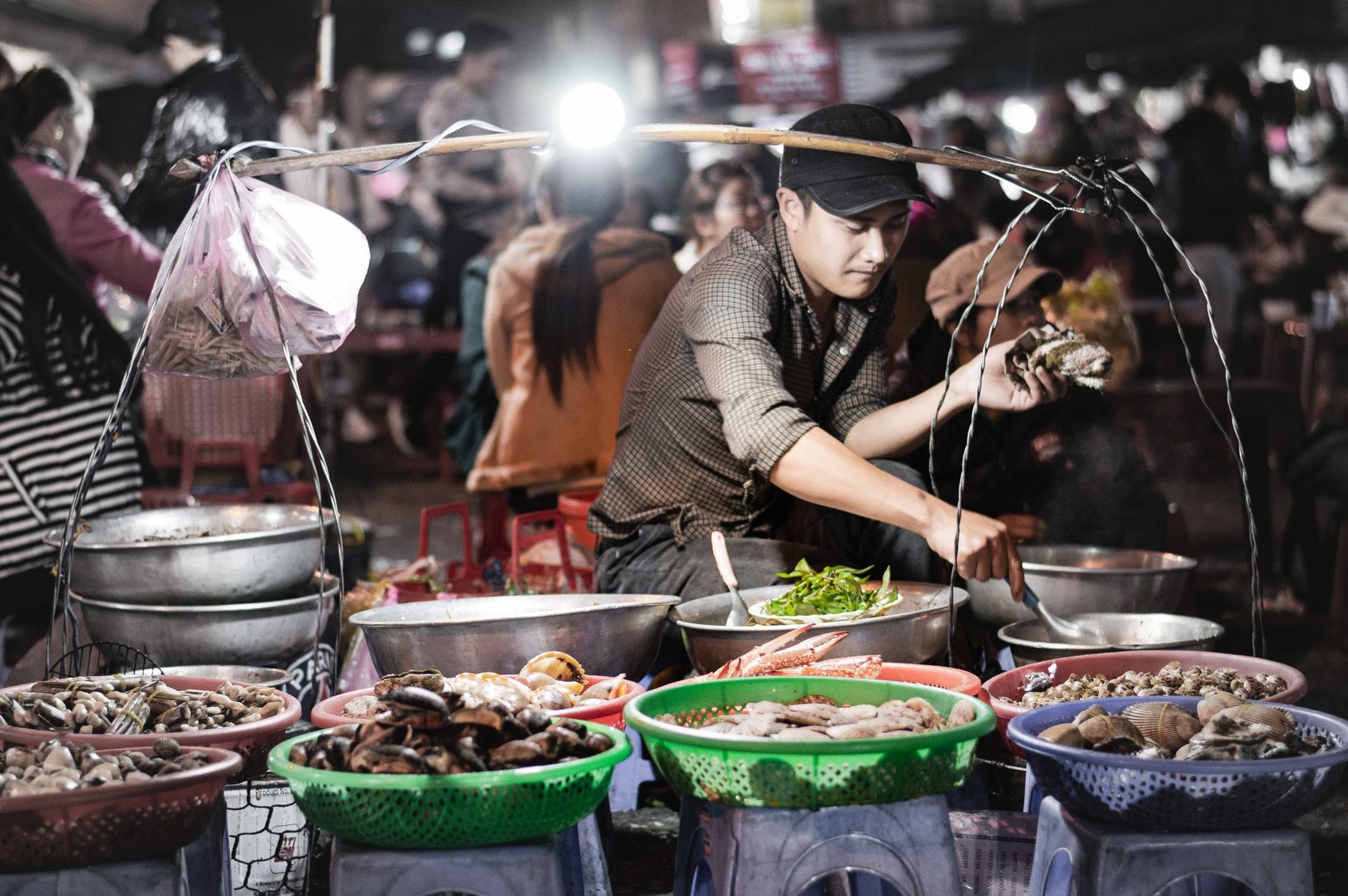
- Seafood Fresh crab, squid, clams, and tiger prawns are accessible at night markets and local seafood restaurants. A simple market meal of grilled seafood runs 50,000–100,000 VND per person. A proper multi-dish seafood dinner at a local restaurant costs roughly 200,000–350,000 VND per person (around $10–15 USD).
- Bánh Tráng Cuốn Thịt Heo Less famous internationally but locally beloved: thin steamed rice paper rolls with boiled pork belly, fresh herbs, and a fermented shrimp dipping sauce (mắm nêm). This is the kind of dish you won't find unless someone tells you about it. Seek it out.
💡 Local tip
Mì Quảng stalls often run out of broth by 11:00 or 12:00. If you're planning to eat it at a specific recommended spot, go before 10:00 to guarantee a bowl. The same applies to bún chả cá — the freshest fish cakes are in the first sitting.
Where to Eat: Markets, Night Markets, and Street Stalls
The best Da Nang restaurant experiences are often not restaurants at all. They're market food courts, alley stalls, and plastic-stool counters where a family has been making one dish for decades. Start with the markets. Con Market (Chợ Cồn) is the most useful for food: the ground-floor and basement food court opens from around 6:00 to 19:30 and covers the full range of local dishes. It's where office workers grab lunch and vendors eat between shifts. Prices are honest and the food is consistent.
Han Market (Chợ Hàn) skews more toward morning eating. The ground floor has stalls selling mì Quảng, bánh xèo, bánh bèo (steamed rice cakes), and grilled meat from early morning until around noon. It draws more tourists than Con Market, so it's slightly less rough around the edges, but the food quality at the better stalls is still very good.
For evenings, the Son Tra Night Market near the Dragon Bridge opens daily from around 17:00 to 23:00. It's the most accessible night market for first-time visitors: seafood, grilled snacks, tropical fruit smoothies, and the general chaos of a Vietnamese evening market. Budget 50,000–100,000 VND for a full meal here. It gets crowded on weekends, especially around the Dragon Bridge fire-breathing shows on Friday, Saturday, and Sunday nights.
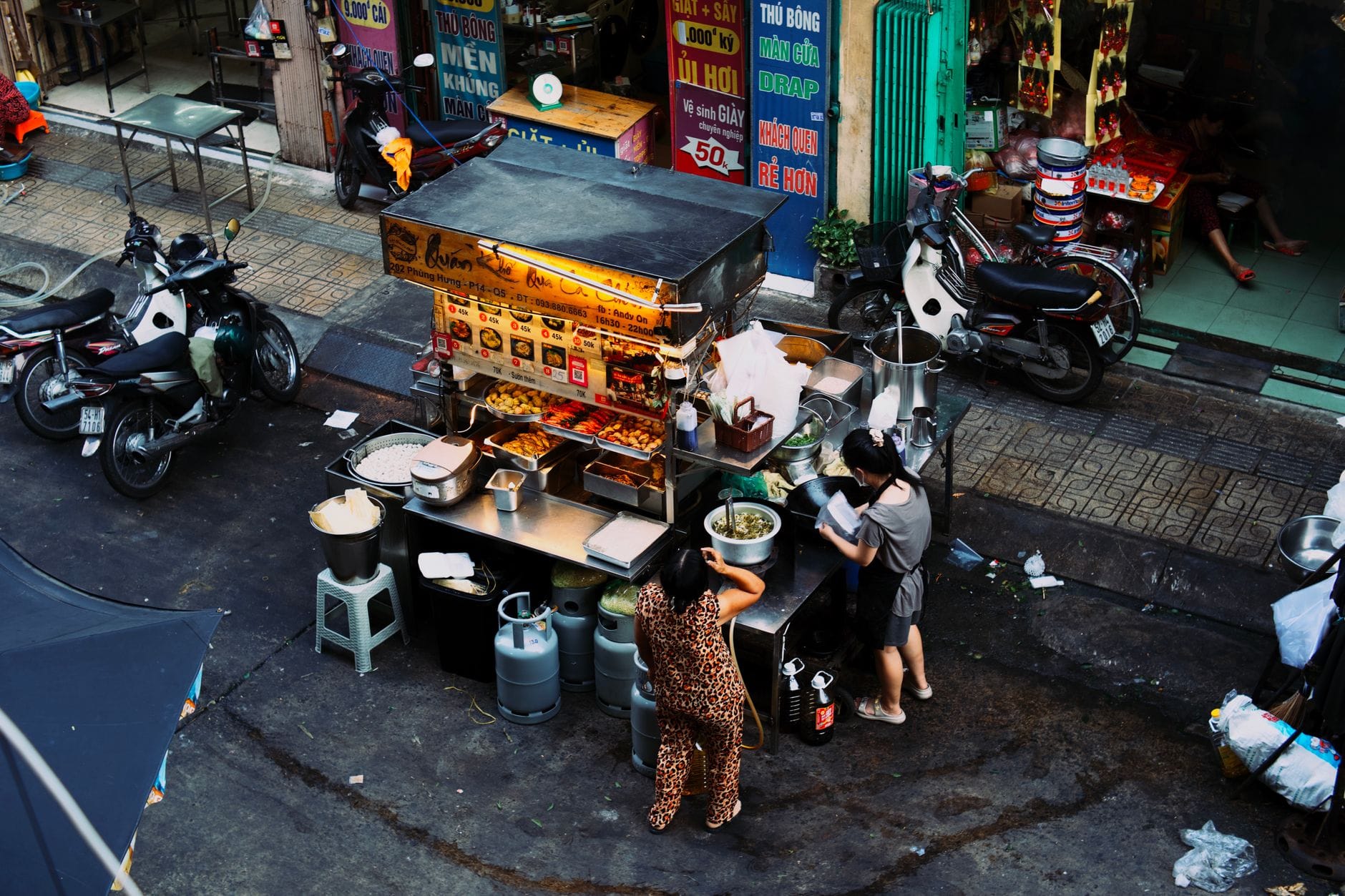
Beyond markets, the most reliable approach to finding good street food is to look for stalls with a single dish on the menu, a crowd of locals on small plastic stools, and a cook who has clearly been making that dish for a long time. Avoid spots with laminated photo menus in English near the major tourist promenades — they're rarely the best food in the neighborhood.
⚠️ What to skip
Beachfront seafood restaurants along My Khe target tourists and price accordingly. You'll pay two to three times more than at a local seafood spot a few streets back from the coast. The food is not always better — just more expensive and more convenient. If budget matters, walk inland.
Seafood in Da Nang: What's Worth It and What Isn't
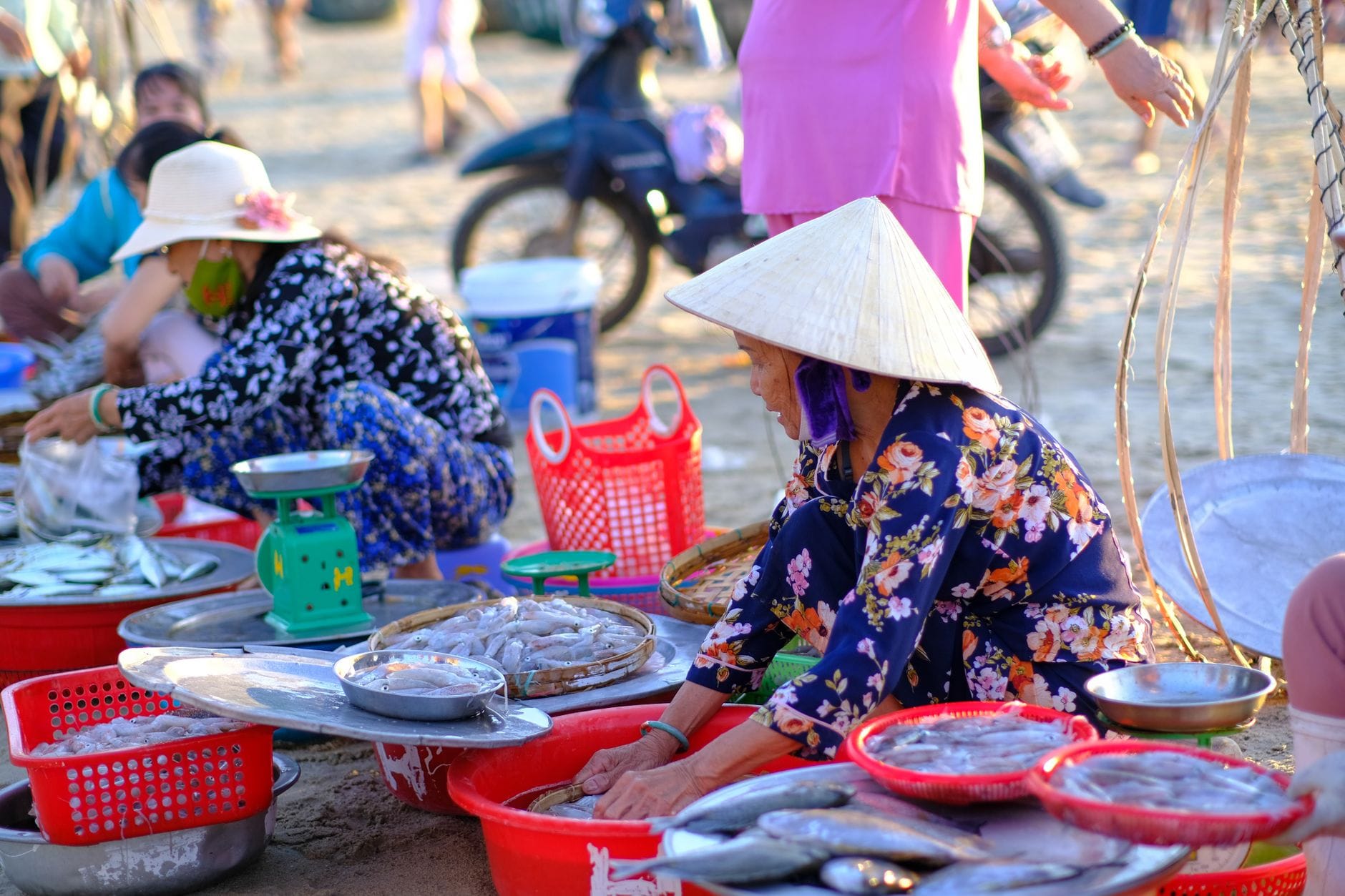
Da Nang's coastline and its position on the South China Sea mean the seafood supply is genuinely fresh. The My Khe Beach area has dozens of seafood restaurants, and the Son Tra Peninsula has a few locals-only spots worth tracking down. For fresh crab, look for cua huỳnh đế (slipper lobster) or ghẹ (swimming crab) at local markets — Con Market and the fish market near the Han River both sell live seafood that local restaurants will also cook to order.
Seafood prices are largely stable year-round, though specific varieties fluctuate with fishing seasons. What changes more dramatically is location: a plate of grilled squid at Son Tra Night Market costs a fraction of the same dish at a tourist-facing beachfront restaurant. Neither is bad, but understanding the pricing logic helps you choose. If you're visiting in a group and want a proper seafood spread, a local seafood restaurant in the backstreets of Son Tra or Ngu Hanh Son district will give you more food for less money.
Practical Eating: Timing, Payment, and Logistics
Timing is the variable most travelers underestimate. Da Nang food culture is structured around specific mealtimes, and the best stalls work through their ingredients and move on. Breakfast runs from 6:00 to 9:00, with most serious breakfast spots winding down by 11:00. Lunch is 11:30 to 13:30. Dinner starts around 17:30 and peaks between 18:30 and 20:30. Night market eating extends to 22:00 or 23:00, but the freshest food is in the first two hours of service.
- Carry 20,000 and 50,000 VND notes — most stalls and market vendors don't have change for 200,000 VND notes
- Street stalls and market food courts are almost always cash only
- Larger sit-down restaurants increasingly accept VietQR, Momo, and sometimes Visa — but don't rely on it
- Water at street stalls is usually free or very cheap; stick to sealed bottles
- Tipping is not expected at street stalls or markets; at sit-down restaurants, rounding up or leaving 10,000–20,000 VND is appreciated but not obligatory
- Most market stalls don't have English menus — pointing at what other people are eating works perfectly well
Getting around to eat across different parts of the city is straightforward using ride-hailing apps. For a broader sense of how to move between neighborhoods, the getting around Da Nang guide is useful, especially if you're planning to combine eating with visits to spots like the Marble Mountains area, where the Non Nuoc neighborhood has its own local food stalls.
✨ Pro tip
The area around Hai Chau District (the city center near the Han River) has the highest concentration of local eateries within walking distance of each other. If you're staying downtown and want to eat well without logistics, a 20-minute walk from the river will take you through three or four neighborhoods each with their own clusters of stalls. Go at 7:00 for breakfast and again at 18:30 for dinner.
Coffee, Drinks, and the Da Nang Cafe Scene
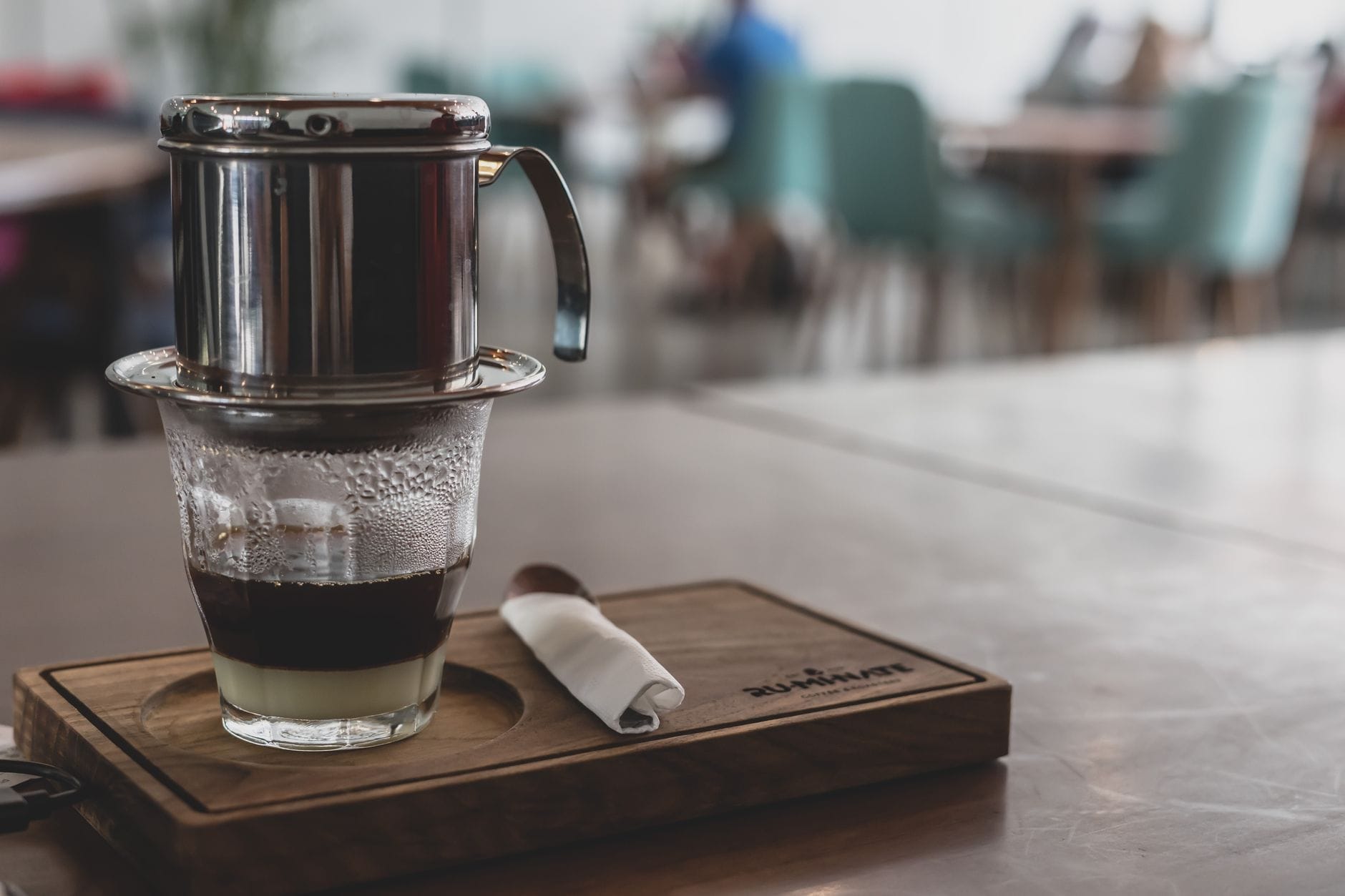
Food and coffee are inseparable in Da Nang. Vietnamese coffee (cà phê) is strong, slow-dripped through a phin filter, and usually served with sweetened condensed milk over ice (cà phê sữa đá). Egg coffee (cà phê trứng) and coconut coffee (cà phê cốt dừa) have both become widely available. The city has a developed cafe culture with everything from sidewalk plastic-stool joints at 15,000 VND a cup to specialty roaster cafes in the 50,000–80,000 VND range. For a full breakdown, the Da Nang coffee guide covers the best spots by neighborhood and style.
Fresh sugar cane juice (nước mía), young coconut water, and smoothies made from local tropical fruit are the main non-coffee options at street level. Night markets sell all of these for 20,000–40,000 VND. Avoid pre-packaged smoothies from tourist-facing beach bars — they're usually overpriced and watered down.
Dietary Restrictions and Vegetarian Options
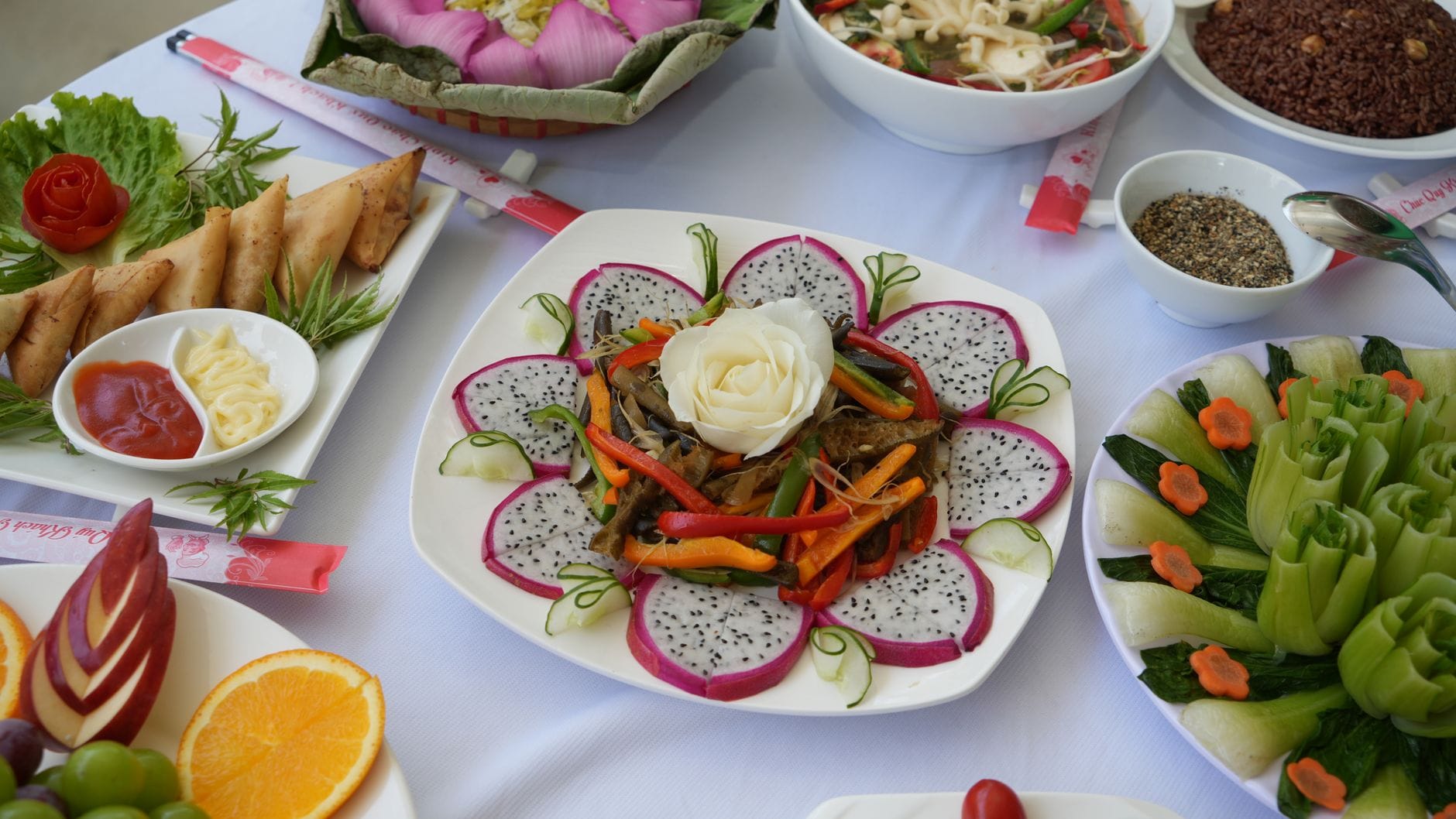
Vegetarians have more options in Da Nang than the street food landscape initially suggests. The city has a significant Buddhist population, and on the 1st and 15th of the lunar calendar month, many stalls and restaurants switch to vegetarian (ăn chay) menus. Outside those dates, dedicated vegetarian restaurants are dotted across the city. Loving Hut has a central location and serves Vietnamese-style dishes without meat. An Lạc Tâm is another reliable option for plant-based eating with local flavors.
Strict vegans should be aware that fish sauce (nước mắm) and fermented shrimp paste (mắm tôm or mắm nêm) are foundational ingredients in central Vietnamese cooking and appear in most dipping sauces, broths, and marinades. Communicating this clearly in Vietnamese ("Tôi không ăn hải sản" — I don't eat seafood) helps, but at small stalls with complex broths, cross-contamination is likely. Vegetarian restaurants are the safest option for strict requirements.
FAQ
What is the most famous food in Da Nang?
Mì Quảng is the dish most closely associated with Da Nang and central Vietnam. It's a turmeric-tinted rice noodle dish served with a concentrated broth, pork, shrimp, peanuts, and fresh herbs. It's a breakfast staple and a point of local pride. Bún chả cá (fish cake noodle soup) is equally iconic but less known internationally.
How much does food cost in Da Nang?
Street stall meals run 25,000–60,000 VND per person (roughly $1–2.50 USD). A sit-down meal at a mid-range local restaurant costs 80,000–200,000 VND. A seafood dinner at a proper local restaurant is typically 200,000–350,000 VND per person. Tourist-facing beachfront restaurants charge significantly more for similar food.
Where is the best place to eat street food in Da Nang?
Con Market (Chợ Cồn) is the most reliable all-day option with a wide range of dishes. Han Market is better for morning eating specifically. Son Tra Night Market is the go-to for evening street food and seafood. For mì Quảng specifically, look for single-dish stalls in Hai Chau District open before 10:00.
Is Da Nang food spicy?
Central Vietnamese food uses fresh chili more than dried chili paste, so heat levels are adjustable. Most dishes arrive mild and you add chili yourself. Mì Quảng typically comes with fresh green chili on the side. Bún bò Huế (from nearby Hue) is the region's spiciest common dish; Da Nang's own specialties are more moderate.
Can I eat well in Da Nang on a tight budget?
Yes, very easily. Eating at market stalls and local eateries, three solid meals a day costs 100,000–200,000 VND total (around $4–8 USD). The challenge is not price but knowing where to go — tourist-area restaurants can charge three to five times more for equivalent food. Stick to markets, neighborhood stalls, and spots without English menus at the front.
Tickets & tours
Live prices and dates from our booking partner. If you book, we may earn a commission at no extra cost to you.
Planning a trip? Discover personalized activities with the Nomado app.