Best Time to Visit Da Nang: A Month-by-Month Guide
Da Nang's climate divides into a sunny dry season and a stormy wet season, but the best time to visit depends on what you want from the trip. This guide breaks down weather patterns, crowd levels, and pricing across every season so you can plan with confidence.
Tickets & tours
Live prices and dates from our booking partner. If you book, we may earn a commission at no extra cost to you.
TL;DR
- The sweet spot for most travelers is beach-ready weather from late February through May: dry, warm, and not yet scorching.
- June to August is peak beach season with the most sun, but also the most heat (35°C+) and the highest hotel prices.
- September to December brings the heaviest rainfall and typhoon risk, particularly in October and November — plan carefully if visiting then.
- January and early February are cooler and overcast but genuinely affordable, with far fewer tourists.
- The Da Nang International Fireworks Festival (DIFF) typically runs in April–June and draws large crowds — check the fireworks festival guide before booking.
Understanding Da Nang's Climate
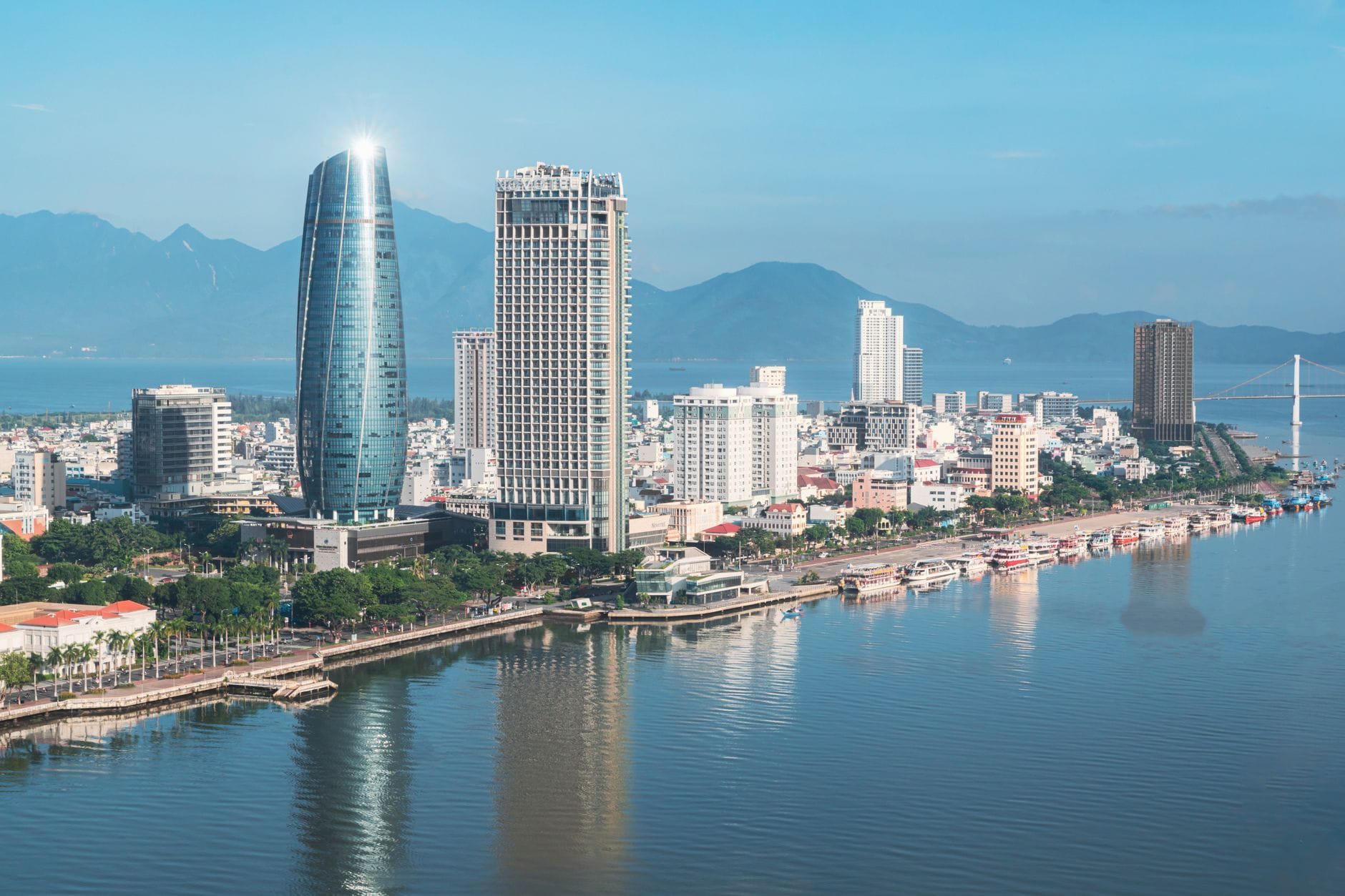
Da Nang sits on Vietnam's South Central Coast at roughly 16°N latitude, which gives it a tropical monsoon climate with two clearly defined seasons. The dry season runs broadly from January through August, and the wet season takes over from September through December. That said, 'dry season' in Da Nang is not uniform across all eight months. February to May is genuinely settled weather. June to August is dry but intense, with daytime temperatures regularly hitting 35–38°C. January is cool and often grey. Understanding these sub-periods is the key to picking the right window for your trip.
The wet season is also more nuanced than a simple rain-or-shine split. September and October carry the highest typhoon risk, and October is statistically the wettest month of the year, with rainfall that can cause flooding in low-lying coastal areas. November and December are wet but less extreme. The city does not shut down in the rainy season, but outdoor activities and beach plans become unreliable. Budget travelers who can tolerate weather uncertainty often find this period worthwhile.
ℹ️ Good to know
Da Nang is roughly midway between Hanoi and Ho Chi Minh City on the national rail and road network. This means its climate is distinct from both — it gets neither Hanoi's cold winters nor Saigon's predictable year-round heat. Central Vietnam has its own seasonal rhythm, and weather apps using generic 'Vietnam' forecasts can mislead you.
February to May: The Best Overall Window
Late February through May is widely considered the most reliable period to visit Da Nang, and the reasoning holds up to scrutiny. Rainfall is minimal, average temperatures sit between 24–30°C, and the East Sea is calm enough for swimming and water sports. March and April in particular hit a sweet spot: warm without being exhausting, clear skies most days, and hotel rates that have not yet climbed to summer peaks.
If you are combining Da Nang with a trip to Hoi An, this window works perfectly for both destinations. Hoi An's Ancient Town floods badly in October and November, so traveling in March or April means you can enjoy both cities without weather anxiety. The same logic applies to exploring the region more broadly, as covered in any solid central Vietnam itinerary.
May marks a transition. It is still largely dry, but humidity starts climbing and you occasionally get afternoon showers. It is a fine month to visit and generally cheaper than April, but if heat sensitivity is a concern, aim for March or April instead.
💡 Local tip
The Da Nang International Fireworks Festival (DIFF) typically runs on Saturday nights from late April through June, drawing large domestic and international crowds to the Han River. Hotels along the riverfront sell out weeks in advance during competition weekends. If you plan to attend, book at least 6–8 weeks ahead and expect elevated prices citywide.
June to August: Peak Beach Season
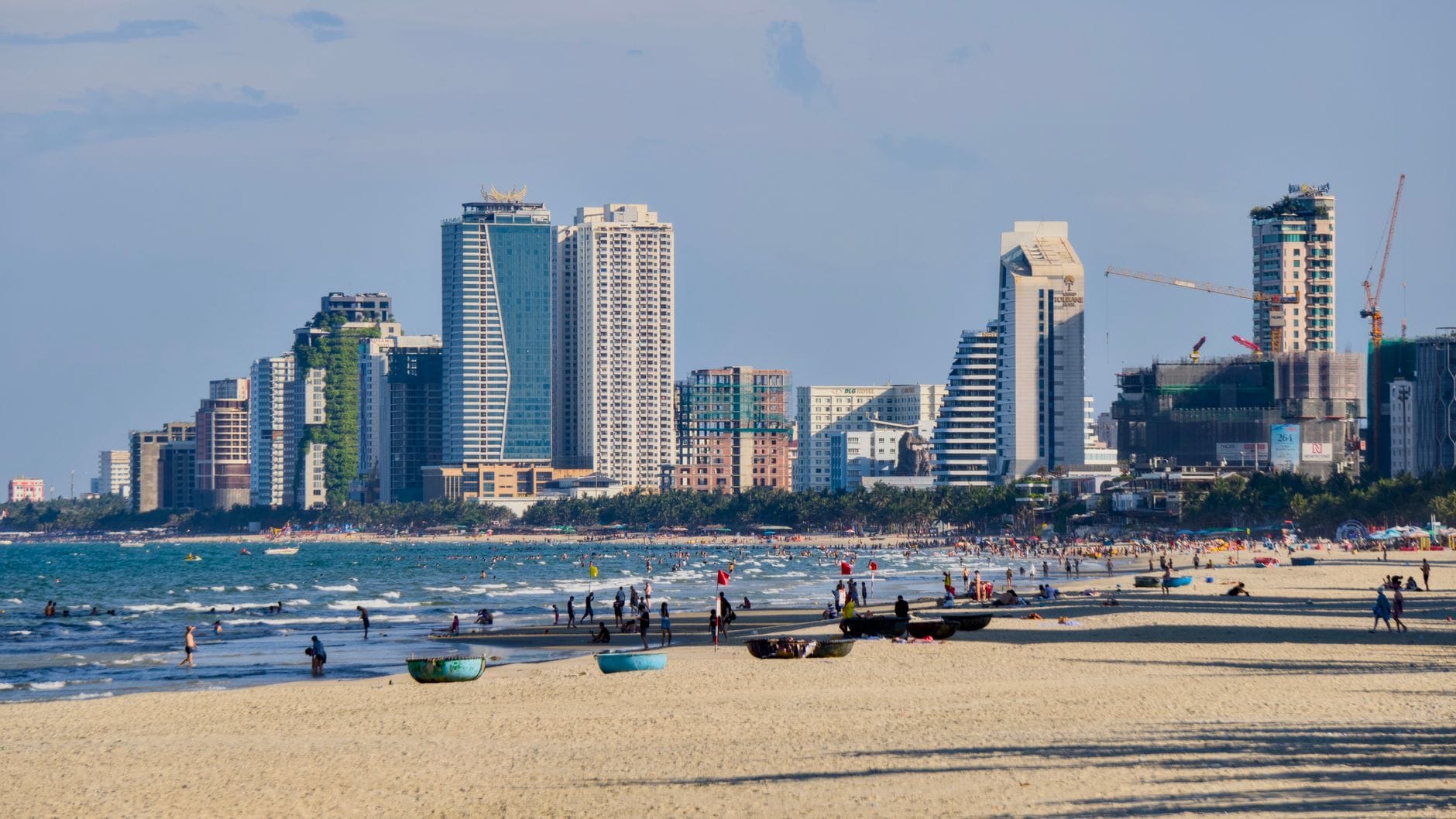
June through August is when Da Nang operates at full capacity. The beaches at My Khe and Non Nuoc are packed, particularly on weekends when large numbers of domestic tourists arrive from Hanoi and Ho Chi Minh City. The East Sea is at its calmest, making conditions ideal for jet skiing, paddleboarding, and snorkeling. The sun is strong and consistent — but so is the heat.
Daytime temperatures in July and August routinely exceed 35°C, and the combination of heat and coastal humidity can be draining if you are not used to it. Sightseeing inland — at places like the Marble Mountains or Ba Na Hills — is best done early morning or late afternoon. The midday hours are best spent at the beach or in an air-conditioned cafe.
- Pros of June–August Best beach conditions of the year, no rain disruptions, maximum daylight hours, full tourist infrastructure operating.
- Cons of June–August Highest hotel and flight prices, crowded beaches on weekends, intense heat that limits comfortable sightseeing hours.
- Who this period suits Families, beach-focused travelers, and those with school-year constraints who cannot choose their travel window.
- Who should avoid it Travelers sensitive to heat, anyone wanting quiet beaches or lower prices, and those combining Da Nang with heavy hiking.
September to December: The Rainy Season Reality
The wet season in Da Nang is not a monolith, and treating it as one leads to poor planning. September is transitional, with rain increasing as the month progresses. October is the month to take most seriously: it typically receives the highest monthly rainfall of the year, and typhoons that pass through the South China Sea can cause significant disruption, including beach closures, flooding near the Han River, and transportation delays.
November and December are wet but less dramatically so. Rainfall remains elevated, but heavy downpours are often interspersed with dry spells, and you can still have productive travel days. Some travelers find December workable, particularly around the Christmas period when the city's hotel infrastructure is excellent and prices remain below summer peaks.
⚠️ What to skip
October is the most statistically dangerous month for typhoons in central Vietnam. If you are visiting Da Nang in October, monitor typhoon forecasts regularly, purchase travel insurance that covers weather-related disruptions, and have a flexible itinerary. The Hai Van Pass road north of the city can close during severe weather, which affects day trips to Hue.
The upside of the rainy season is pricing. Hotel rates can drop significantly compared to summer peaks, and the city is noticeably less crowded. If your goal is to explore Da Nang's food scene, coffee culture, museums, and urban neighborhoods rather than the beach, the rainy season is genuinely viable. Indoor attractions like the Museum of Cham Sculpture and Da Nang's cafe-lined streets are not weather-dependent.
January and Early February: The Underrated Quiet Season
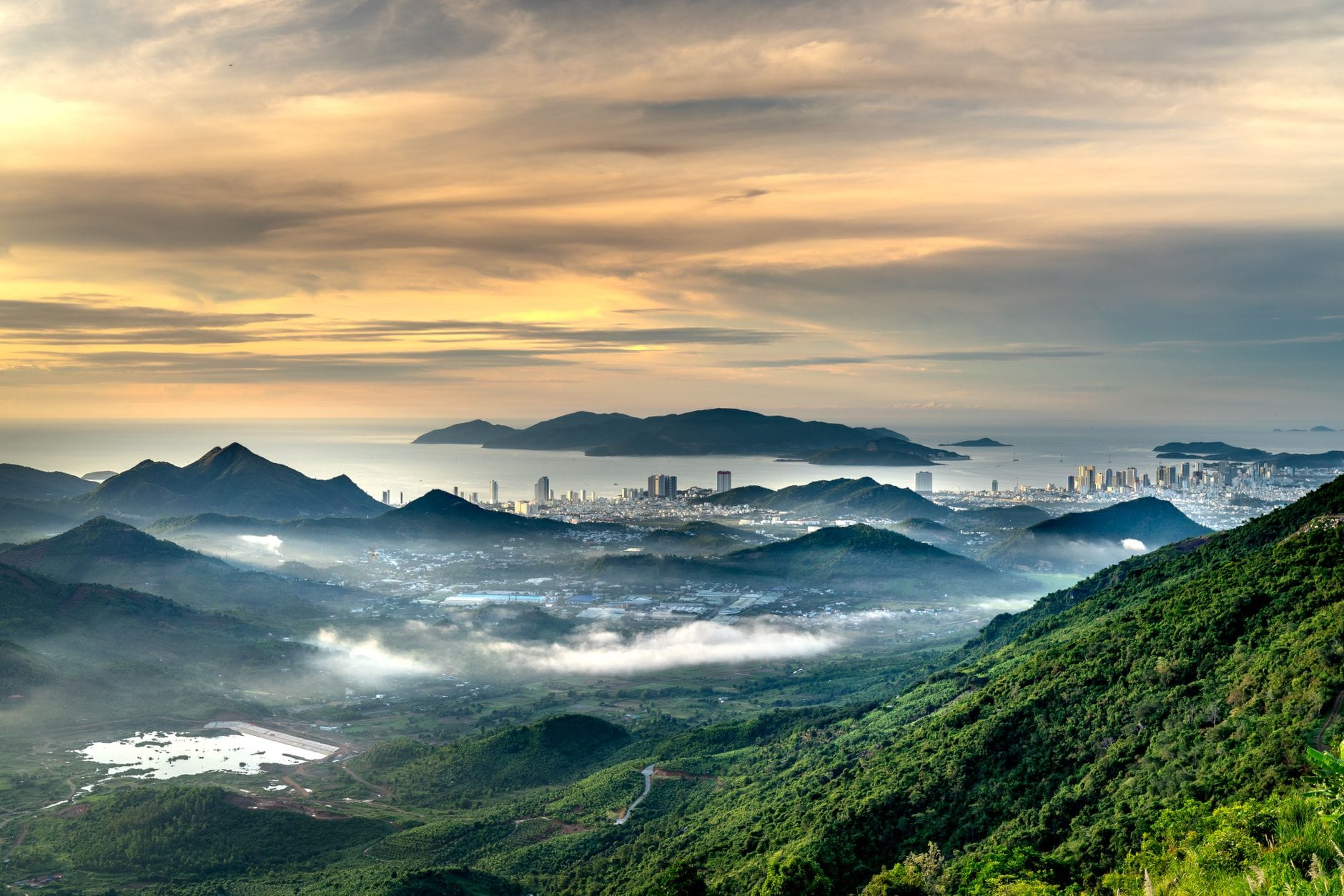
January is often overlooked in travel planning for Da Nang, which is partly why it can be such a good month to visit. Tourist numbers are at their annual low, prices are favorable, and while the weather is not beach-perfect, it is far from unpleasant. Temperatures average around 20–24°C, skies are often overcast, and there is occasional light rain, but rarely the prolonged downpours of October or November. Many travelers from colder climates find the January weather in Da Nang entirely comfortable.
The major variable in early February is Tet, the Vietnamese Lunar New Year. Tet typically falls between late January and mid-February depending on the lunar calendar. During Tet week, domestic tourism spikes sharply as Vietnamese families travel. Hotel prices in Da Nang rise significantly, popular restaurants may close or have reduced hours, and sites like the Dragon Bridge draw large local crowds for the fire and water shows. Visiting during Tet can be a fascinating cultural experience, but it requires advance booking and adjusted expectations.
- January (non-Tet): Quietest month of the year, lowest prices, comfortable temperatures for walking and sightseeing.
- Tet period (late Jan – mid Feb): Culturally rich but logistically complex, higher prices, reduced services.
- Post-Tet February: Weather starts improving quickly, tourist infrastructure returns to normal, prices still reasonable.
Month-by-Month Quick Reference
- January Cool and overcast, low crowds, low prices. Good for city exploration and cultural sites. Not ideal for beach.
- February Weather improves steadily post-Tet. Late February is excellent. Tet week is busy and pricier.
- March One of the best months overall. Dry, warm (26–28°C), manageable crowds, pre-peak pricing.
- April Peak conditions for most travelers. Warm, dry, calm sea. Fireworks Festival begins, book ahead.
- May Still largely dry, slightly more humid. Good conditions with slightly lower prices than April.
- June Beach season begins in earnest. Hot (33–35°C), sunny, increasingly crowded.
- July Peak summer: best beach weather, highest prices, most crowded. Plan indoor breaks around midday.
- August Mirrors July. Strong demand from domestic tourists. Book accommodation well in advance.
- September Rainy season begins. Prices start dropping. Increasing typhoon risk. Beach conditions decline.
- October Wettest month. Highest typhoon risk. Low prices but significant weather disruption possible.
- November Still wet but improving. Budget-friendly. Some beach days possible between showers.
- December Transition back toward drier weather. Reasonable prices. Some lingering rain early in the month.
For travelers building a longer Vietnam trip, the timing of your Da Nang stay should align with the destination's dry season while considering where else you are going. A 3-day Da Nang itinerary is much more satisfying in March or April than in October, simply because you can reliably move between beach, mountain, and city without losing days to rain. If you are arriving by air, the Da Nang airport guide covers transfers and logistics at DAD.
✨ Pro tip
If budget is your primary constraint, target late November or early December. The worst of the rainy season has typically passed, prices remain at off-season levels, and you can often find good beach weather mixed in with overcast days. It is far more practical than October and significantly cheaper than March or April.
FAQ
What is the best time to visit Da Nang for beach weather?
The best beach conditions occur from late February through May, when the East Sea is calm, rainfall is minimal, and temperatures are warm but not extreme. June through August also delivers reliable sunshine and is popular, but the heat is more intense and the beaches are significantly more crowded.
Is Da Nang worth visiting during the rainy season?
It depends on your priorities. October is the riskiest month due to typhoons and heavy flooding risk, and is best avoided unless you have a very flexible itinerary. November and December are wet but manageable, and prices are lower. If you are focused on food, coffee culture, and indoor attractions rather than beach time, the rainy season can work well.
How does the Da Nang Fireworks Festival affect hotel availability?
The Da Nang International Fireworks Festival (DIFF) typically runs on Saturday evenings from late April through June, with competing national teams. During competition weekends, hotels along the Han River and beach areas book out quickly and prices spike. Plan at least 6–8 weeks ahead if your visit overlaps with the festival schedule.
What months have the cheapest flights and hotels in Da Nang?
January (excluding Tet), September, October, and November generally offer the lowest accommodation and flight prices. October and November carry weather risk, but January is a practical low-season option with comfortable temperatures for non-beach activities.
Does Da Nang get typhoons?
Yes. Da Nang is on the central Vietnamese coastline and is exposed to tropical storms and typhoons, primarily from late August through November. October is the peak risk month. If you are visiting during this window, monitor forecasts, purchase comprehensive travel insurance that covers weather disruption, and keep transport options flexible.
Tickets & tours
Live prices and dates from our booking partner. If you book, we may earn a commission at no extra cost to you.
Planning a trip? Discover personalized activities with the Nomado app.