Best Beaches in Da Nang: The Complete Guide to Every Stretch of Sand
Da Nang sits on roughly 70–75 km of coastline, with a core run of public beaches that rival anything in Southeast Asia. This guide covers every significant beach from Nam O in the north to Non Nuoc in the south, with practical advice on the best swimming seasons, safety, crowd patterns, and how much to budget.
Tickets & tours
Live prices and dates from our booking partner. If you book, we may earn a commission at no extra cost to you.
TL;DR
- Da Nang's beautiful beaches stretch over 15 km of public sand, with My Khe, My An, and Non Nuoc being the main swimming zones. See our full Da Nang travel guide for context on the wider city.
- Best swimming season runs March to August, with water temperatures hitting 28–30°C and calm, clear conditions.
- Most beaches are completely free to enter. Sunbeds and umbrellas cost around 20,000–50,000 VND (about $1–2 USD).
- Swim only in lifeguard-patrolled flagged zones. Riptides are a real risk, especially in the southern stretch between My Khe and Non Nuoc.
- September through December brings heavy rain, rough surf, and strong currents. Swimming is not advisable for most of this period.
Understanding Da Nang's Coastline
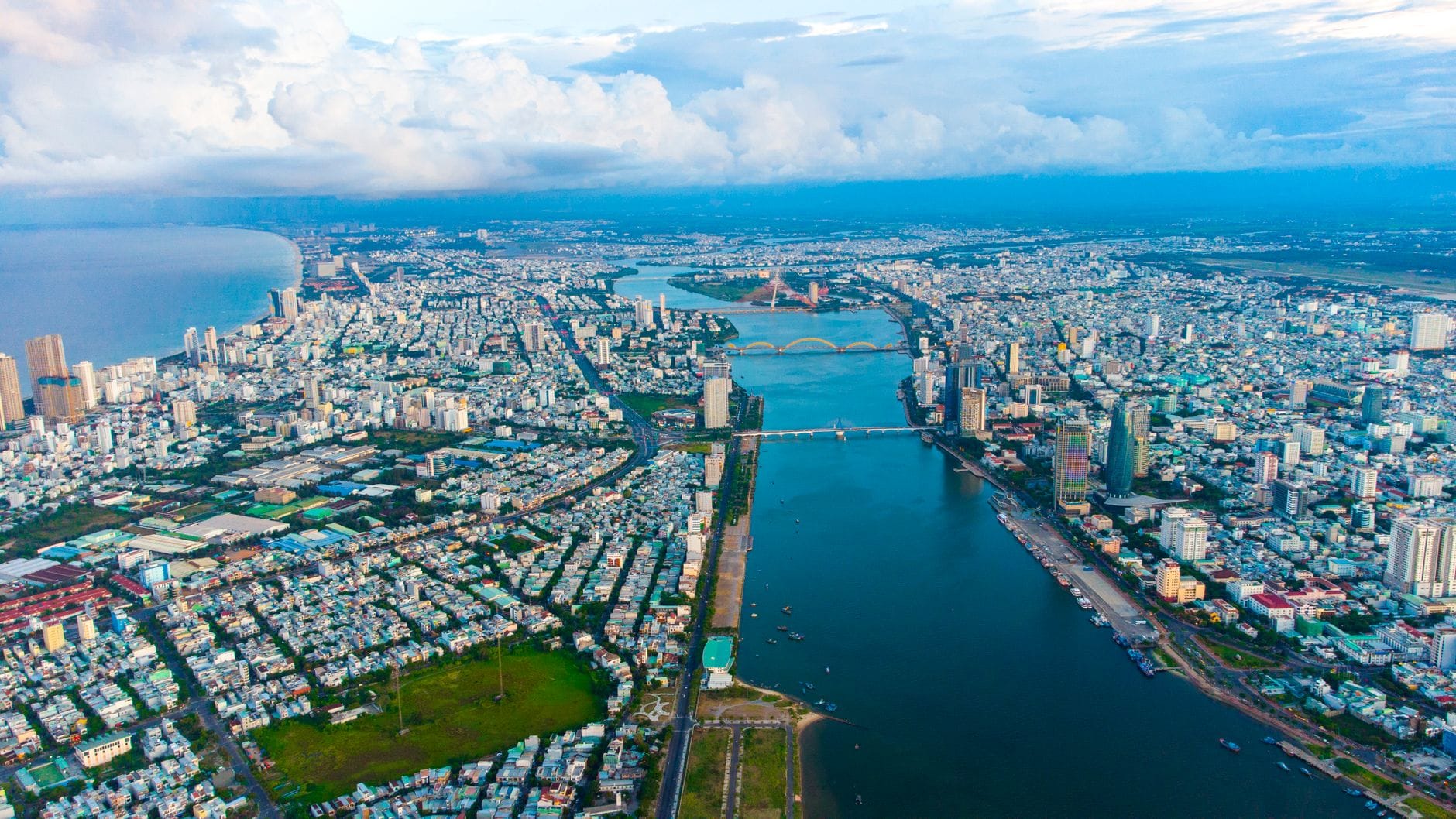
Da Nang is a centrally governed municipality on Vietnam's South Central Coast, positioned at the mouth of the Han River on the East Sea. The city's coastline runs roughly north to south for about 70–75 km across the full municipality, though the core beach zone accessible from the city center spans around 15–20 km. This stretch begins just east of downtown, extends south through the resort areas of Ngu Hanh Son district, and terminates near the base of the Marble Mountains at Non Nuoc. Further north, along the Son Tra Peninsula and toward Lien Chieu, the coastline becomes more rugged and the beaches more local in character.
One of the most common misconceptions about Da Nang is that it has a single main beach. In practice, the beachfront is a continuous ribbon of sand with several distinct sections, each with its own atmosphere, crowd profile, and facilities. The sections are not sharply separated, but locals and travel operators use consistent names: My Khe, Bac My An, My An, and Non Nuoc, from north to south. Son Tra Peninsula adds a completely different character on the other side of the harbor.
The Main Beaches, Ranked by Usefulness for Visitors
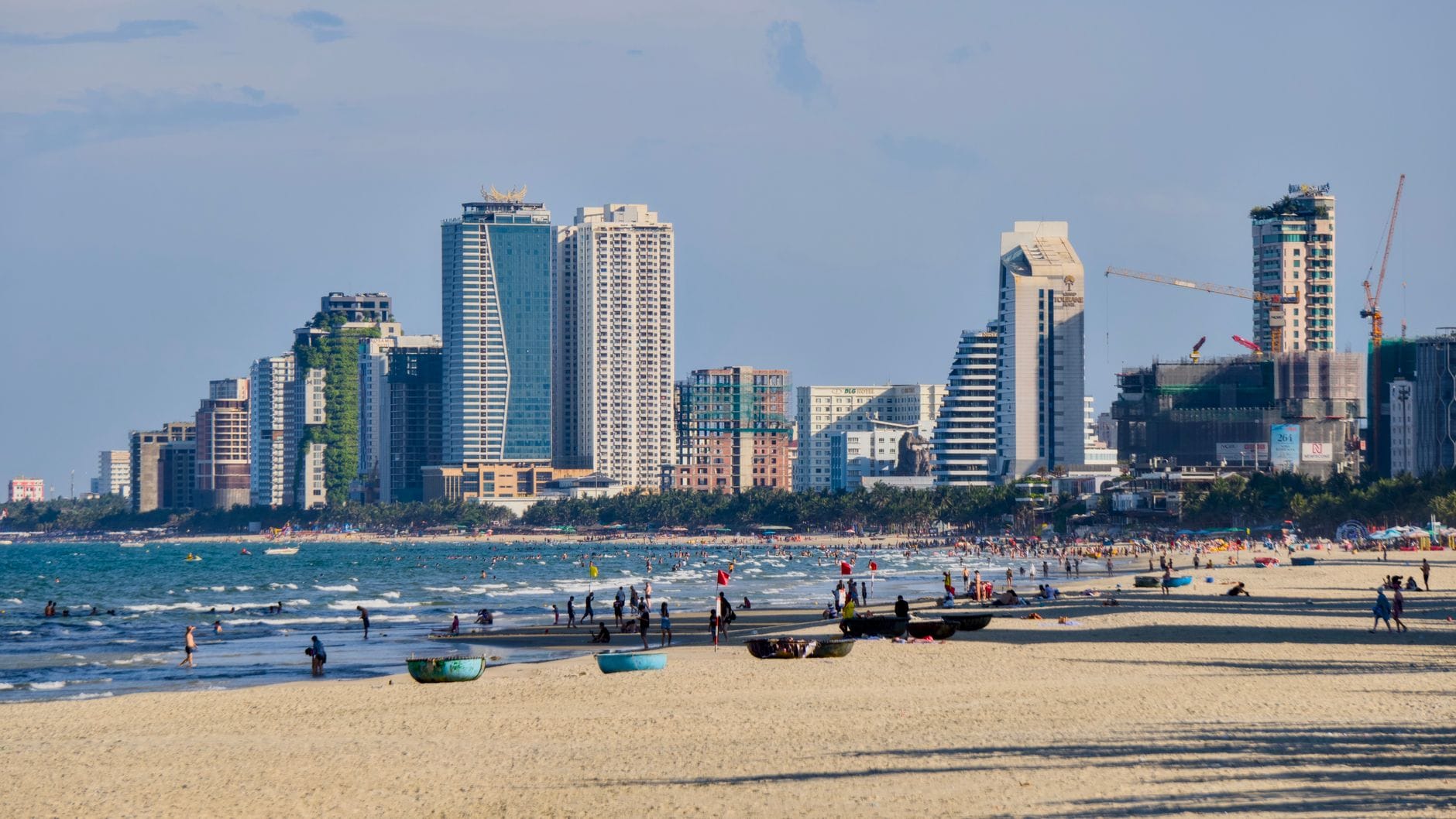
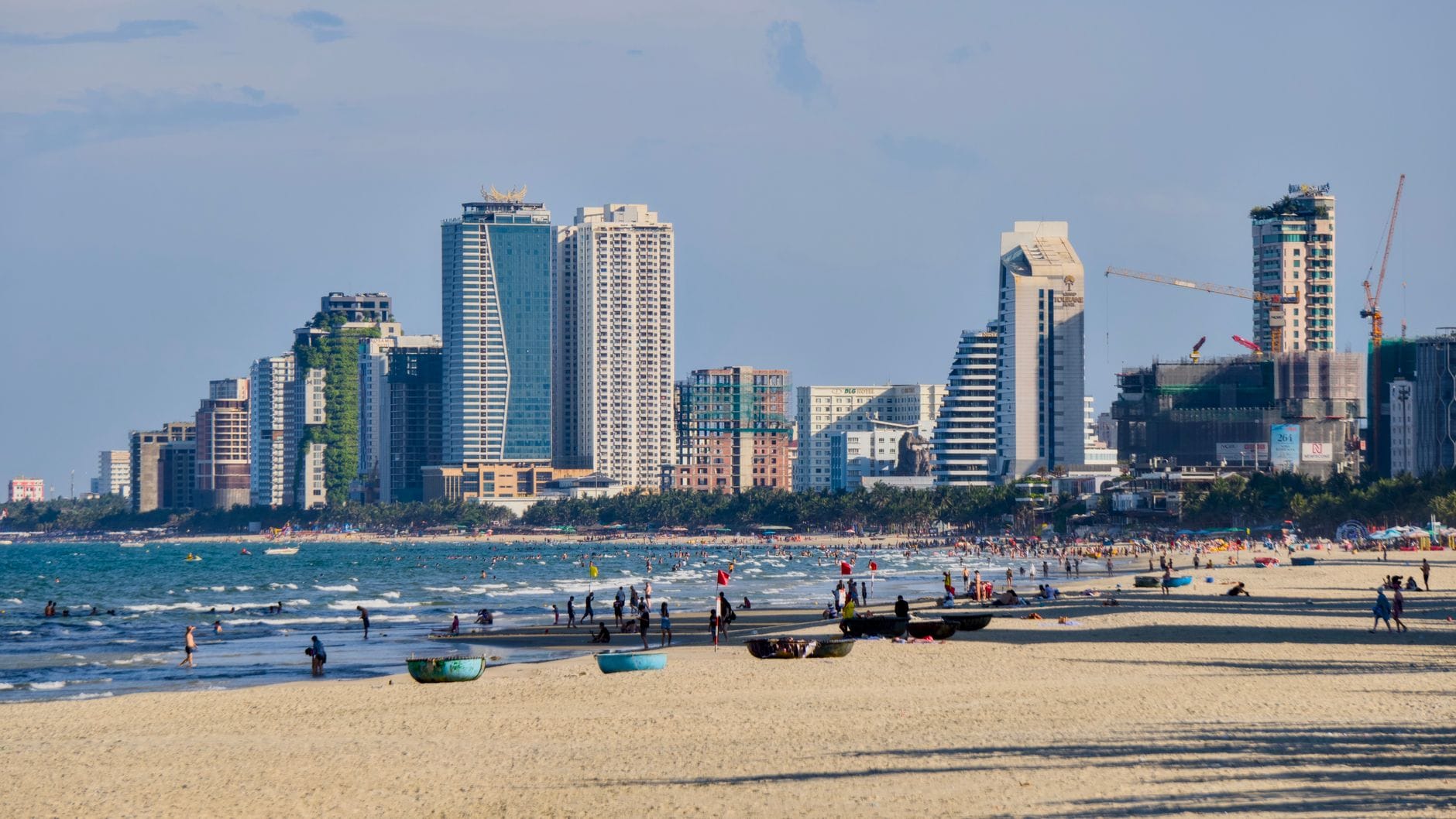
My Khe Beach is where most first-time visitors end up, and for good reason. The beach runs for about 9–10 km, is free to enter, and is open around the clock. Lifeguards patrol designated swimming zones during daylight hours, flagging off areas that are safe for swimmers. The northern end sits roughly 3–6 km from the city center (about 10 minutes by taxi or grab), making it the easiest beach to access from most hotels. The sand is clean and firm, and the water is calm for swimming from March through August. This is the practical default for a beach day in Da Nang.
My An and Bac My An form the middle section of the coast and blend into My Khe at their northern edge. These stretches tend to be quieter on weekday mornings, with fewer vendors and more local families in the water. The My Khe beach area as a whole is backed by a growing strip of seafood restaurants, surf schools, and beach bars, so you won't be left searching for lunch.
Non Nuoc Beach, at the southern end of the main strip near Ngu Hanh Son district, has the finest and whitest sand of any beach in Da Nang. It is backed by a dense cluster of five-star resorts, which means the beach itself is more ordered and quieter than My Khe, but also that sunbed vendors are more aggressive in resort-adjacent sections. Non Nuoc sits at the foot of the Marble Mountains, which creates an unusual visual backdrop and makes it easy to combine a beach morning with a visit to the caves and pagodas in the afternoon. It is roughly 15–17 km from the city center, so factor in a 20-minute taxi or grab ride.
- My Khe Beach Best all-around choice. 6 km long, close to the city, lifeguards on duty. Surfing is possible at the northern end from February to April and September to December.
- Bac My An Beach Longer, quieter stretch ideal for early-morning walks. Good for families who want less crowd density on weekdays.
- Non Nuoc Beach Finest sand, most scenic backdrop. Favored by resort guests and those combining the beach with a Marble Mountains visit. More resort infrastructure, higher sunbed prices at resort-adjacent sections.
- Son Tra Peninsula Coves Small, secluded beaches reached via the peninsula road. Most are attached to resorts or require navigation on a motorbike. Not ideal for casual drop-in visits but rewarding for those who make the effort.
- Nam O Beach A local fishing community beach in the far north of the city near Lien Chieu. Very few tourists, no resort infrastructure, and genuine local atmosphere. The nearby Nam O Reef is interesting for snorkelers.
ℹ️ Good to know
All major public beaches in Da Nang (My Khe, Bac My An, My An, Non Nuoc) are free to enter. Only resort-controlled sections at Non Nuoc and certain Son Tra Peninsula coves charge access fees for non-guests. Do not let vendors tell you otherwise.
When to Go: Seasons, Crowds, and Surf Timing
Da Nang has a tropical monsoon climate with a dry season from roughly January/February to August and a wetter, windier period from September through December. For beach holidays, the sweet spot is March to August, when the seas are calm, water temperatures sit between 28–30°C (82–86°F), and rain is minimal. June through August is peak domestic tourist season, particularly on weekends when Vietnamese families from Hanoi and Ho Chi Minh City fill the beach hotels. If you want the best weather with manageable crowds, aim for late March, April, or early May.
February is transitional: air temperatures are mild (around 25–27°C), the water is still slightly cooler from winter, but the seas are calming down and surf can still be reasonable at My Khe. This period overlaps with Tet (Vietnamese Lunar New Year), when prices spike and the city is extremely busy for a few days before emptying out as locals travel home. The best time to visit Da Nang depends heavily on whether you prioritize beach swimming, surf conditions, or avoiding crowds.
September through January is when conditions deteriorate. Typhoons can affect the central Vietnam coast from September onwards, and even without direct typhoon impact, the seas become rough, currents strengthen, and prolonged heavy rain is common from October to December. Swimming is genuinely dangerous in this period, and many beach restaurants and vendors close or reduce hours. That said, surfers specifically target September to December at My Khe for the larger swells, and the beach is dramatically beautiful in stormy weather if you are not planning to swim.
⚠️ What to skip
Riptides are a documented hazard at My Khe, particularly in the southern section toward Non Nuoc and in transitional months (September, February). Swim between the red-and-yellow flags where lifeguards can see you. If you feel a riptide pulling you, swim parallel to shore rather than against the current.
Practicalities: Costs, Access, and What to Expect on the Ground
Beach access at Da Nang's public beaches costs nothing. Once you are on the sand, vendors rent out sunbeds and parasols for around 20,000–50,000 VND per day (approximately $1–2 USD at current rates). Prices at resort-adjacent sections of Non Nuoc can be significantly higher, and vendors there are more persistent. Pay after you settle in, not before, so you know what you are getting.
Surf lessons operate mainly at My Khe and typically cost from around 1,050,000 VND (approximately $42 USD) per session, including board hire. Several surf schools operate on the beachfront north of the main hotel strip. If you want to hire a board independently, rates are considerably cheaper, though quality varies. Most vendors are cash only, so carry Vietnamese dong.
Getting to the beaches is straightforward. My Khe and My An are 5–10 minutes by Grab or taxi from the Han River downtown area. Non Nuoc takes around 20–25 minutes. Renting a motorbike for the day is the most flexible option if you want to explore multiple beaches, including the Son Tra Peninsula coves. For a practical overview of transport options, see the guide to getting around Da Nang.
- Beach entry: Free at all public beaches
- Sunbed and umbrella rental: 20,000–50,000 VND per day (~$1–2 USD)
- Surf lesson: from around 1,050,000 VND per session (~$42 USD)
- Grab/taxi from city center to My Khe: approximately 5–10 minutes
- Grab/taxi from city center to Non Nuoc: approximately 20–25 minutes
- Cash only at most beach vendors – carry small denomination dong notes
💡 Local tip
Jellyfish appear at Da Nang beaches, especially after storms in the transitional months. If you see translucent blobs on the shoreline, check with lifeguards before swimming. The local beach cleaning teams typically clear the sand in the early morning, so arriving early is both safer and more pleasant.
Beyond the Main Strip: Son Tra Peninsula and Nam O
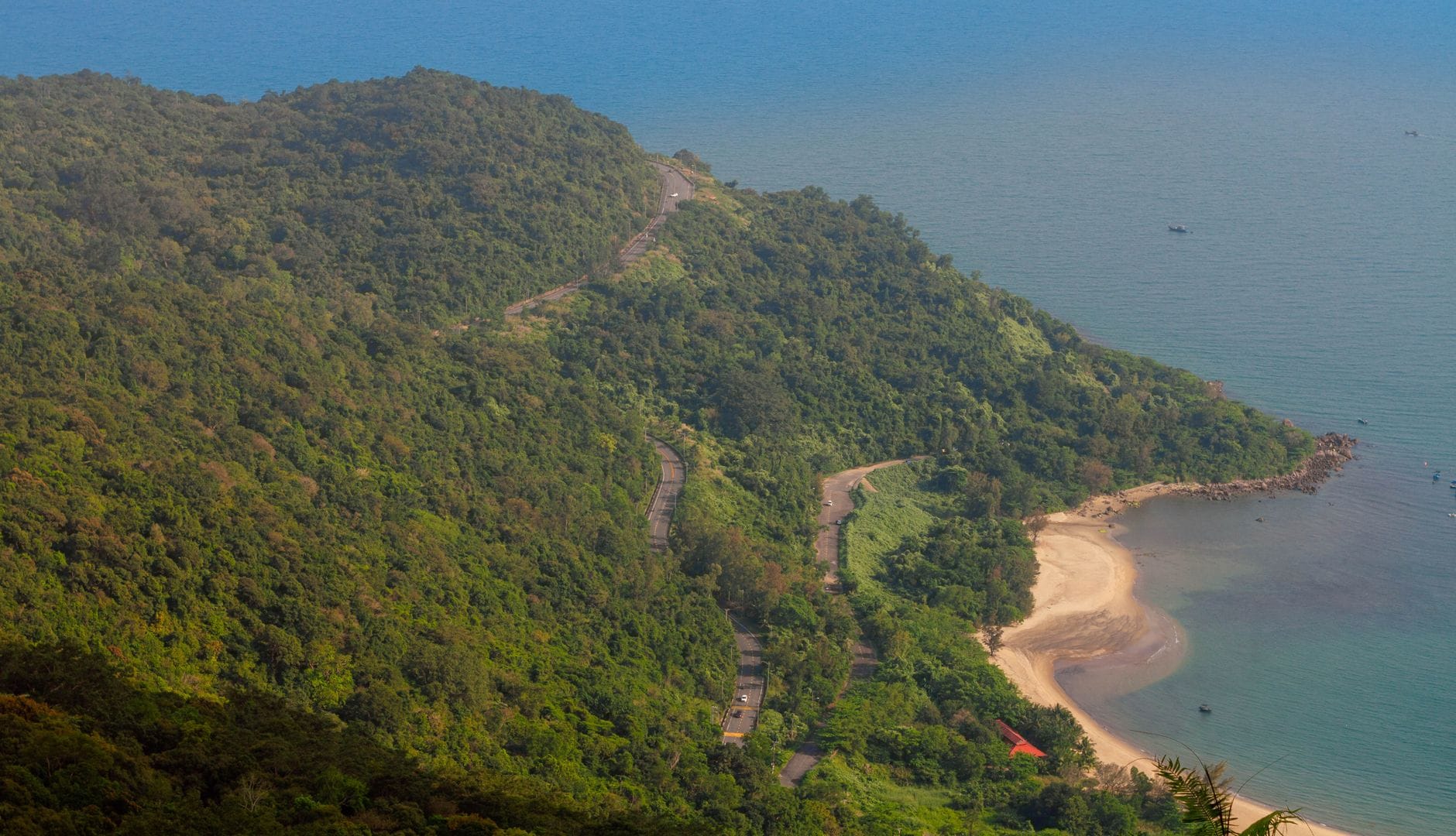
The Son Tra Peninsula juts into the sea north of the main My Khe strip and offers a completely different beach experience. The peninsula road winds around the forested hillside, passing small rocky coves and a handful of resort-operated beaches. These coves are calmer in the wet season because the peninsula provides natural shelter from northerly swells. They are not designed for casual drop-in visits, most require either a resort booking or some willingness to explore independently on a motorbike. The payoff is relative seclusion and cleaner water away from the main beach crowds.
At the northern extreme of Da Nang's coastline, Nam O sits near the Lien Chieu district and retains the character of a traditional Vietnamese fishing village. There is no tourist infrastructure to speak of, no sunbed vendors, no surf schools. The Nam O Reef just offshore is of interest to snorkelers, though you will need to arrange your own equipment. This beach is best visited as a half-day excursion for those who specifically want to see Da Nang's coastline away from the resort zone.
Combining the Beach with the Rest of Da Nang
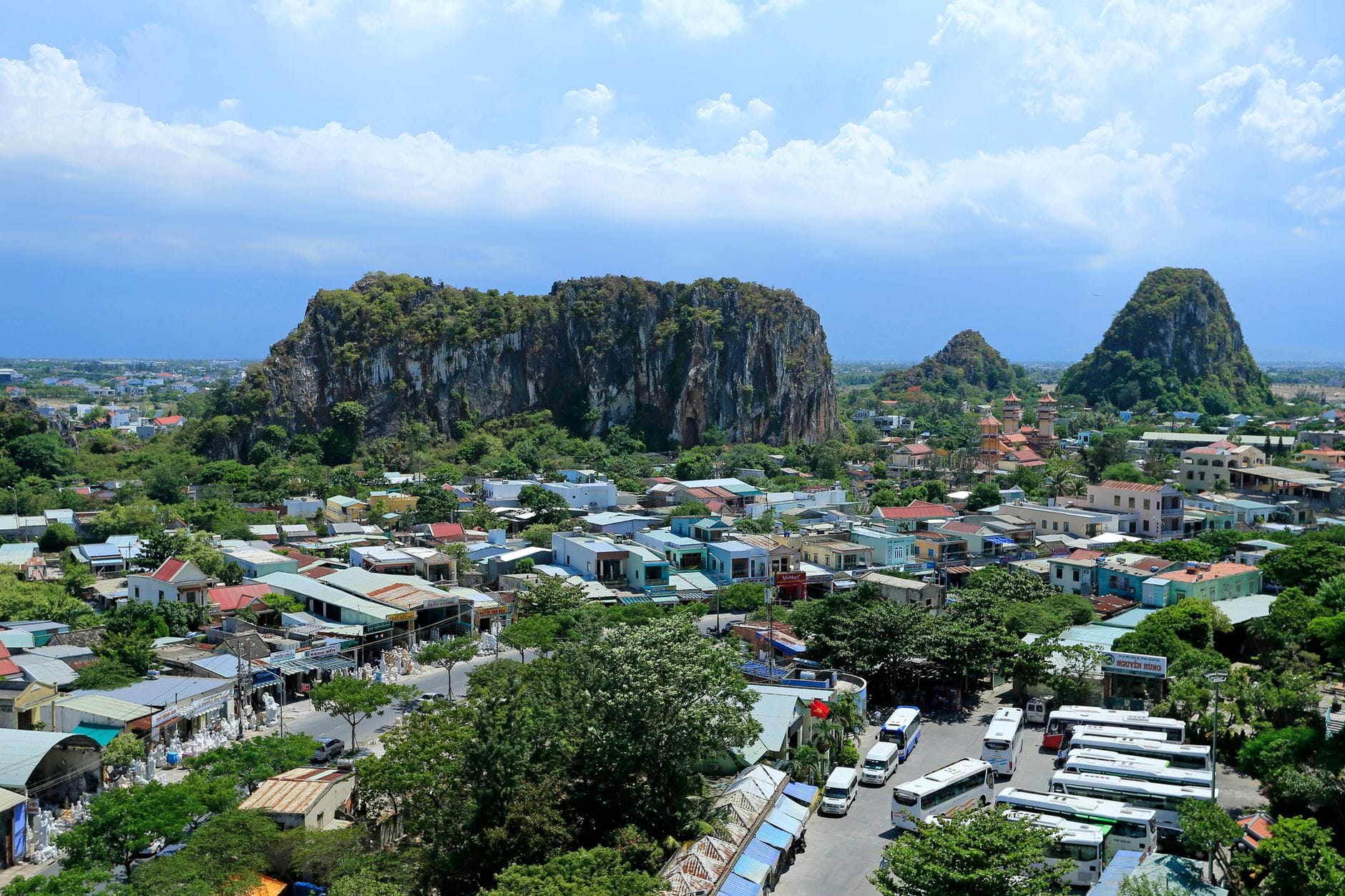
Most visitors use the beach as a base and pair it with day trips to nearby attractions. The most natural combination is a morning at Non Nuoc Beach followed by an afternoon at the Marble Mountains, which sit directly behind the beach. A day trip south to Hoi An from Da Nang is another logical extension, particularly since the coastal road passes through some of the most attractive sections of the Vietnamese coastline.
For a longer perspective on what is nearby, the area around the Hai Van Pass to the north offers dramatic coastal scenery that is technically accessible on a day trip, though it requires a motorbike or private car. Families will find the beach works well alongside a day at Ba Na Hills, since the hills are fully indoors and cooler, making them useful cover if the beach weather turns. For the evening after a beach day, the seafood restaurants along My Khe are the natural endpoint, or head to the Da Nang nightlife area around An Thuong Street, which is directly behind the beach.
FAQ
Is swimming safe at Da Nang beaches?
Swimming is safe in the designated lifeguard zones at My Khe and Non Nuoc from roughly March to August. Always swim between the red-and-yellow flags. Riptides occur, particularly in the southern section of My Khe, and from September through December the seas are rough and swimming is inadvisable. Jellyfish can appear after storms in any season.
Which is the best beach in Da Nang for families?
My Khe is the most practical family choice: close to the city, well-patrolled, with lifeguards and easy access to food and toilets. Non Nuoc is a good second option if you are staying in the resort zone, as the beach is quieter and the sand is finer. Avoid the Son Tra Peninsula coves for small children as they require motorbike access and lack any beach facilities.
Do you have to pay to get into Da Nang beaches?
No. All major public beaches in Da Nang (My Khe, Bac My An, My An, Non Nuoc) are free to enter. Some resort-controlled sections at Non Nuoc and certain Son Tra Peninsula beaches charge access fees for non-guests. Renting a sunbed and umbrella is optional and costs around 20,000–50,000 VND per day.
What is the best time of year to visit Da Nang beaches?
March to August is the best period for beach swimming. April and May are particularly good: the weather is warm, seas are calm, and the peak domestic tourist crowds have not yet arrived. June to August is excellent for weather but the most crowded, especially on weekends. Avoid October to December for beach activities as rain and rough seas make swimming impractical.
How far are Da Nang's beaches from the city center?
My Khe Beach is 3–6 km from the Han River downtown area, around 10 minutes by Grab or taxi. Non Nuoc Beach is 15–17 km south, taking approximately 20–25 minutes by taxi. The Son Tra Peninsula beaches are 10–20 minutes north of the center depending on which cove you are targeting.
Tickets & tours
Live prices and dates from our booking partner. If you book, we may earn a commission at no extra cost to you.
Planning a trip? Discover personalized activities with the Nomado app.