Nam O Reef & Village: Da Nang's Ancient Fishing Coast
Nam O Reef sits at the edge of a 400-year-old fishing village in Lien Chieu District, about 17 km northwest of Da Nang's center. A free, crowd-light coastal site with a rocky tidal reef, working boats, and one of central Vietnam's last traditional fish sauce communities, it rewards travelers who look beyond the main beach strip.
Quick Facts
- Location
- Nam O 1 Hamlet, Hai Van Ward (formerly Hoa Hiep Nam Ward), Lien Chieu District, Da Nang — approx. 17 km northwest of city center
- Getting There
- Bus No. 1 to Nam O Beach / Nam O area (then 5–10 min walk), or taxi / ride-hailing via Nguyen Tat Thanh Road across Nam O Bridge
- Time Needed
- 1.5–3 hours for reef, village walk, and fish sauce lane
- Cost
- Free entry (public coastal site)
- Best for
- Coastal nature, photography, cultural immersion, slow-travel days
- Official website
- visitdanang.travel/en/nam-o-reef-2956
What Nam O Reef Actually Is
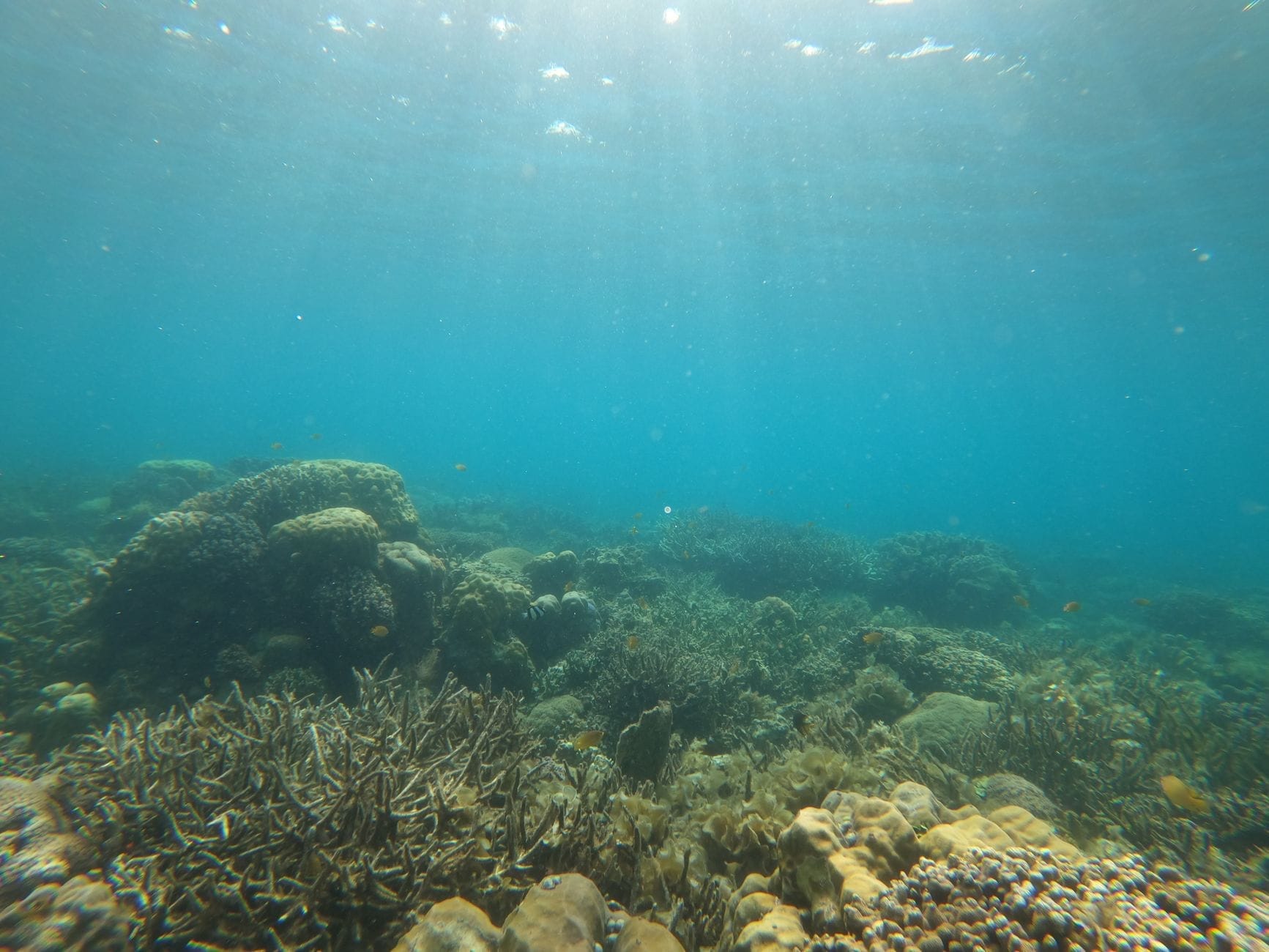
Nam O Reef (Vietnamese: Bãi Rạn Nam Ô) is a naturally formed rocky tidal reef stretching along the coastline of Nam O fishing village in Da Nang's Lien Chieu District. It is not a developed tourist attraction with ticket gates or guided tours. It is simply a stretch of sculpted black rock, tidal pools, and clear shallow water that locals have fished, swum beside, and built their livelihoods around for generations.
The reef sits at the base of a working fishing village that has existed for more than 400 years. The two are inseparable: the reef provides the catch, the village processes and sells it. Arriving here, you get both at once, and that combination is what gives the place its character. It is not a picture-perfect beach. It is something more useful to the curious traveler: an honest piece of the Vietnamese coast.
ℹ️ Good to know
Nam O Reef is a public coastal site with no entrance fee and no official opening hours. Access is informal. Respect the fishing community and avoid touching or walking on coral formations in the tidal pools.
The Reef at Different Times of Day
Early morning is the most rewarding time to visit, and the difference compared to midday is significant. By 6 to 7 a.m., fishing boats are returning or preparing to leave. The reef rocks are still cool underfoot. The light is flat and golden, cutting across the water at a low angle and catching the surface of wet stone in ways that disappear once the sun climbs. At this hour you will share the waterfront with fishermen rather than other tourists.
By mid-morning, the sun off the pale rock and still water becomes intense. Bring sunscreen and a hat: there is almost no shade on the reef itself. The smell of drying fish and fermenting fish sauce drifts from the village lanes, strongest between 9 a.m. and noon when production is most active. It is not unpleasant to those accustomed to it, but it can be strong for first-time visitors.
Late afternoon light between 4 and 6 p.m. brings cooler air and a softer quality to the scene. Local children wade in the shallower tidal sections. Vendors near the village entrance sell fresh seafood and bottled drinks. This is also a good window for photography if harsh midday shadows are a concern.
💡 Local tip
Visit at low tide to see the reef at its widest. Tidal pool formations are partly submerged at high tide and harder to navigate safely. Check a tide table for Da Nang before you go.
Tickets & tours
Live prices and dates from our booking partner. If you book, we may earn a commission at no extra cost to you.
Traditional Vietnamese show in Da Nang
From 12 €Instant confirmationFree cancellationMy Son Morning Tour Experience With Vietnamese Cuisine
From 22 €Instant confirmationFree cancellationFull-Day Vietnamese Cultural Exploration Experience from Hoi An
From 130 €Instant confirmationFree cancellationHalf-day Hoi An Cyclo tour in Vietnamese traditional customs
From 87 €Instant confirmationFree cancellation
The Village: 400 Years of Fish Sauce
The fishing community at Nam O predates French colonial maps of the region by centuries. The village is most famous in Vietnam for its fish sauce production, a craft that has continued here for more than 400 years using anchovies caught in the nearby waters. The sauce, known locally as nước mắm Nam Ô, is made through a slow fermentation process: fresh anchovies are layered with sea salt in large wooden or ceramic vats and left to mature for over a year. The result is a rich, amber-colored sauce with a depth of flavor that local cooks and chefs across central Vietnam regard as distinct from industrial alternatives.
Walking through the village lanes, you will pass dozens of family operations. The vats are often visible through open doors or courtyard gates, arranged in rows under tin roofs. A few households sell directly to visitors, and buying a small bottle is both a practical souvenir and a direct contribution to a trade that has faced sustained pressure from development and industrial competition. Prices are typically very low compared to bottled fish sauce at city supermarkets.
The village is administratively part of Lien Chieu District, Da Nang's industrial northwestern quarter. This means the approach from the city passes through port and warehouse zones that are not scenic. Do not let that discourage you: the village itself, once you cross Nam O Bridge on Nguyen Tat Thanh Road and turn toward the water, is a different world. For context on the broader coastal geography of Da Nang, the Da Nang beaches guide explains how the city's coastline shifts character from south to north.
The Reef Itself: What to Expect Underfoot
The reef is formed from dark volcanic-type rock layered in irregular shelves, pocked with small tidal pools that hold sea urchins, small crabs, anemones, and trapped fish at low tide. The texture underfoot is rough and uneven. Proper footwear is not optional: flip-flops provide almost no protection and will leave you with cut feet on the sharper sections. Water shoes or closed rubber-soled sandals are the right choice.
The water visibility in the calm, shallow sections near the reef edge is good enough for snorkeling during the dry season, roughly April through August, when the sea is clearer and swells are minimal. Outside this window, particularly from September through November, the water can turn opaque after rain, and the surf becomes less predictable. Swimming is possible but requires more caution.
There are no lifeguards stationed at the reef. This is an informal public site, not a managed beach. Parents with young children should stay in the shallower tidal sections rather than the outer reef edge, where the footing drops off unevenly.
Getting There and Practical Logistics
Nam O Reef sits about 17 km northwest of Da Nang's city center, in Hai Van Ward (Group 14, Nam O 1 Hamlet), Lien Chieu District. The most practical route from the city is along Nguyen Tat Thanh Road, crossing Nam O Bridge, then following the small road that leads down to the fishing village and waterfront. By motorbike this takes roughly 20 to 30 minutes from the central Han River area depending on traffic.
Ride-hailing apps (Grab and similar services available in Da Nang) work well for this trip and remove the navigational guesswork. Taxi drivers will generally know the location if you say 'Bãi Rạn Nam Ô' or 'làng chài Nam Ô.' City bus No. 1 serves the Nam O Beach / Nam O area and is the cheapest option, though the nearest stop still requires a 5 to 10 minute walk to the reef itself.
There is no dedicated parking facility. Motorbikes can be left along the village road. If you are renting a vehicle independently to combine this stop with a drive up toward Hai Van Pass, the timing works well: Nam O sits just before the mountain section. The getting around Da Nang guide covers vehicle rental and ride-hailing options in detail.
⚠️ What to skip
There are no ATMs or currency exchange points near the reef. Bring Vietnamese dong in cash for any food, drinks, or fish sauce purchases in the village. Card payments are not available at small family stalls.
Photography and What to Shoot
Nam O Reef is consistently underrepresented in Da Nang travel photography, which makes it genuinely worthwhile for anyone looking for images that do not duplicate every other visitor's feed. The reef itself offers textured foreground rock with the sea and, on clear days, the green Hai Van Pass headland visible in the distance to the north. That backdrop is distinctive.
The village lanes are photogenic in a documentary sense: stacked vats, drying fishing nets, wooden boats pulled onto the sand, and older residents sitting outside their houses in the morning. Always ask permission before photographing people directly. A polite nod and gesture of the camera toward a subject and then to yourself communicates the request clearly across the language gap. Most residents are accustomed to visitors but appreciate being asked.
If you are building a broader visual itinerary of Da Nang's coastline, the Da Nang viewpoints guide identifies other elevated and coastal vantage points worth pairing with a Nam O visit.
Practical Assessment: Is It Worth the Trip?
Nam O Reef is not for everyone, and being clear about that is more useful than overselling. If your priority is a well-serviced beach with sunbeds, facilities, and calm swimming water, My Khe or Non Nuoc Beach will serve you far better and require no journey across the city.
What Nam O offers is context and texture that the resort beach strip cannot. It is one of the few places in Da Nang where you can observe a working coastal community operating exactly as it has for centuries, without the place having been converted into a performance of itself for tourist consumption. Travelers who have already done the standard Da Nang circuit and want one day that feels genuinely different will find it here. It also pairs naturally with a drive to Hai Van Pass or a stop at Hai Van Gate, which begin just north of Nam O.
Travelers with very limited time in Da Nang, those on a tight one or two day schedule, may reasonably prioritize other sites closer to the city center. But for anyone with three days or more, Nam O fills a half-day in a way that is difficult to replicate.
Insider Tips
- Buy a bottle of nước mắm Nam Ô directly from a family producer rather than from roadside souvenir shops on the city outskirts. The village price is lower and the product is genuinely local. Look for households with visible fermentation vats.
- Combine Nam O with Hai Van Pass on the same half-day if you have a motorbike or hired driver. The pass road begins just north of the village, and the scenic payoff of both in sequence is considerably better than either alone.
- Arrive before 8 a.m. to see the morning boat activity. By 9 a.m. most of the working action on the water has finished and the scene becomes quieter.
- The reef edge closest to the village is the safest and most interesting section for tidal pool exploration. The outer sections drop off more steeply and have stronger water movement. Stay on the inner shelf if you are not a confident swimmer.
- There are small seafood stalls near the village entrance that cook fresh catch to order in the late afternoon. The quality is reliable and the prices reflect a local, not tourist, economy.
Who Is Nam O Reef & Village For?
- Travelers seeking authentic fishing village culture beyond the beach resort strip
- Photographers looking for coastal and documentary subjects that differ from standard Da Nang imagery
- Foodies interested in traditional Vietnamese fish sauce production at source
- Road-trippers using Nam O as a logical first stop on a Hai Van Pass day drive
- Slow travelers with three or more days in Da Nang who have covered the main sites
Nearby Attractions
Other things to see while in Hai Van Pass & North Da Nang:
- Hai Van Gate
Perched at nearly 496 metres on the Truong Son range, Hai Van Gate is a restored 19th-century Nguyen Dynasty citadel marking the boundary between Da Nang and Thua Thien Hue Province. Reopened in August 2024 after a major restoration, it offers free admission, sweeping coastal panoramas, and about 200 years of layered military history in a single compact site.
- Hai Van Pass
Stretching roughly 20 kilometres and reaching a 496‑metre summit between Da Nang and Hue, Hai Van Pass (Đèo Hải Vân) is one of Vietnam's great scenic drives. The road is free to use, open around the clock, and delivers sweeping views of the East Sea on one side and jungle-clad mountains on the other. Whether you ride a motorbike, hire a car, or join an organised tour, the journey over the pass is the destination.
- Lang Co Bay
Lang Co Bay sits at the foot of Hai Van Pass in Thua Thien Hue Province, roughly 30 kilometres north of Da Nang. Its 10-kilometre arc of sand, turquoise shallows, and lagoon backdrop earned it membership in the Club of the World's Most Beautiful Bays in 2009. Entry is free and the beach is open around the clock.
Planning a trip? Discover personalized activities with the Nomado app.