Lang Co Bay: The World-Recognised Beach Just North of Hai Van Pass
Lang Co Bay sits at the foot of Hai Van Pass in Thua Thien Hue Province, roughly 30 kilometres north of Da Nang. Its 10-kilometre arc of sand, turquoise shallows, and lagoon backdrop earned it membership in the Club of the World's Most Beautiful Bays in 2009. Entry is free and the beach is open around the clock.
Quick Facts
- Location
- Lang Co Town, Phu Loc District, Thua Thien Hue Province — approx. 30 km north of Da Nang via National Highway 1A
- Getting There
- Car or motorbike via Hai Van Pass or Hai Van Tunnel (~35 min from Da Nang); train to Lang Co Station; Hue–Da Nang intercity bus
- Time Needed
- Half day (3–4 hours) to full day
- Cost
- Free — the main beach area is a public natural space with no admission fee
- Best for
- Scenic day trips, swimming, photography, combining with Hai Van Pass
What Makes Lang Co Bay Worth the Drive
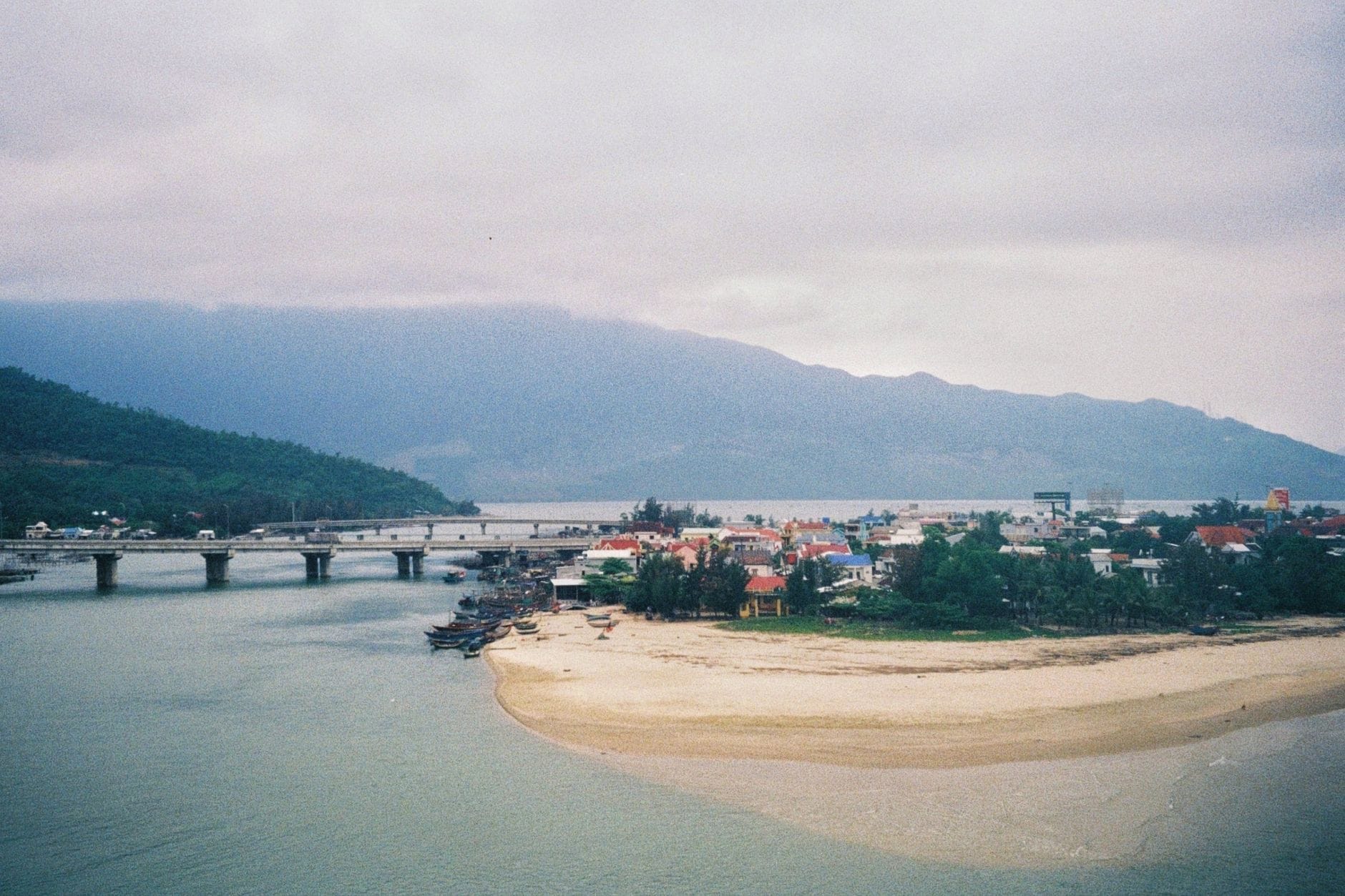
Lang Co Bay is not simply a beach stop on the road between Da Nang and Hue. In May 2009 it became the 30th member of the Club of the Most Beautiful Bays in the World, joining Ha Long Bay and Nha Trang Bay as Vietnam's three representatives on that international list. That recognition was not arbitrary. The bay stretches roughly 42.5 kilometres along a distinctive coastal geography: a long sandbar separates the open South China Sea from Lap An Lagoon, a calm inland body of water lined with fishing villages and mangrove margins. Behind the beach, the Truong Son mountain range rises sharply, and the green ridge of Hai Van Pass frames the southern end of the view. It is a layered landscape that photographs cannot fully capture.
Most visitors reach Lang Co as a natural continuation of crossing Hai Van Pass from Da Nang. After the dramatic switchbacks and panoramic lookouts on the pass road, the bay appears below as the road descends — a long, pale crescent against deep blue water. That first view from above is, genuinely, one of the most memorable coastal sightlines in central Vietnam.
💡 Local tip
If you are riding or driving over Hai Van Pass, build in time to stop at the gate viewpoint before descending to Lang Co. The bay looks entirely different from above than it does from the beach itself, and the two perspectives together make for a much richer visit.
The Beach Itself: What You Actually Experience
The main Lang Co Beach runs for about 10 kilometres along the seaward side of the sandbar. The sand is fine and pale, the kind that reflects midday heat intensely but stays cool and firm underfoot in the early morning. The sea bottom slopes gradually, making the shallow zone wide and safe for casual wading. Local sources describe the sandbar as having a low gradient with shallow water suitable for swimming, and this matches the physical reality of a gently shelving coastline rather than a steep shore.
Early mornings are the best time to be here. Before 8am, the light is soft and golden, the beach is quiet, and local fishermen are often pulling in or sorting their overnight catch at the waterline. The smell of salt and damp rope is sharp. By 10am the sun is strong and the beach begins to fill with Vietnamese domestic tourists, particularly on weekends when families from Hue arrive in force. By midday, shade is at a premium. If your priority is swimming rather than photography, the morning window from 7am to 10am offers both calm sea conditions and bearable temperatures.
The beach faces east-southeast, which means it catches the morning light directly. Afternoon light comes from behind the mountains to the west and can create dramatic contrast between the lit sea and shadowed hills — useful for photography. Sunset is not visible from the main beach face, but the lagoon side of the sandbar catches warm afternoon colour if you walk inland to the water's edge.
⚠️ What to skip
Lang Co is exposed to the South China Sea and is affected by the central Vietnam wet season. Between September and early December, swells can be significant and swimming conditions deteriorate. The beach does not always have lifeguard coverage, so exercise caution outside the March–September dry season.
Tickets & tours
Live prices and dates from our booking partner. If you book, we may earn a commission at no extra cost to you.
Full-day Marble Mountains and Lang Co Beach tour from Danang
From 71 €Instant confirmationFree cancellationPrivate transfer from Da Nang to Hue with stop at Hai Van and Lang Co
From 111 €Instant confirmationFree cancellationPrivate Return Transfer from Da Nang to Hai Van and Lang Co
From 85 €Instant confirmationFree cancellationPrivate transfer between Da Nang's city centre and Hai Van or Lang Co
From 95 €Instant confirmationFree cancellation
How to Get There from Da Nang
Lang Co Town sits on National Highway 1A in Phu Loc District, Thua Thien Hue Province. It is administratively part of Hue Province, not Da Nang, but it functions practically as a day trip destination from the city given the relatively short distance of about 30 kilometres.
There are two road options. The scenic choice is over Hai Van Pass on the original mountain road, which adds considerable time but delivers panoramic views and the chance to stop at the old French and American-era fortifications at Hai Van Gate. The faster option is the Hai Van Tunnel, a toll road that cuts through the mountain in around ten minutes. Most travellers use the pass on the way north and the tunnel on the return, or vice versa. By car or motorbike, expect around 35 to 45 minutes from central Da Nang, depending on which route you take and how many stops you make.
If you prefer not to drive, the Hue–Da Nang intercity bus route has been in operation since 2019 and stops in the Lang Co area. Alternatively, Vietnam's North–South railway passes directly through Lang Co, with a station in town; the train from Da Nang to Lang Co takes about 2 hours. The train option is worth considering if you plan to continue on to Hue rather than returning to Da Nang the same day — the coastal rail segment between Lang Co and Hue is frequently cited as one of the most scenic train journeys in the country.
ℹ️ Good to know
Hiring a private car with driver from Da Nang is the most flexible option for a day trip: it lets you stop at Hai Van Pass, spend time at the beach, and return on your own schedule. Negotiate the full day rate before departing. Ride-hailing apps are available in Da Nang but may not reliably cover the distance to Lang Co.
The Lagoon Side: Lap An and the Fishing Village Perspective
Visitors who only walk the ocean-facing beach miss a significant part of what makes Lang Co distinctive. On the landward side of the sandbar, Lap An Lagoon stretches north toward Hue, ringed by low mangroves and dotted with floating fish farms. The light on the lagoon in the early morning is exceptional: still water acting as a near-perfect mirror for the mountains behind. Herons and egrets work the shallows regularly. The smell here is fishier and earthier than the salt-clean ocean side, but the visual reward is different and worth the short walk across.
Lang Co Town itself is a working fishing settlement, not a resort development. You will find small seafood restaurants serving whatever came in that morning: mantis shrimp, clams, squid grilled over charcoal. Prices are notably lower than the beach restaurants closer to the highway, and the quality is often better. Asking what is fresh that day rather than ordering from a fixed menu tends to produce better results.
Photography and Viewing Conditions
The canonical Lang Co photograph — the one that appears on most travel sites — is taken from a high vantage on Hai Van Pass looking north down the bay, with the sandbar visible as a thin line separating lagoon from sea. This shot requires you to be on the pass road, not at the beach itself. See our guide to Da Nang's best viewpoints for detail on the exact stopping points on the pass. The light for this angle is best in the morning when the sun is behind you and illuminating the bay face-on.
From the beach level, wide-angle shots work well in the early morning and late afternoon. The mountain backdrop to the south gives depth to beach compositions that a flat coastal scene would otherwise lack. Overcast days, while not ideal for swimming, often produce richer colour in the water — the jade-green tones of the bay show more distinctly under diffused light than in harsh midday sun.
Practical Notes Before You Go
Lang Co Beach is a public natural area with no entrance fee and no formal operating hours. Bring cash in Vietnamese đồng for food and any hired equipment at the beach — card payment is not reliably available at smaller establishments. Sunscreen, a hat, and plenty of water are essential from April through August when temperatures are high. The beach offers little natural shade. Lang Co works well as one stop within a broader day trip that also includes the pass; our day trips from Da Nang guide covers this itinerary in full.
For travellers considering a multi-day itinerary combining Da Nang, Lang Co, and Hue, the central Vietnam itinerary guide provides a useful sequence. Lang Co works equally well as a final stop on the way back from Hue as it does as an outbound day trip from Da Nang.
No verifiable information is available on formal wheelchair access, ramps, or accessibility infrastructure at the main beach. The beach surface is natural sand and the access roads from the highway are standard asphalt. Travellers with specific mobility requirements should confirm conditions locally before visiting.
Who May Not Enjoy Lang Co
Lang Co is not a developed resort beach. There are no guaranteed beachside loungers for hire, no consistent water sports operators, and no nightlife. Travellers expecting the polish and infrastructure of a resort destination like nearby Ba Na Hills will find it underwhelming. In peak domestic tourist season, particularly Vietnamese national holidays, the beach around the main access points gets crowded and littered. If you want solitude, walking further along the 10-kilometre shoreline away from the central access point delivers a noticeably different, quieter experience.
Insider Tips
- Take the pass road north to Lang Co and return via the Hai Van Tunnel — you get the panoramic descent view of the bay on arrival, and a fast return when you are ready to head back to Da Nang.
- Walk south along the beach past the main cluster of umbrellas and vendors. After about 15 minutes on foot the crowd thins considerably and the views of the Hai Van ridge from the tideline are cleaner.
- For the best lagoon light, cross to the Lap An side of the sandbar between 6am and 8am. The reflection of the mountains in still water at that hour is the visual highlight of the whole area, yet almost no visitors bother to make the short walk.
- Eat at the small seafood places in Lang Co Town itself, not the larger highway-facing restaurants. The fish, clams, and mantis shrimp are noticeably fresher and prices are lower. Ask what came in that morning.
- The Hue–Da Nang train is an underused option for this trip. You can take the train to Lang Co Station, spend the day, and catch a return service. Check the Vietnam Railways schedule in advance as services are limited.
Who Is Lang Co Bay For?
- Road-trippers combining Hai Van Pass with a beach stop
- Photographers seeking the classic aerial bay shot and morning lagoon reflections
- Travellers on the Hue–Da Nang corridor who want a scenic break between cities
- Seafood lovers looking for a low-key, affordable Vietnamese fishing-town lunch stop
- Couples or small groups wanting a quieter alternative to Da Nang's main beaches
Nearby Attractions
Other things to see while in Hai Van Pass & North Da Nang:
- Hai Van Gate
Perched at nearly 496 metres on the Truong Son range, Hai Van Gate is a restored 19th-century Nguyen Dynasty citadel marking the boundary between Da Nang and Thua Thien Hue Province. Reopened in August 2024 after a major restoration, it offers free admission, sweeping coastal panoramas, and about 200 years of layered military history in a single compact site.
- Hai Van Pass
Stretching roughly 20 kilometres and reaching a 496‑metre summit between Da Nang and Hue, Hai Van Pass (Đèo Hải Vân) is one of Vietnam's great scenic drives. The road is free to use, open around the clock, and delivers sweeping views of the East Sea on one side and jungle-clad mountains on the other. Whether you ride a motorbike, hire a car, or join an organised tour, the journey over the pass is the destination.
- Nam O Reef & Village
Nam O Reef sits at the edge of a 400-year-old fishing village in Lien Chieu District, about 17 km northwest of Da Nang's center. A free, crowd-light coastal site with a rocky tidal reef, working boats, and one of central Vietnam's last traditional fish sauce communities, it rewards travelers who look beyond the main beach strip.
Planning a trip? Discover personalized activities with the Nomado app.