Getting Around Da Nang: Every Transport Option Explained
Da Nang is one of Vietnam's most navigable cities, with most tourist areas packed into a 5–15 km radius. This guide breaks down every way to get around, from Grab bikes to city buses, with real fare ranges, key routes, and practical advice on what to avoid.
Tickets & tours
Live prices and dates from our booking partner. If you book, we may earn a commission at no extra cost to you.
TL;DR
- Grab (car and bike) is the easiest, most reliable option for most visitors: fares are fixed in-app before you confirm, so no negotiating.
- City buses cost as little as 5,000–6,000 VND per ride but stop running by early evening and are slow on some routes.
- Metered taxis from Mai Linh and Vinasun are trustworthy; always confirm the meter is running before moving.
- Motorbike rental (around 200,000 VND per day) opens up coastal roads and the Hai Van Pass area, but requires a valid licence and confident riding in Vietnamese traffic.
- The Da Nang to Hoi An route is served by Bus No. 1 for around 30,000 VND, or a Grab for roughly 250,000–400,000 VND. See our full Da Nang to Hoi An guide for all options.
How Da Nang Is Laid Out: Why Getting Around Is Easier Than You Think
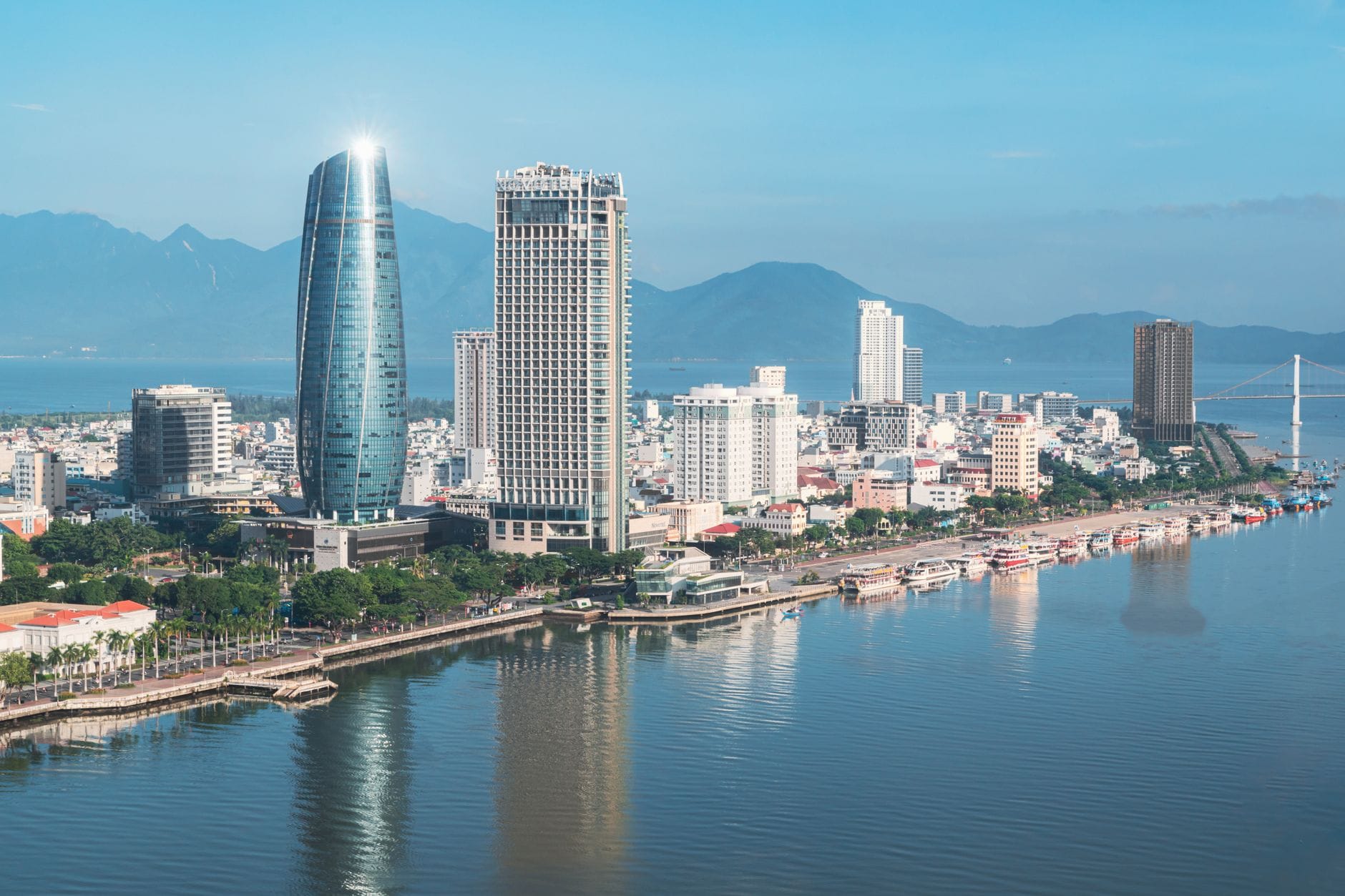
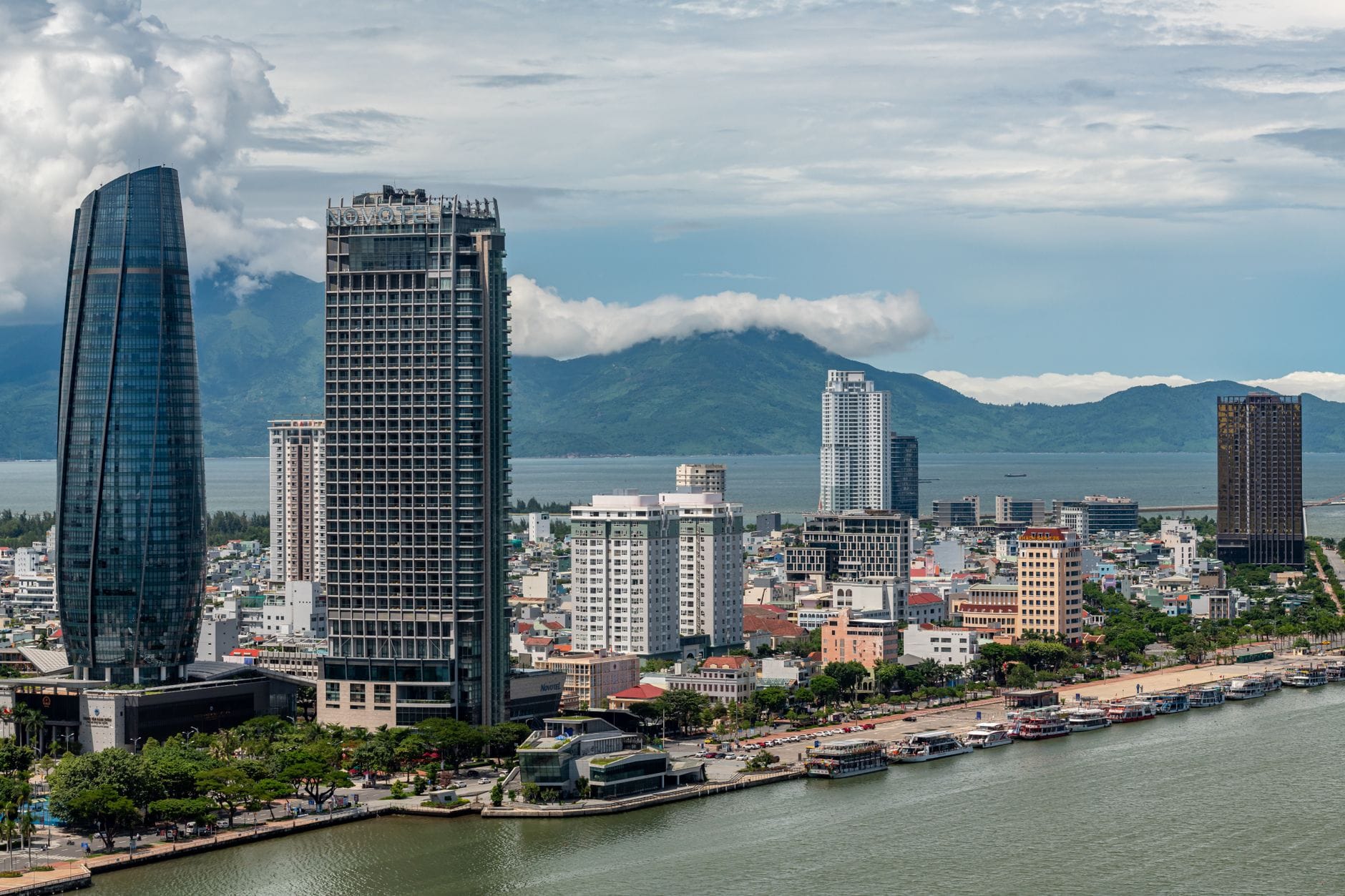
Da Nang is a centrally governed municipality on Vietnam's South Central Coast, sitting at the mouth of the Han River. It covers roughly 1,255 km² in total, but the areas visitors actually move between, including the city center in Hai Chau district, My Khe Beach, Da Nang International Airport (IATA: DAD), the train station, and the Marble Mountains, are all within a 5–15 km corridor running north to south along the coast. That compactness is what makes the city so manageable.
The airport is roughly 3–5 km from the Hai Chau district center, closer than most major Vietnamese cities. Son Tra Peninsula sits just northeast of downtown. The Marble Mountains (Ngu Hanh Son) in Ngu Hanh Son district are about 9 km south. Even Ba Na Hills, which sits in the mountains to the west, is accessible as a day trip. For most practical purposes, a 30–40 minute ride covers almost any tourist-to-tourist journey in the city.
ℹ️ Good to know
Da Nang has no metro system. Urban transport relies on city buses, taxis, ride-hailing apps, and private motorbike or car rental. Plans for a Bus Rapid Transit (BRT) network have been discussed at government level, but as of 2026 no BRT operates in the city. Check current status locally.
Grab and Ride-Hailing: The Default Choice for Most Visitors
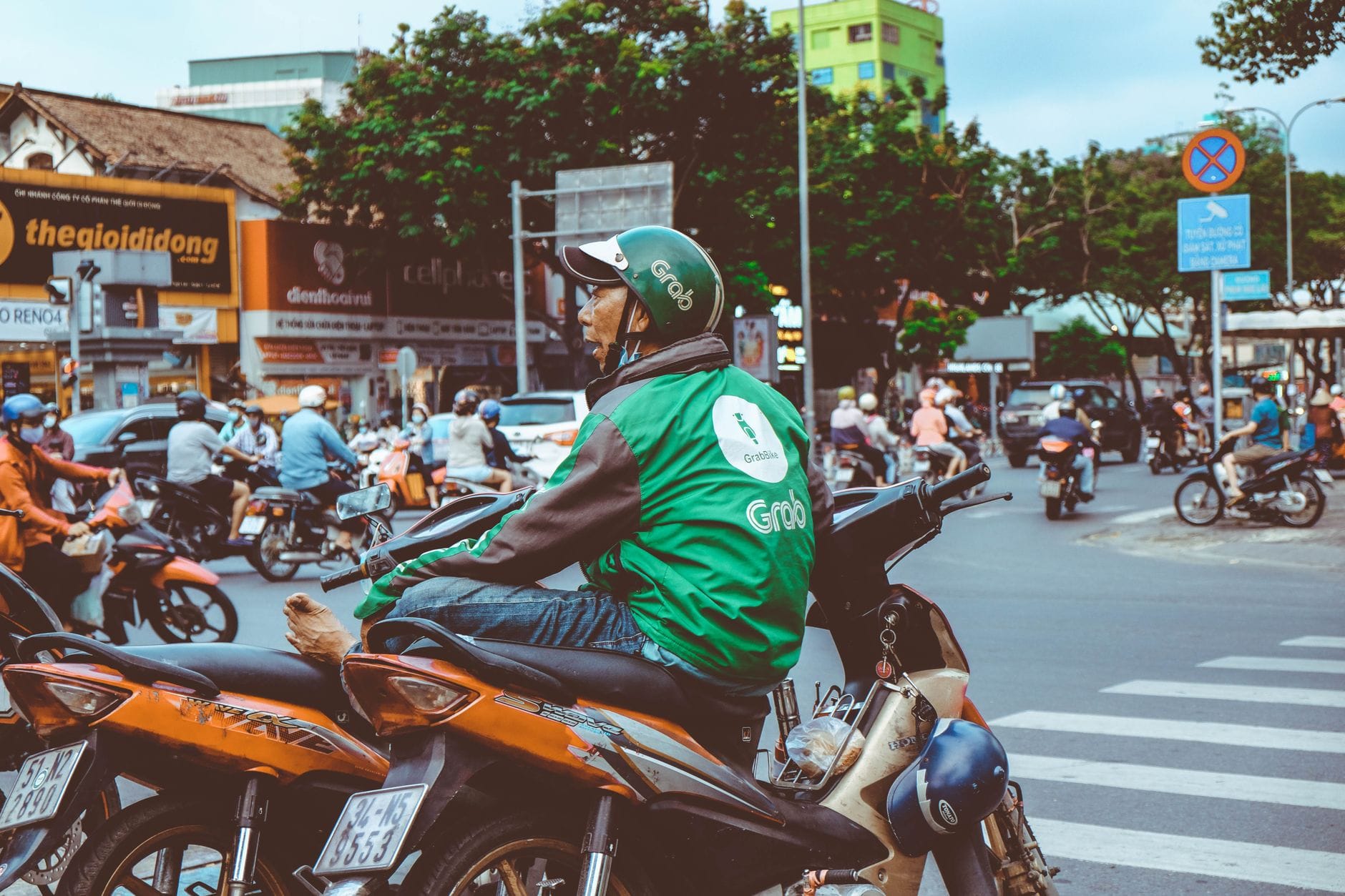
Grab is firmly established in Da Nang, both for GrabBike (motorbike taxi) and GrabCar. The Be app is the main local competitor and works on the same principle: you enter your destination, the fare is calculated and shown before you confirm, and payment can be done via the app or in cash. This removes the haggling and meter uncertainty that can be stressful in other Vietnamese cities.
- GrabBike Short city rides: 30,000–50,000 VND. Cross-town average around 40,000 VND. Fast, cheap, and easy to flag through the app. Not ideal in heavy rain or for riders with large luggage.
- GrabCar Short to mid-range trips: 50,000–100,000 VND. More comfortable and practical if you have bags or are travelling as a pair. Slightly longer wait times than GrabBike.
- Be App Comparable pricing to Grab. Good as a backup if Grab drivers are unavailable during peak periods like Tet or summer holidays. Download before you arrive.
💡 Local tip
During Tet holiday and the summer school holidays (June to August), demand spikes and surge pricing kicks in on both Grab and Be. If you need a ride at a specific time, book 10–15 minutes early rather than flagging on demand. The Da Nang International Fireworks Festival also creates city-wide congestion on event nights.
Metered Taxis: Reliable, But Know the Rules
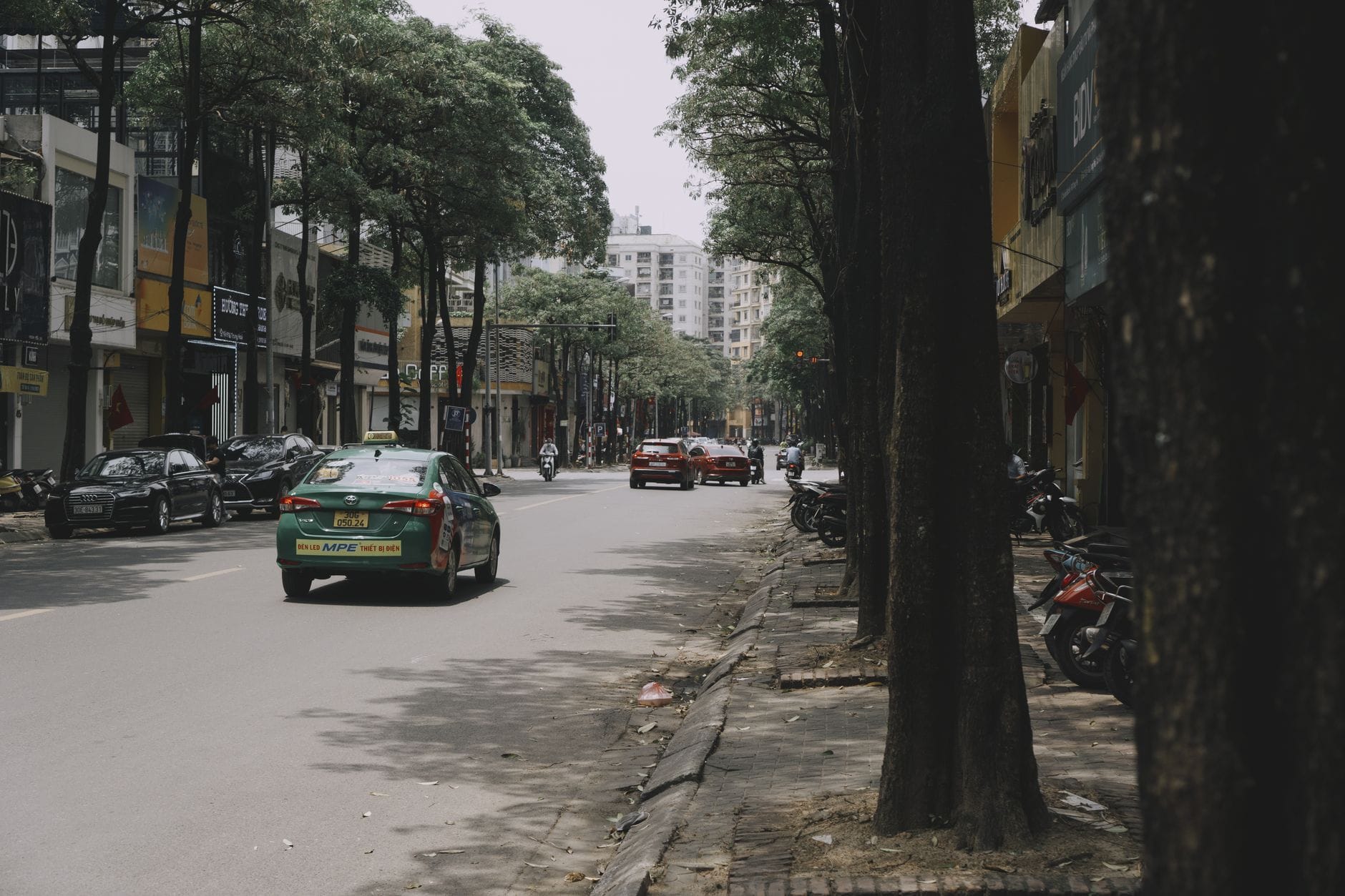
Da Nang's established taxi companies use metered fares and are generally trustworthy. The main names to look for are Mai Linh (green), Vinasun (white), Tien Sa, Sun Taxi, and the newer Xanh SM Taxi (electric vehicles run by VinFast). Typical metered rates run around 10,000–16,000 VND per km, with a base meter flag-fall in a similar range. A ride from the airport to the Han River downtown area will usually come in around 80,000–120,000 VND.
Taxis queue reliably at Da Nang International Airport, major shopping malls, and popular tourist spots. The biggest practical risk is unlicensed or fake taxis near the airport and tourist areas. Stick to vehicles with the company name clearly marked on the door, a working meter, and a printed rate card (required by law). If the driver refuses to start the meter, get out and find another cab.
⚠️ What to skip
Fake taxis targeting tourists operate near Da Nang Airport and some beach hotels. They often have similar color schemes to legitimate companies but no company ID on the door or a tampered meter. Using Grab or only boarding clearly marked Mai Linh and Vinasun vehicles eliminates this risk almost entirely.
City Buses: The Budget Option With Real Limitations
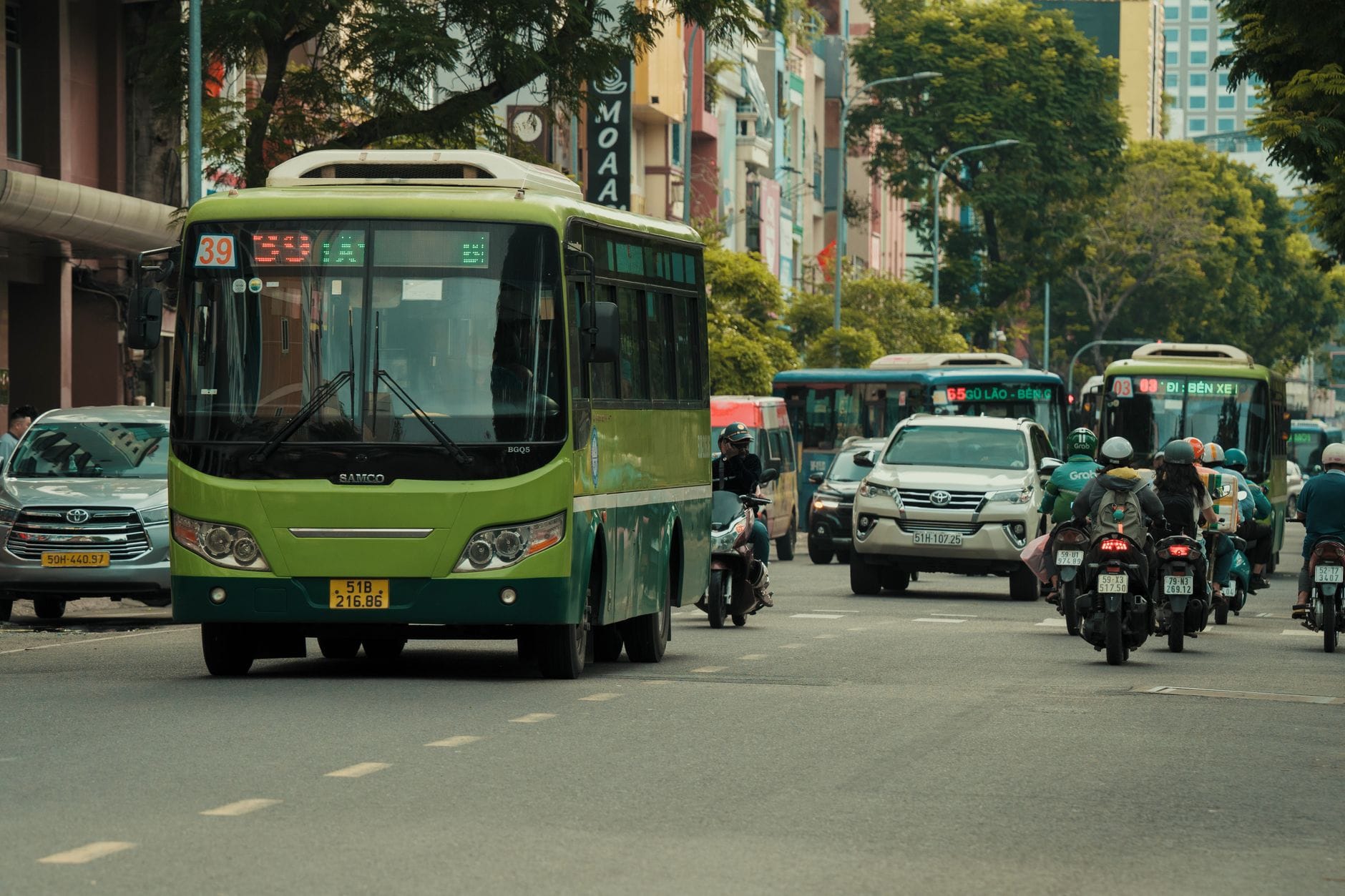
Da Nang operates a city bus network managed by Da Nang Bus Management (danangbus.vn). Inner-city fares are 5,000–6,000 VND per ride, paid in cash directly to the conductor or driver, making them the cheapest way to move around by a significant margin. The most useful route for visitors is Bus No. 1, which connects Da Nang city center to Hoi An for around 30,000 VND, running every 20–30 minutes and taking roughly 60–70 minutes depending on traffic.
The network runs roughly 05:30–21:00, though many routes stop earlier, around 18:00–19:30 on some lines. Frequencies range from every 10 minutes on busy corridors to every 40 minutes on quieter routes. The buses are practical for daytime travel along main roads but not useful after dark, and the network does not serve all tourist destinations with equal convenience.
- Fares: 5,000–8,000 VND for inner-city routes, higher on longer inter-provincial routes. Pay in cash to the driver or conductor.
- Bus No. 1 (Da Nang to Hoi An): around 20,000–30,000 VND, every 20–30 minutes, takes 60–70 minutes.
- Most routes finish between 18:00 and 21:00. Do not count on buses for late-night travel.
- Route maps and schedules in Vietnamese: danangbus.vn. Google Maps also covers most Da Nang bus routes reliably.
- Air-conditioned on most modern vehicles. Crowded during morning and evening rush hours on main routes.
Motorbike Rental: Freedom and Risk in Equal Measure
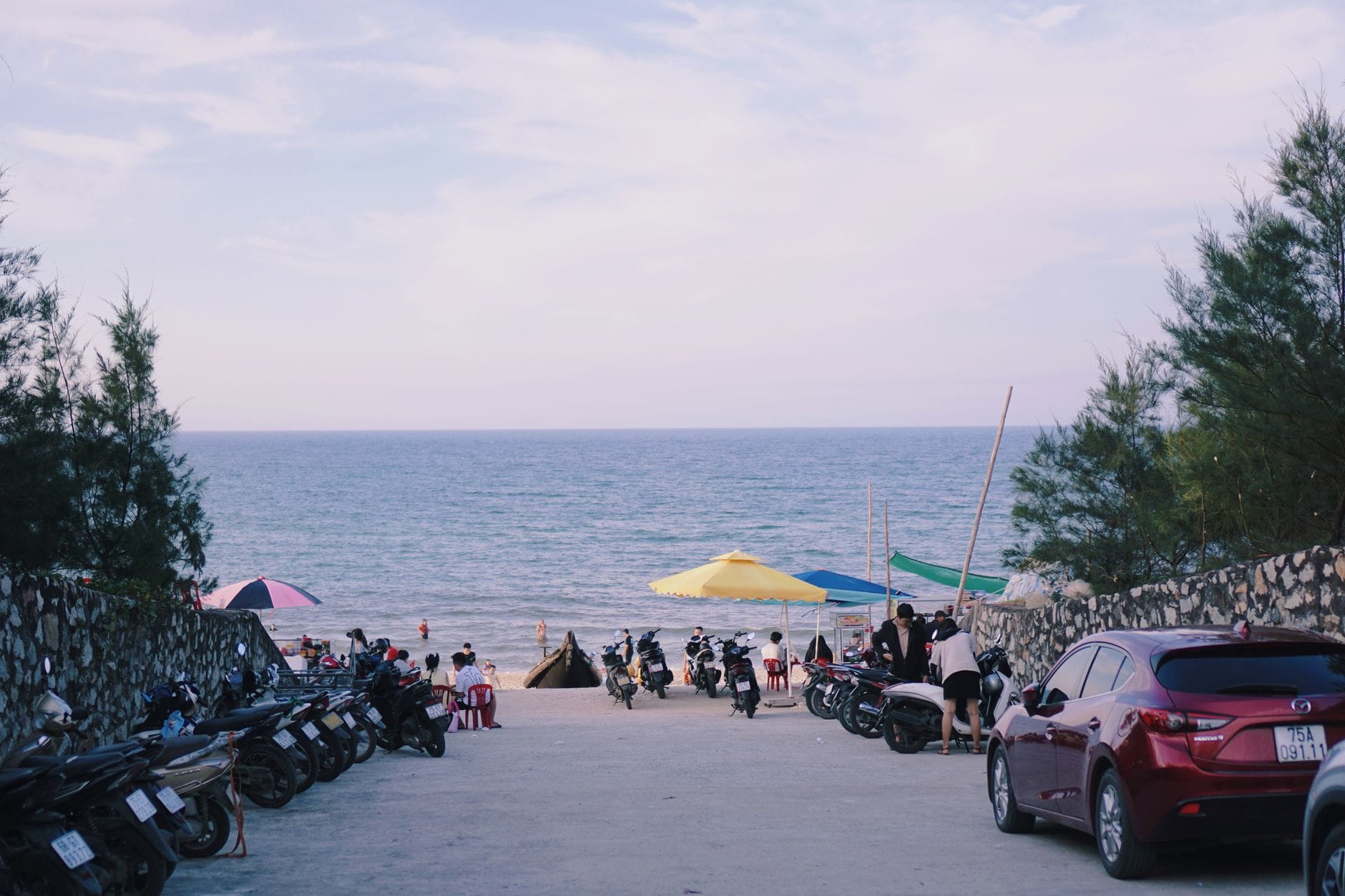
Renting a scooter gives you access to parts of Da Nang that no bus reaches conveniently: the coastal road around Son Tra Peninsula, the back roads around the Marble Mountains, and the switchbacks up towards Hai Van Pass. Daily rental rates are typically around 200,000 VND for a basic automatic scooter, with some rental shops on tourist streets offering day-trip rates to Hoi An in the 80,000–150,000 VND range.
This option is not for everyone. Vietnamese traffic operates on different conventions from Western countries, urban intersections can be chaotic, and rain in the September to January wet season makes roads genuinely slippery. That said, for experienced motorbike riders, it is the most flexible and rewarding way to explore the city and its surroundings. Always carry your licence (an International Driving Permit is recommended), wear a helmet at all times, and avoid night riding outside the city center where road quality varies.
✨ Pro tip
If you want the motorbike experience without the full responsibility of renting, hire an 'Easy Rider' (a local driver who takes you on the back of their bike) for day trips to places like Hai Van Pass or the Marble Mountains. Rates are negotiable and typically include a guide commentary. Agree on the full route, price, and return time before departing.
Getting to Key Destinations From the City Center

Da Nang's compact layout means most journeys from the Hai Chau district center take under 30 minutes. For longer day trips, such as Ba Na Hills or crossing the Hai Van Pass to Lang Co, private car hire or a tour vehicle is the most practical choice, as public buses do not serve these routes directly.
- Airport (DAD) to city center 3–5 km. GrabCar: 50,000–80,000 VND. Metered taxi: similar range. Airport bus: check current routes at danangbus.vn. Journey time: 10–20 minutes outside rush hour.
- City center to My Khe Beach Around 3 km across the Han River. GrabBike: 30,000–40,000 VND. Walking across the Dragon Bridge is possible and popular in the evening.
- City center to Marble Mountains Around 9 km south. GrabCar: 80,000–120,000 VND. Bus: routes available, check danangbus.vn. Journey time: 20–30 minutes.
- City center to Ba Na Hills Around 25–30 km west. No direct public bus. Grab or taxi one-way: 250,000–400,000 VND. Most visitors join a tour or book a private car for a round trip.
- Da Nang to Hoi An Around 25–30 km south. Bus No. 1: 30,000 VND, 60–70 minutes. GrabCar or taxi: 250,000–400,000 VND, 30–40 minutes. Motorbike: 45–60 minutes via the coastal road, scenic route recommended.
If you plan to use Da Nang as a base for broader Central Vietnam travel, the city's train station connects to Hue to the north and is on Vietnam's main North-South rail line. For the full picture on day trips, see our guide to day trips from Da Nang and the Central Vietnam itinerary if you are planning a multi-city route.
Practical Tips Before You Go
A few logistics worth knowing before arriving: all transactions are in Vietnamese dong (VND). Cash is king for city buses, local food stalls, and smaller motorbike rental shops. Grab and most taxis in tourist areas accept cash or in-app card payment. ATMs are widely available in the Hai Chau district and around My Khe Beach.
- Download Grab and Google Maps before arrival. Maps works reliably for bus routes, walking, and driving in Da Nang.
- Google Translate with the camera function is useful for reading Vietnamese bus signs and route boards.
- Emergency numbers: Police 113, Fire and Rescue 114, Ambulance 115. Vietnam country code: +84, Da Nang area code: 236.
- Rainy season (roughly September to January) makes motorbike travel less pleasant and sometimes genuinely dangerous. Stick to taxis and Grab during heavy downpours.
- Vietnam uses 220V/50Hz electricity with Type A, C, and sometimes G plugs. Bring a universal adaptor for charging phones and apps you will rely on for transport.
For broader trip planning, our guide on the best time to visit Da Nang covers how seasons affect not just weather but also traffic, pricing, and event crowds. If this is your first visit, the 3 days in Da Nang itinerary is built around realistic transport times between all the key stops.
FAQ
Is Grab available in Da Nang?
Yes, Grab is widely available in Da Nang for both GrabBike and GrabCar. It works the same as in Hanoi or Ho Chi Minh City: open the app, set your destination, confirm the fare, and a driver is assigned. The Be app is a solid backup option. Both are well-established in the city.
How do I get from Da Nang Airport to the city center?
The airport is only 3–5 km from the Hai Chau district center. A GrabCar typically costs 50,000–80,000 VND and takes 10–20 minutes outside rush hour. Metered taxis (Mai Linh, Vinasun) queue at the arrival exit and charge comparable rates. Check danangbus.vn for any current public bus routes serving the airport.
What is the cheapest way to get from Da Nang to Hoi An?
Bus No. 1 is the cheapest option at around 30,000 VND, running every 20–30 minutes and taking 60–70 minutes. A GrabCar or metered taxi costs roughly 250,000–400,000 VND but takes only 30–40 minutes. Motorbike rental is another option for confident riders, with the coastal road being the most scenic route.
Are metered taxis in Da Nang reliable?
The established companies, specifically Mai Linh, Vinasun, and Xanh SM, use metered fares and are generally trustworthy. Always confirm the meter starts running before the car moves. Avoid unmarked or suspiciously cheap taxis near the airport and beach hotels, as unlicensed operators do target tourists in these areas.
Can I rent a motorbike in Da Nang as a foreigner?
Yes, many rental shops in tourist areas rent scooters to foreigners for around 200,000 VND per day. You should carry a valid driving licence and ideally an International Driving Permit. Helmets are legally required and always provided. Be aware that traffic conventions differ from Western countries and the wet season (roughly September to January) increases road risk significantly.
Tickets & tours
Live prices and dates from our booking partner. If you book, we may earn a commission at no extra cost to you.
Planning a trip? Discover personalized activities with the Nomado app.