Da Nang Airport: Arrivals, Transfers & Getting to the City
Da Nang International Airport (DAD) is one of the most conveniently located airports in Southeast Asia, sitting roughly 3–5 km from downtown. This guide covers the arrivals process, visa on arrival requirements, every transfer option to the city, and how to reach Hoi An from the airport.
Tickets & tours
Live prices and dates from our booking partner. If you book, we may earn a commission at no extra cost to you.
TL;DR
- Da Nang International Airport (IATA: DAD) is roughly 3 km from central Da Nang, making it one of the closest major airports to a city centre in Vietnam.
- Hoi An has no airport of its own. Da Nang Airport is the gateway, located about about 30 km from Hoi An. See our guide on getting from Da Nang to Hoi An for all transfer options.
- Visa on arrival requires an Approval Letter obtained before you fly. You cannot walk in without pre-arranged paperwork.
- Grab (ride-hailing) is the most reliable and transparent way to get to your hotel. Taxis work too, but confirm the fare before you get in.
- Public buses (Danabus) connect the airport to the city for a fraction of taxi prices, but frequencies drop in the evening.
Airport Overview: What to Expect at DAD
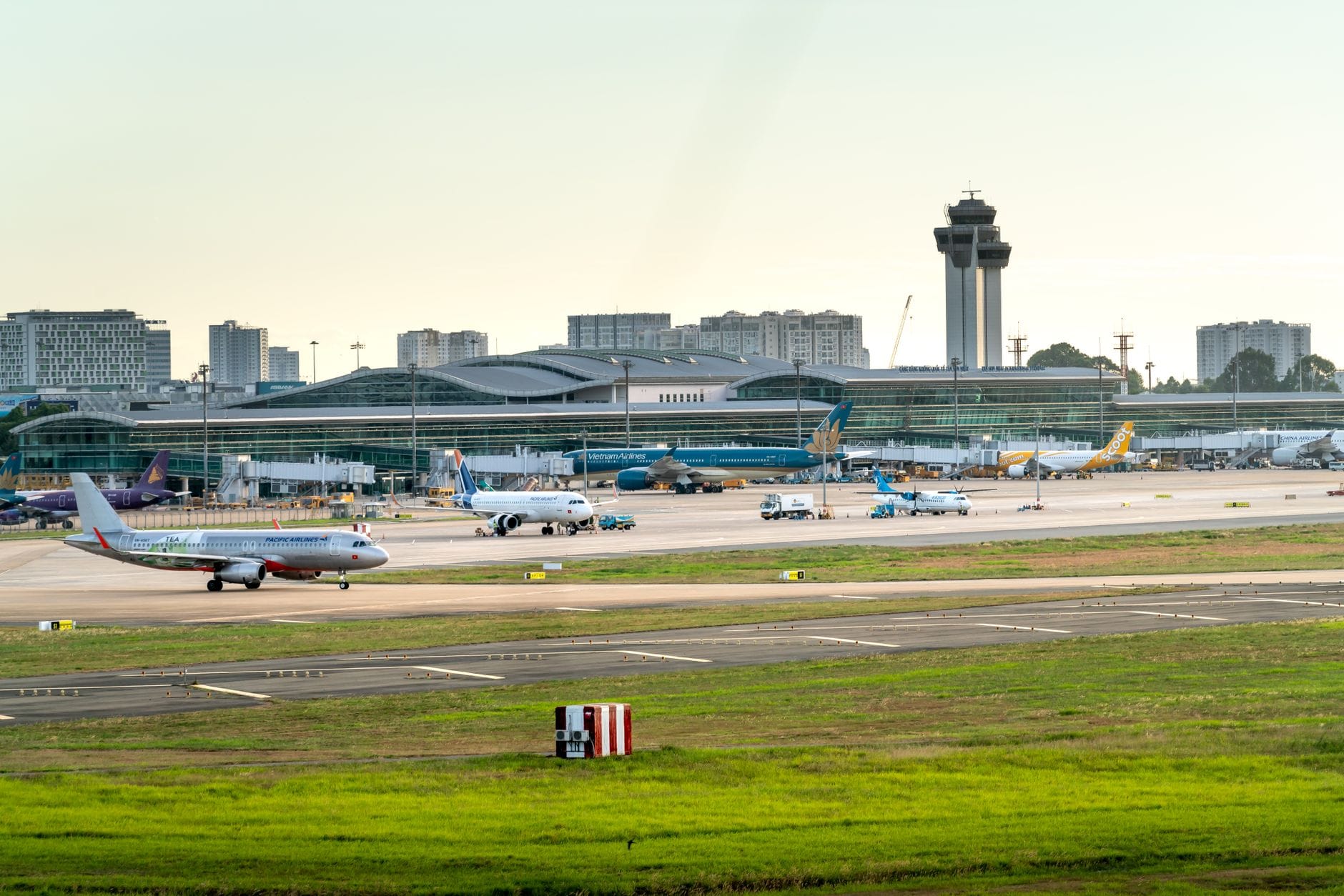
Da Nang International Airport (DAD) is the primary air gateway for central Vietnam. It handles both domestic and international flights, with around a hundred or more scheduled departures per day at peak periods. The airport is managed under Vietnam's Airports Corporation of Vietnam (ACV) and serves as the busiest airport between Hanoi and Ho Chi Minh City.
The terminal layout is straightforward by regional standards. Arrivals, including the visa on arrival desk, immigration, baggage claim, and ground transport, are all on the ground floor. The compact size means that from aircraft door to taxi stand typically takes 30–45 minutes under normal immigration queue conditions, and can stretch to 60–90 minutes on peak international arrivals, particularly during summer (June to August) and around Tet (late January or February).
ℹ️ Good to know
Da Nang operates on Indochina Time (ICT), UTC+7, with no daylight saving adjustments. Vietnam uses a single nationwide time zone, so there is no confusion traveling between cities.
The airport's location within Hai Chau District means it sits directly inside the urban fabric of Da Nang. The beach strip along My Khe Beach is under 5 km away, and the Han River downtown is similarly close. If you are heading somewhere on the Son Tra Peninsula or Ngu Hanh Son District, expect 15–25 minutes by car depending on traffic.
Arrivals & Immigration: Step by Step
The arrivals process at Da Nang Airport follows Vietnam's standard immigration procedure. After disembarking, you pass through immigration control, collect baggage, then clear customs. For most nationalities with pre-arranged visas or e-visas, the process is routine. Where it gets more involved is if you are using visa on arrival.
- Passport requirements Your passport must have at least 6 months of validity remaining from your entry date, plus at least one blank page for the visa stamp. These are non-negotiable requirements at Vietnamese immigration.
- E-visa holders If you applied for a Vietnam e-visa online before traveling (available to citizens of many countries for stays up to 90 days), proceed directly to the immigration counter. No additional desk or paperwork is needed at the airport.
- Visa on arrival The visa on arrival office is located on the ground floor of the arrivals terminal. You must present your passport, a valid Approval Letter obtained from Vietnam Immigration before your trip, two passport-sized photos, and pay the stamping fee in cash (USD is widely accepted). You cannot obtain this approval at the airport itself.
- Visa-exempt nationalities Several nationalities enjoy visa-free entry to Vietnam for short stays (commonly 15–45 days depending on bilateral agreements). Check current rules with Vietnam's Ministry of Foreign Affairs or your country's embassy, as exemption lists and durations are updated periodically.
⚠️ What to skip
A common mistake: travelers assume they can get a visa on arrival with no preparation. You cannot. You must obtain an official Approval Letter from Vietnam Immigration (typically through a licensed agent or directly via the immigration portal) before you board your flight. Arriving without one means you cannot enter.
Real-time flight arrival status, including delays and gate information, is available through the official Da Nang Airport website at danangairport.vn. Third-party trackers like Avionio and Airports Worldwide also carry live data and are useful for checking arrival times before heading to pick someone up.
Getting from Da Nang Airport to the City
Because the airport sits inside Da Nang's urban area, transfers to most hotels are short and inexpensive compared to airports in many other Southeast Asian cities. The options below cover every realistic scenario. For broader transport tips once you are in the city, the getting around Da Nang guide covers motorbike rental, city buses, and day-trip logistics.
- Grab (ride-hailing): Best overall option Grab operates in Da Nang and has a designated pick-up zone outside the arrivals terminal. Fares are metered and shown in the app before you confirm, which eliminates price negotiation. GrabCar to central Da Nang typically runs around 50,000–80,000 VND (roughly $2–3 USD). InDrive is also available and sometimes cheaper on longer routes. Both require a Vietnamese SIM or working roaming data to use.
- Taxi: Reliable but verify the fare first Licensed taxis are available 24/7 at the airport. Reputable operators include Mai Linh (green livery) and Vinasun. Always use the meter or agree on a fixed fare before departure. The short distance to downtown means a taxi should cost around 70,000–120,000 VND depending on exact destination. Avoid unofficial or unmarked vehicles approaching you inside the terminal.
- Danabus (public bus): Cheapest option Da Nang's city bus network, branded Danabus, connects the airport to various districts. Fares are a fraction of taxi prices, typically 7,000–15,000 VND per journey. Routes and timetables are on danangbus.vn, with a hotline at +84 236 371 1468. Bus frequency drops significantly in the evening and early morning, so this option works best for daytime arrivals with light luggage.
- Pre-booked private transfer: Best for groups or late arrivals Hotels and third-party services offer fixed-price airport transfers, often 150,000–250,000 VND to central Da Nang. This is worth considering for late-night flights when bus services are sparse, or for families with significant luggage. Book through your hotel or a trusted platform in advance.
- Hai Van Bus: Regional connections For travelers heading north toward Hue or other regional destinations, Hai Van Bus provides services from the airport area. Hotline: +84 915 472 525 / 1900 6763. Confirm routes and schedules directly as these change seasonally.
✨ Pro tip
Buy a local SIM card at the airport arrivals hall before exiting. Viettel, Mobifone, and Vietnamobile all have counters there. A data SIM costs around 100,000–200,000 VND and gives you access to Grab, Google Maps, and translation apps for your entire stay. This single step makes every subsequent transfer and navigation task significantly easier.
Da Nang Airport to Hoi An: Your Options

Hoi An is the most common onward destination from Da Nang Airport. The ancient town sits about 30 km south of the airport by road, and the journey takes roughly 45–60 minutes depending on traffic and route. There is no train or direct bus link between the airport and Hoi An's old town, so all transfers involve road transport. The full breakdown of options, costs, and which to choose is in our dedicated guide on traveling from Da Nang to Hoi An.
- Grab or taxi direct to Hoi An The most straightforward option. A GrabCar from the airport to Hoi An Old Town costs roughly 200,000–350,000 VND and takes 30–45 minutes. Metered taxis run a similar range. This is the go-to for anyone who values simplicity over saving a few dollars.
- Shared shuttle bus Several operators run shared minibuses from Da Nang Airport to Hoi An accommodation. These are cheaper than a private taxi but involve waiting for the vehicle to fill and stopping at multiple hotels. Expect to pay around 80,000–120,000 VND per person. Book in advance through your Hoi An hotel or a reputable travel desk.
- Motorbike taxi (xe om) Only practical if you are traveling very light and are comfortable on the back of a motorbike on Vietnamese roads. Not recommended for families or anyone with more than a day bag.
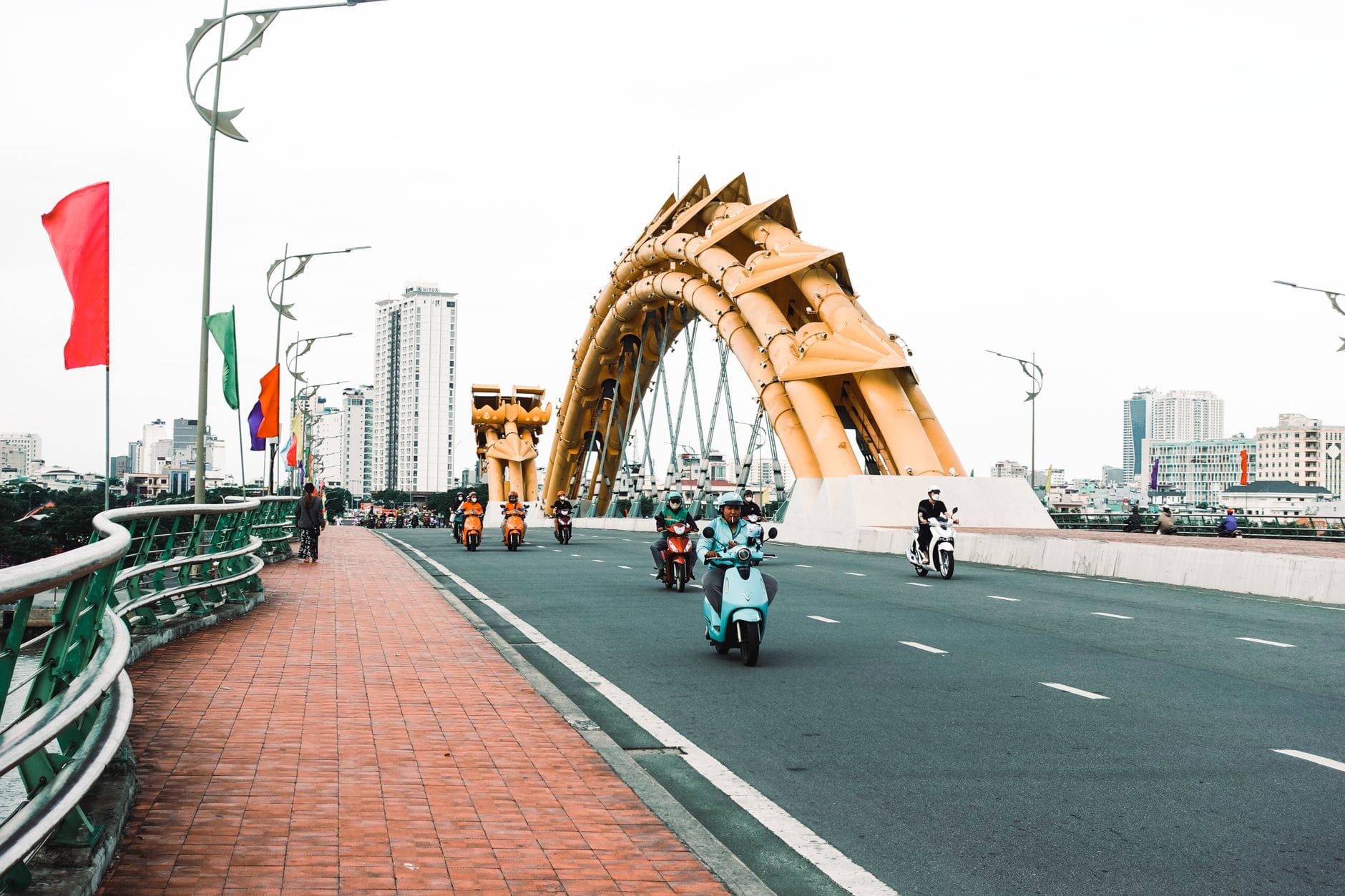
If you have a day or two before continuing to Hoi An, Da Nang itself has plenty to occupy you. The Marble Mountains sit directly on the road between the airport and Hoi An, making them a logical first stop if your hotel allows an early check-in or luggage storage. The Dragon Bridge and the Han River waterfront are a short taxi ride from the airport and good for stretching your legs after a flight.
Flight Connections and Timing at DAD
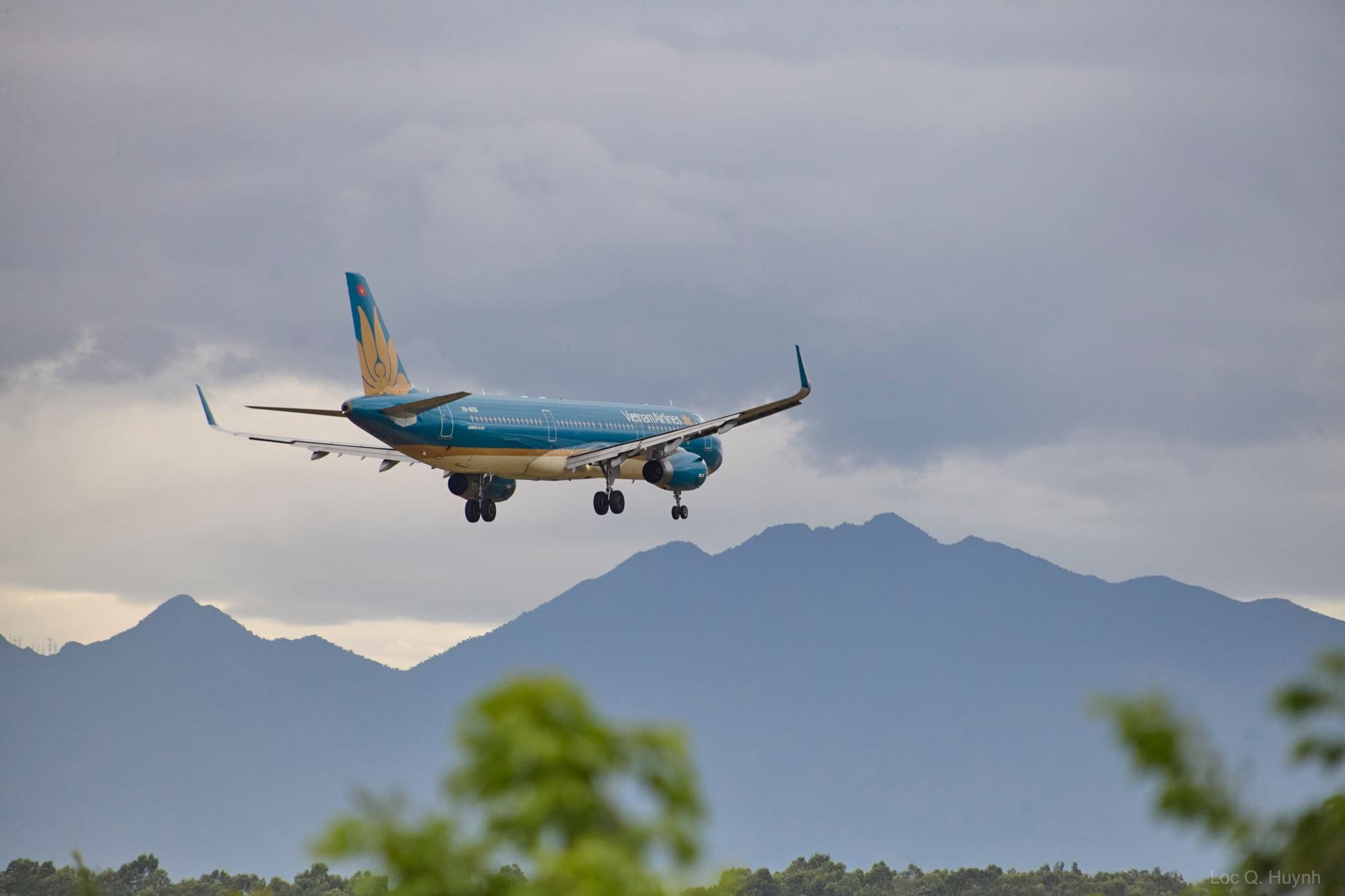
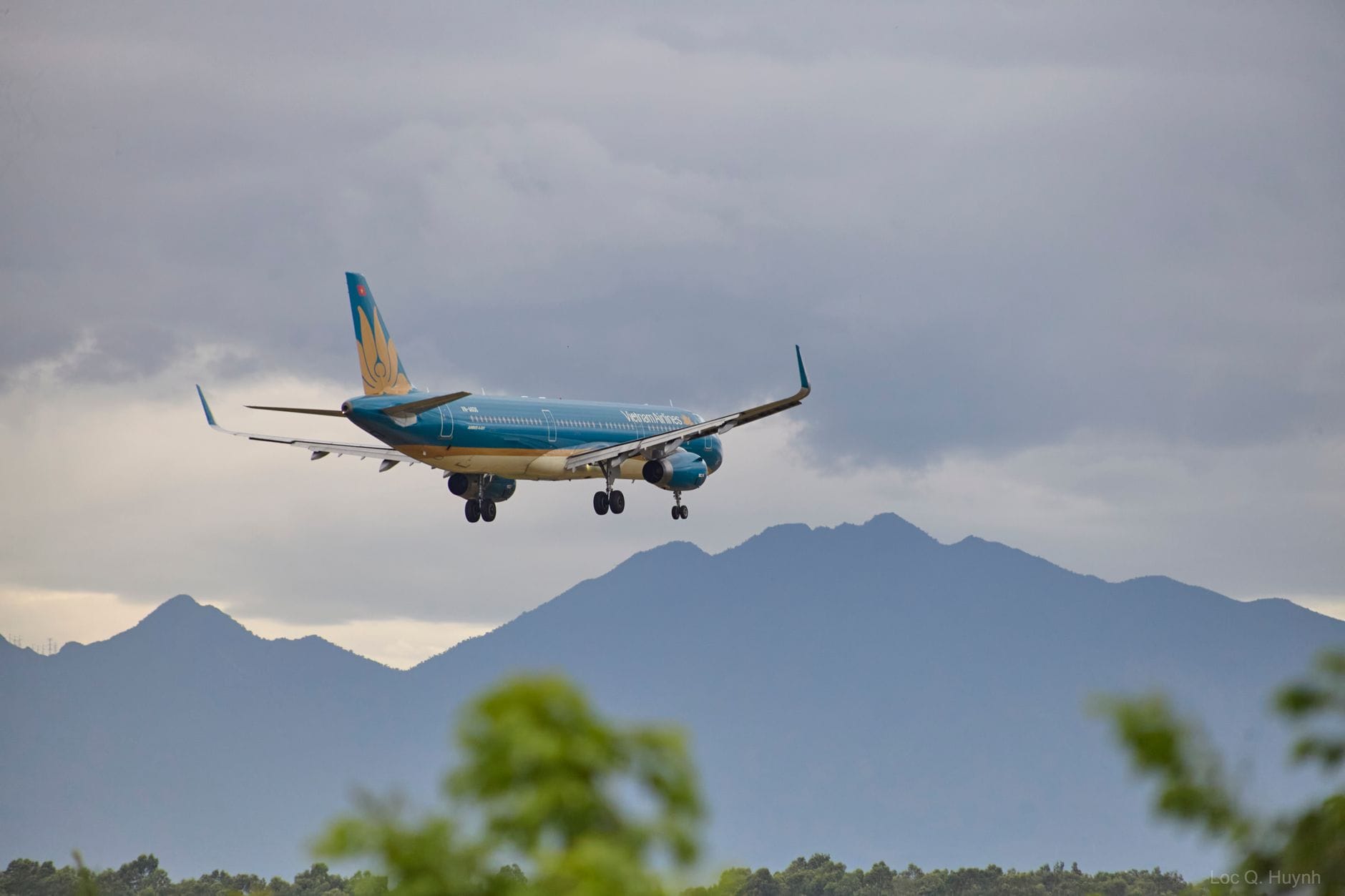
Da Nang Airport handles a substantial volume of both domestic and international traffic. Domestically, it is one of the busiest airports in Vietnam, with frequent services to Ho Chi Minh City (Tan Son Nhat), Hanoi (Noi Bai), Phu Quoc, Nha Trang (Cam Ranh), Haiphong, Can Tho, Da Lat, Buon Ma Thuot, Vinh, and Quy Nhon. VietJet Air, Vietnam Airlines, and Bamboo Airways all operate significant route networks through DAD.
- Allow at least 2.5 hours for international connections when transferring at Da Nang Airport.
- Domestic check-in and bag drop typically closes 1 hour before departure.
- International long-haul check-in closes approximately 1.5 hours before departure.
- General advice from the airport is to arrive 2–3 hours before your scheduled take-off time.
- Peak congestion periods are July to August (summer holiday season) and around Tet (January/February). เผื่อ extra buffer during these windows.
💡 Local tip
If you are flying onward to Hoi An from another Vietnamese city, note that Hoi An has no airport. All flights arrive at Da Nang (DAD), after which you need a road transfer. Budget 1–1.5 hours from the aircraft door to your Hoi An accommodation under normal conditions.
Practical Airport Information
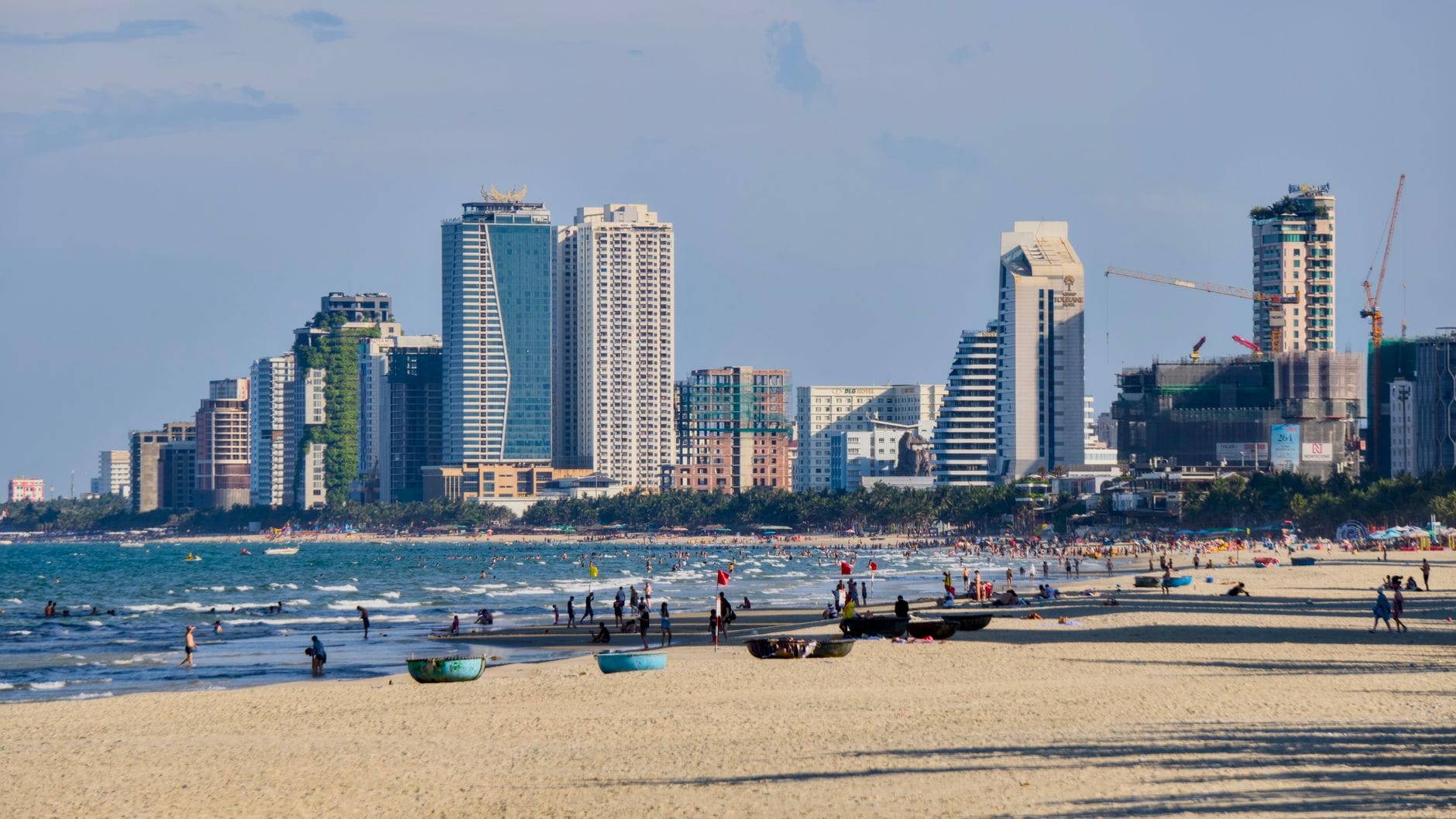
Da Nang is an easy city to navigate once you are past the airport. The compact urban layout means most tourist areas, including the Han River district, My Khe Beach, and Son Tra Peninsula, are within 15–25 minutes of the airport by car. If you are planning to explore further afield during your stay, such as Ba Na Hills or the Marble Mountains, our day trips from Da Nang guide covers logistics in detail.
- Currency: Vietnamese dong (VND). ATMs are available in the arrivals hall. USD is accepted at the visa on arrival desk for stamping fees, but VND is needed for most purchases in the city.
- Electricity: Vietnam uses 220V, 50Hz. Common plug types are A, C, and occasionally G. Most modern hotels have universal sockets.
- Tap water: Not safe to drink. Use bottled water, widely available for around 5,000–10,000 VND per 500ml throughout the city.
- Emergency numbers: Police 113, Fire and Rescue 114, Ambulance 115. These are nationwide numbers, applicable in Da Nang.
- Vietnam country code: +84. Da Nang area code for landlines: 236.
For first-time visitors still deciding whether Da Nang deserves more than a stopover, the honest answer is yes. The airport's proximity to the city, beach, and cultural sites like the Museum of Cham Sculpture means you can arrive, drop your bags, and be somewhere interesting within an hour of landing. If you are weighing up your time, our overview of things to do in Da Nang will help you calibrate how many days to allocate.
FAQ
How far is Da Nang Airport from the city centre?
Da Nang International Airport (DAD) is approximately 3–5 km from the central Hai Chau district, making it one of the most centrally located airports in Vietnam. A taxi or Grab to most downtown hotels takes around 10–15 minutes and costs 70,000–120,000 VND.
How do I get from Da Nang Airport to Hoi An?
Hoi An is about about 30 km south of Da Nang Airport by road. There is no direct bus or train connection. Your options are: a private GrabCar or taxi (200,000–350,000 VND, 30–45 minutes), a shared shuttle minibus (80,000–120,000 VND per person, longer due to hotel drop-offs), or a pre-booked private transfer through your hotel. The Marble Mountains are conveniently located along this route if you want to stop on the way.
Can I get a visa on arrival at Da Nang Airport?
Yes, the visa on arrival desk is on the ground floor of the arrivals terminal. However, you cannot simply show up and get a visa. You must obtain an Approval Letter from Vietnam Immigration before you travel, bring two passport-sized photos, have a passport valid for at least 6 months, and pay the stamping fee (cash, USD accepted). Without the pre-arranged Approval Letter, you will not be issued a visa.
Is Grab available at Da Nang Airport?
Yes. Grab has a dedicated pick-up zone outside the arrivals terminal, clearly signposted. InDrive also operates in Da Nang. Both apps require working mobile data, so buying a local SIM at the airport arrivals hall before you exit is strongly recommended. A GrabCar to central Da Nang costs around 50,000–80,000 VND.
What is the best time to visit Da Nang, and does it affect the airport experience?
Da Nang's dry season runs roughly April through August, which is also peak tourist season. The airport is busiest during July and August and around the Tet holiday (late January or early February). During peak periods, immigration queues can be longer and ground transport busier. If arriving during Tet, pre-book your airport transfer rather than relying on finding a taxi curbside. The wet season (September through March) brings fewer crowds but occasional typhoon-related disruptions to flights, particularly in October and November.
Tickets & tours
Live prices and dates from our booking partner. If you book, we may earn a commission at no extra cost to you.
Planning a trip? Discover personalized activities with the Nomado app.