Best Coffee Shops in Da Nang: A Guide to the Local Coffee Scene
Da Nang's coffee scene runs deeper than beach cafés and tourist menus. This guide covers everything from traditional Vietnamese street coffee to specialty roasters, with real prices, neighborhood breakdowns, and tips on when and where to go.
Tickets & tours
Live prices and dates from our booking partner. If you book, we may earn a commission at no extra cost to you.
TL;DR
- Da Nang has coffee shops for every budget: street stalls serve cà phê sữa đá for 10,000–25,000 VND, while specialty cafés charge 30,000–60,000 VND for pour-overs and espresso drinks.
- The best coffee neighborhoods are in central Hai Chau district, not just near My Khe Beach as many visitors assume.
- Heritage-style cafés, laptop-friendly roasters, and open-air terraces all coexist — check our Da Nang digital nomad guide if you plan to work from cafés.
- Most cafés open around 6–7 AM; specialty shops typically run until 10–10:30 PM.
- Dry season (February to August) is the best time for outdoor and rooftop café seating.
Understanding Da Nang's Coffee Culture
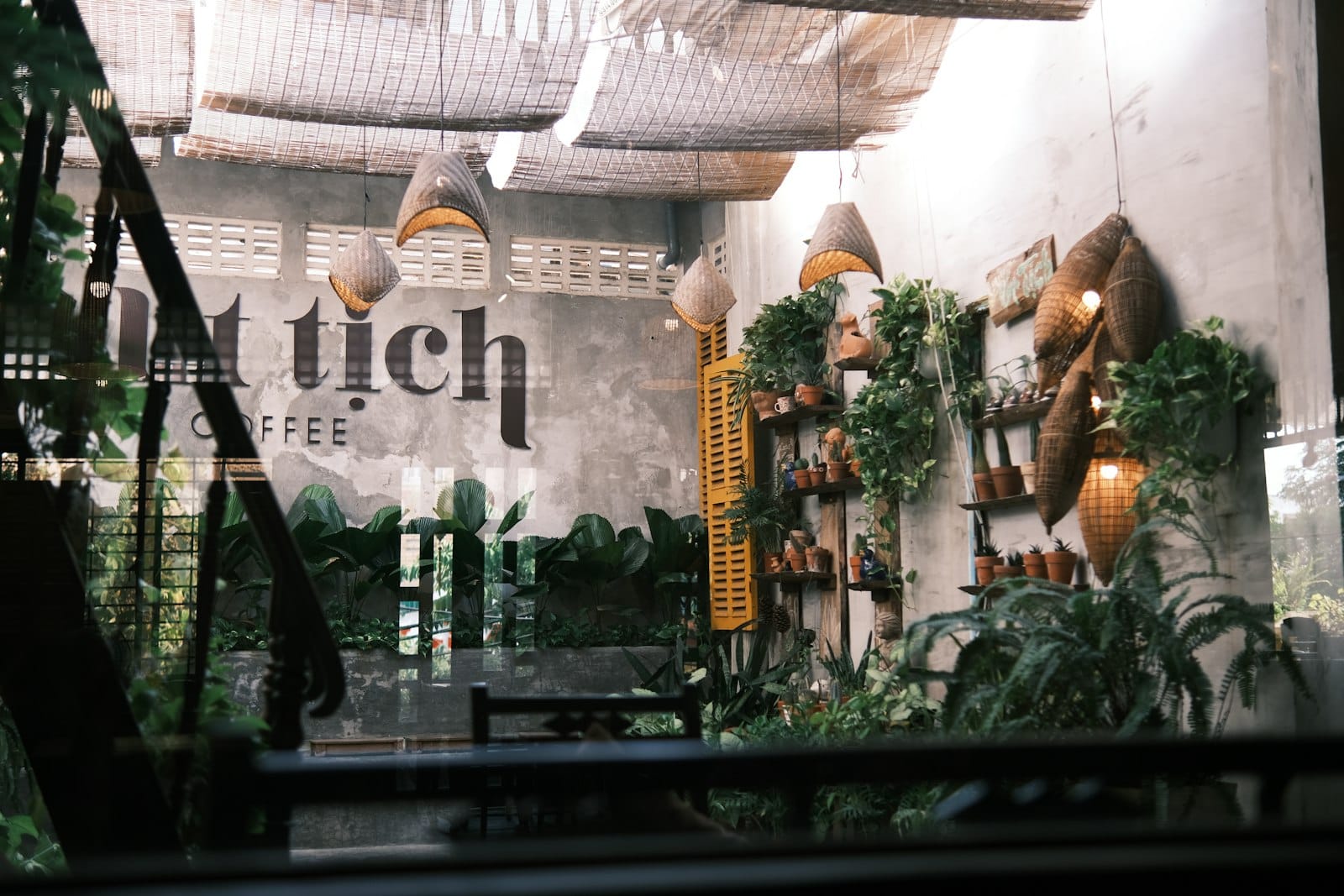
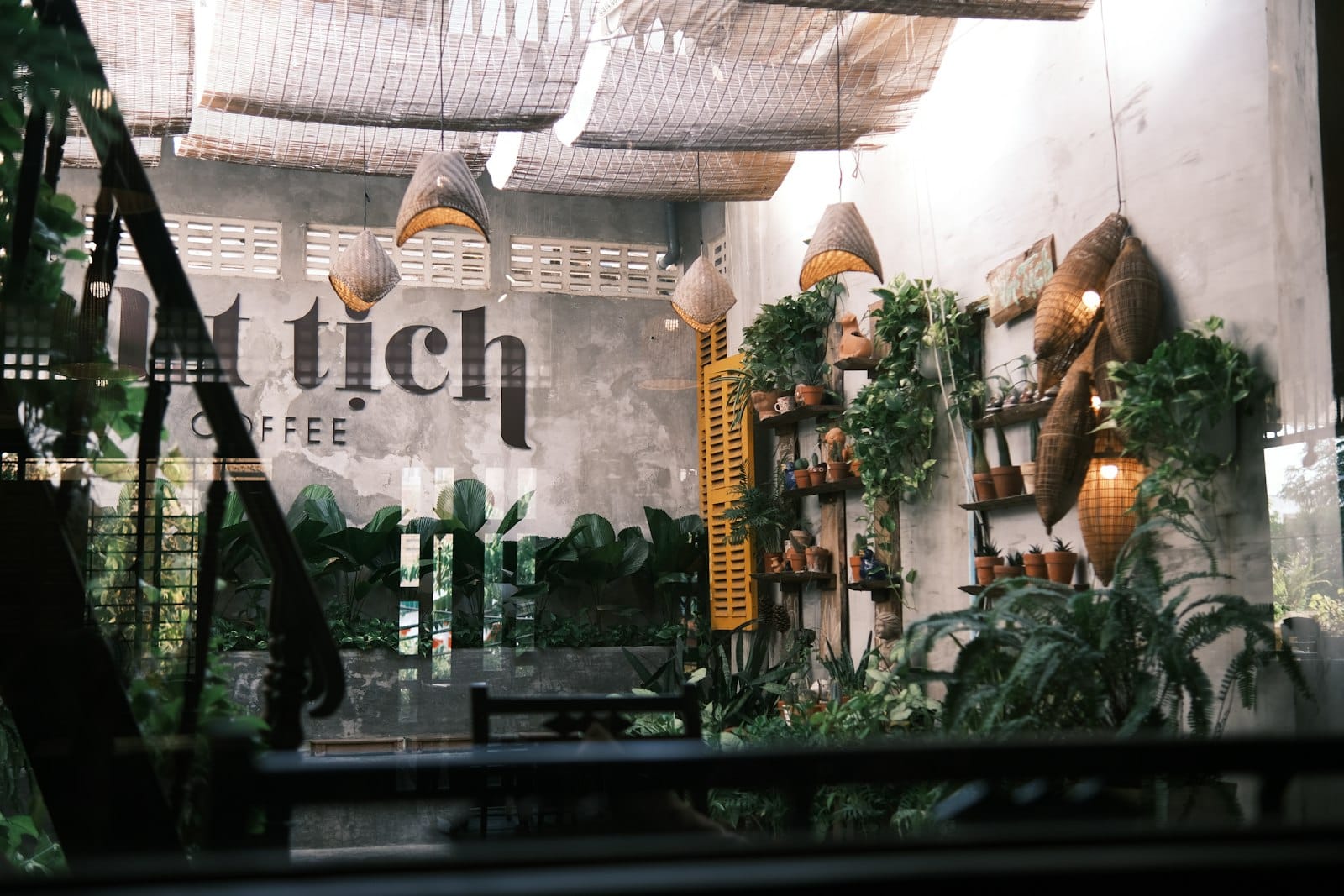
Coffee is not a trend in Da Nang — it is infrastructure. In this city of around 1.28 million people on Vietnam's South Central Coast, the café is where business gets discussed, friendships maintained, and mornings properly started. The coffee culture here sits at an interesting crossroads: old-school Vietnamese robusta traditions coexist with a growing specialty scene that has taken hold over the last decade, driven partly by a younger urban population and partly by the influx of remote workers and long-term expats.
Traditional Vietnamese coffee — cà phê sữa đá (iced coffee with condensed milk) and cà phê đen (black, no sugar) — remains the daily default for most locals. It is brewed using a phin filter, a small metal drip device that sits on top of the cup, dripping concentrated robusta coffee slowly into the glass below. The result is strong, slightly bitter, and at a good street stall, genuinely excellent. Do not dismiss it as the budget option.
ℹ️ Good to know
Vietnamese robusta beans are grown primarily in the Central Highlands (Buon Ma Thuot region), several hours west of Da Nang by road. Robusta has more caffeine and a stronger, earthier profile than arabica. Many specialty shops in Da Nang now source highland arabica and process it using washed or natural methods — a meaningful shift from the classic cà phê condensed milk tradition.
Where the Best Coffee Shops Are: Neighborhoods That Matter
The most persistent misconception about Da Nang's café scene is that the good spots are *only* near My Khe Beach or along the tourist strip. They are not. Many of the most talked‑about specialty cafés sit in the My An / An Thuong area near My Khe, but the majority of well‑regarded heritage houses and long‑standing local cafés are in Hai Chau district, Da Nang's central administrative and commercial core. Streets like Lê Hồng Phong, Ngô Thì Sĩ, and the blocks around Bach Dang along the Han River are where locals actually drink coffee.
Son Tra district, which covers the Son Tra Peninsula, has a smaller cluster of cafés with sea views and a more relaxed pace — worth exploring if you are spending time on that side of the city, but it is not where the density is. Ngu Hanh Son district, near the Marble Mountains, also has some local coffee spots, mostly serving the residential community rather than catering to visitors.
- Hai Chau District The core coffee neighborhood. Mix of heritage-style cafés, specialty roasters, and sidewalk stalls. Best for variety at all price points.
- Han River Waterfront (Bach Dang area) Riverside cafés with views of the Han River and Dragon Bridge. Tends toward Instagram-friendly aesthetics; prices are slightly higher but the setting is genuinely good, especially in the evenings.
- An Thuong Tourist Street area More cafés aimed at international visitors, with English-language menus. Good for convenience; less interesting for authenticity.
- Son Tra Peninsula Quieter, hillside and coastal cafés. Good for morning coffee with a view; fewer options overall.
Types of Coffee Shops in Da Nang
Da Nang's café scene breaks into four reasonably distinct categories, each with a different price point, vibe, and type of customer. Knowing which you are walking into helps set expectations.
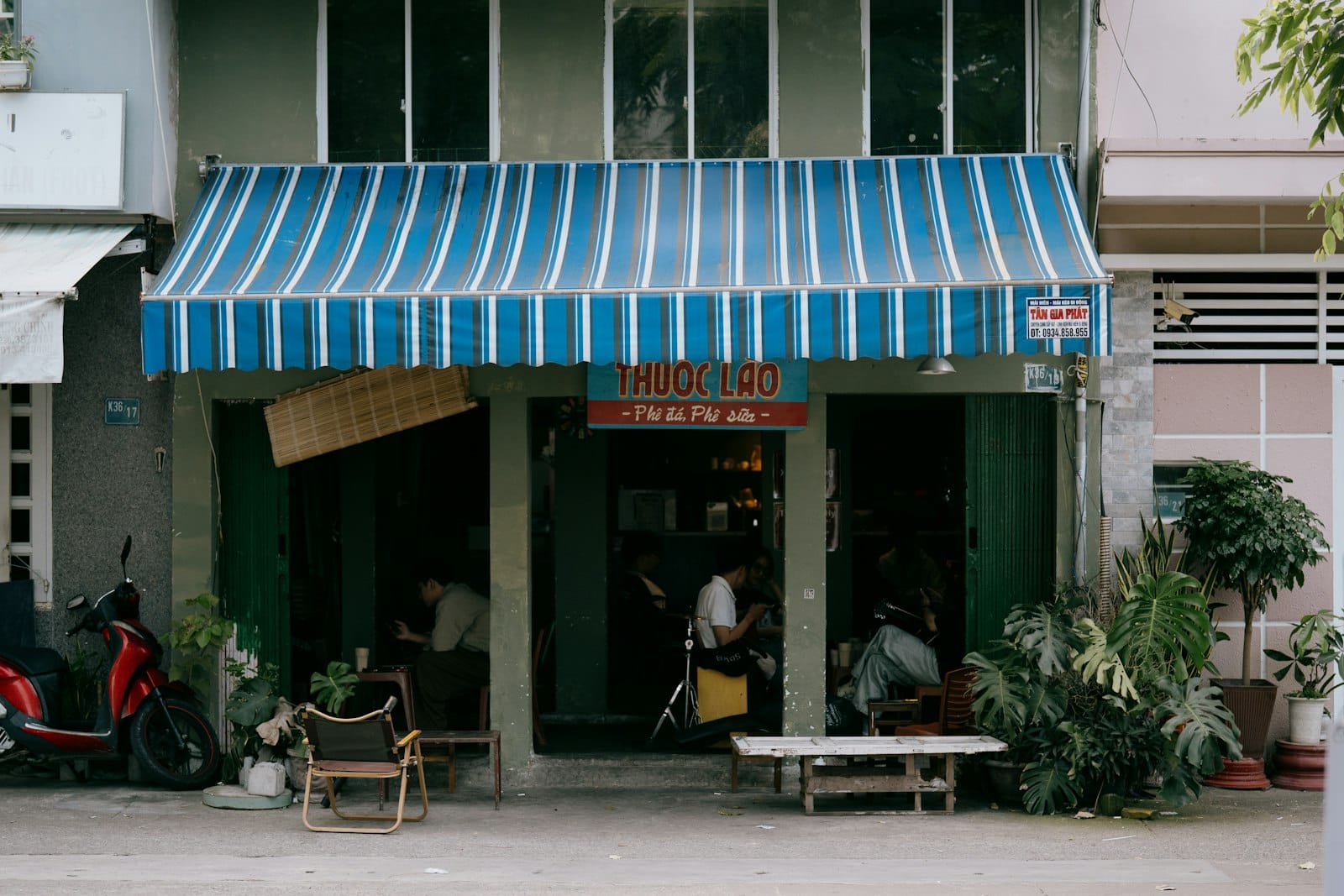
- Street stalls and sidewalk cafés Plastic stools, phin-brewed coffee, 10,000–25,000 VND per cup. No Wi-Fi, no menu in English, often no menu at all — just point and nod. These are where locals drink. Quality varies but the best are genuinely good.
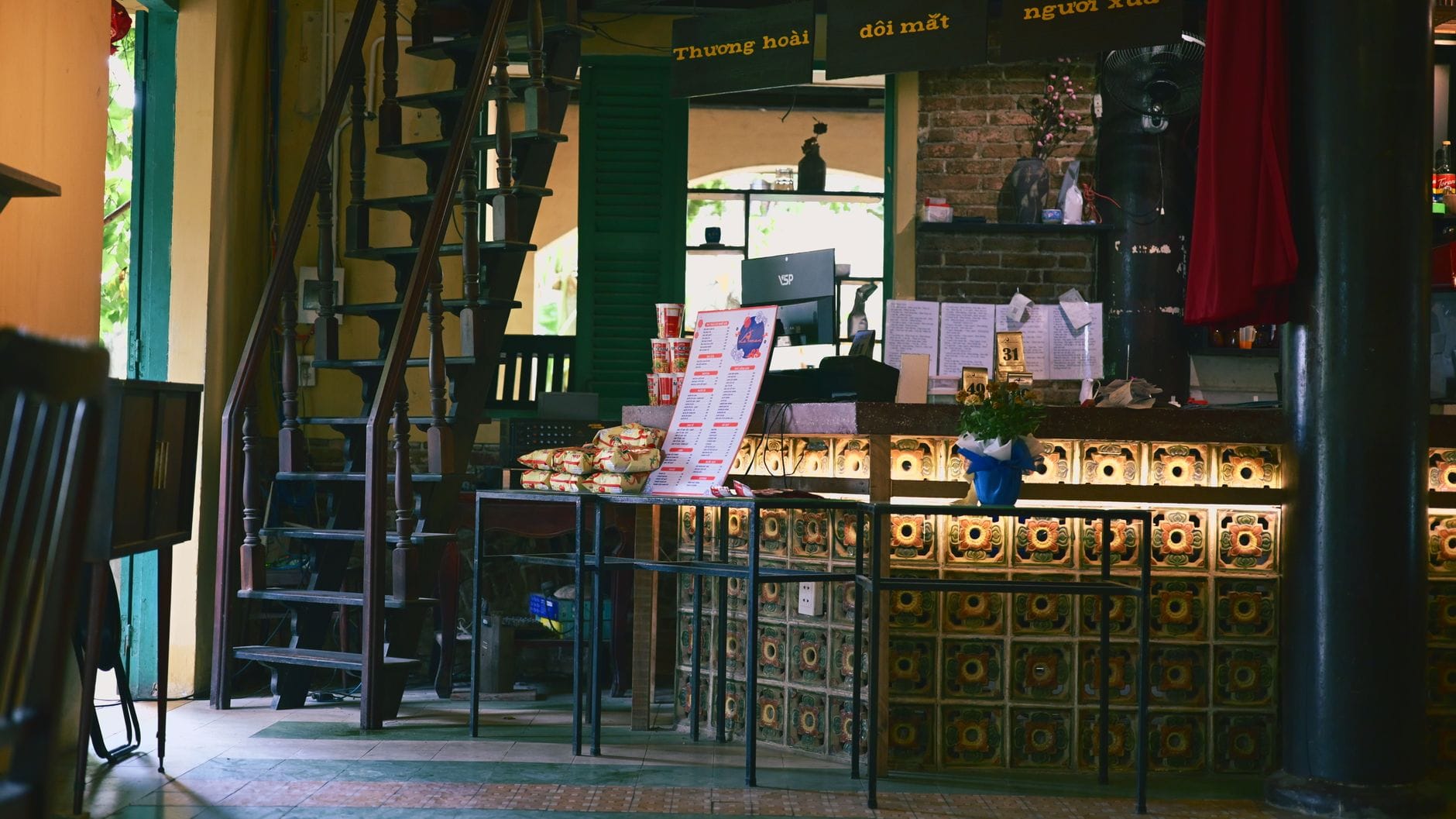
- Heritage and concept cafés Restored shophouses or themed interiors, often decorated with vintage Vietnamese objects. Nam House at 15/1 Lê Hồng Phong is the most cited example — a retro Vietnamese house café open roughly 6 AM to 11 PM daily. Coffee here runs 25,000–40,000 VND.
- Specialty and third-wave cafés Filter coffee, espresso, single-origin beans, trained baristas. XLIII Specialty Coffee at 422 Ngô Thì Sĩ is one of the better-known examples, open around 6:30 AM to 10:30 PM. Expect 35,000–60,000 VND for pour-overs or flat whites.
- Laptop-friendly and co-working cafés Reliable Wi-Fi, charging points, longer opening hours, often some food. Places like The Hideout and The Cups Coffee Roastery operate roughly 8 AM to 9–10 PM. This category overlaps heavily with specialty cafés.
⚠️ What to skip
Avoid judging a café by its Instagram presence alone. Some of the most photogenic spots in Da Nang (especially along the tourist waterfront) serve mediocre coffee at elevated prices. Conversely, a plastic-stool street stall with no signage in English can produce a genuinely excellent cà phê sữa đá. Ask locals where they go — the question translates easily and the answer is usually reliable.
What to Order: A Practical Coffee Menu Guide
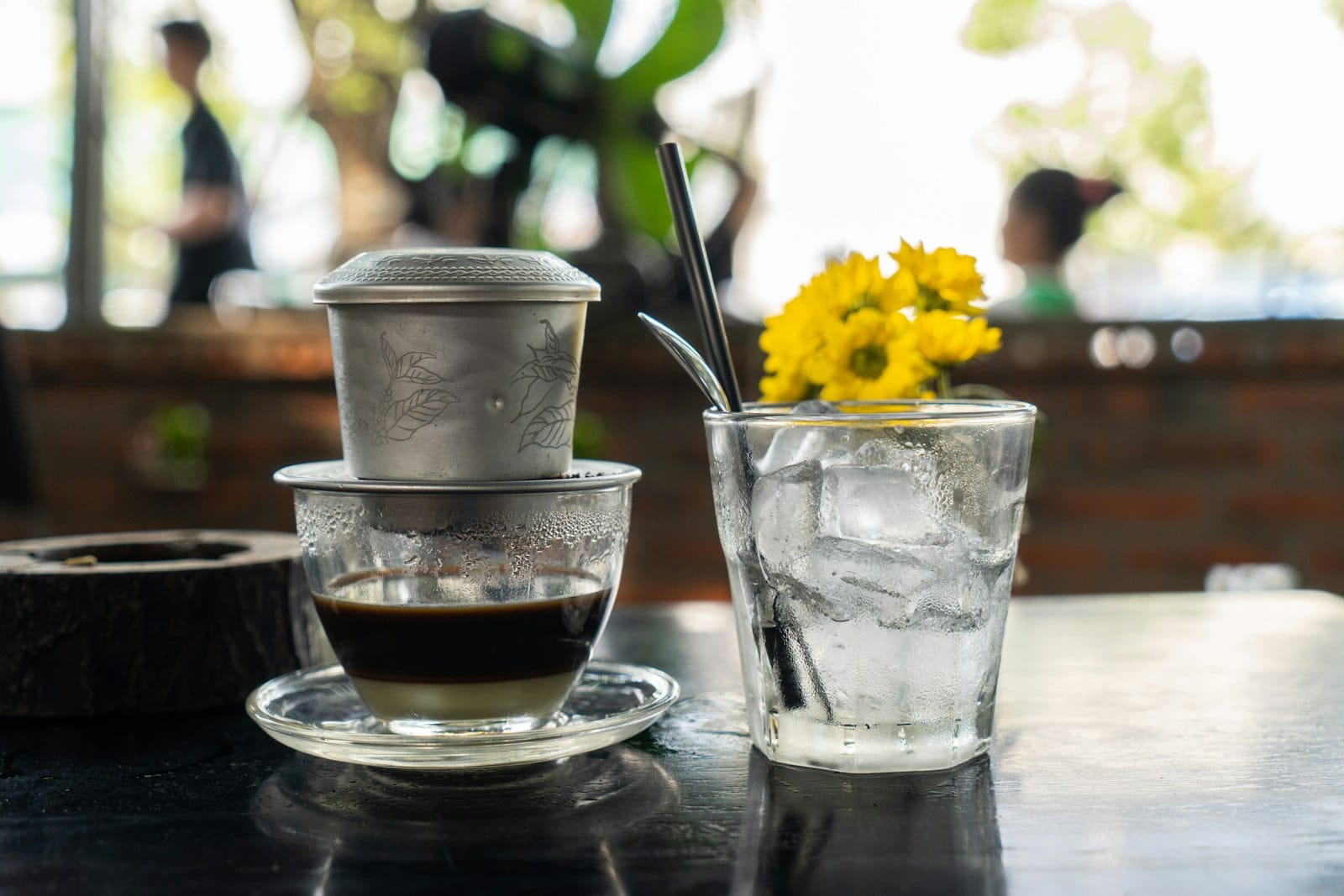
If you are ordering at a Vietnamese street café for the first time, knowing a few terms saves confusion. Cà phê sữa đá is iced coffee with sweetened condensed milk — the default order for most people and a good starting point. Cà phê đen is black coffee, iced (đá) or hot (nóng). Cà phê trứng, egg coffee, is less common here than in Hanoi but appears on some menus. Sinh tố cà phê is a coffee smoothie blended with ice and condensed milk — sweeter and thicker, more like a dessert.
At specialty shops, the vocabulary shifts toward espresso-based drinks (americano, flat white, latte) and filter methods (V60, Chemex, AeroPress). Staff at these places generally speak enough English to walk you through the options. If you prefer your coffee without sweetness, saying 'không đường' (no sugar) and 'không sữa' (no milk) covers most situations. The assumption at street cafés is that you want condensed milk unless you specify otherwise.
✨ Pro tip
Try cà phê muối (salted coffee) if you see it on a menu — it originates from Hue, just north of Da Nang, and has spread across central Vietnam. It is a creamy, slightly salted drink that sounds strange and tastes surprisingly good. Some specialty shops in Da Nang have their own version.
Timing, Seasons, and When to Go
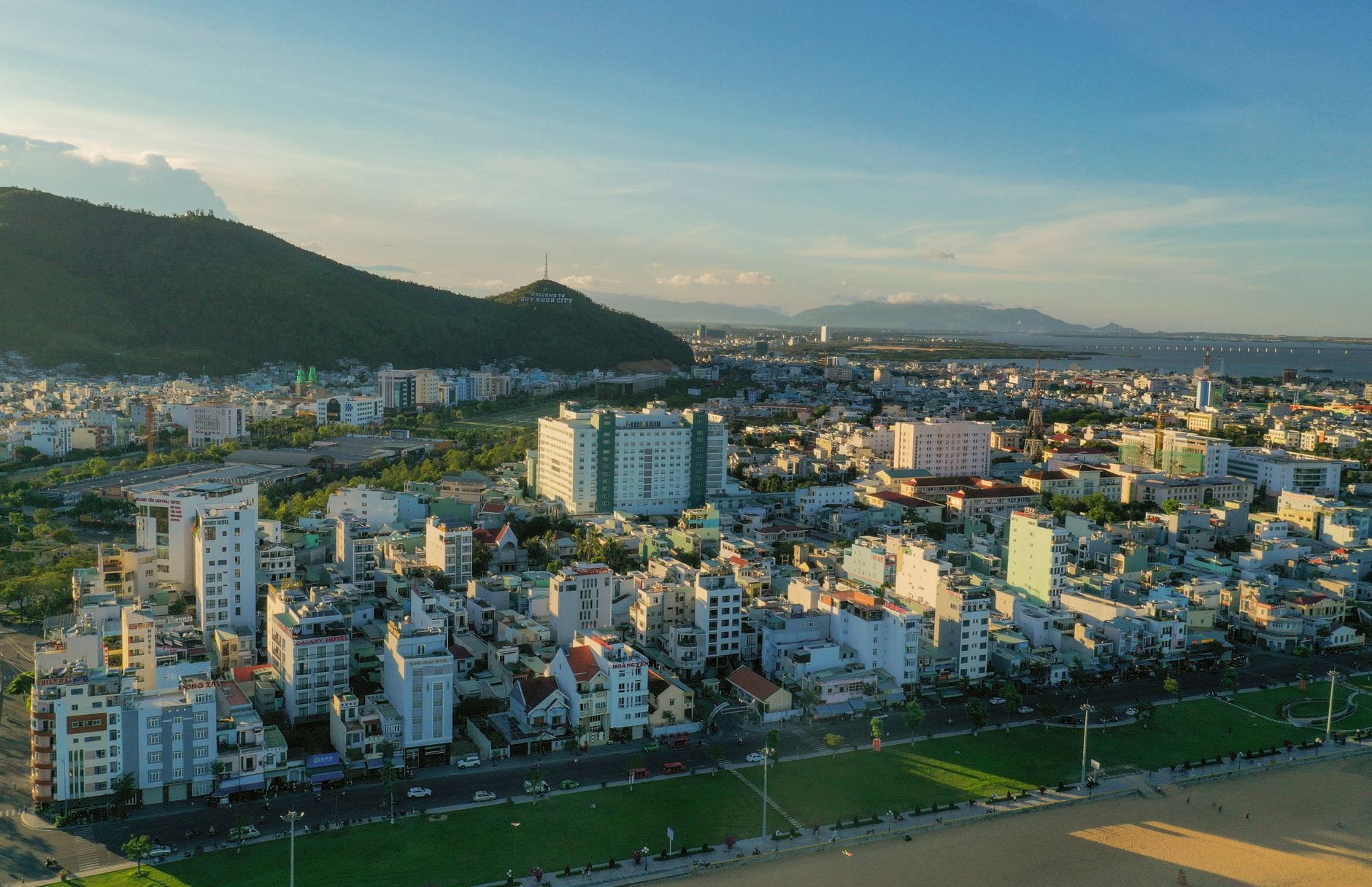
Da Nang operates on a tropical monsoon climate, which matters for outdoor café seating. The dry season runs roughly February through August — this is when rooftop cafés and garden seating are genuinely comfortable, especially in the morning and evening. During the wet season (September through January, with the heaviest rains from October to November), open-air spots can be difficult, and some outdoor terraces close or reduce capacity. For the full picture on timing your visit, see the best time to visit Da Nang guide.
Within the day, the early morning window from around 6 to 9 AM is when street cafés are at their most local and authentic — workers stopping before shifts, groups of older men playing chess over black coffee. By 9–10 AM, the specialty shops start filling up with remote workers and later risers. Afternoons from about 2 to 5 PM see a second wave in the air-conditioned specialty cafés as people escape the midday heat. Riverside cafés along Bach Dang come into their own after 5 PM, when the light on the Han River improves and temperatures drop to something manageable.
If you are visiting during major events like the Da Nang International Fireworks Festival, cafés along the Han River waterfront get extremely busy on competition nights. Book a table in advance or arrive well before sunset.
Practical Tips for Navigating Da Nang's Coffee Scene
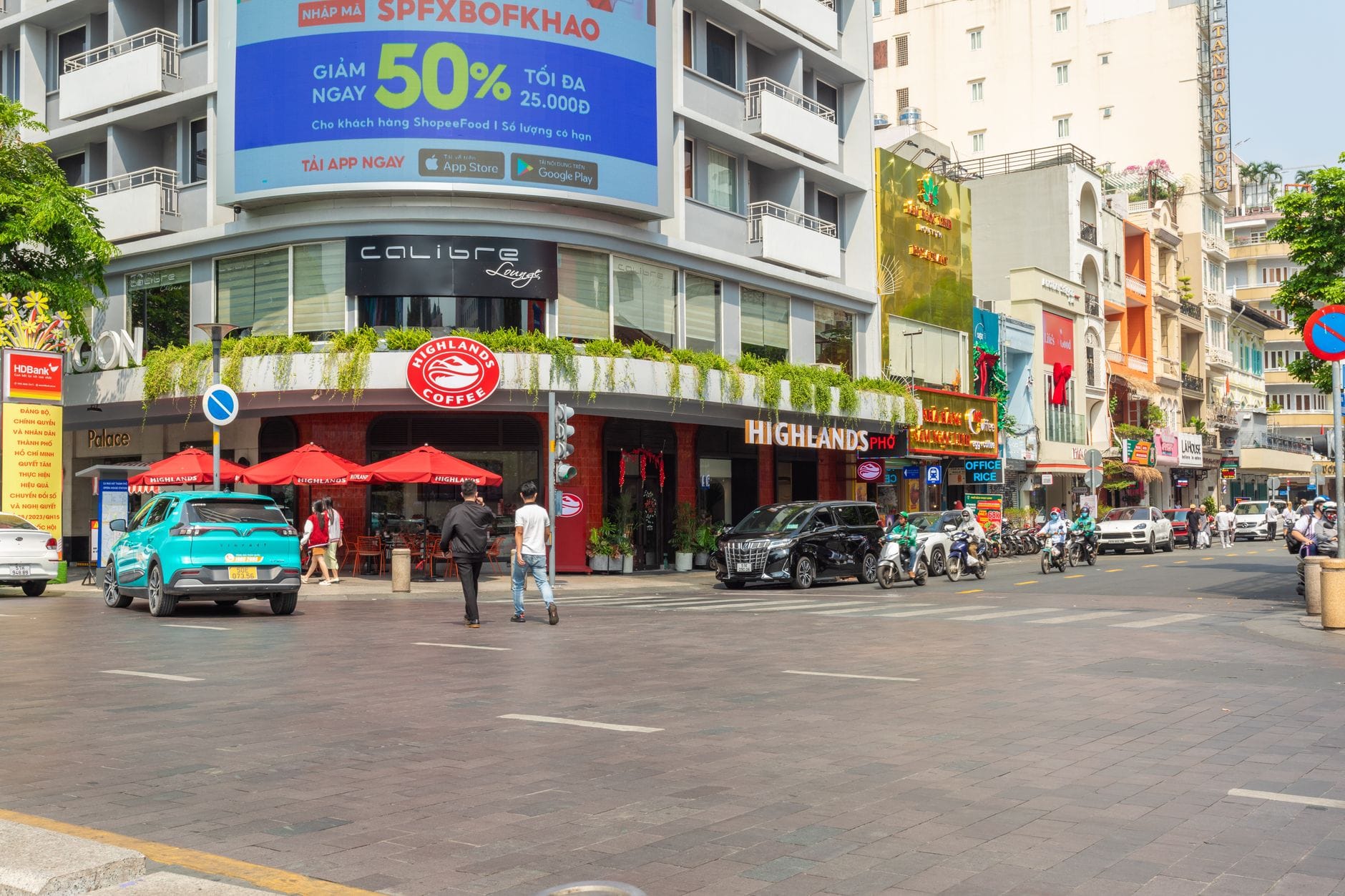
Getting around to different café neighborhoods is straightforward with ride-hailing apps like Grab, which are widely available across the city. The central Hai Chau district is compact enough that you can walk between several cafés in a single morning. For context on transport options more broadly, see the guide to getting around Da Nang.
- Cash is preferred at street stalls and smaller local cafés — carry small VND notes (5,000–20,000 denominations).
- Specialty cafés increasingly accept QR code payments and some take cards, but do not assume.
- Most specialty and concept cafés have Wi-Fi; passwords are usually on a card at the counter or written on a chalkboard.
- If you want to work from a café for several hours, ordering a second drink at the 2-hour mark is standard courtesy — this is not a Western co-working space.
- Street cafés rarely have English menus; pointing at what someone nearby is drinking works perfectly well.
- Bottled water is safer than tap water throughout Vietnam — cafés will serve it, sometimes at a small charge.
Da Nang is also a strong base for day trips that combine coffee with sightseeing. If you are heading toward Hoi An from Da Nang, the road between the two cities passes through some good local café stops in the Ngu Hanh Son area. Hoi An itself has its own developed café scene worth exploring once you arrive.
FAQ
How much does coffee cost in Da Nang?
At local street stalls and basic indoor cafés, Vietnamese coffee typically costs 10,000–25,000 VND per cup (roughly $0.40–$1 USD). Specialty cafés and modern coffee shops charge 30,000–60,000 VND for espresso drinks, pour-overs, or lattes. Touristy beachfront cafés may charge slightly more.
What is the best area for coffee shops in Da Nang?
Hai Chau district, Da Nang's central urban core, has the highest concentration of good cafés across all categories — from street stalls to specialty roasters. Streets around Lê Hồng Phong and Ngô Thì Sĩ are particularly good. The beach area near My Khe has cafés too, but they are mostly aimed at tourists and are not where the most interesting coffee is found.
Are there specialty coffee shops in Da Nang?
Yes. Da Nang has a growing third-wave coffee scene with shops offering single-origin beans, filter methods (V60, AeroPress, Chemex), and proper espresso. XLIII Specialty Coffee in the My An area near My Khe Beach is one of the most cited examples. These shops generally open around 7–8 AM and close around 10–10:30 PM.
Can I work from cafés in Da Nang?
Yes. Several cafés are set up specifically for remote workers, with reliable Wi-Fi, power outlets, and comfortable seating for long stays. This is especially common in Hai Chau district. The standard expectation is that you order at least one drink per 1.5–2 hours. Da Nang is increasingly popular with digital nomads and the infrastructure reflects that.
When is the best time to visit cafés in Da Nang?
Early morning (6–9 AM) gives you the most authentic local experience at street cafés. For a more relaxed sit-down in a specialty café, mid-morning or late afternoon works well. Outdoor and rooftop seating is best during the dry season, roughly February through August. During the wet season (October–December especially), stick to indoor cafés.
Tickets & tours
Live prices and dates from our booking partner. If you book, we may earn a commission at no extra cost to you.
Planning a trip? Discover personalized activities with the Nomado app.