Da Nang for Digital Nomads: The Complete 2026 Guide
Da Nang has become one of Southeast Asia's most practical bases for remote workers, with fast fiber internet, low costs, and a beach at the end of the street. This guide covers everything you actually need: realistic budgets, visa rules, the best neighborhoods, coworking options, and the seasonal realities that can make or break a long stay.
Tickets & tours
Live prices and dates from our booking partner. If you book, we may earn a commission at no extra cost to you.
TL;DR
- A comfortable digital nomad budget in Da Nang runs $1,000–1,500/month, covering rent, food, transport, and leisure.
- Vietnam has no dedicated digital nomad visa. Most nomads use the 90-day e-visa ($25 single entry, $50 multiple entry), which cannot be extended in-country. See the Da Nang safety and practical tips guide for general travel essentials.
- March through August is the best window for Da Nang: dry weather, calm sea, and reliable work routines. October and November bring serious rain and occasional typhoon disruption.
- An Thuong and the My Khe beachfront strip are the most established nomad areas but have gotten noticeably pricier. Ngu Hanh Son and Hai Chau offer better value.
- Coworking memberships run around $70–100/month. Café Wi-Fi is widespread and genuinely fast, making Da Nang highly functional even without a dedicated desk.
Why Da Nang Works for Remote Workers
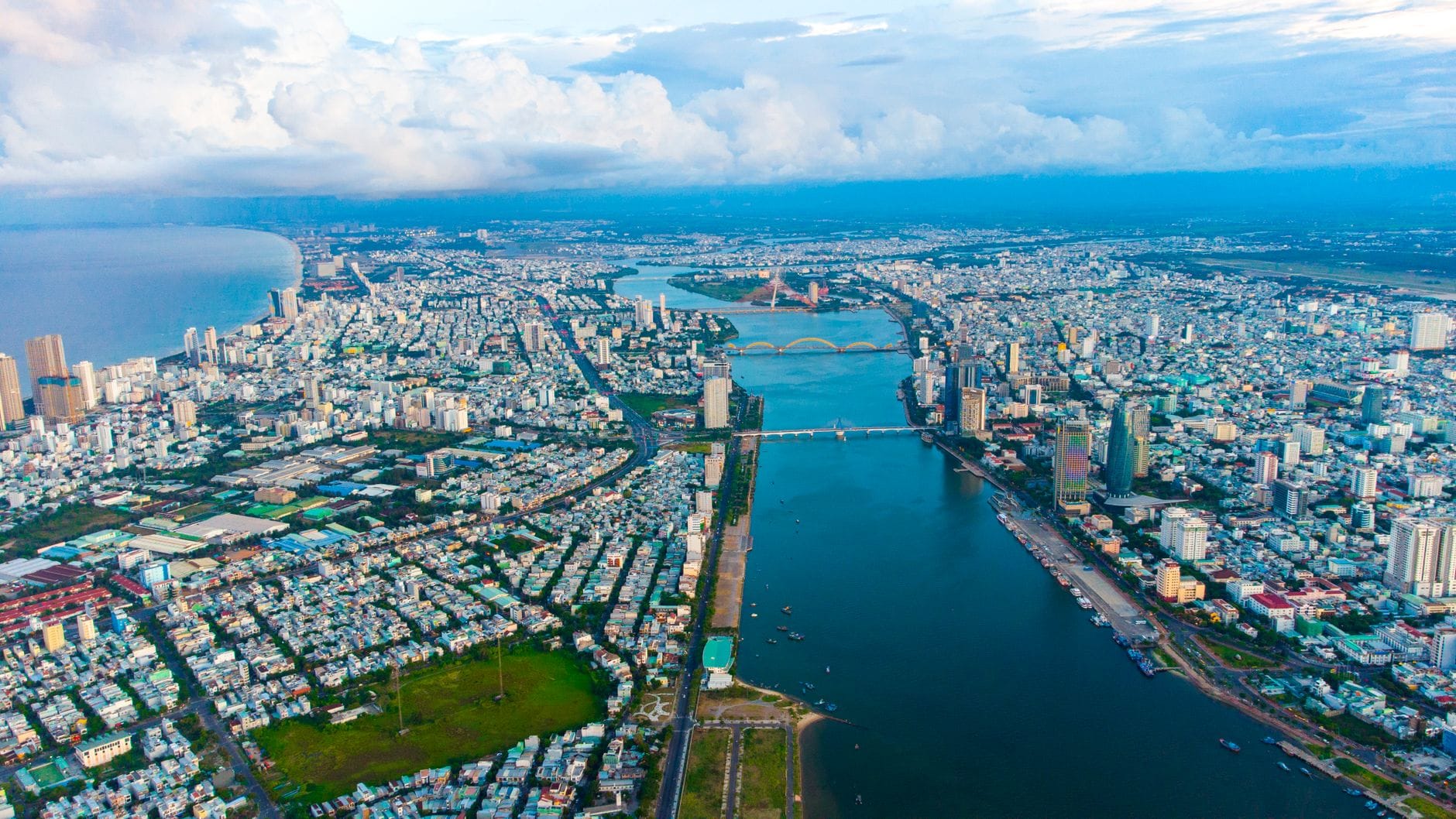
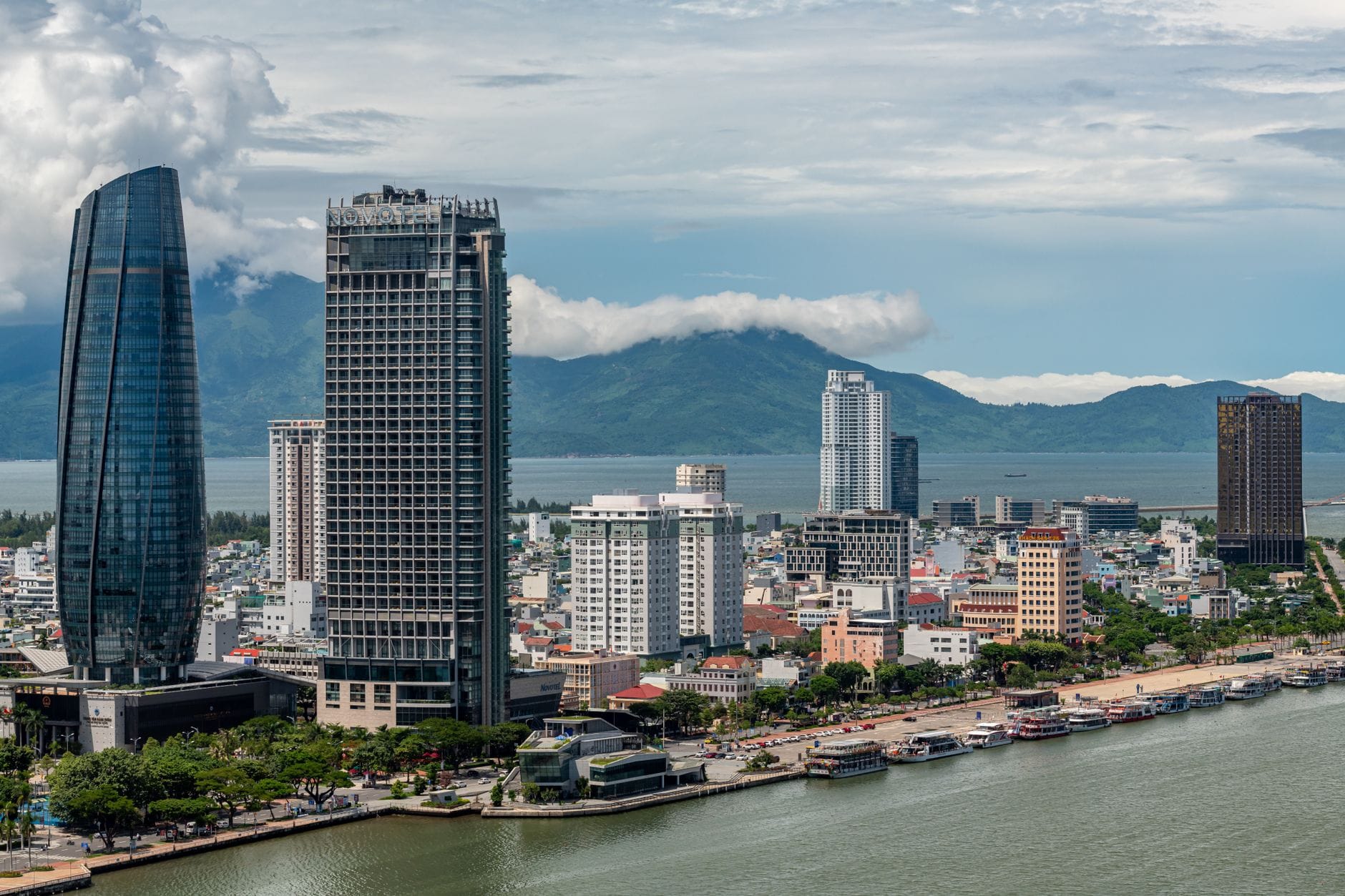
Da Nang sits midway between Hanoi and Ho Chi Minh City on Vietnam's central coast, which means you get the infrastructure of a major city (population around 1.27 million as of 2024) without the density, noise, and cost of either capital. It has a functioning international airport with IATA code DAD, direct flights to much of Asia, and enough expat and nomad presence that the practical difficulties of setting up a remote-work base have mostly been ironed out. For a comparison of how Da Nang stacks up as a destination overall, the is Da Nang worth visiting guide covers the broader picture.
The city's fiber internet infrastructure is genuinely good. Speeds at cafés, coworking spaces, and most apartments are sufficient for video calls, large file uploads, and cloud work without issue. This is not a city where you need to budget time for connection failures. That said, during the wet season, occasional power interruptions can hit, so a coworking space with backup power is worth considering for anyone on tight deadlines.
One honest note: Da Nang is no longer a hidden-from-the-world low-cost base. The beachfront zones have seen steady price increases over the past several years as the nomad wave arrived and local landlords adjusted accordingly. It is still significantly cheaper than Bali, Lisbon, or Bangkok, but nomads arriving with 2018 cost expectations will be surprised. Budget realistically.
Costs and Budget Breakdown
A single digital nomad living comfortably in Da Nang in 2026 should budget $1,000–1,500/month. That covers a decent one-bedroom apartment, three meals a day (mix of local and Western), coworking or café costs, transport, and occasional social spending. Minimalist nomads who eat mostly Vietnamese food, rent further from the beach, and work from cafés can get down to around $900/month. Anyone wanting a modern gym, regular restaurant meals, weekend trips, and a well-located apartment should expect to sit closer to $1,500–1,700/month.
- Rent (1-bedroom) $250–500/month for a direct-lease apartment near My Khe Beach. Airbnb-style short-term listings run 50–100% higher for comparable units, so signing a monthly lease directly matters.
- Food Local pho, banh mi, and rice dishes cost $1–3 at street stalls and local restaurants. A full sit-down meal at a mid-range restaurant is $5–10. Budget $200–350/month eating a mix of local and Western.
- Coworking $70–100/month for a full-time hot desk. Day passes typically run $8–15 depending on the space.
- Café work A Vietnamese coffee (ca phe sua da) costs around $1–2. Most nomads can work comfortably from cafés for one or two drinks per session.
- Transport A motorbike rental runs $60–100/month. Grab rides within the city are cheap, typically $1–3 for most trips.
- SIM card and data A local SIM with generous data allowance (Viettel or Vietnamobile) costs around $5–10/month.
⚠️ What to skip
Signing a lease via an Airbnb-style platform for long stays is one of the most common budget mistakes in Da Nang. Platforms add service fees and short-term premiums. Facebook expat groups and local property agents can connect you to direct-lease apartments at significantly lower rates. Budget 2–3 days on arrival before committing to accommodation.
Visa Rules: What You Actually Need to Know
Vietnam does not have a dedicated digital nomad visa as of 2026. Remote workers enter on the same terms as tourists. The practical standard for most Western nationals is the 90-day e-visa, applied for through the official Vietnamese Immigration Department portal. Both single and multiple entry currently cost $25. Processing is typically 3–5 business days.
The key limitation: the e-visa cannot be extended directly by you online while you are in-country. When 90 days is up, you either arrange an extension through a licensed local visa agent or exit Vietnam, wait briefly, and re-enter on a new e-visa. Many nomads do a quick trip to Da Nang's nearest border crossing options or fly to Thailand, Cambodia, or Laos for a few days. This is commonly called a visa run and is entirely normal in the nomad community here.
⚠️ What to skip
Staying in Vietnam for more than 183 days in a calendar year can trigger Vietnamese tax residency, which means progressive tax on worldwide income under Vietnamese law. If you plan a stay of six months or more, speak to a tax advisor before assuming your home country arrangement is sufficient. This is a real issue, not theoretical.
Some nationalities have bilateral visa exemption agreements with Vietnam and can enter for 15–45 days without a visa at all. Check the current list via the Vietnamese Ministry of Foreign Affairs, as exemptions and durations change periodically. The e-visa is usually the cleanest option regardless for anyone planning a proper 2–3 month stay.
Best Neighborhoods for Nomads
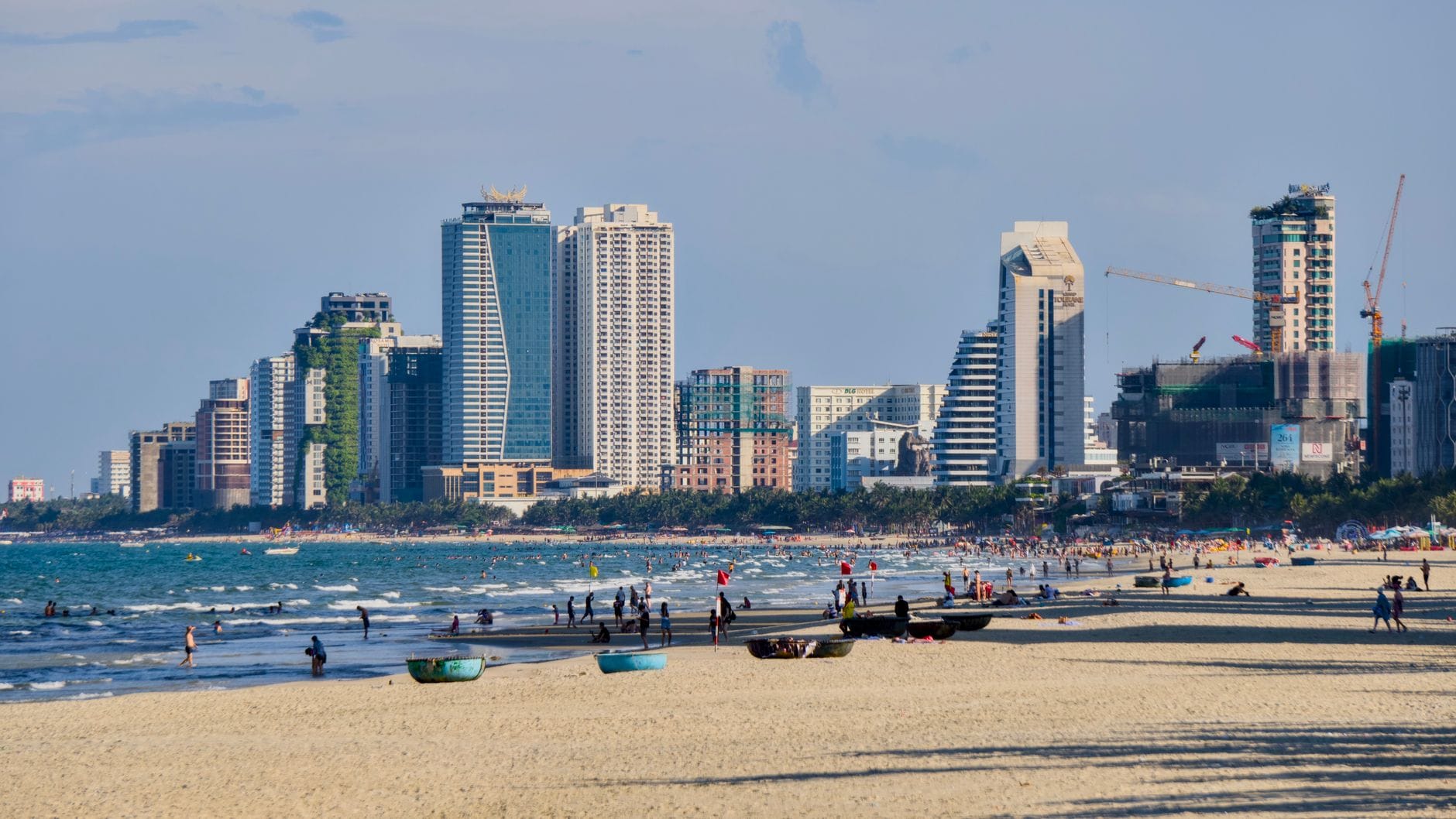
Where you live in Da Nang shapes your entire experience. The city is spread along the coast and across the Han River, with distinct zones that suit different working styles and budgets. Getting around is easy enough by motorbike or Grab that you are not locked into your neighborhood, but proximity to good cafés and coworking spaces still matters. The where to stay in Da Nang guide has a more detailed breakdown for all traveler types, but here is the nomad-specific picture.
- An Thuong / My Khe Beach strip The most established nomad and expat zone in the city. Packed with cafés, coworking options, Western-friendly restaurants, and gyms. The tradeoff: it is noticeably more expensive than it was a few years ago, both for rent and food. Good for social nomads who want to easily meet others. The area around An Thuong tourist street is the epicenter.
- Hai Chau (city center) Da Nang's administrative and commercial core, on the west bank of the Han River. Cheaper rents than the beach strip, excellent local food scene, and easy access to the market areas and downtown amenities. Less immediately social for nomads, but a smarter budget choice.
- Ngu Hanh Son The district surrounding the Marble Mountains, further south from My Khe. Quieter, genuinely cheaper, and good if you want space. A motorbike makes this district convenient; it is not walkable to central nomad hubs.
- Son Tra Peninsula Residential and scenic, with sea views and less tourist activity than My Khe. Worth considering for nomads who prioritize quiet and nature over social proximity. Longer ride to the main coworking spaces.
✨ Pro tip
Arrive in Da Nang with two to three weeks of flexible accommodation booked, then spend that time visiting apartments in person before signing a monthly lease. The difference between a well-located, well-ventilated apartment and a dark, noisy unit listed at the same price is significant, and it is impossible to tell from photos alone.
Coworking Spaces and Café Culture

Da Nang has a solid but not overwhelming coworking scene. Most spaces are concentrated around the An Thuong area and central Hai Chau district. Monthly memberships for hot desks run approximately $70–100/month depending on the space and included amenities. Day passes are available at most spaces for $8–15. Dedicated desks and private offices are available at the upper end of the market.
For nomads who prefer working from cafés, Da Nang's coffee culture is an asset. The city has a well-developed local café scene that extends far beyond tourist areas. Vietnamese ca phe sua da (iced milk coffee) costs $1–2, and most cafés are comfortable with laptop workers. For a deeper look at the best spots, the Da Nang coffee guide covers the local coffee scene in detail.
The practical difference between coworking and cafés comes down to reliability and focus. Coworking spaces provide backup power, faster dedicated connections, printing, meeting rooms, and a professional environment when you need to appear on camera. Cafés are better for lighter work sessions, casual calls, and the sanity benefit of changing your environment. Most long-term nomads in Da Nang use a combination of both rather than committing exclusively to one setup.
Seasons: When to Come and When to Be Careful
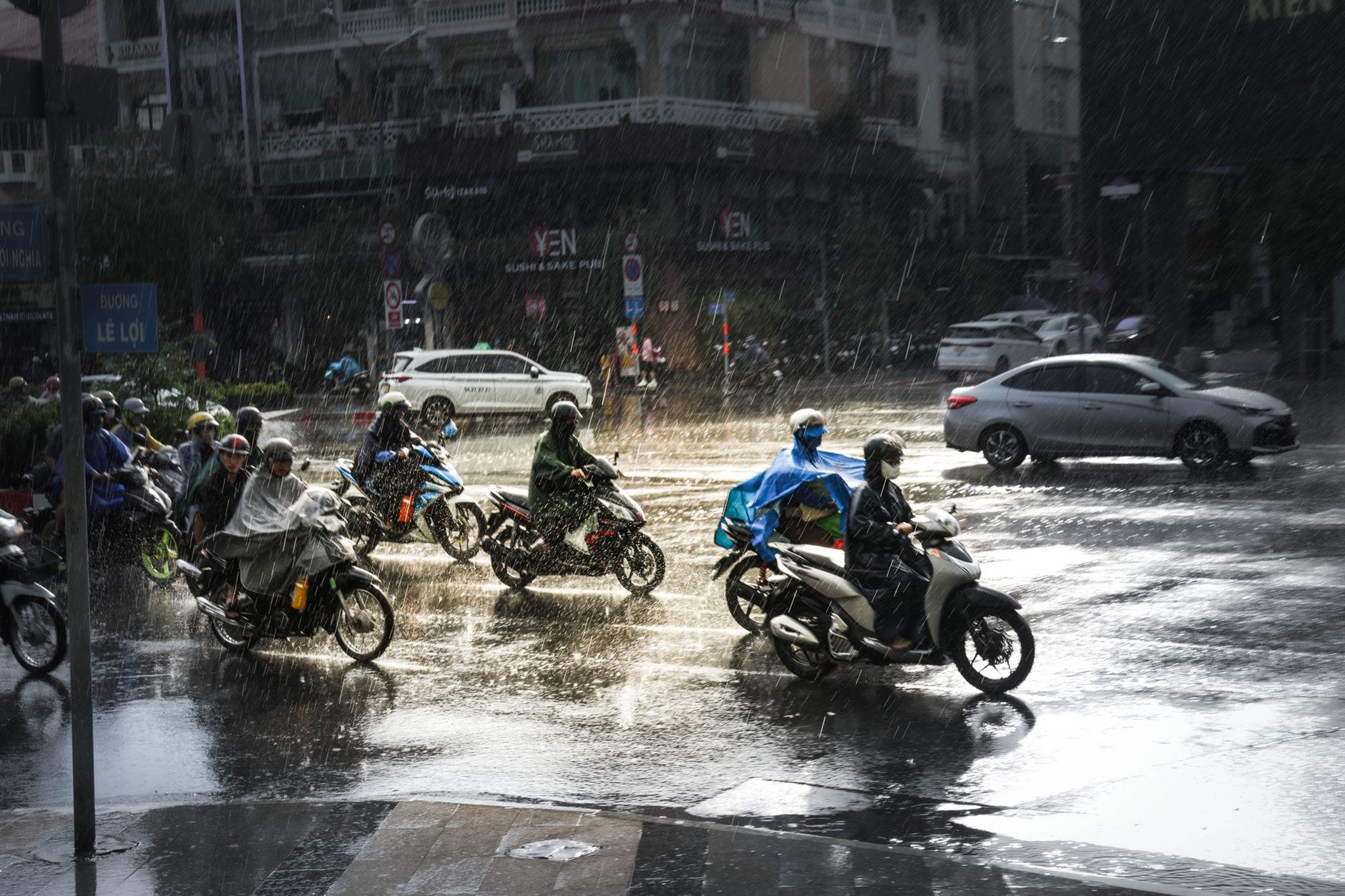
Da Nang has a tropical monsoon climate with two clearly defined seasons, and timing your stay correctly makes a substantial difference to daily quality of life. The full breakdown is in the best time to visit Da Nang guide, but for nomads planning a base stay, here is what matters most.
- March to August (dry season) The optimal window for nomad life. Warm and sunny, calm sea, predictable work days. June and July are hot, with temperatures regularly above 35°C, but afternoons at the beach offset this well. This is when Da Nang is at full energy and also at its most crowded and expensive.
- September to November (wet season, caution required) The northeast monsoon arrives by late September. October is the most extreme month, with 400–600mm of rain common, multi-day downpours, and genuine flood risk in low-lying areas. Typhoon activity peaks in October–November. Nomads who have experienced this season describe it as workable but disruptive.
- December to February (cooler, overcast) Not the peak wet season but not the beach paradise either. Overcast skies, lower temperatures (18–22°C range), and occasional rain. Significantly fewer tourists, lower prices, and a quieter city. Good for focused work; not great for beach lifestyle.
ℹ️ Good to know
If you are doing a 90-day stay and want the best of Da Nang's outdoor lifestyle, arriving in late February or early March to early June lines up almost perfectly with the dry season and avoids both the peak tourist crowds of July-August and the typhoon season. This window is the sweet spot for most nomads.
Getting Around, Day Trips, and the Wider Region
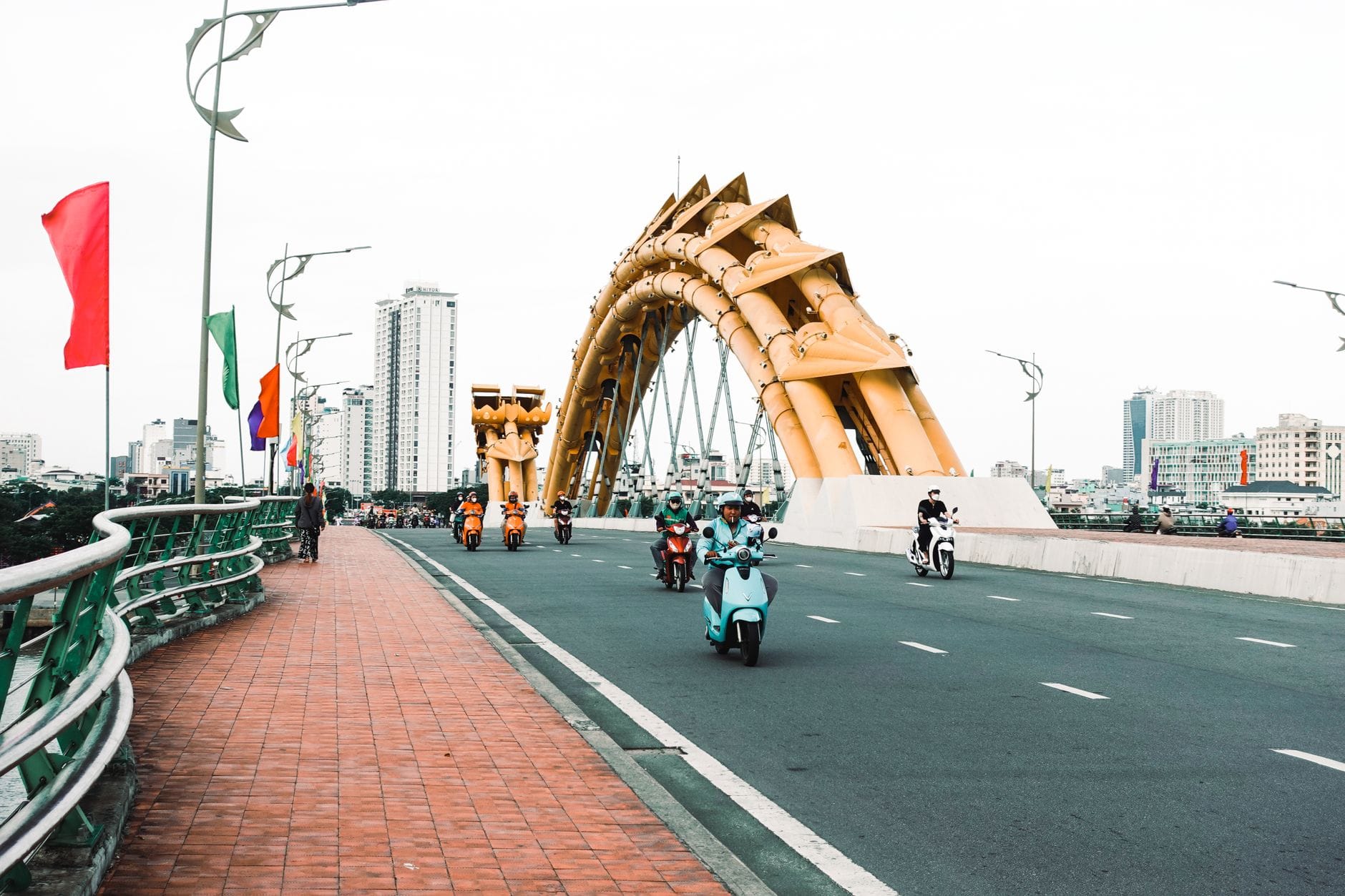
Local transport in Da Nang is essentially motorbikes, Grab, and taxis. City buses exist but run limited routes and are rarely used by nomads for daily commuting. Renting a motorbike or scooter ($60–100/month) gives you practical freedom across the city and into the surrounding area. Grab is genuinely cheap and reliable for airport runs or nights out when riding is not ideal.
Da Nang's location is one of its underrated advantages. Hoi An is 30km south, accessible by motorbike or Grab in 45 minutes. The Da Nang to Hoi An route is one of the most popular day or weekend trips in the region. The Hai Van Pass is a short ride north and one of the most dramatic coastal drives in Vietnam. The Marble Mountains are 8km from the city center and worth a half-day visit when you need a break from the screen.
For longer escapes on weekends or between visa runs, Da Nang International Airport (DAD) connects directly to Bangkok, Singapore, Kuala Lumpur, Taipei, Tokyo, Seoul, and a growing number of regional cities. Domestic flights to Hanoi and Ho Chi Minh City take around 1–1.5 hours and are cheap when booked in advance. See the Da Nang airport guide for terminal and transport details.
Practical Essentials for Long-Term Stays
- SIM card Buy a local SIM at the airport or any mobile shop. Viettel has the widest coverage. A data-heavy plan costs around $5–10/month. Vietnam uses 220V/50Hz electricity with Type A, C, and occasionally Type G outlets; bring a universal adapter.
- Banking and cash Vietnam runs largely on cash (Vietnamese dong, VND). ATMs are widely available in Da Nang, but many charge withdrawal fees of $2–4 per transaction. Cards that reimburse ATM fees (Wise, Charles Schwab US) are worth having. Some cafés and restaurants accept cards; most local food spots and markets do not.
- Health and water Do not drink tap water in Da Nang. Use bottled water or a filtered water cooler in your apartment. Quality healthcare is available at international clinics in the city. Travel insurance with medical coverage is non-negotiable for any stay longer than a few weeks.
- Language Vietnamese is the working language. English is common in tourism and hospitality areas, and most coworking spaces and expat-frequented cafés have English-speaking staff. Learning basic Vietnamese phrases (numbers, greetings, food orders) makes daily life noticeably smoother.
- Emergency numbers Police: 113. Fire and Rescue: 114. Ambulance: 115. Vietnam country code: +84. Da Nang city area code: 236.
For nomads who want to balance work with exploration, Da Nang is a genuine base rather than just a stopover. The things to do in Da Nang guide covers the full activity range, and the Da Nang food guide is essential for anyone planning to eat well without overspending on a long stay.
FAQ
Can I live in Da Nang as a digital nomad long-term?
Yes, but Vietnam's visa structure requires planning. Most nomads use the 90-day e-visa ($25 single or multiple entry), then either arrange an in-country extension via a licensed visa agency or exit and re-enter when it expires. There is no self-service online extension for e-visas. Staying more than 183 days in a calendar year can trigger Vietnamese tax residency, so nomads doing extended stays should consult a tax advisor.
How much does it cost to live in Da Nang as a digital nomad?
A comfortable single-person budget runs $1,000–1,500/month in 2026, covering a decent one-bedroom apartment ($250–500/month), food, coworking or café costs, transport, and social activities. Minimalists can manage closer to $900/month; anyone wanting regular Western restaurants, a gym, and beach proximity should budget toward $1,500–1,700/month.
What is the best time of year to base in Da Nang for remote work?
March to August is the most reliable window. You get dry weather, calm seas, and consistent work routines. October is the most disruptive month, with heavy rainfall (400–600mm is common), flood risk, and occasional typhoons. December through February is quieter and cheaper but overcast and not beach weather.
Is there a good coworking scene in Da Nang?
Yes. Coworking memberships run approximately $70–100/month for hot desks. Day passes are available at $8–15. Most spaces are in the An Thuong and Hai Chau areas. Da Nang also has a strong café culture with fast Wi-Fi, making it easy to work productively without a fixed coworking desk.
Which neighborhood in Da Nang is best for digital nomads?
An Thuong near My Khe Beach is the most established nomad zone with the highest concentration of coworking spaces, cafés, and expat restaurants, but it is the priciest area. Hai Chau (city center) and Ngu Hanh Son offer better value for longer stays. Son Tra Peninsula suits nomads who prioritize quiet over proximity to the nomad social scene.
Tickets & tours
Live prices and dates from our booking partner. If you book, we may earn a commission at no extra cost to you.
Planning a trip? Discover personalized activities with the Nomado app.