Is Da Nang Worth Visiting? An Practical Assessment
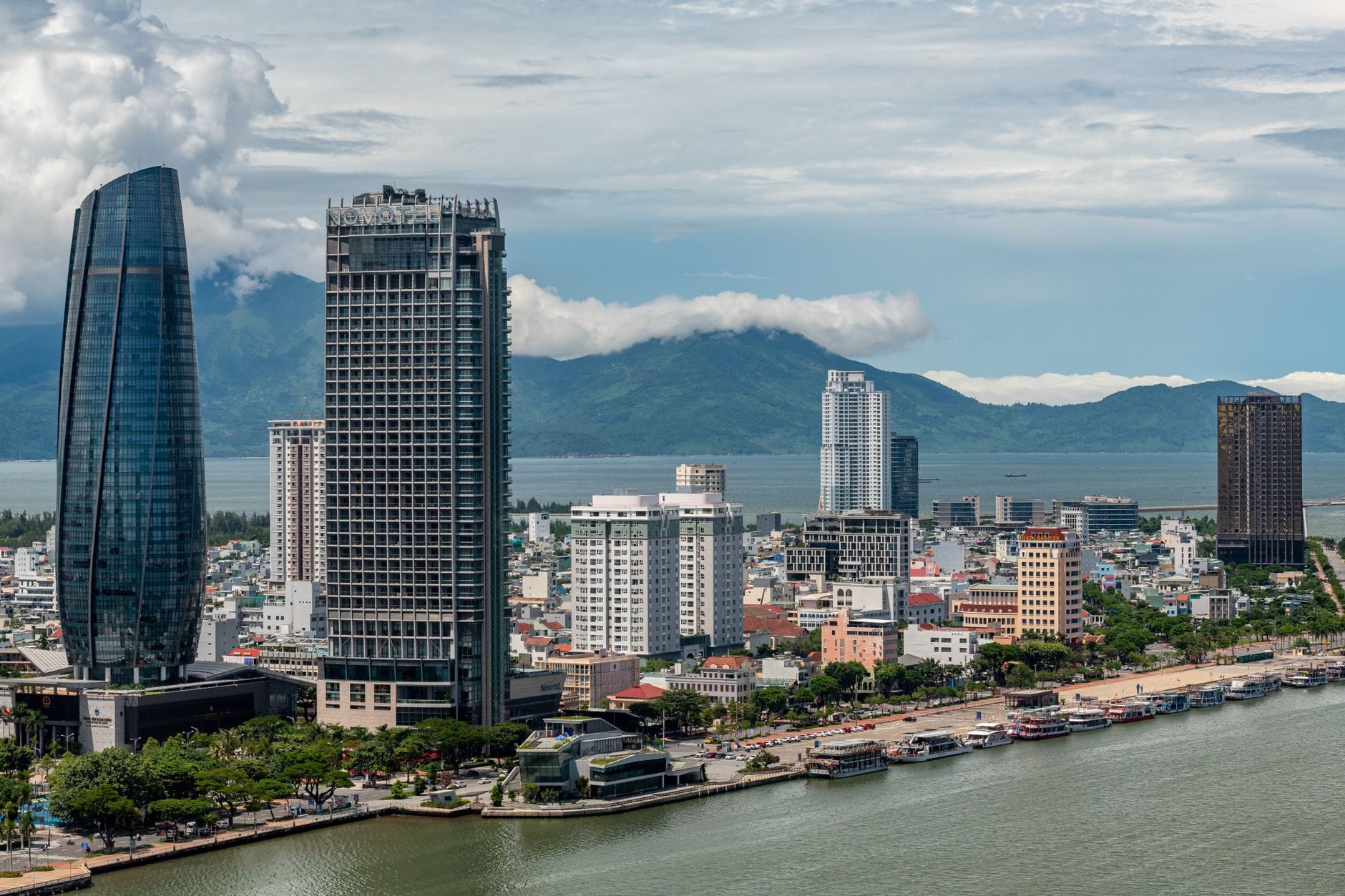
Da Nang sits at the heart of central Vietnam, offering long sandy beaches, world-class day trips, and a food scene that punches well above its weight. Here is everything you need to know to decide whether it belongs on your itinerary.
Tickets & tours
Live prices and dates from our booking partner. If you book, we may earn a commission at no extra cost to you.
TL;DR
- Yes, Da Nang is worth visiting — especially if you want beaches, great food, and access to multiple UNESCO World Heritage Sites from a single, well-connected base.
- The city sits roughly 100 km south of Hue and 30 km north of Hoi An, making it the most practical hub for a central Vietnam itinerary.
- Budget travelers can cover a full day of food, transport, and sightseeing for under 1,000,000 VND (around $40 USD) — often much less.
- The best months to visit are February through May: dry weather, calm seas, and manageable crowds before peak summer heat.
- Da Nang is not the right choice if you want deep cultural immersion in a historic old town — that role belongs to Hoi An, 30 minutes south.
What Kind of City Is Da Nang, Really?

Da Nang (Đà Nẵng) is one of Vietnam's five centrally governed municipalities — the same administrative tier as Hanoi and Ho Chi Minh City. With a population of around 1.27 million as of 2024, it is the largest city in central Vietnam and the commercial, educational, and transport hub for the entire region. That matters for visitors because it means reliable infrastructure: an international airport (IATA: DAD) roughly 3-5 km from the city center, a railway station on Vietnam's main North-South line, and the kind of accommodation range you would expect from a proper city rather than a resort town.
The beach-city combination is the obvious draw, but Da Nang's real value is geographic. It sits midway between Hanoi and Ho Chi Minh City on the coast, with Hue to the north and Hoi An to the south. That position makes it the natural anchor for any central Vietnam trip. You can reach the ancient town of Hoi An in under 45 minutes by taxi, ride the legendary Hai Van Pass toward Hue in a morning, or spend a day at Ba Na Hills — all without changing hotels.
ℹ️ Good to know
Da Nang is not Hoi An. If your priority is lantern-lit streets, tailor shops, and a preserved trading-port atmosphere, stay in Hoi An and do Da Nang as a day trip. If you want beaches, modern amenities, and a central base, Da Nang is the stronger choice.
The Beaches: Good Enough to Build a Trip Around?

Da Nang's coastline runs for around 60 km within the municipality. The main beach for visitors is My Khe Beach, a wide, gently sloping stretch of white sand that extends for roughly 20 km south from the Son Tra Peninsula. Forbes famously listed it among the world's most attractive beaches, though that label has been used liberally in marketing materials. The Practical Assessment: My Khe is excellent for swimming from roughly March through August, when seas are calm and skies are clear. The beach is broad enough that it absorbs crowds well, and the water is warm.
For something quieter, the beaches along the Son Tra Peninsula are less developed and more scenic, though facilities are minimal. Further south, Non Nuoc Beach sits near the Marble Mountains and tends to be less crowded than the main strip. See the full Da Nang beaches guide for a detailed comparison of every stretch of coastline.
⚠️ What to skip
Avoid beach visits from October through December. This is peak typhoon season for central Vietnam, with heavy rainfall, rough surf, and occasional storm warnings. Rip currents increase significantly during this period and red flags are frequently posted on My Khe Beach.
Day Trips: Da Nang's Biggest Selling Point
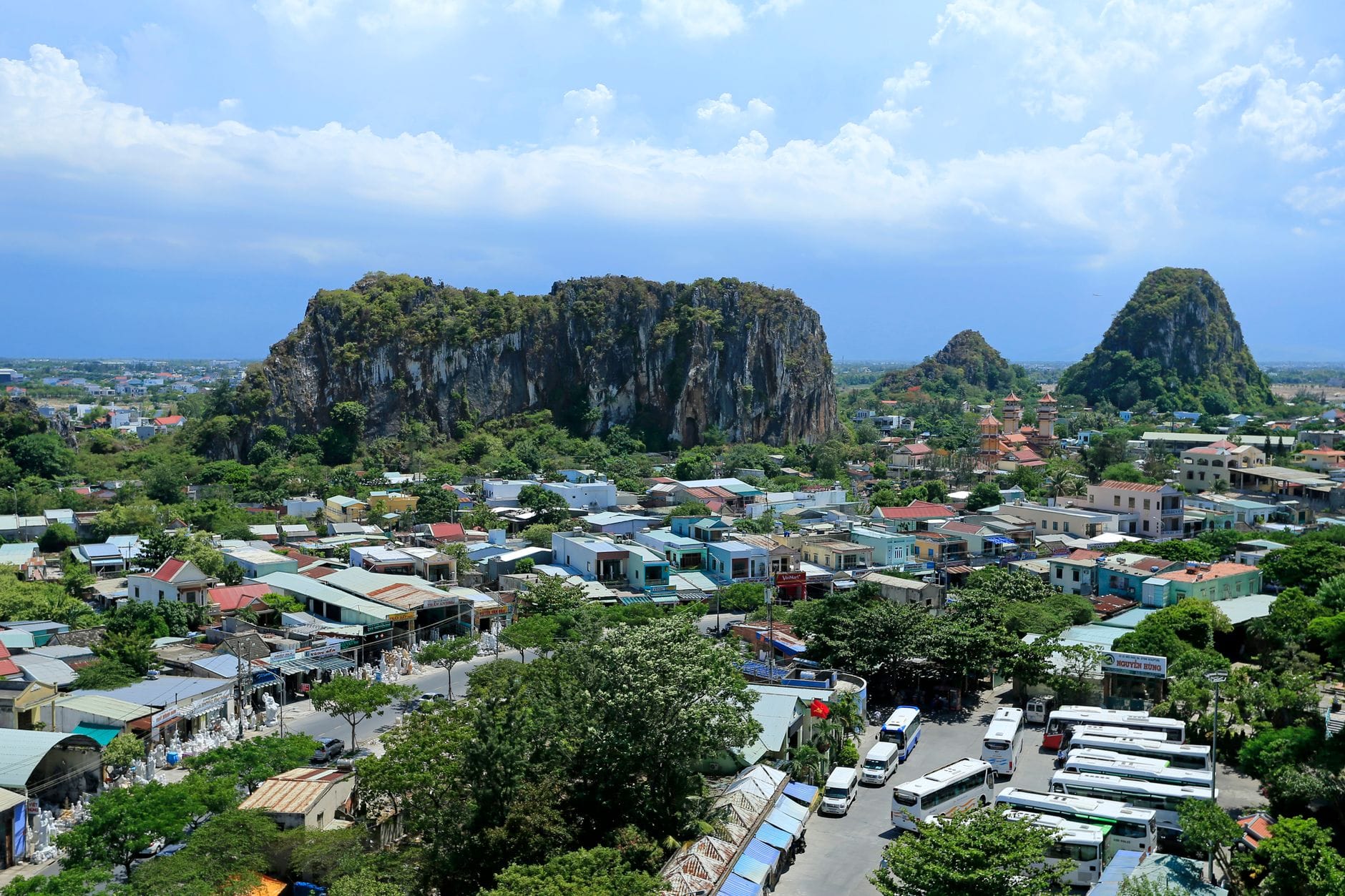
No other city in Vietnam offers this density of major attractions within a 2-hour radius. That is the single strongest argument for choosing Da Nang as a base. The Marble Mountains (Ngu Hanh Son) are 9 km south of the city center — close enough for a half-day visit. Ba Na Hills, the French colonial-era mountain resort now topped by the famous Golden Bridge, sits about 40 km west and takes a full day. Hoi An Ancient Town is around 30 km south. The Hai Van Pass, one of Southeast Asia's most dramatic coastal mountain roads, begins about 20 km north of the city.
- Marble Mountains (Ngu Hanh Son) A cluster of limestone and marble hills with caves, pagodas, and city views. About 9 km from the city center. Best visited in the morning before heat and tour groups arrive around 10am.
- Ba Na Hills and the Golden Bridge A full-day cable car and theme park experience at 1,400 m elevation. Clouds frequently obscure the Golden Bridge in the afternoon — arrive before noon for the best chance of clear views.
- Hoi An Ancient Town A UNESCO World Heritage Site, 30-45 minutes south by taxi or motorbike. The full moon lantern festival draws large crowds once a month and is worth timing your trip around.
- Hai Van Pass A mountain pass on the national highway north of Da Nang, with panoramic views of Lang Co Bay and the coastline. Best done by motorbike or private car rather than bus.
- My Son Sanctuary A cluster of Hindu temples built by the Cham Kingdom, roughly 70 km southwest of Da Nang. Best combined with Hoi An in a single day trip.
For logistics and route ideas, the day trips from Da Nang guide covers transport options, costs, and timing for each destination. If you are working out a 3-day plan, the 3 days in Da Nang itinerary gives a proven day-by-day structure.
Food and Cost: What to Expect
Central Vietnamese cuisine is distinct from both northern and southern Vietnamese food, and Da Nang is one of the best cities to eat it. The local staples worth tracking down: mi quang (turmeric noodles with pork, shrimp, and rice crackers), bun cha ca (fish cake noodle soup), banh xeo (crispy sizzling crepes with pork and shrimp), and nem lui (grilled pork skewers wrapped in rice paper). Most of these dishes cost between 30,000 and 70,000 VND at a local eatery, which is under $3 USD.
The city has a well-developed cafe culture that goes beyond the usual tourist coffee stops. Da Nang's coffee scene ranges from traditional filter coffee on plastic stools to specialty roasters with serious equipment. For a more detailed exploration, the Da Nang coffee guide covers the best spots by neighborhood. Overall costs in Da Nang are lower than Hanoi or Ho Chi Minh City for most categories. A budget traveler can eat, move around, and see a key attraction for under 1,000,000 VND ($40 USD) per day. Mid-range travelers spending on sit-down restaurants, taxis, and paid attractions should expect $50-90 USD per day. The city also has a growing luxury hotel corridor along the beachfront — see the Da Nang luxury guide if that is relevant to your trip.
- Street food meal: 30,000 to 70,000 VND ($1.20 to $2.80 USD)
- Mid-range restaurant meal: 150,000 to 350,000 VND ($6 to $14 USD)
- Grab (ride-hail) trip across the city: 30,000 to 80,000 VND ($1.20 to $3.20 USD)
- Ba Na Hills cable car and entry: around 900,000 to 1,000,000 VND per adult (check current pricing on the Sun World website before visiting)
- Marble Mountains entry: around 40,000–45,000 VND per adult
- Budget guesthouse near My Khe Beach: from around $15-25 USD per night
- Beachfront 4-star hotel: from around $60-120 USD per night
When to Go: Honest Seasonal Breakdown
Da Nang has a tropical monsoon climate with an average annual temperature of around 25.6 degrees Celsius. Unlike northern Vietnam, it does not get genuinely cold — January and February are the coolest months, sitting around 18-21 degrees Celsius. The seasonal split is straightforward: a dry season from roughly January through August, and a wet season from September through February, with the most intense rainfall in October and November.
The best overall window is February through May. The rains have eased, seas are calm for swimming, temperatures are warm but not punishing, and the city has not yet hit peak domestic tourist season. June through August brings the hottest weather — temperatures can reach 38-40 degrees Celsius — and draws the largest crowds, particularly Vietnamese domestic tourists on summer holidays. September is a transitional month that can go either way. October and November carry the highest typhoon risk and are the least predictable for outdoor plans. For a full breakdown of what each month actually looks like on the ground, the best time to visit Da Nang guide covers crowd levels, sea conditions, and festival timing in detail.
✨ Pro tip
If visiting in late April or early May, check whether the Da Nang International Fireworks Festival is running. It typically takes place on weekends over several weeks and draws large crowds to the Han River. Book accommodation well in advance if your dates overlap. The fireworks festival guide covers the full schedule and best viewing spots.
Trade-offs: What Da Nang Does Not Do Well
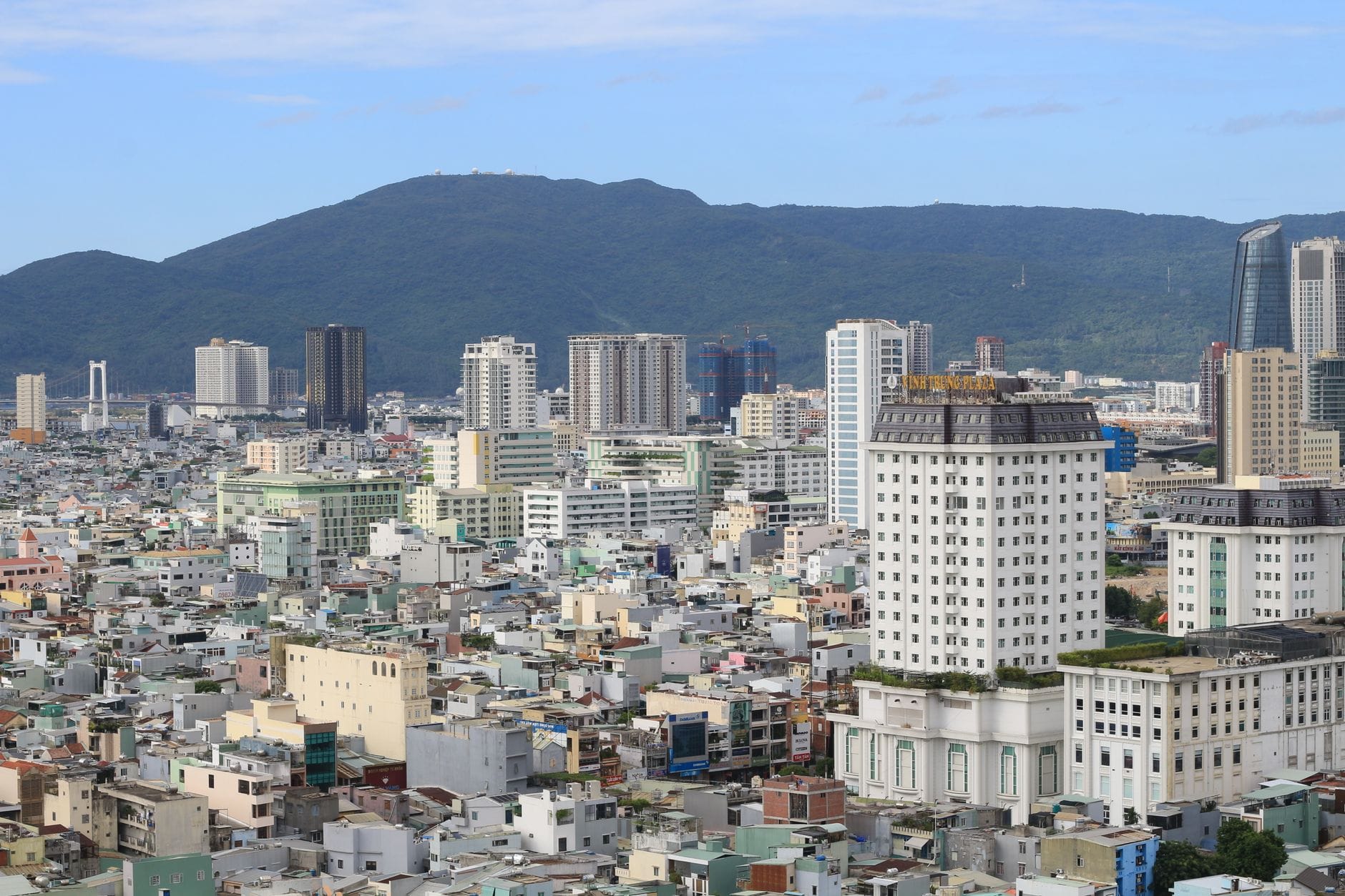
Da Nang is a modern, rapidly developing city. That is both its strength and its limitation. The historic downtown area is not particularly atmospheric — most of the old city was destroyed during the Vietnam War, and what replaced it is functional but unremarkable concrete urbanism. Travelers who come expecting the visual character of Hoi An or Hue will be disappointed by the downtown streets.
The beach promenade, especially the stretch of hotels along Vo Nguyen Giap Street, has the feel of a resort strip rather than an authentic urban beach. The development is dense and still ongoing in parts, which means construction noise is a genuine issue in some areas. The city's nightlife is more limited than Hanoi or Ho Chi Minh City — it is not a late-night destination, and most venues wind down by midnight. For solo travelers or couples seeking urban energy after dark, Da Nang can feel quiet.
Ba Na Hills requires honest mention here. The Golden Bridge is genuinely photogenic, and the cable car ride is impressive. But the resort at the top is a large-scale commercial theme park with French-village theming and amusement rides. It is not a nature experience. Many visitors who go expecting something contemplative leave feeling like they have been through an expensive crowd. If that is not your style, skip it and spend the day at the Marble Mountains and Son Tra instead. Getting around Da Nang without a motorbike or private vehicle also adds friction — the city is spread out, and while Grab works well, relying on it for every journey adds up. The guide to getting around Da Nang lays out the most practical transport options by trip type.
💡 Local tip
If you have limited time in central Vietnam and must choose between staying in Da Nang or Hoi An, stay in Hoi An for the atmosphere and do Da Nang as a day trip. If you have 5 or more days in the region, Da Nang as your base makes more logistical sense.
Practical Essentials Before You Go
Da Nang International Airport (DAD) handles direct international flights from several Asian cities including Seoul, Singapore, Kuala Lumpur, and Bangkok, as well as frequent domestic connections to Hanoi and Ho Chi Minh City. The airport is compact and easy to navigate. From the terminal, Grab bikes and cars are available at the pickup zone, and metered taxis are at the main exit. The ride to most beach hotels takes under 15 minutes.
Vietnam's national currency is the Vietnamese dong (VND). ATMs are widely available throughout Da Nang, and major hotels and restaurants accept cards, but street food vendors and local markets are cash-only. Do not drink tap water — bottled water is cheap and available everywhere. For religious sites including the Linh Ung Pagoda on Son Tra and the temples at Marble Mountains, dress modestly: covered shoulders and knees. Emergency numbers are police 113, fire 114, and ambulance 115. Vietnam's country code is +84 and Da Nang's area code is 236 for landlines.
Entry to Vietnam requires either a visa or a visa exemption. Vietnam has expanded its visa-exempt country list in recent years and offers a straightforward e-visa system for most nationalities — verify current requirements via the official Vietnam Immigration portal before booking. For safety considerations including scam awareness and transport tips, the Da Nang safety tips guide is worth reading before your trip. Accommodation options by neighborhood and budget are covered in detail in the where to stay in Da Nang guide.
FAQ
Is Da Nang worth visiting if I'm already going to Hoi An?
Yes, but it depends on your priorities. If you are staying in Hoi An for several days, Da Nang makes an easy day trip for the Marble Mountains, Dragon Bridge at night, or the beach. However, if you want to use Da Nang as your main base and do Hoi An as a day trip, that works just as well — especially if you prefer modern hotel infrastructure over boutique guesthouses.
How many days do you need in Da Nang?
Two to three days is enough to see the city's main attractions: My Khe Beach, the Marble Mountains, Son Tra Peninsula, and an evening on the Han River. Add one or two more days if you plan to do Ba Na Hills and a day trip to Hoi An. Five days gives you a relaxed pace with time for the beach in the morning and sightseeing in the afternoon or evening.
Is Da Nang expensive compared to other Vietnamese cities?
Da Nang sits in the middle range. It is generally cheaper than Hanoi or Ho Chi Minh City for accommodation and food, but the beach hotel corridor has driven up prices in prime locations. Budget travelers can live well under $40 USD per day. Mid-range travelers spending on decent restaurants and paid attractions should budget $60-100 USD per day. Ba Na Hills is the biggest single-day expense, with entry and cable car costing roughly about 1,000,000 VND per adult.
Is Da Nang safe for solo travelers?
Da Nang is considered one of Vietnam's safer cities for tourists. Violent crime against visitors is rare. The main risks are the same as elsewhere in Vietnam: motorbike bag snatching in certain areas, metered taxi scams, and traffic. Using Grab instead of street taxis eliminates most fare disputes. Stick to well-lit areas at night and keep bags away from the road when walking.
What is Da Nang worst month to visit?
October and November are the most challenging months. Central Vietnam receives its heaviest rainfall during this period, and typhoons occasionally make landfall nearby. Beach activities are largely off the table, and some attractions can be disrupted by flooding or closures. If your only option is visiting during this window, it is still possible, but manage expectations and have indoor backup plans.
Tickets & tours
Live prices and dates from our booking partner. If you book, we may earn a commission at no extra cost to you.
Planning a trip? Discover personalized activities with the Nomado app.