Da Nang Safety Tips & Scams to Avoid: What Travelers Need to Know
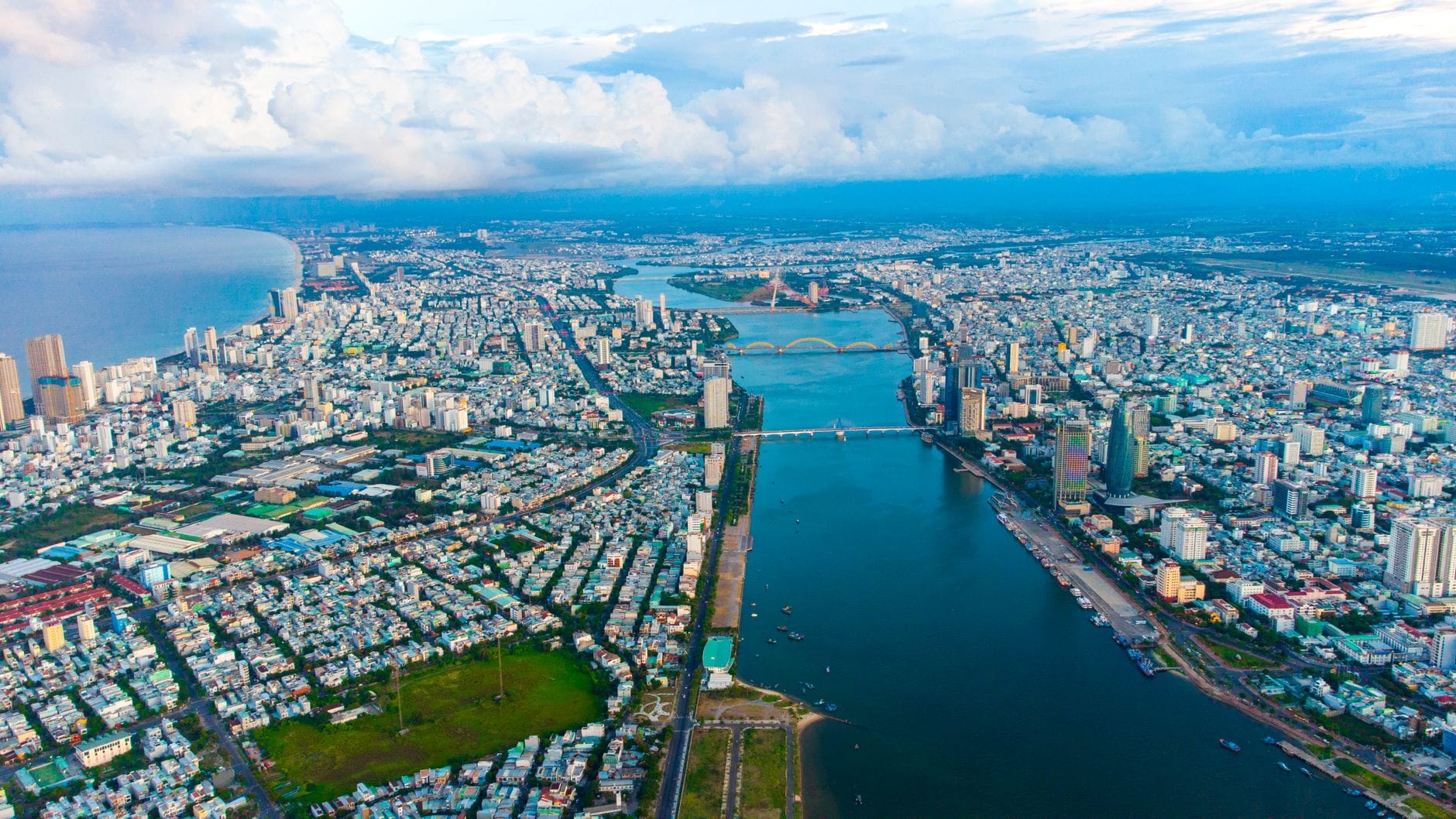
Da Nang has one of the lowest crime rates of any major Vietnamese city, but a handful of persistent scams catch visitors off guard every year. This guide breaks down the real risks, the tourist traps worth avoiding, and the practical steps that keep you safe from arrival to departure.
Tickets & tours
Live prices and dates from our booking partner. If you book, we may earn a commission at no extra cost to you.
TL;DR
- Da Nang ranks as one of Vietnam's safest cities, with a Numbeo crime index of roughly 13-20.
- Violent crime against tourists is rare. The main risks are petty theft, taxi overcharging, and incorrect change at markets.
- Always use Grab or established taxi firms (Mai Linh, Vinasun) for transport. Read more in our getting around Da Nang guide.
- Typhoon season (roughly October to December) poses more practical danger than crime. Check forecasts before booking beach days or mountain tours.
- Emergency numbers: 113 (police), 114 (fire), 115 (ambulance). Save them before you land.
How Safe Is Da Nang, Really?

Da Nang consistently earns a reputation as the most livable and visitor-friendly city in Vietnam, and the safety data backs that up. Numbeo-sourced crime indices for Da Nang typically fall between 13 and 20, which places it in the 'very low' range internationally. For comparison, Hanoi and Ho Chi Minh City score significantly higher on the same index. Violent crime targeting tourists is genuinely rare, and most travelers complete their visit without any incident beyond minor annoyances.
That said, 'safe' does not mean 'risk-free.' Petty theft, transport scams, and market pricing tricks are real and reported regularly by visitors. The city's rapid tourism growth has created opportunities for opportunistic behavior in high-traffic zones. Knowing where the risks concentrate, especially around My Khe Beach, Han Market, and the airport taxi rank, is the most useful thing you can do before arrival.
ℹ️ Good to know
As of 2026-2026, no major government travel advisory carries Da Nang-specific warnings. The city sits within Vietnam's broader 'exercise normal precautions' classification. Always check your home country's official advisory portal before departure, as guidance can change.
Transport Scams: The Biggest Risk for New Arrivals
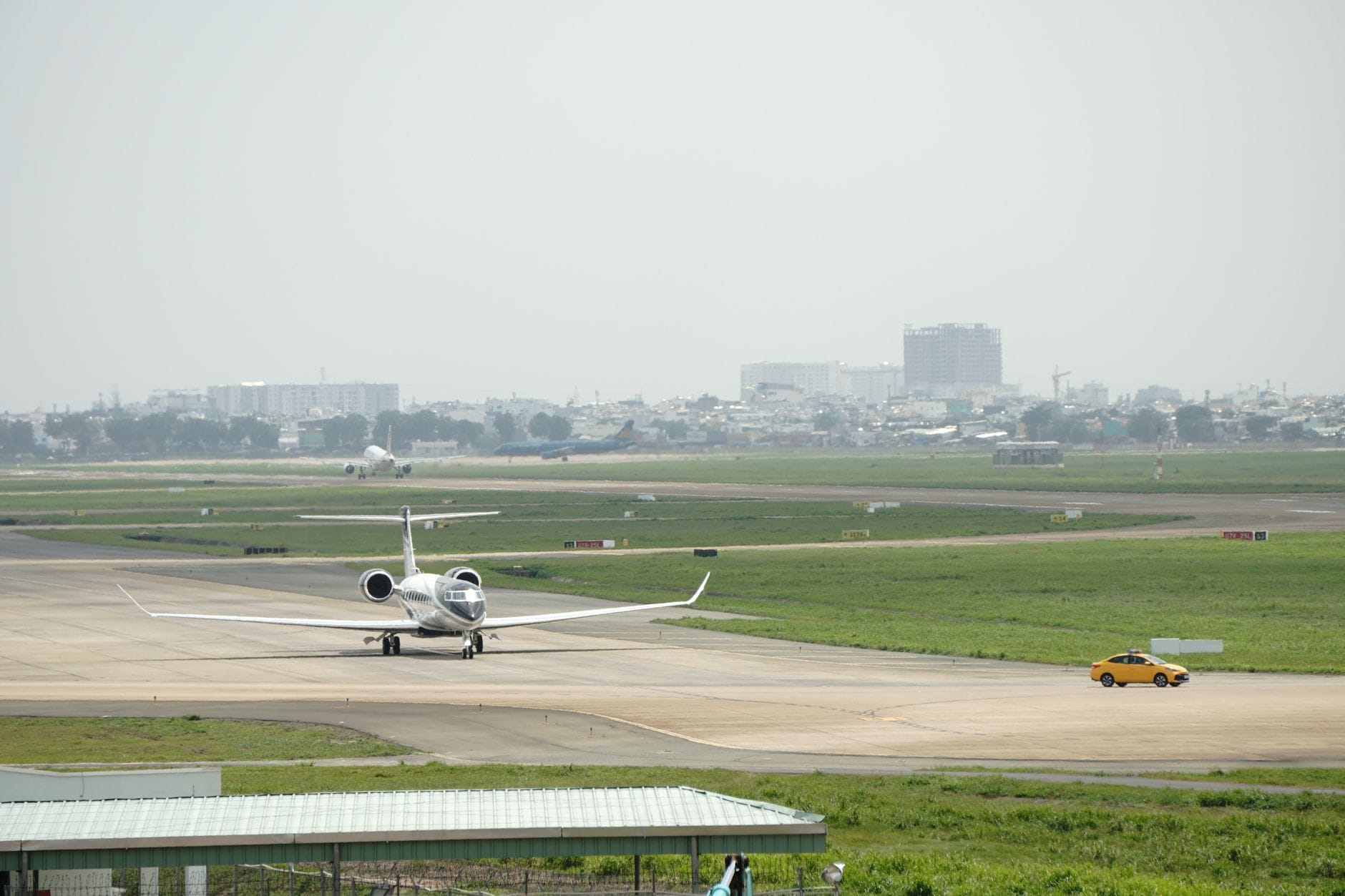
Transport fraud is by far the most common way travelers lose money in Da Nang. It tends to hit hardest on the first day, when you are jet-lagged, unfamiliar with local pricing, and stepping out of Da Nang International Airport (DAD). The airport is only around 3-5 km from the city center, but unlicensed touts have been known to charge many times the fair rate for that short trip.
- Use Grab for almost everything The Grab app (Southeast Asia's dominant ride-hailing platform) shows you the price before you confirm, tracks the route, and gives you the driver's name and plate number. This eliminates overcharging almost entirely. Download it before landing and load it with a card or cash balance.
- Stick to Mai Linh (green) or Vinasun (white) taxis If you prefer a physical taxi, these two firms use metered fares and have reasonable reputations. Avoid unmarked cars or drivers who approach you inside the terminal. Always confirm the meter is running before moving.
- Watch out for 'cheap return trip' offers Drivers offering a discounted round trip to Ba Na Hills, Hue, or the Marble Mountains sometimes quote low outbound fares and inflate the return, or simply disappear. Book day tours through verified operators or arrange Grab for each leg separately.
- Verify the vehicle before getting in When using Grab, check the driver's photo, name, and license plate displayed in the app against the actual car. Do not hand your phone to strangers offering to 'help' you book a ride. This is a documented technique for redirecting bookings to unofficial drivers.
⚠️ What to skip
At Da Nang Airport, ignore any driver who approaches you before you exit the arrivals area. Legitimate taxi ranks are located outside the terminal. If someone grabs your bag or steers you toward a vehicle, walk away and proceed to the official rank or open your Grab app.
Petty Theft, Market Tricks, and Street Scams
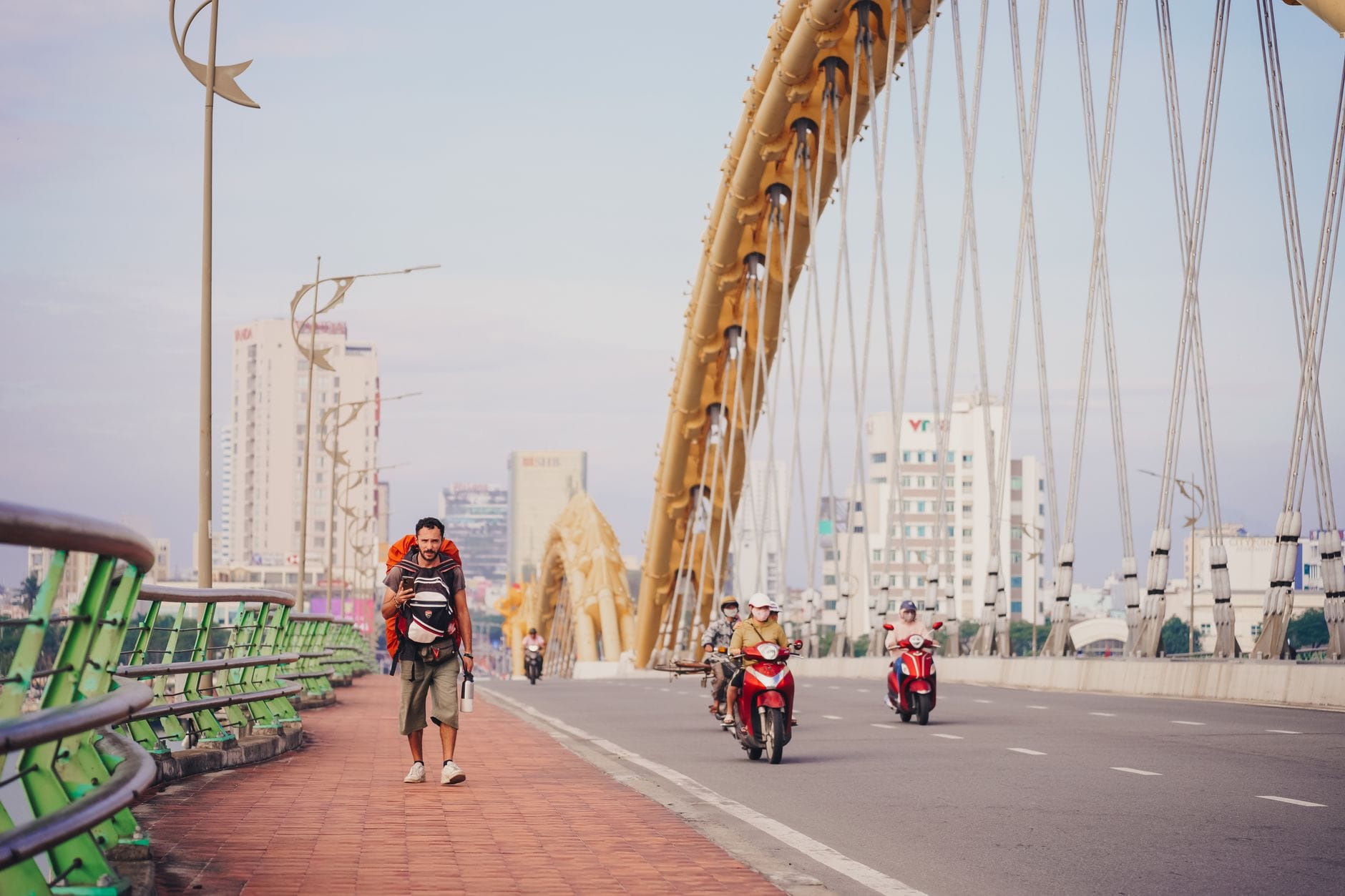
Bag snatching on motorbikes is the most physically dangerous form of petty theft in Da Nang. It happens near roads, particularly when visitors are distracted at outdoor restaurants or walking close to traffic. The standard precaution is simple: wear bags across your chest rather than over one shoulder, keep phones in pockets or zipped compartments rather than in your hand near the road, and do not leave items on restaurant table edges.
Market pricing is a separate category. At Con Market and Han Market, listed prices are often the starting point for negotiation rather than fixed rates. This is normal and expected. What is less acceptable is sellers switching the item after you agree on a price, giving incorrect change, or claiming to have 'no change' for larger bills. Count your change before you walk away, and try to carry smaller denominations (20,000 and 50,000 VND notes) for market purchases. If a vendor insists they have no change, the straightforward move is to go elsewhere.
Fake officials are a less common but worth-knowing scam. Legitimate Vietnamese police officers do not stop foreign tourists on the street and demand payment for vague 'violations.' If someone presents what looks like official ID and asks for cash or your card, do not pay. Ask to go to the nearest police station. Actual officers will not object to this. This scam is rare in Da Nang compared to some other Vietnamese cities, but worth being aware of.
- Cross-body bags with zipper closures are far safer than backpacks worn casually or single-strap shoulder bags near traffic.
- Keep a small amount of VND cash in an accessible pocket and the bulk of your money secured separately.
- At busy attractions, keep phone sessions short when standing near roads or in crowds.
- Photograph price tags or agree on prices explicitly before purchasing anything from a mobile vendor or street stall.
- The Helio Night Market and beach-strip vendors occasionally attract inflated tourist pricing. A quick search for standard rates before you go gives you a reasonable baseline.
ATMs, Cash, and Financial Safety
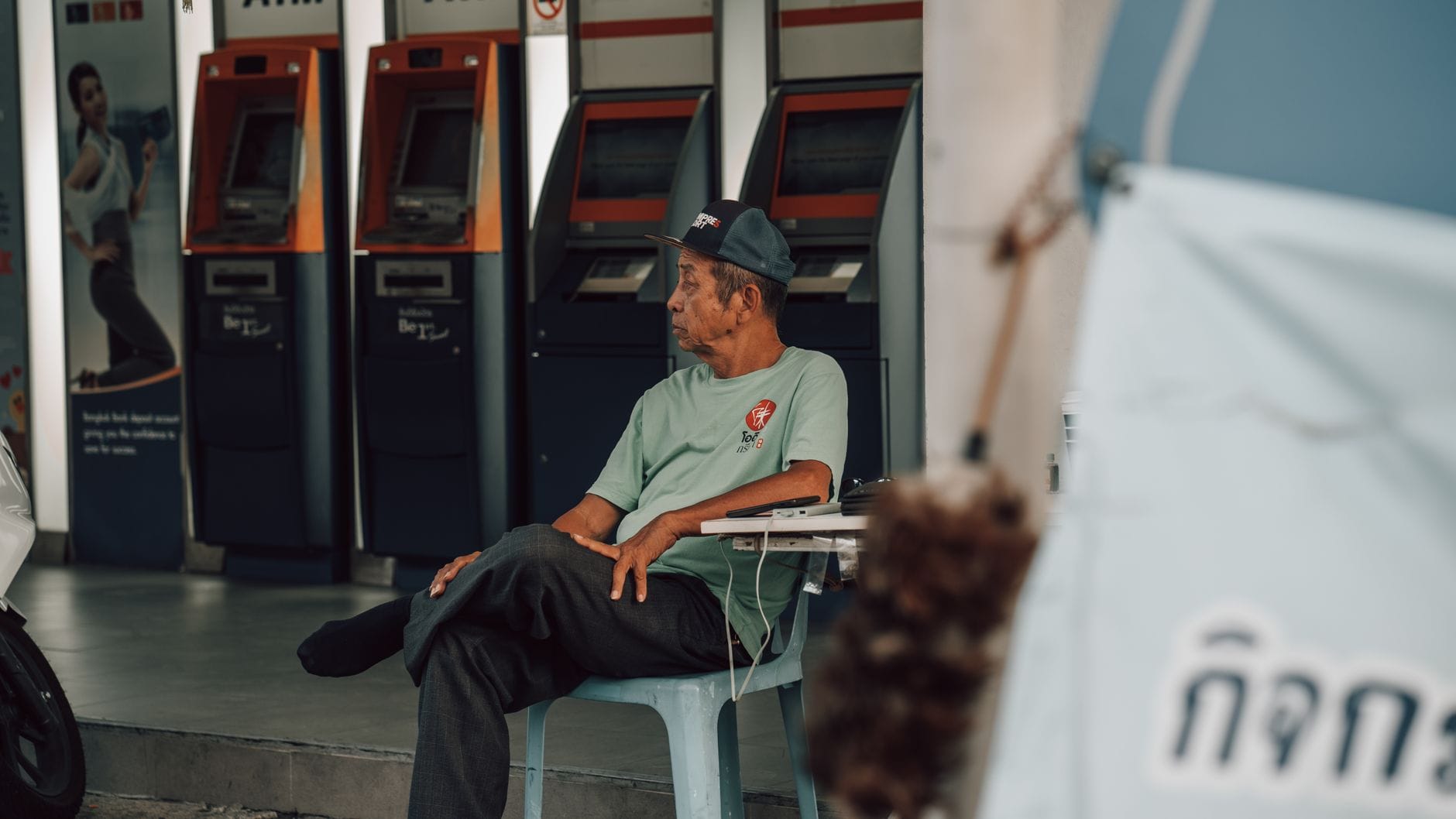
Vietnam remains a predominantly cash economy, and Da Nang is no exception. You will need Vietnamese dong (VND) for most markets, street food stalls, and smaller transport payments. ATMs are widely available throughout the city, but the machine you choose matters. ATM skimming, where a device is attached to capture card data, is a known risk at standalone machines in low-foot-traffic locations. The practical countermeasure is straightforward: use ATMs inside bank branches during business hours, where it is harder for a skimmer to be installed undetected.
- Preferred ATM locations: inside Vietcombank, Techcombank, or BIDV branches rather than standalone street machines.
- Shield the keypad with your other hand when entering your PIN, even if no one appears to be watching.
- Withdraw larger amounts less frequently to minimize transaction fees and exposure.
- Notify your bank of your travel dates before departure to avoid having your card blocked on first use abroad.
- Keep card and cash in separate locations so that losing one does not strand you entirely.
✨ Pro tip
The VND denomination system trips up many first-time visitors. Notes run from 1,000 up to 500,000, and it is easy to confuse a 100,000 note (roughly USD 4) with a 10,000 note in low light or when rushed. Take a moment when receiving change to verify the denominations. Sellers who exploit this confusion count on the transaction moving quickly.
Seasonal and Environmental Risks
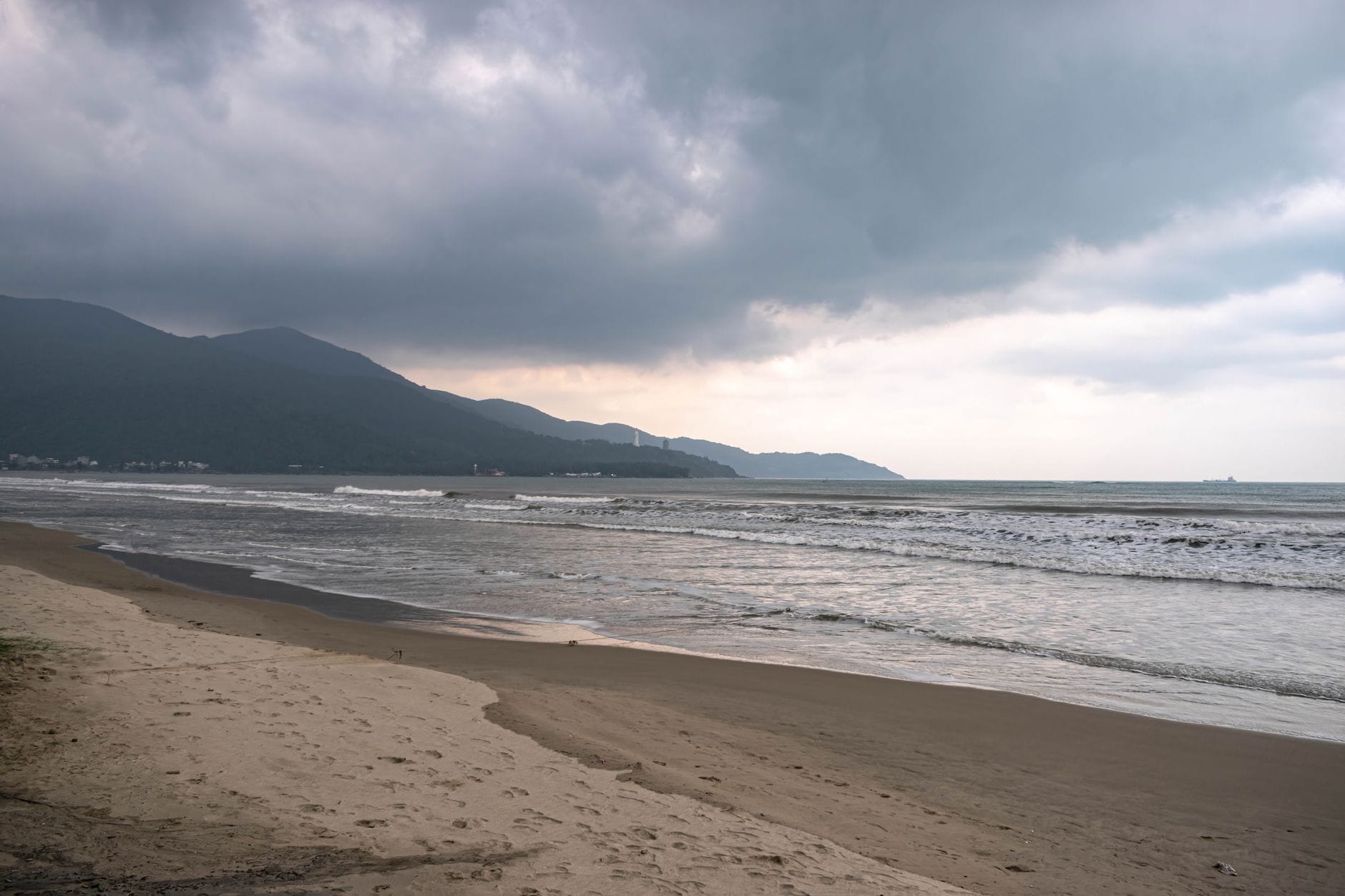
Da Nang's climate creates risks that are arguably more significant for trip planning than crime. The city sits on the South Central Coast and is directly in the path of Western Pacific typhoons. The core risk period runs from October through December, with heavy rain often peaking in this period. During this window, beach conditions can deteriorate rapidly, tour operators cancel day trips, and flooding in low-lying areas is possible. Check the official forecast from Vietnam's National Centre for Hydro-Meteorological Forecasting (nchmf.gov.vn) if you are visiting during this period.
Road safety deserves more attention than most travel guides give it. Vietnamese traffic operates on its own logic, particularly on motorbike-heavy streets. As a pedestrian, the counterintuitive but effective technique is to cross slowly and steadily, making your trajectory predictable so drivers can flow around you. Stopping suddenly in the middle of the road is more dangerous than continuing at a measured pace. If you plan to rent a motorbike, check that your travel insurance explicitly covers it, as many policies exclude motorbike accidents. For most visitors, Grab and local transport options are the safer choice.
Sun and heat are practical hazards from April through August when the dry season peaks. Temperatures regularly exceed 35°C on beach days. Dehydration and sunstroke are real outcomes for visitors who underestimate the intensity. Drink bottled or filtered water consistently, as tap water in Da Nang, like elsewhere in Vietnam, is not considered safe to drink without treatment. Most hotels provide bottled water; refill stations and convenience stores selling bottled water are everywhere in the city.
Practical Safety Essentials: Documents, Dress, and Emergencies
Carrying your original passport everywhere in Da Nang is unnecessary and adds risk. Store it in your hotel safe and carry a clear photocopy or a saved digital photo on your phone. Vietnamese law technically requires foreigners to carry identification, but a passport copy satisfies most practical situations. Keep the original accessible in case you need it for a bank transaction, hospital visit, or official procedure.
Dress code considerations matter at cultural and religious sites. Da Nang's beach areas and the main tourist strip around An Thuong tourist street are relaxed about clothing. However, at Linh Ung Pagoda and the Marble Mountains, covered shoulders and knees are expected. Most sites have sarongs or cover-ups available to borrow if you arrive underdressed, but bringing a light layer avoids the awkwardness.
- Emergency numbers to save on arrival: 113 (police), 114 (fire and rescue), 115 (ambulance).
- Vietnam country code is +84. Da Nang's area code for landlines is 236.
- Your home country's embassy or consulate contact details are worth saving separately from your phone, in case the phone is lost or stolen.
- Travel insurance that covers medical evacuation is strongly recommended. Da Nang has reasonable hospitals for routine care, but serious injuries may require transfer to Ho Chi Minh City or Bangkok.
- Vietnam uses 220V/50Hz electricity. Socket types A, C, and occasionally G are found in hotels. A universal adapter covers all scenarios.
💡 Local tip
Tipping is not part of Vietnamese tradition but is increasingly appreciated in tourist-facing hospitality. Small gratuities for good service are optional, while it is genuinely optional at local pho shops and street stalls. It is genuinely optional at local pho shops and street stalls.
FAQ
Is Da Nang safe for solo female travelers?
Generally yes. Da Nang has lower harassment rates than many Southeast Asian cities, and solo female travelers report feeling comfortable walking around the main districts day and night. Standard precautions apply: avoid unlit areas late at night, use Grab rather than flagging down unmarked taxis, and trust your instincts. The beach strip at My Khe can attract attention late at night, but serious incidents are uncommon.
What are the most common scams in Da Nang?
The most frequently reported are: taxi overcharging at the airport and for day trips, incorrect change at busy markets (Con Market and Han Market), bag snatching by motorbike near roads, and inflated prices from vendors who target tourists who have not checked standard rates. Grab eliminates most transport scams. Counting change immediately and carrying smaller notes handles most market issues.
Is the water safe to drink in Da Nang?
Tap water in Da Nang is not considered safe to drink without treatment, consistent with general guidance for Vietnam. Use bottled water (widely available and inexpensive) or filtered water from your hotel. Avoid ice at street stalls if you are unsure of its source, though most tourist-area restaurants use commercially produced ice that is generally safe.
When is typhoon season in Da Nang and should I avoid it?
Typhoon season in central Vietnam peaks from October through December. This period brings the highest chance of heavy rain, strong winds, and disrupted transport or tours. November is historically the wettest month. It is not necessarily a reason to cancel a trip, but you should book flexible accommodation, avoid committing to fixed outdoor itineraries, and monitor forecasts closely. Travel insurance covering weather disruption is especially worth having during these months.
Do I need to carry my passport at all times in Da Nang?
Not for most everyday activities. Vietnamese regulations require foreigners to carry identification, but a clear photocopy or a high-quality photo of your passport on your phone satisfies most practical situations, including restaurant check-ins, market transactions, and general sightseeing. Keep the original passport secure in your hotel safe and bring it only when you need it for banking, hospital registration, or official processes.
Tickets & tours
Live prices and dates from our booking partner. If you book, we may earn a commission at no extra cost to you.
Planning a trip? Discover personalized activities with the Nomado app.